To spend most of your safari time in the Serengeti, focus on a route that prioritizes extended stays within the park’s core wildlife areas, typically involving a central Serengeti base for year-round game viewing, combined with strategic visits to the northern or southern plains depending on the season (especially for the Great Migration). A common and highly effective approach involves flying into a Serengeti airstrip, spending 3-5 nights in the central Seronera region, followed by 2-3 nights in either the northern Kogatende/Lamai area (July-October for river crossings) or the southern Ndutu/Grumeti area (December-March for calving season), and then exiting via another airstrip or by road towards other destinations. This maximizes wildlife exposure by minimizing travel time between game drives and positioning you where the action is, especially crucial for witnessing the Great Migration’s dramatic events in 2026 or 2027.
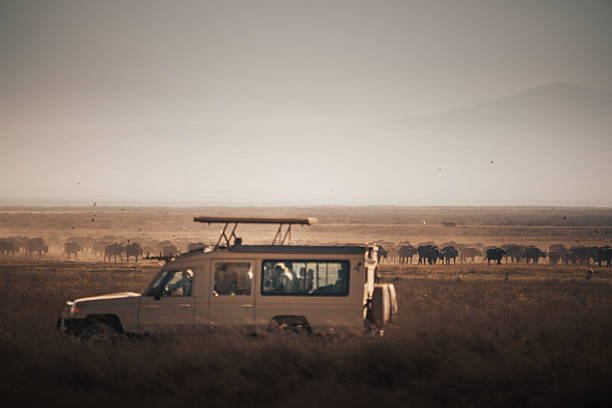
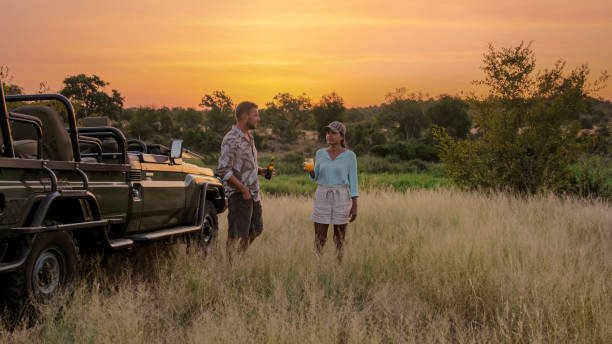
Planning Your Serengeti-Centric Safari Route
When your primary goal is to experience the Serengeti’s wildlife, the route you choose is paramount. It’s not just about seeing the Serengeti; it’s about experiencing its vastness and incredible animal density for as long as possible. This means minimizing transit days and maximizing game drive hours. For most travelers aiming for this, especially in 2026 and 2027, the decision boils down to balancing the Serengeti’s year-round attractions with the seasonal spectacle of the Great Migration. A well-designed itinerary will ensure you’re not just passing through, but truly living within the ecosystem.
The Serengeti National Park is enormous, covering over 14,750 square kilometers. Simply driving from one end to another can consume significant time, often meaning missed opportunities for wildlife viewing. Therefore, a safari route focused on maximizing time *in* the Serengeti necessitates strategic lodging placement and efficient transportation. This guide will break down the best ways to structure your safari to achieve this, considering different interests, seasons, and logistical realities for 2026-2027 bookings.
Understanding Serengeti’s Zones and Seasons
Before mapping out a route, it’s essential to grasp the Serengeti’s distinct regions and how they relate to animal movements, particularly the Great Migration of wildebeest and zebras. This understanding is key to planning a Serengeti safari route that guarantees you spend the most time in areas teeming with wildlife during your visit in 2026 or 2027.
- Central Serengeti (Seronera Valley): This is the heart of the park and offers excellent game viewing year-round. It’s known for its high concentration of resident wildlife, including lions, leopards, cheetahs, elephants, and a variety of plains game. Lodging here provides easy access to diverse habitats like open grasslands, kopjes (rocky outcrops), and riverine forests. It’s the ideal base for extended stays when the migration is not a primary focus, or as a transition point.
- Southern Serengeti (Ndutu/Grumeti): From roughly December to March, the southern plains and the Ngorongoro Conservation Area’s Ndutu region become the epicenter of the calving season. Millions of wildebeest and zebras gather here to give birth, creating an incredible predator-prey spectacle. The Grumeti River area, further west, also hosts resident wildlife and can be excellent, especially if you’re interested in seeing large crocodiles.
- Northern Serengeti (Kogatende/Lamai): This region, particularly the Mara River area, is famous for the dramatic river crossings of the Great Migration. From approximately July to October, the herds move northwards, and witnessing them brave the Mara River against a backdrop of crocodiles and waiting lions is a highlight for many. The landscape here is more rugged, with hills and the river forming natural barriers.
- Western Corridor (Grumeti River): This area is known for its large resident crocodile population and is a crossing point for the migration during May and June as herds move west and then north. It offers a different, often quieter, safari experience than the central or northern sections.
The choice of zones directly impacts how much time you can realistically spend observing wildlife. Focusing on one or two zones for longer durations (e.g., 3-4 nights each) is far more effective than trying to cover all regions in a short trip.
Defining Your Safari Style and Budget
Your preferred safari style and budget significantly influence route planning. A Serengeti-centric trip can be tailored for various preferences and financial plans for 2026-2027.
- Luxury Lodges & Camps: These offer high-end comfort, exclusive locations, and often fly-in access, minimizing travel time. They provide excellent opportunities for extended stays in prime wildlife areas.
- Mid-Range Tented Camps & Lodges: A good balance of comfort and value, these options still provide excellent access to wildlife. They might involve more road travel between locations but are very popular.
- Budget Camping (Public Campsites): This is the most economical way to experience the Serengeti, allowing for longer stays by camping within or just outside the park. However, it requires more logistical planning and can be less comfortable, especially in adverse weather.
- Private Safaris vs. Group Tours: A private safari offers maximum flexibility in itinerary and pace, ideal for a Serengeti-focused trip. Group tours, while more budget-friendly, might have fixed schedules that could limit your time in specific locations.
Considering these factors will help narrow down the best route and accommodation choices to maximize your time in the Serengeti.
The Classic Serengeti-Focused Route: Central + Migration Focus
This is arguably the most popular and effective route for travelers who want to spend the majority of their safari time within the Serengeti’s ecosystem, ensuring high chances of incredible wildlife sightings throughout their trip. It balances year-round accessibility with the seasonal migration spectacle.
Option 1: The Year-Round Champion (Central Serengeti Focus)
If your trip dates for 2026 or 2027 don’t perfectly align with peak migration movements, or if you simply want the best chance of seeing resident wildlife consistently, centering your safari in the Central Serengeti is the way to go. This route is less dependent on the migration’s exact location and offers a superb safari experience.
Itinerary Structure:
- Day 1: Arrival in Tanzania & Transfer to Arusha/Kilimanjaro. Arrive at Kilimanjaro International Airport (JRO), meet your guide, and transfer to your accommodation in Arusha.
- Day 2: Fly to Central Serengeti (Seronera Airstrip). After breakfast, transfer to Arusha Airport (ARK) for your light aircraft flight into the heart of the Serengeti. Upon arrival at Seronera Airstrip, you’ll be met by your dedicated safari guide and vehicle. Begin your first game drive en route to your lodge or camp. Spend the afternoon on a game drive in the Seronera Valley.
- Days 3-5 (or 3-6): Central Serengeti Exploration. Dedicate these days to exploring the Seronera Valley and its surrounding areas. This region is renowned for its high predator populations – lions, leopards, and cheetahs are frequently sighted. You’ll have ample time for morning and afternoon game drives, covering diverse landscapes from open plains to rocky kopjes and riverine woodlands. Lodging in this central area allows for early morning and late evening game drives, maximizing your chances of witnessing predator activity.
- Day 6 (or 7): Transfer to another Serengeti region or depart. Depending on your overall safari length and interest, you could:
- Fly to another Serengeti airstrip (e.g., Kogatende in the north or Ndutu in the south) for a different perspective and migration viewing if seasonally appropriate.
- Begin your road journey back towards Arusha, with a stop at a lodge near the Ngorongoro Conservation Area or Lake Manyara for a different ecosystem experience.
- Fly directly from Seronera back to Arusha or Kilimanjaro for your departure.
Why This Route Maximizes Time:
- Reduced Transit: Flying directly into Seronera significantly cuts down on travel time compared to a road transfer from Arusha (which can take 8-10 hours). This means more time for game drives on your first and last days in the park.
- Year-Round Wildlife: The Central Serengeti is a haven for resident wildlife, offering consistent sightings regardless of the migration’s location. This guarantees a fulfilling safari experience even outside the peak migration months.
- Flexibility: With 3-4 full days (or more) dedicated to the Serengeti, you can explore different areas within the central region, track specific animals, and enjoy leisurely game drives without feeling rushed.
- Prime Lodging Options: Numerous high-quality lodges and tented camps are situated within or very close to Seronera, offering excellent access and often the ability to start game drives directly from your accommodation.
This approach ensures that the vast majority of your safari days are spent actively searching for and observing wildlife within the Serengeti’s most productive areas, making it an ideal Serengeti-centric route for 2026-2027.
Option 2: The Migration Spectacle (Central + Northern or Southern Serengeti)
If your travel dates in 2026 or 2027 coincide with key migration periods, you’ll want to incorporate a visit to the areas where the herds are most concentrated. This route builds upon the Central Serengeti base by adding a second Serengeti region, offering a chance to witness the migration’s epic movements.
Itinerary Structure (Example for July-October Migration):
- Day 1: Arrival in Tanzania & Transfer to Arusha. Arrive at Kilimanjaro International Airport (JRO) and transfer to Arusha.
- Day 2: Fly to Central Serengeti (Seronera Airstrip). Fly from Arusha (ARK) to Seronera, starting game drives en route to your lodge/camp. Afternoon game drive.
- Days 3-4: Central Serengeti Exploration. Two full days dedicated to the rich wildlife of the Seronera Valley. This provides a solid foundation of Serengeti wildlife viewing and allows for exploration of areas where resident predators are abundant.
- Day 5: Fly to Northern Serengeti (Kogatende Airstrip). After a morning game drive and breakfast, transfer to Seronera Airstrip for a short flight north to Kogatende. Your guide will meet you for a game drive en route to your camp, strategically positioned for migration viewing.
- Days 6-8: Northern Serengeti (Kogatende/Lamai). Spend these days focusing on the Mara River region. This is the prime time and location to witness the dramatic river crossings as the wildebeest and zebras attempt to cross the Mara River. Game drives will be concentrated around the river and the migration herds. You’ll have ample time to track the herds, observe predator activity, and experience the sheer scale of the migration.
- Day 9: Fly from Kogatende to Arusha/Kilimanjaro. Enjoy a final morning game drive before flying from Kogatende back to Arusha for your onward journey or departure.
Itinerary Structure (Example for December-March Migration):
- Day 1: Arrival in Tanzania & Transfer to Arusha. Arrive at Kilimanjaro International Airport (JRO) and transfer to Arusha.
- Day 2: Fly to Southern Serengeti/Ndutu. Fly from Arusha (ARK) to an airstrip serving the Ndutu or Southern Serengeti area (e.g., Ndutu Airstrip). Meet your guide and begin game drives en route to your camp.
- Days 3-5: Southern Serengeti & Ndutu Exploration. Focus on the plains where millions of wildebeest and zebras are calving. This period is exceptional for predator sightings as lions, cheetahs, and hyenas feast on the newborns. The landscape is vast and open, offering incredible photographic opportunities.
- Day 6: Fly to Central Serengeti (Seronera Airstrip). After a morning game drive, fly from Ndutu to Seronera. Game drive en route to your lodge/camp.
- Days 7-8: Central Serengeti Exploration. Two days to explore the resident wildlife of the Seronera Valley, offering a contrast to the calving plains and ensuring you don’t miss out on the excellent predator viewing here.
- Day 9: Fly from Seronera to Arusha/Kilimanjaro. Enjoy a final morning game drive before flying from Seronera back to Arusha.
Why This Route Maximizes Time:
- Targeted Migration Viewing: By flying directly to the relevant migration hotspots (north or south), you minimize travel time and maximize your presence where the action is.
- Diverse Ecosystems: You experience different landscapes and wildlife concentrations – the predator-rich central plains and the dramatic migration arenas.
- Efficient Use of Time: Utilizing light aircraft transfers between Serengeti regions is crucial. Road transfers between these distant parts of the Serengeti can take a full day or more, negating the benefit of a Serengeti-focused trip.
- High Wildlife Density: These routes ensure you are in the Serengeti during periods of peak animal activity, significantly increasing your chances of witnessing iconic wildlife events.
For 2026-2027, planning your safari to align with these migration patterns using this dual-region approach offers an unparalleled Serengeti experience, dedicating almost all your safari days to this magnificent park.
Deep Dive: Serengeti’s Regions for Extended Stays
To truly maximize your time in the Serengeti, understanding the nuances of each region and how they contribute to an extended, wildlife-focused safari is key. This isn’t about ticking off sights; it’s about deep immersion.
The Enduring Appeal of Central Serengeti (Seronera)
Seronera is often called the ‘heart’ of the Serengeti, and for good reason. Its permanent water sources, particularly the Seronera River, attract a high density of resident wildlife year-round. This makes it the ultimate fallback for any Serengeti-centric safari, especially if your 2026 or 2027 trip dates are flexible or fall outside peak migration months.
What to Expect in Seronera:
- Predator Paradise: Seronera boasts one of the highest concentrations of big cats in Africa. Lions are abundant, often found lounging near kopjes or riverbeds. Leopards, known for their elusive nature, are frequently spotted in acacia trees along the river. Cheetahs patrol the open grasslands, and hyenas are a common sight.
- Diverse Habitats: The landscape is varied, featuring rolling grasslands dotted with iconic flat-topped acacia trees, rocky outcrops (kopjes) that serve as hunting perches and dens for predators, and woodlands along the Seronera River. This diversity supports a wide array of species.
- Resident Wildlife Abundance: Beyond predators, you’ll find large herds of wildebeest and zebras year-round (though numbers swell dramatically during migration), Thomson’s gazelles, Grant’s gazelles, buffaloes, elephants, giraffes, warthogs, and a multitude of bird species.
- Accessibility: Seronera is serviced by a major airstrip, making it easily accessible by light aircraft from Arusha or other Serengeti airstrips. This minimizes travel time, allowing for more game viewing.
Maximizing Time in Seronera:
- Stay Longer: Allocate at least 3-4 full days here. This allows you to explore different territories within the central region, follow up on sightings, and experience the park at different times of day.
- Choose Lodging Wisely: Opt for lodges or tented camps located directly within or very close to the Seronera Valley. This means you can start game drives straight from your accommodation, saving precious time. Some camps are situated such that you can drive out for an early morning game drive and return for breakfast, or depart on a full-day game drive with a packed lunch.
- Consider Full-Day Drives: With ample time, you can opt for full-day game drives, venturing further into the Seronera ecosystem and maximizing your hours in the field.
For a Serengeti-centric safari in 2026 or 2027, Seronera is your anchor. It guarantees incredible wildlife encounters regardless of the migration’s exact movements, providing a rich and rewarding experience.
The Thrill of the Northern Serengeti (Kogatende & Lamai)
If your safari dates fall between July and October, the Northern Serengeti is where the magic of the Great Migration’s river crossings happens. This region transforms into the stage for one of nature’s most dramatic spectacles.
What to Expect in the North:
- The Mara River Crossings: This is the main draw. Witnessing thousands of wildebeest and zebras plunge into the Mara River, navigating strong currents, crocodiles, and predators waiting on the banks, is an unforgettable sight. These crossings are unpredictable and can happen at any time of day.
- Dramatic Landscapes: The north is characterized by rolling hills, the winding Mara River, and open plains. It feels wilder and more remote than the central region.
- High Predator Activity: The migration draws large numbers of lions, hyenas, and cheetahs, who capitalize on the vulnerable herds. Crocodile activity in the river is also at its peak.
- Resident Wildlife: While the migration dominates, the north also has resident populations of elephants, giraffes, buffaloes, and various antelope species.
Maximizing Time in the North:
- Strategic Timing: Plan your visit for July, August, September, or early October to coincide with the migration’s presence in this region.
- Fly In: Kogatende Airstrip is the primary gateway. Flying in from Arusha or Seronera is essential to maximize your time here. Road travel from central Serengeti can take 6-8 hours, consuming a full day.
- Stay Near the River: Choose lodges or tented camps located strategically to minimize travel time to the Mara River and known crossing points. Some camps are situated right on the riverbanks.
- Dedicated Migration Focus: Dedicate at least 3-4 full days to this region. This allows you to spend mornings and afternoons tracking the herds, waiting patiently for potential crossings, and observing the surrounding predator dynamics.
- Patience is Key: River crossings are natural events and cannot be guaranteed. Spending sufficient time allows you to increase your chances of witnessing one.
For travelers in 2026 or 2027 aiming for the iconic migration river crossings, the Northern Serengeti is non-negotiable. A route incorporating this region ensures you’re at the heart of the action.
The Abundance of the Southern Serengeti & Ndutu
From December to March, the Southern Serengeti and the adjacent Ngorongoro Conservation Area (specifically the Ndutu plains) become the stage for the calving season of the Great Migration. This period offers a different, yet equally spectacular, wildlife experience.
What to Expect in the South & Ndutu:
- Calving Season Spectacle: Millions of wildebeest and zebras gather on the short-grass plains to give birth. Thousands of calves are born within a short period, creating an environment of intense activity and a feeding frenzy for predators.
- Predator Haven: This is arguably the best time and place to witness predator-prey interactions. Lions, cheetahs, hyenas, and even leopards are highly active, hunting the vulnerable newborns.
- Vast Open Plains: The landscape is dominated by short-grass plains that stretch to the horizon, offering incredible visibility and photographic opportunities, especially at sunrise and sunset.
- Resident Wildlife: While the migration is the star, you’ll also find resident populations of giraffes, elephants, buffaloes, and various gazelles.
Maximizing Time in the South & Ndutu:
- Targeted Months: Plan your visit for December, January, February, or March. February is often considered the peak calving month.
- Fly In: Ndutu Airstrip or airstrips in the Southern Serengeti are the best entry points. Flying saves considerable time compared to road transfers.
- Stay in Ndutu or Southern Serengeti: Lodges and tented camps are situated within the Ndutu plains or the southern Serengeti. Staying within these areas allows for immediate access to the calving herds and predator action.
- Focus on Predators: Dedicate 3-4 full days to this region. Your game drives will be focused on tracking predators and observing the dynamics of the calving herds.
- Sunrise and Sunset Drives: The open plains are perfect for early morning and late afternoon drives, offering stunning light and increased chances of predator activity.
For a 2026 or 2027 safari focused on witnessing the birth of the migration and the incredible predator activity that follows, the Southern Serengeti and Ndutu are essential. This route provides a deep look at the cycle of life on the plains.
Crafting Your Itinerary: Practical Considerations
Beyond understanding the zones, practical planning is crucial for a smooth and time-maximizing Serengeti safari in 2026 or 2027. This involves logistics, accommodation choices, and understanding travel flow.
Transportation: Flying vs. Driving
The choice between flying and driving significantly impacts your time spent in the Serengeti.
- Flying (Light Aircraft): This is the most efficient way to maximize time *in* the Serengeti. Flying into a Serengeti airstrip (Seronera, Kogatende, Ndutu, Grumeti) from Arusha or Zanzibar bypasses long road journeys. It allows you to start game drives on your arrival day and maximize your last day before flying out. This is highly recommended for Serengeti-centric itineraries. The cost is higher, but the time saved is invaluable.
- Driving (4×4 Safari Vehicle): Road transfers from Arusha to the Serengeti are long (8-10 hours to Seronera, longer to the north or south). While more budget-friendly and offering a chance to see other parks like Tarangire or Lake Manyara en route, it eats into your Serengeti time. If driving, consider breaking the journey with an overnight stay near the park entrance or in a lodge within the Serengeti’s outer areas. For a Serengeti-focused trip, driving is generally not recommended unless budget is the absolute primary constraint.
Accommodation Strategy: Location is Key
Where you stay directly influences how much time you have for game drives.
- Central Serengeti Lodges/Camps: Staying in or very near Seronera allows you to start game drives immediately. Many lodges offer early morning or full-day drive options.
- Northern Serengeti Camps: Camps closest to the Mara River offer the best access for migration crossings. Being able to reach the river within a short drive or even walk from camp (in some cases) is crucial.
- Southern Serengeti/Ndutu Camps: Camps located on the plains themselves offer immediate immersion into the calving grounds and predator action.
- Mobile Camps: These seasonal camps move with the migration. While offering prime locations, they require careful booking in advance for 2026-2027 and can sometimes involve more logistical coordination.
- Public vs. Private Campsites: Public campsites within the Serengeti are the most budget-friendly but offer fewer amenities and can be busier. Private campsites offer more exclusivity but come at a higher cost. Your choice impacts comfort and potentially the time spent setting up camp.
Typical Itinerary Flow for Maximum Serengeti Time
A common and effective flow for a Serengeti-focused safari:
- Day 1: Arrive JRO, transfer to Arusha.
- Day 2: Fly Arusha (ARK) to Serengeti airstrip (Seronera, Kogatende, or Ndutu depending on season). Game drive en route to lodge/camp.
- Days 3-5/6: Full days exploring the chosen Serengeti region(s). This could be 3-4 days in Central, or a split like 2 days Central + 2 days North/South.
- Day 7/8: Morning game drive, then fly from Serengeti airstrip back to Arusha or Kilimanjaro for departure. Or, if continuing to another destination, fly to that hub.
This structure prioritizes flying into and out of the Serengeti, dedicating almost all your safari days to the park itself. For a 7-day safari, this could mean 5 full days in the Serengeti. For a 10-day safari, you could easily spend 7-8 days within the park, perhaps splitting between two regions.
Sample Serengeti-Centric Itinerary Frameworks (2026-2027)
To illustrate how a Serengeti-focused route can be structured, here are a few framework examples. These are adaptable based on your specific dates, interests, and desired pace.
Framework A: The All-Season Serengeti Explorer (7 Days / 6 Nights)
This is ideal for those who want a solid Serengeti experience without being tied to specific migration dates, or for shorter trips where maximizing time *in* the park is critical.
- Day 1: Arrive JRO, transfer to Arusha.
- Day 2: Fly Arusha (ARK) to Seronera Airstrip. Game drive to lodge/camp. Afternoon game drive. (1 night Serengeti)
- Days 3-5: Full days exploring Central Serengeti. Morning and afternoon game drives, option for full-day drives. (3 nights Serengeti)
- Day 6: Morning game drive, then fly Seronera Airstrip to Arusha. Transfer to hotel. (1 night Arusha)
- Day 7: Depart from Arusha.
Total Serengeti Time: 4 nights / approximately 3.5 days of game drives.
Framework B: Migration Focus – River Crossings (9 Days / 8 Nights)
Designed for July-October travel to witness the dramatic river crossings in the Northern Serengeti.
- Day 1: Arrive JRO, transfer to Arusha.
- Day 2: Fly Arusha (ARK) to Seronera Airstrip. Game drive to lodge/camp. Afternoon game drive. (1 night Serengeti – Central)
- Day 3: Full day exploring Central Serengeti. (1 night Serengeti – Central)
- Day 4: Morning game drive, then fly Seronera to Kogatende Airstrip. Game drive to camp. (1 night Serengeti – North)
- Days 5-7: Full days focusing on Mara River crossings and migration herds in Northern Serengeti. (3 nights Serengeti – North)
- Day 8: Morning game drive, then fly Kogatende Airstrip to Arusha. Transfer to hotel. (1 night Arusha)
- Day 9: Depart from Arusha.
Total Serengeti Time: 6 nights / approximately 5.5 days of game drives.
Framework C: Migration Focus – Calving Season (9 Days / 8 Nights)
Tailored for December-March travel to experience the calving season in the Southern Serengeti/Ndutu.
- Day 1: Arrive JRO, transfer to Arusha.
- Day 2: Fly Arusha (ARK) to Ndutu Airstrip. Game drive to camp. Afternoon game drive. (1 night Serengeti – South/Ndutu)
- Days 3-5: Full days exploring the calving grounds and predator action in Southern Serengeti/Ndutu. (3 nights Serengeti – South/Ndutu)
- Day 6: Morning game drive, then fly Ndutu Airstrip to Seronera Airstrip. Game drive to lodge/camp. (1 night Serengeti – Central)
- Days 7-8: Full days exploring resident wildlife and predators in Central Serengeti. (2 nights Serengeti – Central)
- Day 9: Morning game drive, then fly Seronera Airstrip to Arusha. Transfer to hotel. (1 night Arusha)
- Day 10: Depart from Arusha.
Total Serengeti Time: 6 nights / approximately 5.5 days of game drives.
These frameworks highlight how prioritizing Serengeti time means flying between regions and dedicating multiple consecutive nights to each area. For 2026-2027 bookings, these structures offer a strong starting point.
Beyond the Serengeti: Integrating Other Parks (Optional)
While your priority is the Serengeti, many travelers choose to combine it with other iconic Tanzanian destinations. However, for a Serengeti-centric trip, these additions must be carefully managed to avoid diminishing your time in the main park.
Ngorongoro Crater: A Must-See (but manage time)
The Ngorongoro Crater is a UNESCO World Heritage Site and offers exceptional wildlife viewing due to its unique caldera ecosystem. It’s often combined with Serengeti.
- Pros: High density of animals, including the Big Five, in a compact area. Unique landscape.
- Cons: Strict time limits (6 hours on the crater floor) and visitor numbers can make it feel less wild. It’s a separate park/conservation area, so visiting it means transit time away from the Serengeti.
Route Integration: If you must visit the Crater, consider a 1-day visit. This could be done on your way to or from the Serengeti if driving, or by flying to the Crater’s airstrip and then to the Serengeti. For a Serengeti-focused trip, limiting your Ngorongoro Crater time to a single day is advisable. For instance, after your Serengeti stay, you could drive from the Serengeti’s southern edge towards the Crater, descend for a game drive, and then overnight on the crater rim or descend to Karatu. Alternatively, fly from a Serengeti airstrip to the Crater airstrip, spend the day, and then fly to Arusha. This minimizes transit days but still takes you away from the Serengeti.
Lake Manyara & Tarangire: Shorter Stays
These parks are closer to Arusha and can be visited as a 1-2 day excursion.
- Lake Manyara: Known for tree-climbing lions, flamingos, and diverse birdlife. A half-day or full-day visit is often sufficient.
- Tarangire: Famous for its large elephant herds and baobab trees. It’s particularly good during the dry season (June-October) when animals congregate around the Tarangire River. A 1-2 day visit is common.
Route Integration: These can be visited on your way to or from the Serengeti if driving. However, for a Serengeti-first approach, it’s often better to fly into the Serengeti and then fly out to Arusha, concluding your safari without extensive road travel. If you have more time and want to add them, consider them as bookends to your Serengeti adventure, perhaps spending a day in Tarangire upon arrival in Tanzania before flying to the Serengeti, or visiting Manyara on your way back to Arusha after your Serengeti safari.
Mount Kilimanjaro & Zanzibar
These are typically separate trips rather than integrated safari components. Climb 4 Africa specializes in Kilimanjaro climbs and can arrange these as pre or post-safari extensions.
Route Integration: If you plan to climb Kilimanjaro before or after your Serengeti safari, this is straightforward. You would arrive in Tanzania, potentially do a short safari or head straight to Moshi for your climb briefing, climb Kilimanjaro, and then proceed to your Serengeti safari. Zanzibar is usually a post-safari relaxation destination, requiring a flight from Arusha or Kilimanjaro International Airport.
Key Takeaway for Serengeti-Centric Trips: To maximize your time *in* the Serengeti, prioritize flying into and out of the park and minimize transit days spent driving between other parks. If you visit other parks, keep those visits brief and strategically placed to not detract from your core Serengeti experience.
Booking Your Serengeti Safari Route in 2026-2027
Planning a Serengeti safari, especially one focused on maximizing your time within its borders, requires careful consideration and expert advice. The choices you make now will define your experience in 2026 or 2027.
When to Book
For peak seasons, particularly during the Great Migration (July-October for river crossings, December-March for calving), it is highly recommended to book your safari at least 6-12 months in advance. This is especially true for specific lodges or tented camps that are in high demand. Mid-2026 and late 2026 are already seeing bookings for 2027. For less busy periods or if you’re flexible with accommodation, 3-6 months might suffice, but early booking is always advantageous for securing preferred options and ensuring availability.
Choosing Your Operator
Selecting the right tour operator is crucial for a well-executed, Serengeti-centric safari. Look for operators with:
- Deep Serengeti Knowledge: They should understand the park’s nuances, seasonal movements, and best lodges/camps in each region.
- Logistical Expertise: Especially for multi-region Serengeti itineraries, efficient flight bookings and transfers are essential.
- Customization Skills: The ability to tailor an itinerary precisely to your desire for maximum Serengeti time.
- Local Presence: Operators based in Tanzania, like Climb 4 Africa, have firsthand knowledge and strong relationships with local providers, ensuring better service and support.
Key Questions to Ask Your Operator:
- What is the exact breakdown of nights spent in each region of the Serengeti?
- How are transfers between Serengeti regions handled (flying is usually best for time maximization)?
- What is the typical daily schedule for game drives to ensure maximum wildlife viewing time?
- Are full-day game drives with packed lunches an option?
- What is the lodge/camp’s proximity to key wildlife areas (e.g., Mara River, Seronera Valley)?
- What is included in the safari package (park fees, accommodation, meals, activities, transfers)?
Making Your Booking Decision
When you’re ready to plan your unforgettable Serengeti safari for 2026 or 2027, focusing on maximizing your time in this incredible park means working with experts who understand its vastness and the best ways to navigate it. The route you choose will define your experience, and prioritizing Serengeti-based activities ensures you get the most out of your investment in this extraordinary destination.
At Climb 4 Africa, we specialize in crafting bespoke Tanzanian safari experiences, with a particular focus on helping travelers like you design itineraries that maximize time in the Serengeti. We understand the logistics of flying between airstrips, the best seasonal locations, and the nuances of lodges and camps across the park. To discuss your ideal Serengeti-centric route for 2026-2027, including detailed day-by-day plans and inclusions, please reach out to our expert team. We can help you build an itinerary that ensures you spend your days immersed in the wildlife and landscapes of the Serengeti, creating memories that will last a lifetime. Don’t hesitate to contact us for a personalized consultation to plan your adventure.
Contact Climb 4 Africa:
WhatsApp: +255 747 477 898
Email: climb4africa@gmail.com
Check Availability for Serengeti Safari Route: Maximizing Your Time In The Plains 2026-2027
Ready to compare dates, prices, and the best option for your group? Send the package name and travel month so the team can reply with a clear quote, availability, and what is included.
I Am On A Budget—What Is The Cheapest Serengeti Group Safari?
I Am on a Budget—What Is the Cheapest Serengeti Group Safari?
View package detailsDec 27, – 4 Day Serengeti Migration Group Safari: Plan Your Trip
A deep look at planning your 4-day Serengeti migration group safari departing December 27, 2026, including itinerary logistics, group benefits, and seasonal expectations.
View package details3 Day Serengeti And Ngorongoro Group Safari: Planning For December 4,
A detailed guide on planning a 3-day group safari to the Serengeti and Ngorongoro Crater for December 4, 2026, covering route expectations, group logistics, and essential planning steps.
View package detailsWe Are Two Travellers—Can We Join A Serengeti Safari In Dec ?
A guide for two travellers looking to join a Serengeti group safari in December 2026, covering logistics, cost-efficiency, and what to expect during the short rains.
View package detailsWhere Can I Join An Affordable Serengeti Safari In Dec ? A Practical Planning
A practical guide for budget-conscious travelers looking to join a Serengeti safari in December 2026, focusing on group-joining logistics and cost-effective planning.
View package detailsWhich Tanzania Group Safari Includes Serengeti And Ngorongoro?
Which Tanzania Group Safari Includes Serengeti and Ngorongoro?
View package detailsHow Much Is A 3 Day Serengeti Group Safari In Nov ? Cost Breakdown
Get a clear breakdown of the factors influencing the cost of a 3-day Serengeti group safari in November 2026, including park fees, vehicle logistics, and group dynamics.
View package detailsCan A Solo Traveller Join A Serengeti Safari In Dec ?
Planning a solo safari in December 2026? Discover the logistics of joining group departures, why December is a prime time for the migration, and how to manage costs effectively.
View package details
Afcon Private Serengeti Safari With Lodges
AFCON 2027 Private Serengeti Safari with Lodges.
View package detailsAfcon Luxury Serengeti Safari Packages
AFCON 2027 Luxury Serengeti Safari Packages.
View package details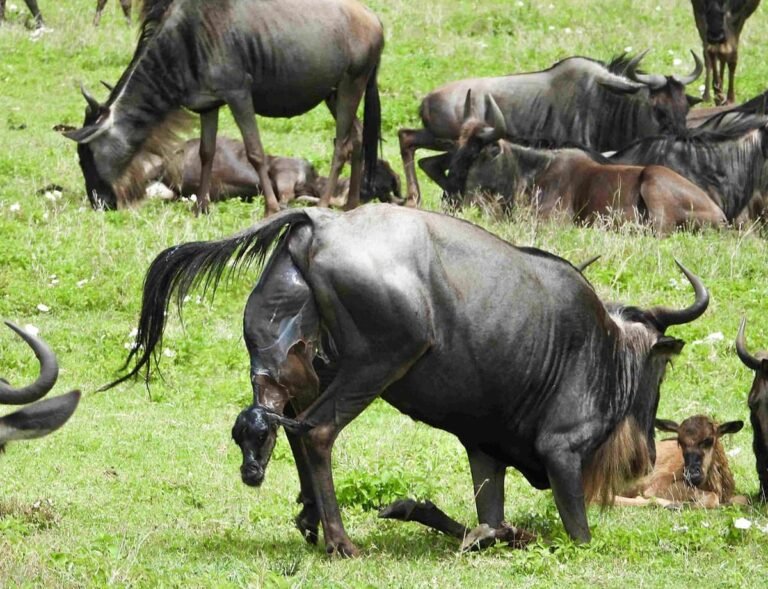
Serengeti Great Migration Safari During AFCON 2027
Mwongozo wa kina kwa safari ya Serengeti Great Migration wakati wa AFCON 2027, ukilenga kuelewa maeneo, kipindi cha mwendo wa mnyama, na mapendekezo ya mipango ya kiutendaji.
View package details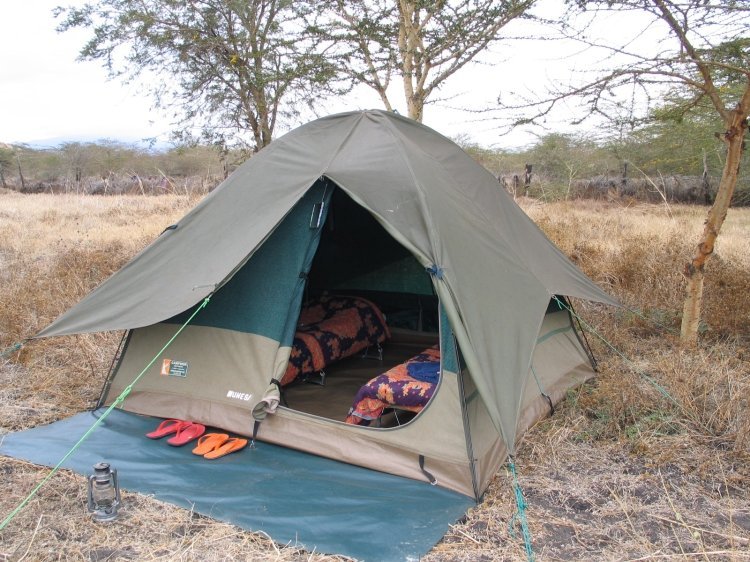
Four Day Serengeti na Ngorongoro Safari During AFCON 2027
Mwongozo wa safari ya siku 4 kwenye Serengeti na Ngorongoro wakati AFCON 2027; jinsi ya kupanga, nini cha kujali, na jinsi ya kuandaa,”
View package detailsNo related package matches those filters. Clear one or more filters to see the other topic-matched options.