
The best safari itinerary starting from Moshi typically focuses on Tanzania’s renowned Northern Circuit, offering a 4 to 7-day experience that includes the Serengeti National Park, Ngorongoro Conservation Area, and Tarangire National Park. Shorter 3-day options might focus on Tarangire and Ngorongoro, while longer trips can add Lake Manyara or extend time in the Serengeti. For 2026-2027, consider a 5-day itinerary hitting Tarangire, Serengeti (central or western corridor depending on migration), and Ngorongoro for a balanced introduction to Tanzania’s iconic wildlife destinations.
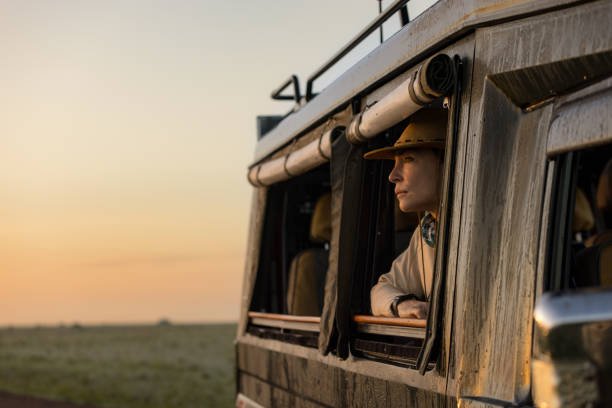
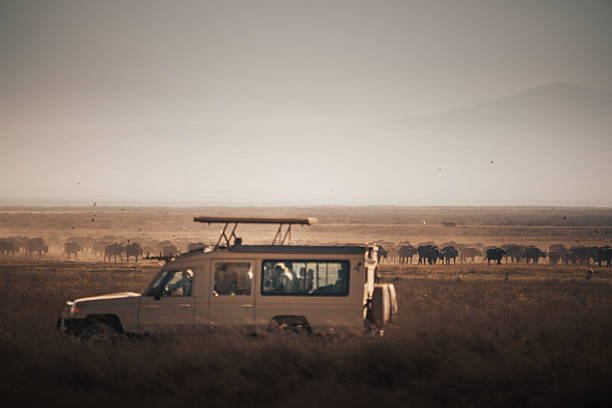
Planning Your Safari From Moshi: Key Decisions
Moshi, the gateway to Mount Kilimanjaro, is also an excellent launchpad for incredible Tanzanian safaris. When you’re looking for the best safari itinerary starting from Moshi, the first step is to consider what kind of experience you’re after. Are you hoping to witness the Great Migration in the Serengeti, explore the unique caldera of Ngorongoro, or marvel at the vast elephant herds of Tarangire? Your priorities will shape the ideal route and duration. Most safaris departing from Moshi concentrate on the Northern Circuit, which is home to some of Africa’s most famous wildlife reserves. For travelers planning for 2026 or 2027, understanding the trade-offs between different parks, accommodation styles, and trip lengths is crucial for crafting a truly memorable adventure.
The primary factor influencing your safari itinerary from Moshi is the time you have available. A typical safari can range from a quick 3-day sampler to an in-depth 10-day exploration. For most first-time visitors, a 4 to 7-day safari offers a fantastic balance, allowing you to experience the highlights of the Northern Circuit without feeling rushed. Shorter trips are possible but will necessitate focusing on fewer parks, while longer durations allow for deeper immersion and the potential to explore more remote areas or add less-visited gems.
Another significant consideration is your budget and preferred travel style. Are you looking for a budget-friendly shared safari, a comfortable mid-range experience, or a luxurious private adventure? This choice impacts accommodation, vehicle type, and the overall pace of your safari. Climb 4 Africa specializes in creating tailor-made experiences, whether you’re seeking a group departure in 2026 or a private safari in 2027, ensuring your itinerary is perfectly aligned with your expectations and financial plan. We help you navigate these choices to build the best safari starting from Moshi for your specific needs.
Finally, consider the time of year for your 2026-2027 safari. While Tanzania offers excellent wildlife viewing year-round, certain periods are better for specific phenomena, like the Great Migration. Understanding these seasonal variations can significantly enhance your safari experience and should be a key part of your itinerary planning.
Introduction to Safaris from Moshi
Moshi, a vibrant town located at the foot of Mount Kilimanjaro, is more than just a trekking base; it’s a strategic starting point for exploring the unparalleled wildlife spectacles of Tanzania’s Northern Circuit. Many travelers ascend Kilimanjaro and then seek to combine this incredible achievement with an equally awe-inspiring safari. For those whose primary goal is wildlife, Moshi serves as a convenient hub, offering direct access to tour operators and the parks themselves. When considering the best safari itinerary starting from Moshi, you’re essentially looking at a journey through landscapes teeming with iconic African fauna.
The Northern Circuit is globally recognized for its high density of wildlife and the sheer diversity of its ecosystems. From the vast, open plains of the Serengeti, where the Great Migration unfolds annually, to the unique, wildlife-rich caldera of the Ngorongoro Crater, and the elephant-laden savanna of Tarangire, this region promises unforgettable encounters. Planning a safari from Moshi means leveraging this proximity to create efficient and impactful itineraries. Whether you’re planning for the peak season of 2026 or looking for more availability in 2027, the fundamental appeal of these parks remains constant.
The magic of a safari starting from Moshi lies in its accessibility and the concentration of diverse wildlife habitats within a relatively compact area. This allows for varied itineraries that cater to different interests and timeframes. Understanding the strengths of each park and how they fit together is key to designing your perfect Tanzanian wildlife adventure.
The Northern Circuit: Tanzania’s Safari Crown Jewels
Tanzania’s Northern Circuit is the undisputed star of East African safaris, and for good reason. It encompasses a collection of national parks and conservation areas that consistently rank among the world’s best for wildlife viewing. These parks are not just geographically close to Moshi; they offer a concentrated showcase of Africa’s natural wonders, each with its distinct character and appeal. The circuit’s popularity stems from its incredible biodiversity, dramatic landscapes, and the presence of the Great Migration, a natural phenomenon that draws millions of wildebeest, zebras, and gazelles across the plains.
The parks typically included in a Northern Circuit safari starting from Moshi are:
- Serengeti National Park: Famous for its vast plains, the annual Great Migration, and incredible predator-wildlife interactions. It’s a quintessential safari destination.
- Ngorongoro Conservation Area: Home to the Ngorongoro Crater, a UNESCO World Heritage Site boasting an exceptionally high density of wildlife, including the ‘Big Five’ (lion, leopard, elephant, rhino, buffalo), within its caldera.
- Tarangire National Park: Known for its massive elephant herds, baobab trees, and diverse birdlife, particularly during the dry season when animals congregate around the Tarangire River.
- Lake Manyara National Park: Famous for its tree-climbing lions, large troops of baboons, and a stunning alkaline lake that attracts a profusion of flamingos and other water birds.
These parks are interconnected by a network of roads, making travel between them feasible within a typical safari duration. For travelers planning their safari starting from Moshi in 2026 or 2027, the Northern Circuit offers a reliable and rewarding wildlife experience, regardless of the season, though specific animal movements can vary.
The planning of your safari itinerary starting from Moshi will largely revolve around how many of these jewels you can visit and for how long. Each park offers a unique perspective on African wildlife, and combining them provides a comprehensive and deeply satisfying safari experience.
Popular Safari Itinerary Durations from Moshi
When designing your safari starting from Moshi, the duration is one of the most critical factors. It dictates which parks you can visit, how much time you’ll spend in each, and the overall pace of your trip. Here’s a breakdown of common itinerary lengths and what they typically offer for 2026-2027 travelers.
3-Day Safari: A Taste of the North
A 3-day safari from Moshi is the shortest option, usually focusing on two key parks to maximize wildlife viewing without excessive travel. The most common combination is Tarangire National Park and the Ngorongoro Crater. This itinerary provides a good introduction to Tanzania’s wildlife, showcasing the elephant herds of Tarangire and the dense animal population within the Ngorongoro Crater. It’s ideal for travelers with very limited time, perhaps as an add-on to a Kilimanjaro climb or a short beach holiday. While brief, it offers a significant wildlife impact.
Trade-offs: Limited time means less depth in any single park. You won’t have extensive time for game drives, and it’s unlikely to include the vast Serengeti. Travel days can feel packed.
4-Day Safari: The Classic Introduction
A 4-day safari is a popular choice, offering a more relaxed pace and the chance to visit three major parks: Tarangire, Ngorongoro Crater, and a brief introduction to the Serengeti. You might spend one day in Tarangire, one day exploring the Ngorongoro Crater, and then one day driving through a section of the Serengeti with a game drive en route to your accommodation outside the park or en route back towards Arusha/Moshi. This itinerary provides a well-rounded overview of the Northern Circuit’s highlights.
Trade-offs: While better than a 3-day trip, the time in the Serengeti will be limited, often focused on its southern plains or central areas. It might not allow for in-depth exploration of the Serengeti’s vastness or tracking specific migration movements.
5-Day Safari: Balanced Exploration
For many, a 5-day safari starting from Moshi offers the ideal balance of experiencing multiple parks with sufficient time for game drives. A typical 5-day itinerary would include: Day 1: Tarangire National Park; Day 2 & 3: Serengeti National Park (allowing for at least two full days of game drives in different areas); Day 4: Ngorongoro Crater; Day 5: Depart from Arusha or return to Moshi. This itinerary allows for a more substantial experience in the Serengeti, crucial for appreciating its scale and wildlife. This is a frequently recommended itinerary for 2026-2027 bookings.
Trade-offs: Still a relatively short trip for such a vast region, but it hits the absolute must-sees without feeling overly rushed. You might not get to visit Lake Manyara or explore the Serengeti’s western or northern corridors extensively.
6-Day Safari: Deeper Immersion
A 6-day safari allows for a more leisurely pace and deeper exploration. It often includes Tarangire, Serengeti (with more time, perhaps 3 days), Ngorongoro Crater, and Lake Manyara. This itinerary provides ample opportunities for game drives, tracking specific animals, and appreciating the diverse landscapes. You could spend two full days in the Serengeti and have a dedicated day for Lake Manyara in addition to Tarangire and Ngorongoro. This is a great option for those who want to see more without the commitment of a very long trip.
Trade-offs: Requires more time and a slightly higher budget. You might still miss out on the more remote parts of the Serengeti or specific migration viewing points depending on the season.
7-Day Safari and Longer: Comprehensive Adventure
For the ultimate Northern Circuit experience, a 7-day safari or longer starting from Moshi is highly recommended. These itineraries offer the most flexibility and depth. They typically include all the main parks (Tarangire, Serengeti, Ngorongoro, Lake Manyara) with extended time in the Serengeti – potentially 3-4 days. Longer safaris might also incorporate the Grumeti River area in the Serengeti, or even venture towards Lake Natron or the Ol Doinyo Lengai volcano for a different kind of adventure. They allow for significant flexibility to track the migration, explore different regions of the Serengeti, and enjoy a more relaxed pace. These are ideal for 2026-2027 travelers who want to truly soak in the Tanzanian wilderness.
Trade-offs: Higher cost and requires a significant time commitment. It might be more than what a first-time visitor needs if they are also combining it with other activities like climbing Kilimanjaro.
When planning your safari starting from Moshi for 2026 or 2027, carefully consider how much time you have and what your main wildlife interests are. Climb 4 Africa can help you tailor any of these durations to your specific needs.
Key Parks and Their Appeal
The success of your safari itinerary starting from Moshi hinges on understanding the unique attractions of each park within the Northern Circuit. Each offers a distinct wildlife viewing experience, and combining them provides a rich mix of Tanzania’s natural heritage.
Serengeti National Park: The Endless Plains
The Serengeti is arguably the most famous safari destination in the world. Its name, derived from the Maasai word ‘Siringet’ meaning ‘endless plains’, perfectly describes its vast, rolling grasslands dotted with acacia trees and kopjes (rocky outcrops). The Serengeti is the stage for the Great Migration, an annual movement of over 1.5 million wildebeest, zebras, and gazelles in search of fresh pastures. This epic journey is a spectacle of nature, attracting predators like lions, cheetahs, and hyenas, making predator-prey interactions a common sight.
Why it’s essential: Even outside of migration season, the Serengeti boasts an incredible resident population of wildlife. Its sheer size means you can spend days exploring different regions – the central Seronera area for big cats, the western corridor for river crossings (during migration), and the northern Lobo area for different plains game. For any safari starting from Moshi aiming for a comprehensive experience, the Serengeti is non-negotiable.
Ngorongoro Conservation Area: The Eighth Wonder
The Ngorongoro Conservation Area (NCA) is a UNESCO World Heritage Site and a true natural marvel. The focal point is the Ngorongoro Crater, a massive, intact volcanic caldera that spans about 19 kilometers (12 miles) in diameter. Within this enclosed ecosystem, you’ll find an astonishing concentration of wildlife, including the rare black rhino, lions, elephants, buffalo, hippos, and a vast array of birdlife. The crater floor is a self-contained world, offering some of the most reliable Big Five sightings in Tanzania.
Why it’s essential: Its compact size and dense animal population make it incredibly rewarding for a day trip or overnight stay. The landscape within the crater is impressive, offering a dramatic contrast to the open plains of the Serengeti. For a safari starting from Moshi, it’s a must-visit for guaranteed exceptional game viewing.
Tarangire National Park: Land of Giants
Tarangire National Park is often the first major park visited on a Northern Circuit safari from Moshi. It’s particularly famous for its large elephant herds, which can number in the hundreds, especially during the dry season (July to October) when they congregate around the Tarangire River. The park is also characterized by its iconic baobab trees, which lend a unique, ancient feel to the landscape. The Silale Swamp is a haven for birdwatchers, offering a chance to see diverse species.
Why it’s essential: Tarangire offers a fantastic introduction to Tanzanian wildlife, with excellent chances of seeing elephants, giraffes, zebras, various antelopes, and predators like lions and leopards. Its relatively smaller size makes it manageable for a day or two of exploration, and it provides a different visual experience with its more wooded savanna and baobab trees.
Lake Manyara National Park: Tree-Climbing Lions and Birdlife
Lake Manyara is a shallow alkaline lake that attracts a huge number of flamingos, pelicans, and other water birds, making it a paradise for birdwatchers. The park’s compact size means you can explore a good portion of it in a single day. It’s most famous for its elusive tree-climbing lions, a behavior not commonly seen elsewhere, though sightings are never guaranteed. The park also supports large herds of buffalo, impala, and baboons.
Why it’s essential: Lake Manyara offers a different ecosystem, combining lake shores, woodlands, and savanna. It’s an excellent stop for birding enthusiasts and provides a good chance for diverse sightings, including primates and potentially the famous tree-climbing lions. It’s often included in 5-day safaris and longer, adding variety to the itinerary.
Other Northern Circuit Gems (Optional Add-ons)
While the above are the core parks, longer itineraries starting from Moshi might consider additions like:
- Arusha National Park: Closer to Moshi, this park offers Mount Meru, alkaline lakes, and diverse wildlife including colobus monkeys and diverse birdlife. It’s often visited for day trips or as a starting point for a shorter climb of Mount Meru.
- Mkomazi National Park: A more remote and rugged park known for its conservation efforts, particularly for black rhinos and wild dogs.
The choice of parks will heavily influence your safari itinerary starting from Moshi, and balancing travel time with game viewing opportunities is key. For 2026-2027 planning, consider the seasonal movements of wildlife when deciding the order and duration of your park visits.
Understanding the Great Migration
For many travelers, the primary draw of a Tanzanian safari is the Great Migration. This phenomenal natural event involves the movement of approximately 1.5 million wildebeest, 250,000 zebras, and 300,000 gazelles across the Serengeti-Mara ecosystem. Understanding its patterns is crucial for crafting the best safari itinerary starting from Moshi, especially if witnessing the dramatic river crossings is a priority.
The migration is a continuous cycle, driven by the need for fresh grass and water. While the exact timing can vary slightly year to year due to rainfall patterns, there’s a general pattern:
- December – March: The herds are typically in the southern Serengeti and Ngorongoro Conservation Area, calving season. This is a fantastic time to see young animals and the predators that prey on them.
- April – May: The herds begin to move northwards, often gathering in the central and western Serengeti. This is the ‘long rains’ period, and it can be a quieter time for tourism, offering a more exclusive experience.
- June – July: The herds reach the western corridor and the Grumeti River. This is a prime time for witnessing dramatic river crossings as the animals attempt to navigate crocodiles and fast-flowing waters.
- July – October: The migration moves further north into the Lamai Wedge and across the Mara River into Kenya’s Maasai Mara National Reserve. The Mara River crossings are the most famous and often the most dramatic.
- November: The herds begin their journey southwards again, often following the ‘short rains’ back towards the southern plains.
Impact on your itinerary: If seeing the river crossings is a priority for your 2026-2027 safari starting from Moshi, you’ll want to plan your Serengeti visit for June-October. For calving season and a high concentration of predators, December-March is ideal. If you’re traveling outside these peak migration periods, don’t worry – the Serengeti still teems with resident wildlife year-round, and the other Northern Circuit parks offer incredible viewing opportunities.
When you book a safari with Climb 4 Africa, we’ll advise you on the best time and locations within the Serengeti to maximize your chances of witnessing the migration based on your travel dates for 2026 or 2027. This level of detail is what makes a safari itinerary starting from Moshi truly special.
Accommodation Options on Your Safari
The choice of accommodation significantly impacts your safari experience and budget. When planning your safari starting from Moshi, you’ll find a range of options, from basic camping to ultra-luxury lodges. Understanding these choices is key to tailoring your itinerary for 2026-2027.
Budget Camping
This is the most affordable way to experience a safari. It involves staying in public campsites within or near the national parks. You’ll sleep in large canvas tents, often with basic amenities like shared bathrooms. Meals are prepared by your safari cook, usually around a campfire. It’s a fantastic way to feel close to nature and is popular with backpackers and budget-conscious travelers.
Pros: Most cost-effective, offers a genuine ‘bush’ experience, allows access to all parks.
Cons: Basic amenities, less comfort, can be noisy with other campers, limited privacy.
Mid-Range Lodges and Tented Camps
This category offers a step up in comfort and amenities. Mid-range lodges are permanent structures, while tented camps feature more permanent canvas tents, often with en-suite bathrooms, comfortable beds, and sometimes even private verandas. They typically offer dining rooms, lounges, and better service. These are a very popular choice for a balanced safari starting from Moshi, offering comfort without the extravagant price tag.
Pros: Good balance of comfort and cost, en-suite facilities, more privacy, good service.
Cons: More expensive than camping, can sometimes feel less ‘wild’ than camping.
Luxury Lodges and Camps
For those seeking an indulgent safari experience, luxury lodges and tented camps offer unparalleled comfort, service, and exclusivity. Expect beautifully appointed rooms or suites, gourmet dining, swimming pools, private guides, and often prime locations with spectacular views. These high-end options provide a truly pampered safari adventure, often with unique touches like sundowners in scenic spots or guided bush walks.
Pros: Ultimate comfort and service, exclusivity, stunning locations, gourmet food, often includes premium drinks and activities.
Cons: Significantly more expensive, may feel less like a traditional ‘bush’ experience for some.
When you discuss your safari itinerary starting from Moshi with Climb 4 Africa, we will recommend accommodation options that align with your budget and desired level of comfort for your 2026-2027 trip.
Transportation and Vehicles
The vehicle you use for your safari starting from Moshi is your primary tool for wildlife viewing and comfort. The standard safari vehicle in Tanzania is a 4×4 Land Cruiser or Land Rover, specifically adapted for safari use. These vehicles are essential for navigating the often challenging terrain of the national parks.
Key features of a good safari vehicle include:
- Pop-up roof: This is crucial for unobstructed 360-degree views and excellent photographic opportunities. It allows you to stand up inside the vehicle to get a better vantage point.
- Spacious interior: Comfortable seating is important, especially on longer game drives or multi-day safaris.
- Reliability: A robust 4×4 capability is necessary to handle muddy tracks, sandy areas, and steep inclines.
- Window seats: Ensuring everyone has a window seat or good access to the pop-up roof is vital for the best viewing experience.
Private vs. Shared Safaris:
- Private Safari: You will have a dedicated vehicle and guide for your group. This offers maximum flexibility in terms of game drive times, pace, and route. You can spend as long as you like at sightings and customize your day. This is ideal for families, couples, or groups with specific interests.
- Shared Safari (Group Tour): You join a vehicle with other travelers. This is a more budget-friendly option. While you share the vehicle and guide, reputable operators ensure a good experience for everyone. Shared safaris are excellent for solo travelers or those looking to save costs for their 2026-2027 trip. Climb 4 Africa offers group departure dates for shared safaris to make planning easier.
The choice between private and shared will influence the cost and flexibility of your safari itinerary starting from Moshi. For a truly personalized experience, a private safari is usually preferred, but shared tours offer excellent value.
Planning Your 2026-2027 Safari from Moshi
As you plan your safari starting from Moshi for the upcoming years, several practical considerations will help ensure a smooth and enjoyable trip. Booking in advance, especially for peak seasons in 2026 and 2027, is highly recommended.
Best Time to Go
Tanzania offers excellent wildlife viewing year-round, but the ‘best’ time depends on your priorities:
- Dry Season (June to October): This is the most popular time. Wildlife is concentrated around water sources, making game viewing easier. The weather is generally sunny and pleasant. This period often includes the dramatic Mara River crossings of the Great Migration. It’s also the peak season for Kilimanjaro climbs.
- Wet Season (November to May): This is the ‘green season’ with lush landscapes and fewer crowds. The northern parks are still excellent for wildlife, especially Tarangire and Ngorongoro. The southern Serengeti experiences calving season from December to March, offering fantastic predator action. Birdlife is also at its best during this time. Prices might be lower, offering good value for 2026-2027 travel.
For specific migration viewing, consult our detailed guide on the Great Migration’s seasonal movements.
Booking Windows
For peak safari seasons (July-October, and around Christmas/New Year), it’s advisable to book your safari starting from Moshi at least 6-9 months in advance for 2026-2027. For the green season or shoulder months, 3-6 months is usually sufficient. Early booking is particularly important if you have specific accommodation preferences (e.g., a particular luxury lodge) or require a private safari during a busy period.
Why book early?
- Availability: Secures your preferred dates, accommodation, and safari vehicle/guide.
- Pricing: While prices can fluctuate, booking early can sometimes lock in current rates, especially for tours booked directly with operators like Climb 4 Africa.
- Planning: Allows ample time for you to prepare, pack, and finalize any necessary arrangements.
What to Pack
Packing light and smart is essential for a safari. Neutral-colored clothing (khaki, beige, light brown, olive green) is recommended to blend in with the environment. Avoid bright colors and black/dark blue, which can attract insects or scare wildlife.
Essentials include:
- Lightweight, breathable long-sleeved shirts and trousers
- T-shirts and shorts (for warmer days/evenings)
- A warm fleece or jacket for cool mornings and evenings
- Comfortable walking shoes or hiking boots (if planning any walking activities)
- Sandals or flip-flops for camp/lodge
- Sun hat with a wide brim
- Sunglasses
- Sunscreen (high SPF)
- Insect repellent (with DEET)
- Binoculars (essential for spotting wildlife)
- Camera with extra batteries and memory cards
- Small backpack for day trips
- Personal toiletries and any necessary medications
- A reusable water bottle
- Adapter for electronics
Remember to check baggage weight restrictions if you plan to use small charter flights between parks, though most overland safaris from Moshi have more generous allowances.
Sample Itineraries from Moshi
To help visualize your safari starting from Moshi, here are two sample itineraries for 2026-2027. These are examples and can be fully customized.
Sample 5-Day Northern Circuit Safari
Day 1: Moshi to Tarangire National Park
After breakfast in Moshi, you’ll be picked up by your safari guide and vehicle. Drive to Tarangire National Park, famous for its large elephant herds and baobab trees. Enjoy a full day of game drives within the park, searching for elephants, giraffes, zebras, and various antelope species. Overnight in a lodge or tented camp near Tarangire.
Day 2: Tarangire to Serengeti National Park (Central)
After an early morning game drive in Tarangire, you’ll drive towards the Serengeti National Park. The drive itself is an experience, often stopping at the scenic viewpoint of the Great Rift Valley. Enter the Serengeti and begin your game drive en route to your accommodation in the central Seronera area, known for its high concentration of big cats.
Day 3: Serengeti National Park (Central/Explore)
Spend a full day exploring the vast plains of the Serengeti. Focus on game drives in the Seronera Valley, famous for lions, leopards, and cheetahs. Depending on the time of year, you might also search for resident wildebeest and zebras or witness the Great Migration if it’s in the area. Enjoy morning and afternoon game drives.
Day 4: Serengeti to Ngorongoro Conservation Area
After a final morning game drive in the Serengeti, you’ll drive towards the Ngorongoro Conservation Area. You may stop at Olduvai Gorge (optional, extra cost) on the way. Descend into the Ngorongoro Crater for an unforgettable afternoon game drive. The crater floor is a UNESCO World Heritage Site and home to an incredible density of wildlife, including the Big Five and a large population of flamingos.
Day 5: Ngorongoro to Moshi
Enjoy an early morning game drive in the Ngorongoro Crater or a leisurely breakfast at your lodge. After your morning activity, you’ll drive back to Moshi, arriving in the afternoon. Your safari adventure concludes here.
Sample 7-Day Serengeti Focus Safari
Day 1: Moshi to Tarangire National Park
Pick up from Moshi and drive to Tarangire. Full day game drive, focusing on elephants and baobabs. Overnight near Tarangire.
Day 2: Tarangire to Lake Manyara National Park & Karatu
Morning game drive in Tarangire. Drive to Lake Manyara National Park for an afternoon game drive, searching for tree-climbing lions and birdlife. Continue to accommodation in Karatu, near Ngorongoro.
Day 3: Ngorongoro Crater & Drive to Serengeti
Descend into the Ngorongoro Crater for a full morning of game viewing. After your crater experience, drive to the Serengeti National Park, entering through the western corridor or central region depending on migration patterns.
Day 4: Serengeti National Park (Central/Seronera)
Full day game drives in the Seronera area, renowned for its big cat populations. Explore the plains and river valleys.
Day 5: Serengeti National Park (Explore Further)
Another full day in the Serengeti. Depending on migration movements, you could focus on areas like the Moru Kopjes, or head towards the Grumeti River region for potential river crossings.
Day 6: Serengeti to Karatu/Ngorongoro Highlands
Enjoy a final morning game drive in the Serengeti. Drive back towards the Ngorongoro Conservation Area, perhaps stopping at Olduvai Gorge. Overnight in Karatu or a lodge on the crater rim (depending on preference and budget).
Day 7: Karatu to Moshi
After breakfast, begin your journey back to Moshi, arriving in the afternoon. This longer itinerary allows for a more comprehensive exploration of the Serengeti.
These are just templates. When you plan your safari starting from Moshi with Climb 4 Africa for 2026 or 2027, we will tailor these days to your interests, pace, and budget.
Customizing Your Safari
The beauty of booking a safari starting from Moshi with a local expert like Climb 4 Africa is the ability to customize every aspect. Your dream safari isn’t a one-size-fits-all package; it’s a unique adventure built around your desires. For 2026-2027 travel, think about what truly matters to you.
Interests: Are you passionate about birdwatching? Do you want to focus on predator sightings? Are you keen on photography? Do you want to learn about the Maasai culture? We can adjust the itinerary, game drive times, and even guide focus to match your interests.
Pace: Do you prefer to pack in as much as possible, or do you like to relax and savor each moment? We can create fast-paced itineraries or more leisurely ones with longer stays in preferred locations.
Accommodation: As discussed, your choice of camping, mid-range, or luxury lodges will significantly shape your experience and budget. We work with a wide range of vetted accommodations to suit all preferences.
Budget: We understand that safaris can represent a significant investment. We are adept at creating itineraries that offer the best value for your budget, whether you’re looking for a cost-effective shared safari or a high-end private experience. We can adjust park choices, accommodation levels, and vehicle types to meet your financial goals for 2026-2027.
Add-ons: Consider adding cultural visits to Maasai villages, guided walks, or even combining your safari with a Kilimanjaro climb or a Zanzibar beach holiday for a complete Tanzanian adventure. We can integrate these seamlessly into your safari starting from Moshi.
The best safari itinerary starting from Moshi is the one that is perfect for YOU. Let’s discuss your vision, and we’ll bring it to life.
Booking Your Safari with Climb 4 Africa
Choosing the right operator is as important as choosing the right itinerary for your safari starting from Moshi. Climb 4 Africa is a locally owned and operated company with deep expertise in Tanzanian travel. We pride ourselves on offering authentic, well-organized, and unforgettable safari experiences. Our team has firsthand knowledge of the parks, the wildlife, and the best ways to experience them.
When you are ready to plan your safari starting from Moshi for 2026 or 2027, here’s how we can help:
- Expert Advice: We provide personalized recommendations based on your interests, budget, and travel dates. We’ll help you choose the best parks, durations, and accommodation to create your ideal safari itinerary.
- Tailor-Made Itineraries: We don’t offer generic packages. Every safari we design is custom-built for our clients.
- Transparent Pricing: We provide clear breakdowns of what is included in your safari package, so there are no hidden surprises.
- Local Support: As a local company, we have strong relationships with park authorities, lodges, and guides, ensuring smooth operations. We are available 24/7 during your trip.
- Commitment to Quality: We use well-maintained 4×4 safari vehicles and experienced, knowledgeable guides who are passionate about sharing their love for Tanzania’s wildlife.
To start planning your ultimate safari itinerary starting from Moshi, reach out to us. Tell us your preferred travel dates for 2026-2027, your estimated budget, the number of travelers, and any specific interests you have. We’ll then craft a detailed proposal for your consideration. You can contact us via:
WhatsApp: +255 747 477 898
Email: climb4africa@gmail.com
We look forward to helping you plan an incredible Tanzanian safari adventure that begins right from Moshi!
“,
“faq_schema”: [
{
“question”: “What is the most recommended safari itinerary starting from Moshi?”,
“answer”: “The most recommended safari itinerary starting from Moshi typically covers Tanzania’s Northern Circuit over 4 to 7 days. A popular and balanced option is a 5-day trip including Tarangire National Park, Serengeti National Park (for at least two days), and the Ngorongoro Conservation Area. This provides a comprehensive introduction to Tanzania’s iconic wildlife and landscapes for 2026-2027 travelers.”
},
{
“question”: “How long should a safari from Moshi be?”,
“answer”: “The ideal duration for a safari starting from Moshi depends on your time and budget. A minimum of 3 days is needed for a quick overview (e.g., Tarangire & Ngorongoro), but 5-7 days is recommended to properly explore the Serengeti and other parks. Longer trips of 8-10 days allow for deeper exploration and more remote areas.”
},
{
“question”: “Which parks are best to visit on a safari from Moshi?”,
“answer”: “For a safari starting from Moshi, the prime parks are Tarangire National Park (elephants, baobabs), Serengeti National Park (Great Migration, big cats), and the Ngorongoro Conservation Area (dense wildlife in the crater). Lake Manyara National Park is also a popular inclusion for its birdlife and tree-climbing lions.”
},
{
“question”: “Can I see the Great Migration on a safari from Moshi?”,
“answer”: “Yes, you can see the Great Migration on a safari starting from Moshi, but its location varies seasonally. Typically, June to October is best for river crossings in the Serengeti. For calving season and predator action, December to March in the southern Serengeti is ideal. We can tailor your 2026-2027 itinerary to maximize your chances based on your travel dates.”
},
{
“question”: “What is the cost of a safari starting from Moshi?”,
“answer”: “Safari costs from Moshi vary widely based on duration, accommodation style (budget camping, mid-range lodges, luxury camps), vehicle type (shared vs. private), and time of year. A 5-day mid-range safari might range from
Check Availability for We Want A Safari Starting From Moshi, What Is The Best Itinerary? 2026-2027
Ready to compare dates, prices, and the best option for your group? Send the package name and travel month so the team can reply with a clear quote, availability, and what is included.

What Is Included In An African Safari Package? A Complete Guide For 2026-2027
Demystifying African safari packages. This guide details what you can expect to be included, from essential logistics like accommodation and transport to crucial elements like park fees and...
View package details
Zanzibar To Mikumi Safari: Flights, Prices And Itinerary Guide
Transition from the spice-scented beaches of Zanzibar to the wildlife-rich plains of Mikumi National Park. This guide details flight logistics, cost considerations, and sample itineraries...
View package details
What Animals Can You See On An African Safari? Your Ultimate Wildlife Guide
Planning an African safari and wondering which animals you'll encounter? This comprehensive guide details the wildlife you can expect to see, from iconic mammals to elusive birds, across...
View package details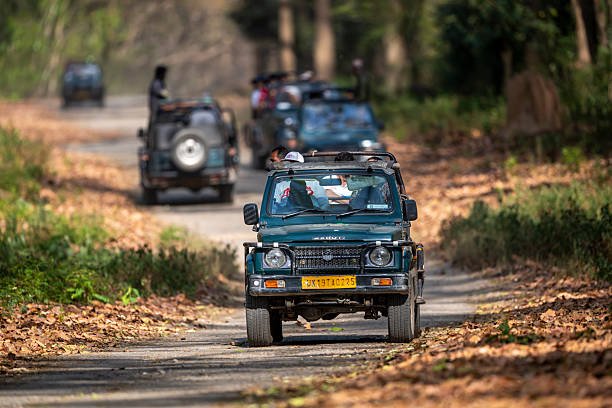
What Is The Cheapest African Country For Safari? 2026-2027
What Is the Cheapest African Country for Safari? is explained with current 2026-2027 planning, price, itinerary and booking information.
View package details
10-Day Tanzania Safari And Zanzibar Beach Holiday: Your Ultimate Itinerary
Combine the thrill of a Tanzania safari with the relaxation of Zanzibar for an unforgettable 10-day adventure. This itinerary balances iconic wildlife viewing with stunning tropical...
View package details
How Far In Advance Should You Book An African Safari? 2026-2027
How Far in Advance Should You Book an African Safari? is explained with current 2026-2027 planning, price, itinerary and booking information.
View package details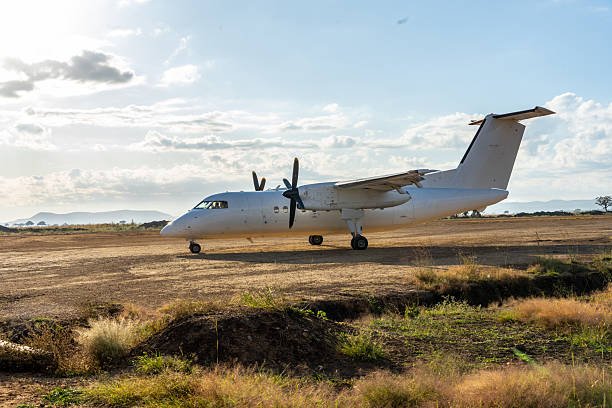
Kenya Safari Tours & Holiday Packages 2026-2027
Kenya Safari Tours & Holiday Packages is explained with current 2026-2027 planning, price, itinerary and booking information.
View package detailsSolo African Safari Tours: Your Ultimate Guide For 2026-2027
start an incredible solo African safari adventure. This comprehensive guide covers everything you need to know for planning a safe, rewarding, and memorable trip in 2026-2027, from choosing...
View package details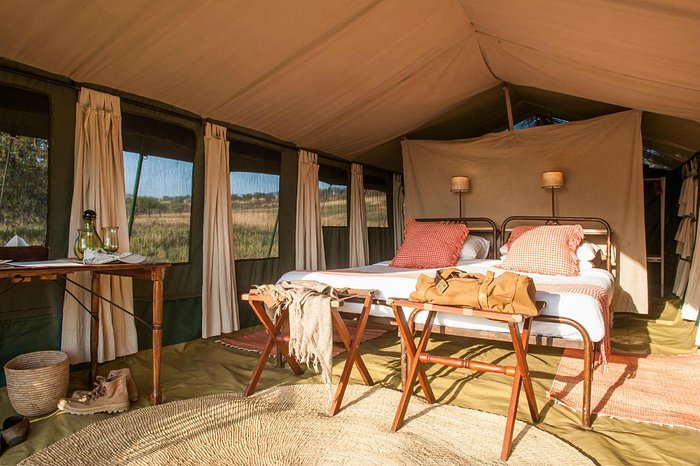
Safari From Zanzibar: Best Packages, Prices & Parks For 2026-2027
Combining a Zanzibar beach holiday with a Tanzania safari is a dream for many travelers. This guide details the best safari packages from Zanzibar, covering essential planning, park...
View package detailsIs It Better To Book A Safari Online Or Locally? 2026-2027
Is It Better to Book a Safari Online or Locally? is explained with current 2026-2027 planning, price, itinerary and booking information.
View package detailsAffordable African Safari Packages: Your Guide To Budget-Friendly Tanzania
Discover how to plan and book affordable African safari packages for 2026-2027. This guide provides practical advice on choosing budget-friendly Tanzania tours, understanding costs, and...
View package details
Best Wildlife Safaris In Africa: Your Ultimate Guide For 2026-2027
start the ultimate African wildlife safari. This comprehensive guide covers the best destinations, essential planning tips, and what to expect for your 2026-2027 adventure.
View package detailsNo related package matches those filters. Clear one or more filters to see the other topic-matched options.



