
For a first-time visitor to Tanzania, the most recommended safari is typically a 4-7 day trip focusing on the Northern Circuit, encompassing the Serengeti National Park, Ngorongoro Crater, and possibly Tarangire or Lake Manyara National Parks. This region offers the highest density of wildlife, iconic landscapes, and excellent infrastructure, making it ideal for those new to African safaris, especially when planning for 2026 or 2027.
Choosing Your First Tanzania Safari: Key Considerations for 2026-2027
Arriving in Tanzania for your inaugural safari is an exciting prospect, and the sheer range of possibilities can feel overwhelming. As specialists in Tanzanian adventures, we understand that your first safari is a pivotal experience. The core decision often boils down to selecting the right circuit, duration, and travel style to match your expectations and budget. For 2026 and 2027, planning ahead is crucial, especially if you’re aiming for peak seasons.
The two primary safari destinations in Tanzania are the Northern Circuit and the Southern Circuit. While both offer incredible wildlife viewing, they cater to different preferences. The Northern Circuit is the classic, world-renowned safari route, famous for its sheer volume of animals and dramatic Great Migration crossings. The Southern Circuit, on the other hand, provides a more remote, wilder, and often less crowded experience, ideal for those seeking solitude and a deeper connection with nature.
Beyond the geographical choice, several other factors will shape your first safari experience:
- Duration: How many days can you realistically dedicate to your safari? A short trip might focus on a single park, while a longer one allows for a more comprehensive exploration.
- Travel Style: Are you looking for budget-friendly shared tours, comfortable mid-range lodges, or luxurious tented camps? Do you prefer a private safari or joining a small group?
- Budget: Safari costs can vary significantly. Understanding what’s included and excluded is vital for making an informed decision, especially when budgeting for 2026-2027 trips.
- Interests: Are you primarily focused on seeing the Big Five, witnessing the Great Migration, birdwatching, or experiencing unique landscapes?
- Time of Year: While Tanzania offers great wildlife viewing year-round, certain periods are better for specific events like the Great Migration’s river crossings.
This guide is designed to walk you through these choices, offering practical insights and comparisons to help you book the perfect safari for your first Tanzanian adventure.
The Northern Circuit: The Quintessential First-Time Safari
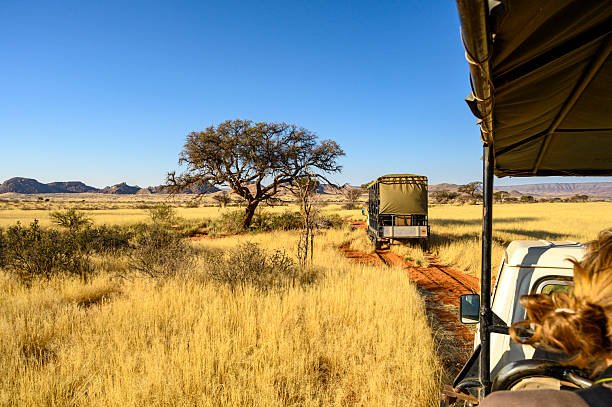
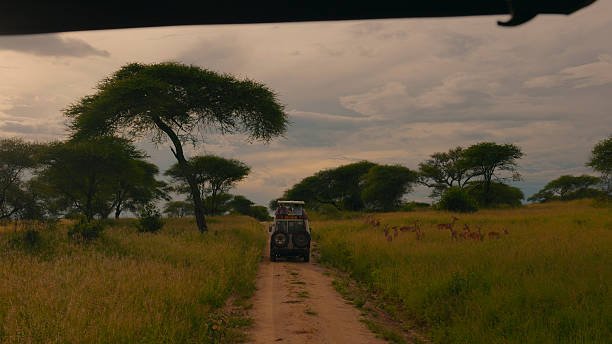
For many first-time visitors, the Northern Circuit is the default choice, and for good reason. It’s a well-established safari circuit that consistently delivers exceptional wildlife sightings and offers a diverse range of ecosystems within a relatively compact area. If you’re flying into Tanzania for the first time and want to experience the iconic images of African wildlife you’ve seen in documentaries, this is where you’ll find them.
The typical Northern Circuit itinerary includes:
- Serengeti National Park: The undisputed star, renowned for its vast plains, abundant predators, and as the stage for the Great Migration.
- Ngorongoro Conservation Area (including the Crater): A UNESCO World Heritage Site, the crater floor is a unique caldera teeming with wildlife, often called “Africa’s Eden.”
- Tarangire National Park: Famous for its large elephant herds and iconic baobab trees, particularly vibrant during the dry season.
- Lake Manyara National Park: Known for its tree-climbing lions, diverse birdlife, and stunning rift valley escarpment views.
A common duration for a comprehensive Northern Circuit safari is 5 to 7 days. This allows sufficient time to explore at least two or three of these key parks without feeling rushed. For instance, a 6-day itinerary might look like this:
Example 6-Day Northern Circuit Safari Itinerary
- Day 1: Arrive Kilimanjaro International Airport (JRO), transfer to Arusha for overnight.
- Day 2: Drive to Tarangire National Park. Game drive. Overnight near Tarangire.
- Day 3: Morning game drive in Tarangire, then drive to the Ngorongoro Conservation Area. Descend into the Crater for an afternoon game drive. Overnight on the Crater rim or nearby.
- Day 4: Drive to Serengeti National Park (central or northern/southern depending on migration timing). Afternoon game drive. Overnight in the Serengeti.
- Day 5: Full day game drive in the Serengeti, searching for wildlife and potentially the Great Migration. Overnight in the Serengeti.
- Day 6: Morning game drive in Serengeti, then drive back to Arusha or JRO for departure.
Why the Northern Circuit is Ideal for First-Timers:
- Exceptional Wildlife Density: The sheer number of animals is staggering. You are almost guaranteed to see a wide variety of species, including lions, elephants, giraffes, zebras, wildebeest, and numerous antelopes.
- Iconic Landscapes: From the endless plains of the Serengeti to the unique caldera of Ngorongoro, the scenery is impressive and synonymous with the African safari dream.
- The Great Migration: If your visit coincides with the migration (timing varies, but generally June-October for the Serengeti’s western and northern corridors, and January-March for the southern plains), it’s an unparalleled wildlife spectacle.
- Accessibility and Infrastructure: The parks are well-managed, with good road networks (though often rough!) and a range of accommodation options from budget camps to luxury lodges, ensuring comfort and convenience.
- Experienced Guides: The operators in this region are highly experienced, and guides are knowledgeable about animal behavior and tracking, maximizing your chances of incredible sightings.
Potential Downsides of the Northern Circuit:
- Crowds: During peak seasons (July-October and December-January), popular spots, especially within the Ngorongoro Crater and central Serengeti, can get busy with multiple safari vehicles.
- Cost: Due to its popularity and the high park fees, the Northern Circuit is generally more expensive than the Southern Circuit.
For travelers planning their first safari in 2026 or 2027, booking a Northern Circuit safari is a solid choice. It provides a high probability of encountering the “must-see” wildlife and landscapes that define the African safari experience, setting a high bar for any future adventures.
The Southern Circuit: A Wild and Undiscovered Gem
While the Northern Circuit is the popular choice for many first-time visitors, the Southern Circuit offers a compelling alternative, particularly for those who prefer a less crowded, more off-the-beaten-path experience. This circuit is often considered more “wild” and can provide a deeper sense of immersion in nature. It’s an excellent option if you’ve already seen the highlights of the north or if you’re looking for a more exclusive feel for your 2026 or 2027 trip.
The main parks in the Southern Circuit include:
- Ruaha National Park: Tanzania’s largest national park, known for its dramatic landscapes, large elephant and buffalo herds, and a high concentration of predators, especially lions and wild dogs.
- Selous Game Reserve (now Nyerere National Park): One of Africa’s largest game reserves, offering diverse activities like boat safaris on the Rufiji River, walking safaris, and traditional game drives. Its vastness means you can often go for hours without seeing another vehicle.
A typical Southern Circuit safari might last 4 to 6 days, focusing on one or both of these magnificent parks. Because of their size and remoteness, you often need more time to cover ground and appreciate the environment.
Example 5-Day Southern Circuit Safari Itinerary
- Day 1: Fly into Dar es Salaam (DAR). Transfer to your hotel.
- Day 2: Fly from Dar es Salaam to Ruaha National Park. Afternoon game drive. Overnight in Ruaha.
- Day 3: Full day game drive in Ruaha, exploring different sectors of the park. Overnight in Ruaha.
- Day 4: Morning game drive in Ruaha, then fly to Nyerere National Park (Selous). Afternoon boat safari on the Rufiji River. Overnight in Nyerere.
- Day 5: Morning walking safari or game drive in Nyerere. Fly back to Dar es Salaam for onward travel.
Why the Southern Circuit Might Suit You:
- Fewer Crowds: This is the biggest draw. You’ll often have vast areas of park to yourself, leading to a more intimate and authentic wildlife viewing experience.
- Remote Wilderness Feel: The parks are less developed, offering a true sense of wild Africa. This is especially true for Ruaha, which feels incredibly vast and untamed.
- Diverse Activities: Selous (Nyerere) is unique for its extensive boat safaris and walking safaris, which offer different perspectives on the wildlife and environment.
- Excellent for Predators: Both parks boast excellent populations of lions, leopards, and the endangered African wild dog. Ruaha is particularly renowned for its large lion prides.
- Potentially Lower Cost (for accommodation): While flights to reach the parks add to the cost, the park fees themselves are often lower than the Northern Circuit, and there’s a good range of exclusive camps.
Considerations for the Southern Circuit:
- Accessibility: Reaching the Southern Circuit parks typically involves light aircraft flights from Dar es Salaam, which adds to the overall cost and complexity compared to driving in the north.
- Less “Iconic” for First-Timers: While incredibly rich in wildlife, it doesn’t feature the same density of famous sightings as the Serengeti during the migration or the Ngorongoro Crater’s concentrated wildlife.
- Infrastructure: Lodges and camps are often more remote and exclusive, which can mean fewer budget options and a higher price point for the unique experience.
For a first-time safari in 2026 or 2027, the Southern Circuit is a fantastic choice if you prioritize solitude, a raw wilderness experience, and are willing to fly between locations. It offers a different, but equally profound, encounter with Tanzania’s wildlife.
Comparing Safari Styles: Private vs. Group Tours
When booking your first Tanzanian safari, one of the most significant decisions impacting your experience and budget is choosing between a private safari and a group (shared) safari. Both have distinct advantages and disadvantages, and the best choice depends entirely on your personal preferences, travel companions, and financial considerations for 2026-2027.
Private Safaris: Flexibility and Exclusivity
A private safari means you have your own dedicated safari vehicle and guide for the duration of your trip. This offers unparalleled flexibility and personalization.
Pros of Private Safaris:
- Ultimate Flexibility: You set the pace. Want to spend more time watching a pride of lions? No problem. Need a break? Just ask your guide. You control the itinerary and game drive times.
- Personalized Experience: Your guide can tailor the drives to your specific interests, whether it’s photography, birding, or tracking certain animals.
- Privacy and Comfort: You share the vehicle only with your travel companions, ensuring a more intimate and comfortable experience.
- Exclusive Sightings: Your guide can take you to less-visited areas or wait patiently for that perfect photo opportunity without the pressure of other guests.
Cons of Private Safaris:
- Higher Cost: This is the main drawback. A private safari is significantly more expensive than a group tour, as you are covering the full cost of the vehicle, guide, and fuel.
- Requires More Planning: While operators handle most of it, you might have more input into lodge choices and specific routes.
A private safari is ideal for couples, families, or small groups who want a bespoke experience and have the budget to match. For those planning a special occasion or a honeymoon in 2026 or 2027, the exclusivity of a private safari is often worth the investment.
Group (Shared) Safaris: Value and Social Interaction
Group safaris involve joining a small group of other travelers in a safari vehicle. These are often offered as set departure dates, especially for the Northern Circuit.
Pros of Group Safaris:
- Cost-Effective: The primary advantage is the significantly lower price. The cost of the vehicle and guide is shared among all participants, making it a much more budget-friendly option.
- Social Experience: You get to meet and share experiences with fellow travelers from around the world.
- Hassle-Free: Itineraries are usually fixed, and operators manage all the logistics, making it very straightforward for first-time travelers.
Cons of Group Safaris:
- Less Flexibility: You share the vehicle and decision-making with others. This means compromises on pace, duration at sightings, and route choices.
- Potential for Crowds: In popular areas, you might find yourself with several other vehicles at a good sighting.
- Fixed Itinerary: You generally follow a set schedule and cannot deviate from it.
Group safaris are perfect for solo travelers, budget-conscious individuals, or those who enjoy the camaraderie of traveling with others. For many first-time visitors to Tanzania in 2026 or 2027, a shared group safari offers an excellent introduction to the country’s wildlife without breaking the bank.
When considering booking, always clarify whether “group” means a small, intimate group (e.g., 4-6 people) or potentially a larger number. At Climb 4 Africa, we typically run small, intimate group departures for our shared safaris to ensure a quality experience.
Accommodation Options: From Camping to Luxury Lodges
Your choice of accommodation will profoundly impact your safari experience and budget. Tanzania offers a spectrum of lodging options, from basic camping to ultra-luxury lodges. Understanding these differences is key to planning your first safari for 2026 or 2027.
Budget Camping (Tented Camps):
This is the most affordable option. You’ll sleep in sturdy canvas tents, often with basic but clean amenities like camp beds, mattresses, and shared ablutions (bathrooms). Meals are usually prepared by a camp cook. It offers a raw, authentic safari experience, close to nature.
- Pros: Most economical, great for adventurous travelers, close to the wild.
- Cons: Basic facilities, shared bathrooms, can be noisy at night with animal sounds, less comfortable in bad weather.
Mid-Range Lodges and Tented Camps:
This is the most popular choice for first-time visitors. These accommodations offer comfortable rooms or permanent tents with en-suite bathrooms, hot showers, comfortable beds, and often swimming pools and restaurants. They strike a good balance between comfort, experience, and cost.
- Pros: Good value for money, comfortable amenities, private bathrooms, good food, often in scenic locations.
- Cons: Can still be relatively expensive, may not offer the exclusivity of luxury options.
Luxury Lodges and Tented Camps:
These offer a high level of comfort and service, often in stunning locations. Expect spacious rooms or tents, gourmet dining, personalized service, private verandas, and sometimes private plunge pools. This is for travelers seeking indulgence.
- Pros: Exceptional comfort and service, beautiful settings, fine dining, exclusive feel, often include activities like guided walks.
- Cons: Significantly more expensive, may feel less “wild” for some due to the level of pampering.
Fly-In Safaris and Exclusive Camps:
For the Southern Circuit or remote parts of the Northern Circuit, fly-in safaris often utilize exclusive tented camps or lodges. These are typically high-end, offering an intimate experience with few guests and prime locations.
- Pros: Ultimate exclusivity, prime locations, often include unique activities, smooth travel via light aircraft.
- Cons: Highest cost, very limited availability, requires flight bookings.
When planning your 2026 or 2027 safari, consider how much comfort you need after a day of game drives. A good mid-range option often provides the best overall value for a first-time visitor.
What to Expect in Terms of Wildlife Sightings and The Great Migration
One of the primary draws of a Tanzanian safari is the unparalleled wildlife viewing. Understanding what you can realistically expect, especially concerning the legendary Great Migration, is crucial for setting expectations for your first trip in 2026 or 2027.
The “Big Five” and Beyond:
The term “Big Five” refers to the lion, leopard, elephant, buffalo, and rhinoceros. While seeing all five on a single safari is a goal for many, it’s not guaranteed, especially on shorter trips. However, Tanzania is one of the best places in Africa to have a good chance of spotting them.
Beyond the Big Five, you can expect to see:
- Vast herds of wildebeest and zebras (especially during the migration).
- Giraffes (Masai giraffe are iconic).
- Various antelope species (impala, gazelle, dik-dik, kudu, etc.).
- Baboons and monkeys (olive baboons, vervet monkeys).
- Numerous bird species (Tanzania is a birdwatcher’s paradise).
- Predators like cheetahs, hyenas, and jackals.
The Serengeti and Ngorongoro Crater are particularly known for their high predator-to-prey ratios, offering excellent opportunities to witness the drama of the African bush.
The Great Migration: A Seasonal Phenomenon
The Great Migration is the annual movement of over 1.5 million wildebeest, zebras, and gazelles across the Serengeti-Mara ecosystem, following the rains in search of fresh grazing. It’s one of nature’s most spectacular events.
Understanding its seasonality is key to planning your trip:
- January – March: Calving season on the southern plains of the Serengeti. A fantastic time to see newborn wildebeest and predators.
- April – May: The herds begin moving north as the southern plains dry out. This is the “long rains” season, and parks can be quieter and greener.
- June – July: The herds reach the Grumeti River in the western Serengeti, often facing large crocodiles. This is a common time for dramatic river crossings.
- August – October: The herds are typically in the northern Serengeti, near the Mara River, with frequent crossings into Kenya’s Maasai Mara.
- November – December: The herds begin their southward journey, often moving through central and eastern Serengeti.
Important Note for First-Timers: While the migration is a major draw, don’t let it be your *only* reason for visiting. Tanzania offers incredible wildlife viewing year-round, even outside of migration periods. The Northern Circuit parks have resident wildlife populations that ensure excellent sightings regardless of the migration’s location.
For your 2026 or 2027 safari, if witnessing the migration is a priority, consult with your tour operator about the best time and location to see it. However, remember that wildlife sightings are never guaranteed, and flexibility is key to a successful safari.
Planning Your First Tanzania Safari: Practical Tips for 2026-2027
Booking your first Tanzanian safari involves more than just choosing a park. Here are essential practical tips to ensure a smooth and memorable experience for your 2026 or 2027 trip.
Best Time to Visit:
Tanzania is a year-round safari destination, but the “best” time depends on what you want to see and your tolerance for crowds and weather.
- Dry Season (June to October): This is peak season. Weather is generally sunny and dry, making wildlife viewing easier as animals congregate around water sources. It’s also the best time for the Great Migration river crossings. Expect higher prices and more visitors.
- Short Rains (November to December): A shoulder season. Landscapes become greener, birdlife is abundant, and it’s a good time for photography. Fewer crowds and slightly lower prices than the dry season.
- Long Rains (March to May): Low season. Parks are lush and beautiful, but game viewing can be more challenging due to thicker vegetation and dispersed animals. This is the best time for budget travelers due to significantly lower prices and very few tourists. However, heavy rains can impact road conditions and accessibility, especially in the Serengeti.
For first-time visitors in 2026 or 2027 aiming for good weather and wildlife, the dry season (June-October) is often recommended, despite the higher costs.
Visa and Vaccinations:
- Visa: Most nationalities require a visa for Tanzania. You can often apply online in advance or obtain one on arrival at JRO. Check the latest requirements for your country.
- Vaccinations: Consult your doctor or a travel clinic at least 4-6 weeks before departure. Yellow Fever vaccination is mandatory for entry if arriving from a country with a risk of Yellow Fever. Malaria prophylaxis is usually recommended.
What to Pack:
Pack light, neutral-colored clothing. Layers are essential.
- Lightweight long-sleeved shirts and trousers (for sun protection and evenings).
- T-shirts and shorts/skirts.
- A warm fleece or jacket for cool mornings and evenings.
- Comfortable walking shoes or hiking boots.
- Sun hat, sunglasses, sunscreen.
- Insect repellent.
- Binoculars (highly recommended).
- Camera with extra batteries and memory cards.
- A small backpack for daily essentials.
- Personal toiletries and any personal medications.
Health and Safety:
Drink only bottled or purified water. Be cautious with street food. Always follow your guide’s instructions regarding wildlife and safety within the parks.
Booking Your Safari:
When booking your first safari for 2026 or 2027, choose a reputable tour operator. Look for companies with good reviews, clear communication, and a strong understanding of Tanzanian safaris. Confirm what is included in your package (park fees, accommodation, meals, guide, vehicle, transfers) and what is not (tips, drinks, personal expenses, international flights).
Booking Window: For popular travel times in 2026 and 2027, especially July-October, book at least 6-9 months in advance to secure your preferred lodges and dates. For the low season, 3-4 months might suffice.
Key Booking Questions to Ask:
- What is the exact itinerary and what is the daily schedule?
- What type of vehicle will be used (e.g., 4×4 Land Cruiser)?
- What is the maximum number of passengers in a shared vehicle?
- What is included in the price (park fees, accommodation, meals, drinks, guide’s allowance)?
- What are the accommodation options and their specific inclusions?
- What is the cancellation policy?
- What are the payment terms?
By addressing these practical aspects, you can ensure your first Tanzanian safari is not only thrilling but also well-organized and stress-free.
Tailor-Made vs. Set Departure Safaris for Your First Trip
Beyond the choice of private or group tours, you’ll also encounter the distinction between tailor-made safaris and set departure group safaris. Understanding this difference is vital when planning your first safari for 2026 or 2027.
Tailor-Made (Customized) Safaris:
A tailor-made safari is designed specifically for you, based on your interests, budget, preferred pace, and travel dates. You work closely with a tour operator to craft an itinerary from scratch, selecting parks, activities, lodges, and even the specific vehicle and guide.
Benefits of Tailor-Made Safaris:
- Complete Customization: The itinerary is built around your exact desires. Want to focus on photography? Spend an extra day in a specific park? Combine a safari with a Kilimanjaro climb or Zanzibar? It’s all possible.
- Flexibility with Dates: You choose your travel dates, offering maximum flexibility, especially important if you have limited windows for your 2026 or 2027 trip.
- Ideal for Specific Interests: Perfect for birdwatchers, photographers, families with young children, or those with mobility concerns who need specific arrangements.
- Privacy: Usually, tailor-made safaris are private, meaning you have your own vehicle and guide.
Considerations for Tailor-Made Safaris:
- Higher Cost: As it’s a private, bespoke service, it will generally be more expensive than joining a pre-set group.
- Requires More Input: You’ll need to be involved in the planning process, making decisions about lodges and activities.
If you have a clear vision for your first Tanzanian safari and the budget to match, a tailor-made option offers the ultimate personalized adventure.
Set Departure Group Safaris:
These are safaris with fixed itineraries and departure dates. You join a group of other travelers who have booked onto the same trip. This is often the most straightforward and economical way to experience a safari for the first time.
Benefits of Set Departure Group Safaris:
- Cost-Effective: Sharing costs with other travelers makes these the most affordable option, especially for solo travelers or couples looking to save.
- Simplicity: Everything is pre-planned, making it easy to book and requiring minimal input from your side.
- Social Aspect: Great for meeting fellow travelers and sharing the safari experience.
- Predictable Schedule: You know exactly when your trip will start and end, which is helpful for planning flights and onward travel for 2026 or 2027.
Considerations for Set Departure Group Safaris:
- Less Flexibility: You are tied to the set itinerary and departure dates.
- Compromises: You may need to compromise on pace or specific interests to accommodate the group.
- Vehicle Sharing: You’ll share a vehicle with strangers, which may mean less personal space.
For many first-time visitors to Tanzania, especially those planning for 2026 or 2027 and looking for a balance of value and experience, a set departure group safari is an excellent choice. Companies like Climb 4 Africa offer well-curated group tours designed to showcase the best of Tanzania.
Recommendation: If you’re unsure, consider starting with a set departure group safari for your first trip. If you find you love it and want more customization for a future trip, you can always opt for a tailor-made experience in 2027 or beyond.
Combining Safari with Other Tanzanian Experiences
Tanzania offers far more than just safaris, and for a truly comprehensive first-time experience, consider combining your safari with other incredible activities. This is particularly relevant if you have more than a week for your 2026 or 2027 adventure.
Mount Kilimanjaro Climb:
Tanzania is synonymous with Mount Kilimanjaro, the Roof of Africa. For adventurous travelers, combining a safari with a Kilimanjaro climb is a popular choice. This requires a significant amount of time (typically 5-9 days for the climb itself, plus recovery time).
- Best for: Adventurous individuals or groups seeking a physical challenge and incredible views.
- Logistics: Often done before or after a safari. Companies like Climb 4 Africa specialize in both.
- Considerations: Requires good physical fitness and acclimatization.
Zanzibar Holidays:
The spice island of Zanzibar offers a stunning contrast to the dusty plains of the safari parks. With its white-sand beaches, turquoise waters, rich history (Stone Town), and vibrant culture, it’s the perfect place to relax and unwind after your safari.
- Best for: Relaxation, culture, history, water sports, and beautiful beaches.
- Logistics: Easy to combine with a Northern Circuit safari, with direct flights from Arusha or Kilimanjaro.
- Duration: A 3-5 day stay is usually sufficient to experience the highlights.
Cultural Experiences:
Tanzania is home to diverse ethnic groups, including the Maasai people. Many safaris can incorporate visits to Maasai villages or cultural heritage centers, offering insights into local traditions and lifestyles.
- Best for: Those interested in cultural exchange and learning about local communities.
- Considerations: Ensure these visits are respectful and ethically managed, providing genuine benefit to the community.
Day Trips and Activities from Arusha/Moshi:
If your time is limited, or you want to add a specific activity before or after your main safari, consider day trips:
- Arusha National Park: Great for a day trip, offering canoeing, hiking, and opportunities to see colobus monkeys and Mount Meru.
- Shira Caves: A historical and cultural site near Kilimanjaro.
- Waterfalls and Hot Springs: Various options are available for a refreshing break.
For your 2026 or 2027 trip, consider how much time you have and what kind of experience you’re seeking. A safari combined with Zanzibar is a classic “bush and beach” holiday that appeals to many first-time visitors.
Making Your Booking Decision for 2026-2027
Choosing your first Tanzanian safari is a significant decision, and we hope this guide has provided clarity on the options available. The key is to align your safari choice with your personal interests, budget, and desired level of comfort and adventure.
For most first-time visitors planning for 2026 or 2027, the Northern Circuit offers the most comprehensive and iconic safari experience. A 5-7 day trip covering the Serengeti and Ngorongoro Crater, perhaps with a stop in Tarangire, is a classic itinerary that rarely disappoints.
If you prioritize a sense of wilderness, fewer crowds, and unique activities like walking safaris, the Southern Circuit (Ruaha and Nyerere National Parks) is an excellent, albeit more remote, alternative. This often involves light aircraft transfers, adding to the cost but enhancing the exclusive feel.
When it comes to booking, consider these final points:
- Duration: Aim for at least 4-5 days to truly appreciate a park or circuit. Longer trips (7-10 days) allow for deeper exploration and more diverse experiences.
- Style: A mid-range lodge safari offers a great balance of comfort and authenticity. Group tours are budget-friendly, while private safaris offer ultimate flexibility.
- Timing: Plan well in advance, especially for peak seasons in 2026 and 2027.
We understand that planning a safari can be complex. At Climb 4 Africa, we specialize in creating unforgettable Tanzanian adventures, from Kilimanjaro climbs to tailor-made safaris and group departures. Our local expertise ensures you get the best experience possible, tailored to your needs.
To get started with planning your first Tanzanian safari for 2026 or 2027, we recommend reaching out to us. Share your interests, preferred travel dates, and budget, and we can help craft the perfect itinerary. You can contact us via WhatsApp at +255 747 477 898 or email us at climb4africa@gmail.com. Let us help you book the safari of a lifetime.
Check Availability for First Time In Tanzania? What Safari Should You Book For 2026-2027
Ready to compare dates, prices, and the best option for your group? Send the package name and travel month so the team can reply with a clear quote, availability, and what is included.
How Far In Advance Should You Book An African Safari? 2026-2027
How Far in Advance Should You Book an African Safari? is explained with current 2026-2027 planning, price, itinerary and booking information.
View package details
Is An African Safari Safe For First-Time Visitors? Expert Guidance 2026-2027
Planning your first African safari? This comprehensive guide details the safety aspects for first-time visitors, covering everything from wildlife encounters to health and logistics...
View package details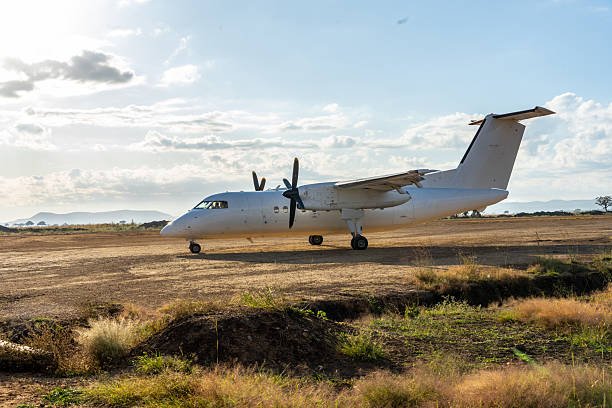
Is It Better To Book A Safari Online Or Locally? 2026-2027
Is It Better to Book a Safari Online or Locally? is explained with current 2026-2027 planning, price, itinerary and booking information.
View package details
What Is Included In An African Safari Package? A Complete Guide For 2026-2027
Demystifying African safari packages. This guide details what you can expect to be included, from essential logistics like accommodation and transport to crucial elements like park fees and...
View package details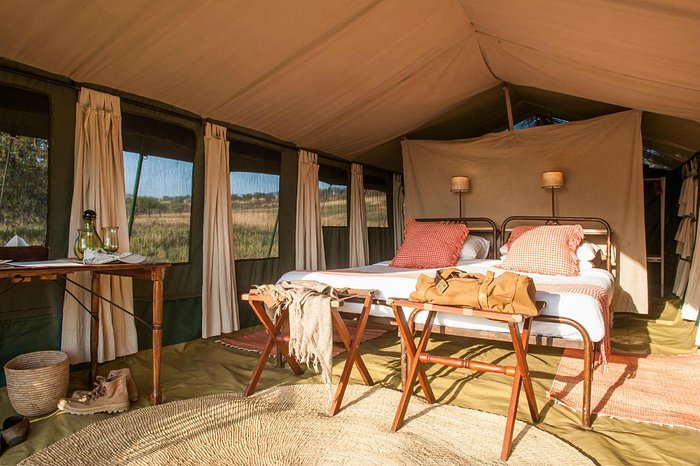
Affordable African Safari Packages: Your Guide To Budget-Friendly Tanzania
Discover how to plan and book affordable African safari packages for 2026-2027. This guide provides practical advice on choosing budget-friendly Tanzania tours, understanding costs, and...
View package details
Serengeti Safari Tours: Prices, Packages & Best Time To Visit In 2026-2027
Discover everything you need to know for planning your Serengeti safari tour, from understanding pricing and package variations to identifying the ideal travel times in 2026-2027. This...
View package details
Kenya And Tanzania Combined Safari Packages: Ultimate Guide 2026-2027
Discover the unparalleled adventure of combining Kenya and Tanzania for a comprehensive East African safari. This guide details everything you need to know for planning your 2026-2027...
View package details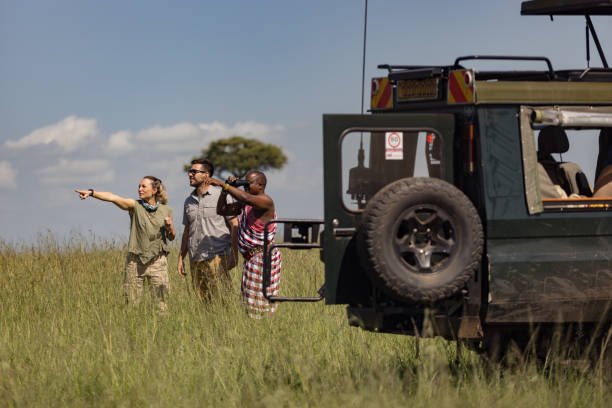
3-Day Serengeti And Ngorongoro Safari: Your Ultimate Tanzania Wildlife
start a concise yet unforgettable 3-day Serengeti and Ngorongoro safari, designed to maximize wildlife encounters in Tanzania's most celebrated parks. This compact adventure offers a taste...
View package details
Serengeti Safari And Zanzibar Beach Holiday: The Ultimate Tanzania
Combine the thrill of a Serengeti safari with the relaxation of a Zanzibar beach holiday. This guide covers everything you need to know for an unforgettable Tanzania adventure in 2026-2027...
View package detailsTanzania Safari And Zanzibar All-Inclusive Packages Guide
Combine the thrill of a Tanzanian wildlife safari with the serene beauty of Zanzibar on an all-inclusive package. This comprehensive guide covers everything you need to know for planning...
View package details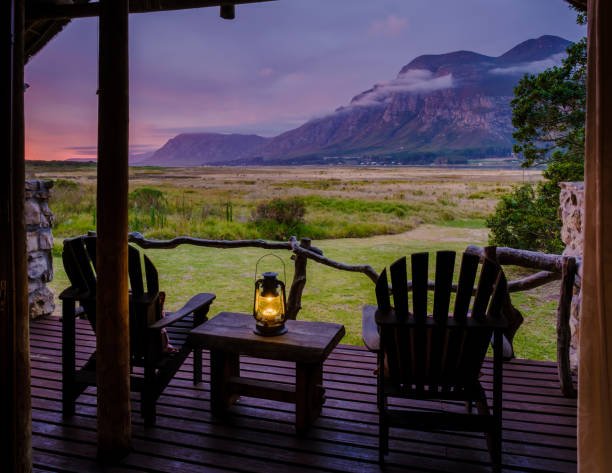
Are African Safari Prices Per Person Or Vehicle? Understanding Tanzania Costs
African safari costs can be confusing. This guide clarifies whether prices are quoted per person or per vehicle, detailing factors that influence your 2026-2027 safari budget in Tanzania.
View package details
What Animals Can You See On An African Safari? Your Ultimate Wildlife Guide
Planning an African safari and wondering which animals you'll encounter? This comprehensive guide details the wildlife you can expect to see, from iconic mammals to elusive birds, across...
View package detailsNo related package matches those filters. Clear one or more filters to see the other topic-matched options.



