
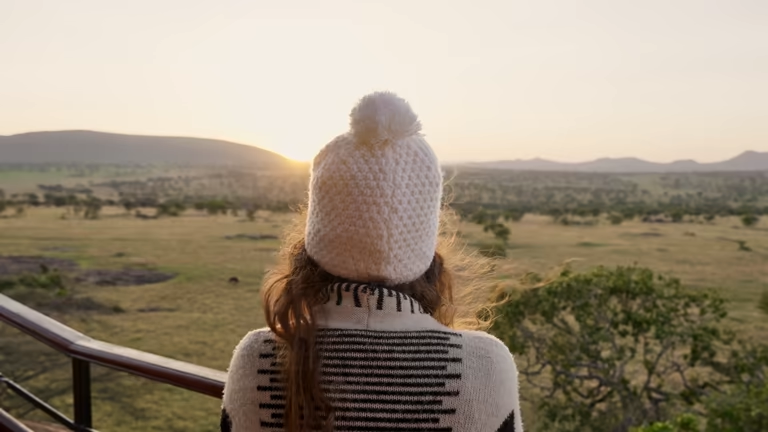
For a one-week safari in northern Tanzania, the most effective route typically includes the Serengeti National Park, Ngorongoro Conservation Area, and often Tarangire National Park or Lake Manyara National Park, offering a rich diversity of wildlife and landscapes within a condensed timeframe. This classic circuit, often starting and ending in Arusha, maximizes game viewing opportunities by strategically moving between these iconic destinations, ensuring you witness the Great Migration (seasonally), the Ngorongoro Crater’s dense populations, and Tarangire’s elephant herds.

Understanding Your One-Week Northern Tanzania Safari
When you have just one week to experience the unparalleled wildlife spectacles of northern Tanzania, careful planning is paramount. The goal is to strike a balance between seeing a diverse range of ecosystems and wildlife, and minimizing travel time between locations. Northern Tanzania is world-renowned for its high concentration of national parks and conservation areas, each offering a distinct safari experience. For a seven-day trip, the most popular and logistically sound approach is to focus on the ‘Northern Circuit’. This route is popular not only because it’s home to some of Africa’s most famous wildlife destinations but also because the parks are relatively close to each other and to the main gateway city of Arusha, making it feasible to cover significant ground without spending excessive time in transit. By the 2026-2027 travel seasons, this circuit remains the benchmark for efficient and rewarding short safaris in the region.
This itinerary is designed to give you a taste of the vast plains of the Serengeti, the unique caldera of the Ngorongoro Crater, and the dramatic baobab-studded landscapes of Tarangire or the tree-climbing lions of Lake Manyara. While seven days is a limited time, a well-structured route ensures you don’t feel rushed and still have ample opportunities for unforgettable wildlife encounters. It’s about choosing quality over quantity, focusing on the parks that offer the most significant wildlife viewing potential for the time available. The decision of which parks to include and in what order can significantly impact your experience, so understanding the strengths of each location is key to crafting the best possible safari route for your one week.
The Classic Northern Circuit for a Week
The most recommended and practical route for a one-week safari in northern Tanzania is the classic Northern Circuit. This itinerary is tried and tested, offering an excellent overview of the region’s diverse ecosystems and abundant wildlife within the limited timeframe. It typically starts from Arusha, the safari capital of Tanzania, and proceeds in a logical loop. The sequence is often designed to minimize driving distances while maximizing game viewing time. For a seven-day trip, this usually means allocating time to Tarangire National Park, the Ngorongoro Crater, and the Serengeti National Park. Lake Manyara National Park is sometimes included as a shorter stop, particularly if a traveler is interested in seeing its specific attractions like tree-climbing lions or flamingos, or if they prefer slightly less driving than a full Serengeti immersion.
The typical flow for a 7-day northern Tanzania safari route looks something like this: Arrive in Arusha, drive to Tarangire for 1-2 days, descend into the Ngorongoro Crater for a day’s game drive, and then spend the remaining 3-4 days exploring different sections of the Serengeti. Some itineraries might swap Tarangire for Lake Manyara or include both for shorter durations. The key is understanding that the Serengeti is vast, and spending enough time there is crucial to appreciating its scale and wildlife. A 7-day trip allows for a good, albeit not exhaustive, exploration of the Serengeti, usually focusing on either the central (Seronera) area or a region influenced by the Great Migration if the timing is right.
This established route is popular for good reason. It’s efficient, covers the most iconic parks, and provides a high probability of seeing the ‘Big Five’ (lion, leopard, elephant, rhino, buffalo) and countless other species. The infrastructure for tourism is well-developed along this circuit, meaning reliable accommodation, knowledgeable guides, and suitable safari vehicles are readily available. For travelers with only a week, this route offers the best combination of iconic sights and manageable logistics. The 2026 and 2027 safari seasons will continue to see this route as the primary choice for short-term northern Tanzania adventures.
Day-by-Day Itinerary Suggestion
Crafting a day-by-day plan is essential for making the most of your one week on a northern Tanzania safari. This suggested itinerary prioritizes maximizing wildlife viewing and minimizing travel time, focusing on the most iconic parks of the Northern Circuit. It assumes arrival into Kilimanjaro International Airport (JRO) and starting from Arusha.
Day 1: Arrival in Arusha & Safari Briefing
- Arrive at Kilimanjaro International Airport (JRO).
- Meet your guide and transfer to your lodge/hotel in Arusha.
- Rest and acclimatize.
- Receive a comprehensive safari briefing from your tour operator, discussing the route, what to expect, packing tips, and safety guidelines. This is a crucial step for a successful 2026-2027 safari.
- Overnight in Arusha.
Day 2: Arusha to Tarangire National Park
- After breakfast, depart for Tarangire National Park (approx. 2-3 hours drive).
- Enter the park for a full day of game drives.
- Tarangire is famous for its large elephant herds, baobab trees, and diverse birdlife.
- Picnic lunch within the park.
- Late afternoon, drive to your lodge/camp near the park boundary or inside for an overnight stay.
Day 3: Tarangire to Ngorongoro Conservation Area
- Morning game drive in Tarangire, if time permits.
- After breakfast, drive towards the Ngorongoro Conservation Area.
- You might stop at a Maasai village en route for a cultural experience (optional, discuss with your guide).
- Check into your lodge on the crater rim or nearby Karatu.
- Enjoy the stunning views and prepare for your crater descent.
- Overnight near Ngorongoro.
Day 4: Ngorongoro Crater Game Drive & Transfer to Serengeti
- Descend early into the Ngorongoro Crater for a spectacular 5-6 hour game drive.
- The crater floor is a UNESCO World Heritage Site, renowned for its high density of wildlife, including the rare black rhino.
- Enjoy a picnic lunch by the hippo pool.
- After the crater tour, ascend and drive towards the Serengeti National Park, entering through the Ngorongoro Conservation Area.
- Game drive en route to your lodge/camp in the central Serengeti (Seronera area).
- Overnight in the Serengeti.
Day 5: Full Day Game Drives in Serengeti
- Full day dedicated to exploring the vast plains of the Serengeti.
- Focus on the Seronera Valley, known for its resident wildlife, including big cats.
- Optional: Hot air balloon safari at sunrise (extra cost, highly recommended).
- Continue with game drives, searching for lions, leopards, cheetahs, elephants, and more.
- Overnight in the Serengeti.
Day 6: Serengeti Game Drive & Return to Arusha Area
- Morning game drive in the Serengeti.
- Depending on flight schedules or onward travel plans, you might have a final morning drive.
- Transfer to the Seronera Airstrip for a scheduled flight back to Arusha. This is a significant time-saver compared to driving back.
- Alternatively, if driving back, enjoy a final game drive en route towards the exit. This will be a very long driving day.
- Arrive in Arusha in the late afternoon/evening.
- Overnight in Arusha.
Day 7: Departure
- Enjoy a leisurely breakfast in Arusha.
- Depending on your flight schedule, you may have time for some souvenir shopping or a visit to a local market.
- Transfer to Kilimanjaro International Airport (JRO) for your departure.
Note: This itinerary can be customized. For instance, if you prefer more time in the Serengeti, you could reduce time in Tarangire or skip Lake Manyara. The flight from Seronera to Arusha on Day 6 is highly recommended for a 1-week safari to maximize time on the ground. Discuss flight options with your tour operator when planning your 2026-2027 trip.
Essential Parks and Their Highlights
Northern Tanzania is a mosaic of diverse ecosystems, each teeming with unique wildlife. For a one-week safari, focusing on the jewels of the Northern Circuit is key to experiencing this richness. Understanding what each park offers will help you appreciate the route and make informed decisions. The 2026-2027 safari seasons offer excellent opportunities across these parks.
Tarangire National Park: Land of Elephants and Baobabs
Tarangire is often the first stop on the Northern Circuit, and for good reason. It’s particularly renowned for its massive elephant herds, especially during the dry season (June to October) when they congregate around the Tarangire River. The landscape is equally striking, dominated by ancient baobab trees that lend a prehistoric feel to the scenery. Beyond elephants, Tarangire boasts a high diversity of wildlife, including lions, leopards, cheetahs, giraffes, zebras, wildebeest, and numerous antelope species. It’s also a birdwatcher’s paradise, with over 550 recorded species. For a one-week itinerary, 1-2 days here provide a fantastic introduction to Tanzanian wildlife and scenery, offering a different feel from the more open plains of the Serengeti.
Lake Manyara National Park: Tree-Climbers and Flamingos
Lake Manyara, while smaller, packs a punch. Its most famous residents are the elusive tree-climbing lions, a behavior not commonly seen elsewhere. The park’s compact size means game drives can be very rewarding, offering close encounters with buffalo, wildebeest, impalas, giraffes, and a significant population of baboons. The shallow, alkaline lake itself is often fringed with thousands of flamingos, creating a vibrant pink spectacle, particularly in the wet season. Manyara also offers a rich variety of birdlife. For a one-week safari, it can be included as a half-day or full-day visit, often on the way to or from Ngorongoro or Serengeti, or it can be a substitute for Tarangire if your interests lean towards primates and birding, or if you prefer a shorter drive on a particular day.
Ngorongoro Conservation Area: The Eighth Wonder
The Ngorongoro Crater is an absolute highlight of any northern Tanzania safari. This massive volcanic caldera, a UNESCO World Heritage Site, is often called ‘Africa’s Eden’ or the ‘Eighth Wonder of the World’ due to its incredible concentration of wildlife within a relatively small area (approximately 260 square kilometers). The crater floor is home to an estimated 25,000 large mammals, including the endangered black rhino, which is reliably seen here. You can also expect to see large prides of lions, cheetahs, hyenas, leopards, elephants, buffalo, hippos, zebras, wildebeest, and a vast array of birdlife. A full day’s game drive on the crater floor is standard for a one-week trip, offering some of the most dynamic wildlife viewing possible. The views from the crater rim are also spectacular.
Serengeti National Park: Endless Plains and Migration
The Serengeti is arguably the most famous wildlife sanctuary in the world, and rightfully so. Its name derives from the Maasai word ‘Siringet’, meaning ‘endless plains’, and this vast ecosystem truly lives up to its name. The Serengeti is home to over 3 million large mammals, including an estimated 70,000 zebras and 1.7 million wildebeest. It is most famous for the Great Migration, an annual spectacle where millions of wildebeest and zebras traverse the plains in search of fresh grazing. For a one-week safari, spending 2-3 days in the Serengeti is crucial. Depending on the time of year, you could focus on the central Seronera Valley (excellent for resident wildlife and big cats year-round) or venture further north or south to witness different stages of the migration. The sheer scale and wildlife density make the Serengeti the crowning jewel of any northern Tanzania safari.
Choosing Your Parks: Trade-offs and Alternatives
With only one week, deciding which parks to prioritize involves understanding the trade-offs. The classic Northern Circuit (Tarangire, Ngorongoro, Serengeti) is the most popular for a reason: it offers a superb blend of iconic landscapes and wildlife. However, you might consider slight modifications based on your interests, the time of year, and your preferred pace.
- The Core: Serengeti & Ngorongoro are non-negotiable for most first-time visitors. They offer the highest density of iconic wildlife and dramatic landscapes. For a 7-day trip, you’ll likely spend at least 3 days in the Serengeti and 1 day in Ngorongoro.
- Tarangire vs. Lake Manyara: This is the most common choice. Tarangire is excellent for large herds, especially elephants, and its baobab scenery is unique. Lake Manyara offers the chance to see tree-climbing lions and is a birding hotspot, with a more compact setting. If you love elephants and vast, open landscapes, Tarangire is the choice. If you’re keen on seeing lions in trees or enjoy birding and a denser woodland environment, Manyara might appeal more. For a 7-day trip, dedicating 1-2 days to either park is typical.
- Adding a Day Park: Some itineraries might try to squeeze in another park, like Mkomazi or Arusha National Park. However, for a one-week trip, this often leads to too much driving and less quality time in the main parks. It’s generally better to focus on fewer parks and explore them more thoroughly.
- The Driving Factor: The Serengeti is huge. Driving within it can take hours. Opting for a flight from the Serengeti airstrip back to Arusha on Day 6 is a significant time-saver for a 7-day trip, allowing you to spend more time on game drives rather than on the road. This is a crucial decision for optimizing a short safari.
- Cultural Experiences: While not a park, visiting a Maasai village can be a valuable addition. It’s often incorporated on the drive between parks (e.g., between Tarangire and Ngorongoro). Ensure this is with a reputable community-based initiative.
For travelers planning their 2026 or 2027 safari, the fundamental choices remain the same. The decision often comes down to personal preference: do you want to focus on sheer numbers of animals (Serengeti, Ngorongoro), specific behaviors (tree-climbing lions in Manyara), or iconic landscapes and large herds (Tarangire)? For a first-time visitor with only a week, the combination of Tarangire, Ngorongoro, and Serengeti offers the most comprehensive and classic northern Tanzania safari experience.
Seasonal Considerations: The Great Migration
The timing of your one-week northern Tanzania safari can dramatically influence your experience, especially concerning the Great Migration. While the Serengeti offers incredible wildlife viewing year-round, knowing the migration’s location allows for strategic planning. The 2026 and 2027 seasons will follow similar patterns, though exact timings can vary slightly each year.
- December – March (Calving Season): The herds are typically in the southern Serengeti and Ndutu area (technically in the Ngorongoro Conservation Area but part of the migration’s cycle). This is calving season, offering fantastic opportunities to see newborn wildebeest and zebras, and the predators that follow them. It’s a prime time for photography.
- April – May (Long Rains): This is the ‘green season’ or low season. The grass is lush, the landscape is beautiful, and there are fewer tourists. However, heavy rains can make some roads impassable, and the migration is usually moving northwards out of the southern plains.
- June – July (River Crossings): As the dry season progresses, the herds move north towards Kenya’s Masai Mara. This is the time when the dramatic river crossings of the Grumeti River (in the western Serengeti) and later, the Mara River (in the northern Serengeti) occur. Witnessing these crossings is a bucket-list experience, but they are unpredictable and require being in the right place at the right time. This is peak season.
- August – October (Northern Serengeti & Mara River): The herds are generally in the northern Serengeti, with the Mara River crossings continuing. This is another peak season for migration viewing, and also a good time to visit the central Serengeti for resident wildlife.
- November (Short Rains): The herds begin to move southwards from Kenya towards the southern Serengeti, often following the rains. This can be a beautiful time with fewer crowds, but the migration’s exact path can be variable.
For a one-week safari:
- If seeing the Great Migration river crossings is your top priority, aim for July to October and focus your Serengeti days in the north.
- If you want to see the calving season and newborn animals, plan for December to March and focus on the southern Serengeti/Ndutu.
- If you prefer fewer crowds and don’t mind missing the main migration spectacle, consider the shoulder months like November or the green season of April-May. The Serengeti still offers phenomenal game viewing year-round, with resident wildlife always present.
When booking your 2026 or 2027 safari, discuss the migration patterns with your tour operator. They can help tailor the route to maximize your chances of witnessing this incredible natural phenomenon, even within a short one-week timeframe.
Accommodation Options for Your Route
Your choice of accommodation significantly impacts the safari experience and can also affect your route logistics. Northern Tanzania offers a range of options, from budget-friendly tented camps to luxurious lodges. For a one-week safari, strategically located accommodations can save valuable travel time.
- Arusha: You’ll typically spend your first and last nights here. Options range from comfortable mid-range hotels to high-end lodges, providing a good place to rest and prepare.
- Tarangire: Lodges and tented camps are available both inside and just outside the park. Staying inside the park offers the advantage of early morning or late evening game drives, maximizing wildlife viewing opportunities. Options range from permanent tented camps to more permanent lodge structures.
- Ngorongoro: Lodges are primarily situated on the crater rim, offering impressive views. These tend to be more expensive but provide unparalleled access for early morning descents into the crater. Alternatively, lodges and camps in the nearby town of Karatu offer more budget-friendly options, though they require a drive to the crater entrance each morning.
- Serengeti: This is where you’ll find the widest variety. Options include:
- Tented Camps: These range from basic canvas tents with shared facilities (budget) to luxurious ‘glamping’ experiences with en-suite bathrooms and comfortable furnishings (mid-range to luxury). Mobile camps are often set up seasonally in different areas to follow the migration.
- Lodges: Permanent structures offering hotel-like amenities, often with swimming pools and restaurants. They are generally more expensive than tented camps.
For a one-week safari, consider staying in the central Serengeti (Seronera) for reliable year-round game viewing, or in the north or south depending on the migration’s location. Choosing accommodation near the Seronera Airstrip can be convenient if you opt for a flight back to Arusha.
When planning for 2026 or 2027, consider the type of experience you want. A luxury lodge offers comfort and service, while a tented camp provides a more intimate connection with the wilderness. Your tour operator will present options that fit your budget and style, and importantly, that align with the chosen route to minimize transit times.
Transportation and Logistics
Efficient transportation is critical for a successful one-week northern Tanzania safari route. Given the distances involved, the type of vehicle and the use of internal flights can make a significant difference to your experience.
- Safari Vehicle: The standard safari vehicle in northern Tanzania is a 4×4 Land Cruiser or Land Rover, equipped with a pop-up roof for excellent game viewing and photography. These vehicles are robust and suitable for the varied terrain. Ensure your vehicle has charging ports for cameras and phones, and ample space for luggage. For a private safari, you’ll have your own vehicle and driver-guide for the duration. For group or shared safaris, you’ll share the vehicle with other travelers.
- Safari Guide: Your driver-guide is your most important resource. They are knowledgeable about wildlife behavior, park regulations, and the best spots for sightings. A good guide enhances the entire safari experience. When booking for 2026-2027, inquire about the experience and training of their guides.
- Road Travel: Most of the Northern Circuit is connected by a network of roads. While generally well-maintained in key areas, some sections can be bumpy or dusty, especially in the Serengeti. Travel times between parks can be substantial:
- Arusha to Tarangire: 2-3 hours
- Tarangire to Ngorongoro (Karatu): 2-3 hours
- Ngorongoro to Serengeti (Central): 3-4 hours (plus park entry/exit time)
- Internal Flights: For a short one-week safari, flying between key destinations can be a important choice. The most common flight is from the Seronera Airstrip in the Serengeti back to Arusha (or Kilimanjaro Airport). This flight takes about 1-1.5 hours and saves a full day of driving, allowing you to maximize your time on game drives. This is a popular option for travelers in 2026 and 2027 looking to optimize their short safari. Discuss the cost implications with your tour operator, as flights add to the overall budget but are often well worth the time saved.
- Park Fees: Park entrance fees are a significant part of the safari budget and are charged per person, per day, per park. For a 7-day trip covering Tarangire, Ngorongoro, and Serengeti, these fees add up. Your tour operator will include these in your package.
These times are approximate and can increase with traffic or road conditions. A 7-day itinerary balances these drives with ample game viewing time.
Logistics are crucial. A reputable tour operator handles all vehicle bookings, guide arrangements, park permits, and flight coordination, ensuring a smooth and stress-free journey. For your 2026-2027 safari, confirm these logistical details when comparing quotes.
Planning Your 2026-2027 Safari
Planning a safari, especially for a specific timeframe like one week, requires attention to detail. For trips planned for the 2026 and 2027 seasons, early booking is advisable, particularly if you have specific dates or wish to travel during peak migration periods. Here’s how to approach your planning:
- Define Your Priorities: What do you most want to see? The Great Migration? Big cats? Birdlife? Specific landscapes? Your priorities will influence the best time to travel and the specific areas within parks to focus on.
- Choose Your Travel Dates: Consider the seasonal patterns discussed earlier. If seeing river crossings is essential, target July-October. For calving season, aim for December-March. For a good all-round experience with fewer crowds, consider shoulder months or the shoulder shoulder season.
- Select Your Parks: For a week, the classic Northern Circuit (Tarangire, Ngorongoro, Serengeti) is highly recommended. Decide if you’d prefer Tarangire or Lake Manyara as your third park, or if you’d rather spend more time in the Serengeti.
- Determine Your Budget: Safari costs vary widely based on accommodation level, vehicle type (private vs. shared), and inclusions. A 7-day northern circuit safari can range from approximately $2,500 to $7,000+ per person, depending on luxury level. Factors like internal flights and optional activities (like hot air balloon safaris) will add to the cost.
- Research Tour Operators: Look for experienced, reputable operators with good reviews and strong local connections. Climb 4 Africa, for instance, specializes in tailor-made Tanzanian adventures and Kilimanjaro climbs, offering practical local support.
- Book in Advance: Especially for 2026 and 2027, popular lodges and camps, particularly in the Serengeti and Ngorongoro Crater rim, book up months, sometimes even a year, in advance. This is especially true for peak seasons.
- Consider a Private vs. Shared Safari: A private safari offers flexibility and exclusivity but comes at a higher cost. A shared safari is more budget-friendly but involves traveling with other people and adhering to a fixed itinerary.
- Packing List: Prepare a comprehensive packing list. Essentials include neutral-colored clothing, layers, a good camera, binoculars, sunscreen, insect repellent, a hat, and comfortable walking shoes. Your tour operator will provide a detailed list.
- Visas and Vaccinations: Check visa requirements for Tanzania well in advance. Consult your doctor about recommended vaccinations and malaria precautions.
Thorough planning ensures you make the most of your precious week. By considering these factors early, you can secure your preferred dates and accommodations for your 2026-2027 northern Tanzania safari adventure.
Booking Your Safari Route
Securing your one-week northern Tanzania safari route is the final, exciting step. When you’re ready to turn your plans into reality, choosing the right partner is key to a smooth and memorable experience. For a trip as special as a Tanzanian safari, working with a dedicated and knowledgeable operator ensures all the intricate details are handled professionally.
Why Book with a Local Expert?
- Local Knowledge: Operators like Climb 4 Africa have an intimate understanding of the parks, the best times to visit specific areas, and the nuances of wildlife behavior. This local expertise is invaluable for crafting the perfect route.
- Logistical Mastery: From vehicle and guide selection to park permits, accommodation bookings, and internal flights, a good operator manages all the complex logistics. This is especially important for a tightly scheduled one-week itinerary.
- Tailor-Made Experiences: While a standard route is excellent, you may have specific interests or a unique pace. A local operator can customize your itinerary, ensuring it perfectly matches your expectations for your 2026 or 2027 adventure.
- Value and Transparency: Reputable operators provide clear breakdowns of costs, including park fees, accommodation, guides, and vehicles. They can help you find the best value for your budget without compromising on quality.
- Support: Having a point of contact on the ground, or a responsive international team, provides peace of mind throughout your journey.
How to Get Started:
When you contact a tour operator like Climb 4 Africa, be ready to share your desired travel dates, the number of travelers, your approximate budget, and any specific interests you have (e.g., photography, birding, the Great Migration). The more information you provide, the better they can tailor a route and proposal for your one-week northern Tanzania safari.
For personalized assistance with planning your 2026-2027 safari, or to discuss the best one-week northern Tanzania safari route for your needs, please don’t hesitate to reach out. You can contact Climb 4 Africa via:
- WhatsApp: +255 747 477 898
- Email: climb4africa@gmail.com
Let us help you craft an unforgettable Tanzanian safari experience that fits your timeframe and expectations.
Check Availability for One Week Northern Tanzania Safari Route: The Best Itinerary For 2026-2027
Ready to compare dates, prices, and the best option for your group? Send the package name and travel month so the team can reply with a clear quote, availability, and what is included.

What Is Included In An African Safari Package? A Complete Guide For 2026-2027
Demystifying African safari packages. This guide details what you can expect to be included, from essential logistics like accommodation and transport to crucial elements like park fees and...
View package details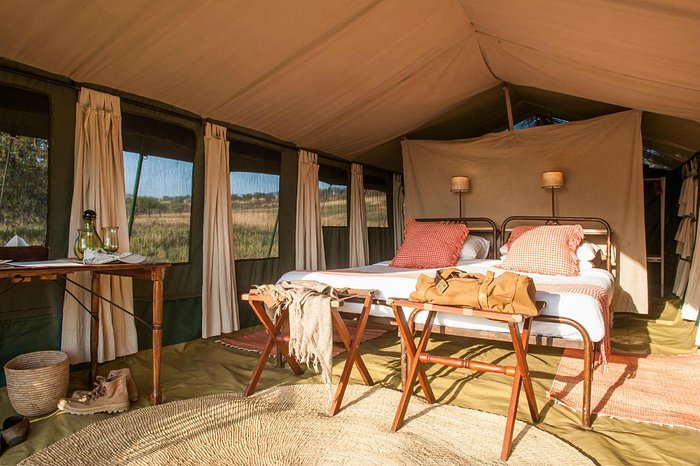
Affordable African Safari Packages: Your Guide To Budget-Friendly Tanzania
Discover how to plan and book affordable African safari packages for 2026-2027. This guide provides practical advice on choosing budget-friendly Tanzania tours, understanding costs, and...
View package details
Kenya And Tanzania Combined Safari Packages: Ultimate Guide 2026-2027
Discover the unparalleled adventure of combining Kenya and Tanzania for a comprehensive East African safari. This guide details everything you need to know for planning your 2026-2027...
View package details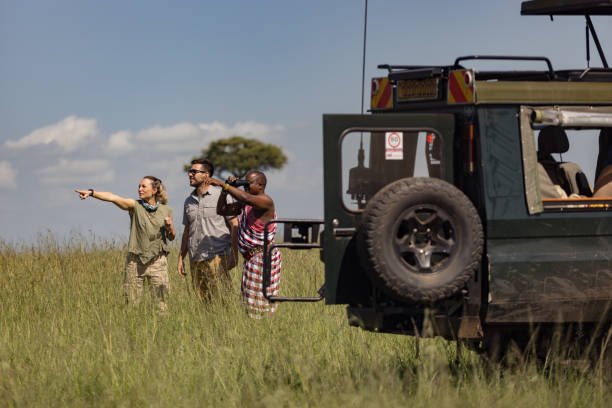
3-Day Serengeti And Ngorongoro Safari: Your Ultimate Tanzania Wildlife
start a concise yet unforgettable 3-day Serengeti and Ngorongoro safari, designed to maximize wildlife encounters in Tanzania's most celebrated parks. This compact adventure offers a taste...
View package details
Serengeti Safari And Zanzibar Beach Holiday: The Ultimate Tanzania
Combine the thrill of a Serengeti safari with the relaxation of a Zanzibar beach holiday. This guide covers everything you need to know for an unforgettable Tanzania adventure in 2026-2027...
View package detailsTanzania Safari And Zanzibar All-Inclusive Packages Guide
Combine the thrill of a Tanzanian wildlife safari with the serene beauty of Zanzibar on an all-inclusive package. This comprehensive guide covers everything you need to know for planning...
View package details
Are African Safari Prices Per Person Or Vehicle? Understanding Tanzania Costs
African safari costs can be confusing. This guide clarifies whether prices are quoted per person or per vehicle, detailing factors that influence your 2026-2027 safari budget in Tanzania.
View package details
What Animals Can You See On An African Safari? Your Ultimate Wildlife Guide
Planning an African safari and wondering which animals you'll encounter? This comprehensive guide details the wildlife you can expect to see, from iconic mammals to elusive birds, across...
View package details
What Is The Cheapest African Country For Safari? 2026-2027
What Is the Cheapest African Country for Safari? is explained with current 2026-2027 planning, price, itinerary and booking information.
View package details
Is Tanzania Or Kenya Better For Safari? A Detailed Comparison 2026-2027
Comparing Tanzania and Kenya for your next safari? This in-depth guide breaks down wildlife viewing, landscapes, costs, and optimal travel times to help you choose the perfect East African...
View package detailsLuxury African Safari Packages: The Ultimate Tanzania Experience In 2026-2027
Explore the pinnacle of African adventure with luxury safari packages in Tanzania. This guide details exclusive lodges, tailor-made itineraries, and the best wildlife experiences for your...
View package details
Tanzania Safari Tours & Packages /: Your Ultimate Wildlife Adventure 2026-2027
Discover the magic of Tanzania with expertly crafted safari tours and packages for 2026 and 2027. From the vast plains of the Serengeti to the depths of the Ngorongoro Crater, find your...
View package detailsNo related package matches those filters. Clear one or more filters to see the other topic-matched options.



