
A Kilimanjaro Eco Trek & Trail Cleanup Expedition is a specialized adventure travel experience focused on climbing Mount Kilimanjaro while actively minimizing environmental impact and participating in organized efforts to remove waste from the mountain’s trails. This approach emphasizes responsible tourism, educating trekkers on conservation, and ensuring that your 2026-2027 journey benefits the mountain ecosystem and local communities, rather than detracting from them. It typically involves choosing specific routes, adhering to strict waste management protocols, and dedicating time to collect litter during the ascent and descent.
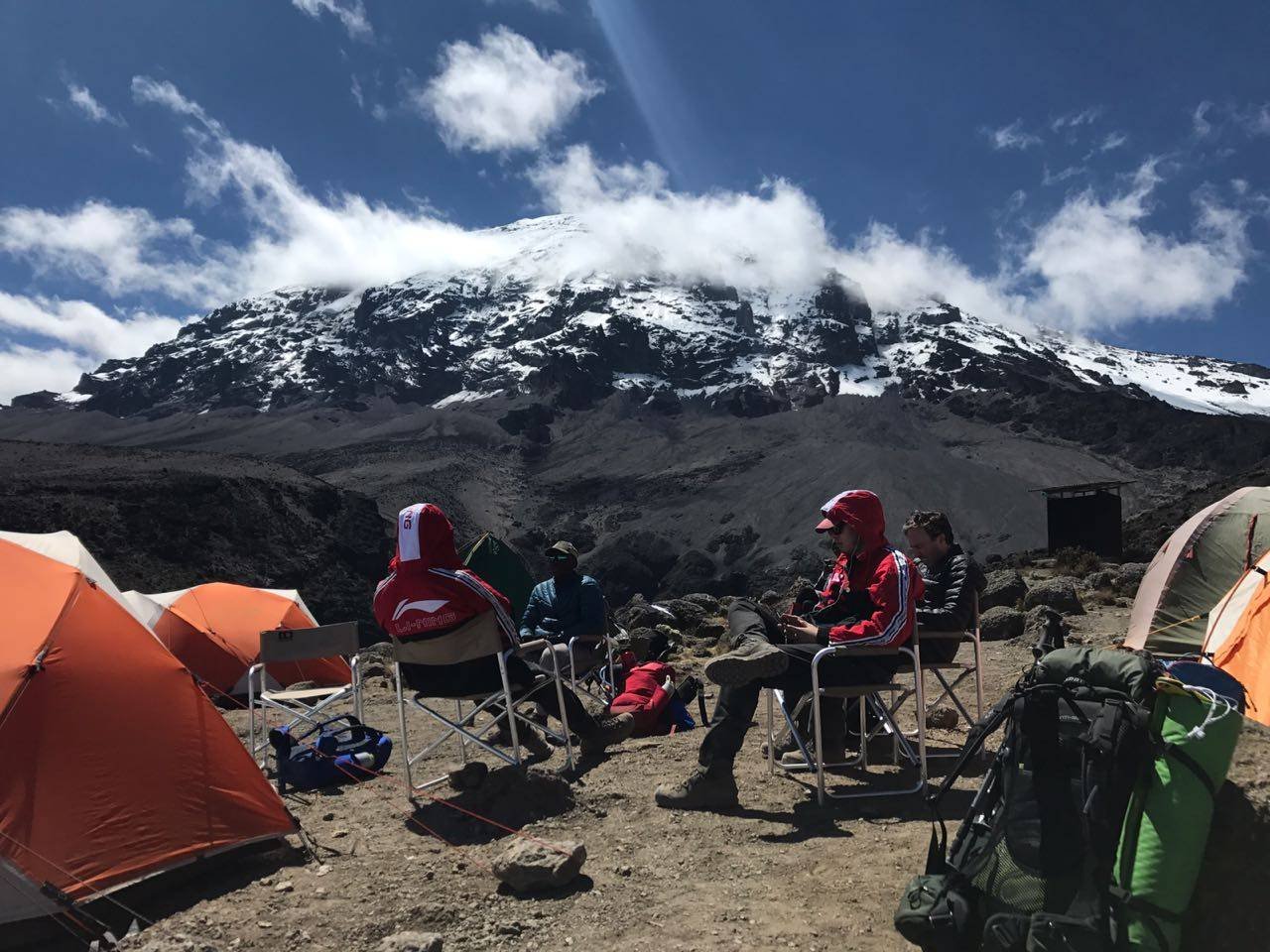
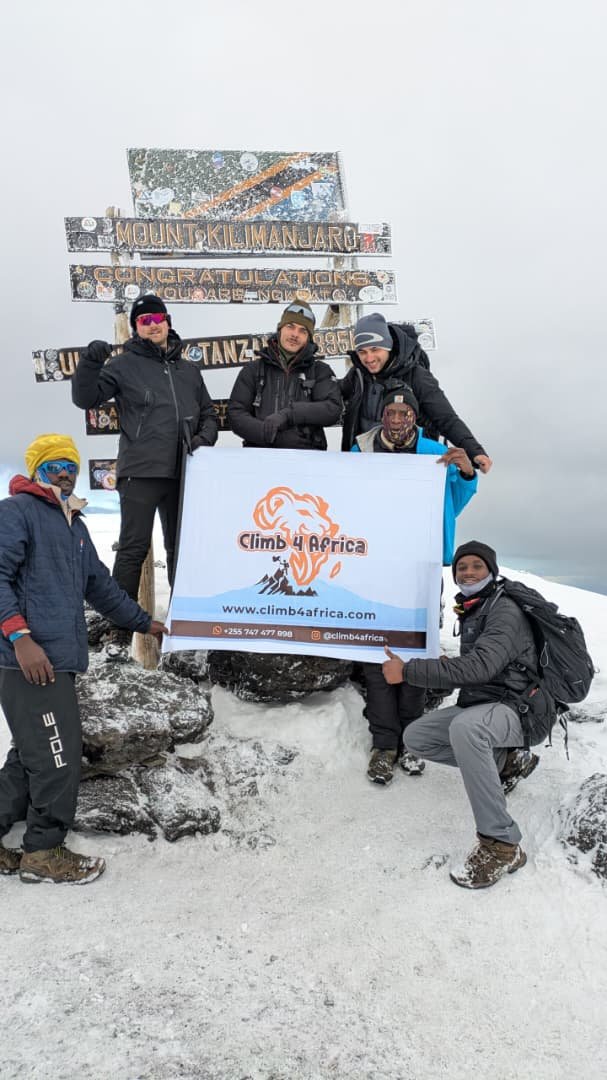
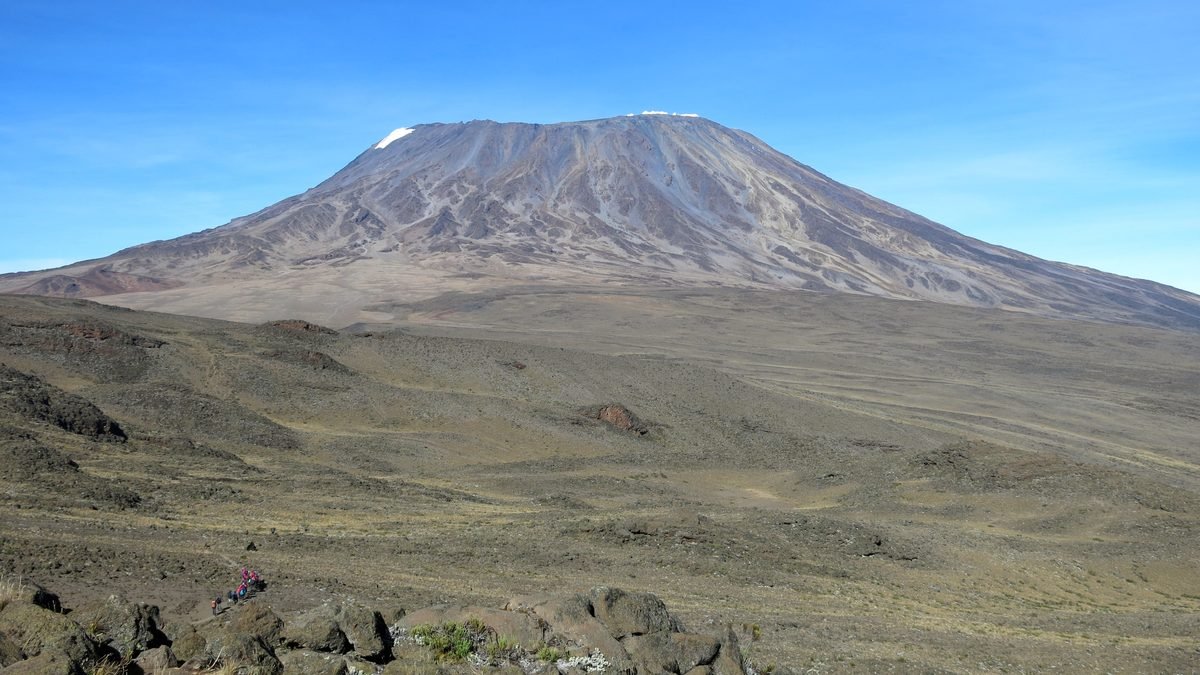

Understanding the Kilimanjaro Eco Trek & Trail Cleanup Expedition Concept
For many, climbing Kilimanjaro is a lifelong dream, a chance to conquer Africa’s highest peak and experience unparalleled natural beauty. However, the increasing popularity of this iconic trek also brings environmental challenges. The Kilimanjaro Eco Trek & Trail Cleanup Expedition directly addresses these concerns, offering a way to fulfill your mountaineering aspirations while becoming part of the solution to preserve Kilimanjaro’s fragile alpine environment for future generations. This isn’t just about reaching the summit; it’s about the journey and the positive footprint you leave behind.
When you opt for an eco-trek and cleanup expedition, you’re choosing a travel philosophy that goes beyond standard trekking. It integrates conservation principles into every aspect of the climb. This means meticulous planning, careful execution on the mountain, and a conscious effort to educate yourself and others about sustainable practices. For adventurers planning their climb in 2026 or 2027, this model presents a compelling and ethical way to experience Kilimanjaro.
The Growing Need for Responsible Kilimanjaro Tourism
Kilimanjaro National Park is a UNESCO World Heritage site, a vital ecosystem supporting diverse flora and fauna, and a significant economic driver for the region. However, the sheer volume of trekkers – tens of thousands annually – puts considerable strain on its resources. Issues such as litter accumulation, trail erosion, and waste management from campsites are persistent concerns. Traditional trekking practices can inadvertently contribute to these problems if not managed carefully. The concept of an eco-trek and cleanup expedition has emerged as a direct response to this need, promoting a more mindful and sustainable form of adventure travel.
The commitment to a Kilimanjaro Eco Trek & Trail Cleanup Expedition signifies a shift towards conscious tourism. It encourages operators and trekkers alike to adopt best practices that protect the mountain’s natural integrity. By participating, you become an ambassador for responsible travel, demonstrating that adventure and environmental stewardship can go hand-in-hand. This is particularly relevant as travelers in 2026-2027 are increasingly seeking meaningful experiences that align with their values.
What Defines an Eco Trek and Cleanup Expedition?
Several key elements distinguish an eco-trek and cleanup expedition from a standard Kilimanjaro climb:
- Waste Management Protocols: Strict guidelines for packing out all non-biodegradable waste, including food wrappers, plastics, and batteries. This often involves carrying specialized waste bags and ensuring no trace is left behind.
- Environmental Education: Pre-trek briefings and on-mountain discussions about the local ecosystem, conservation challenges, and how to minimize impact.
- Trail Cleanup Activities: Dedicated time during the trek, often on the descent, where participants actively collect litter found along the paths.
- Sustainable Logistics: Preference for operators who use eco-friendly camps, manage human waste responsibly (e.g., using portable toilets), and employ local guides and porters under fair working conditions.
- Community Engagement: Support for initiatives that benefit local communities, often through partnerships with conservation organizations or community development projects.
Choosing this type of expedition means you’re not just a tourist; you’re a participant in preserving Kilimanjaro. The practical application of these principles is what makes the Kilimanjaro Eco Trek & Trail Cleanup Expedition a truly impactful experience for 2026-2027 adventurers.
Planning Your Kilimanjaro Eco Trek & Trail Cleanup Expedition
Successful planning for an eco-trek and cleanup expedition involves more than just booking a flight and a trek. It requires careful consideration of several factors to ensure your journey aligns with its responsible travel ethos. From selecting the right time to climb and the most suitable route, to understanding the physical demands and packing appropriately, every decision contributes to the success of your expedition and its environmental goals.
Choosing the Right Time to Climb (2026-2027 Seasons)
Kilimanjaro experiences distinct seasons, each offering different advantages and challenges. Understanding these will help you choose a period that not only maximizes your chances of a successful summit but also aligns with your preferences for weather and crowd levels. For an eco-trek, consider periods that might have fewer trekkers, allowing for a more serene experience and potentially less impact on the trails.
- Dry Seasons (January-March and June-October): These are the most popular times to climb, offering clearer skies and more stable weather. January to March is generally warmer, while June to October is cooler but still pleasant. These peak seasons can mean more people on the mountain, so a trail cleanup becomes even more critical.
- Wet Seasons (April-May and November-December): These months see more rainfall, making trails muddy and potentially increasing the risk of landslides on certain sections. However, fewer trekkers mean a quieter experience. If you choose to climb during these times, ensure your operator has robust safety protocols and contingency plans. An eco-trek during a shoulder or wet season can offer a unique perspective, provided you are well-prepared for the conditions.
When planning for 2026-2027, consider that weather patterns can be unpredictable. Booking during the drier months often provides a more comfortable trekking experience, but the quieter periods can offer a more intimate connection with the mountain. Always discuss the pros and cons of each season with your tour operator.
Selecting the Best Route for an Eco-Conscious Trekker
Kilimanjaro offers several routes, each varying in length, difficulty, scenery, and traffic. For an eco-trek and cleanup expedition, certain routes are more conducive to responsible practices and offer better opportunities for environmental engagement. The key is choosing a route that offers a higher success rate through gradual acclimatization and allows for efficient waste management and cleanup efforts.
- Machame Route: Often called the ‘Whiskey’ route due to its popularity, Machame is a 6-7 day trek known for its excellent acclimatization profile and stunning scenery. Its popularity means more trekkers, making a cleanup initiative here particularly valuable. It’s a circuit route, offering diverse views.
- Lemosho Route: This longer route (7-8 days) is highly recommended for its beauty and excellent acclimatization. It starts in the west and crosses the Shira Plateau, offering a more remote feel in its initial stages. The extended duration provides more opportunities for appreciating the environment and conducting cleanups.
- Northern Circuit: The longest route (9-10 days), offering the highest success rates due to superior acclimatization. It circles the mountain, providing panoramic views and a more exclusive experience. The longer duration makes it ideal for incorporating significant cleanup activities.
- Marangu Route: Known as the ‘Coca-Cola’ route, it’s the oldest and most direct. It’s also the only route with hut accommodation. However, its rapid ascent profile is not ideal for acclimatization, and it generally sees high traffic. While a cleanup can be done here, other routes are often preferred for their environmental and acclimatization benefits.
- Rongai Route: This route approaches from the north, offering a different perspective and often drier conditions. It’s a good option for those seeking a less crowded experience, especially in its initial days. It’s typically a 6-7 day trek.
For an eco-trek and trail cleanup expedition, routes like the Lemosho or Northern Circuit are often preferred due to their longer durations, which allow for better acclimatization and more dedicated time for cleanup efforts. These routes also tend to offer more diverse landscapes, enhancing the overall experience. When planning for 2026-2027, discuss route options with your operator, focusing on those that prioritize environmental responsibility and acclimatization.
Physical and Mental Preparation
Climbing Kilimanjaro is a significant physical and mental undertaking. For an eco-trek and cleanup expedition, the added focus on environmental awareness and participation in cleanup activities requires a well-prepared individual.
- Physical Fitness: Regular cardiovascular exercise (hiking, running, cycling) is essential. Focus on endurance training, including long hikes with a backpack, ideally on varied terrain. Practice hiking uphill and downhill to prepare your muscles for the sustained effort. Altitude training, if accessible, can be beneficial.
- Mental Fortitude: Kilimanjaro tests your resilience. Develop mental toughness by practicing mindfulness, visualization, and positive self-talk. Understand that there will be challenging moments, and focus on breaking down the climb into smaller, manageable segments. For an eco-trek, maintain enthusiasm for the environmental mission even during difficult points.
- Acclimatization Awareness: Understand the symptoms of Acute Mountain Sickness (AMS) and how to manage them. Gradual ascent and proper hydration are crucial. Eco-treks that use longer routes inherently support better acclimatization.
Preparing adequately ensures you can fully engage with the Kilimanjaro Eco Trek & Trail Cleanup Expedition experience, enjoying the scenery and contributing meaningfully to the cleanup efforts without being solely focused on survival. This preparation is key for any climb planned for 2026 or 2027.
Essential Gear for Responsible Trekking
Packing correctly is crucial for comfort, safety, and environmental responsibility. For an eco-trek, consider items that minimize waste and are durable.
- Layering System: Essential for adapting to changing temperatures. Include moisture-wicking base layers, insulating mid-layers (fleece, down), and a waterproof/windproof outer shell.
- Footwear: Sturdy, broken-in hiking boots are non-negotiable. Bring comfortable socks, preferably wool or synthetic.
- Sun Protection: High SPF sunscreen, sunglasses, and a wide-brimmed hat are vital due to the intense sun at altitude.
- Hydration: Water bottles or a hydration reservoir (at least 3 liters capacity). Consider a water filter or purification tablets as a backup, though operators usually provide boiled or treated water.
- Waste Management Gear: Several sturdy, resealable plastic bags or dry bags for packing out all your trash. A small trowel for digging catholes (if needed, though many operators provide portable toilets).
- Headlamp: With extra batteries for early morning starts and potential night hiking.
- Personal First-Aid Kit: Including any personal medications, blister treatment, pain relievers, and antiseptic wipes.
- Trekking Poles: Highly recommended for stability and reducing strain on joints, especially during descents.
When selecting gear, opt for reusable items where possible. For instance, using a reusable water bottle instead of single-use plastic ones aligns perfectly with the ethos of a Kilimanjaro Eco Trek & Trail Cleanup Expedition.
The Trail Cleanup Component: Making a Tangible Difference
The ‘Trail Cleanup’ aspect of this expedition is what truly sets it apart. It’s a proactive commitment to addressing the environmental challenges faced by Kilimanjaro. This isn’t an optional add-on; it’s an integral part of the experience, designed to leave the mountain cleaner than you found it.
How Trail Cleanups Are Conducted
Trail cleanup activities are typically integrated into the descent phase of the trek. As participants make their way down, they are encouraged or instructed to collect any litter they encounter along the paths. This can include plastic bottles, food wrappers, discarded clothing, and other non-biodegradable items left behind by previous trekkers.
- Systematic Collection: Guides often designate specific sections of the trail for cleanup or encourage trekkers to be vigilant throughout the descent.
- Waste Segregation: Depending on the operator’s policy, collected waste might be segregated for recycling or proper disposal.
- Educational Integration: During cleanup, guides can reinforce the importance of “Leave No Trace” principles and discuss the impact of litter on wildlife and the environment.
- Community Involvement: In some cases, local communities or park rangers may collaborate with tour operators on larger cleanup drives.
The collective effort of a group participating in a Kilimanjaro Eco Trek & Trail Cleanup Expedition can yield significant results. Even small amounts of litter collected by each person add up over the course of a trek, making a visible and tangible difference to the mountain’s pristine appearance.
The Impact of Litter on Kilimanjaro
Litter on Kilimanjaro poses several threats:
- Aesthetic Degradation: It detracts from the natural beauty of the mountain, diminishing the experience for all visitors.
- Environmental Harm: Plastic waste, in particular, does not biodegrade quickly and can break down into microplastics, polluting soil and water sources. It can also be ingested by wildlife, causing internal injuries or death.
- Ecosystem Disruption: Litter can disrupt delicate alpine ecosystems, affecting plant growth and animal habitats.
- Hygiene Concerns: Accumulation of waste, especially near campsites, can pose hygiene risks.
By actively participating in trail cleanups as part of your Kilimanjaro Eco Trek & Trail Cleanup Expedition, you directly combat these issues. You become part of a movement that prioritizes the health of the mountain.
Why Your Contribution Matters
Every piece of litter removed contributes to the overall health and beauty of Kilimanjaro. Your participation sends a powerful message about responsible tourism. It encourages other trekkers and operators to adopt more sustainable practices. For 2026-2027 travelers, this is an opportunity to contribute positively to a globally recognized natural wonder. The satisfaction of reaching the summit is amplified by the knowledge that you’ve also helped preserve it.
Consider the scale: if every trekker removed just one piece of litter, the impact would be immense. An organized Kilimanjaro Eco Trek & Trail Cleanup Expedition amplifies this effect, making a significant, visible improvement to the trails.
Choosing a Responsible Tour Operator for Your Eco Trek
The choice of tour operator is paramount for a successful and truly responsible Kilimanjaro Eco Trek & Trail Cleanup Expedition. Not all operators are created equal when it comes to environmental commitment and ethical practices. A reputable operator will not only ensure your safety and comfort but will also be genuinely dedicated to sustainability and supporting local communities.
What to Look for in an Eco-Conscious Operator
When researching operators for your 2026-2027 climb, prioritize those who demonstrate a clear commitment to eco-friendly practices:
- Environmental Policies: Do they have a written policy on waste management, carbon offsetting, and environmental protection?
- Waste Management: Do they provide reusable water bottles, enforce strict pack-it-out rules, and utilize portable toilets to manage human waste?
- Porter Welfare: Do they treat their porters ethically, providing fair wages, adequate food, proper gear, and ensuring they are not overloaded? This is a crucial aspect of responsible tourism.
- Local Employment: Do they employ local guides and staff, contributing to the local economy?
- Community Support: Do they engage in or support community development projects or conservation initiatives?
- Transparency: Are they transparent about their operations, pricing, and environmental practices?
- Certifications/Affiliations: While not always mandatory, affiliations with responsible tourism organizations can be a good indicator.
Climb 4 Africa, for instance, is committed to these principles. They understand the importance of a Kilimanjaro Eco Trek & Trail Cleanup Expedition and integrate responsible practices into all their tours. Their focus on local expertise and community benefit aligns with the ethos of sustainable adventure travel.
Questions to Ask Potential Operators
Don’t hesitate to ask detailed questions:
- What specific waste management procedures do you follow on the mountain?
- How do you ensure your porters are treated ethically and paid fairly?
- Do you provide training or education on environmental conservation for your clients?
- What is your policy on single-use plastics during the trek?
- How are cleanups organized, and what is the typical amount of waste collected?
- What contributions do you make to local conservation efforts or community projects?
The answers you receive will provide valuable insight into their commitment. For your 2026-2027 expedition, choose an operator whose values align with yours.
The Role of Guides and Porters in Eco-Trekking
Your guides and porters are essential partners in an eco-trek. They are not just there to assist you; they are often the frontline guardians of the mountain. A good eco-operator ensures their team is well-trained in environmental protocols and conservation messages.
- Environmental Stewards: Guides should actively monitor waste, educate clients, and lead by example in “Leave No Trace” practices.
- Waste Management Assistance: Porters play a critical role in carrying out all waste, including human waste, from the mountain.
- Community Voices: Local staff provide invaluable insights into the local environment and culture, fostering a deeper appreciation among trekkers.
Supporting operators who prioritize fair treatment and training for their staff ensures that the benefits of your Kilimanjaro Eco Trek & Trail Cleanup Expedition extend to the local people who depend on the mountain’s health.
Environmental Impact and Conservation on Kilimanjaro
Understanding the ecological significance of Kilimanjaro and the specific impacts of tourism is crucial for appreciating the importance of an eco-trek and cleanup expedition. This knowledge empowers trekkers to make informed decisions and actively contribute to conservation efforts.
Kilimanjaro’s Unique Ecosystems
Kilimanjaro is not just a mountain; it’s a vertical ecosystem, supporting distinct life zones as you ascend:
- Cultivation Zone: The lower slopes are fertile, used for farming coffee, bananas, and maize. This zone is heavily influenced by human activity.
- Rainforest Zone: Above the farms, dense evergreen forests teem with biodiversity, including monkeys, various bird species, and unique flora. This zone is vital for water catchment.
- Heath and Moorland Zone: As the forest thins, you enter a landscape of heather, grasses, and giant groundsels and lobelias. This zone is more exposed to weather.
- Arctic/Alpine Zone: Above 4,000 meters, the vegetation becomes sparse, characterized by lichens and hardy mosses. This is a harsh, arid environment with extreme temperature fluctuations.
- Summit Zone: The summit area, including the crater rim and Uhuru Peak, is barren rock, ice, and snow, resembling an arctic desert.
Each zone has a delicate balance that can be easily disrupted by human impact. The Kilimanjaro Eco Trek & Trail Cleanup Expedition aims to tread lightly across these zones.
Challenges Posed by Tourism
The primary challenges to Kilimanjaro’s environment stem from:
- Waste Management: Insufficient disposal systems lead to litter accumulating on trails and at campsites.
- Water Scarcity: Increased demand for water by trekkers and staff can strain local resources, especially in drier areas.
- Trail Erosion: High foot traffic can lead to soil erosion, particularly on popular routes.
- Habitat Disturbance: Noise and physical presence can disturb wildlife.
- Fuel Consumption: Cooking and heating require fuel, which, if not managed sustainably, can contribute to deforestation in surrounding areas.
An eco-trek operator actively works to mitigate these issues through responsible practices. For example, ensuring all waste is carried down, using efficient cooking methods, and staying on marked trails.
Conservation Initiatives and How You Can Support Them
Many organizations and tour operators are involved in conservation efforts on Kilimanjaro. By choosing an operator committed to these initiatives, you contribute directly.
- “Kilimanjaro Native Outfitters Association” (KINOA) Principles: While not a formal body, the spirit of KINOA emphasizes responsible trekking, including waste removal and respect for the mountain.
- Park Fees: A significant portion of your trek fees goes towards park maintenance and conservation, managed by the Tanzania National Parks Authority (TANAPA). Ensure your operator pays these fees correctly.
- Reforestation Projects: Some operators support tree-planting initiatives in the lower zones to offset carbon emissions and restore habitats.
- Community Education: Programs aimed at educating local communities about the value of conservation and sustainable tourism.
Your participation in a Kilimanjaro Eco Trek & Trail Cleanup Expedition is a form of direct support. You are not just a visitor; you are a stakeholder in the mountain’s future. Planning for 2026-2027 with conservation in mind is a powerful statement.
What to Expect on Your Expedition: Daily Life on the Mountain
Understanding the day-to-day realities of a Kilimanjaro trek, especially an eco-focused one, helps set realistic expectations. It’s a challenging yet incredibly rewarding experience, blending physical exertion with moments of awe and camaraderie.
A Typical Day on an Eco Trek
While routines vary slightly by route and operator, a typical day on Kilimanjaro generally follows this pattern:
- Morning: Wake up early, often around 6:00-7:00 AM. A quick wash (using biodegradable soap if permitted), followed by breakfast prepared by the cook. Guides will brief you on the day’s trek, including distance, estimated time, and any environmental points to note.
- Trekking: Set off on the day’s hike. The pace is deliberately slow and steady – “pole pole” (slowly, slowly) is the mantra. You’ll hike through different ecological zones, with rest stops for snacks and water.
- Lunch: A packed lunch is usually enjoyed at a scenic spot along the trail.
- Afternoon: Continue trekking towards the next campsite. Upon arrival, you’ll be shown to your tent. Porters will set up the mess tent for relaxation and meals.
- Evening: A hot drink and snacks are served, followed by dinner. Guides will conduct a daily briefing about the next day’s plan and check on everyone’s health and acclimatization. Early to bed is recommended to conserve energy.
On an eco-trek, expect additional discussions about waste management, the local environment, and perhaps brief cleanup tasks during rest stops. The focus remains on a sustainable pace and minimal impact.
Campsite Etiquette and Waste Management
Campsites on Kilimanjaro are designated areas, and adhering to strict etiquette is vital for preserving these fragile environments:
- Waste Disposal: All personal waste, food scraps, and packaging must be collected and packed out. Operators typically provide waste bags. Never bury or burn trash.
- Toilet Facilities: Most reputable operators use portable toilets (chemical toilets) to manage human waste, preventing contamination of soil and water. Always use these facilities and follow the operator’s instructions.
- Water Sources: Avoid contaminating streams or springs. Use designated water sources and purify all water you drink.
- Campfires: Campfires are generally prohibited within Kilimanjaro National Park to protect vegetation and reduce the risk of wildfires.
- Noise Levels: Keep noise to a minimum to respect the natural environment and other trekkers.
For a Kilimanjaro Eco Trek & Trail Cleanup Expedition, these practices are not just guidelines but core principles. Your operator should provide clear instructions and support for all waste management needs.
Summit Night: The Ultimate Challenge
Summit night is the most demanding part of the trek. It typically begins around midnight from the last camp (often Barafu or Kibo Hut).
- The Ascent: You’ll hike in darkness, using headlamps, at a very slow pace. The air is thin, and temperatures are extremely cold.
- Team Support: Guides and assistant guides will closely monitor your progress, hydration, and acclimatization, providing encouragement and support.
- Reaching the Summit: The goal is to reach Stella Point on the crater rim by sunrise, followed by the final push to Uhuru Peak (5,895m).
- The Descent: After a brief celebration at the summit, the descent is swift and often challenging due to fatigue. It’s crucial to remain focused. This is also a prime time for trail cleanup, as trekkers often shed items due to fatigue or temperature changes.
Your preparation and mental resilience are key to conquering summit night. An eco-conscious approach means ensuring even your summit gear is packed responsibly and any waste generated is managed properly.
Beyond the Summit: Post-Trek Responsibilities and Support
The journey doesn’t end at the summit. Responsible trekking extends to the post-trek period, ensuring the positive impact of your Kilimanjaro Eco Trek & Trail Cleanup Expedition continues and that you have a smooth return.
Post-Trek Debrief and Waste Handover
Upon descending to Marangu Gate or your final drop-off point, you’ll typically have a debriefing with your guide team. This is an opportunity to:
- Share Feedback: Provide feedback on your experience, including any observations regarding trail conditions or waste management.
- Waste Handover: Ensure all collected waste from your cleanup efforts is handed over to the operator for proper disposal.
- Gratuities: This is also the customary time to tip your guides, porters, and cook team, if you are satisfied with their service. Reputable operators provide guidelines on tipping.
This final stage is crucial for completing the cycle of responsible trekking. It ensures accountability and reinforces the eco-friendly principles of your expedition.
Supporting Local Communities and Conservation
Your choice of an eco-trek operator directly supports the local economy and conservation efforts. Beyond the trek itself, consider how you can continue to support these initiatives:
- Ethical Souvenirs: Purchase crafts and souvenirs directly from local artisans, ensuring fair prices.
- Volunteering/Donations: If you’re passionate about conservation, research local NGOs or community projects and consider donating your time or resources.
- Advocacy: Share your experiences and promote responsible tourism practices among your friends and network.
By extending your commitment beyond the mountain, you help ensure that Kilimanjaro remains a protected natural treasure and a sustainable resource for local communities for years to come, including through 2026-2027 and beyond.
Health and Recovery After Trekking
After a strenuous trek like Kilimanjaro, proper recovery is essential:
- Hydration and Nutrition: Continue to drink plenty of fluids and eat balanced meals to help your body recover.
- Rest: Allow your body adequate rest. Avoid strenuous activities immediately after descending.
- Listen to Your Body: Pay attention to any lingering symptoms of altitude sickness or physical strain. Consult a doctor if necessary.
A well-managed Kilimanjaro Eco Trek & Trail Cleanup Expedition prioritizes your well-being from start to finish, ensuring you have the energy and health to enjoy your entire trip, including recovery.
Why Choose a Kilimanjaro Eco Trek & Trail Cleanup Expedition for 2026-2027?
The decision to undertake a Kilimanjaro Eco Trek & Trail Cleanup Expedition is a conscious choice for travelers who want their adventures to have a positive impact. As you plan for your climb in the coming years, consider the compelling reasons to choose this responsible approach.
- Meaningful Travel: Go beyond simply ticking off a bucket list item. Engage with the environment and contribute actively to its preservation.
- Enhanced Experience: A deeper connection to the mountain and its ecosystem often leads to a more profound and memorable journey.
- Setting a Standard: By choosing an eco-trek, you encourage the tourism industry to adopt more sustainable and ethical practices.
- Protecting a Natural Wonder: You play a direct role in safeguarding Kilimanjaro for future generations, ensuring its beauty and ecological integrity remain intact.
- Personal Fulfillment: The satisfaction of reaching the summit is amplified by the knowledge that you’ve done so responsibly and contributed positively.
For those planning their Kilimanjaro adventure in 2026 or 2027, this expedition offers a way to combine personal achievement with global responsibility. It’s about creating a legacy of care, not just conquering a mountain.
Booking Your Kilimanjaro Eco Trek & Trail Cleanup Expedition with Climb 4 Africa
When you’re ready to take the next step and plan your responsible adventure, selecting the right partner is crucial. Climb 4 Africa is dedicated to offering exceptional trekking experiences that prioritize sustainability, safety, and community benefit. We understand the principles behind a Kilimanjaro Eco Trek & Trail Cleanup Expedition and integrate them into our operations.
We offer expert guidance on route selection, gear advice, and physical preparation to ensure your 2026-2027 climb is both successful and environmentally conscious. Our team is committed to ethical treatment of porters, responsible waste management, and providing you with an authentic and impactful Kilimanjaro experience. We believe that adventure travel should leave a positive mark, and our eco-trek philosophy embodies this commitment.
To learn more about planning your Kilimanjaro Eco Trek & Trail Cleanup Expedition or to discuss custom itineraries for 2026-2027, please reach out to us:
WhatsApp: +255 747 477 898
Email: climb4africa@gmail.com
We are here to help you craft an unforgettable and responsible journey to the Roof of Africa.
Key Considerations for Your 2026-2027 Eco Trek:
- Operator Choice: Prioritize operators with clear environmental policies and a proven commitment to responsible tourism.
- Route Selection: Longer routes offer better acclimatization and more opportunities for cleanup activities.
- Preparation: Thorough physical and mental preparation is key to enjoying the expedition and participating fully in cleanup efforts.
- Waste Management: Be prepared to pack out all your waste; embrace the “Leave No Trace” philosophy fully.
- Community Impact: Choose operators who support local communities and ensure fair treatment of staff.
“,
“faq_schema”: [
{
“question”: “What makes a Kilimanjaro trek an ‘Eco Trek & Trail Cleanup Expedition’?”,
“answer”: “An Eco Trek & Trail Cleanup Expedition goes beyond a standard climb by integrating strict environmental protocols. This includes meticulous waste management (packing out all refuse), educating trekkers on conservation, minimizing resource use, and actively participating in organized cleanups to remove litter from the mountain’s trails. The goal is to leave a positive impact on Kilimanjaro’s fragile ecosystem.”
},
{
“question”: “What are the best routes on Kilimanjaro for an eco-trek in 2026-2027?”,
“answer”: “Longer routes like the Lemosho (7-8 days) or Northern Circuit (9-10 days) are often preferred for eco-treks. These routes offer superior acclimatization, reducing the risk of altitude sickness and increasing summit success rates. Their extended duration also provides more time and opportunities for dedicated trail cleanup activities and a deeper appreciation of the environment. The Machame route (6-7 days) is also a good option, though more popular.”
},
{
“question”: “How much waste can be expected to be collected on a trail cleanup?”,
“answer”: “The amount of waste collected can vary significantly based on the route, time of year, and previous cleanup efforts. However, participants in organized eco-treks often collect several kilograms of litter per person over the course of the descent. This can include plastic bottles, wrappers, discarded gear, and other non-biodegradable items, making a visible difference to the mountain’s cleanliness.”
},
{
“question”: “What are the main environmental challenges facing Kilimanjaro?”,
“answer”: “Kilimanjaro faces challenges including litter accumulation from trekkers, improper waste disposal, potential contamination of water sources, trail erosion due to high foot traffic, and habitat disturbance. An eco-trek and cleanup expedition directly addresses these issues through responsible practices and active participation in conservation.”
},
{
“question”: “How can I ensure my chosen tour operator is genuinely committed to eco-tourism?”,
“answer”: “Look for operators with clear written environmental policies, transparent waste management procedures (including portable toilets), ethical treatment of porters and guides, and support for local community projects. Ask specific questions about their practices, check for affiliations with responsible tourism bodies, and read reviews that mention their commitment to sustainability. Operators like Climb 4 Africa focus on these principles.”
},
{
“question”: “Is an eco-trek more expensive than a standard Kilimanjaro climb?”,
“answer”: “While costs can vary widely, eco-treks may sometimes be slightly more expensive due to the operational costs associated with more rigorous waste management, use of portable toilets, and potentially longer routes for better acclimatization. However, the added value of a responsible and impactful experience, along with supporting ethical practices, often justifies any difference in price, especially when planning for 2026-2027.”
},
{
“question”: “What gear is essential for a Kilimanjaro Eco Trek & Trail Cleanup Expedition?”,
“answer”: “Essential gear includes layered clothing for varying temperatures, sturdy broken-in hiking boots, sun protection, a reliable hydration system (at least 3 liters), a headlamp, and a personal first-aid kit. Crucially for an eco-trek, you’ll need several sturdy, resealable bags for packing out all your waste. Trekking poles are also highly recommended for stability and reducing joint strain.”
}
]
}
“`
Check Availability for Kilimanjaro Eco Trek & Trail Cleanup Expedition – Responsible Adventure…
Ready to compare dates, prices, and the best option for your group? Send the package name and travel month so the team can reply with a clear quote, availability, and what is included.
Kilimanjaro Yoga & Wellness Trek: Mountain Adventure With Recovery Sessions
Discover the ultimate Kilimanjaro Yoga & Wellness Trek, combining the challenge of summiting Africa's highest peak with dedicated recovery and mindfulness sessions. This unique approach...
View package details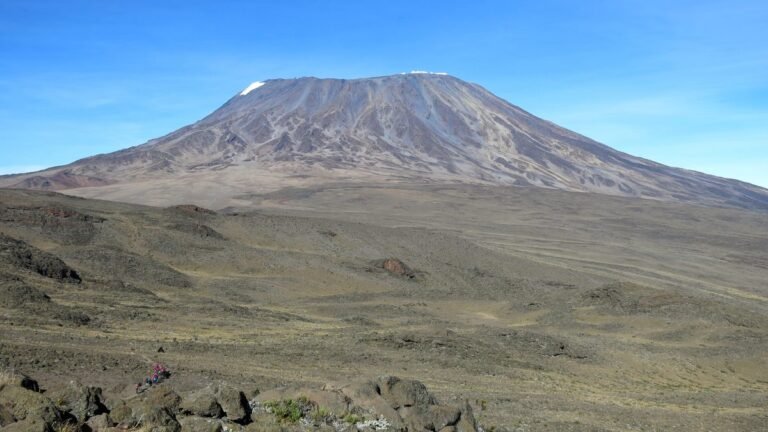
Kilimanjaro Women-Only Summit Expedition – Private Female Adventure Group
Discover the ultimate Kilimanjaro Women-Only Summit Expedition, designed for private female adventure groups. This comprehensive guide covers everything you need to know for a successful...
View package details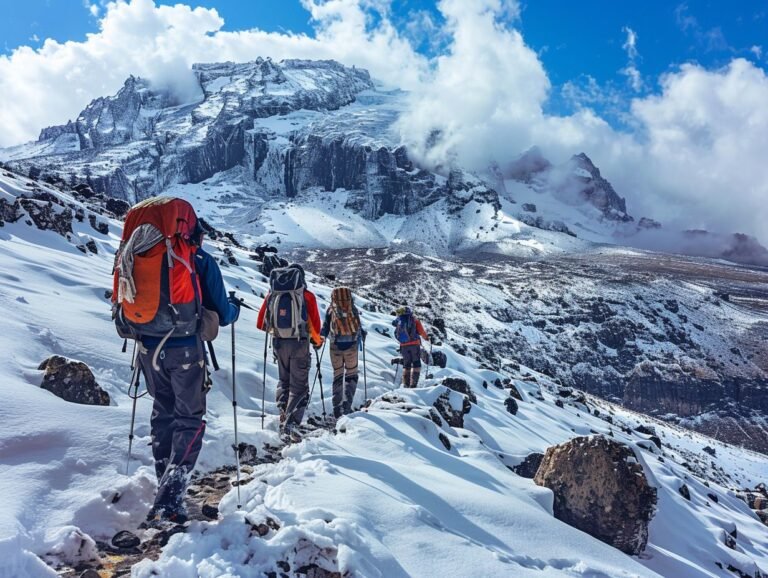
Ultimate Kilimanjaro Multi-Adventure: Trek, Bike, Fly, Safari & Zanzibar
Combine the thrill of climbing Kilimanjaro with biking, flying over the plains, a wildlife safari, and relaxation on Zanzibar. This ultimate multi-adventure trip offers an unparalleled way...
View package details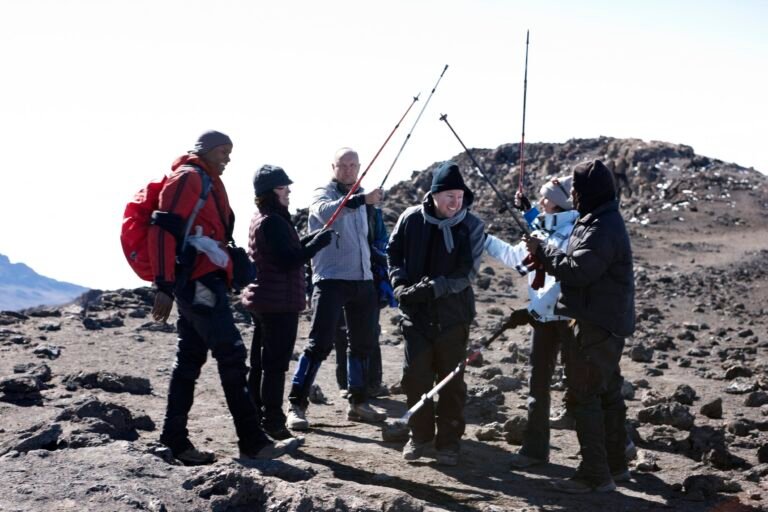
Kilimanjaro Trek + Paragliding + Safari Multi-Adventure: Climb, Fly & Explore
This comprehensive guide details the ultimate Kilimanjaro Trek + Paragliding + Safari Multi-Adventure, offering insights for planning your 2026-2027 expedition. Discover how to climb...
View package details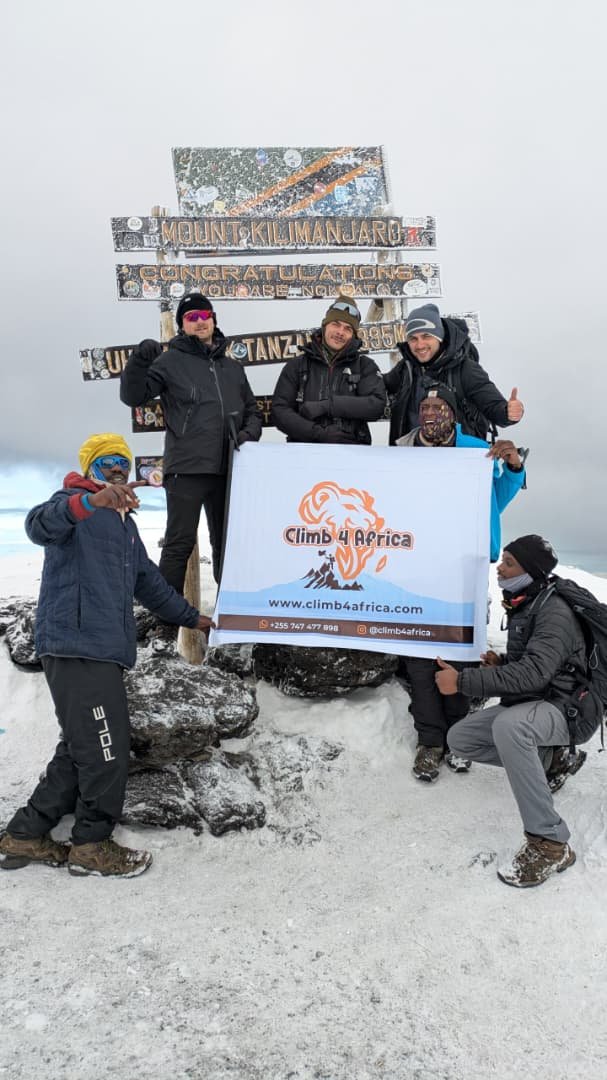
Kilimanjaro Responsible Trekking & Local Community Experience – Mountain +
Discover how to combine the awe-inspiring challenge of climbing Kilimanjaro with a deep, responsible engagement with local communities. This guide explores the benefits, planning, and...
View package details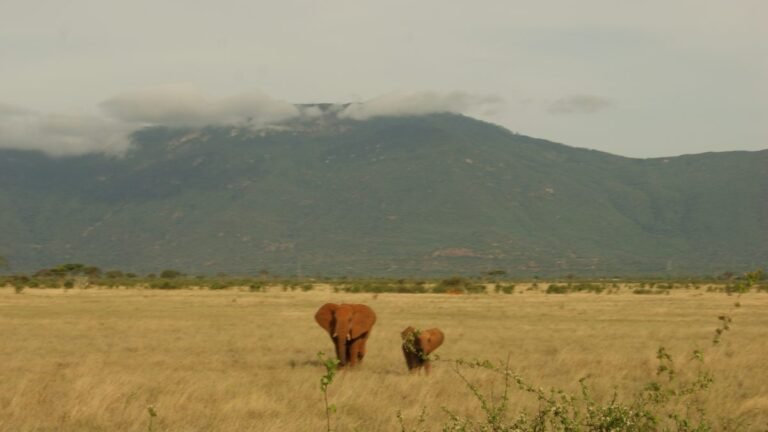
Kilimanjaro Family & Teen Summit Adventure – Private Multi-Generation Trek
Kilimanjaro Family & Teen Summit Adventure – Private Multi-Generation Trek is explained with current 2026-2027 planning, price, itinerary and booking.
View package details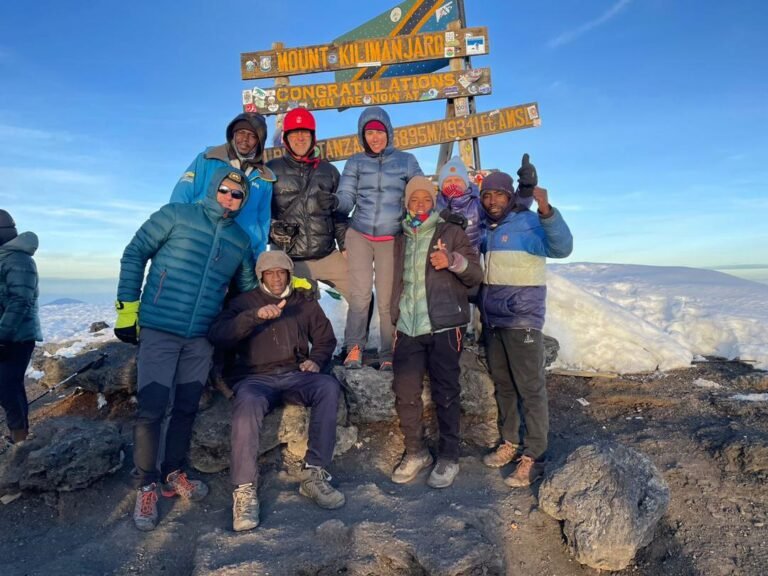
Kilimanjaro Luxury Private Camp Expedition – Premium Summit Trek 2026-2027
Kilimanjaro Luxury Private Camp Expedition – Premium Summit Trek 2026-2027 is explained with current 2026-2027 planning, price, itinerary and booking.
View package detailsKilimanjaro New Moon & Milky Way Trek – High-Altitude Stargazing Expedition
start a unique Kilimanjaro New Moon & Milky Way Trek, combining the challenge of summiting Africa's highest peak with the awe-inspiring spectacle of the cosmos from above the clouds. This...
View package details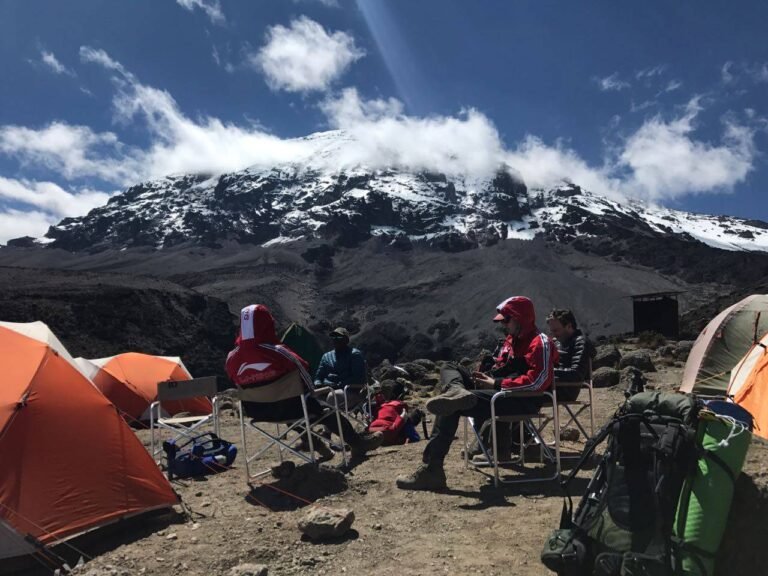
Kilimanjaro Paragliding Hike & Fly Expedition, Climb Uhuru Peak & 2026-2027
Kilimanjaro Paragliding Hike & Fly Expedition, Climb Uhuru Peak & Fly is explained with current 2026-2027 planning, price, itinerary and booking information.
View package details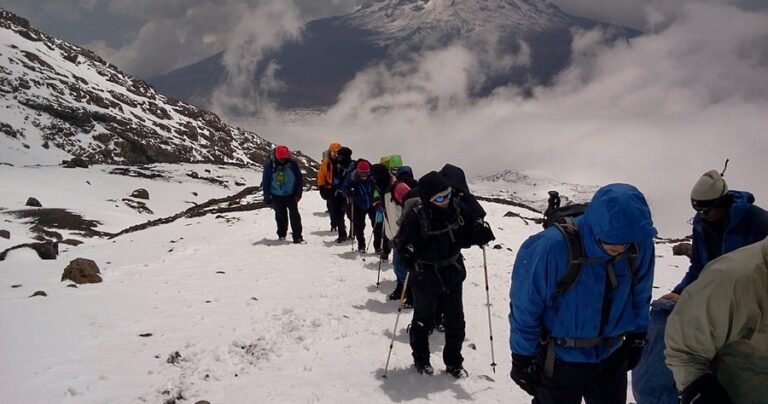
Kilimanjaro Summit + Hot Springs Recovery Adventure – Climb Then Relax In
Combine the thrill of conquering Kilimanjaro's summit with the deep relaxation of natural hot springs. This guide details the ultimate adventure for trekkers seeking both challenge and...
View package detailsKilimanjaro Honeymoon Private Climb + Safari + Zanzibar – Ultimate Tanzania
Kilimanjaro Honeymoon Private Climb + Safari + Zanzibar – Ultimate Tanzania Romance Adventure is explained with current 2026-2027 planning, price, itinerary.
View package details
Lake Chala & Kilimanjaro Foothills Adventure: Hiking, Canoeing & Scenic Views
Discover the unique beauty of Lake Chala and the dramatic landscapes of the Kilimanjaro foothills. This adventure combines invigorating hiking with tranquil canoeing, offering unparalleled...
View package detailsNo related package matches those filters. Clear one or more filters to see the other topic-matched options.



