
The Kilimanjaro New Moon & Milky Way Trek is an expedition specifically timed around the new moon phase to offer the darkest skies possible for exceptional high-altitude stargazing from the slopes and summit of Mount Kilimanjaro. This unique trekking experience prioritizes clear, unpolluted views of the Milky Way and constellations, typically involving itineraries that align with new moon dates in 2026 and 2027, and often utilizing routes like the Lemosho or Northern Circuit for their extended duration and varied vantage points. Travelers should anticipate a challenging climb combined with nights dedicated to observing the celestial wonders above, requiring careful planning regarding acclimatization, gear, and booking for optimal viewing conditions.
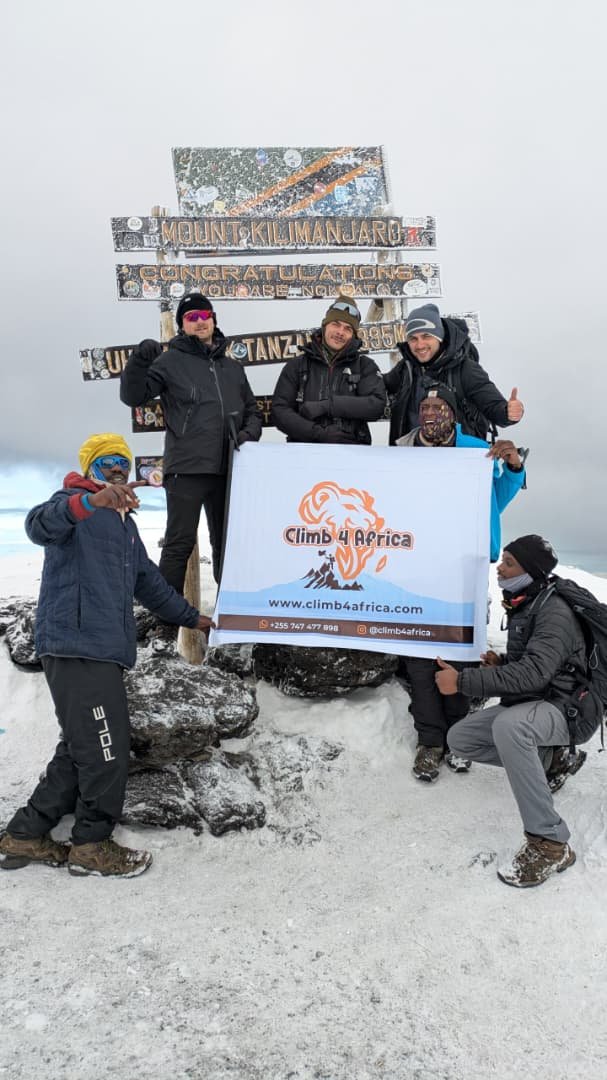
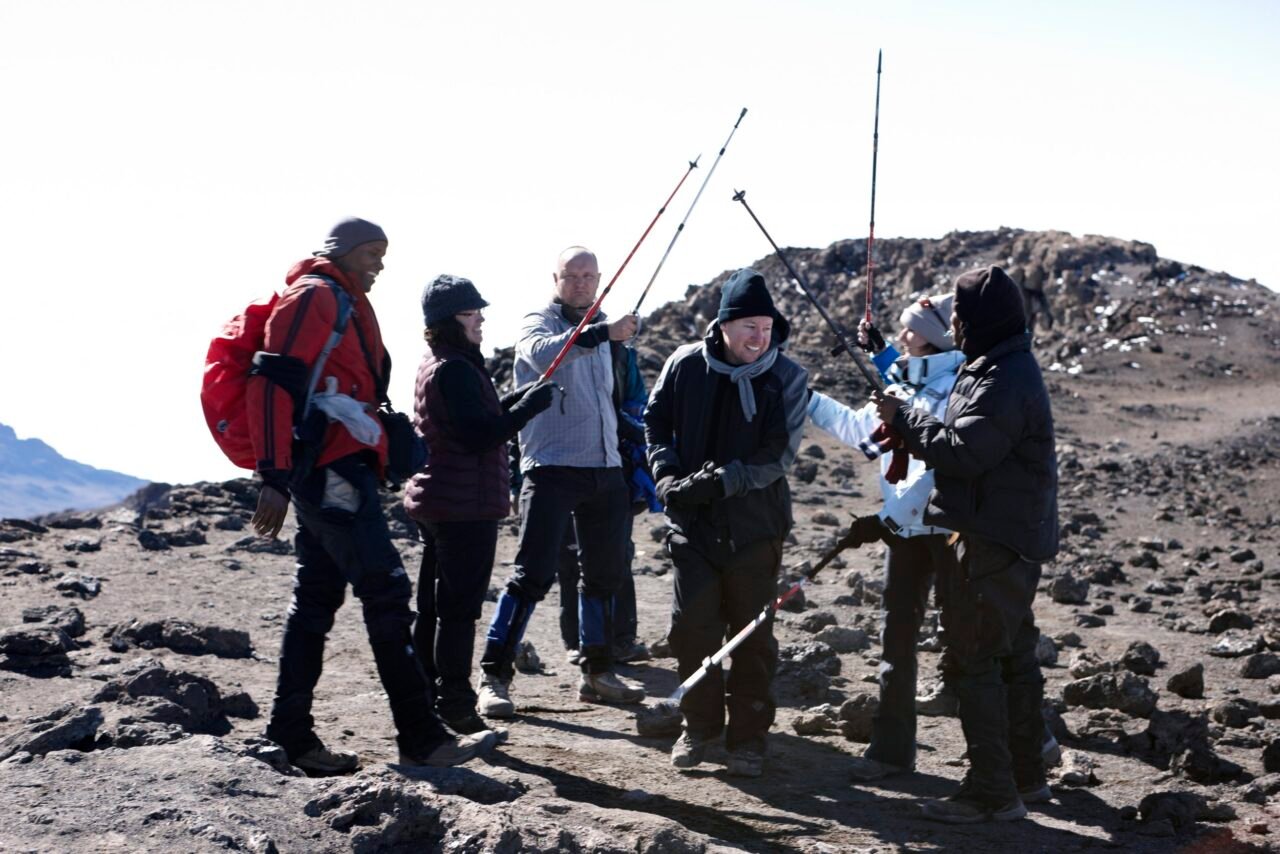

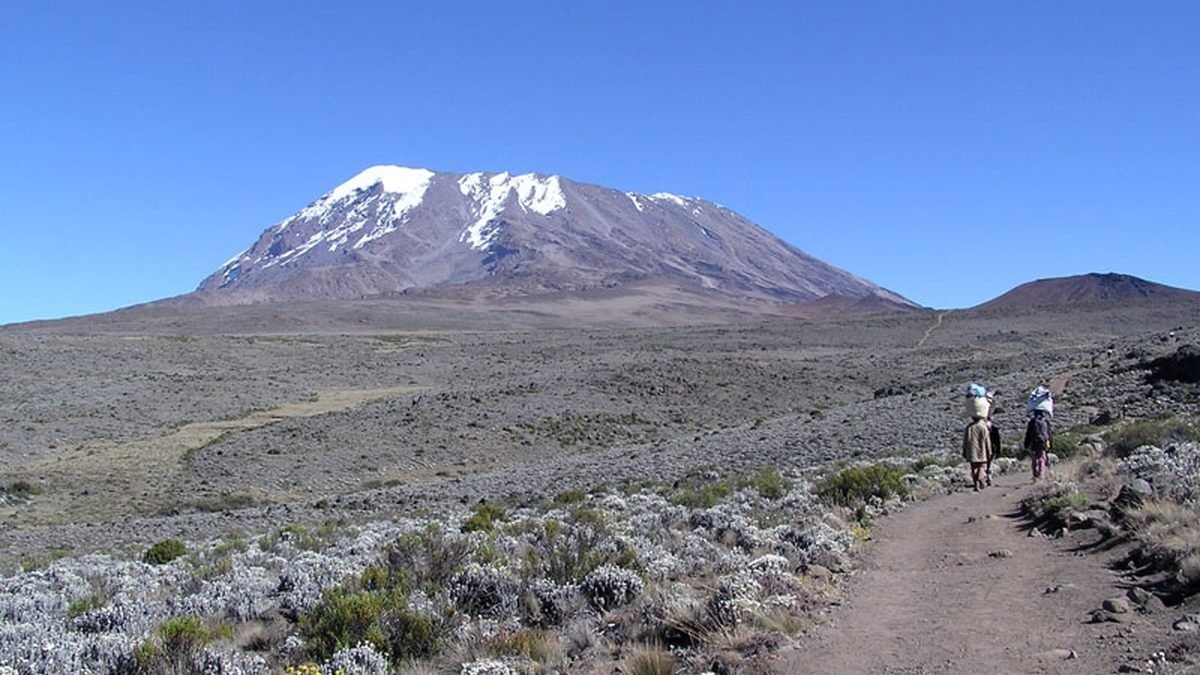
Understanding the Kilimanjaro New Moon & Milky Way Trek
Kilimanjaro, standing at 5,895 meters (19,341 feet), offers a unique platform for stargazing. Its high altitude and location near the equator, far from major light pollution, make it an ideal spot to witness the night sky in its full glory. A Kilimanjaro New Moon & Milky Way Trek is more than just a climb; it’s a carefully orchestrated astronomical adventure. The core concept is to be on the mountain, ideally at higher elevations, during the darkest nights of the lunar cycle – the new moon. This minimizes ambient light, allowing the fainter celestial objects, particularly the dense band of the Milky Way galaxy, to become brilliantly visible.
This specialized trek appeals to a niche group of adventurers who are passionate about both mountaineering and astronomy. It demands not only physical endurance for the ascent but also patience and an appreciation for the cosmos. The experience is about the journey, the climb, and the profound connection felt when gazing at the universe from one of Earth’s highest points, especially during the new moon’s absence. Planning a Kilimanjaro New Moon & Milky Way Trek for 2026 or 2027 requires aligning your travel dates with specific lunar cycles and choosing the right trekking route to maximize your chances of clear skies and impressive views.
Why Choose a New Moon Phase for Kilimanjaro Stargazing?
The significance of the new moon phase for stargazing cannot be overstated. During a new moon, the moon is not visible in the night sky because its illuminated side is facing away from Earth. This results in the darkest possible conditions, creating a canvas where stars, planets, nebulae, and the Milky Way appear with unparalleled clarity and brilliance. For a Kilimanjaro New Moon & Milky Way Trek, this means the difference between seeing a few bright stars and witnessing the entire celestial sphere unfold above you, stretching from horizon to horizon.
On Kilimanjaro, the effect is amplified. At altitudes above 4,000 meters, the air is thinner and drier, scattering less light. Combined with the remoteness of the mountain, far from urban light pollution, the new moon phase transforms the summit region into a natural observatory. Imagine standing near Stella Point or even at Uhuru Peak on a clear new moon night, with the Milky Way arching overhead, appearing as a luminous river of stars. This is the ultimate reward for undertaking a specialized Kilimanjaro New Moon & Milky Way Trek. Understanding these lunar cycles is key to planning your 2026 or 2027 expedition.
The Lunar Cycle Explained for Trekkers
The lunar cycle, approximately 29.5 days, dictates the phases of the moon we observe. It begins with the new moon, progresses through the waxing crescent, first quarter, waxing gibbous, full moon, waning gibbous, third quarter, and waning crescent, before returning to the new moon. For optimal stargazing on Kilimanjaro, the focus is on the period immediately before and after the astronomical new moon, when the sky is at its darkest.
- New Moon: The period of deepest darkness, ideal for viewing faint celestial objects.
- Waxing Crescent: As the moon begins to appear, its light starts to diminish visibility, though still manageable for stargazing.
- Full Moon: The brightest phase, making it unsuitable for deep-sky observation. It can, however, illuminate the landscape dramatically, offering a different kind of night-time beauty.
- Waning Crescent: Similar to waxing crescent, the moon is less bright but still present.
Therefore, when planning a Kilimanjaro New Moon & Milky Way Trek, aiming for dates that fall within the week of the astronomical new moon is crucial. This means checking astronomical calendars for the specific new moon dates in 2026 and 2027 and scheduling your climb accordingly. For instance, if the new moon is on the 15th of a month, your ideal trekking window would likely be from the 11th to the 18th, prioritizing the darkest nights around the 15th.
What to Expect from High-Altitude Stargazing
The stargazing experience on Kilimanjaro during a new moon phase is profoundly different from what most people witness at sea level or in populated areas. The sheer number of visible stars is astonishing. The Milky Way becomes a distinct, bright band, its structure and details becoming apparent. Constellations are sharper, and phenomena like the zodiacal light or gegenschein might even be visible on exceptionally clear nights. At high altitudes, your eyes also adapt differently to the darkness, enhancing your perception of faint light.
However, it’s important to manage expectations. Kilimanjaro is a mountain, and weather is unpredictable. Clouds can obscure the view at any time, regardless of the lunar phase. Therefore, a successful Kilimanjaro New Moon & Milky Way Trek relies on a combination of the new moon, clear skies, and being at a sufficiently high altitude. While the new moon guarantees minimal lunar interference, clear weather is the other essential component. Trekking during the dry seasons (January-March and June-October) generally offers a higher probability of clear nights, although this is never guaranteed.
Choosing the Right Kilimanjaro Route for Stargazing
Not all Kilimanjaro routes are created equal when it comes to maximizing stargazing opportunities. While any route can offer views of the stars, certain routes are better suited for a Kilimanjaro New Moon & Milky Way Trek due to their duration, acclimatization profiles, and potential camping locations. Longer routes generally provide better acclimatization, which is vital for reaching higher altitudes comfortably and enjoying the experience. They also offer more varied terrain and camping spots, potentially placing you in more remote and darker locations for night sky observation.
The best routes for a Kilimanjaro New Moon & Milky Way Trek are those that are longer, offer gradual acclimatization, and have camping spots at high elevations with minimal light interference. These routes also tend to provide more stunning views during the day, complementing the night-time celestial show. Considering your 2026 or 2027 travel plans, here’s a comparison of popular routes and their suitability for stargazing:
Route Comparison for Stargazing Expeditions
| Route | Duration (Days) | Acclimatization Profile | Stargazing Potential | Best Suited For |
|---|---|---|---|---|
| Machame | 6-7 days | Good, uses ‘climb high, sleep low’ principle | Good, especially from higher camps like Shira Plateau or Barranco Camp. | Good all-rounders, popular choice. |
| Lemosho | 7-8 days | Excellent, very gradual, longer duration | Excellent. Offers remote camping in pristine areas, especially on the western side, with minimal light pollution. High camps provide clear views. | Ideal for stargazing due to its length and remoteness, allowing for better acclimatization and stunning views from high camps. |
| Northern Circuit | 9-10 days | Best, most gradual acclimatization | Exceptional. Circles the mountain, offering varied perspectives and remote camping locations. Allows for extended periods at high altitudes with minimal light. | Top choice for serious stargazing and photography due to its length, acclimatization, and panoramic views. |
| Marangu | 5-6 days | Poorer, more direct ascent | Fair. Camping options are limited to specific sites, and the faster pace hinders acclimatization. | Budget-conscious or time-limited travelers. Less ideal for dedicated stargazing. |
| Rongai | 6-7 days | Moderate | Good, especially on the northern side which is drier and less populated. | Good for those seeking a quieter route, decent stargazing. |
Detailed Route Analysis for the Cosmic Observer
For a dedicated Kilimanjaro New Moon & Milky Way Trek, the Lemosho and Northern Circuit routes stand out. Lemosho, typically 7 or 8 days, begins on the western side of Kilimanjaro, a less-trafficked area. This remoteness translates to exceptionally dark skies. Campsites like Shira 1 and Shira 2, or Karanga Camp, are situated at high altitudes, offering unobstructed views. The longer duration ensures better acclimatization, allowing you to feel more comfortable and alert to the celestial wonders above. The panoramic views from the western and northern slopes provide unique vantage points for observing the Milky Way as it traverses the sky.
The Northern Circuit, at 9 or 10 days, is the longest and most comprehensive route. It circumnavigates the mountain, offering a 360-degree perspective. This extended itinerary provides the gentlest acclimatization, significantly reducing the risk of altitude sickness and enhancing your overall enjoyment of both the climb and the stargazing. Campsites are often in very remote locations, far from any light sources. The ability to spend more time at higher altitudes means more opportunities to witness clear, star-filled nights. For photographers aiming to capture the Milky Way with Kilimanjaro’s silhouette, the Northern Circuit in 2026 or 2027 would be an unparalleled choice.
While Machame (6-7 days) is a popular route with good acclimatization, its popularity means camps can sometimes be busier, potentially affecting the sense of isolation for stargazing. However, the ‘climb high, sleep low’ principle it employs still leads to good acclimatization and high camping spots. Rongai (6-7 days) offers a different perspective from the north and is generally drier, which can mean clearer skies, but it doesn’t offer the same level of remote high-altitude camping as Lemosho or Northern Circuit.
The Marangu route, often called the ‘Coca-Cola route’, is the only one with hut accommodation and is the fastest. Its direct ascent and shorter duration make it the least suitable for a serious Kilimanjaro New Moon & Milky Way Trek. The rapid ascent compromises acclimatization, and the faster pace leaves less time to appreciate the night sky. Furthermore, its popularity and the fixed nature of the huts mean you’re less likely to find truly isolated dark-sky spots.
Planning Your 2026-2027 Kilimanjaro New Moon & Milky Way Trek
Successful planning for a Kilimanjaro New Moon & Milky Way Trek requires meticulous attention to detail, especially concerning timing, gear, and physical preparation. Aligning your trek with the new moon is paramount, and this needs to be factored into your 2026 or 2027 travel calendar well in advance. Beyond the lunar cycle, other factors like weather patterns, route choice, and the operator you select play a crucial role.
Key Planning Considerations for Your Expedition
- New Moon Dates: Research and pinpoint the new moon dates for your desired travel year (2026 or 2027). Aim to be at higher altitudes during the darkest nights.
- Route Selection: Prioritize longer routes like Lemosho or Northern Circuit for better acclimatization and remote camping.
- Trekking Season: While stargazing is possible year-round, the dry seasons (June-October and January-March) offer the highest probability of clear skies.
- Physical Fitness: Train rigorously for high-altitude trekking. Focus on cardiovascular fitness, endurance, and strength training.
- Gear: Invest in high-quality, warm, and waterproof gear. Essential items include a good sleeping bag, thermal layers, waterproof outer shells, sturdy hiking boots, and a headlamp with a red-light option for preserving night vision.
- Photography Gear: If you plan to photograph the stars, bring a tripod, a wide-angle lens with a fast aperture (f/2.8 or wider), and a camera capable of manual settings and high ISO performance. Consider extra batteries, as cold drains them quickly.
- Operator Choice: Select a reputable operator experienced in high-altitude trekking and aware of the specific needs for a Kilimanjaro New Moon & Milky Way Trek.
- Acclimatization: Ensure your chosen itinerary has a slow and steady acclimatization profile.
Timing Your Climb with Lunar and Seasonal Cycles
The intersection of the new moon phase and favorable weather is the sweet spot for a Kilimanjaro New Moon & Milky Way Trek. The dry seasons are generally considered the best times to climb Kilimanjaro due to lower rainfall and clearer skies. These typically fall between June and October (the long dry season) and January to March (the short dry season).
Let’s look at the new moon dates for 2026 and 2027 and see how they align with these seasons:
New Moon Dates for 2026-2027 and Trekking Recommendations
2026:
- January 2026: Falls within the short dry season. New moon around Jan 14th. Good potential for stargazing.
- February 2026: Still part of the short dry season. New moon around Feb 12th. Excellent timing.
- March 2026: Transitioning to the wet season, but early March can still be clear. New moon around March 13th. Possible, but weather is less predictable.
- June 2026: Start of the long dry season. New moon around June 18th. Ideal timing for clear skies.
- July 2026: Peak long dry season. New moon around July 17th. Excellent conditions.
- August 2026: Long dry season. New moon around Aug 16th. Excellent conditions.
- September 2026: End of the long dry season. New moon around Sept 14th. Very good potential.
- October 2026: Transitioning to the wet season. New moon around Oct 14th. Can be clear but increasing chance of clouds.
2027:
- January 2027: Short dry season. New moon around Jan 13th. Good potential.
- February 2027: Short dry season. New moon around Feb 11th. Excellent timing.
- June 2027: Start of long dry season. New moon around June 10th. Ideal timing.
- July 2027: Peak long dry season. New moon around July 10th. Excellent conditions.
- August 2027: Long dry season. New moon around Aug 8th. Excellent conditions.
- September 2027: End of long dry season. New moon around Sept 7th. Very good potential.
Recommendation: For the best chance of clear skies and optimal stargazing during a Kilimanjaro New Moon & Milky Way Trek in 2026-2027, target climbs that coincide with the new moon in July, August, or September 2026, or July or August 2027. The June dates are also excellent, marking the beginning of the dry season.
Physical and Mental Preparation for High Altitude
Climbing Kilimanjaro is a significant physical undertaking, and adding the focus on stargazing requires you to be in peak condition. High altitude presents unique challenges: lower oxygen levels affect your body, potentially leading to altitude sickness. Comprehensive training is essential. Focus on cardiovascular endurance through activities like hiking, running, cycling, or swimming. Incorporate strength training, particularly for your legs and core, to handle the sustained effort of trekking with a pack.
Mental preparation is equally important. The climb can be demanding, with long days, cold temperatures, and the psychological challenge of pushing your limits. A Kilimanjaro New Moon & Milky Way Trek adds another layer of anticipation and potential frustration if weather conditions aren’t perfect. Cultivate patience, resilience, and a positive attitude. Embrace the journey, the stunning daytime scenery, and the camaraderie with your trekking team, all while keeping the celestial reward in sight. Understanding the trade-offs of climbing during specific times of the year is part of this mental preparation.
Essential Gear for Stargazing and Climbing
The gear list for a Kilimanjaro climb is extensive, but for a Kilimanjaro New Moon & Milky Way Trek, certain items take on added importance. Warmth and protection from the elements are paramount, as you’ll be spending nights at high altitudes where temperatures can plummet well below freezing.
Specialized Gear for Your Expedition
- Base Layers: Moisture-wicking thermal tops and bottoms (merino wool or synthetic).
- Mid Layers: Fleece jackets or insulated vests for warmth.
- Outer Layers: Waterproof and windproof jacket and trousers (Gore-Tex or similar).
- Insulation Layer: A heavy down or synthetic insulated jacket for summit night and cold evenings.
- Footwear: Broken-in, waterproof hiking boots. Thermal socks (wool). Gaiters to keep snow and debris out of boots.
- Headwear: Warm hat (beanie) and a balaclava or neck gaiter for face protection. Sun hat for daytime.
- Gloves: Liner gloves, warm insulated gloves or mittens, and waterproof outer shells.
- Sleeping Bag: A 4-season sleeping bag rated to at least -10°C (15°F), preferably -20°C (-4°F).
- Headlamp: Essential for navigation and camp tasks. Crucially, it should have a red-light setting to preserve your night vision when observing stars. Bring extra batteries.
- Trekking Poles: Aid stability and reduce strain on knees.
- Sun Protection: High SPF sunscreen, sunglasses, lip balm with SPF.
- Camera Gear: As mentioned, tripod, wide-angle lens, spare batteries, and memory cards. A camera bag that offers some protection from the cold.
- Hydration: Water bottles or a hydration reservoir (ensure it’s insulated to prevent freezing).
Choosing the right operator for your Kilimanjaro New Moon & Milky Way Trek is as crucial as the gear. Climb 4 Africa specializes in tailoring climbs to specific interests, including astronomical events. Their experienced guides understand the importance of acclimatization and can help you plan your itinerary to coincide with the new moon for the best possible stargazing experience in 2026 or 2027.
The Experience: Nights Under the Kilimanjaro Stars
The true magic of a Kilimanjaro New Moon & Milky Way Trek unfolds after sunset. As darkness descends on the mountain, the absence of the moon transforms the familiar starry sky into something extraordinary. From your campsite, or even from the summit ridge on summit night, the celestial display is impressive.
Imagine this: You’re at a high camp, perhaps above 4,000 meters. The sun has set, painting the sky in hues of orange and purple. As twilight fades, the stars begin to emerge, not just a few, but thousands. Then, the Milky Way appears, a luminous band stretching across the entire sky. Its core, the densest and brightest part, is clearly visible. You can discern the dust lanes and the sheer immensity of our galaxy. The Southern Hemisphere sky, which is more prominent from Kilimanjaro’s latitude, offers views of constellations and nebulae not easily seen from the Northern Hemisphere. The Southern Cross, the Magellanic Clouds, and the bright star Alpha Centauri are prominent.
Celestial Wonders Visible from Kilimanjaro
During a new moon phase on Kilimanjaro, you can expect to witness:
- The Milky Way Galaxy: This is the main event. Its dense band will dominate the sky, providing an unforgettable spectacle.
- Planets: Depending on their orbital positions, planets like Venus, Mars, Jupiter, and Saturn will be visible as bright, steady lights.
- Constellations: All the familiar constellations will be visible, appearing sharper and more numerous than usual.
- Shooting Stars: Meteor showers occur throughout the year, and without moonlight, these fleeting streaks of light become much more apparent.
- The Zodiacal Light: A faint, diffuse glow in the sky caused by sunlight scattering off dust particles in the plane of the solar system. It’s best seen after sunset in spring or before sunrise in autumn, but can be visible on very dark nights.
- Gegenschein: An even fainter glow opposite the sun, caused by sunlight scattering off interplanetary dust. Extremely difficult to see but possible on the darkest nights.
- Satellites: The passage of satellites will be clearly visible as moving points of light.
This unparalleled view is the ultimate reward of a well-planned Kilimanjaro New Moon & Milky Way Trek. It’s an experience that connects you to the vastness of the universe in a profound way.
The Summit Night Experience: Stargazing at the Roof of Africa
Summit night is the most challenging part of the Kilimanjaro climb, typically starting around midnight. You ascend in the dark, guided by headlamps, towards Uhuru Peak. While the primary focus is on reaching the summit and descending safely, the night sky on summit night can also be spectacular, even without a new moon.
However, if your Kilimanjaro New Moon & Milky Way Trek is timed perfectly, summit night can coincide with the darkest hours of the lunar cycle. Imagine reaching Stella Point or Uhuru Peak just as the pre-dawn sky begins to lighten, with the Milky Way still brilliantly visible overhead. The view from the summit, with the curvature of the Earth visible and the vast expanse of stars above, is truly humbling. It’s a moment of profound realization about your place in the universe.
It’s important to note that summit night is physically demanding. Stargazing, while possible, might take a backseat to the immediate need for warmth, oxygen, and forward progress. However, brief moments to pause and look up can be incredibly rewarding. The guides are trained to manage the pace and safety, but they can also appreciate and point out celestial phenomena if conditions permit and time allows during this critical phase of the climb.
Photography Tips for the Cosmic Trekker
Capturing the night sky on Kilimanjaro requires specific techniques and gear. The combination of high altitude, extreme cold, and low light presents challenges, but the results can be spectacular.
Advanced Photography Techniques for the Milky Way
- Camera Settings: Use manual mode. Set your aperture as wide as possible (e.g., f/2.8), your ISO as high as you can tolerate without excessive noise (e.g., 1600-6400), and your shutter speed to capture star points without trailing (around 15-25 seconds, depending on your lens’s focal length – use the ‘500 rule’ or ‘NFP rule’ as a guide).
- Focusing: Manual focus is essential. Focus on a distant bright star or the moon (if present, though not ideal for a new moon trek) using live view zoomed in, or pre-focus during the day and tape the focus ring.
- Tripod: Absolutely essential for long exposures. Ensure it’s sturdy and stable, even in wind. Weigh it down if necessary.
- Remote Shutter Release: Use a remote trigger or your camera’s self-timer to avoid camera shake when pressing the shutter button.
- Composition: Include the mountain’s silhouette or interesting foreground elements to give scale and context to your Milky Way shots.
- Battery Life: Cold drains batteries rapidly. Keep spares warm in an inside pocket.
- Dealing with Light Pollution: Even on a new moon, there might be faint light from distant towns or your own campsite. Try to position yourself away from these sources.
For those planning a Kilimanjaro New Moon & Milky Way Trek in 2026 or 2027 with a keen interest in photography, discussing these needs with your tour operator, such as Climb 4 Africa, can ensure they are prepared to assist, perhaps by selecting campsites with optimal orientations or advising on the best times for specific shots.
Choosing Your Tour Operator: Climb 4 Africa for Your Cosmic Journey
Selecting the right tour operator is paramount for any Kilimanjaro climb, but it’s especially critical for a specialized expedition like the Kilimanjaro New Moon & Milky Way Trek. You need an operator with proven expertise in high-altitude trekking, a strong safety record, and an understanding of the nuances involved in timing a climb for astronomical events.
Climb 4 Africa is a Tanzanian-based company with deep local knowledge and a commitment to providing exceptional climbing experiences. They understand the importance of acclimatization, quality equipment, and experienced guides, all of which are fundamental to a successful Kilimanjaro New Moon & Milky Way Trek. Their local presence means they have direct oversight of operations, ensuring that every detail is managed efficiently and safely.
Why Climb with Climb 4 Africa?
- Local Expertise: As a Tanzanian company, Climb 4 Africa offers unparalleled local knowledge, ensuring authentic experiences and efficient logistics.
- Safety Focus: They prioritize climber safety with well-trained guides, comprehensive medical kits, and emergency protocols.
- Tailored Itineraries: Climb 4 Africa can work with you to customize your climb, helping you align your 2026 or 2027 expedition with new moon dates for optimal stargazing.
- Quality Equipment: They provide reliable camping gear and ensure your guides are equipped for high-altitude conditions.
- Ethical Operations: Commitment to fair treatment of porters and guides, ensuring a responsible and sustainable trek.
When booking your Kilimanjaro New Moon & Milky Way Trek, be sure to inquire about their experience with astronomical timing. A company like Climb 4 Africa, with its dedication to client satisfaction and practical local support, is well-positioned to help you plan and execute a memorable cosmic adventure in 2026-2027.
What to Ask Potential Operators
Before committing to a tour operator for your Kilimanjaro New Moon & Milky Way Trek, ask specific questions to ensure they meet your needs:
- Can you help me plan my climb to coincide with the new moon phase for optimal stargazing in 2026 or 2027?
- What is your policy on acclimatization? Do your itineraries follow a slow and steady ascent profile?
- What is the typical group size for your climbs?
- What is included in your trek package (e.g., park fees, meals, camping equipment, guides, porters)?
- What is your emergency procedure and evacuation plan?
- Do your guides have experience in identifying constellations or celestial phenomena? (While not essential for the climb, it’s a bonus for a stargazing trek).
- What is your approach to porter welfare and fair wages?
Choosing an operator that understands the unique requirements of a Kilimanjaro New Moon & Milky Way Trek will significantly enhance your experience, ensuring both a safe ascent and the best possible opportunity to witness the cosmos.
Booking Your Expedition: Next Steps
Ready to plan your extraordinary Kilimanjaro New Moon & Milky Way Trek for 2026 or 2027? The first step is to connect with a trusted operator who can guide you through the process. Climb 4 Africa is at your service, offering the expertise and local support needed for such a specialized adventure.
To begin planning your Kilimanjaro New Moon & Milky Way Trek, we recommend reaching out to Climb 4 Africa directly. You can discuss your preferred dates, any specific interests you have regarding stargazing, and get a personalized quote. They can help you select the ideal route and itinerary that maximizes your chances of experiencing the Milky Way from Kilimanjaro’s summit.
Contact Climb 4 Africa:
- WhatsApp: +255 747 477 898
- Email: climb4africa@gmail.com
When you contact them, mention your interest in the Kilimanjaro New Moon & Milky Way Trek and the specific year (2026 or 2027) you are considering. Providing details about your preferred travel dates, duration, and group size will help them tailor the best possible expedition for you. They are ready to help you plan an unforgettable journey to the Roof of Africa, under a sky full of stars.
Frequently Asked Questions about the New Moon & Milky Way Trek
Here are some common questions prospective trekkers have about undertaking a Kilimanjaro New Moon & Milky Way Trek.
Q1: Is it safe to climb Kilimanjaro during the new moon?
Yes, climbing Kilimanjaro during the new moon is safe, provided you choose a reputable operator and follow all safety guidelines. The new moon itself poses no additional risk; in fact, it simply means darker skies. Safety on Kilimanjaro is primarily dependent on acclimatization, guide expertise, weather conditions, and proper gear, all of which are managed by experienced operators like Climb 4 Africa.
Q2: How much does a Kilimanjaro New Moon & Milky Way Trek cost?
The cost of a Kilimanjaro New Moon & Milky Way Trek can vary significantly based on the route chosen, duration, operator, and inclusions. Longer routes like the Northern Circuit or Lemosho, which are recommended for stargazing, are generally more expensive than shorter routes like Marangu or Machame. Expect costs to range from approximately $2,000 to $4,500+ per person for a reputable operator offering quality service and safety standards for 2026-2027 climbs. It’s best to get a personalized quote from Climb 4 Africa for precise pricing based on your chosen itinerary.
Q3: What is the best time of year for a New Moon & Milky Way Trek?
The best time combines clear skies with the new moon phase. The dry seasons, typically June to October and January to March, offer the highest probability of clear nights. Therefore, planning your Kilimanjaro New Moon & Milky Way Trek to coincide with a new moon within these periods, especially July, August, or September, is highly recommended for 2026-2027.
Q4: Will I need special equipment for stargazing?
While the climb itself requires extensive gear, for stargazing, the most crucial additions are a reliable headlamp with a red-light setting (to preserve night vision) and, if you’re a photographer, a sturdy tripod and suitable camera equipment. The red light function on your headlamp is vital for navigating camp or reading maps without ruining your dark-adapted vision.
Q5: Can I see the Southern Cross and the Milky Way from Kilimanjaro?
Absolutely. Kilimanjaro’s location near the equator means you have excellent views of both the Northern and Southern Hemisphere skies. The Southern Cross, the Magellanic Clouds, and a spectacular view of the Milky Way’s core are prominent features visible during a Kilimanjaro New Moon & Milky Way Trek.
Q6: What if the weather is cloudy during my trek?
Cloud cover is a natural part of mountain weather and can obscure the stars, even during a new moon. While operators choose routes and seasons with the best chances of clear skies, there’s no guarantee. The best approach is to be patient and flexible. If clouds clear, you’ll be rewarded. If not, the Kilimanjaro New Moon & Milky Way Trek still offers an incredible adventure, and the daytime views are often stunning. Focusing on the overall experience and the challenge of the climb is key.
Conclusion: Your Cosmic Adventure Awaits
The Kilimanjaro New Moon & Milky Way Trek represents a unique fusion of adventure, challenge, and astronomical wonder. It’s an opportunity to push your physical limits while experiencing the universe from a truly extraordinary vantage point. By carefully planning your expedition, selecting the right route, timing your climb with the new moon phase for 2026 or 2027, and partnering with an experienced operator like Climb 4 Africa, you can ensure an unforgettable journey to the Roof of Africa under a canopy of stars.
This specialized trek is for those who seek more than just a summit; it’s for those who wish to connect with nature in its grandest forms, both terrestrial and celestial. The memories of standing atop Kilimanjaro, or gazing from its high camps during the darkest nights, with the Milky Way arching above, will undoubtedly last a lifetime. Let Climb 4 Africa help you plan this extraordinary cosmic adventure.
Check Availability for Kilimanjaro New Moon & Milky Way Trek – High-Altitude Stargazing Expedition
Ready to compare dates, prices, and the best option for your group? Send the package name and travel month so the team can reply with a clear quote, availability, and what is included.
Kilimanjaro Full Moon Climb August – Summit Around 17 2027
start an unforgettable Kilimanjaro Full Moon Climb in August 2027, targeting a impressive summit on or around August 17th. This guide covers optimal routes, August conditions, and essential...
View package details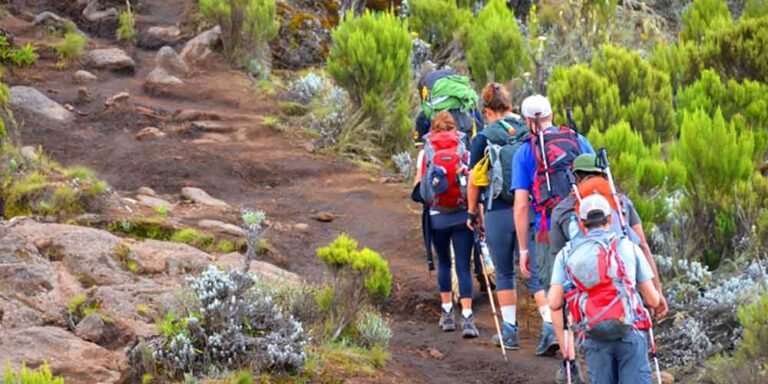
Northern Circuit – 8 August Quiet Peak-Season Trek On Kilimanjaro 2027
Explore the Northern Circuit route for your Kilimanjaro climb on August 8, 2027. This detailed guide covers why it's a preferred choice for a quieter, more scenic, and high-success-rate...
View package detailsNorthern Circuit – 2 August Kilimanjaro Expedition: Your Ultimate Guide 2027
start the Northern Circuit route for your 2027 Kilimanjaro climb. This guide details the longest and most scenic path, ideal for acclimatization and success on August 2nd, 2027.
View package details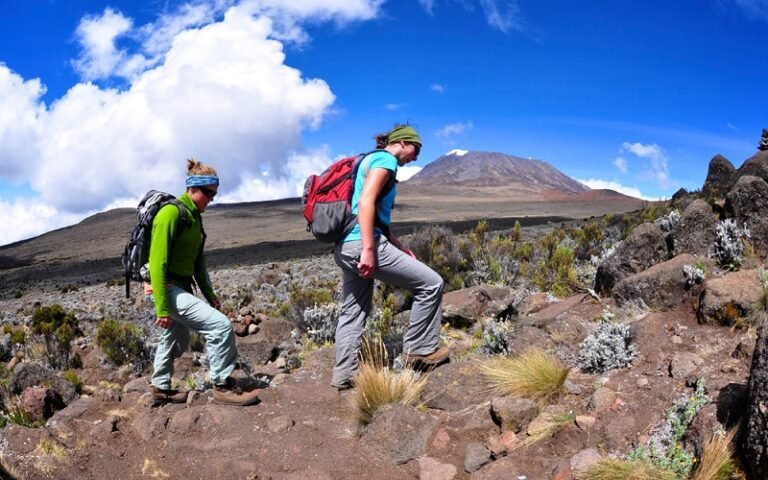
Kilimanjaro Full Moon Climb July – Summit Around 18 2027
start an unforgettable Kilimanjaro full moon climb in July 2027, targeting a summit on or around July 18th. This guide details the unique advantages of a full moon ascent, optimal routes...
View package detailsNorthern Circuit – 5 July Long Kilimanjaro Trek 2027
Northern Circuit – 5 July 2027 Long Kilimanjaro Trek is explained with current 2027 planning, price, itinerary and booking information.
View package details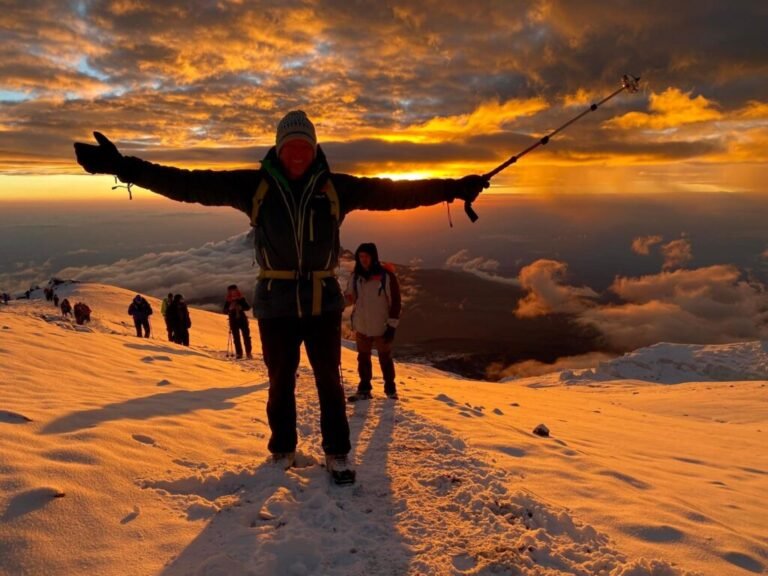
July 4Th Kilimanjaro Climb – Your Us Independence Holiday Trek 2027
Climb Kilimanjaro over the US Independence Day holiday in 2027. This guide covers planning, routes, and what to expect for a memorable July 4th trek.
View package details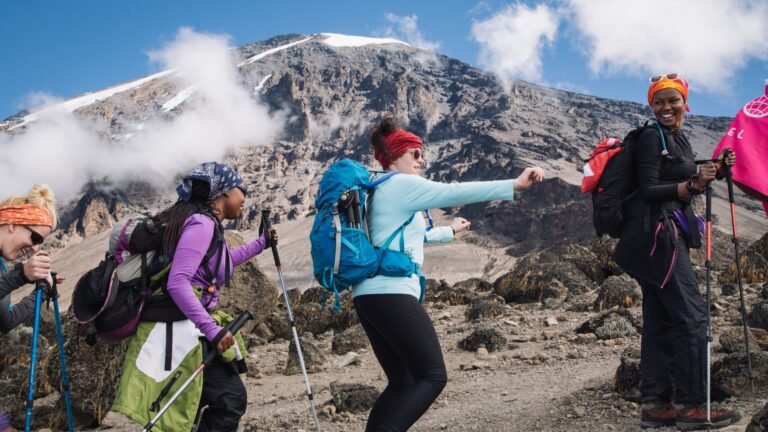
Kilimanjaro Full Moon Climb June : Summiting Under The Moonlight On 19Th 2027
start an unforgettable Kilimanjaro Full Moon Climb in June 2027, with the peak aiming for the night of June 19th. This guide explores the magic of summiting under the full moon, optimal...
View package details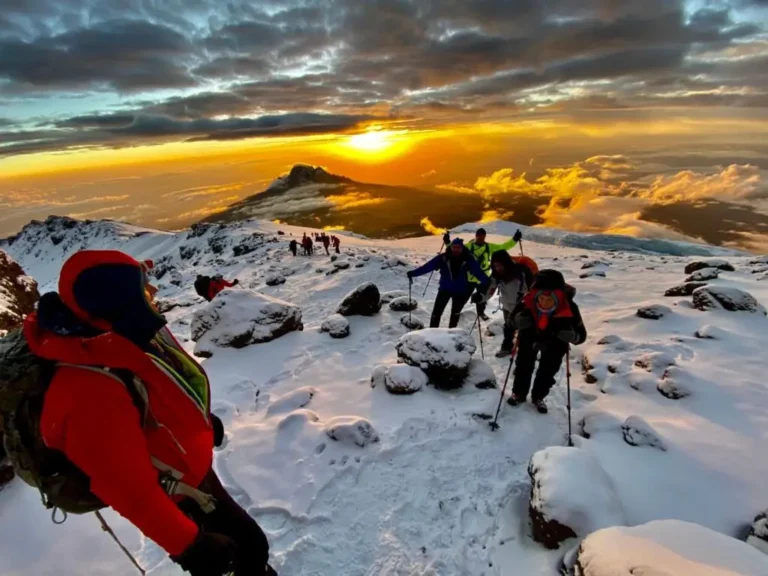
Northern Circuit Kilimanjaro – 2 June Group Trek With Climb 4 Africa 2027
Discover the Northern Circuit Kilimanjaro trek departing on June 2, 2027. This detailed guide covers the route, acclimatization, what to expect, and how to prepare for this unique group...
View package details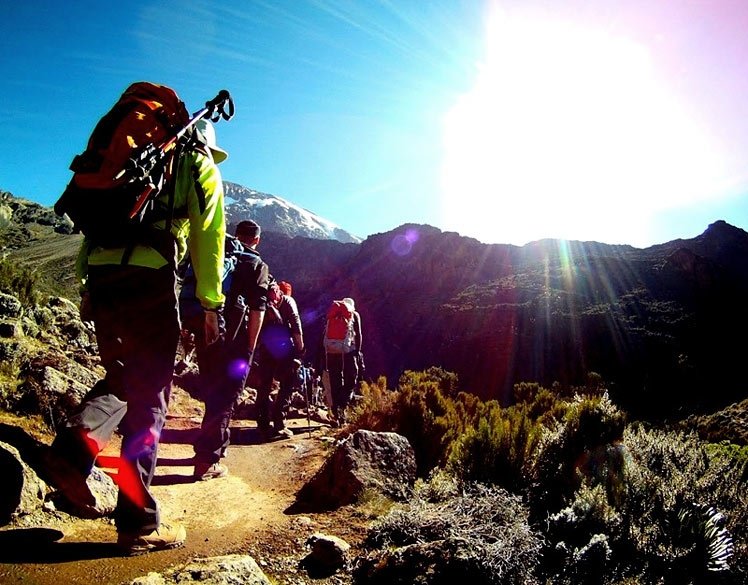
Memorial Day Kilimanjaro Climb – Your Us Holiday Trek Plan 2027
Dreaming of summiting Kilimanjaro on Memorial Day 2027? This guide details how to make your US holiday trek a reality, covering routes, timing, and essential planning with Climb 4 Africa.
View package details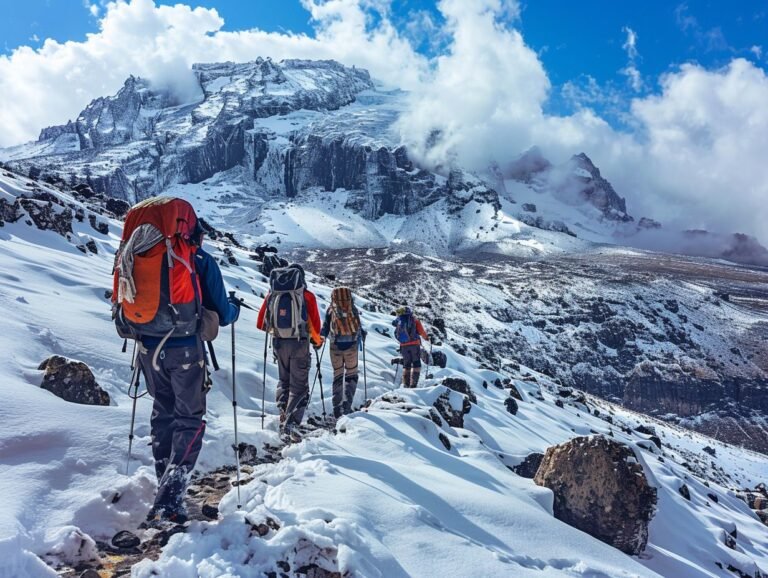
Kilimanjaro 22 May : Your Late-Rainy-Season Group Trek 2027
Planning a Kilimanjaro trek for May 22, 2027? This late-rainy-season group departure offers a different perspective on Africa's highest peak, often with fewer crowds and lush landscapes...
View package detailsKilimanjaro Full Moon Climb May – Summit Around 20 2027
start a magical Kilimanjaro Full Moon Climb in May 2027, aiming for the summit around May 20th. This guide details the unique experience, optimal planning for the Green Season, and how...
View package details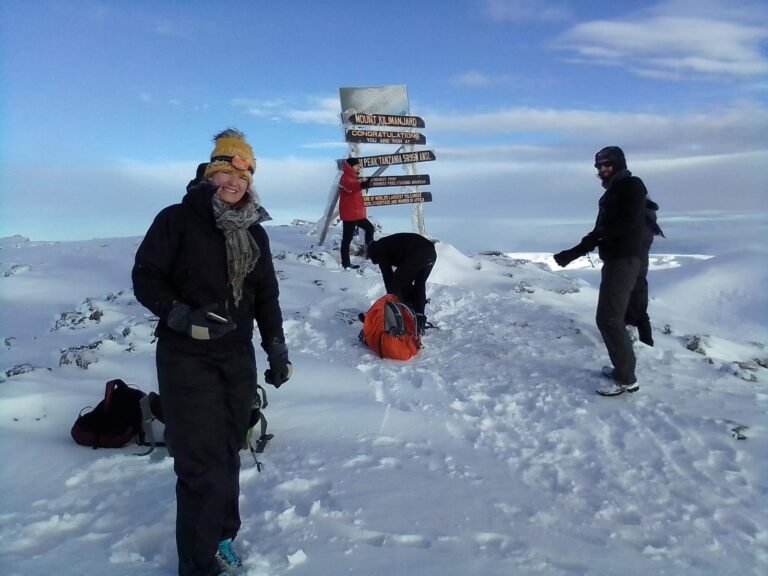
Kilimanjaro 8 May : Experience A Low-Crowd Group Trek 2027
Discover the unique advantages of joining a low-crowd group trek on Kilimanjaro on May 8, 2027. This departure offers a more intimate climbing experience, focusing on safety...
View package detailsNo related package matches those filters. Clear one or more filters to see the other topic-matched options.



