
The best time for a Kilimanjaro full moon summit climb in 2026 and 2027 depends on balancing the full moon dates with favorable weather conditions, typically falling within the dry seasons. The peak dry seasons, offering clearer skies and calmer conditions, are generally January to March and June to October. You’ll need to align these periods with the specific full moon dates for 2026 and 2027 to maximize your chances of a stunning lunar spectacle from the summit. For 2026, consider late February, early March, or June, July, August, September. In 2027, look towards late March, or June, July, August, September, and October.
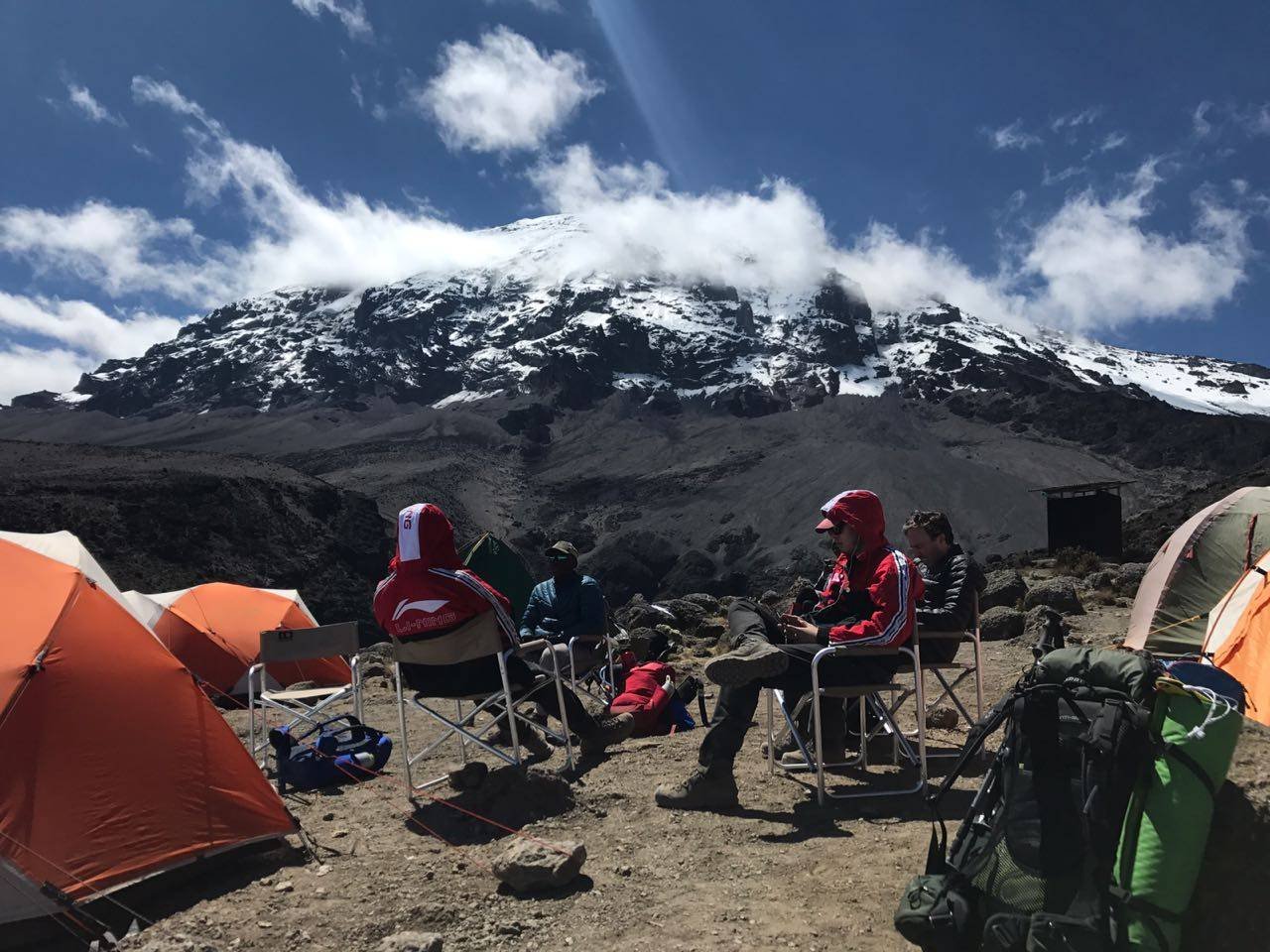
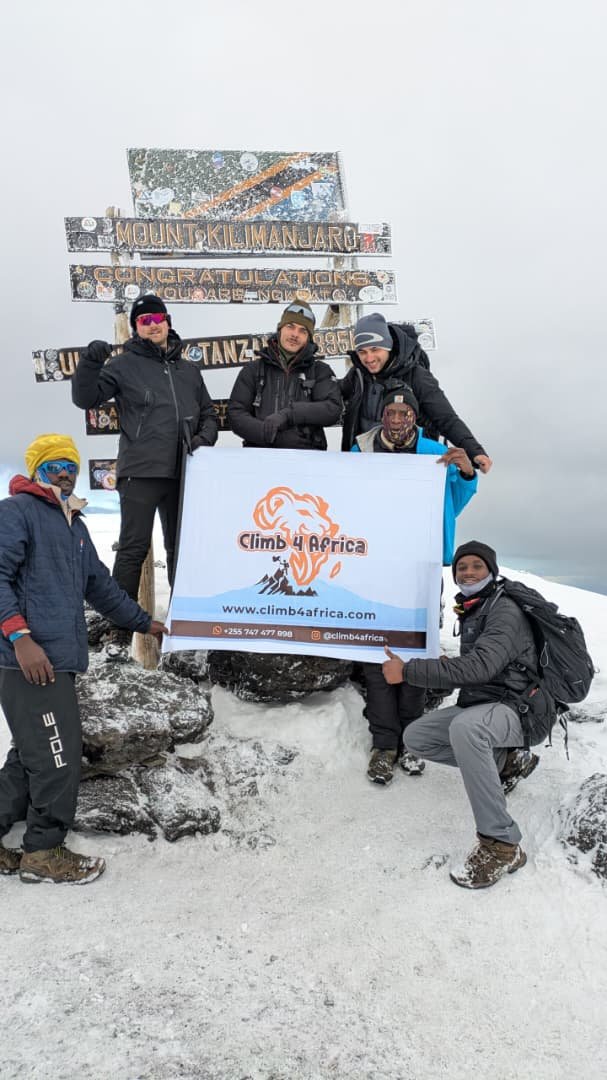
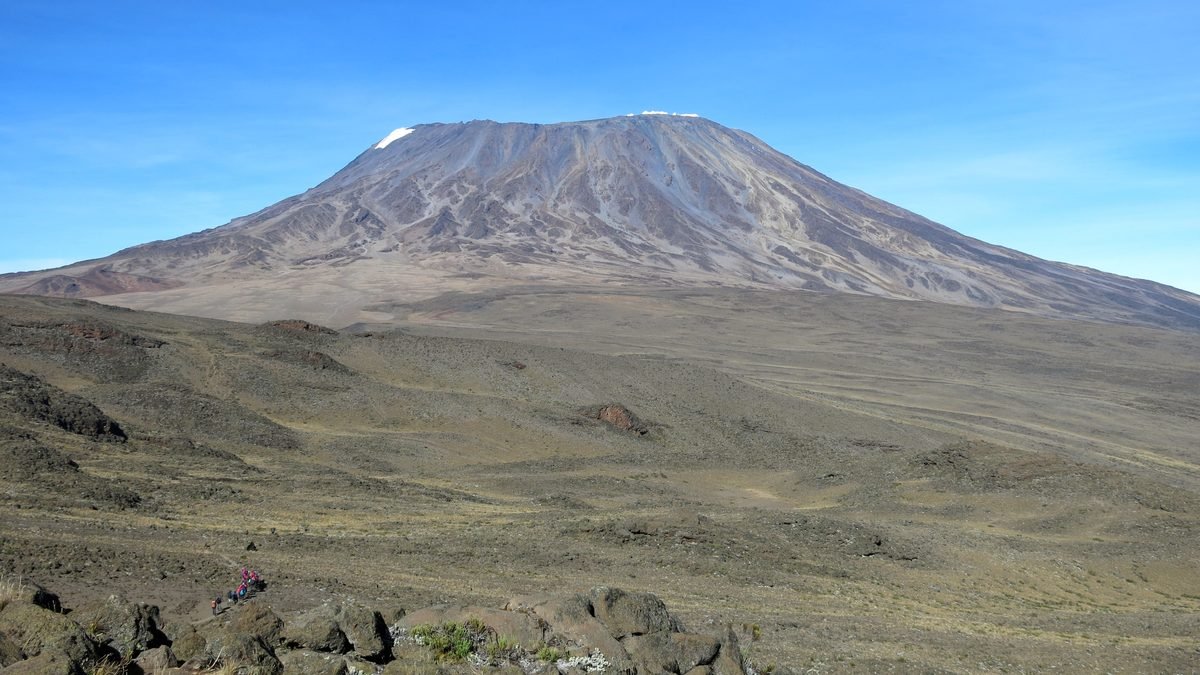

The Allure of a Kilimanjaro Full Moon Summit Experience
Climbing Kilimanjaro is an achievement for many, but summiting under the ethereal glow of a full moon adds a layer of magic that is truly unparalleled. The stark, otherworldly landscape of the alpine desert and arctic zones of Kilimanjaro takes on a different character when bathed in moonlight. For trekkers aiming for a Kilimanjaro full moon summit climb, the objective is clear: to witness the sunrise from Uhuru Peak (5,895 meters) with the moon as a radiant companion, casting long shadows and illuminating the vast plains of Africa below.
This specific type of climb requires meticulous planning. It’s not just about picking a date that aligns with the full moon; it’s about ensuring that date also falls within Kilimanjaro’s most favorable weather windows. The mountain’s weather is notoriously unpredictable, but the dry seasons offer the highest probability of clear skies, essential for both moon viewing and a safe ascent. Choosing the right route, preparing adequately, and understanding the unique demands of a night summit are crucial for success and for maximizing the profound experience of a Kilimanjaro full moon summit climb.
As you consider your trek for 2026 or 2027, understanding these nuances will be your first step towards a memorable journey. This guide aims to provide you with the practical insights needed to plan and execute a successful Kilimanjaro full moon summit climb, from selecting the optimal dates to preparing your body and mind for the challenge.
Kilimanjaro Full Moon Summit Dates 2026-2027: Aligning Lunar Cycles with Best Trekking Seasons
The most critical element for a Kilimanjaro full moon summit climb is pinpointing dates when the full moon coincides with optimal trekking conditions. Kilimanjaro experiences two main dry seasons: the long dry season from June to October, and the short dry season from January to March. While the full moon occurs every month, not all months are ideal for a summit attempt.
The full moon phase occurs on the following dates in 2026 and 2027. We will then cross-reference these with the best trekking seasons.
Full Moon Dates for 2026
- January 13, 2026
- February 11, 2026
- March 13, 2026
- April 11, 2026
- May 11, 2026
- June 10, 2026
- July 9, 2026
- August 7, 2026
- September 6, 2026
- October 5, 2026
- November 4, 2026
- December 3, 2026
Full Moon Dates for 2027
- January 2, 2027
- January 31, 2027
- March 1, 2027
- March 30, 2027
- April 29, 2027
- May 28, 2027
- June 27, 2027
- July 26, 2027
- August 25, 2027
- September 23, 2027
- October 23, 2027
- November 21, 2027
- December 21, 2027
Identifying Optimal Windows for a 2026-2027 Full Moon Summit Climb
When planning a Kilimanjaro full moon summit climb, the ideal scenario is a full moon that falls within the dry seasons (January-March and June-October). This significantly increases your chances of clear skies, good visibility, and less challenging weather on summit night.
Best Full Moon Opportunities in 2026:
- February 11, 2026: Falls within the short dry season. Good potential for clear skies.
- March 13, 2026: Still within the short dry season, though the chance of rain increases towards the end of March.
- June 10, 2026: Marks the beginning of the long dry season. Excellent conditions are likely.
- July 9, 2026: Prime time in the long dry season. Usually very clear and dry.
- August 7, 2026: Mid-long dry season. Consistently good weather.
- September 6, 2026: Late long dry season. Still excellent chances for clear conditions.
- October 5, 2026: Towards the end of the long dry season. Generally good, but weather can start to shift.
Best Full Moon Opportunities in 2027:
- January 2, 2027: Start of the short dry season. Conditions can be good, though mornings can be cool.
- March 1, 2027: Mid-short dry season. Good potential for clear skies.
- March 30, 2027: Late short dry season. Weather may start to become more unpredictable.
- June 27, 2027: Start of the long dry season. Ideal timing.
- July 26, 2027: Peak long dry season. Excellent visibility and low precipitation expected.
- August 25, 2027: Mid-long dry season. Very reliable weather.
- September 23, 2027: Late long dry season. Consistently good for a Kilimanjaro full moon summit climb.
- October 23, 2027: End of the long dry season. Conditions are usually favorable.
It’s important to note that while these dates offer the best statistical probability, mountain weather can always surprise. A Kilimanjaro full moon summit climb is as much about luck with the weather as it is about careful planning. Booking your trek to include summit night on or around the full moon date is key. Many operators will build itineraries that aim for this, understanding the significant draw of a Kilimanjaro full moon summit climb.
Consider booking your trek for a 5-7 day itinerary on these routes, as this duration balances acclimatization with a reasonable timeframe. For example, a Machame or Lemosho route trek starting around the 7th of July 2026 would place summit night on or very close to the full moon of July 9th, falling squarely in the prime dry season.
Weather Patterns and the Full Moon Climb: Maximizing Clarity
Kilimanjaro’s weather is dictated by altitude and season, presenting distinct challenges and opportunities for any trekker, especially those targeting a Kilimanjaro full moon summit climb. The mountain has five distinct ecological zones, each with its own microclimate:
- Cultivation Zone (1,800 – 2,600 meters): Lush farmland, typically warm and humid.
- Rainforest Zone (2,600 – 3,100 meters): Dense, wet forest. Expect frequent rain and mist.
- Heath Zone (3,100 – 4,000 meters): Open moorland with hardy shrubs and grasses. Cooler and windier.
- Alpine Desert Zone (4,000 – 4,700 meters): Arid, lunar-like landscape. Very cold, dry, and exposed.
- Arctic Zone (above 4,700 meters): Treeless, rocky, and icy summit area. Extremely cold, with low oxygen.
The Impact of Seasons on Visibility and Summit Night
The success of a Kilimanjaro full moon summit climb hinges significantly on weather. The dry seasons offer the best conditions:
- June to October (Long Dry Season): This is generally considered the best period for trekking Kilimanjaro. Skies are typically clear, precipitation is minimal, and temperatures are moderate during the day, though very cold at night, especially near the summit. This season provides the highest probability of clear views for both moonrise and sunrise, making it prime time for a full moon summit.
- January to March (Short Dry Season): This period also offers good trekking conditions, with clear skies and less rain. January and February are usually excellent. However, March can see an increase in rainfall as the long rains approach. For a Kilimanjaro full moon summit climb in this season, January and February dates are often preferred.
What to Watch Out for During Shoulder Seasons
The shoulder seasons and wet seasons can pose significant challenges:
- April to May (Long Rains): This is the wettest period. Expect heavy rain, fog, and often snow at higher altitudes. Trails can become muddy and slippery, and visibility is severely compromised, making a full moon summit climb impractical and potentially dangerous.
- November to December (Short Rains): This period sees intermittent rainfall. While not as intense as the long rains, conditions can be unpredictable, with clouds often obscuring views. A full moon summit during these months carries a higher risk of being shrouded in cloud cover.
The Advantage of Moonlight on a Clear Night
On a clear night, the full moon can be a fantastic light source, illuminating the path on the way to the summit. This can reduce the reliance on headlamps, offering a more visually engaging experience. It also provides a spectacular backdrop for photos and, of course, the ultimate reward: seeing the moon set as the sun rises over the horizon from Kilimanjaro’s peak. For a Kilimanjaro full moon summit climb, aiming for the dry seasons is paramount for this visual experience.
When selecting your Kilimanjaro full moon summit climb dates in 2026-2027, prioritize the June-October window or the January-February period. For instance, planning a trek to summit around the full moon of August 7, 2026, would place you in the heart of the best trekking season. Similarly, a summit around the full moon of July 26, 2027, offers excellent prospects.
Choosing the Best Route for a Full Moon Kilimanjaro Climb
Selecting the right route is crucial for any Kilimanjaro climb, but it takes on added significance when planning a Kilimanjaro full moon summit climb. The primary considerations remain acclimatization, scenery, and success rates, but the unique aspect of a night summit under the moon also influences choices.
Popular Routes and Their Suitability for Full Moon Climbs
Routes vary in length, difficulty, scenery, and acclimatization profiles. For a full moon summit, longer routes are generally preferred as they offer better acclimatization, significantly increasing your chances of reaching the summit safely and comfortably. Better acclimatization means you’re more likely to be feeling well enough to appreciate the full moon experience.
| Route | Duration (Days) | Scenery | Acclimatization Profile | Full Moon Suitability |
|---|---|---|---|---|
| Lemosho Route | 7-8 days | Spectacular, diverse (rainforest, moorland, alpine desert, arctic) | Excellent, gradual ascent, good acclimatization | Highly Recommended. Offers the best acclimatization and highest success rates, crucial for a demanding summit night. The varied scenery is also a plus. |
| Machame Route | 6-7 days | Varied, dramatic landscapes, good acclimatization | Good, ‘climb high, sleep low’ principle applied | Recommended. Popular and well-trodden, offering good acclimatization. The 7-day option is preferable for a full moon climb. |
| Northern Circuit | 9-10 days | Most scenic, panoramic views, encircles the mountain | Excellent, longest route, best acclimatization | Excellent Choice. The most gradual acclimatization profile, making it ideal for tackling the summit, especially under challenging night conditions. |
| Marangu Route | 5-6 days | Easiest ascent, hut accommodation | Poorer, very rapid ascent, lower success rates | Less Recommended for a full moon summit. While possible, the rapid ascent means poorer acclimatization, making summit night more challenging. The 6-day option is better, but still less ideal than Lemosho or Northern Circuit. |
Why Longer Routes Are Better for a Full Moon Summit
The summit push for Kilimanjaro typically begins around midnight, aiming to reach Stella Point or Uhuru Peak by sunrise. This is the most strenuous part of the climb, occurring at extreme altitude with limited oxygen. Proper acclimatization is non-negotiable for safety and success. Longer routes, such as the Northern Circuit or Lemosho Route (7 or 8 days), allow your body more time to adjust to the decreasing oxygen levels. This is particularly important for a Kilimanjaro full moon summit climb, as being well-acclimatized means you’re more likely to feel strong enough to enjoy the experience, rather than just struggling with altitude sickness.
The ‘Pole Pole’ Philosophy and Summit Night
On summit night, the mantra is ‘pole pole’ (slowly, slowly). Even with excellent acclimatization, the pace must be very slow and steady. The full moon provides natural light, which can be a significant advantage. However, it’s crucial to remember that moonlight doesn’t negate the physiological effects of altitude. Your guide will still assess your condition constantly. Choosing a route that prioritizes acclimatization ensures you have the best possible chance of a successful and memorable Kilimanjaro full moon summit climb.
For your 2026 or 2027 Kilimanjaro full moon summit climb, we strongly recommend the Lemosho or Northern Circuit routes. For example, booking an 8-day Lemosho climb starting on June 30, 2026, would target summit night around July 7th, aligning perfectly with the full moon period and the dry season.
Physical and Mental Preparation for Your Full Moon Climb
A Kilimanjaro full moon summit climb demands more than just showing up. It requires dedicated physical conditioning and robust mental fortitude. The combination of high altitude, challenging terrain, and the demanding night summit push means preparation is paramount. This isn’t just about enjoying the moonlight; it’s about safely reaching the top and returning.
Physical Training: Building Endurance and Strength
Your training should focus on cardiovascular endurance and leg strength. The goal is to simulate the sustained effort required on the mountain.
- Cardiovascular Endurance: Aim for at least 3-4 sessions per week. Activities like hiking (especially with a backpack and elevation gain), running, cycling, or swimming are excellent. Focus on longer, steady-state workouts (60+ minutes) as well as interval training.
- Hiking with Pack: This is the most relevant training. Hike at least once a week, preferably on trails with significant elevation gain. Wear the backpack you intend to use on Kilimanjaro, gradually increasing its weight to simulate your load (water, snacks, extra layers).
- Strength Training: Focus on your legs and core. Squats, lunges, step-ups (using a bench or box), and calf raises will build the strength needed for steep ascents and descents. A strong core aids stability and endurance.
- Stair Climbing: If you don’t have access to hills, stair climbing (in a building or stadium) is a great substitute for building leg strength and cardiovascular fitness.
- Consistency is Key: Start your training at least 3-4 months before your trek. Gradual progression is more effective than intense, sporadic bursts.
Mental Preparation: Embracing the Challenge
The mental aspect of climbing Kilimanjaro, especially for a Kilimanjaro full moon summit climb, cannot be overstated. Altitude sickness, fatigue, cold, and the sheer duration of the trek can be mentally taxing.
- Understand the Challenges: Be realistic about what to expect. Summit night is long, cold, and happens at extreme altitude. Knowing this beforehand helps manage expectations and build resilience.
- Develop a Positive Mindset: Focus on the journey and the incredible experience. Break down the climb into smaller, manageable segments. Celebrate small victories along the way.
- Practice Mindfulness/Meditation: These techniques can help manage stress and anxiety, keeping you focused and calm during difficult moments.
- Visualization: Imagine yourself successfully completing the climb, reaching the summit under the full moon, and enjoying the accomplishment. This can build confidence and motivation.
- Embrace Discomfort: Accept that there will be moments of discomfort. Learning to push through these while staying aware of your body’s signals is crucial.
Acclimatization: Your Body’s Best Friend
While physical training builds your body, proper acclimatization is what allows it to function at altitude. This means choosing a longer route (7+ days), ascending gradually, and following the ‘pole pole’ principle. Hydration and avoiding alcohol and caffeine at altitude are also critical for both physical and mental well-being during your Kilimanjaro full moon summit climb.
For your 2026-2027 Kilimanjaro full moon summit climb, dedicate yourself to a consistent training regimen. Mental preparation should involve understanding the unique demands of a night summit, especially under moonlight, which can be disorienting if not properly prepared for.
Essential Gear for Your Kilimanjaro Full Moon Trek
Packing correctly is vital for comfort, safety, and success on any Kilimanjaro climb, and a Kilimanjaro full moon summit climb adds specific considerations, particularly for summit night. The extreme temperature fluctuations and the need for reliable gear are paramount. Layers are your best friend.
Layering System: The Foundation of Your Wardrobe
The key to managing Kilimanjaro’s varied temperatures is a versatile layering system:
- Base Layer: Moisture-wicking thermal underwear (merino wool or synthetic). Avoid cotton at all costs.
- Mid Layer: Fleece jacket or down vest for insulation.
- Outer Layer (Insulation): A warm, down-filled or synthetic insulated jacket is essential for summit night and cold evenings.
- Outer Layer (Shell): Waterproof and windproof jacket and trousers (Gore-Tex or similar). These protect against rain, wind, and snow.
Footwear: Your Most Important Asset
- Hiking Boots: Sturdy, waterproof, broken-in hiking boots with good ankle support. Essential for varied terrain.
- Camp Shoes/Sandals: Lightweight and comfortable for around camp.
- Socks: Several pairs of warm, moisture-wicking hiking socks (wool or synthetic).
- Gaiters: To keep scree, mud, and snow out of your boots.
Headwear and Handwear: Protecting Extremities
- Warm Hat: Wool or fleece, covering your ears.
- Balaclava or Buff: For face protection against wind and cold.
- Gloves: Several pairs: thin liner gloves, warm fleece gloves, and waterproof/windproof outer mittens. Essential for summit night.
- Sun Hat: Wide-brimmed for sun protection during the day.
Special Considerations for a Full Moon Summit Night
Summit night is the coldest and most challenging part. For a Kilimanjaro full moon summit climb, ensure you have the following:
- Headlamp: A reliable, powerful headlamp with extra batteries. Even with a full moon, you need to see your footing and navigate in the dark. The moon provides ambient light but not direct illumination for detailed tasks or steep, uneven terrain.
- Warmest Sleeping Bag: Rated to at least -10°C (0°F) or lower.
- Hand/Foot Warmers: Chemical warmers can be a lifesaver on summit night.
- Sunglasses and Sunscreen: Even with moonlight, the sun at altitude is intense. Sunscreen (SPF 30+) and good sunglasses are vital to prevent sunburn and snow blindness.
- Water Bottles: Insulated bottle covers to prevent water from freezing. Nalgene bottles are popular.
Other Essential Items
- Backpack: A comfortable daypack (30-40 liters) for daily essentials.
- Trekking Poles: Highly recommended for reducing strain on knees during ascents and descents.
- Water Bladder/Bottles: Capacity of 3-4 liters.
- Sunscreen & Lip Balm: High SPF.
- Personal First-Aid Kit: Include blister treatment, pain relievers, and any personal medications.
- Toiletries: Biodegradable soap, toothbrush, toothpaste, wet wipes.
- Camera and Power Bank: To capture memories.
- Snacks: High-energy snacks like nuts, dried fruit, energy bars.
When packing for your 2026 or 2027 Kilimanjaro full moon summit climb, ensure your gear is tested and in good condition. Renting gear is an option for some items, but investing in good quality boots and layers is highly recommended.
Acclimatization: The Golden Rule for Full Moon Summit Success
Acclimatization is, without question, the most critical factor for a successful and safe ascent of Kilimanjaro, especially for a challenging Kilimanjaro full moon summit climb. Altitude sickness (Acute Mountain Sickness – AMS) is a serious risk that can affect anyone, regardless of fitness level. Proper acclimatization allows your body to adapt to the lower oxygen levels at higher altitudes.
How Altitude Affects the Body
As you ascend Kilimanjaro, the atmospheric pressure decreases, meaning there are fewer oxygen molecules available with each breath. Your body needs time to respond by producing more red blood cells to carry oxygen more efficiently. Symptoms of AMS can include headache, nausea, dizziness, fatigue, and loss of appetite. Severe forms, like High Altitude Cerebral Edema (HACE) and High Altitude Pulmonary Edema (HAPE), are life-threatening.
Strategies for Optimal Acclimatization on Kilimanjaro
The most effective strategies revolve around gradual ascent and mindful practices:
- Choose a Longer Route: As discussed, routes like the Lemosho (7-8 days) or Northern Circuit (9-10 days) are designed for better acclimatization. They allow for a slower, more gradual increase in altitude, giving your body more time to adjust. A 5-day Marangu or Machame climb significantly increases AMS risk.
- Ascend Gradually: Follow the principle of ‘pole pole’ (slowly, slowly). Walk at a pace that allows you to hold a conversation without becoming breathless. Your guides will enforce this.
- ‘Climb High, Sleep Low’: Some routes, like Machame, utilize this principle, where you ascend to a higher altitude during the day and then descend to a lower camp to sleep. This encourages your body to acclimatize more effectively.
- Stay Hydrated: Drink plenty of water (3-4 liters per day). Dehydration can exacerbate AMS symptoms. Herbal teas and soup also contribute to fluid intake.
- Avoid Alcohol and Caffeine: These can contribute to dehydration and interfere with acclimatization.
- Eat Well: Maintain a good intake of carbohydrates, which are your body’s primary fuel source at altitude.
- Listen to Your Body and Guides: Communicate any symptoms of AMS immediately to your guide. They are trained to recognize and manage altitude sickness. If symptoms worsen, descent is the only effective treatment.
Acclimatization and the Full Moon Summit Night
For a Kilimanjaro full moon summit climb, excellent acclimatization is non-negotiable. Summit night begins in the very cold, low-oxygen environment of the alpine desert and arctic zones. Being well-acclimatized means you have a higher chance of feeling strong and clear-headed enough to enjoy the magical experience of the full moon and the subsequent sunrise from Uhuru Peak. Poor acclimatization can turn a dream into a dangerous ordeal, even under the most beautiful moonlight.
When planning your Kilimanjaro full moon summit climb for 2026 or 2027, factor in the importance of a minimum of 7 days on the mountain. For example, a 7-day Machame route trek starting around the full moon in September 2026 would offer a good balance of acclimatization and moon visibility.
The Kilimanjaro Full Moon Summit Night: What to Expect
Summit night is the culmination of your Kilimanjaro journey, and attempting a Kilimanjaro full moon summit climb adds a unique, awe-inspiring dimension to this already challenging endeavor. It typically begins around midnight, with the goal of reaching Uhuru Peak (5,895 meters) by sunrise.
The Ascent: Darkness, Cold, and Moonlight
You will be woken up in the early hours of the morning, usually between 11 PM and 1 AM, depending on your route and camp location. After a quick breakfast and final gear check, you’ll begin your ascent. The first few hours are spent climbing in darkness, guided by your headlamp.
As you climb higher, the landscape becomes increasingly stark and moonlit. If it’s a clear full moon night, the light can be surprisingly bright, illuminating the rocky, volcanic terrain. This can make the climb feel less claustrophobic than trekking in complete darkness, and some find it easier to maintain a steady pace. However, it’s crucial to remember that moonlight does not diminish the altitude or the cold.
The pace is ‘pole pole’ – extremely slow and steady. You’ll likely be walking in a single file line with your group and guides. The air is thin, and every step requires significant effort. The temperature will plummet, often reaching -10°C to -20°C (14°F to -4°F) or even colder, especially with wind chill.
Reaching Stella Point and Uhuru Peak
The final push to Stella Point (5,756 meters) is often the steepest and most challenging part of the climb. It’s a scree slope that can be physically and mentally draining. Reaching Stella Point is a major accomplishment, but the journey isn’t over.
From Stella Point, it’s another 45-60 minutes of relatively flat walking along the crater rim to Uhuru Peak, the true summit of Kilimanjaro. This section, especially on a Kilimanjaro full moon summit climb, offers impressive views of the crater and glaciers under the moonlight. The full moon hanging over the glaciers or the vast African sky can be a surreal sight.
The Sunrise and Descent
As dawn approaches, you’ll witness one of the most spectacular sunrises on Earth from the roof of Africa. The full moon may still be visible, slowly setting as the sun rises, painting the sky in vibrant colors and illuminating the clouds far below. This is the reward for your hard work and the highlight of a Kilimanjaro full moon summit climb.
The descent is often overlooked but is equally demanding. You’ll descend the same scree slope from Stella Point, which can be tough on the knees. The descent from Barafu Camp (or the equivalent camp on other routes) to Mweka Camp (or Millennium Camp) takes several hours. While the descent is faster, fatigue can make it treacherous.
Tips for Summit Night Success
- Stay Hydrated and Eat: Force yourself to drink water and eat small, high-energy snacks throughout the night, even if you don’t feel like it.
- Keep Moving: Even slow, steady movement generates body heat.
- Communicate with Your Guide: Alert them to any discomfort or symptoms of altitude sickness immediately.
- Manage Your Layers: Adjust your layers to prevent overheating during the climb and to stay warm during breaks.
- Embrace the Moonlight: Use the natural light to your advantage, but don’t let it lull you into a false sense of security regarding the altitude and cold.
A Kilimanjaro full moon summit climb is an unforgettable experience. By preparing thoroughly and understanding what to expect, you can maximize your chances of a safe and magical ascent.
Booking Your 2026-2027 Kilimanjaro Full Moon Summit Climb with Climb 4 Africa
Securing your spot for a Kilimanjaro full moon summit climb in 2026 or 2027 requires careful coordination. At Climb 4 Africa, we specialize in crafting unforgettable Kilimanjaro experiences, including those tailored for the magic of a full moon summit. Our local expertise ensures you get the best possible acclimatization, safety, and support.
Why Choose Climb 4 Africa for Your Full Moon Climb?
- Local Expertise: As a Tanzanian-based company, we have an intimate understanding of Kilimanjaro, its routes, weather patterns, and the importance of proper acclimatization.
- Experienced Guides: Our guides are highly trained, certified, and possess extensive experience in high-altitude trekking and managing altitude sickness.
- Safety First: We prioritize your safety above all else, with comprehensive safety protocols, oxygen supplies, and emergency evacuation plans in place.
- Tailored Itineraries: We can help you select the best route and duration to align your trek with the full moon dates for 2026-2027, ensuring optimal acclimatization for your summit bid.
- Comprehensive Support: From pre-trip advice to on-mountain logistics and post-climb services, we provide end-to-end support.
What to Consider When Booking
When you’re ready to book your Kilimanjaro full moon summit climb for 2026 or 2027, consider the following:
- Your Desired Dates: Have a look at the full moon calendar and the recommended trekking seasons.
- Route Preference: Based on your fitness, experience, and desired acclimatization profile, choose a route (we recommend Lemosho, Machame, or Northern Circuit for full moon climbs).
- Trek Duration: Aim for a minimum of 7 days for better acclimatization.
- Group Size: Whether you prefer a private climb or joining a small group.
Next Steps to Book Your 2026-2027 Climb
To start planning your dream Kilimanjaro full moon summit climb, we encourage you to get in touch. We can discuss your specific requirements, answer any remaining questions, and provide you with a personalized itinerary and quote. The best planning window for 2026 and 2027 climbs is well in advance, especially for specific dates like full moon summits, as popular dates fill up quickly.
Contact Climb 4 Africa today to begin planning your unforgettable 2026-2027 Kilimanjaro full moon summit adventure:
WhatsApp: +255 747 477 898
Email: climb4africa@gmail.com
Let us help you make your Kilimanjaro full moon summit climb a reality. We look forward to guiding you to the Roof of Africa under the magical glow of the full moon.
Check Availability for Kilimanjaro Full Moon Summit Climb: Best Times For 2026-2027
Ready to compare dates, prices, and the best option for your group? Send the package name and travel month so the team can reply with a clear quote, availability, and what is included.
Kilimanjaro Full Moon Climb August – Summit Around 17 2027
start an unforgettable Kilimanjaro Full Moon Climb in August 2027, targeting a impressive summit on or around August 17th. This guide covers optimal routes, August conditions, and essential...
View package details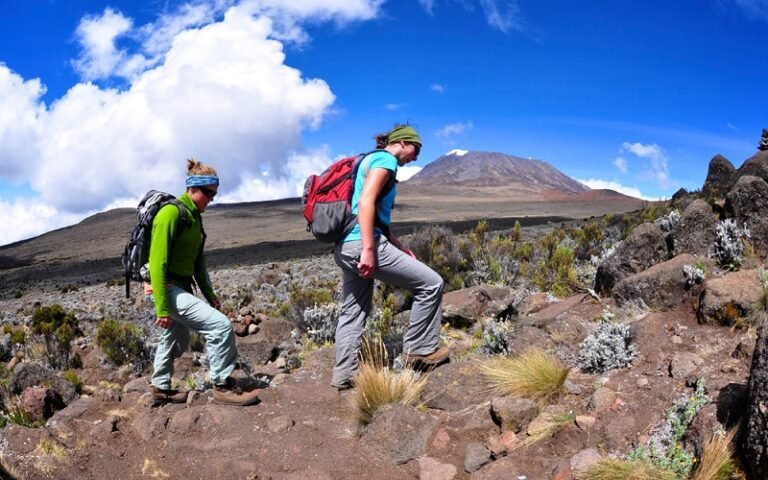
Kilimanjaro Full Moon Climb July – Summit Around 18 2027
start an unforgettable Kilimanjaro full moon climb in July 2027, targeting a summit on or around July 18th. This guide details the unique advantages of a full moon ascent, optimal routes...
View package details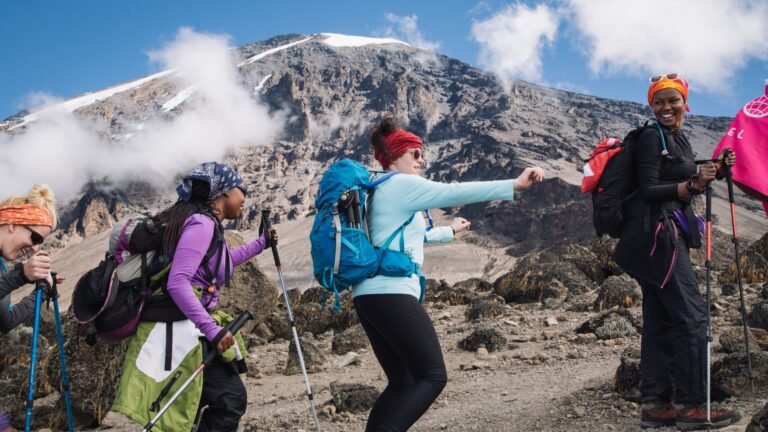
Kilimanjaro Full Moon Climb June : Summiting Under The Moonlight On 19Th 2027
start an unforgettable Kilimanjaro Full Moon Climb in June 2027, with the peak aiming for the night of June 19th. This guide explores the magic of summiting under the full moon, optimal...
View package detailsKilimanjaro Full Moon Climb May – Summit Around 20 2027
start a magical Kilimanjaro Full Moon Climb in May 2027, aiming for the summit around May 20th. This guide details the unique experience, optimal planning for the Green Season, and how...
View package details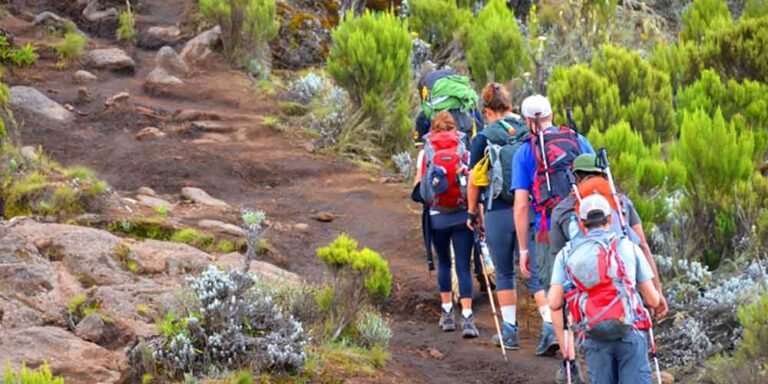
Kilimanjaro Full Moon Climb April – Summit Around 20-21 2027
start an unforgettable Kilimanjaro Full Moon Climb in April 2027, aiming for the summit on April 20-21. Discover the magic of reaching Uhuru Peak under the glow of the full moon, and learn...
View package details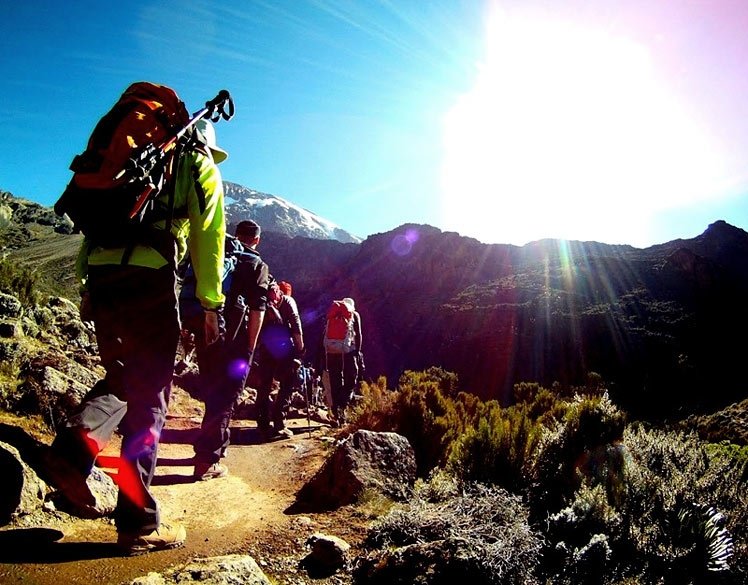
Kilimanjaro Full Moon Climb March – Summit Around 22 2027
Kilimanjaro Full Moon Climb March 2027 – Summit Around 22 March is explained with current 2027 planning, price, itinerary and booking information.
View package detailsKilimanjaro Full Moon Climb January – Summit Around 22 2026-2027
Kilimanjaro Full Moon Climb January 2027 – Summit Around 22 January is explained with current 2026-2027 planning, price, itinerary and booking information.
View package details
Kilimanjaro Full Moon Christmas Climb : Summit Around December 24Th 2026-2027
Experience the magic of a Kilimanjaro summit under the moonlight during Christmas week. This guide details planning for a December 24th summit, including route options and essential...
View package details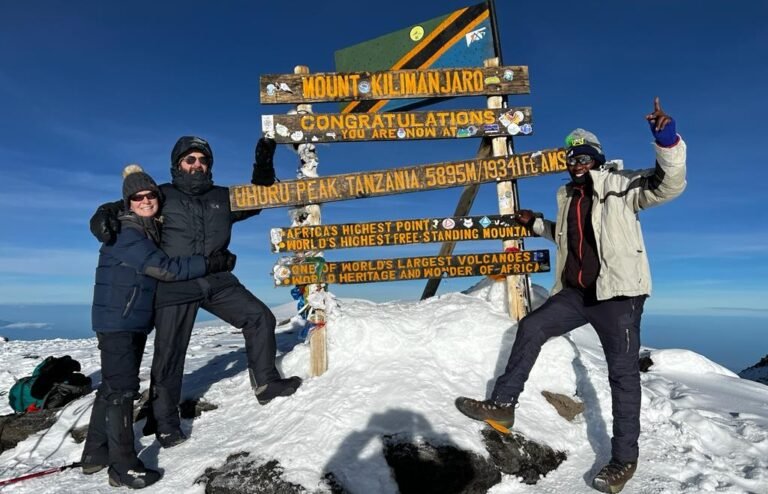
Kilimanjaro February Full Moon And Lunar Eclipse Climb 2027
Kilimanjaro February 2027 Full Moon and Lunar Eclipse Climb is explained with current 2027 planning, price, itinerary and booking information.
View package detailsNew Years Day Kilimanjaro Summit – Christmas Holiday Climb 2026-2027
start a life-changing journey with a New Year's Day Kilimanjaro Summit in 2027. Combining a Christmas holiday climb with a January 1st summit offers a unique and rewarding way to start the...
View package details
Last Minute Kilimanjaro Christmas And New Year Climbs : Secure Your Summit
Dreaming of ringing in the New Year from Africa's rooftop or celebrating Christmas atop Kilimanjaro? Last-minute opportunities for 2026 climbs are still available, blending festive cheer...
View package detailsKilimanjaro Climb July – Peak Dry-Season Group Departures 2027
Kilimanjaro Climb July 2027 – Peak Dry-Season Group Departures is explained with current 2027 planning, price, itinerary and booking information.
View package detailsNo related package matches those filters. Clear one or more filters to see the other topic-matched options.



