
The Kilimanjaro Summit + Hot Springs Recovery Adventure is a carefully curated journey that combines the demanding physical and mental challenge of reaching Uhuru Peak with a restorative period spent soaking in natural, mineral-rich hot springs, offering a unique blend of high-altitude achievement and deeply relaxing natural therapy. This dual experience is ideal for trekkers aiming to celebrate their summit success by unwinding in serene environments, easing tired muscles, and reflecting on their accomplishment, often located in scenic areas accessible after descending the mountain, making it a holistic post-climb itinerary for 2026-2027 expeditions.
Planning Your Kilimanjaro Summit + Hot Springs Recovery Adventure
A Kilimanjaro summit followed by a hot springs recovery is more than just a trip; it’s a profound experience that marries physical exertion with mental rejuvenation. For many, the desire to stand atop Africa’s highest peak is matched by the need to truly recover and absorb the magnitude of their achievement. This combined adventure offers precisely that. As you look towards planning your expedition for 2026 or 2027, understanding the nuances of this dual journey is key to maximizing your enjoyment and ensuring a smooth, rewarding experience.
This isn’t a standard package where the hot springs are an afterthought. It’s about integrating the recovery phase as an essential component of the overall adventure. Think of it as a two-part symphony: the triumphant crescendo of the summit, followed by a serene, resonant diminuendo in the soothing embrace of nature’s thermal waters. This approach acknowledges that conquering Kilimanjaro is a significant undertaking, and proper recovery is not just a luxury but a vital part of the process.
Why Combine Kilimanjaro Summit with Hot Springs?
Climbing Kilimanjaro is an extraordinary feat. It demands physical endurance, mental fortitude, and careful acclimatization. The descent, while a relief, can leave your body fatigued and your muscles sore. This is where the hot springs recovery adventure truly shines. It offers a natural, therapeutic way to:
- Soothe Tired Muscles: The mineral-rich waters are renowned for their ability to relieve muscle aches and stiffness.
- Aid Recovery: Heat and minerals can improve circulation, which is crucial for muscle repair and reducing inflammation after strenuous activity.
- Promote Relaxation: The serene natural settings of hot springs provide a tranquil environment to decompress, reflect, and truly appreciate your summit accomplishment.
- Detoxify: Sweating in the warm waters can help the body eliminate toxins.
- Enhance Well-being: Beyond the physical, the mental calm and connection with nature contribute significantly to overall well-being.
This combination is particularly appealing for those who don’t just want to ‘tick off’ a summit but want to fully absorb the experience, ensuring they return home feeling not just accomplished, but truly revitalized.
Choosing Your Kilimanjaro Route for Maximum Recovery Potential
While any route can lead you to the summit, some offer better logistical advantages or more scenic post-climb opportunities that complement a hot springs recovery. The choice of route impacts not only the climb itself but also the transition to your relaxation phase.
Popular Routes and Their Hot Springs Proximity
When planning a Kilimanjaro Summit + Hot Springs Recovery Adventure, consider routes that end in locations with easier access to natural thermal baths. The Marangu and Machame routes, for example, typically descend near Moshi, which is a common gateway to various natural attractions, including hot springs.
- Marangu Route (Coca-Cola Route): This is the oldest and arguably simplest route. It’s often done in 5 days. The descent brings you back to the Marangu Gate, relatively close to Moshi. This proximity makes it straightforward to arrange transport to nearby hot springs like those around Kikuletwa or Chemka. It’s a good option if you prioritize a quicker descent and easy access to recovery facilities. However, its shorter duration and less gradual acclimatization might mean you feel more fatigue post-climb.
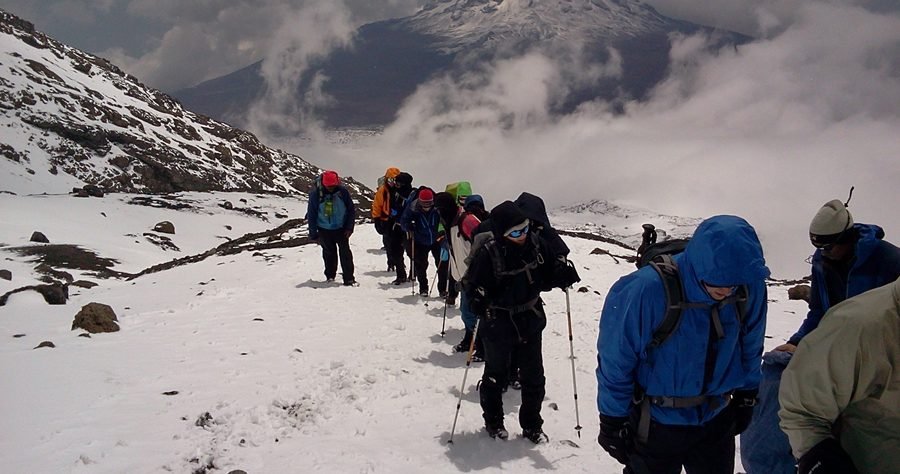
- Machame Route (Whiskey Route): This is one of the most popular routes, known for its scenic beauty and good acclimatization profile, usually taking 6 or 7 days. It also descends near the southern slopes, leading back towards Moshi. The longer duration allows for better acclimatization, meaning you might feel more prepared for relaxation. Its popularity means good logistical support is readily available for onward travel to hot springs. For a 2026-2027 Kilimanjaro Summit + Hot Springs Recovery Adventure, Machame is a strong contender for balancing challenge and recovery.
- Lemosho Route: Often considered the most scenic route, Lemosho is a longer trek (7-8 days) offering excellent acclimatization. It also descends on the southern side, making access to hot springs from Moshi feasible. The extended climb duration means you’ll likely feel the physical exertion more intensely, making the hot springs recovery even more welcome.
- Northern Circuit / Rongai Route: These routes can offer a different perspective and potentially less crowded trails. However, their descent points might require slightly longer transfers to reach the main hot spring areas near Moshi. This isn’t a deterrent but something to factor into your transfer plans for 2026-2027.
Trade-offs in Route Selection
- Duration: Longer routes (Lemosho, Northern Circuit) generally offer better acclimatization, potentially leading to a more successful summit and less post-climb exhaustion, making the hot springs phase more enjoyable. However, they require more time off work or commitments.
- Scenery vs. Simplicity: Routes like Machame and Lemosho are lauded for their views, adding to the overall adventure. Marangu is simpler but less visually diverse.
- Crowds: Marangu and Machame can be busier, especially during peak seasons. If seeking solitude during your recovery, you might opt for a less-trafficked route and then travel a bit further to a quieter hot spring location.
Your choice of route will set the stage for your Kilimanjaro Summit + Hot Springs Recovery Adventure. It’s about finding the balance that suits your fitness, time availability, and desired experience.
The Hot Springs Experience: Beyond a Simple Bath
The hot springs are not just a place to wash off the mountain dust; they are integral to the recovery aspect of your adventure. Tanzania boasts several natural hot springs, each with its unique charm and therapeutic benefits.
Kikuletwa (Chemka) Hot Springs: The Oasis of Relaxation
Often the highlight for post-Kilimanjaro recovery, Kikuletwa Hot Springs (also known as Chemka Oasis) is a picturesque natural pool fed by underground springs. The water is crystal clear, warm, and rich in minerals.
- Setting: It’s located in a lush, green area, creating an oasis-like feel, a stark contrast to the mountain’s arid slopes. The surrounding acacia trees offer shade, and the shallow areas are perfect for wading and gentle stretching.
- Therapeutic Qualities: The warmth (around 30-35°C or 86-95°F) is ideal for easing muscle tension. The mineral content is believed to aid skin conditions and general rejuvenation.
- Activities: While the primary purpose is relaxation, you can gently swim, float, or simply sit and enjoy the tranquility. Some visitors bring snorkels to explore the clear water.
- Logistics: Kikuletwa is typically a day trip or an overnight stay from Moshi. Given it’s a Kilimanjaro Summit + Hot Springs Recovery Adventure, dedicating at least one full day, or even two, to this location is highly recommended for proper recuperation.
Other Potential Hot Spring Locations
While Kikuletwa is the most popular, other locations might be accessible depending on your itinerary and preferences:
- Lake Manyara Hot Springs: Located within Lake Manyara National Park, these springs are often encountered during game drives. They are more rustic and less developed, offering a wilder experience.
- Pangani Hot Springs: Closer to the coast, these might be an option if your adventure extends towards the Indian Ocean after Kilimanjaro and hot springs.
For a dedicated Kilimanjaro Summit + Hot Springs Recovery Adventure, Kikuletwa usually offers the most convenient and fulfilling experience due to its accessibility and ambiance.
Preparing for Your Hot Springs Visit
* What to Bring: Swimsuit, towel, comfortable clothing for after, sunscreen, insect repellent, water, and snacks. A waterproof bag is useful.
* Hydration: It’s crucial to stay hydrated, especially after the climb. Drink plenty of water before, during, and after your hot springs visit.
* Pace Yourself: Don’t rush into prolonged soaking. Start with shorter periods and gradually increase your time in the water.
This recovery phase is your reward. Embrace it fully, allowing the natural elements to work their magic on your body and mind.
Crafting Your Itinerary: Balancing Climb and Recovery
An effective Kilimanjaro Summit + Hot Springs Recovery Adventure itinerary balances the intensity of the climb with sufficient time for relaxation and acclimatization before and after. For 2026-2027 planning, consider the following structure.
Sample Itinerary Structure (7-Day Climb + 2-Day Recovery)
This structure assumes a standard 6-day Machame climb, followed by a focused recovery.
- Day 1: Arrival in Moshi. Meet your guide, gear check, briefing. Overnight in Moshi.
- Day 2: Machame Gate to Machame Camp. Trek through rainforest. (Approx. 5-7 hours)
- Day 3: Machame Camp to Shira 2 Camp. Traverse moorlands, with stunning views. (Approx. 4-6 hours)
- Day 4: Shira 2 Camp to Barranco Camp. Cross Lava Tower, descend to Barranco Valley. (Approx. 7-8 hours)
- Day 5: Barranco Camp to Karanga Camp. The challenging Barranco Wall climb. (Approx. 4-5 hours)
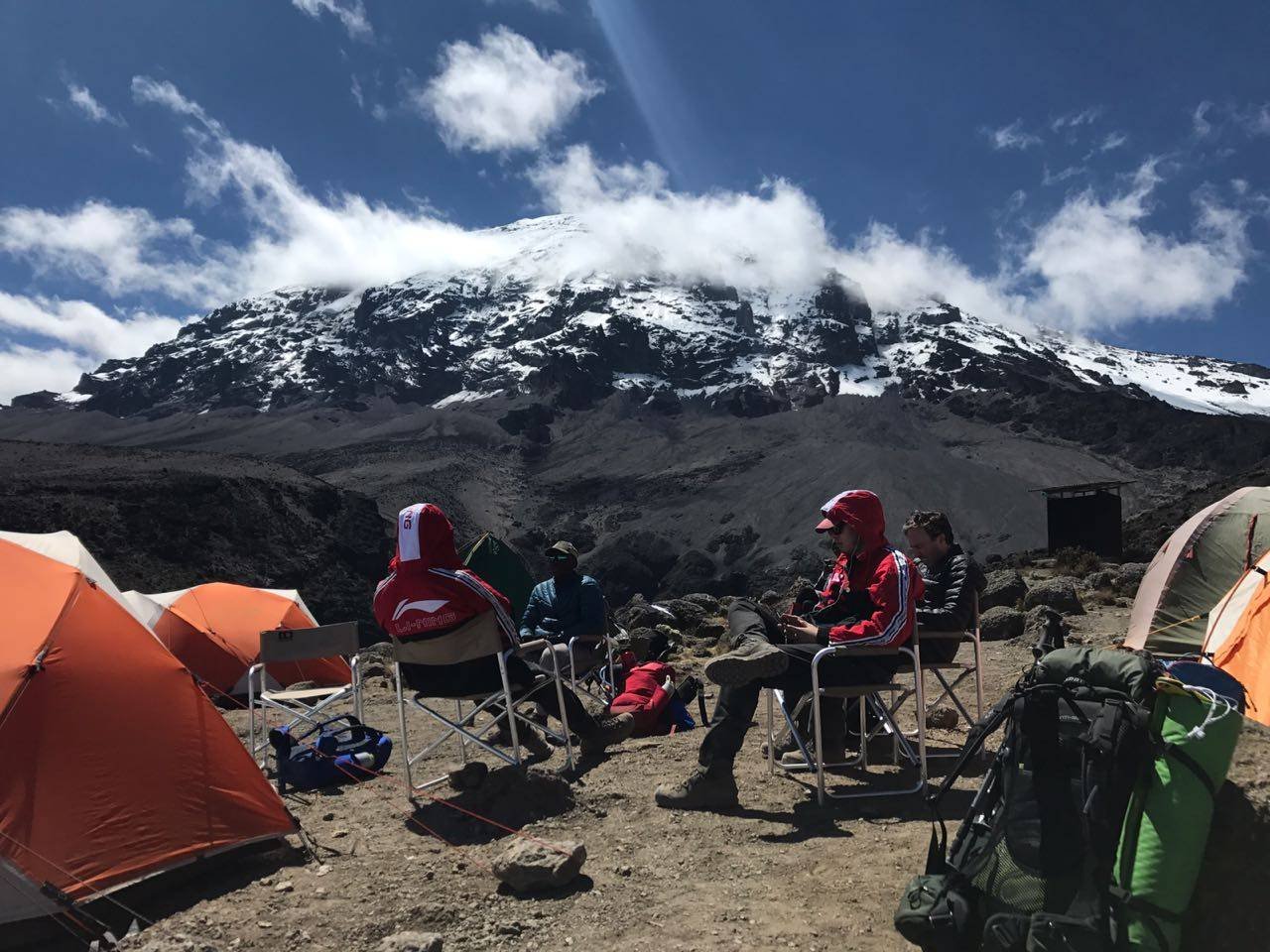
- Day 6: Karanga Camp to Barafu Camp. Trek across alpine desert. Prepare for summit push. (Approx. 4-5 hours)
- Day 7: Summit Day & Descent to Mweka Camp. Summit Uhuru Peak pre-dawn, descend past Barafu to Mweka. (Approx. 10-12 hours total)
- Day 8: Mweka Camp to Mweka Gate. Short trek through rainforest to exit. Transfer to Moshi.
- Day 9: Hot Springs Recovery Day 1. Full day trip to Kikuletwa (Chemka) Hot Springs. Relax, swim, enjoy the oasis. Overnight in Moshi.
- Day 10: Optional Additional Recovery / Departure Prep. Gentle local exploration, massage, or prepare for onward travel. Depart or continue to next destination (e.g., Zanzibar, Safari).
Customizing Your Timeline for 2026-2027
* Longer Climbs: If you opt for a 7 or 8-day climb (e.g., Lemosho, Northern Circuit), you’ll naturally need more days post-climb. Add 1-2 days to the recovery phase accordingly.
* More Recovery: Some clients prefer 3-4 days of recovery, perhaps including a day trip to a local village, a massage, or simply more downtime before traveling further. This is perfectly achievable for your Kilimanjaro Summit + Hot Springs Recovery Adventure.
* Combining with Other Activities: Many extend their trip with a Serengeti safari or a Zanzibar beach holiday. Factor in travel time between these locations.
The key is to avoid rushing. The transition from the mountain’s demanding environment to the serene hot springs should be gradual and unhurried. For 2026-2027 bookings, discuss your ideal pace with your tour operator.
Logistics and Practicalities for Your Adventure
Smooth logistics are crucial for a successful Kilimanjaro Summit + Hot Springs Recovery Adventure. From pre-trip arrangements to post-climb transfers, attention to detail ensures you can focus on the experience.
Booking Your Tour Operator
Choosing the right operator is paramount. For a specialized trip like this, look for companies with:
- Expertise in Kilimanjaro: Proven track record of successful climbs, experienced guides, and quality equipment.
- Local Knowledge: Understanding of Tanzanian logistics, including reliable transport and accommodation.
- Flexibility: Ability to tailor itineraries to include specific recovery elements like hot springs.
- Safety Standards: Comprehensive safety protocols, including oxygen, first-aid, and evacuation plans.
Climb 4 Africa specializes in crafting these kinds of integrated adventures. When you contact them for your 2026-2027 trip, specify your interest in the Kilimanjaro Summit + Hot Springs Recovery Adventure. They can help you select the best route and design an itinerary that seamlessly blends the climb with your recovery.
What’s Typically Included?
For the Kilimanjaro climb portion, expect:
- Park fees and rescue fees
- All meals on the mountain
- Tents, cooking equipment, and mess tents
- Experienced climbing guides, cooks, and porters
- Bottled water (or purification system)
- Ground transport to/from the mountain
- Pre- and post-climb accommodation in Moshi (often 1-2 nights included)
For the hot springs recovery, this usually includes:
- Private transportation from Moshi to Kikuletwa (Chemka) Hot Springs and back
- Entry fees to the springs
- Potentially a picnic lunch or arrangement for lunch at a local eatery
Ensure you clarify all inclusions and exclusions when booking for 2026 or 2027. Understanding what is covered prevents surprises.
What to Pack (Specific to Hot Springs)
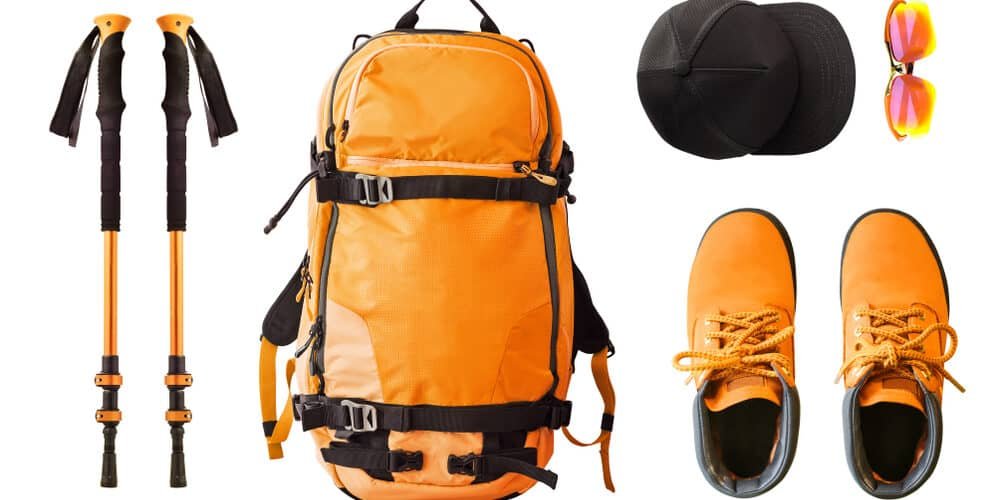
Beyond your standard Kilimanjaro gear, pack light for the recovery phase:
- Swimsuit: Essential for the hot springs.
- Quick-dry Towel: Lighter and dries faster than a regular towel.
- Comfortable, Light Clothing: Easy to slip on after swimming. Think shorts, t-shirts, light dress.
- Sandals or Flip-flops: Easy to wear and suitable for damp environments.
- Waterproof Bag: To keep your dry clothes and valuables safe.
This part of your journey is about shedding the weight of the climb and embracing comfort and ease.
Health and Safety Considerations
Your well-being is the top priority. The Kilimanjaro Summit + Hot Springs Recovery Adventure requires attention to both climbing safety and post-climb health.
Altitude Sickness Management
This is the primary concern during the climb. Your chosen route, pace, and guide’s expertise are critical. Reputable operators will:
- Choose appropriate routes: Routes with gradual ascents are better for acclimatization.
- Advise on acclimatization strategies: ‘Pole pole’ (slowly, slowly) is key.
- Carry emergency supplies: Supplemental oxygen, first-aid kits, and communication devices.
- Monitor climbers: Guides are trained to recognize symptoms of Acute Mountain Sickness (AMS).
Ensure your 2026-2027 booking includes comprehensive safety measures.
Post-Climb Physical Recovery
Even with good acclimatization, you’ll be physically spent. The hot springs are a therapeutic tool, but:
- Listen to Your Body: Don’t push yourself too hard in the hot springs.
- Stay Hydrated: Dehydration can exacerbate fatigue and muscle soreness.
- Consider Massage: A professional massage can complement the benefits of the hot springs. Many operators can arrange this in Moshi.
- Nutrition: Ensure you’re eating well-balanced meals to help your body recover. Local Tanzanian cuisine offers nutritious options.
Hygiene at Hot Springs
While Kikuletwa is generally clean due to its constant spring flow, it’s always wise to:
- Wash Hands: Before eating, especially if you’re having a picnic.
- Be Mindful of Water Quality: While Kikuletwa’s water is pure, always be cautious in less developed areas.
For your Kilimanjaro Summit + Hot Springs Recovery Adventure in 2026-2027, prioritize operators who emphasize safety and well-being throughout the entire journey.
When is the Best Time for This Adventure?
Timing is crucial for both the climb and the recovery phase. Tanzania has distinct seasons that affect weather on Kilimanjaro and the general travel experience.
Kilimanjaro Climbing Seasons
Kilimanjaro is climbable year-round, but certain periods offer significantly better conditions:
- Dry Seasons (Peak):
- January to March: Generally clear skies, less rain, but can be cold. Good for summiting.
- June to October: Another dry season, often with milder temperatures than Jan-Mar. This is a very popular time for climbing.
- Wet Seasons (Shoulder/Low):
- April to May: Long rains, often heavy. Climbing is discouraged due to difficult conditions and reduced visibility.
- November to December: Short rains, can be unpredictable. Still possible to climb, but expect some rain.
Hot Springs Accessibility
The hot springs are generally accessible year-round. However, during the rainy seasons, the surrounding lushness is amplified, which can be beautiful, but travel to and from the springs might be less comfortable due to muddy roads.
Best Combination for 2026-2027
For the optimal Kilimanjaro Summit + Hot Springs Recovery Adventure, aim for the dry seasons:
- June to October: This period offers excellent climbing conditions and pleasant weather for enjoying the hot springs. It’s also a great time for safaris if you plan to combine them.
- January to March: Also excellent for climbing, though potentially colder. The hot springs provide a warm respite from the chill.
Booking well in advance for these peak seasons in 2026 and 2027 is highly recommended, as availability for guides and permits can be limited.
Integrating Safari and Zanzibar
Your Kilimanjaro Summit + Hot Springs Recovery Adventure can be the centerpiece of a larger Tanzanian exploration. Combining it with a safari or a Zanzibar beach holiday is a classic and highly rewarding itinerary.
Post-Climb Safari
After descending Kilimanjaro and rejuvenating in the hot springs, a safari offers a different kind of adventure, focusing on wildlife and diverse landscapes. Northern Circuit safaris (Serengeti, Ngorongoro Crater, Tarangire) are logistically convenient from Moshi.
- Benefits: The contrast between the mountain’s stark beauty and the plains’ abundant wildlife is striking. A safari is less physically demanding than the climb, allowing you to enjoy it fully after recovery.
- Timing: Consider the Great Migration patterns in the Serengeti if you’re planning a safari. Your tour operator can advise on the best timing for 2026-2027.
- Logistics: Climb 4 Africa excels at combining these elements, ensuring smooth transfers between Kilimanjaro, safari lodges, and departure points.
Zanzibar Beach Relaxation
For ultimate relaxation, a few days on the spice island of Zanzibar are unparalleled. White sandy beaches, turquoise waters, and a rich cultural history await.
- Post-Adventure Bliss: After the physical exertion of the climb and the therapeutic warmth of the springs, Zanzibar provides the perfect environment to simply unwind.
- Activities: From exploring Stone Town’s historic alleys to snorkeling in the Indian Ocean or simply lounging on the beach, Zanzibar offers a gentle pace.
- Accessibility: Zanzibar is easily accessible via flights from Kilimanjaro International Airport (JRO) or Arusha Airport (ARK), making it a convenient addition to your Kilimanjaro Summit + Hot Springs Recovery Adventure for 2026-2027.
When planning your extended Tanzanian journey for 2026-2027, remember that booking these components together through a single, experienced operator like Climb 4 Africa can often lead to better coordination and value.
Making Your 2026-2027 Booking Decision
Deciding on your Kilimanjaro Summit + Hot Springs Recovery Adventure is a significant step. By now, you should have a clear understanding of what this unique journey entails.
It’s a commitment to both challenge and self-care, a way to experience the grandeur of Kilimanjaro and the restorative power of nature. The integration of hot springs recovery elevates the traditional climb into a holistic wellness experience.
For your 2026 or 2027 expedition, consider the following:
- Your Physical Readiness: Be honest about your fitness levels and commitment to training.
- Your Time Availability: Factor in the total duration required for the climb, recovery, and any additional activities.
- Your Budget: Understand what is included in your package and any potential extras.
- Your Preferred Pace: Do you want a quick summit and immediate recovery, or a more relaxed pace throughout?
When you’re ready to translate this aspiration into a concrete plan for 2026-2027, reaching out to specialists is the next logical step. Companies like Climb 4 Africa have the local expertise to guide you through every decision, from selecting the optimal Kilimanjaro route that best suits your post-climb recovery goals to arranging smooth transfers to the rejuvenating hot springs and beyond. They understand the importance of balancing the thrill of the summit with the profound peace of natural recovery.
Don’t hesitate to contact Climb 4 Africa to discuss your personalized Kilimanjaro Summit + Hot Springs Recovery Adventure. You can reach them via WhatsApp at +255 747 477 898 or by sending an email to climb4africa@gmail.com. They are ready to help you craft an unforgettable experience that combines the ultimate mountain challenge with deep, natural rejuvenation, ensuring your 2026-2027 adventure is both triumphant and restorative.
Check Availability for Kilimanjaro Summit + Hot Springs Recovery Adventure – Climb Then Relax In
Ready to compare dates, prices, and the best option for your group? Send the package name and travel month so the team can reply with a clear quote, availability, and what is included.
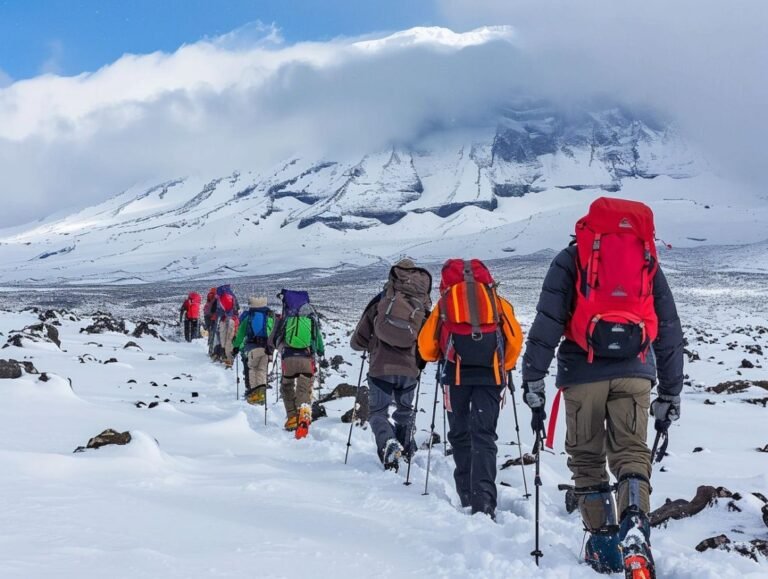
Lemosho Route – 7 August Summer Group Climb: Your Kilimanjaro Adventure 2027
start a memorable Lemosho Route – 7 August 2027 Summer Group Climb up Mount Kilimanjaro. This guide covers the itinerary, acclimatization, and preparation for your ascent.
View package details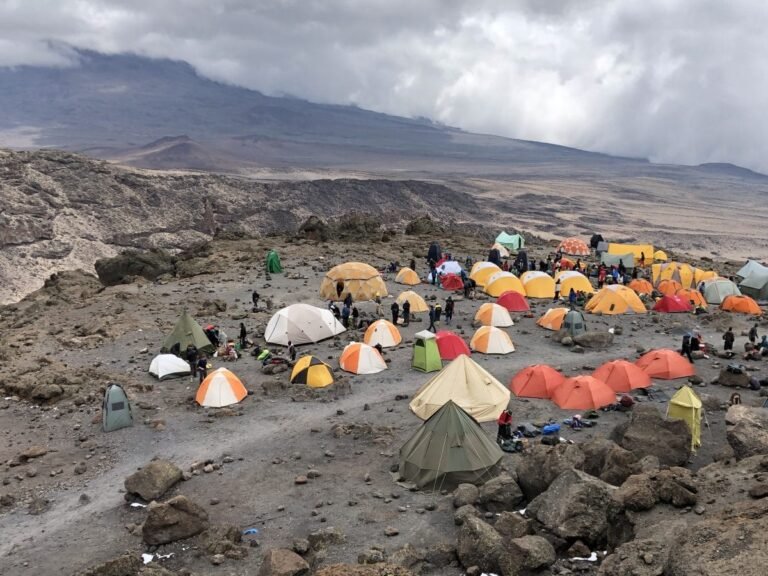
Family Kilimanjaro Climb August : Your Summer Holiday Adventure 2027
start an unforgettable Family Kilimanjaro Climb during August 2027. This guide covers the best routes, essential planning, and tips for a successful summer holiday ascent.
View package details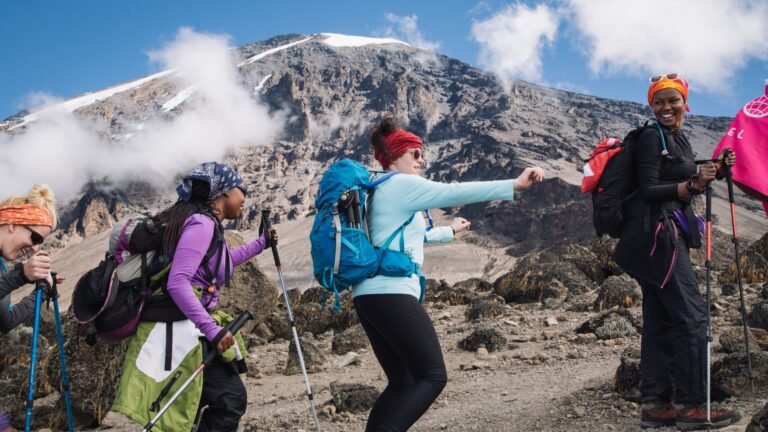
Uk August Bank Holiday Kilimanjaro Climb : Your Peak Season Adventure 2027
Planning a UK August Bank Holiday Kilimanjaro Climb in 2027 offers a prime opportunity to ascend Africa's highest peak during a favourable season. This guide details how to make the most of...
View package detailsKilimanjaro Full Moon Climb August – Summit Around 17 2027
start an unforgettable Kilimanjaro Full Moon Climb in August 2027, targeting a impressive summit on or around August 17th. This guide covers optimal routes, August conditions, and essential...
View package details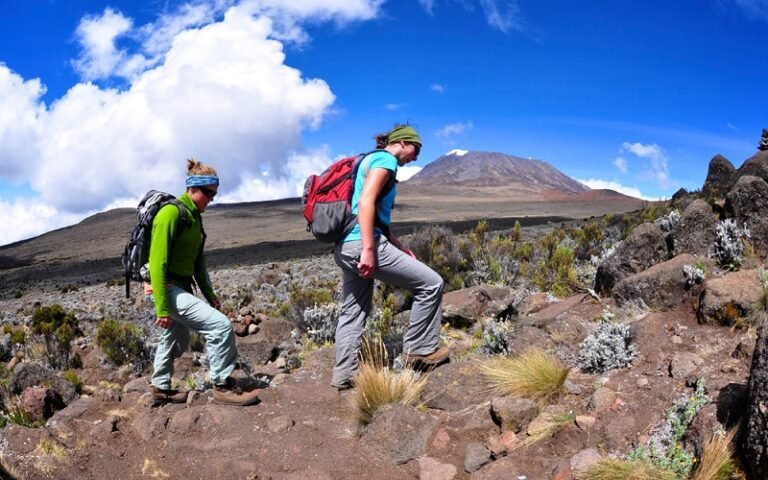
Kilimanjaro Full Moon Climb July – Summit Around 18 2027
start an unforgettable Kilimanjaro full moon climb in July 2027, targeting a summit on or around July 18th. This guide details the unique advantages of a full moon ascent, optimal routes...
View package details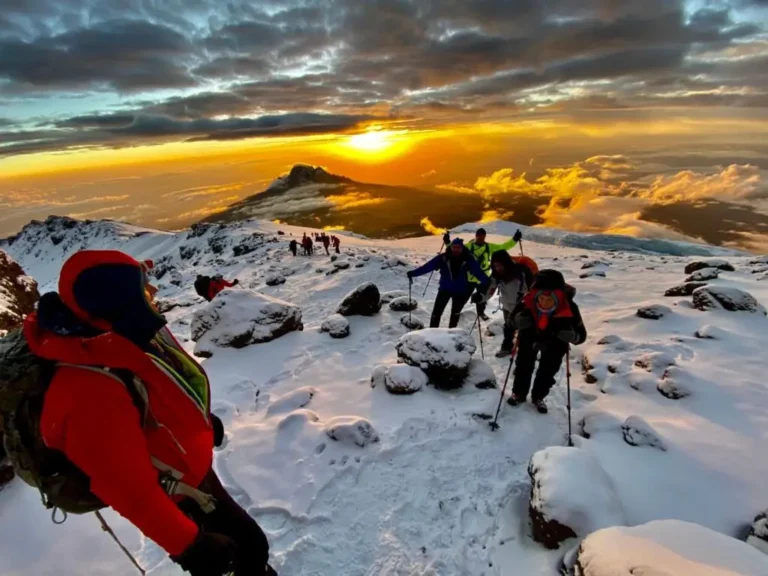
Juneteenth Kilimanjaro Climb – June Holiday Adventure 2027
Juneteenth Kilimanjaro Climb 2027 – June Holiday Adventure is explained with current 2027 planning, price, itinerary and booking information.
View package detailsKilimanjaro Full Moon Climb June : Summiting Under The Moonlight On 19Th 2027
start an unforgettable Kilimanjaro Full Moon Climb in June 2027, with the peak aiming for the night of June 19th. This guide explores the magic of summiting under the full moon, optimal...
View package detailsKilimanjaro May Private Climb: Flexible Low-Season Dates For Your Adventure
start a private Kilimanjaro climb in May 2027. This guide details the advantages of low-season dates, route options, and essential planning for your unique adventure.
View package detailsKilimanjaro Full Moon Climb May – Summit Around 20 2027
start a magical Kilimanjaro Full Moon Climb in May 2027, aiming for the summit around May 20th. This guide details the unique experience, optimal planning for the Green Season, and how...
View package detailsPrivate Kilimanjaro Climb April : Your Flexible Trekking Adventure 2027
start a personalized Kilimanjaro ascent in April 2027 with a private climb tailored for flexible travellers. Explore route options, understand the April weather, and learn how to book your...
View package details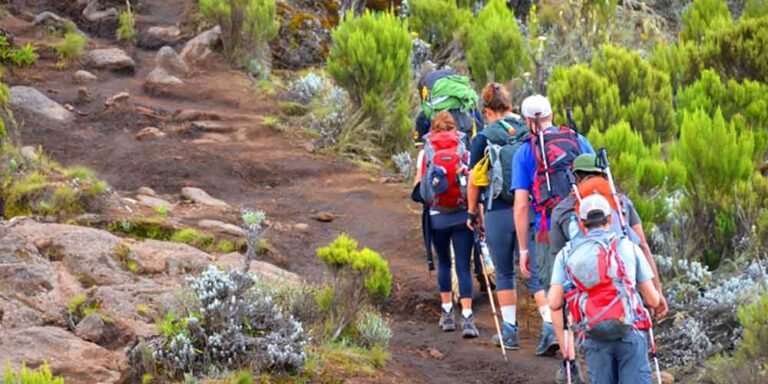
Kilimanjaro Full Moon Climb April – Summit Around 20-21 2027
start an unforgettable Kilimanjaro Full Moon Climb in April 2027, aiming for the summit on April 20-21. Discover the magic of reaching Uhuru Peak under the glow of the full moon, and learn...
View package detailsKilimanjaro 17 April – Small Group Rainy-Season Adventure With Climb 4 Africa
start a unique Kilimanjaro climb on April 17, 2027, as part of a small group during the rainy season. This adventure offers a different perspective of the mountain, with fewer crowds and...
View package detailsNo related package matches those filters. Clear one or more filters to see the other topic-matched options.



