
A Kilimanjaro Yoga & Wellness Trek integrates the physical challenge of ascending Africa’s highest peak with specialized recovery sessions, including yoga, meditation, and mindfulness, to enhance physical endurance, mental resilience, and overall well-being. These treks typically span 7-9 days, often utilizing routes like the Machame or Lemosho for acclimatization, and are designed for travelers seeking a holistic approach to their mountain adventure in 2026-2027, providing a unique blend of high-altitude challenge and restorative practice.

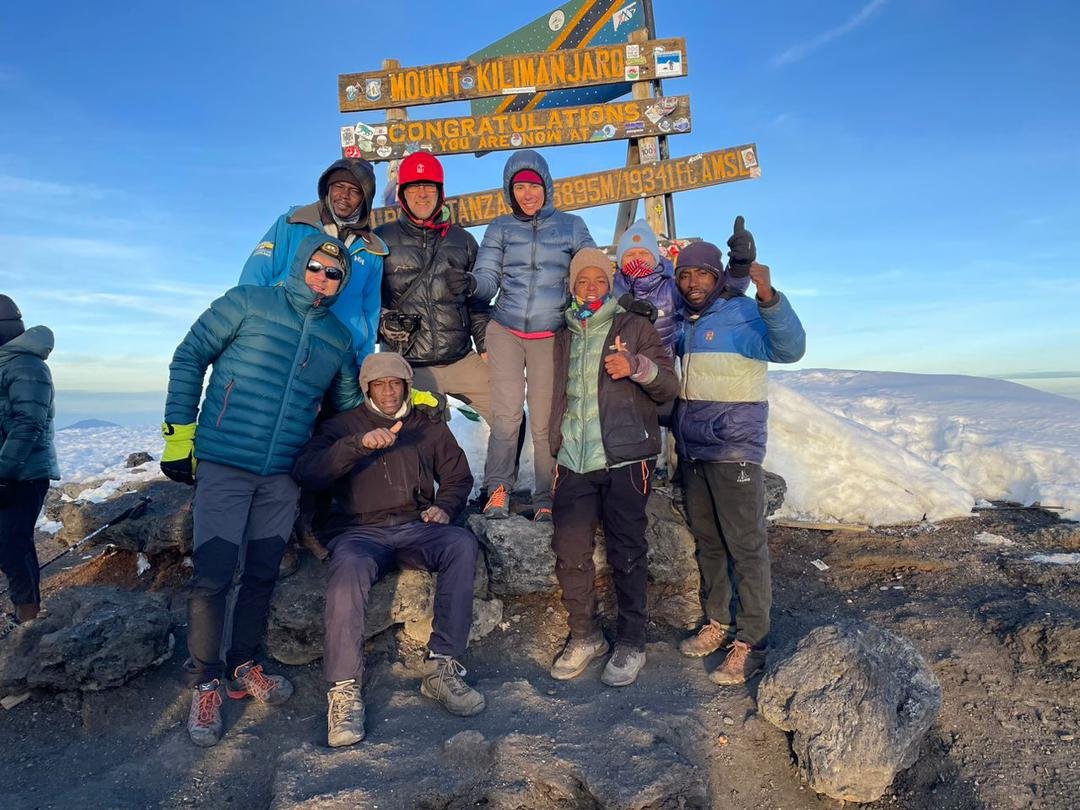
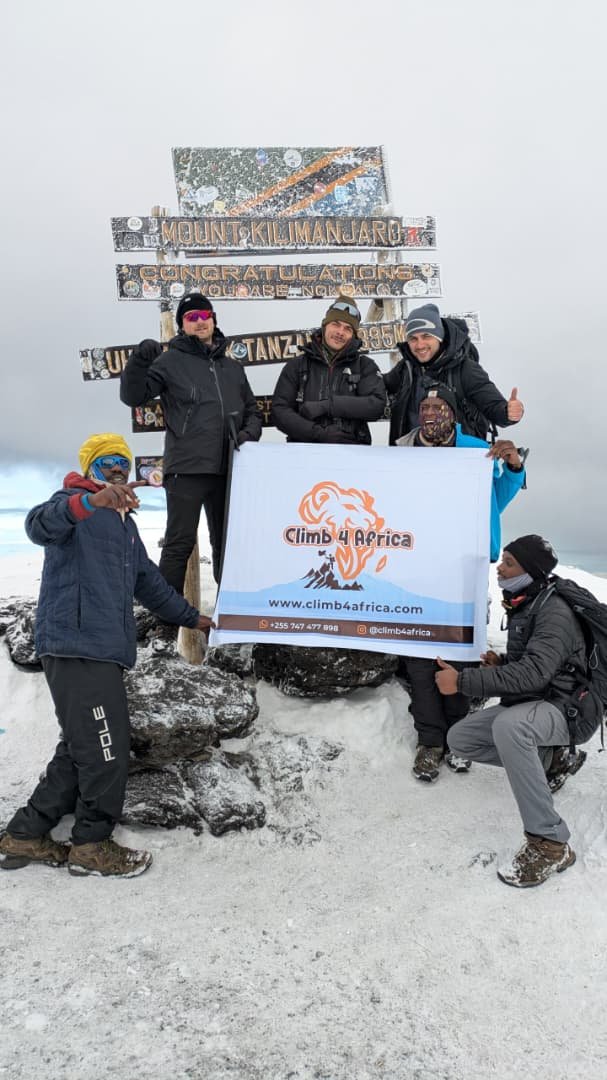
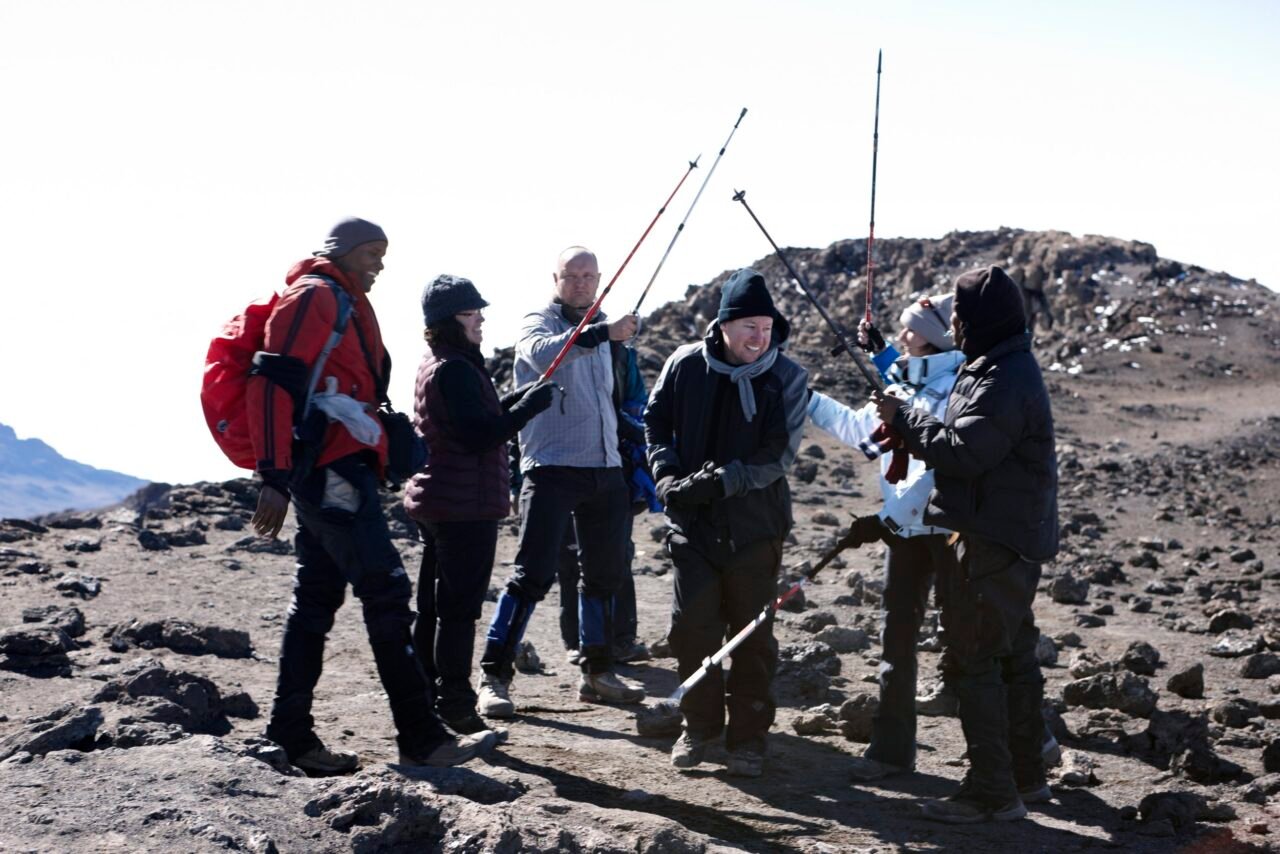
What is a Kilimanjaro Yoga & Wellness Trek?
A Kilimanjaro Yoga & Wellness Trek is a specialized expedition that elevates the traditional mountain climbing experience by incorporating dedicated wellness practices. Unlike a standard climb, this approach recognizes that reaching Uhuru Peak is not just a physical feat but also a significant mental and emotional journey. The core concept is to leverage the power of yoga, meditation, and mindful movement to support climbers throughout their ascent and descent. This means integrating sessions designed to improve flexibility, build strength, reduce stress, enhance focus, and aid in physical recovery at altitude. These sessions are carefully scheduled to complement the climbing schedule, often taking place during rest periods, at designated campsites, or even with stunning natural backdrops at lower altitudes. The aim is to create a more holistic, sustainable, and profoundly rewarding experience on the mountain. For those planning a Kilimanjaro adventure in 2026 or 2027, this offers a distinctive way to connect with oneself and the environment while pursuing a challenging goal.
The integration of wellness practices is not merely an add-on; it’s fundamental to the trek’s design. Think of it as a partnership between the demanding nature of high-altitude trekking and the restorative, grounding benefits of mindful disciplines. This synergy helps climbers adapt better to the physiological stresses of altitude, manage fatigue more effectively, and maintain a positive mental state, which is crucial for overcoming the challenges of Kilimanjaro. The specific types of yoga and meditation can vary, but they are typically adapted for the mountain environment – focusing on accessible poses that don’t require extensive space or equipment, and breathing techniques beneficial for acclimatization. This approach acknowledges that the journey to the summit is as important as the summit itself, and that by nurturing the body and mind, climbers can achieve a greater sense of accomplishment and well-being.
Why Combine Yoga & Wellness with Kilimanjaro?
The decision to combine a Kilimanjaro climb with yoga and wellness practices stems from a desire for a more complete and beneficial mountain experience. Traditional treks focus almost exclusively on the physical aspect of climbing, often overlooking the significant mental and emotional toll that high altitude and prolonged exertion can take. By integrating wellness, climbers can experience several key advantages:
- Enhanced Physical Performance and Recovery: Yoga can improve flexibility, core strength, and balance, all of which are beneficial for trekking on varied terrain. Specific poses and breathing exercises can aid in oxygen intake and circulation, potentially helping with acclimatization. Post-climb yoga and stretching are invaluable for muscle recovery, reducing soreness, and preventing injuries.
- Improved Mental Resilience and Focus: The mental fortitude required for Kilimanjaro is immense. Mindfulness and meditation practices cultivate focus, reduce anxiety, and promote a calm, centered state of mind, enabling climbers to better cope with the physical discomfort and psychological challenges of the trek.
- Deeper Connection with Nature and Self: Practicing yoga or meditation in the serene, vast landscapes of Kilimanjaro fosters a profound connection with the environment and an inward journey of self-discovery. This mindful presence enhances the appreciation of the surroundings and the personal achievement.
- Stress Reduction and Emotional Balance: The pressures of a challenging expedition, combined with daily life stressors, can be significant. Wellness practices provide tools for managing stress, promoting emotional regulation, and maintaining a positive outlook throughout the expedition.
- Holistic Approach to Adventure: For many, a Kilimanjaro climb is a significant life event. Combining it with wellness ensures that the entire experience is approached with care for one’s physical, mental, and emotional state, leading to a more balanced and fulfilling adventure.
For travelers looking ahead to 2026 or 2027, this integrated approach offers a way to not just conquer a mountain, but to do so in a way that nourishes the whole person. It transforms a strenuous physical challenge into an opportunity for profound personal growth and rejuvenation. It’s about achieving the summit while also achieving a state of inner peace and strength.
Choosing the Right Kilimanjaro Route for Wellness
The route you choose for your Kilimanjaro Yoga & Wellness Trek significantly impacts your acclimatization, comfort, and the opportunities for integrating wellness practices. While any route can be adapted, some are inherently more suited due to their longer duration, gentler ascent profiles, and better camping locations. The key considerations for a wellness-focused trek are:
- Acclimatization Profile: Routes that follow the ‘climb high, sleep low’ principle are best. Longer routes generally offer better acclimatization, reducing the risk of altitude sickness and allowing the body to adapt more gradually, which is crucial for maintaining physical well-being.
- Scenery and Campsite Quality: Beautiful, tranquil campsites provide ideal settings for yoga and meditation. Routes with varied and stunning scenery enhance the sensory experience of mindfulness practices.
- Duration: Longer treks (8-9 days) provide more time for acclimatization and recovery. This extra time is invaluable for incorporating daily wellness sessions without feeling rushed or overly fatigued.
Based on these factors, here’s a comparison of popular routes and their suitability for a Kilimanjaro Yoga & Wellness Trek:
Route Comparison for Wellness Treks
| Route | Typical Duration | Acclimatization | Scenery & Campsites | Wellness Suitability |
|---|---|---|---|---|
| Machame Route | 7-8 days | Good, with ‘climb high, sleep low’ sections. | Varied, beautiful, popular campsites. | Excellent. A popular choice offering good acclimatization and diverse scenery. The 8-day option provides ample time. |
| Lemosho Route | 7-8 days | Excellent, gradual ascent through diverse ecosystems. | Stunning, less crowded initially, excellent campsites. | Exceptional. Its length and gradual nature are ideal for wellness, offering more serene locations for practice. |
| Northern Circuit | 9-10 days | The best for acclimatization, circumnavigates the mountain. | Remote, panoramic views, varied landscapes. | Outstanding. The longest and most gradual route, offering unparalleled acclimatization and the most opportunities for undisturbed wellness sessions. |
| Marangu Route | 5-6 days | Less ideal, faster ascent, ‘huts’ accommodation. | Forests, open moorland. Huts can be crowded. | Moderate. Possible, but the shorter duration and hut system offer fewer dedicated wellness opportunities compared to camping routes. |
| Rongai Route | 7 days | Good, approaches from the north, drier side. | Less varied scenery initially, but offers unique views. | Good. A viable option, especially if seeking a less crowded experience. |
For a dedicated Kilimanjaro Yoga & Wellness Trek, the Lemosho Route (8 days) or the Northern Circuit (9-10 days) are often recommended. These routes provide the necessary time for acclimatization and offer more tranquil camping spots, which are perfect for morning yoga or evening meditation sessions. The Machame Route (8 days) is also a strong contender, balancing popularity with good acclimatization and stunning scenery. When planning for 2026-2027, consider how much time you have available and what level of serenity you desire for your wellness practices.
It’s essential to discuss your wellness goals with your tour operator. They can help tailor the itinerary, suggest optimal times for sessions, and ensure your guides are aware of your needs. For example, an early morning yoga session overlooking the clouds from a Lemosho campsite can be an incredibly grounding experience.
Key Wellness Components of the Trek
A Kilimanjaro Yoga & Wellness Trek is more than just climbing; it’s a comprehensive program designed to support your body and mind at every stage. The key components typically include:
1. Guided Yoga Sessions
These sessions are adapted for the mountain environment. Expect gentle Hatha or Yin yoga, focusing on:
- Stretching and Flexibility: To counteract the stiffness from trekking and improve range of motion. Poses like gentle twists, forward folds, and hip openers are common.
- Core Strengthening: A strong core is vital for balance and stability on uneven terrain.
- Breathing Exercises (Pranayama): Techniques like deep diaphragmatic breathing and alternate nostril breathing (Nadi Shodhana) can aid in oxygen absorption and calming the nervous system, which is particularly helpful for acclimatization.
- Mindful Movement: Integrating breath with movement to enhance body awareness and presence.
Sessions are usually held in the morning before the day’s trek or in the evening after dinner, often in a designated quiet area at the campsite. Guides may use natural features like rocks or level ground for practice.
2. Meditation and Mindfulness Practices
These are crucial for mental endurance and stress management:
- Guided Meditations: Led sessions focusing on breath awareness, body scans, or cultivating a sense of calm and focus.
- Mindful Walking: Paying attention to the sensations of walking, the rhythm of your breath, and your surroundings during the trek itself.
- Gratitude Practices: Encouraging reflection on the experience and the beauty of the natural environment.
- Silence and Stillness: Opportunities for personal reflection and quiet contemplation, often incorporated into the daily schedule.
These practices help climbers stay present, manage discomfort, and appreciate the journey, reducing feelings of overwhelm.
3. Nutritional Support and Hydration
While not always explicitly labeled ‘wellness,’ proper nutrition and hydration are fundamental:
- Balanced Meals: Tour operators provide nutritious, high-carbohydrate meals designed to fuel your climb and aid recovery. Special dietary needs can usually be accommodated.
- Herbal Teas and Warm Drinks: Often provided to aid hydration and offer comfort.
- Emphasis on Hydration: Constant encouragement to drink water is vital for acclimatization and energy levels.
Some operators might offer specific nutritional advice or supplements to support altitude adaptation.
4. Rest and Recovery Strategies
This includes:
- Adequate Sleep: While challenging at altitude, the itinerary is designed to allow for as much rest as possible.
- Post-Trek Stretching: Guided routines to help muscles recover after a long day of hiking.
- Rest Days (if applicable): Longer itineraries might include a rest day at a scenic spot, allowing for deeper recovery and practice.
5. Support from Guides and Crew
Your guides are trained to monitor your health and well-being. On a wellness trek, they may also have basic knowledge of yoga or meditation principles and can facilitate sessions. The entire crew plays a role in creating a supportive and encouraging atmosphere.
When you book your Kilimanjaro Yoga & Wellness Trek for 2026 or 2027, clarify with your operator exactly which of these components are included. A truly comprehensive package will detail the frequency and type of sessions offered.
What to Expect on a Kilimanjaro Yoga & Wellness Trek
Embarking on a Kilimanjaro Yoga & Wellness Trek is an experience that blends rigorous physical activity with periods of calm and introspection. It’s important to set realistic expectations about how these two aspects coexist on the mountain.
Daily Structure
A typical day might look something like this:
- Early Morning: Wake up before sunrise for a guided yoga or meditation session, often accompanied by the incredible views as the sun crests the horizon. This is a powerful way to start the day, setting a positive and centered tone.
- Breakfast: A hearty, nutritious breakfast prepared by the camp crew.
- Morning Trek: The main hiking portion of the day, usually lasting 4-7 hours, depending on the stage and altitude. During this time, guides will encourage mindful walking and hydration.
- Lunch: A packed lunch enjoyed en route, often at a scenic spot.
- Afternoon: Arrive at the next campsite. After setting up and resting, there might be an afternoon yoga session focused on stretching and recovery, or free time for personal reflection and hydration.
- Dinner: A well-deserved, balanced meal at the campsite.
- Evening: A final short meditation or a debrief of the day, followed by an early bedtime to maximize rest before the next day’s climb.
Intensity and Adaptation
The physical demands of climbing Kilimanjaro remain significant. The yoga and wellness components are designed to *support* your body and mind, not to replace the effort required. You should still expect challenging trekking days, especially as you gain altitude. The key difference is that you’ll have tools and practices to help you cope better with fatigue, discomfort, and the effects of altitude. For instance, a breathing technique learned in a morning session might be employed during a steep ascent.
Group Dynamics
If you join a group trek, you’ll be sharing these experiences with like-minded individuals. The shared practice of yoga and meditation can foster a strong sense of camaraderie and mutual support. Your guides and potentially a dedicated wellness guide will lead these sessions, ensuring they are accessible to all levels, from beginners to experienced practitioners.
Environmental Considerations
Yoga and meditation sessions will take place outdoors at campsites, weather permitting. This means embracing the elements – practicing under the vast African sky, feeling the mountain breeze, and potentially dealing with changing conditions. This connection with nature is a core part of the wellness aspect.
Summit Night
Summit night is the most demanding part of the trek. While formal yoga sessions are unlikely during the strenuous midnight ascent, the mental preparedness and physical conditioning gained from earlier practices will be invaluable. Some groups might incorporate a brief moment of mindful breathing or silent reflection before starting the final push.
For your 2026-2027 Kilimanjaro Yoga & Wellness Trek, be prepared for an adventure that challenges you physically while profoundly nurturing your inner self. It’s a journey of self-discovery on one of the world’s most iconic mountains.
Preparing for Your Kilimanjaro Yoga & Wellness Journey
Successfully undertaking a Kilimanjaro Yoga & Wellness Trek requires preparation that addresses both the physical demands of the climb and the integration of wellness practices. Here’s how to get ready:
Physical Training
Your training should focus on cardiovascular fitness and leg strength:
- Cardio: Aim for regular activities like hiking (with a backpack), running, cycling, or swimming, 3-4 times a week. Focus on endurance.
- Hiking: Undertake long hikes (4-6 hours) on weekends, ideally with elevation gain. Practice hiking with the gear you’ll use on Kilimanjaro.
- Strength Training: Focus on leg muscles (squats, lunges) and core strength (planks, twists).
- Stamina: Build up to carrying a daypack weighing 5-10 kg for extended periods.
Yoga and Meditation Practice
If you’re new to yoga or meditation, start incorporating them into your routine well in advance:
- Consistency is Key: Aim for 2-3 yoga sessions per week. Focus on foundational poses, breathwork, and relaxation techniques.
- Adaptability: Practice yoga in different environments if possible – outdoors, in confined spaces – to prepare for the mountain setting.
- Mindfulness: Begin a daily meditation practice, even if it’s just 5-10 minutes, to build concentration and calmness.
- Learn Mountain-Specific Poses: Familiarize yourself with gentle stretches for legs, hips, and back, and breathing exercises beneficial for altitude.
Mental Preparation
The mental aspect is as important as the physical:
- Set Intentions: Clearly define what you hope to gain from the wellness aspect of your trek.
- Visualize Success: Imagine yourself calmly navigating challenges and enjoying the experience.
- Embrace Discomfort: Understand that there will be challenging moments. Prepare to use your wellness tools to navigate them.
- Patience and Acceptance: Be patient with yourself and accept that altitude affects everyone differently.
Gear and Packing
Pack for variable weather conditions and ensure you have:
- Appropriate Clothing: Layering system is crucial (base, mid, outer layers).
- Sturdy Hiking Boots: Broken-in and waterproof.
- Sleeping Bag: Rated for cold temperatures.
- Water Bottle/Hydration System: Essential for staying hydrated.
- Sun Protection: Sunscreen, hat, sunglasses.
- Personal Items: Headlamp, first-aid kit, toiletries.
- Yoga Mat: A lightweight, travel-friendly mat is highly recommended. Some operators might provide them, but checking beforehand is wise.
Health and Acclimatization
- Consult Your Doctor: Discuss your plans and get advice on altitude sickness medication (e.g., Diamox) if recommended.
- Hydration: Prioritize drinking plenty of water in the weeks leading up to your trek.
- Rest: Ensure you are well-rested before departing for Tanzania.
Thorough preparation will significantly enhance your enjoyment and success on your Kilimanjaro Yoga & Wellness Trek. For planning your 2026 or 2027 adventure, start your training and wellness practices at least 3-6 months in advance.
Comparing Wellness Trek Options for 2026-2027
When considering a Kilimanjaro Yoga & Wellness Trek for 2026-2027, you’ll find variations in how operators structure these trips. Understanding these differences will help you choose the best fit for your needs and budget.
Operator Specialization
Some tour operators specialize in wellness travel and may offer dedicated yoga instructors or retreat-style elements. Others might integrate wellness as a supportive component led by experienced guides who have received training in mindfulness or yoga principles. The depth of wellness integration can vary significantly.
Route and Duration Packages
As discussed, longer routes like the Northern Circuit or Lemosho are often preferred for wellness treks due to their superior acclimatization profiles and more serene camping environments. When comparing packages for 2026-2027, pay close attention to:
- Included Duration: A 7-day trek will feel very different from a 9-day trek in terms of recovery and practice time.
- Itinerary Details: Does the itinerary explicitly schedule yoga/meditation sessions? Are there specific rest days dedicated to deeper practice?
Inclusions and Exclusions
Beyond the standard climbing gear and logistics, check what wellness-specific inclusions are offered:
- Yoga Instructor: Is a dedicated yoga instructor part of the team, or is it led by the mountain guide?
- Yoga Mats: Are mats provided, or do you need to bring your own lightweight travel mat?
- Wellness Workshops: Some premium packages might include talks on altitude physiology, nutrition for climbers, or advanced mindfulness techniques.
- Post-Trek Wellness: Does the package include any post-climb recovery services, such as a massage or a stay at a wellness lodge in Moshi?
Group Size and Style
Wellness treks can be offered in small, intimate groups or as part of larger standard treks where individuals opt into wellness activities. For a more profound experience, smaller groups often foster better connection and personalized attention.
Cost Considerations
Packages that include dedicated wellness instructors, longer durations, or premium campsites will naturally be priced higher. When comparing costs for 2026-2027:
- Value vs. Price: Don’t just look at the lowest price. Assess the value offered in terms of inclusions, guide experience, safety standards, and the depth of the wellness program.
- Hidden Costs: Ensure you understand what’s included (e.g., park fees, accommodation, meals, crew wages, transfers) and what’s not (e.g., personal gear, tips, travel insurance, visas).
Operator Reputation and Local Expertise
Choosing an operator with strong local knowledge is paramount. A company like Climb 4 Africa, with deep roots in Tanzania, can offer authentic experiences and ensure smooth logistics. Their understanding of Kilimanjaro’s microclimates and cultural nuances can enhance both the climb and the wellness aspects. Look for operators who:
- Emphasize Safety: Have robust safety protocols, including oxygen systems and evacuation plans.
- Support Local Communities: Ethically employ local guides and porters with fair wages.
- Have Positive Reviews: Check independent review sites for feedback on their service, guides, and overall trek experience.
For your 2026-2027 Kilimanjaro Yoga & Wellness Trek, take your time comparing operators. A well-chosen package will align with your wellness goals, budget, and desired level of support.
Booking Your Kilimanjaro Yoga & Wellness Trek
Securing your Kilimanjaro Yoga & Wellness Trek for 2026 or 2027 involves careful consideration and timely action. Here’s a guide to the booking process:
Choosing the Right Operator
As highlighted, selecting an experienced and reputable tour operator is crucial. Look for companies that clearly detail their wellness offerings, have a strong safety record, and provide excellent customer support. For a personalized and authentic experience, consider operators with deep local ties.
Inquiring and Customization
Once you have a shortlist of operators, reach out to them. Be specific about your interest in a Kilimanjaro Yoga & Wellness Trek. Ask detailed questions about:
- The specific wellness activities included (yoga types, meditation frequency, instructor qualifications).
- The route and duration options best suited for wellness integration.
- Group size and potential for private departures.
- How they manage acclimatization and support climbers’ well-being.
- What gear is provided and what you need to bring (especially regarding yoga equipment).
- Their safety protocols and emergency procedures.
A good operator will be transparent and willing to customize aspects of the trek to meet your wellness goals.
Understanding Pricing and Inclusions
Kilimanjaro Yoga & Wellness Treks are typically priced based on the route, duration, group size, and the level of service provided. Always request a detailed quote that clearly outlines:
- What’s included: Park fees, permits, accommodation, meals on the mountain, crew wages and insurance, camping equipment, transfers, and specific wellness services.
- What’s excluded: International flights, visa fees, travel insurance (mandatory), tips for guides and crew, personal gear, and expenses in towns.
Be wary of significantly cheaper offers, as they may compromise on safety, crew welfare, or the quality of the wellness program. For 2026-2027 departures, prices can vary, but expect a premium for specialized wellness treks compared to standard climbs.
Booking Timeline
For popular travel years like 2026-2027, it’s advisable to book well in advance, especially if you have specific date preferences or require a private trek. Aim to book:
- 12-18 months in advance: For peak seasons (January, February, June-October) or if you want to secure a specific guide or date.
- 6-12 months in advance: For shoulder seasons or standard group departures.
This timeline allows ample opportunity for training, preparation, and securing flights.
Deposit and Payment Schedule
Most operators require a deposit to confirm your booking, with the balance due a few months before your departure date (e.g., 60-90 days prior). Understand the payment terms and cancellation policy carefully.
Final Preparations
Once booked, your operator will provide a detailed pre-departure information pack. This will cover everything from visa requirements and vaccinations to packing lists and training recommendations. Stay in close communication with your operator as your departure date approaches.
To start planning your unique Kilimanjaro Yoga & Wellness Trek, especially for the 2026-2027 season, reaching out to experienced local operators is the best first step. For expert guidance and tailor-made itineraries, consider contacting Climb 4 Africa.
Contact Climb 4 Africa:
- WhatsApp: +255 747 477 898
- Email: climb4africa@gmail.com
Discuss your vision for a Kilimanjaro Yoga & Wellness Trek, and they can help craft an unforgettable journey for 2026 or 2027.
Frequently Asked Questions about Kilimanjaro Yoga & Wellness Treks
Q1: Do I need to be an experienced yogi to join a Kilimanjaro Yoga & Wellness Trek?
A1: No, not at all. These treks are designed to be accessible to all levels. The yoga and meditation sessions are typically gentle and adapted for the mountain environment, focusing on breathing, stretching, and mindfulness that can benefit everyone, regardless of prior experience. Your guides will offer modifications.
Q2: How does yoga help with altitude sickness on Kilimanjaro?
A2: While yoga doesn’t prevent altitude sickness directly, its components can significantly help. Deep breathing exercises (pranayama) can improve oxygen intake and calm the nervous system, reducing anxiety associated with altitude. Gentle stretching helps with physical comfort and circulation. The overall mindful approach fosters a sense of control and resilience, which can positively impact how one experiences altitude symptoms.
Q3: What is the best time of year for a Kilimanjaro Yoga & Wellness Trek in 2026-2027?
A3: The best times for climbing Kilimanjaro, offering the clearest skies and most stable weather, are generally January-March and June-October. These periods are also ideal for a wellness trek, providing more comfortable conditions for outdoor yoga and meditation. Planning for 2026-2027 during these windows will offer the best experience.
Q4: Will I need to carry my own yoga mat?
A4: This varies by operator. Some may provide lightweight travel mats, while others expect you to bring your own. It’s essential to confirm this with your tour operator when booking. If you need to bring one, opt for a thin, foldable travel mat that doesn’t add significant weight to your pack.
Q5: Is a Kilimanjaro Yoga & Wellness Trek more expensive than a standard climb?
A5: Generally, yes, a specialized wellness trek might be slightly more expensive. This is often due to the inclusion of dedicated wellness instructors, longer itineraries for better acclimatization and practice time, or enhanced services. However, the added value in terms of physical and mental preparation, recovery, and overall experience can make it a worthwhile investment for 2026-2027.
Q6: What kind of yoga is practiced on the mountain?
A6: The yoga practiced is typically gentle and adapted for high altitude and outdoor settings. Expect Hatha, Yin, or restorative styles focusing on stretching, balance, breathwork, and mindfulness. The emphasis is on supporting the body through the physical demands of the climb and promoting relaxation, rather than strenuous Vinyasa flows.
Embarking on Your Holistic Kilimanjaro Journey
A Kilimanjaro Yoga & Wellness Trek offers a profound opportunity to combine personal challenge with inner peace. By integrating mindful practices with the physical ascent of Africa’s highest peak, you create a journey that is not only about reaching the summit but also about personal growth and holistic well-being. Whether you are planning for 2026 or 2027, this unique adventure promises an unparalleled experience. Remember to choose your route wisely, prepare diligently, and select an operator who truly understands the synergy between mountain adventure and wellness.
Check Availability for Kilimanjaro Yoga & Wellness Trek: Mountain Adventure With Recovery Sessions
Ready to compare dates, prices, and the best option for your group? Send the package name and travel month so the team can reply with a clear quote, availability, and what is included.
Kilimanjaro 1 May : Your Day Mountain Adventure Awaits 2027
start an unforgettable Kilimanjaro 1 May 2027 adventure. This guide details everything you need to know for a successful May Day climb, from route selection to essential preparation.
View package details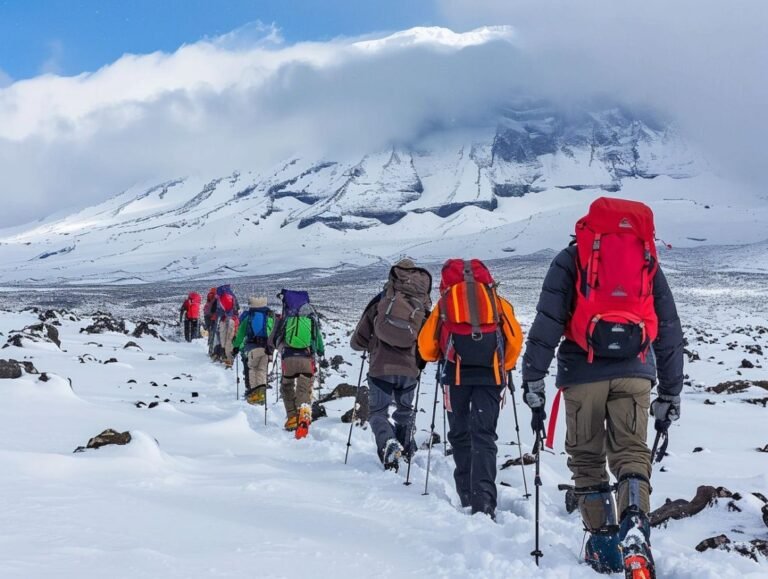
Private Kilimanjaro Climb April : Your Flexible Trekking Adventure 2027
start a personalized Kilimanjaro ascent in April 2027 with a private climb tailored for flexible travellers. Explore route options, understand the April weather, and learn how to book your...
View package details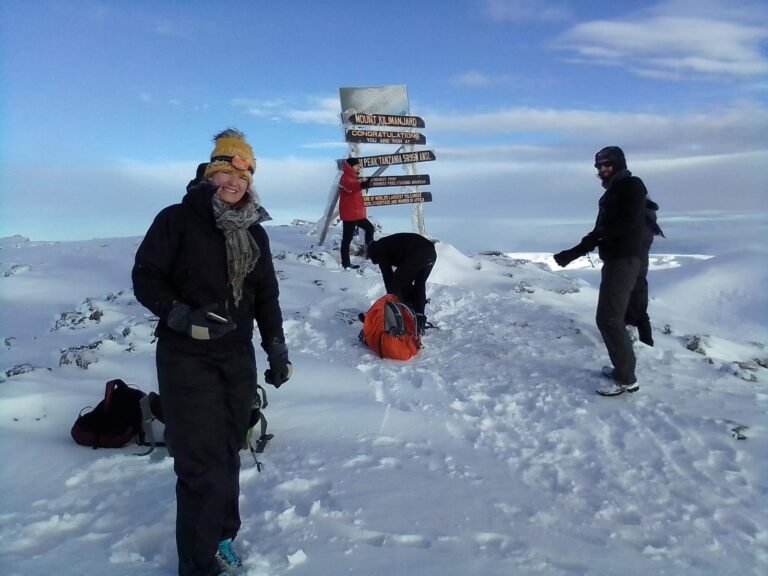
Easter Sunday Kilimanjaro Summit – 28 March Trekking Adventure 2027
start an extraordinary journey to the Roof of Africa by aiming for the summit of Kilimanjaro on Easter Sunday, March 28, 2027. This unique timing offers a blend of spiritual significance...
View package detailsLemosho Route – 7 August Summer Group Climb: Your Kilimanjaro Adventure 2027
start a memorable Lemosho Route – 7 August 2027 Summer Group Climb up Mount Kilimanjaro. This guide covers the itinerary, acclimatization, and preparation for your ascent.
View package details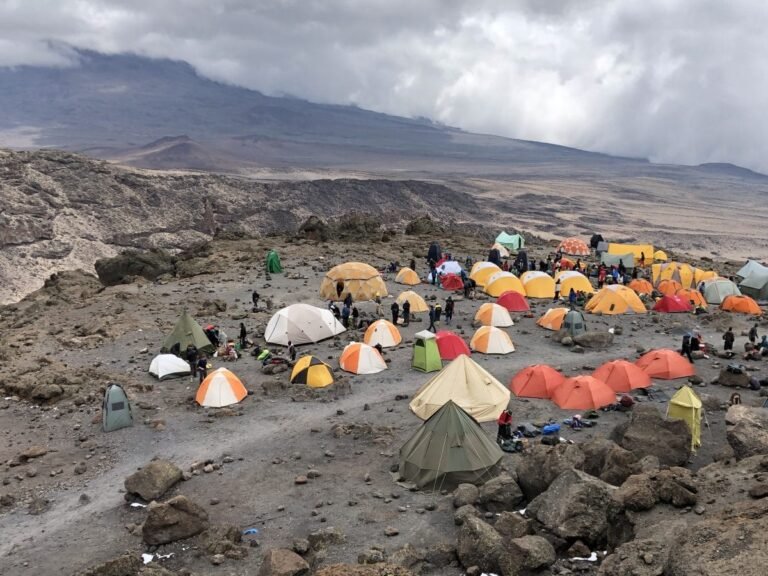
Family Kilimanjaro Climb August : Your Summer Holiday Adventure 2027
start an unforgettable Family Kilimanjaro Climb during August 2027. This guide covers the best routes, essential planning, and tips for a successful summer holiday ascent.
View package details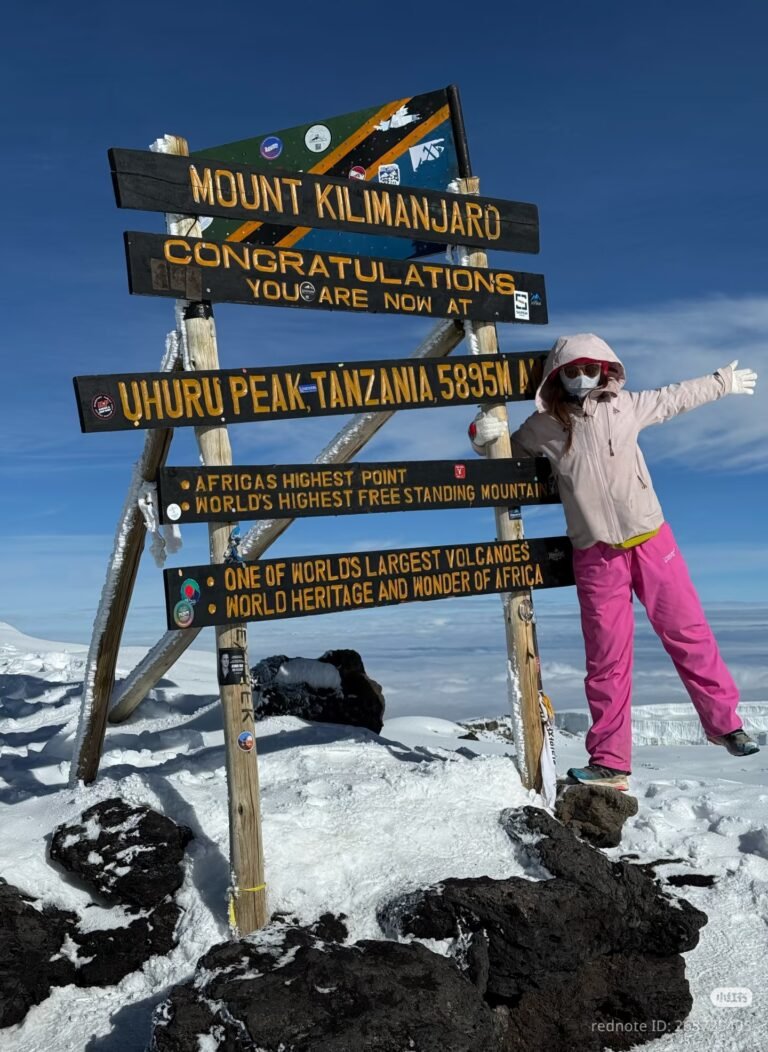
Kilimanjaro And Great Migration Safari August : Your Peak Season Adventure
Plan your ultimate Tanzanian adventure in August 2027, combining a Kilimanjaro climb with the spectacle of the Great Migration. This guide details the best timings, routes, and safari...
View package detailsUk August Bank Holiday Kilimanjaro Climb : Your Peak Season Adventure 2027
Planning a UK August Bank Holiday Kilimanjaro Climb in 2027 offers a prime opportunity to ascend Africa's highest peak during a favourable season. This guide details how to make the most of...
View package details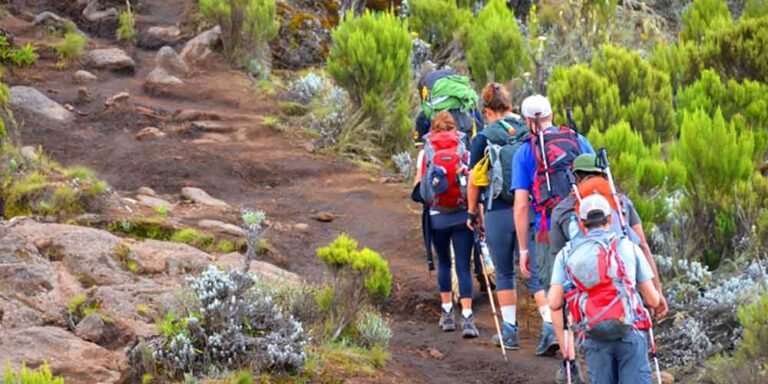
Northern Circuit – 8 August Quiet Peak-Season Trek On Kilimanjaro 2027
Explore the Northern Circuit route for your Kilimanjaro climb on August 8, 2027. This detailed guide covers why it's a preferred choice for a quieter, more scenic, and high-success-rate...
View package detailsNorthern Circuit – 5 July Long Kilimanjaro Trek 2027
Northern Circuit – 5 July 2027 Long Kilimanjaro Trek is explained with current 2027 planning, price, itinerary and booking information.
View package details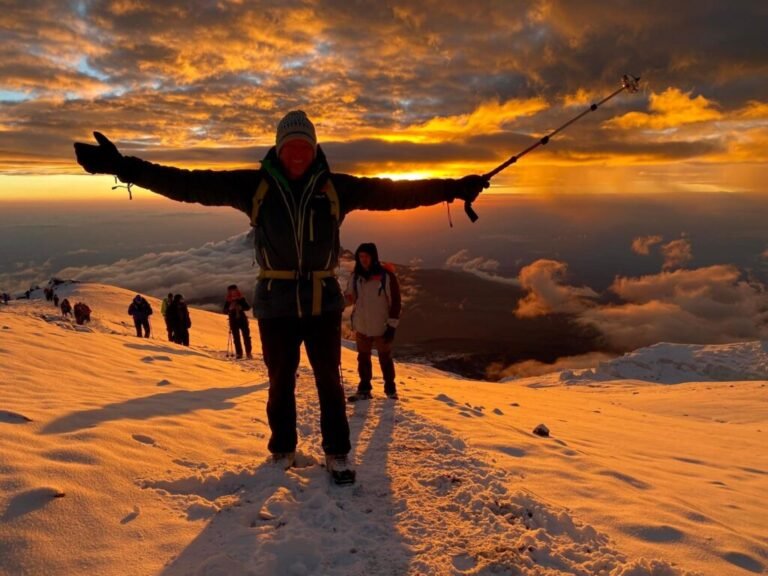
July 4Th Kilimanjaro Climb – Your Us Independence Holiday Trek 2027
Climb Kilimanjaro over the US Independence Day holiday in 2027. This guide covers planning, routes, and what to expect for a memorable July 4th trek.
View package details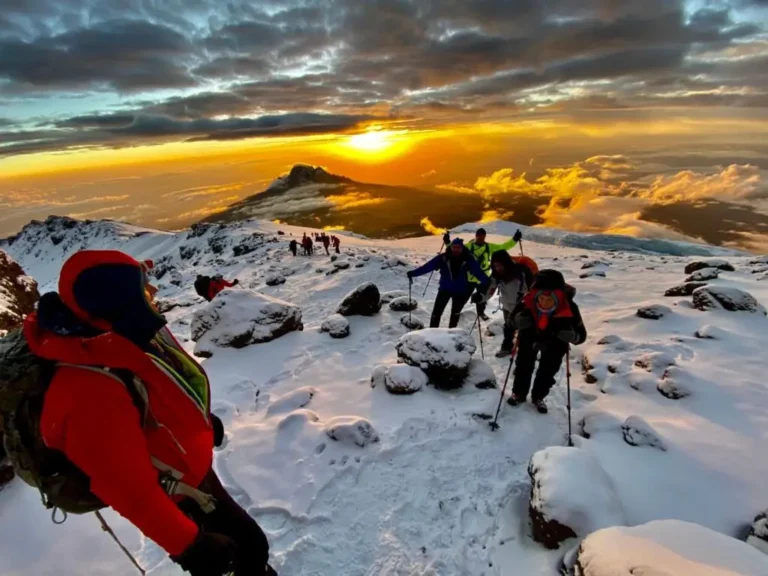
Juneteenth Kilimanjaro Climb – June Holiday Adventure 2027
Juneteenth Kilimanjaro Climb 2027 – June Holiday Adventure is explained with current 2027 planning, price, itinerary and booking information.
View package detailsKilimanjaro 5 June : Your Early Dry-Season Group Departure Adventure 2027
Planning a Kilimanjaro climb for June 2027? This departure on June 5th offers a prime opportunity to tackle Africa's highest peak at the beginning of the dry season. Discover why this...
View package detailsNo related package matches those filters. Clear one or more filters to see the other topic-matched options.



