
The Kilimanjaro Paragliding Hike & Fly Expedition is an extreme adventure combining a trek to Uhuru Peak with a tandem paragliding descent, offering a unique way to experience Kilimanjaro’s grandeur. This expedition is for highly experienced trekkers and paragliding enthusiasts looking for an extraordinary challenge, typically involving a 7-10 day climb followed by a paragliding flight from a suitable high-altitude point near the summit, weather permitting. Planning for 2026-2027 requires careful consideration of fitness, paragliding experience, specialized gear, and expert guiding to ensure safety and success.
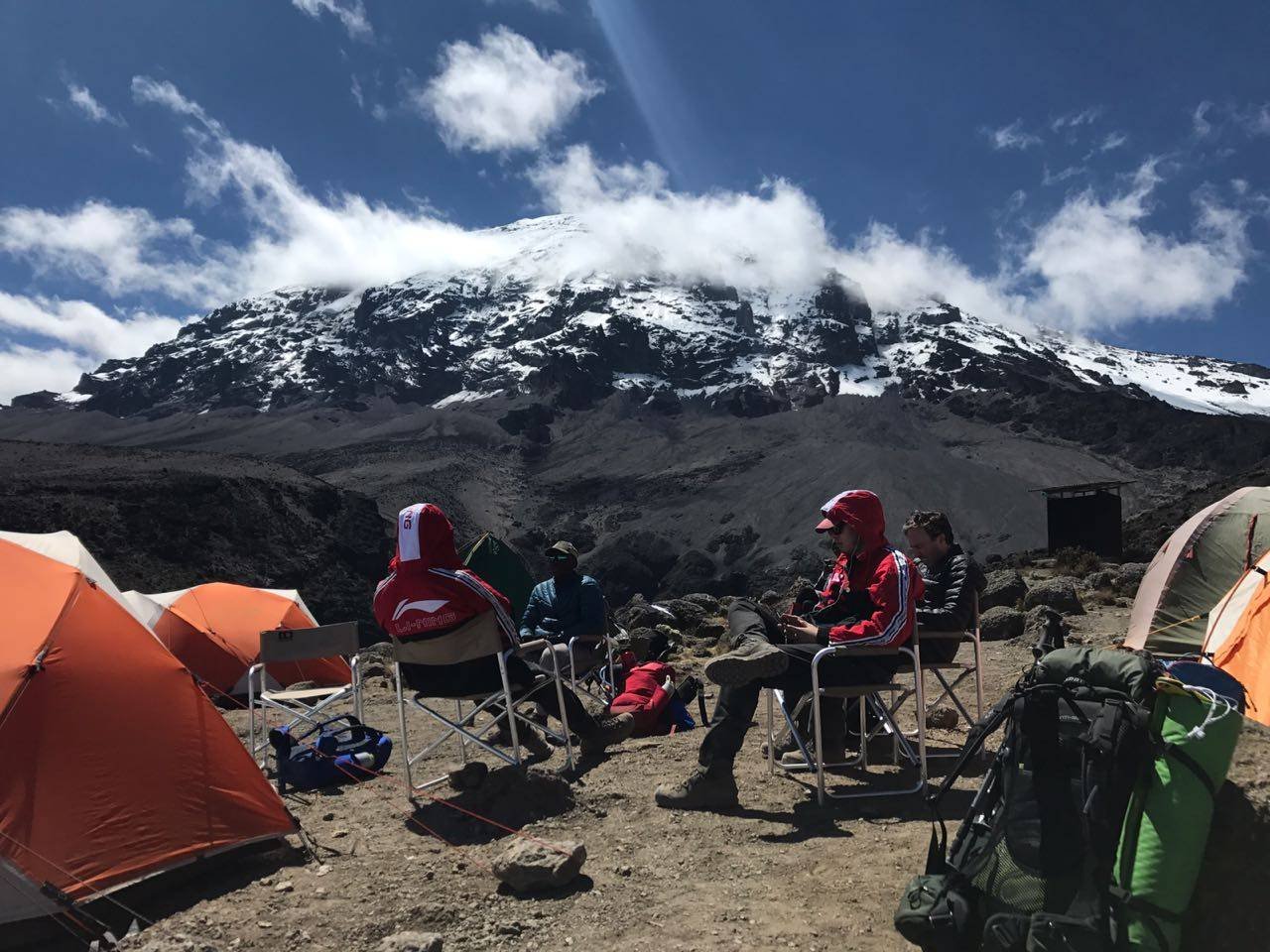
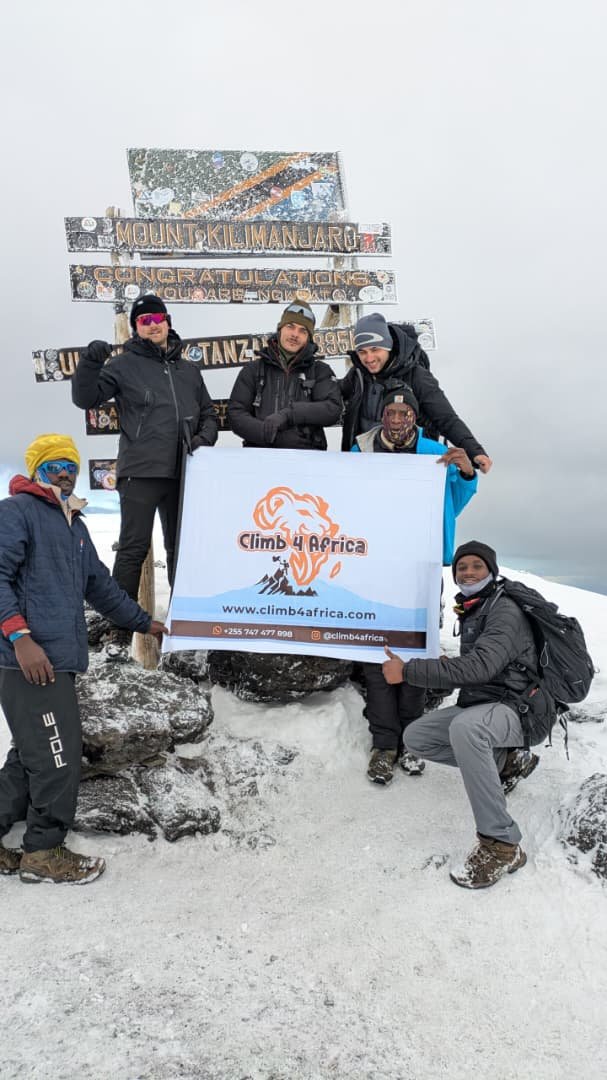
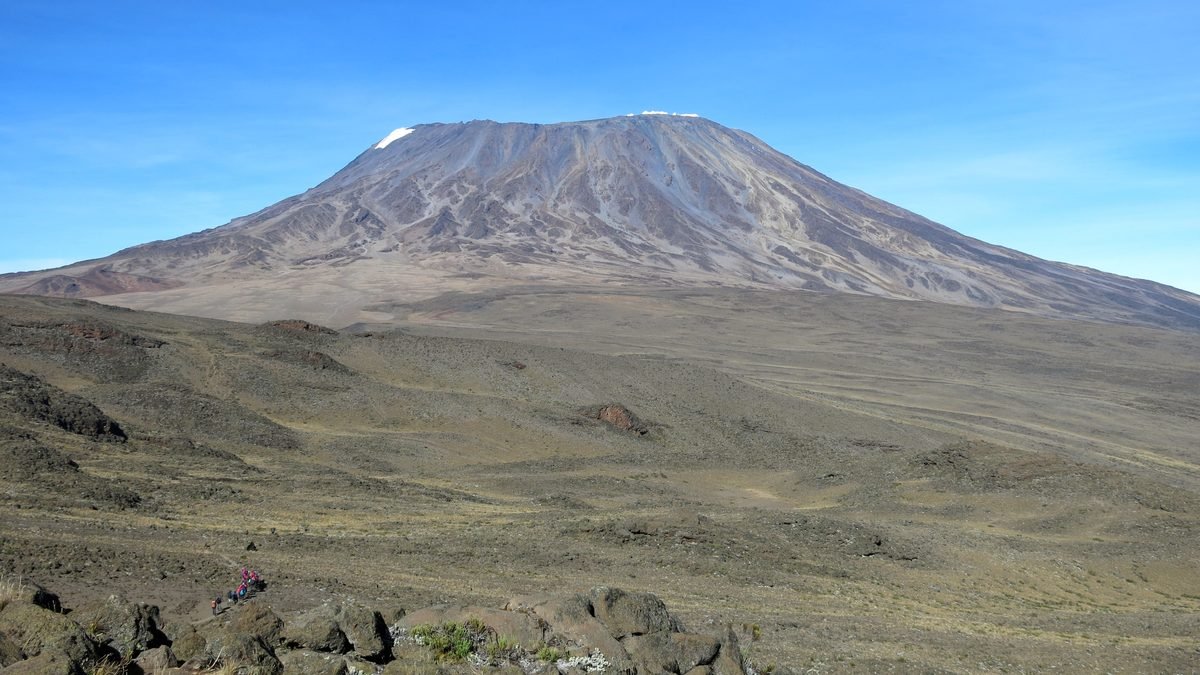

The Ultimate Kilimanjaro Paragliding Hike & Fly Expedition: A Comprehensive Guide
The call of Kilimanjaro is strong for many adventurers. It’s the highest freestanding mountain in the world, the highest peak in Africa, and a UNESCO World Heritage Site. But for a select few, the traditional trek to Uhuru Peak isn’t quite enough. They seek an experience that pushes boundaries, merges extreme sports with mountaineering, and offers a perspective few will ever witness. This is where the Kilimanjaro Paragliding Hike & Fly Expedition comes in – a daring fusion of climbing the Roof of Africa and then soaring from its heights.
This isn’t your average Kilimanjaro climb. It’s an expedition that demands not only peak physical conditioning but also a high level of paragliding proficiency and a deep understanding of high-altitude flying conditions. It’s about reaching the summit, yes, but it’s also about the unparalleled thrill of launching into the sky from one of the world’s most iconic peaks. Imagine standing at 5,895 meters (19,341 feet) at Uhuru Peak, the culmination of days of challenging ascent, and then, instead of descending by foot, stepping off the edge into the vast Tanzanian sky, paraglider ready to catch the wind.
This guide aims to provide an in-depth look at what the Kilimanjaro Paragliding Hike & Fly Expedition entails. We’ll cover the unique challenges, the essential preparations, the logistical complexities, and what makes this expedition a truly special adventure. For those considering this for 2026 or 2027, understanding the nuances is paramount. This is a journey for the truly adventurous, a blend of conquering a legendary mountain and experiencing the freedom of flight.
What is the Kilimanjaro Paragliding Hike & Fly Expedition?
At its core, the Kilimanjaro Paragliding Hike & Fly Expedition is an ambitious, multi-disciplinary adventure. It marries the physical and mental fortitude required for a high-altitude mountain climb with the technical skill and daring of paragliding. The expedition typically involves:
- The Ascent: A standard Kilimanjaro trek, usually via one of the longer, more scenic routes, to reach Uhuru Peak (5,895m / 19,341ft). This part of the journey focuses on acclimatization, endurance, and navigating the diverse ecological zones of the mountain.
- The Summit Experience: Reaching the true summit of Kilimanjaro, often at sunrise, to witness the magnificent views and experience the accomplishment.
- The Descent: Instead of a typical descent by foot, the paragliding component involves a planned launch from a suitable high-altitude point near the summit. This requires specific meteorological conditions and expert piloting.
This is not a commercially standardized tour package offered by many operators. It is a highly specialized undertaking that requires a close collaboration between experienced mountaineering guides and expert paragliding pilots. The paragliding flight itself is often a tandem flight, with the client paired with a highly experienced pilot who handles the launch, flight, and landing.
The objective is to experience Kilimanjaro not just from its summit, but also from the air, providing an unparalleled perspective of the mountain’s immense scale, its surrounding landscapes, and the vastness of the Tanzanian plains below. It’s a testament to human achievement, combining the raw challenge of mountaineering with the exhilarating freedom of flight.
Who is This Expedition For?
This is a critical question, and the answer is: not for everyone. The Kilimanjaro Paragliding Hike & Fly Expedition is reserved for a very specific profile of adventurer. Potential participants must possess a unique combination of traits and experience:
Key Candidate Profile:
- Advanced Mountaineering Experience: You should be comfortable with multi-day treks at high altitudes, including summit night pushes in challenging conditions. Experience on other significant peaks is highly recommended.
- Proven Paragliding Proficiency: For the client’s safety and the feasibility of the expedition, a significant level of paragliding experience is often required. This typically means holding a recognized paragliding license (e.g., IPPI Card level 4 or higher) and having logged a substantial number of flights, including cross-country and potentially some high-altitude or alpine flying. Some operators may require tandem flights with their pilots beforehand to assess skill and comfort.
- Exceptional Physical Fitness: Beyond standard Kilimanjaro fitness, you need to be able to handle the physical demands of climbing while carrying additional paragliding gear, and to be mentally prepared for the rigors of both activities.
- High Tolerance for Risk and Uncertainty: The paragliding element is heavily dependent on weather. Conditions at high altitudes can change rapidly and unpredictably. You must be prepared for the possibility that the flight may not be possible on the planned day, or at all, and have a flexible mindset.
- Mental Fortitude: The psychological challenge of launching from a mountain summit into the air is immense. A strong mental game is as crucial as physical strength.
- Financial Capacity: This is an expensive expedition due to the specialized equipment, highly skilled personnel, and logistical complexities involved.
If you are a seasoned mountaineer looking to add an extraordinary dimension to your Kilimanjaro experience, or a paraglider seeking the ultimate flight destination, this expedition could be for you. However, if your primary goal is simply to summit Kilimanjaro, or if you have no prior paragliding experience, this particular expedition is likely not the right fit. It is an advanced, niche adventure.
Choosing the Right Kilimanjaro Route for Paragliding
The choice of climbing route is crucial for a Kilimanjaro Paragliding Hike & Fly Expedition. While standard trekking routes are designed for efficient ascent and descent, this expedition requires routes that offer not only good acclimatization and scenery but also potential launch sites near the summit that are accessible and relatively safe for paragliding operations. Several routes are considered, each with its pros and cons:
Route Considerations:
- Marangu Route (Coca-Cola Route): This is the oldest and most direct route, known for its two-hut system. While it’s popular, it offers less scenic variety and a faster ascent, which is not ideal for acclimatization. Crucially, it lacks obvious or practical launch sites for paragliding near the summit. Its direct descent path is also less conducive to safe landing zones. Generally not recommended for paragliding expeditions.
- Machame Route (Whiskey Route): This is one of the most popular routes, known for its excellent acclimatization profile and stunning scenery as it traverses the southern circuit. It offers varied terrain and good summit success rates. While it reaches Stella Point and then Uhuru Peak, the descent path and the immediate vicinity of the summit might not offer ideal launch points due to exposure and terrain. However, with expert reconnaissance, specific points might be identified.
- Lemosho Route: Similar to Machame, Lemosho offers superb acclimatization and impressive views, particularly as it enters the Shira Plateau. It’s longer and more remote, providing a more in-depth wilderness experience. The varied terrain and access points could potentially offer more suitable launch areas further along the western or northern slopes, depending on wind conditions.
- Shira Route: This route starts at a higher altitude than Lemosho, offering quicker access to the Shira Plateau. It’s also known for its dramatic scenery. However, starting higher can sometimes compromise acclimatization for some climbers. Its western approach might offer some advantages for identifying launch sites.
- Northern Circuit: This is the longest route, offering the highest acclimatization profile and a unique circumnavigation of the mountain. This extended time on the mountain increases acclimatization and allows for a more thorough assessment of potential launch sites. It offers access to different aspects of the mountain, potentially providing more options for launch depending on prevailing wind directions. This route is often considered the most suitable for complex expeditions like paragliding due to its duration and varied approach.
- Rongai Route: Approaching from the north, Rongai is drier and less scenic than southern routes. It offers good acclimatization but is generally considered less suitable for paragliding due to limited access to the main summit areas and the nature of its descent path.
The ideal route for a Kilimanjaro Paragliding Hike & Fly Expedition would likely be the Northern Circuit or a modified Lemosho/Machame route. These routes provide longer durations for acclimatization, more diverse terrain for scouting potential launch sites, and potentially better access to areas suitable for paragliding launches and safe landings. The expedition team, comprising both climbing and paragliding experts, will conduct thorough site surveys to identify the most viable launch points, which are often not on the direct summit cone but on adjacent ridges or slopes accessible from the summit area, depending on wind direction and strength. The launch site must be free from immediate obstructions and offer a clear path into the air.
Paragliding Specifics: Requirements and Logistics
The paragliding aspect of this expedition is where it truly distinguishes itself and introduces significant complexities. It’s not simply about reaching the summit and then deciding to fly; it’s a meticulously planned operation.
Key Paragliding Requirements & Logistics:
- Pilot Qualifications: The paragliding pilot (whether tandem or solo if the client is also a pilot) must possess extensive experience in high-altitude, alpine, and potentially cross-country paragliding. They need to understand mountain weather patterns, turbulent air, and emergency procedures specific to this environment. For tandem flights, the pilot is paramount for safety.
- Client’s Paragliding Experience: If the client intends to fly solo (highly unlikely and not recommended for most), they need a valid pilot license (e.g., IPPI 5 or higher) and significant logged hours. For tandem flights, while formal piloting skills aren’t required, a good level of comfort with heights, an adventurous spirit, and ideally some previous tandem paragliding experience (even at lower altitudes) are beneficial. The client must trust their tandem pilot implicitly.
- Equipment:
- Paraglider: A suitable wing designed for high altitude and potentially carrying the weight of two people (for tandem).
- Harness: A comfortable and secure harness, possibly with an airbag or foam protection.
- Reserve Parachute: Essential for tandem flights.
- Helmet: Mandatory for both pilot and passenger.
- Communication: Radio communication between the pilot, client, and ground support is vital.
- GPS/Navigation: For tracking the flight and guiding the landing.
- Client’s Paragliding Gear (if applicable): If the client is flying solo, they bring their own certified gear. For tandem, the pilot provides all necessary equipment.
- Weather Dependency: This is the single biggest variable. Launching from Kilimanjaro requires very specific wind conditions: sufficient but not excessive wind speed, acceptable wind direction for launch and flight, minimal turbulence, and clear airspace. Conditions at 5,000m+ can be drastically different from ground level and change in minutes.
- Launch Site Selection: Identifying a suitable launch site near the summit is critical. It needs to be accessible from Uhuru Peak, have a clear takeoff area, and be safe to access with equipment. This often involves scouting during the ascent.
- Landing Zone: A pre-identified, safe, and accessible landing zone on the plains below must be established. This requires communication with ground support who will be waiting at the LZ.
- Ground Support: A dedicated ground crew is essential. They will manage the landing zone, provide transport from the LZ, and potentially assist with equipment transport during the climb.
- Permits and Permissions: While standard climbing permits are required, specific permissions for paragliding operations may be needed from park authorities. This is often handled by the specialized tour operator.
- Contingency Planning: What happens if the weather is unsuitable on the planned launch day? The expedition must have alternative plans, including potentially delaying the flight, returning to a lower altitude to wait, or accepting that the flight may not be possible.
The logistics are complex, involving coordination between the climbing crew, the paragliding pilot(s), ground support, and potentially park officials. This is why such expeditions are rare and typically managed by highly experienced, specialized operators who understand both mountaineering and aviation safety.
Climbing Preparation: Fitness and Acclimatization
The climbing component of the Kilimanjaro Paragliding Hike & Fly Expedition is as demanding as any standard Kilimanjaro climb, if not more so, due to the added considerations for carrying paragliding equipment (if applicable for the client) and the mental focus required for the subsequent flight.
Fitness for the Climb:
- Cardiovascular Endurance: Engage in regular aerobic activities like hiking, running, cycling, or swimming for at least 4-5 days a week. Focus on long-duration activities (1-2 hours) to build stamina.
- Strength Training: Focus on leg strength (squats, lunges, calf raises) and core strength. A strong core helps with balance and stability, especially when carrying a pack.
- Hiking with a Pack: Train by hiking with a weighted backpack (5-10 kg / 10-20 lbs) to simulate carrying your gear. This is crucial for comfort and endurance on the mountain.
- Altitude Simulation (if possible): While difficult to replicate, using altitude training masks or visiting high-altitude areas for training hikes can be beneficial.
- Mental Preparedness: Visualize the climb, understand the challenges, and develop coping strategies for discomfort and fatigue.
Acclimatization Strategy:
Proper acclimatization is non-negotiable for summiting Kilimanjaro safely and successfully. The principle is ‘climb high, sleep low’, and longer routes facilitate this better. For a paragliding expedition, extended acclimatization is even more critical:
- Route Choice: As discussed, longer routes like the Northern Circuit (9-10 days) or Machame/Lemosho (7-8 days) are preferred over shorter ones. These routes allow the body more time to adapt to decreasing oxygen levels.
- Pacing: The mantra “pole pole” (slowly, slowly) is vital. Maintain a slow, steady pace throughout the trek, especially on summit night. Avoid overexertion.
- Hydration: Drink plenty of fluids (3-4 liters per day). Water, herbal teas, and electrolyte drinks are recommended.
- Nutrition: Eat well-balanced meals. High-carbohydrate diets are beneficial at altitude.
- Monitoring Symptoms: Be aware of the signs of Acute Mountain Sickness (AMS), such as headache, nausea, dizziness, and fatigue. Communicate any symptoms to your guide immediately. Your guide will monitor you and make decisions regarding your ascent.
- Medication: Discuss Diamox (acetazolamide) with your doctor. It can aid acclimatization but is not a substitute for proper ascent profiles and hydration.
For the paragliding element, being well-acclimatized ensures you are physically and mentally capable of handling the launch and flight, even if it occurs at high altitude shortly after summiting. A poorly acclimatized climber will struggle with the physical exertion and the mental clarity needed for the flight.
Essential Gear: For Climbing and Flying
Packing for a Kilimanjaro Paragliding Hike & Fly Expedition requires a dual approach, covering both the rigorous demands of high-altitude trekking and the specific needs of paragliding.
Climbing Gear:
- Boots: Broken-in, waterproof, insulated hiking boots.
- Socks: Wool or synthetic hiking socks (multiple pairs).
- Base Layers: Moisture-wicking thermal underwear (merino wool or synthetic).
- Mid Layers: Fleece jacket or down vest for insulation.
- Outer Layer: Waterproof and windproof jacket and trousers (Gore-Tex or similar).
- Insulated Jacket: A warm down or synthetic puffy jacket for cold evenings and summit night.
- Headwear: Warm hat covering ears, sun hat, balaclava or neck gaiter.
- Gloves: Warm, waterproof gloves or mittens, plus liner gloves.
- Backpack: A comfortable daypack (25-35 liters) for daily essentials.
- Sleeping Bag: A 4-season sleeping bag rated to at least -10°C (0°F).
- Trekking Poles: Highly recommended for stability and reducing strain on knees.
- Headlamp: With extra batteries.
- Water Bottles/Hydration Reservoir: Minimum 3 liters capacity.
- Sunscreen & Lip Balm: High SPF.
- Sunglasses: UV protection.
- Toiletries: Personal items, including wet wipes and hand sanitizer.
- First-Aid Kit: Personal medications and basic supplies.
Paragliding Gear (for client if flying solo, or for tandem pilot):
- Paraglider Wing: Suitable for high altitude and weight.
- Harness: Comfortable, secure, with potential airbag.
- Reserve Parachute: Essential.
- Helmet: Certified, protective.
- Flight Suit/Warm Clothing: For warmth during flight.
- Gloves: Lighter, dexterous gloves for piloting.
- Boots: Sturdy, suitable for landing.
- Radio: For communication.
- GPS Device: For tracking and navigation.
- Camera/GoPro: For capturing the experience (ensure secure mounting).
Important Note on Client Gear: If you are participating in a tandem flight, the paragliding pilot will provide all the essential flying equipment. Your primary focus will be on your climbing gear. However, you’ll need appropriate clothing for the flight itself, which will be warmer than standard trekking attire due to altitude and potential wind chill. Your expedition operator will provide a detailed packing list tailored to your specific expedition and the paragliding component. Confirm exactly what gear you need to bring and what will be provided.
Expedition Logistics and Support
The success and safety of a Kilimanjaro Paragliding Hike & Fly Expedition hinge on meticulous logistical planning and robust support systems. This is far more complex than a standard trek.
Key Logistical Elements:
- Specialized Operator: Partnering with a tour operator that has proven experience in both high-altitude trekking and aviation operations (like paragliding) is paramount. They will coordinate all aspects.
- Guide Team: You’ll have experienced mountain guides for the climb, and crucially, at least one highly experienced paragliding pilot who understands the mountain environment. The climbing guides must be briefed on the paragliding plan and potential delays.
- Equipment Transport: If the client is bringing their own paragliding gear, arrangements must be made for its careful transport up the mountain. This is often done by dedicated porters or specialized support staff, and adds significant weight and complexity.
- Communication Systems: Reliable communication is vital. This includes satellite phones for the climbing team and radios for the paragliding pilot and ground crew. Establishing communication protocols is key.
- Ground Support: A dedicated team at the designated landing zone is non-negotiable. They will monitor the flight, guide the pilot in if necessary, and be ready to assist immediately upon landing.
- Transportation: Pre-arranged transport from the landing zone back to your accommodation or next destination is essential.
- Contingency & Flexibility: The entire itinerary must be flexible. Weather can force changes, delays, or cancellations of the paragliding flight. The operator must have contingency plans for this, including potential alternative days or refund policies for the paragliding component.
- Park Permits & Regulations: Ensuring all necessary permits for climbing and any special permissions for paragliding operations are secured is the responsibility of the operator.
Booking with a reputable operator like Climb 4 Africa is crucial. They understand the intricacies of Kilimanjaro expeditions and can liaige with specialized paragliding professionals to manage the complex coordination required for this unique adventure. When inquiring, be sure to ask about their specific experience with paragliding expeditions and the detailed support structure they provide.
Safety First: Mitigating Risks on Kilimanjaro
Safety is the absolute priority for any Kilimanjaro expedition, and for a paragliding hike & fly, the stakes are amplified. A multi-layered approach to risk mitigation is essential.
Key Safety Considerations:
- Experienced Guides and Pilots: Employing certified, experienced guides for the climb and exceptionally skilled, reputable paragliding pilots is the first line of defense.
- Thorough Pre-Expedition Checks: This includes health checks for participants, gear inspections for both climbing and flying equipment, and a detailed review of the paragliding pilot’s qualifications and insurance.
- Weather Monitoring: Continuous monitoring of weather forecasts from multiple sources is critical. Decisions to launch must be based on real-time conditions and expert judgment, not just wishful thinking.
- Acclimatization Protocols: Strict adherence to acclimatization guidelines to prevent AMS is vital. Guides must be empowered to make decisions about a climber’s health, even if it means turning them back.
- Emergency Procedures: Having well-rehearsed emergency plans for both climbing (e.g., evacuation routes, oxygen supply) and paragliding (e.g., rescue procedures, emergency landing protocols) is essential.
- Communication: Reliable communication between all team members (climbers, guides, pilot, ground crew) is crucial for coordinating efforts and responding to emergencies.
- Equipment Maintenance: All paragliding equipment must be in perfect condition, regularly inspected, and certified.
- Risk Assessment: A comprehensive risk assessment should be conducted for all phases of the expedition, from the climb to the launch, flight, and landing.
- Client Awareness: Participants must be fully aware of the risks involved, including the possibility of flight cancellation due to weather, and the inherent dangers of high-altitude paragliding.
The decision to launch the paraglider rests solely with the experienced paragliding pilot and expedition leader. They will assess conditions and make the call. If conditions are not perfect, the flight will be postponed or cancelled. It’s crucial for participants to understand and accept this, prioritizing safety above all else. For planning in 2026-2027, ensure your chosen operator has a robust safety record and clearly outlines their safety protocols.
When to Go: Timing Your Kilimanjaro Paragliding Expedition
Choosing the right time of year is paramount for both climbing Kilimanjaro and for the paragliding component. Kilimanjaro has two main climbing seasons, characterized by drier weather:
- January to March: Generally a good season, with warm temperatures and clear skies. This period can be excellent for paragliding as well, though occasional rain showers can occur.
- June to October: This is the longest and most popular dry season. It offers cooler temperatures but very stable weather, making it ideal for both climbing and flying. This is often the preferred window for paragliding expeditions due to the predictability of conditions.
The shoulder seasons (April-May and November) are characterized by higher rainfall and are generally not recommended for expeditions of this complexity, as weather conditions can be highly unpredictable and hazardous for paragliding.
Crucially, for a paragliding element, you need stable, predictable weather windows. This often means aiming for the heart of the dry seasons, particularly June to October. Even within these seasons, specific weather patterns can emerge. The paragliding pilot will need to monitor forecasts closely. For 2026-2027 planning, consider these prime windows. Flexibility is key; you might need to adjust your summit day or launch day slightly based on the forecast.
Planning Your 2026-2027 Expedition
Embarking on a Kilimanjaro Paragliding Hike & Fly Expedition for 2026 or 2027 requires significant lead time and detailed planning. This is not a trip you can book a few months in advance.
Key Planning Steps:
- Research Operators: Identify specialized operators with proven experience in this niche. Look for those who can demonstrate successful paragliding expeditions on Kilimanjaro or similar high-altitude environments.
- Consultation: Engage in detailed consultations with potential operators. Discuss your paragliding experience, fitness levels, and expectations thoroughly.
- Itinerary Customization: Work with the operator to customize an itinerary that balances optimal acclimatization for climbing with the best opportunities for paragliding, considering the chosen route and launch/landing sites.
- Training and Preparation: Begin your physical training well in advance (6-12 months out). If you are a paraglider, ensure you are current and proficient. Consider specific high-altitude flying courses if possible.
- Gear Acquisition: Start acquiring specialized gear. If you are flying tandem, confirm what gear you need for the flight itself (warm layers, suitable boots) and ensure your climbing gear is comprehensive and in good condition.
- Visa and Vaccinations: Research visa requirements for Tanzania and consult your doctor about necessary vaccinations and malaria prophylaxis well in advance.
- Travel Insurance: Ensure you have comprehensive travel insurance that covers high-altitude trekking, mountaineering, and adventure sports like paragliding, including emergency evacuation. This is non-negotiable.
- Booking Window: For a complex expedition like this, booking at least 12-18 months in advance is highly recommended for 2026-2027. This allows operators to secure necessary permits, specialized personnel, and coordinate logistics.
Climb 4 Africa specializes in creating bespoke Kilimanjaro adventures. For an expedition of this magnitude, they can help coordinate the specialized paragliding requirements and ensure your climb is tailored for success. Starting the conversation early, perhaps by reaching out for a consultation regarding your 2026 or 2027 plans, is the best first step.
Booking Your Kilimanjaro Paragliding Hike & Fly Expedition
Securing your spot on a Kilimanjaro Paragliding Hike & Fly Expedition requires careful selection of your expedition partner. Given the specialized nature of this adventure, not all tour operators can facilitate it. You need a company with deep expertise in both mountaineering and the logistics of adventure aviation.
Booking Considerations:
- Operator Specialization: Prioritize operators who explicitly offer and have a track record with paragliding expeditions on Kilimanjaro or similar challenging environments.
- Detailed Itinerary: Request a detailed itinerary that outlines the climbing schedule, acclimatization strategy, and the plan for the paragliding element, including contingency days.
- Inclusions and Exclusions: Clearly understand what is included (e.g., guides, porters, park fees, meals, accommodation, paragliding pilot fees, tandem flight) and what is excluded (e.g., international flights, visas, tips, personal gear, travel insurance).
- Safety Protocols: Inquire about their safety management systems, emergency procedures, and the qualifications of their guides and paragliding pilots.
- Cost: This expedition will be significantly more expensive than a standard Kilimanjaro climb. Understand the pricing structure and what justifies the cost (specialized personnel, equipment, complex logistics, risk management). Expect costs to be in the range of $6,000 – $10,000+ USD per person, depending on the operator, duration, and inclusions for 2026-2027.
- Deposit and Payment Schedule: Understand the deposit requirements and final payment deadlines. For complex expeditions, these may be earlier than for standard treks.
Climb 4 Africa excels in crafting unique and challenging Kilimanjaro adventures. Their expertise in tailor-made expeditions means they can help you navigate the complexities of a Kilimanjaro Paragliding Hike & Fly Expedition. To start planning your extraordinary journey for 2026 or 2027, get in touch with their expert team.
Contact Climb 4 Africa today to discuss your dream Kilimanjaro Paragliding Hike & Fly Expedition:
WhatsApp: +255 747 477 898
Email: climb4africa@gmail.com
Share your vision, your experience level, and your desired timeframe (e.g., for 2026 or 2027), and they will guide you through the planning process to make this incredible adventure a reality.
“,
“faq_schema”: [
{
“question”: “What is the Kilimanjaro Paragliding Hike & Fly Expedition?”,
“answer”: “It’s an extreme adventure combining a trek to Uhuru Peak on Kilimanjaro with a tandem paragliding descent, offering a unique aerial perspective of the mountain and surrounding landscape. It requires significant mountaineering and paragliding experience.”
},
{
“question”: “Who is this expedition suitable for?”,
“answer”: “This expedition is for highly experienced mountaineers with advanced paragliding skills or those comfortable undertaking a tandem flight with an expert pilot. It demands exceptional fitness, a high tolerance for risk, and mental fortitude.”
},
{
“question”: “What is the best route on Kilimanjaro for paragliding?”,
“answer”: “Longer routes like the Northern Circuit or Machame/Lemosho are generally preferred for better acclimatization and potential launch site access. The expedition team will scout for suitable takeoff and landing zones.”
},
{
“question”: “What are the paragliding requirements?”,
“answer”: “If flying solo, advanced pilot certification (e.g., IPPI 5+) is needed. For tandem flights, the client needs to be comfortable with heights and trusting of the experienced tandem pilot. All participants require appropriate flying gear and helmets.”
},
{
“question”: “How much does a Kilimanjaro Paragliding Hike & Fly Expedition cost?”,
“answer”: “Costs are significantly higher than a standard climb due to specialized personnel and logistics. Expect prices to range from approximately $6,000 to $10,000+ USD per person for 2026-2027 expeditions, depending on the operator and inclusions.”
},
{
“question”: “When is the best time to plan this expedition for 2026-2027?”,
“answer”: “The dry seasons, particularly June to October, offer the most stable weather conditions favorable for both climbing and paragliding. January to March is also a good option, though potentially with more rain showers.”
},
{
“question”: “What safety measures are in place?”,
“answer”: “Safety relies on experienced guides and pilots, thorough equipment checks, continuous weather monitoring, strict acclimatization protocols, robust emergency plans, and reliable communication systems. The decision to launch is always weather-dependent and made by experts.”
},
{
“question”: “How far in advance should I book?”,
“answer”: “Due to the specialized nature and complex logistics, booking at least 12-18 months in advance for 2026 or 2027 is highly recommended to secure permits, specialized personnel, and ensure comprehensive planning.”
}
]
}
“`
Check Availability for Kilimanjaro Paragliding Hike & Fly Expedition, Climb Uhuru Peak & 2026-2027
Ready to compare dates, prices, and the best option for your group? Send the package name and travel month so the team can reply with a clear quote, availability, and what is included.
Kilimanjaro Climb July – Peak Dry-Season Group Departures 2027
Kilimanjaro Climb July 2027 – Peak Dry-Season Group Departures is explained with current 2027 planning, price, itinerary and booking information.
View package details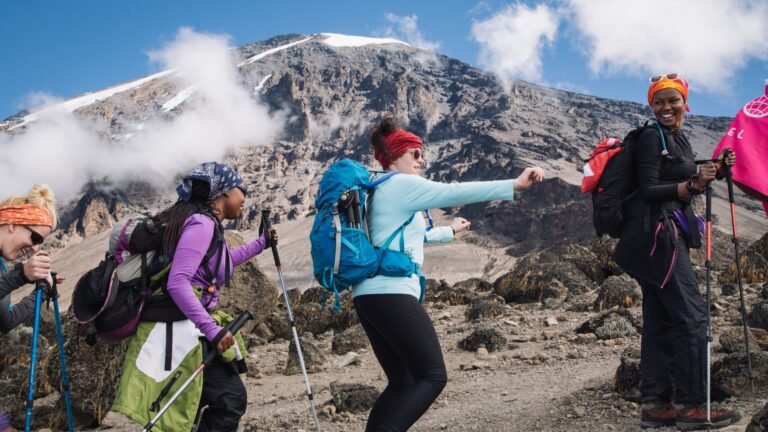
Uk August Bank Holiday Kilimanjaro Climb : Your Peak Season Adventure 2027
Planning a UK August Bank Holiday Kilimanjaro Climb in 2027 offers a prime opportunity to ascend Africa's highest peak during a favourable season. This guide details how to make the most of...
View package details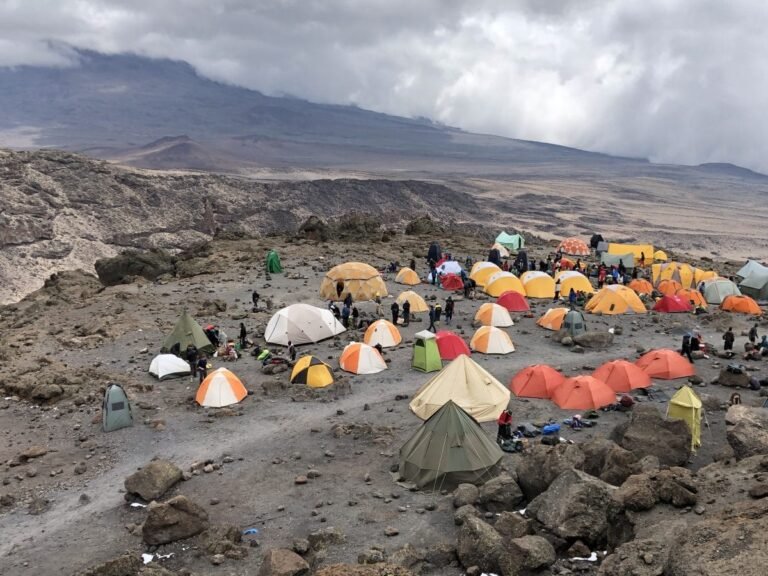
Kilimanjaro Climb August : Peak Season Dates And Availability Guide 2027
August marks the heart of Kilimanjaro's dry season, offering excellent climbing conditions. This guide details peak season dates, availability, and what to expect for a successful...
View package detailsKilimanjaro 31 July – To August Peak Season Climb 2027
Kilimanjaro 31 July 2027 – July to August Peak Season Climb is explained with current 2027 planning, price, itinerary and booking information.
View package details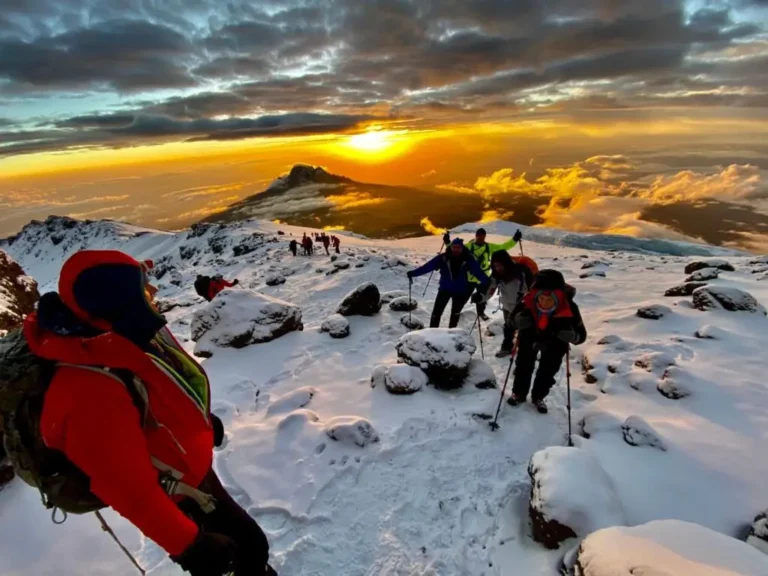
Marangu Route – 26 June Kilimanjaro Group Climb 2027
Marangu Route – 26 June 2027 Kilimanjaro Group Climb is explained with current 2027 planning, price, itinerary and booking information.
View package details8 Day Lemosho Route – 20 February Kilimanjaro Departure With Climb 4 Africa
This article details the 8-day Lemosho Route Kilimanjaro climb scheduled for February 20, 2027, focusing on planning, itinerary, and what makes this departure a unique opportunity with...
View package details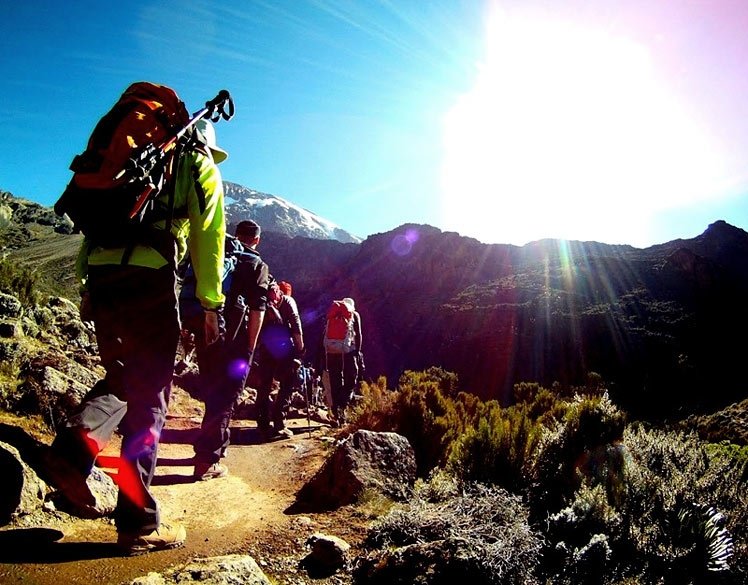
Kilimanjaro Climb February – Dry Season Groups And Availability 2027
Kilimanjaro Climb February 2027 – Dry Season Groups and Availability is explained with current 2027 planning, price, itinerary and booking information.
View package detailsLemosho Route – 7 August Summer Group Climb: Your Kilimanjaro Adventure 2027
start a memorable Lemosho Route – 7 August 2027 Summer Group Climb up Mount Kilimanjaro. This guide covers the itinerary, acclimatization, and preparation for your ascent.
View package detailsFamily Kilimanjaro Climb August : Your Summer Holiday Adventure 2027
start an unforgettable Family Kilimanjaro Climb during August 2027. This guide covers the best routes, essential planning, and tips for a successful summer holiday ascent.
View package details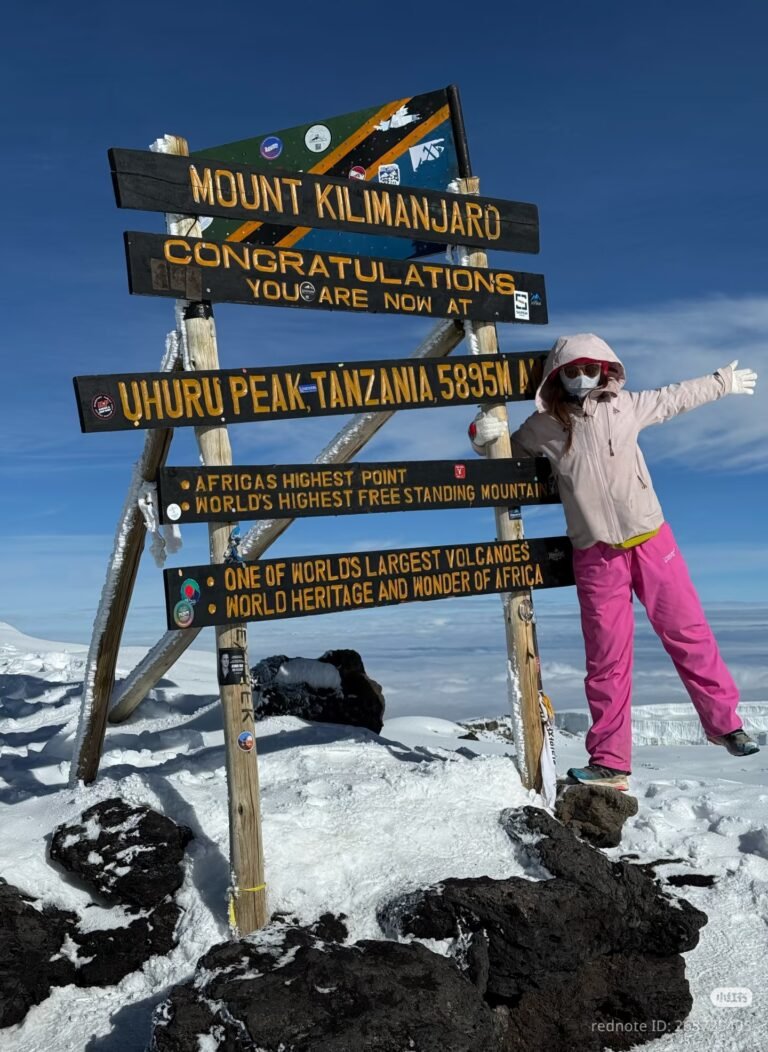
Kilimanjaro And Great Migration Safari August : Your Peak Season Adventure
Plan your ultimate Tanzanian adventure in August 2027, combining a Kilimanjaro climb with the spectacle of the Great Migration. This guide details the best timings, routes, and safari...
View package detailsLemosho Route – 28 August Kilimanjaro Group Climb 2027
Lemosho Route – 28 August 2027 Kilimanjaro Group Climb is explained with current 2027 planning, price, itinerary and booking information.
View package detailsKilimanjaro Full Moon Climb August – Summit Around 17 2027
start an unforgettable Kilimanjaro Full Moon Climb in August 2027, targeting a impressive summit on or around August 17th. This guide covers optimal routes, August conditions, and essential...
View package detailsNo related package matches those filters. Clear one or more filters to see the other topic-matched options.



