
A Kilimanjaro Glacier & Crater Geology Expedition focuses on exploring the unique volcanic landscape and remaining ice fields of Africa’s highest peak, offering a deep look at its geological history and summit environment, distinct from standard treks. This specialized journey prioritizes understanding the mountain’s formation, the impact of its glaciers, and the dramatic crater features, typically requiring a longer itinerary and specific acclimatization to safely reach the summit area and observe these geological wonders, with planning for 2026-2027 expeditions now underway.
This page is dedicated to the profound geological journey of Kilimanjaro, specifically designed for those who wish to understand and witness the magnificent volcanic processes and glacial remnants that define Africa’s Roof of the World. Beyond the typical trek to Uhuru Peak, a Kilimanjaro Glacier & Crater Geology Expedition offers an in-depth look at the forces that shaped this colossal stratovolcano and the delicate ecosystems it harbors. Whether you are planning for 2026 or 2027, this guide will equip you with the knowledge to prepare for an unparalleled adventure.
Understanding Kilimanjaro’s Volcanic Genesis
Kilimanjaro is not just a mountain; it’s a dormant volcano that stands as a testament to immense geological power. Its formation is a complex story spanning hundreds of thousands of years, involving multiple volcanic cones and eruptions. Understanding this genesis is key to appreciating the expedition’s focus on its geology.
The Three Cones: Shira, Kibo, and Mawenzi
Kilimanjaro is composed of three distinct volcanic cones, each with its own geological history and characteristics:
- Shira Cone: The oldest and westernmost cone, Shira’s summit plateau is now a caldera, eroded over time. It forms the Shira Ridge, a dramatic horseshoe-shaped ridge that provides stunning views and a unique hiking experience on some routes. Geologically, Shira represents the earliest phase of Kilimanjaro’s volcanic activity. Its lava flows are older and more weathered than those of Kibo and Mawenzi.
- Kibo: This is the youngest and central cone, and the one that reaches the highest point, Uhuru Peak (5,895 meters / 19,341 feet). Kibo is a classic stratovolcano, characterized by its steep slopes and the presence of its iconic glaciers and the main crater. The summit area of Kibo is where the expedition’s focus on glaciers and the crater truly comes alive.
- Mawenzi: The easternmost and third cone, Mawenzi is heavily eroded and jagged, presenting a formidable, almost alpine-like appearance. Its rugged peaks and dramatic cliffs are a result of significant erosion and collapse. While not typically part of standard climbing routes due to its technical nature, Mawenzi’s geology offers insights into the mountain’s ancient past and the powerful erosional forces at play.
Lava Flows and Rock Formations
The slopes of Kilimanjaro are a mix of ancient lava flows, ash deposits, and volcanic bombs. As you ascend, you’ll encounter different rock types, from the dark, basaltic lavas of the lower slopes to the more porous, vesicular rocks higher up. These formations tell a story of past eruptions, their intensity, and the composition of the magma. The expedition will highlight these features, explaining their origins and how they contribute to the mountain’s unique topography.
The Role of Tectonic Activity
While Kilimanjaro is a volcano, its existence is also linked to the East African Rift Valley, a major tectonic feature. The rifting process thins the Earth’s crust, allowing magma to rise and form volcanic mountains like Kilimanjaro. Understanding this broader geological context adds another layer of appreciation to the expedition.
The Majestic Glaciers of Kilimanjaro: A Disappearing Wonder
Perhaps the most poignant geological feature of Kilimanjaro, and a central element of this specialized expedition, is its shrinking glaciers. These ice fields are remnants of a cooler climate and are rapidly receding due to global warming. Witnessing them is a privilege and a stark reminder of environmental change.
Formation and Composition of the Ice Fields
The glaciers atop Kilimanjaro are fed by snowfall that accumulates over centuries. As snow compacts under its own weight, it transforms into dense ice. The main ice fields are found on the summit plateau of Kibo, surrounding the crater rim. They are primarily composed of compacted firn and glacial ice, exhibiting the characteristic blue hues of ancient, dense ice.
Key Glacial Features to Observe
On a geology-focused expedition, specific glacial features become points of interest:
- The Northern and Southern Ice Fields: These are the largest remaining bodies of ice. Their current extent and thickness are significantly reduced compared to historical records.
- The Furtwängler Glacier: Once a prominent feature, this glacier has dramatically diminished. Its observation provides a stark visual of glacial retreat.
- Crevasses and Seracs: While less common and generally smaller than on larger alpine glaciers, crevasses (cracks in the ice) and seracs (ice blocks) can be present, especially in steeper sections of the ice fields. Safety precautions are paramount when near any glacial terrain.
- Moraines: As glaciers move, they carry and deposit rock debris, forming moraines. Evidence of past glacial advances and retreats can be seen in the form of moraine ridges on the upper slopes.
The Science of Glacial Retreat
The rapid melting of Kilimanjaro’s glaciers is a critical indicator of climate change. Factors contributing to this include rising global temperatures, changes in precipitation patterns, and the mountain’s high altitude, which exposes it to intense solar radiation. This expedition offers a chance to see these changes firsthand, understanding the scientific data through direct observation.
Conservation Efforts and Future Outlook
While the expedition is focused on exploration and understanding, it’s impossible to ignore the conservation aspect. Discussions may touch upon the ongoing monitoring of the glaciers and the global efforts to mitigate climate change, which are crucial for preserving these natural wonders for future generations, including potential treks in 2027 and beyond.
Exploring Kilimanjaro’s Crater and Summit Geology
The summit of Kilimanjaro, specifically Kibo’s crater, is the culmination of the geological journey. This area is a dramatic landscape shaped by powerful volcanic forces and the harsh alpine environment.
The Main Crater (Rebmann Crater)
The large, almost perfectly circular crater at the summit of Kibo is known as the Rebmann Crater. It is approximately 2.4 kilometers (1.5 miles) in diameter and 300 meters (980 feet) deep. Standing on its rim offers a impressive view into the heart of the volcano.
Inner Cone and Ash Pit
Within the Rebmann Crater lies a smaller, younger cone. At the base of this inner cone is the Ash Pit, a spectacular volcanic feature. It’s a fumarolic area, meaning gases and steam are still emitted from vents, indicating residual volcanic heat. The Ash Pit is a vivid reminder of Kilimanjaro’s volcanic nature, even in its dormant state. The sulfurous smell and visible steam emissions are powerful sensory experiences.
Geothermal Activity and Fumaroles
The presence of fumaroles signifies ongoing geothermal activity beneath the summit. While not an active eruption, this activity heats the surrounding rocks and contributes to the unique microclimate of the crater. Expedition guides will point out these features and explain their significance in the volcano’s life cycle.
The Summit: Uhuru Peak
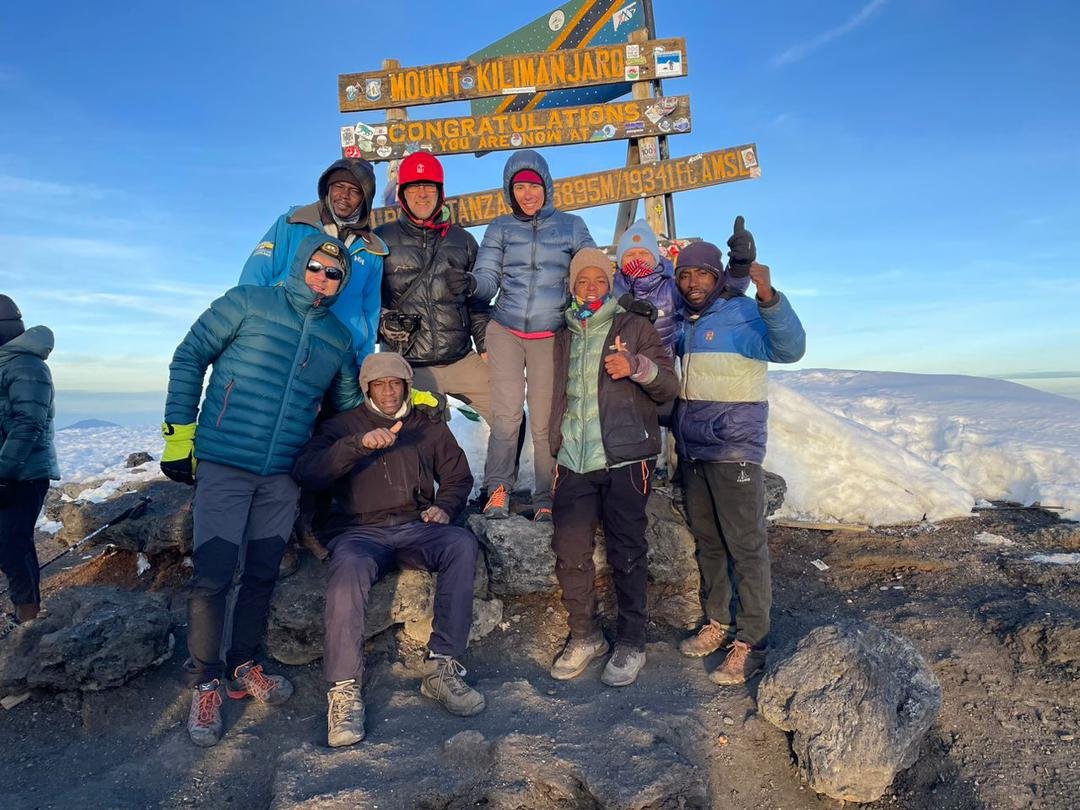
Uhuru Peak, the highest point on the crater rim, offers unparalleled panoramic views. From here, one can observe the vastness of the crater, the surrounding glaciers, and the plains of Tanzania stretching out below. The geological significance of standing at this apex, the result of millennia of volcanic activity, is profound.
Choosing the Right Route for a Geology Expedition
Not all routes up Kilimanjaro are equally suited for a geology-focused expedition. Routes that offer more time for acclimatization, traverse diverse geological zones, and provide better access to the summit crater are preferred. For 2026-2027 planning, consider these options:
Recommended Routes
- Lemosho Route: Known for its excellent acclimatization profile and stunning scenery, Lemosho traverses diverse landscapes, offering views of the Shira Plateau and varied vegetation zones. Its longer duration allows for more gradual ascent and better observation of geological changes.
- Machame Route: Often called the ‘Whiskey Route,’ Machame also boasts good acclimatization and passes through varied ecological zones. It offers spectacular views, particularly of the southern circuit and the Shira Plateau, providing ample opportunity to study rock formations and volcanic features.
- Northern Circuit: The longest route, offering the best acclimatization. It circles the mountain, providing a comprehensive view of all three volcanic cones and diverse geological strata. This route is ideal for a deep geological exploration due to its extended duration and slower pace.
Considerations for Geology Focus
- Duration: Longer routes (8-9 days) are essential. They provide the necessary time for acclimatization, reducing the risk of altitude sickness, and allow guides to dedicate more time to explaining geological features without rushing the ascent.
- Acclimatization Profile: Routes that ascend gradually and allow for ‘climb high, sleep low’ strategies are superior. This is crucial for reaching the crater and observing its geology safely.
- Scenery and Exposure: Routes that offer varied terrain, from dense rainforest to alpine desert and the volcanic summit, are more rewarding for a geology expedition. Exposure to the crater rim and glacial areas is paramount.
Routes to Approach with Caution (for Geology Focus)
- Marangu Route: While popular, its ‘huts’ style and faster ascent profile make it less ideal for a deep geological study. Acclimatization is often compromised, and the focus tends to be on reaching the summit quickly.
- Rongai Route: This route approaches from the north, offering a different perspective. While beautiful, it might not showcase the full spectrum of geological zones as comprehensively as western or southern routes.
When booking your 2026 or 2027 expedition, discuss your specific interest in geology with your tour operator. They can help tailor the itinerary, select the best route, and ensure your guide is knowledgeable about the mountain’s geological history.
Planning Your Kilimanjaro Glacier & Crater Geology Expedition (2026-2027)
Preparing for a Kilimanjaro Glacier & Crater Geology Expedition requires careful planning, distinct from a standard trek. The focus on geological understanding and the potential for more challenging summit conditions necessitates specific considerations.
Best Time to Climb
The dry seasons offer the most stable weather conditions for climbing Kilimanjaro, making them ideal for a geology expedition where visibility and safe passage are crucial. These are typically:
- January to March: Generally clear skies, good visibility for geological features. Glaciers can be more prominent.
- June to October: Another dry season, often cooler. This period is excellent for clear views of the crater and surrounding landscape.
While it’s possible to climb during the wet seasons (April-May and November-early December), conditions can be challenging, with rain, snow, and poor visibility that might obscure geological details and make the ascent more hazardous. For 2026-2027, aiming for these dry windows maximizes your chances of a successful and insightful expedition.
Physical Preparation and Acclimatization
A geology expedition often involves longer days and potentially more time spent at higher altitudes observing features. Therefore, a high level of physical fitness is essential. Focus on cardiovascular endurance, leg strength, and mental resilience.
- Cardiovascular Training: Engage in activities like hiking, running, cycling, or swimming for at least 3-4 times a week.
- Strength Training: Focus on lower body exercises like squats, lunges, and step-ups. Core strength is also important for stability.
- Hiking Practice: Undertake long hikes with a weighted backpack, ideally on varied terrain, to simulate expedition conditions.
- Altitude Acclimatization: While the route choice is primary, personal acclimatization strategies are also key. Avoid strenuous activity on arrival day, stay hydrated, and ascend slowly.
Essential Gear for a Geology Expedition
Beyond standard Kilimanjaro gear, consider items that enhance geological observation and comfort at the summit:
- Layered Clothing: Essential for fluctuating temperatures. Include thermal base layers, insulating mid-layers (fleece, down), and a waterproof/windproof outer shell.
- Sturdy Hiking Boots: Broken-in, waterproof boots with good ankle support are non-negotiable.
- Warm Accessories: Heavy-duty gloves, warm hat, balaclava, and neck gaiter are vital for the summit and crater rim.
- Sunglasses and Sunscreen: High UV protection is crucial at altitude, especially on snow and ice.
- Headlamp: A reliable headlamp with extra batteries is vital for pre-dawn summit attempts.
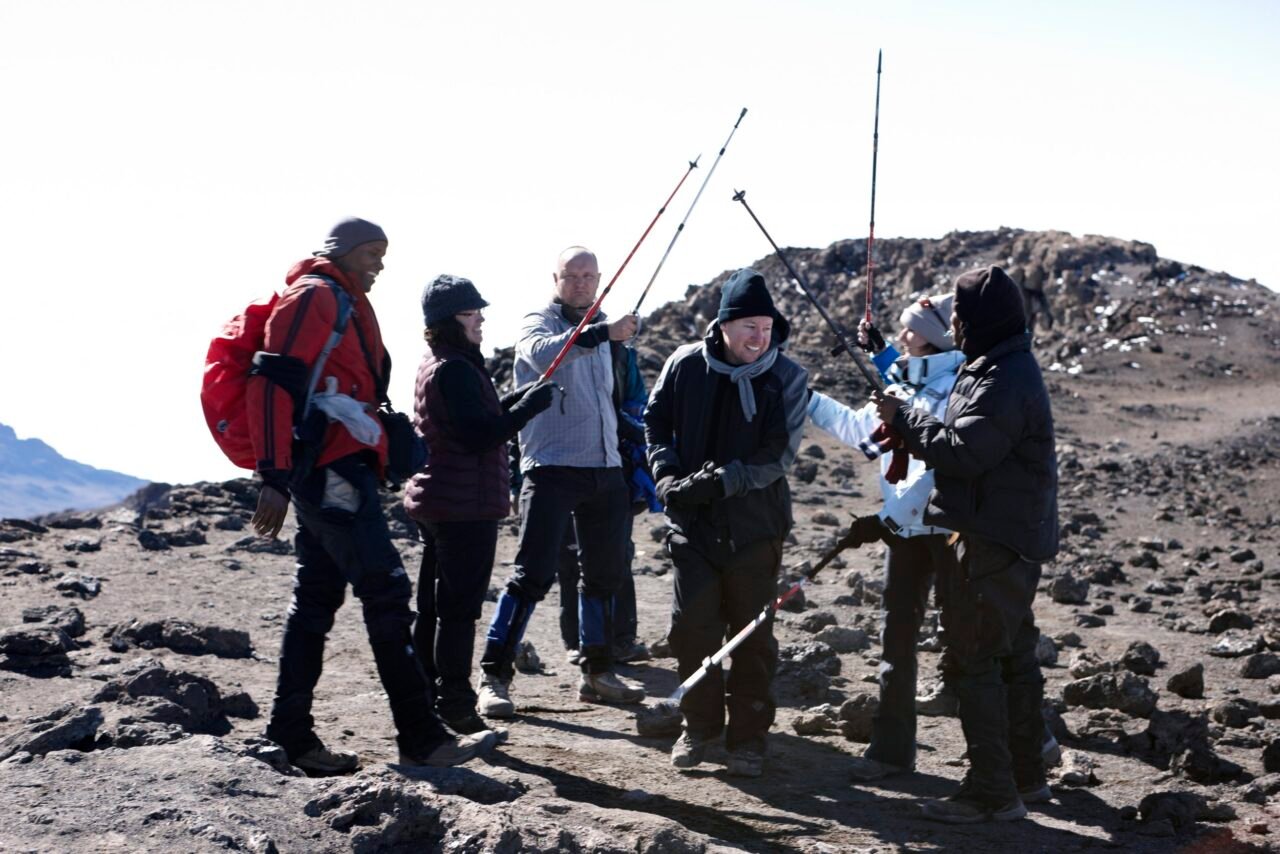
- Trekking Poles: Aid balance and reduce strain on knees, especially on descents.
- Water Bottles/Hydration System: Insulated bottles are recommended to prevent freezing.
- Camera and Binoculars: To capture and observe geological details.
- Field Guide (Optional): A small, durable field guide on East African geology or volcanic formations could enhance understanding.
Choosing a Reputable Tour Operator
Selecting the right operator is paramount for a successful and safe geology expedition. Look for companies with:
- Experienced Guides: Guides with specific knowledge of Kilimanjaro’s geology are a significant asset. They can point out features, explain their formation, and ensure safety.
- Safety Protocols: Comprehensive safety measures, including oxygen supplies, medical kits, and emergency evacuation plans.
- Ethical Practices: Fair treatment of porters and staff, and a commitment to environmental conservation.
- Logistical Excellence: Efficient organization, quality equipment, and reliable transportation.
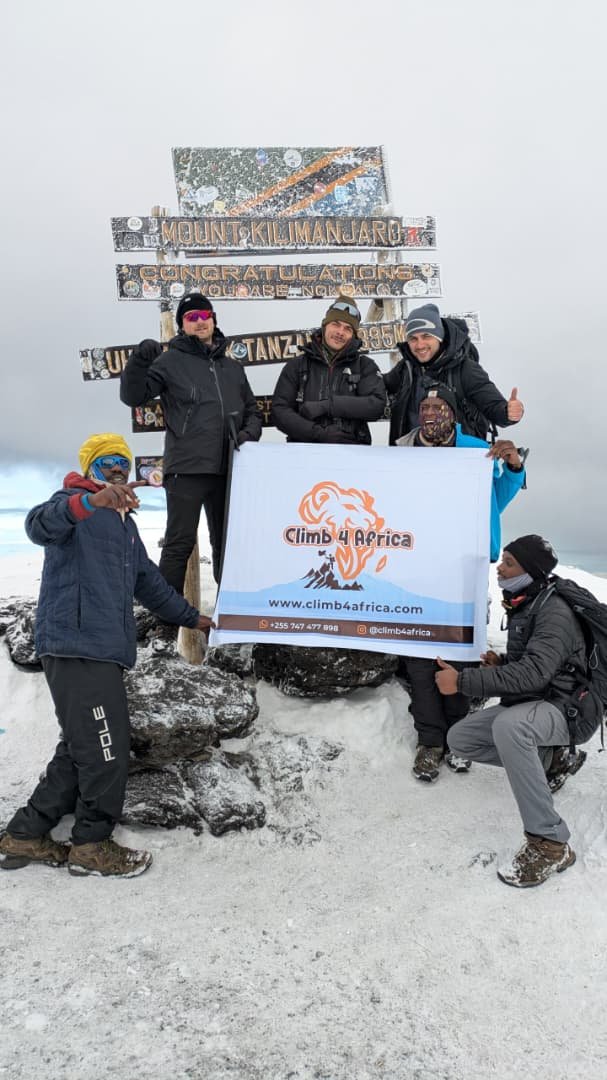
For your 2026-2027 Kilimanjaro Glacier & Crater Geology Expedition, partnering with a local expert like Climb 4 Africa ensures practical support and in-depth knowledge. Contacting them via WhatsApp +255 747 477 898 or Email climb4africa@gmail.com allows for detailed planning tailored to your geological interests.
The Expedition Experience: What to Expect
A Kilimanjaro Glacier & Crater Geology Expedition is more than just a climb; it’s an educational journey into the heart of a volcanic giant. The experience is intense, rewarding, and deeply memorable.
Daily Trekking and Observation
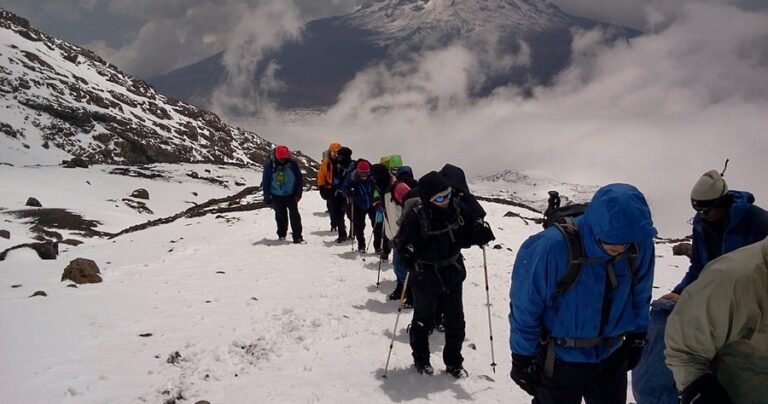
Each day presents new geological landscapes. You’ll trek through diverse ecological zones, from the lush montane forest at the base to the arid alpine desert and finally the volcanic scree and ice fields near the summit. Your guide will pause regularly to explain the rock types, erosion patterns, and volcanic history relevant to your location.
Acclimatization and Summit Night
Acclimatization is carefully managed. Days are structured to allow your body to adapt to the increasing altitude. Summit night is the most challenging part of any Kilimanjaro climb. The ascent to Uhuru Peak begins in the early hours of the morning, typically around midnight, to reach the crater rim by sunrise. This pre-dawn climb through the cold, dark, and thin air is a test of endurance, but the geological spectacle awaiting at the summit is worth every step.
Summit Day Geology: Crater Rim and Uhuru Peak
Upon reaching Stella Point on the crater rim, the view opens up to the vast Rebmann Crater. The trek along the rim to Uhuru Peak (5,895m) takes you past the iconic glaciers. This is where the expedition’s geological focus is most intense. You’ll see:
- The dramatic contours of the crater walls.
- The stark beauty of the Ash Pit and fumaroles.
- The remnants of the ancient glaciers, their ice formations, and the exposed rock beneath.
- The panoramic views that showcase the mountain’s scale and its place in the East African landscape.
Descent and Reflection
The descent is often quicker but can be tough on the knees. As you descend, you’ll retrace your steps through the ecological zones, gaining a new appreciation for the entire geological profile of the mountain. The journey down is a time for reflection on the incredible geological forces witnessed and the personal achievement.
Geological Significance and Scientific Interest
Kilimanjaro is a site of significant scientific interest, attracting geologists, glaciologists, and climate scientists. This expedition provides a unique opportunity for travelers to engage with these scientific aspects.
Kilimanjaro as a Dormant Volcano
While considered dormant, Kilimanjaro’s volcanic nature is undeniable. The presence of fumaroles and the very structure of the mountain confirm its origins. Geologists study Kilimanjaro to understand the processes of shield and stratovolcano formation, magma composition, and the lifespan of volcanic systems in the East African Rift.
The Ice Cap as a Climate Archive
The glaciers and ice fields act as a natural archive, preserving records of past climate conditions. Scientists analyze ice cores to study atmospheric composition, temperature fluctuations, and volcanic ash layers from historical eruptions. The rapid disappearance of these ice fields is a critical data point in understanding contemporary climate change.
Unique Ecosystems Shaped by Geology
The mountain’s varied altitudes and geological substrates create distinct ecological zones, each supporting unique flora and fauna. From the volcanic soils supporting rainforests to the sparse vegetation of the alpine desert, the geology dictates the environment and the life it sustains.
Booking Your 2026-2027 Kilimanjaro Glacier & Crater Geology Expedition
Securing your spot for a specialized expedition like this requires advance planning, especially for peak seasons in 2026 and 2027. Understanding what to expect from your booking and what to confirm is vital.
What to Confirm with Your Operator
- Guide Expertise: Specifically ask about guides’ geological knowledge and experience.
- Itinerary Details: Ensure the chosen route and duration are suitable for geological observation and proper acclimatization.
- Inclusions: Clarify what is covered – park fees, meals, accommodation (huts/camping), rescue fees, oxygen, etc.
- Safety Measures: Confirm emergency protocols, oxygen availability, and evacuation plans.
- Group Size: Smaller groups often allow for more personalized attention and flexibility.
The Value of Local Expertise
Working with a local Tanzanian company like Climb 4 Africa offers significant advantages. They have unparalleled on-the-ground knowledge, established relationships with park authorities, and a deep understanding of Kilimanjaro’s specific challenges and geological nuances. This local insight is invaluable for a specialized expedition.
Planning for 2026-2027: Popular dates, especially during the dry seasons, fill up quickly. It is advisable to book at least 6-12 months in advance to secure your preferred route and dates. Early booking also allows ample time for physical preparation and gear acquisition.
Next Steps for Your Expedition
To begin planning your extraordinary Kilimanjaro Glacier & Crater Geology Expedition for 2026 or 2027, reach out to Climb 4 Africa. They specialize in crafting memorable and educational climbs, ensuring your geological exploration is both safe and deeply insightful. Discuss your specific interests in volcanic formations, glacial features, and the summit crater with their expert team. They can provide detailed itineraries, answer all your questions, and help you prepare for this special journey to the heart of Africa’s geological wonder.
Contact Climb 4 Africa:
- WhatsApp: +255 747 477 898
- Email: climb4africa@gmail.com
Let Climb 4 Africa guide you on an unforgettable exploration of Kilimanjaro’s geological marvels. Their expertise ensures a well-prepared, safe, and profoundly educational experience, turning your trek into a true trip.
Check Availability for Kilimanjaro Glacier & Crater Geology Expedition: Explore Africa’s Great
Ready to compare dates, prices, and the best option for your group? Send the package name and travel month so the team can reply with a clear quote, availability, and what is included.
Kilimanjaro Crater Camp Expedition: Sleep Inside Africa’s Highest Volcano
start the extraordinary Kilimanjaro Crater Camp Expedition, a unique journey to sleep near the summit within Africa's highest volcano. This challenging but immensely rewarding trek...
View package details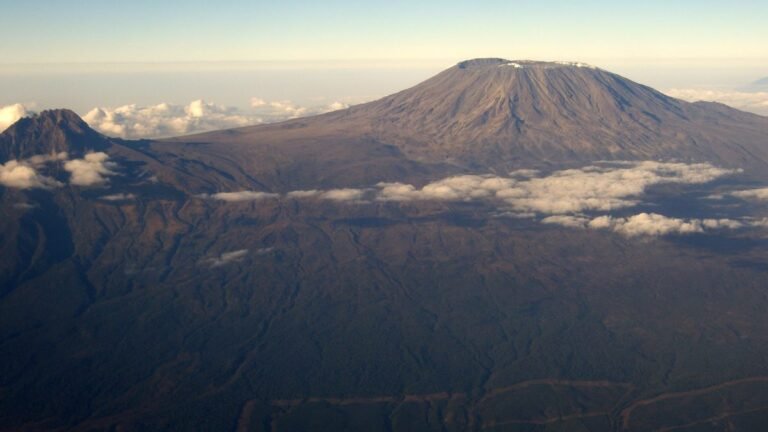
Kilimanjaro Photography Expedition: Glaciers, Stars, Summit Landscapes & More
start a Kilimanjaro Photography Expedition to capture its iconic glaciers, impressive starry skies, and dramatic summit landscapes. This guide details how to best prepare for and execute...
View package details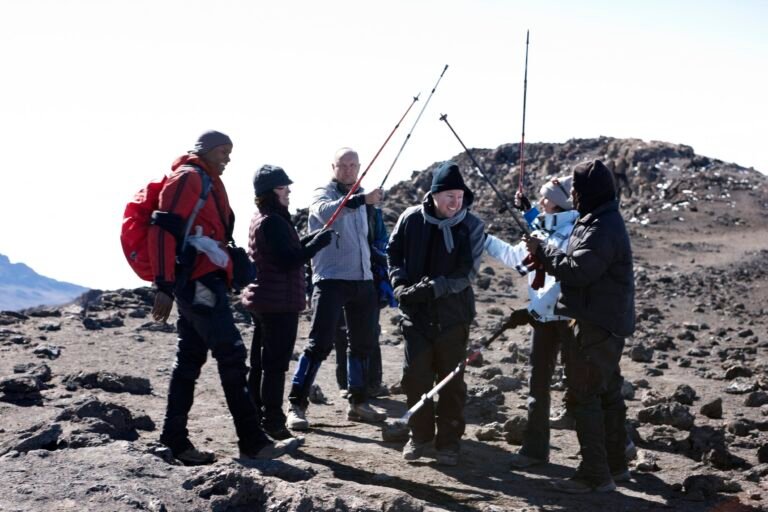
Mount Kilimanjaro Scenic Flight: Fly Above Uhuru Peak, Crater & Glaciers
Soar above Africa's highest peak on a Mount Kilimanjaro scenic flight. This guide covers everything from impressive views of Uhuru Peak, its crater, and ancient glaciers to practical...
View package details
Kilimanjaro Three Volcanic Cones Expedition: Shira, Mawenzi & Kibo Routes
An in-depth guide to climbing Mount Kilimanjaro's three distinct volcanic cones – Shira, Mawenzi, and Kibo – detailing expedition routes, challenges, and essential planning for trekkers...
View package detailsKilimanjaro Ultra Trail Running Expedition – High-Altitude Endurance Adventure
This guide details the Kilimanjaro Ultra Trail Running Expedition, a demanding high-altitude endurance event. Learn about routes, training, logistics, and what makes this adventure unique...
View package details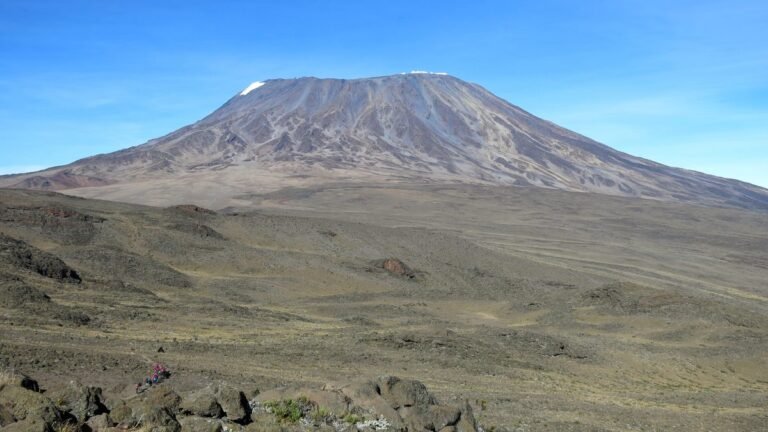
Kilimanjaro + Mount Meru Dual Summit Expedition: Your Ultimate Tanzania
Conquer two of Tanzania's most iconic peaks in one unforgettable journey with a Kilimanjaro and Mount Meru dual summit expedition. This comprehensive guide covers everything from route...
View package detailsKilimanjaro Women-Only Summit Expedition – Private Female Adventure Group
Discover the ultimate Kilimanjaro Women-Only Summit Expedition, designed for private female adventure groups. This comprehensive guide covers everything you need to know for a successful...
View package details
Kilimanjaro Paragliding Hike & Fly Expedition, Climb Uhuru Peak & 2026-2027
Kilimanjaro Paragliding Hike & Fly Expedition, Climb Uhuru Peak & Fly is explained with current 2026-2027 planning, price, itinerary and booking information.
View package detailsKilimanjaro Trek + Paragliding + Safari Multi-Adventure: Climb, Fly & Explore
This comprehensive guide details the ultimate Kilimanjaro Trek + Paragliding + Safari Multi-Adventure, offering insights for planning your 2026-2027 expedition. Discover how to climb...
View package detailsKilimanjaro Eco Trek & Trail Cleanup Expedition – Responsible Adventure Travel
Kilimanjaro Eco Trek & Trail Cleanup Expedition – Responsible Adventure Travel is explained with current 2026-2027 planning, price, itinerary and booking.
View package details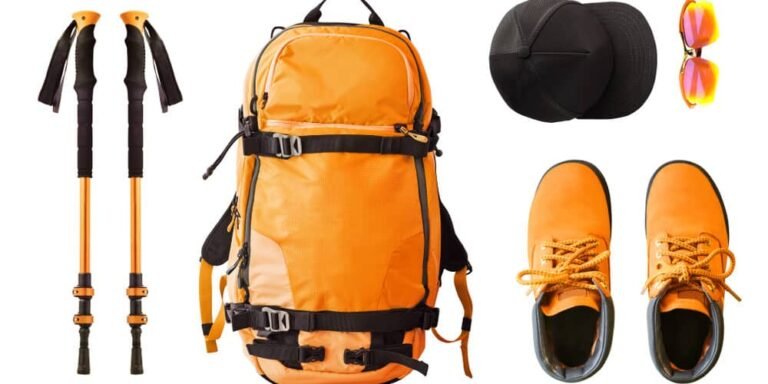
Kilimanjaros Volcanic Geology & Lava Landscape: Kibo, Shira & Mawenzi Story
Discover the fascinating volcanic origins of Mount Kilimanjaro, delving into the geology of its three distinct cones: Kibo, Shira, and Mawenzi. This comprehensive guide covers the lava...
View package details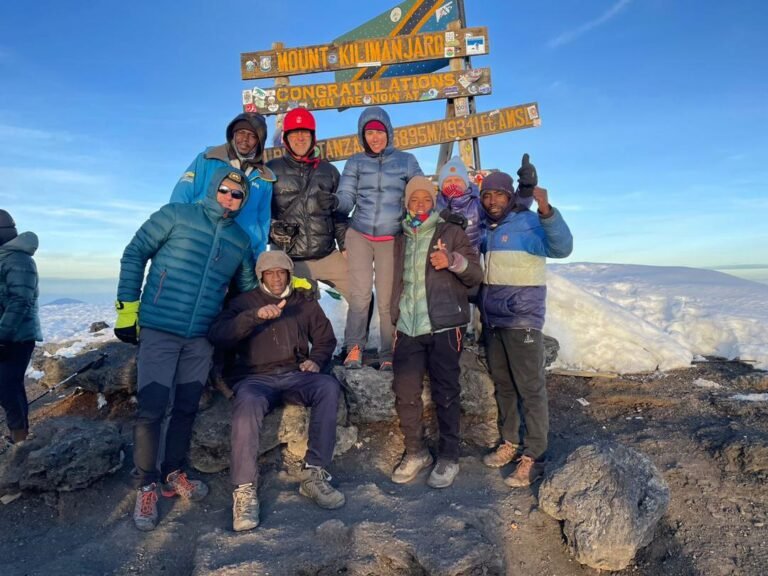
Moshi To Lake Chala Cycling Adventure: Kilimanjaro Foothills & Crater Ride
start a unique Moshi to Lake Chala cycling adventure, traversing the foothills of Mount Kilimanjaro and culminating at the stunning volcanic crater lake. This guide details the ride, its...
View package detailsNo related package matches those filters. Clear one or more filters to see the other topic-matched options.



