
What nobody tells you before climbing Kilimanjaro often boils down to the profound psychological challenge of altitude, the critical importance of acclimatization pace over speed, the nuanced reality of physical discomfort that can persist for days, the surprisingly high cost of essential ancillary services beyond the basic trek package, and the necessity of meticulous personal preparation that extends far beyond just physical fitness, especially when planning for 2026-2027 expeditions.
Your Kilimanjaro Expedition: Unveiling the Unspoken Realities
Mount Kilimanjaro. The Roof of Africa. It’s an image that conjures adventure, achievement, and a bucket-list moment. Many envision a challenging but straightforward trek, a test of physical endurance rewarded with spectacular views. While it certainly is all of those things, the journey to Uhuru Peak is also a complex undertaking that demands more than just good hiking boots and a positive attitude. There are layers to this experience that are frequently glossed over in brochures and even in casual conversations with those who have summited.
This guide is designed to pull back that curtain. We’re not here to dissuade you – far from it. We want you to be among the prepared, the informed, the truly ready. Because understanding the nuances of climbing Kilimanjaro is the first step towards a successful and deeply rewarding summit. For those planning their ascent in 2026 or 2027, this insight is invaluable for making informed decisions about routes, operators, and personal preparation.
At Climb 4 Africa, we’ve guided hundreds of climbers up Kilimanjaro, and we’ve heard firsthand the surprises, the challenges, and the triumphs. We know what climbers *wish* they’d known before they set foot on the mountain. This is that knowledge, distilled.
The Unseen Battle: Altitude Sickness and Acclimatization
This is, without question, the most significant factor that surprises climbers. Altitude sickness, or Acute Mountain Sickness (AMS), isn’t a matter of ‘if’ you’ll feel its effects, but ‘how much’ and ‘when’. Many people underestimate its power, believing that if they’re fit, they’ll be immune. This is a dangerous misconception.
What Nobody Tells You:
- It’s Not Just Headaches: AMS manifests in various ways. While headaches are common, so are nausea, dizziness, fatigue, loss of appetite, and disturbed sleep. Some people experience mild symptoms that are manageable, while others can become severely ill. The key is recognizing these symptoms early and communicating them to your guide.
- Acclimatization is King, Not Speed: The mantra on Kilimanjaro is “pole pole” – Swahili for “slowly, slowly”. This isn’t just a catchy phrase; it’s the most critical principle for acclimatization. Rushing your ascent, even by a few hundred meters, can have severe consequences. Your body needs time to adapt to the decreasing oxygen levels. Operators that promise faster ascents often sacrifice acclimatization, leading to higher failure rates and increased risk of severe AMS. For 2026-2027 climbs, prioritize routes and operators that emphasize slow, steady progress.
- Individual Susceptibility Varies Wildly: There’s no foolproof way to predict who will get altitude sickness. Age, fitness level, and previous altitude experience are not reliable indicators. A seasoned marathon runner can be just as susceptible as a sedentary individual. Your body’s unique response on that specific trip is what matters.
- Hydration and Breathing are Crucial: Staying exceptionally well-hydrated (4-5 liters of water per day) and breathing deeply and steadily are your best defenses. Avoid alcohol and caffeine, as they can dehydrate you and disrupt sleep.
- Medication is an Option, Not a Cure-All: Diamox (acetazolamide) is commonly prescribed to help with acclimatization. However, it’s not a magic pill. It aids your body’s adaptation but doesn’t prevent AMS entirely. It has side effects (like tingling extremities and increased urination) and must be taken correctly. Discuss this with your doctor well in advance of your 2026-2027 climb.
- Descending is the Only Cure for Severe AMS: If symptoms become severe (e.g., difficulty walking, confusion, persistent vomiting), the only effective treatment is immediate descent. This can be a difficult decision, emotionally and logistically, but it is vital for safety. Guides are trained to make these calls, and their judgment should be respected.
Understanding that altitude is the primary challenge, not just a minor inconvenience, shifts your entire approach to training and preparation. It underscores why operators focusing on safety and proper acclimatization, like Climb 4 Africa, are so crucial for a successful 2026-2027 Kilimanjaro climb.
Beyond Fitness: The True Physical and Mental Grind
You can be the fittest person on Earth, but Kilimanjaro will still test you. The physical demands go beyond standard hiking endurance.
What Nobody Tells You:
- It’s a Multi-Day Endurance Test: You’re not just hiking for a few hours; you’re trekking for 5-9 days, often for 6-8 hours a day, with significant elevation gain and loss. Your body endures sustained effort, day in and day out.
- The Cold is Relentless: Especially on summit night, temperatures can plummet to -15°C (5°F) or lower, with wind chill making it feel even colder. The cold seeps into everything – your gear, your body, and your morale. Proper layering and high-quality gear are non-negotiable, and often underestimated in their importance.
- The Terrain is Varied and Demanding: You’ll traverse rainforest, moorland, alpine desert, and arctic zones. Trails can be muddy and slippery, rocky and steep, or loose scree. The final ascent to Stella Point and Uhuru Peak is on a steep scree slope and then glacial ice/snow.
- Sleep Deprivation is Real: Even without altitude effects, sleeping in a tent at altitude, with the cold and the physical exertion, is difficult. On summit night, many climbers get little to no sleep before the final push begins in the pre-dawn darkness. This exacerbates fatigue and affects judgment.
- You’ll Experience Significant Discomfort: Beyond altitude, expect muscle soreness, blisters, dry mouth, chapped lips, a persistent cough from the dry air, and general exhaustion. This is normal. Learning to push through discomfort without ignoring warning signs of AMS is a learned skill.
- The Mental Game is HUGE: This is where many climbers falter. The combination of physical fatigue, altitude symptoms, cold, and the sheer length of the trek can be incredibly taxing mentally. Doubts creep in. You question why you’re doing this. The ability to stay positive, focused, and determined is as vital as any physical training. Your guide’s role in keeping your spirits up is immense.
This isn’t to scare you, but to prepare you. The mental fortitude required is often a surprise. Understanding this will help you build resilience and mental coping strategies as part of your training for a 2026-2027 climb.
The Devil is in the Details: Gear, Packing, and Support Staff
Gear choices and the support team are often underestimated. They are the silent partners in your success.
What Nobody Tells You:
- Gear Quality Matters Immensely: You don’t need the most expensive brands, but you do need functional, waterproof, and warm gear. A cheap sleeping bag that isn’t rated for -15°C will make summit night unbearable. Ill-fitting boots will lead to blisters. Gloves that aren’t waterproof will lead to numb hands. Don’t skimp on key items like your sleeping bag, insulated jacket, waterproof outer layers, and good quality base layers. Rental options exist, but ensuring the quality and fit is paramount.
- Packing is an Art: You’ll have a duffel bag for your main gear and a daypack. Everything you need during the day (water, snacks, sunscreen, camera, extra layer) must be in your daypack. Your porter will carry your duffel. Overpacking adds unnecessary weight. Underpacking means you lack essentials. Learning to pack efficiently for varying conditions is key.
- The Support Crew is Your Lifeline: Your guide, assistant guides, cook, and porters are the backbone of your climb. They carry your gear, set up camp, prepare your food, and, most importantly, monitor your health. Their experience is invaluable. Understanding their roles and treating them with respect is crucial. Tipping them appropriately is also a significant part of the cost and their livelihood.
- Food and Water Protocols: You’ll be provided with meals, but the quality and variety can differ between operators. Staying hydrated means drinking a lot of water, which is often purified by your crew. Understanding how water is treated and how to manage your intake is important. Some climbers bring purification tablets as a backup, though this is rarely necessary with reputable operators.
- Toilet Facilities Evolve: Basic pit toilets are often available at campsites, but they can be rudimentary. Many climbers opt for a portable camping toilet or a “pee bottle” for nighttime use in the tent. This is a comfort consideration that often gets overlooked.
- The Importance of a Good Guide: A good guide is more than just someone who points the way. They are your medic, psychologist, motivator, and local expert. They read the mountain, they read you, and they make critical decisions about your safety. Choosing an operator with experienced, certified guides is paramount.
For a 2026-2027 climb, start researching gear early. Consider renting some items to test them out or to save on initial investment. And always choose an operator that provides a well-trained and well-supported crew.
Choosing Your Path: Trade-offs of Kilimanjaro’s Routes
There isn’t one “best” route up Kilimanjaro; there are routes that are best for *you*, based on your priorities, time, and budget.
What Nobody Tells You:
- Success Rates Vary Significantly by Route: Routes with better acclimatization profiles, like the Lemosho, Shira, and Machame routes (especially when done over 7 or 8 days), generally have higher summit success rates. Shorter routes like Marangu (especially the 5-day option) and Rongai (5-day) tend to have lower success rates due to less gradual acclimatization.
- Scenery is Subjective and Route-Dependent: Each route offers different vistas. Marangu is often called the “Coca-Cola route” for its well-established paths and hut accommodation, but it’s less scenic than the more remote Lemosho or Machame, which traverse diverse landscapes. The Northern Circuit offers the most comprehensive views by circling the mountain.
- Crowds are a Factor: Marangu and Machame are the most popular routes and can be very crowded, especially during peak seasons. Lemosho is generally less crowded, and the Northern Circuit is the least crowded. If solitude is important for your 2026-2027 climb, consider these factors.
- Accommodation Differs: Marangu is the only route with dormitory-style huts. All other routes use camping, with tents provided for sleeping, dining, and toilets. Camping offers a more in-depth wilderness experience, but requires comfort with tent living.
- The “Scramble” on Barafu: The approach to Barafu Camp on the Machame and Lemosho routes involves a steep, loose scree slope that can be challenging both up and down. While not technical climbing, it requires careful footwork and can be tiring.
- The Crater Rim Approach: Some routes (like Mweka and Umbwe) are very steep and fast, offering a significant challenge but poor acclimatization. The Northern Circuit offers a unique experience by allowing you to walk around the crater rim for an extended period.
For a balance of scenery, acclimatization, and success rates, the Machame (7-day), Lemosho (7 or 8-day), or Northern Circuit (9-day) are often recommended for 2026-2027 climbs. The Marangu route is an option for those who prefer huts, but be aware of its lower success rate. The Rongai route is a good alternative, particularly in the rainy season, as it approaches from the drier northern side.
Route Comparison Snippet (Example)
| Route | Typical Duration | Scenery | Acclimatization | Crowds | Success Rate |
|---|---|---|---|---|---|
| Machame | 6-7 Days | Excellent | Good (7+ days better) | High | Good (7+ days higher) |
| Lemosho | 7-8 Days | Exceptional | Very Good (8 days best) | Moderate | Very Good |
| Northern Circuit | 9 Days | Comprehensive | Excellent | Low | Highest |
| Marangu | 5-6 Days | Moderate | Poor (5 days) | Very High | Lower |
Note: This is a simplified overview. Actual experience depends on operator, daily pace, and individual factors.
The Real Cost: What Your Kilimanjaro Budget Needs to Cover for 2026-2027
The upfront price quoted by a tour operator is just the beginning. Many hidden or additional costs can significantly inflate your actual expenditure.
What Nobody Tells You:
- Park Fees are Substantial: These are mandatory government fees and make up a significant portion of any climb cost. Reputable operators include these in their quoted price, but it’s essential to confirm. For 2026-2027, these fees are subject to change and typically increase annually.
- Tipping is Expected and Significant: The tipping culture for the mountain crew (guides, porters, cooks) is substantial and often forms a large part of their income. While not always explicitly stated in the initial quote, budget at least $250-$400 per climber for tips, depending on the crew size and duration of your climb. Climb 4 Africa provides clear tipping guidelines to ensure fair compensation.
- Gear Rental Adds Up: If you don’t own all the necessary high-quality gear, renting items like sleeping bags, warm jackets, and trekking poles can add a considerable amount to your budget.
- Visas and Flights: International flights to Kilimanjaro International Airport (JRO) are a major expense. Visa costs for Tanzania also need to be factored in.
- Travel Insurance is Mandatory: Comprehensive travel insurance, specifically covering high-altitude trekking and emergency medical evacuation, is essential and often required by operators. This is not a place to cut corners.
- Pre- and Post-Climb Accommodation: You’ll need at least one night in a hotel in Moshi or Arusha before and after your climb.
- Vaccinations and Medications: Consult your doctor about recommended vaccinations and any necessary medications like Diamox.
- Personal Expenses: This includes snacks, bottled water (if preferred over treated water), souvenirs, and any additional activities.
- Contingency Fund: It’s always wise to have some buffer for unexpected expenses or emergencies.
When comparing prices for your 2026-2027 climb, look beyond the headline figure. A cheaper operator might be cutting corners on guide training, crew welfare, food quality, or safety equipment. The cheapest option is rarely the safest or most successful. A mid-range to higher-end operator typically provides better quality, higher safety standards, and a more comfortable experience.
Budgeting for Your Kilimanjaro Climb (2026-2027 Estimates)
Operator Package: $1,800 – $4,500+ (depending on route, duration, and operator quality)
Park Fees: Usually included in package, but verify. (Approx. $700-$1,000 per climber)
Tipping: $250 – $400+ per climber
Gear Rental: $100 – $300+ (if needed)
Flights: $800 – $1,500+ (highly variable)
Visa: Approx. $50 – $100
Travel Insurance: $100 – $300+
Pre/Post Climb Hotels: $100 – $200 per night
Miscellaneous: $100 – $200+
Total Estimated Range (Excluding Flights): $2,500 – $6,000+ per climber
These are indicative figures for 2026-2027 and can vary. Always get a detailed quote.
Your Personal Kilimanjaro Blueprint: Training and Mindset
Physical training is essential, but it’s only one part of the preparation puzzle.
What Nobody Tells You:
- Cardiovascular Endurance is Key: Focus on activities that build stamina: hiking with a weighted pack, running, cycling, swimming. Aim for at least 3-4 cardio sessions per week.
- Strength Training for Legs and Core: Squats, lunges, step-ups, and core exercises will help you handle the ascents and descents.
- Practice Hiking on Uneven Terrain: Your training should mimic the mountain. Hike hills, trails, and stairs with your pack. Practice walking downhill, as this often causes more muscle fatigue than ascending.
- Simulate Altitude (If Possible): While difficult, incorporating some high-altitude training (if you live near mountains) or using altitude training masks can be beneficial, though not essential.
- Acclimatization in Training: The best “training” for Kilimanjaro is actually going on shorter, high-altitude treks before your main climb. This helps you understand your body’s reaction.
- Mental Rehearsal is Powerful: Visualize yourself on the mountain. Imagine overcoming challenges, staying positive, and reaching the summit. Prepare for discomfort and have strategies for managing it.
- Practice Using Your Gear: Wear your hiking boots on training hikes to break them in. Test your layering system. Sleep in your sleeping bag to get accustomed to it.
- Learn Basic First Aid: Knowing how to treat blisters, minor cuts, and recognizing AMS symptoms can be incredibly useful.
Your training should start at least 3-6 months before your 2026-2027 climb. Don’t underestimate the mental preparation; it’s often the deciding factor in reaching the summit.
The Summit Night: More Than Just a Final Push
Summit night is legendary for its difficulty, and the reality often exceeds expectations.
What Nobody Tells You:
- It Starts Early: Most summit pushes begin between 11 PM and 1 AM. You’ll wake up in the dark, cold, and often in a state of exhaustion.
- The Pace is Glacial: You’ll be walking single file, often at a pace slower than a typical stroll. This is crucial for conserving energy and acclimatizing. The guide will set a pace that’s sustainable for the slowest member of the group.
- The Cold is Intense: This is when the temperature is at its absolute lowest. You’ll be wearing every layer you have. Your water bottles can freeze, and your headlamp is your only light source in a vast darkness.
- It’s a Mental Marathon: The combination of extreme fatigue, cold, altitude effects, and the sheer length of the climb (often 10-15 hours of trekking) makes this the ultimate mental test. Many people feel like quitting.
- The Scenery is Worth It (Eventually): As dawn breaks, the views of the sunrise above the clouds, the curvature of the earth, and the vast plains below are impressive. This is a moment of profound achievement, but it’s earned through immense struggle.
- The Descent is Also Challenging: Reaching Uhuru Peak is only half the battle. The descent, especially down the scree slopes, is long, tiring, and can be hard on your knees and joints. Many people find the descent harder than they anticipated.
- Celebrating at Camp: The real celebration happens back at base camp, where your crew greets you with cheers and a hot meal.
Knowing what to expect for summit night allows you to prepare mentally and physically, and to pack the right gear to combat the extreme conditions. For your 2026-2027 expedition, discuss summit night strategies with your operator.
After the Descent: Recovery and Reflection
The climb might be over, but the effects linger, and recovery is important.
What Nobody Tells You:
- You’ll Be Exhausted: Physically, you’ll be drained. Mentally, you might feel a sense of post-climb blues or anticlimax after such an intense experience.
- Physical Aches Persist: Sore muscles, fatigue, and maybe even a persistent cough can last for a few days.
- Hydration is Key for Recovery: Continue drinking plenty of water to help your body recover.
- Nutrition is Important: Eat well-balanced meals to replenish your energy stores.
- Take Time to Process: Kilimanjaro is more than just a physical feat; it’s an emotional and spiritual journey. Allow yourself time to reflect on the experience, the challenges you overcame, and the personal growth you achieved.
- Consider a Safari or Zanzibar: Many climbers extend their trip with a safari or a visit to Zanzibar. This is a fantastic way to relax, decompress, and experience more of Tanzania’s beauty after the intensity of the climb. Climb 4 Africa can help arrange these extensions seamlessly.
Your Kilimanjaro adventure doesn’t end at the summit. The recovery and reflection period is an integral part of the overall experience.
Planning Your 2026-2027 Climb with Expert Local Support
Choosing the right operator is paramount to a safe, enjoyable, and successful Kilimanjaro climb. As a local Tanzanian company with extensive experience, Climb 4 Africa understands the mountain intimately.
What We Offer and Why It Matters:
- Local Expertise: We live and breathe Kilimanjaro. Our guides are highly experienced, certified, and possess an unparalleled understanding of the mountain’s conditions, weather patterns, and safety protocols.
- Safety First: We prioritize your well-being with comprehensive safety measures, including regular health checks by guides, sufficient oxygen supplies, and well-maintained emergency equipment. We ensure our crew is well-trained in first aid and AMS management.
- Ethical Crew Treatment: We believe in fair wages, proper gear, and respectful treatment for our porters and guides. This leads to a motivated and dedicated support team, which directly impacts your climb. We provide clear tipping guidelines to ensure you can reward them appropriately.
- Optimized Itineraries: We recommend routes and durations that maximize acclimatization and success rates, such as the 7-day or 8-day Lemosho or Machame routes for your 2026-2027 climb.
- Comprehensive Inclusions: Our packages typically include park fees, accommodation before and after the climb, meals on the mountain, purified water, crew salaries, and transportation. We are transparent about what is included and what extras you should budget for.
- Personalized Support: From your initial inquiry to your final descent, our team provides dedicated support. We can help you choose the best route, advise on gear, and answer all your questions.
When planning your 2026 or 2027 Kilimanjaro expedition, don’t settle for less. Make an informed choice by partnering with an operator that prioritizes your safety, comfort, and success. We invite you to connect with us to discuss your dream climb.
Ready to take the next step? Contact Climb 4 Africa today to start planning your unforgettable Kilimanjaro adventure. Let our local expertise guide you to the Roof of Africa. You can reach us via WhatsApp at +255 747 477 898 or send an email to climb4africa@gmail.com. We look forward to helping you achieve your summit goal.
“,
“faq_schema”: [
{
“question”: “What is the most common surprise people face when climbing Kilimanjaro?”,
“answer”: “The most common surprise is the profound impact of altitude sickness (AMS). Many underestimate its effects, believing fitness alone is sufficient. Recognizing early symptoms and prioritizing slow acclimatization (‘pole pole’) is crucial, as AMS can affect anyone regardless of their physical condition. This is a primary factor that nobody tells you before climbing Kilimanjaro.”
},
{
“question”: “How much physical training is really needed for Kilimanjaro?”,
“answer”: “While exceptional cardiovascular fitness is beneficial, the true physical demand is for multi-day endurance and the ability to function while fatigued and potentially experiencing mild altitude symptoms. Training should focus on sustained hiking with a pack on varied terrain, strength for legs and core, and importantly, mental preparation to push through discomfort. It’s more about endurance and resilience than peak athletic performance.”
},
{
“question”: “What are the essential gear items I shouldn’t compromise on for my 2026-2027 climb?”,
“answer”: “For a 2026-2027 climb, you absolutely must not compromise on high-quality, waterproof, and warm gear. Key items include a 4-season sleeping bag rated for at least -15°C (5°F), waterproof and insulated outer layers, thermal base layers, sturdy waterproof hiking boots (well broken-in), warm gloves, and a good quality warm hat. These items are critical for surviving the extreme cold, especially on summit night.”
},
{
“question”: “Which Kilimanjaro route offers the best acclimatization and highest success rate?”,
“answer”: “Routes that allow for better acclimatization and therefore generally have higher success rates are the Lemosho, Machame, and Northern Circuit, especially when climbed over longer durations (7-9 days). The Northern Circuit, being the longest at 9 days, typically offers the highest success rates due to its gradual ascent and extensive circling of the mountain’s upper reaches, allowing the body maximum time to adapt.”
},
{
“question”: “What are the hidden costs I need to budget for beyond the tour operator’s price?”,
“answer”: “Beyond the operator’s package, significant additional costs include mandatory park fees (often included, but verify), substantial tips for the mountain crew (guides, porters, cooks), gear rental if needed, international flights, visa fees, comprehensive travel insurance with high-altitude coverage, and pre/post-climb accommodation. Budgeting at least an additional $1,000-$2,000 per person beyond the quoted trek price is prudent.”
},
{
“question”: “How does summit night differ from other days on Kilimanjaro?”,
“answer”: “Summit night is significantly more challenging due to the extreme cold (often below -15°C/5°F), the very early start (11 PM – 1 AM), intense fatigue, and the potential for amplified altitude sickness symptoms. The pace is extremely slow, and the trek is long (10-15 hours). It’s a mental and physical battle fought in darkness and extreme cold, with the reward of sunrise views from the summit as dawn breaks.”
},
{
“question”: “What is the most important thing nobody tells you about Kilimanjaro for 2026-2027 planning?”,
“answer”: “For 2026-2027 planning, the most critical unspoken truth is that Kilimanjaro is a serious expedition where safety and acclimatization must always be prioritized over speed or cost. Choosing an operator with a strong safety record, ethical crew treatment, and itineraries that emphasize ‘pole pole’ (slowly, slowly) is paramount. A slightly higher upfront cost often translates to a significantly safer and more successful climb.”
}
]
}
“`
Check Availability for What Nobody Tells You Before Climbing Kilimanjaro 2026-2027
Ready to compare dates, prices, and the best option for your group? Send the package name and travel month so the team can reply with a clear quote, availability, and what is included.
What Nobody Tells You About Traveling To Tanzania Guide
Planning a trip to Tanzania for 2026 or 2027? This comprehensive guide reveals the unspoken truths about traveling to Tanzania, covering everything from safari nuances and Kilimanjaro...
View package details10 Mistakes To Avoid Before Climbing Kilimanjaro In 2026-2027
Planning a Kilimanjaro climb is exciting, but avoiding common mistakes is key to a successful and enjoyable experience. This guide details ten critical errors to sidestep, from choosing the...
View package details10 Things To Know Before Climbing Kilimanjaro 2026-2027
10 Things to Know Before Climbing Kilimanjaro is explained with current 2026-2027 planning, price, itinerary and booking information.
View package detailsWhat To Expect On Your First Kilimanjaro Trek: A Comprehensive Guide 2026-2027
Planning your first climb up Kilimanjaro? This comprehensive guide covers everything you need to know, from choosing a route and preparing your body to what daily life on the mountain is...
View package detailsWhy Is Climbing Kilimanjaro So Expensive? 2026-2027
Why Is Climbing Kilimanjaro So Expensive? is explained with current 2026-2027 planning, price, itinerary and booking information.
View package detailsKilimanjaro Climb Machame Route : Expert Guide For Your Trek 2026-2027
Discover the ultimate guide to climbing Mount Kilimanjaro via the Machame Route for your 2026 or 2027 adventure. This comprehensive resource covers everything from choosing an itinerary and...
View package detailsWhy Do People Travel From Around The World To Climb Kilimanjaro? 2026-2027
Why Do People Travel From Around the World to Climb Kilimanjaro? is explained with current 2026-2027 planning, price, itinerary and booking information.
View package detailsWhy Is Kilimanjaro One Of The World’s Most Famous Mountains? Your Planning
Kilimanjaro's fame stems from its status as the highest free-standing mountain, its accessibility to non-technical climbers, its iconic snow-capped summit, and its location in a biodiverse...
View package detailsWhy Do Thousands Of Travelers Visit Kilimanjaro Every Year? Your Expert Guide
Thousands of adventurers flock to Kilimanjaro each year, drawn by its status as Africa's highest peak and a bucket-list trekking challenge. This guide explores the compelling reasons behind...
View package detailsKilimanjaro Routes: Which Is Best For Your Climb? 2026-2027
Choosing the right Kilimanjaro route is crucial for a successful and enjoyable climb. This comprehensive guide compares the main routes, helping you select the best option for your...
View package details10 Things To Know Before Visiting Tanzania For An Unforgettable Adventure
Before you pack your bags for Tanzania, arm yourself with these 10 crucial pieces of knowledge. From understanding visa requirements and health precautions to mastering safari etiquette and...
View package details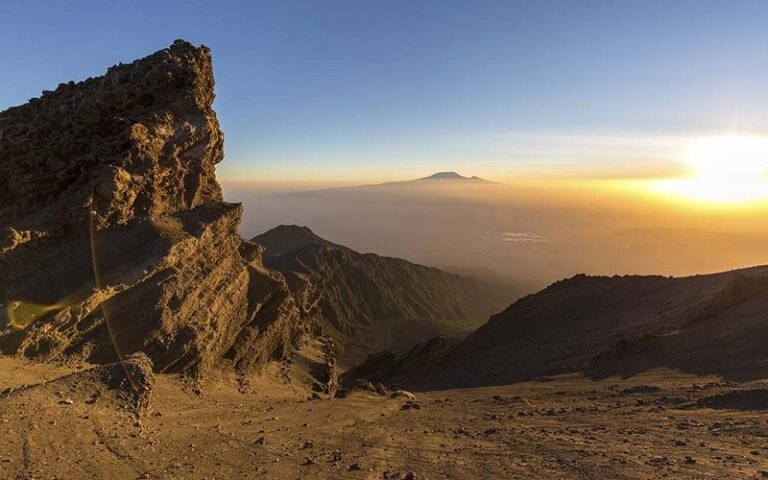
Monte Meru Y Kilimanjaro: Trekking En Tanzania 2026-2027
Discover the ultimate trekking experience in Tanzania by combining Mount Meru and Mount Kilimanjaro. This comprehensive guide covers everything from route selection and preparation to...
View package detailsNo related package matches those filters. Clear one or more filters to see the other topic-matched options.



