
For seeing lions, leopards, and cheetahs on a Tanzanian safari, the Northern Circuit, primarily the Serengeti National Park and the Ngorongoro Crater, is your best bet. These areas consistently offer high densities of these big cats, with Tarangire National Park also being excellent for lions and elephants, especially during the dry season of 2026-2027. A typical route combining these parks for maximum big cat sightings would involve Serengeti National Park (at least 3-4 days) and the Ngorongoro Crater (1 day), often with Tarangire National Park included for a 7-10 day safari experience.
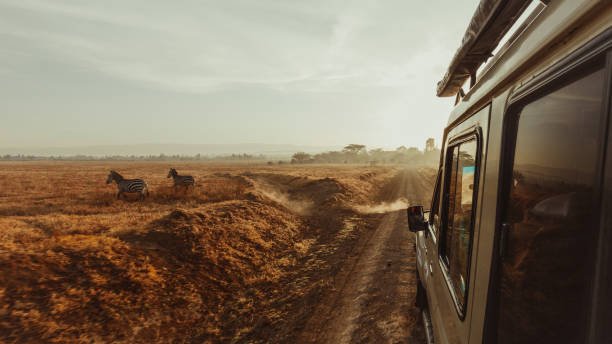
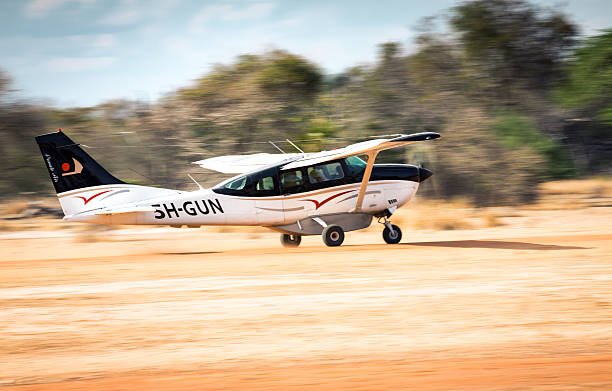
Understanding Your Big Cat Safari Goals
When your primary objective is to witness lions, leopards, and cheetahs in their natural habitat, strategic planning is paramount. Tanzania, a jewel of East African wildlife, offers unparalleled opportunities, but not all regions or parks are created equal for spotting these specific predators. Your decision on which safari route to book hinges on understanding where these animals congregate, the best times of year to visit for optimal viewing, and the typical behaviors that make them more or less visible.
Lions, often referred to as the ‘king of the jungle,’ are social animals and are found in prides across many of Tanzania’s national parks. However, their visibility can depend on factors like prey availability and the time of day. Leopards, on the other hand, are notoriously elusive. They are solitary, arboreal (tree-dwelling) predators, masters of camouflage, and are most active during dawn and dusk. Cheetahs, the fastest land animals, are diurnal hunters, meaning they hunt during the day, often in open grasslands, but their numbers are more concentrated in specific areas.
Therefore, selecting a safari route isn’t just about visiting a park; it’s about choosing an ecosystem that supports these predators and presents them in a way that maximizes your chances of observation. For a dedicated big cat safari in 2026 or 2027, the focus will invariably be on the renowned Northern Circuit of Tanzania. This region boasts a concentration of wildlife unparalleled elsewhere, thanks to its diverse habitats and the annual Great Migration, which provides an abundant food source for predators.
The Premier Destination: Serengeti National Park
The Serengeti, a Swahili word meaning ‘endless plains,’ is arguably the most famous wildlife sanctuary in the world, and for good reason. Its vast, open grasslands, acacia-dotted savannas, and riverine forests create a perfect environment for a wide array of wildlife, including all three of your target big cats.
Lions in the Serengeti
Serengeti is home to a significant lion population, estimated to be around 3,000 individuals. You’ll find them in various habitats, from the open plains where they hunt wildebeest and zebras, to the kopjes (rocky outcrops) that offer shade and vantage points. The Seronera Valley in the central Serengeti is particularly renowned for its resident lion prides, often seen lounging on rocks or trees, a behavior less common in other parts of Africa.
Your safari route should ideally include several days in the Serengeti to explore different regions. The central Serengeti (Seronera) is a reliable spot year-round for lions. As the year progresses, the Western Corridor becomes excellent during the migration’s river crossing season (typically May-July), where lions often ambush wildebeest attempting to cross the Grumeti River. The Northern Serengeti (Kogatende/Lamai) is phenomenal from July to October, especially when the migration herds are in the Mara River basin, attracting large numbers of lions.
Leopards in the Serengeti
Leopards are more challenging to spot due to their solitary and secretive nature. However, the Serengeti offers some of the best chances in Africa. The Seronera Valley is again a prime location, with leopards frequently seen in the acacia trees lining the riverbanks or resting on kopjes. They are skilled hunters and often drag their kills up into trees to protect them from scavengers like lions and hyenas. Patience and a skilled guide are key to spotting them here.
Other areas like the Grumeti River in the Western Corridor and the rocky outcrops in the Ndutu area (bordering the Ngorongoro Conservation Area, often included in Serengeti itineraries) also provide good leopard viewing opportunities. Early morning and late afternoon game drives are your best bet, as this is when leopards are most active.
Cheetahs in the Serengeti
Cheetahs thrive in the open plains of the Serengeti, where they can utilize their incredible speed to hunt gazelles and other small to medium-sized prey. The vast grasslands provide excellent visibility for both the cheetah and its prey. The central and southern Serengeti plains, particularly around Moru Kopjes and the areas leading towards Ndutu, are excellent for cheetah sightings. You might see them hunting, resting after a kill, or mothers with cubs.
The presence of the Great Migration also attracts cheetahs to these areas, as the abundance of young gazelles and other prey animals associated with the migration provides a rich feeding ground. During the calving season in the Southern Serengeti (December-March), cheetah sightings are often very high.
The Crown Jewel: Ngorongoro Crater
The Ngorongoro Crater, a UNESCO World Heritage Site, is a natural wonder and a wildlife haven. This vast volcanic caldera, approximately 19 kilometers wide, is teeming with wildlife, boasting one of the highest densities of predators in Africa. Its unique ecosystem provides an almost guaranteed sighting of lions, and offers excellent chances for other big cats.
Lions of the Crater
The Ngorongoro Crater is famous for its large and healthy lion population. You are almost guaranteed to see lions here on any given day, often in large prides. They are accustomed to vehicles and can be quite relaxed, providing fantastic photographic opportunities. The crater floor’s diverse habitats, including grasslands, swamps, and acacia woodlands, support a thriving prey base, ensuring the lions remain well-fed and visible.
Leopards in the Crater
While less common than lions, leopards do inhabit the Ngorongoro Crater, particularly in the forested areas around the crater rim and within the denser vegetation on the floor. Spotting them requires a keen eye and a bit of luck, as they are adept at blending into their surroundings. Your guide will be crucial in identifying potential leopard haunts.
Cheetahs in the Crater
Cheetahs are also present in the Ngorongoro Crater, though they are generally less abundant here than in the open plains of the Serengeti. They tend to prefer the open grasslands of the crater floor for hunting. While sightings are not as frequent as lions, they do occur, and the experience of seeing a cheetah against the dramatic backdrop of the crater is unforgettable.
Why the Ngorongoro Crater is essential for big cats: It offers a concentrated wildlife experience, meaning you can see a lot in a single day. The enclosed nature of the crater means many animals, including predators, are resident year-round. For a short, impactful safari focused on seeing predators, a day trip into the crater is highly recommended as part of a larger Northern Circuit itinerary.
Tarangire National Park: A Predator Hotspot
Often included as the starting point or a key stop on a Northern Circuit safari, Tarangire National Park is particularly famous for its large elephant herds and its significant population of lions, especially during the dry season.
Lions in Tarangire
Tarangire is renowned for its tree-climbing lions. While not unique to Tarangire, seeing lions draped over acacia branches is a common sight here, offering a unique photographic opportunity. During the dry months (June to October), the park’s permanent water sources attract a vast concentration of wildlife, including large prides of lions that often congregate along the Tarangire River.
Leopards and Cheetahs in Tarangire
Leopards are present in Tarangire, often found in the acacia woodlands and along the riverbanks. They are typically more difficult to spot here than in the Serengeti. Cheetahs are also found in Tarangire, favoring the park’s open grasslands. While sightings are possible, they are generally less frequent compared to the Serengeti or the open plains surrounding the Ngorongoro Conservation Area.
Tarangire’s unique appeal: It’s a fantastic park for elephants and offers a different landscape, with vast baobab trees. Including Tarangire adds variety to your safari and boosts your chances of seeing lions, particularly in the dry season.
Choosing Your Safari Route: Northern Circuit Itinerary Options
When aiming to see lions, leopards, and cheetahs, the most effective safari routes are within Tanzania’s Northern Circuit. Here are a few common and highly recommended itinerary structures for 2026-2027:
Option 1: The Classic Big Cat Explorer (7-9 Days)
This itinerary is designed to maximize your chances of seeing all three big cats within a week to nine days.
- Day 1: Arrival in Arusha. Transfer to your hotel.
- Day 2: Tarangire National Park. Full day game drive. Focus on elephants and lions, especially in the dry season.
- Day 3: Lake Manyara National Park (Optional but recommended). Known for tree-climbing lions and diverse birdlife.
- Day 4: Ngorongoro Crater. Descend into the crater for a full day game drive. High chances of seeing lions and other big cats.
- Day 5-7: Serengeti National Park (Central – Seronera). Explore the central plains, known for resident lions, leopards, and cheetahs year-round.
- Day 8: Serengeti to Arusha. Morning game drive in Serengeti, then fly or drive back to Arusha.
- Day 9: Departure.
Best for: Travelers with limited time who want a high probability of seeing the big cats. The focus on Seronera in the Serengeti ensures good chances for leopards and cheetahs.
Option 2: The Serengeti Immersion (10-12 Days)
This longer itinerary allows for deeper exploration of the Serengeti, following the Great Migration patterns for optimal predator viewing, and includes the Ngorongoro Crater.
- Day 1: Arrival in Arusha.
- Day 2: Tarangire National Park. Full day game drive.
- Day 3: Drive to Ngorongoro. Game drive en route or relax at your lodge on the crater rim.
- Day 4: Ngorongoro Crater. Full day game drive.
- Day 5: Serengeti National Park (Ndutu/Southern Plains). Focus on calving season wildlife (Dec-Mar) or general plains game. Excellent for cheetahs and lions.
- Day 6-8: Serengeti National Park (Central – Seronera). Resident predator populations, good for leopards.
- Day 9-10: Serengeti National Park (Western Corridor or Northern Sector). Depending on migration timing (May-July for Grumeti, July-Oct for Mara River). Focus on lions and crocodiles during river crossings, and resident predators.
- Day 11: Serengeti to Arusha. Morning game drive, then fly or drive back.
- Day 12: Departure.
Best for: Those who want to experience the Serengeti more thoroughly, potentially witness the Great Migration’s drama, and significantly increase their chances of spotting elusive leopards and cheetahs across different regions of the park. This is a strong contender for a 2026 or 2027 big cat safari.
Option 3: The Ultimate Big Cat Quest (14+ Days)
This comprehensive safari allows for in-depth exploration of multiple ecosystems, including less-visited areas, maximizing chances for all wildlife sightings.
- Includes all elements of Option 2, but with more days in each location.
- Additional days in Serengeti: Allows for exploration of more remote areas or spending extra time in regions with high predator activity.
- Consider adding: Selous Game Reserve (Nyerere National Park) in southern Tanzania. While not on the Northern Circuit, it’s one of Africa’s largest reserves and offers a different safari experience, known for its wild dogs and big cats, though sightings can be more challenging than the Serengeti. It’s accessible via internal flight.
- Consider adding: Ruaha National Park, Tanzania’s largest park, also in the south. It boasts a very high concentration of predators, including lions and cheetahs, in a more rugged, less crowded environment. Requires internal flights.
Best for: Serious wildlife photographers, dedicated big cat enthusiasts, or travelers who want to experience the full diversity of Tanzania’s predator populations without rushing. This option provides the highest probability for a truly exceptional big cat safari in 2026-2027.
Timing Your Safari for Big Cat Sightings (2026-2027)
The best time to see lions, leopards, and cheetahs in Tanzania is closely linked to the Great Migration and the dry seasons, which concentrate wildlife around water sources.
- Dry Season (June to October): This is generally considered the peak safari season. Wildlife, including big cats, congregates around permanent water sources in parks like Serengeti and Tarangire. The vegetation is thinner, making animals easier to spot. The Great Migration is typically in the western and northern Serengeti during this period, attracting numerous predators. This is an excellent time for 2026-2027 bookings.
- Calving Season (December to March): The southern Serengeti and Ndutu area become a magnet for wildebeest and zebras during their calving season. This abundance of vulnerable young animals makes it a prime time for cheetah and lion sightings, as predators are drawn to the easy prey. This is also a popular time for safaris.
- Green Season (November and April-May): These months are the shoulder seasons. The landscape is lush and green, offering stunning photographic opportunities. Wildlife is more dispersed as water is plentiful. Predator sightings can still be excellent, especially in areas with resident populations like Seronera, but might require more searching than during the dry season. Prices are often lower, making it an attractive option for budget-conscious travelers in 2026-2027.
Migration Timing Note: The exact timing of the Great Migration can vary slightly year to year. However, the general patterns hold. If your primary goal is seeing the migration river crossings (July-September), you’ll focus on the Northern Serengeti. If it’s the calving season, you’ll head south.
Key Considerations for Booking Your Big Cat Safari Route
Beyond the itinerary and timing, several practical factors influence the success of your big cat safari. Making informed decisions now will ensure a smoother planning process for your 2026-2027 trip.
Choosing Your Safari Type: Private vs. Group
- Private Safari: Offers maximum flexibility. You have a dedicated vehicle and guide, allowing you to spend as much time as you wish at sightings, tailor your game drive times, and move at your own pace. This is ideal for serious photographers or those prioritizing comfort and personalized experiences, significantly enhancing your chances of spotting elusive animals like leopards.
- Group/Shared Safari: More budget-friendly. You join a small group in a shared vehicle. While less flexible, reputable operators ensure good vehicle allocation and guide quality. This can be a great option for solo travelers or couples looking to reduce costs. Ensure the group size is manageable for good viewing.
Vehicle and Guide Quality
This is perhaps the single most critical factor for a successful big cat safari. A highly experienced guide knows animal behavior, preferred habitats, and the best times and locations to find predators. They can interpret animal signs, track effectively, and position the vehicle for optimal viewing and photography.
What to look for: Guides with extensive experience in the Northern Circuit, particularly those specializing in predator tracking. They should be able to identify individual animals and understand their territorial movements. A well-maintained 4×4 safari vehicle with pop-up roof is essential for comfortable viewing.
Accommodation Choices
Your accommodation impacts your overall safari experience and can even influence your sightings.
- Lodges: Offer comfort and amenities, often with stunning views. Some lodges are strategically located within or near prime wildlife areas.
- Tented Camps: Provide a more in-depth experience, often closer to nature. Luxury tented camps offer comfort with canvas walls, while more basic camps provide a rustic feel. Staying inside the parks or reserves (like Serengeti or Ngorongoro) allows for early morning and late evening game drives, which are crucial for predator activity.
For big cat enthusiasts: Consider staying inside the Serengeti for longer periods. Early morning drives from a Serengeti camp can yield incredible leopard and cheetah sightings before the crowds arrive.
Park Fees and Inclusions
Tanzanian national park fees are significant and contribute a large portion of your safari cost. Ensure your safari package clearly outlines what is included:
- Park entry fees
- Crater service fees (for Ngorongoro)
- Accommodation
- All meals
- Vehicle and guide
- Water in the vehicle
- Airport transfers
Exclusions to watch for: International flights, visa fees, travel insurance, tips for guides and staff, alcoholic beverages, and personal expenses. Understanding these costs upfront is vital for budgeting your 2026-2027 safari.
Maximizing Your Chances: Tips for Big Cat Safaris
Beyond booking the right route, a few on-the-ground strategies can significantly enhance your big cat viewing experience.
- Early Mornings and Late Afternoons: These are the prime hunting times for cheetahs and leopards, and lions are also active. Plan your game drives to coincide with these periods.
- Listen to Your Guide: They are the experts. Trust their instincts and follow their recommendations. They might pick up on animal calls, tracks, or other subtle signs.
- Patience is Key: Especially for leopards. Sometimes you might spend hours waiting for a leopard to reveal itself. It’s often worth the wait.
- Look Up and Around: Leopards are arboreal. Always scan the trees, especially along riverbanks and in acacia woodlands. Cheetahs often use termite mounds or elevated spots to survey their surroundings.
- Learn About Behavior: Understanding predator-prey dynamics, territorial markings, and resting habits can help you anticipate where to find them.
- Binoculars: Essential for spotting animals at a distance or for observing subtle details without disturbing them.
- Camera Gear: A good zoom lens is invaluable for capturing clear, close-up shots of elusive animals.
Why Choose Climb 4 Africa for Your Big Cat Safari?
Planning a safari focused on seeing specific animals like lions, leopards, and cheetahs requires local expertise and a deep understanding of Tanzania’s ecosystems and wildlife patterns. At Climb 4 Africa, we specialize in crafting tailor-made safari experiences that put your wildlife goals first.
Our experienced guides are passionate about wildlife and have spent years tracking predators across the Serengeti, Ngorongoro, and other prime locations. They understand the subtle signs that indicate the presence of big cats and know the best times and places to maximize your viewing opportunities. We work with carefully selected lodges and camps that offer comfortable stays and strategic locations for wildlife viewing.
Whether you are planning your safari for 2026 or 2027, we can help you design the perfect itinerary. We consider factors like the time of year, your budget, and your specific wildlife interests to create a truly unforgettable adventure. We are committed to responsible tourism, ensuring your safari is not only spectacular but also contributes positively to conservation efforts and local communities.
Ready to plan your ultimate big cat safari? Let us help you craft an itinerary that promises exceptional sightings of lions, leopards, and cheetahs. We can discuss the best routes, accommodation options, and timing to suit your preferences for 2026-2027. Contact us today to start planning your dream Tanzanian wildlife adventure.
Get in touch for a personalized safari quote:
- WhatsApp: +255 747 477 898
- Email: climb4africa@gmail.com
We look forward to helping you plan an incredible safari experience focused on Tanzania’s magnificent big cats!
Frequently Asked Questions about Big Cat Safaris
Q1: Is it possible to see all three big cats (lions, leopards, cheetahs) on a single safari trip?
Yes, absolutely. The Northern Circuit of Tanzania, particularly the Serengeti National Park and Ngorongoro Crater, offers the highest probability of seeing lions, leopards, and cheetahs on one trip. The key is to choose an itinerary that allows sufficient time in these parks and is timed appropriately for wildlife movements.
Q2: Which is the hardest big cat to spot, and why?
The leopard is generally the hardest big cat to spot. This is due to their solitary nature, excellent camouflage, arboreal habits (spending time in trees), and nocturnal/crepuscular (dawn/dusk) activity patterns. They are masters of evasion, and sightings often depend on a combination of luck, a skilled guide, and patience.
Q3: How much time should I allocate to see lions, leopards, and cheetahs?
For a good chance of seeing all three, a minimum of 7-9 days focused on the Northern Circuit is recommended. This allows for at least 3-4 days in the Serengeti and a full day in the Ngorongoro Crater. Longer trips (10-14 days) significantly increase your chances by allowing for exploration of different Serengeti regions and potentially other parks.
Q4: Can I see big cats year-round in Tanzania?
Lions are generally visible year-round in areas like the Serengeti and Ngorongoro Crater due to their resident populations. Cheetahs are also present year-round, with sightings often peaking during the calving season in the south. Leopards are present but their elusive nature makes sightings less predictable regardless of the season. However, the dry season often concentrates prey and predators, potentially leading to more frequent sightings.
Q5: What is the best safari route for lions specifically?
For lions, the Serengeti National Park and the Ngorongoro Crater are top choices. The Serengeti offers a vast territory with numerous prides, while the Ngorongoro Crater boasts an exceptionally high density of lions in a confined, easily explorable area. Tarangire National Park is also excellent, particularly for its tree-climbing lions during the dry season.
Q6: Are there specific areas within the Serengeti that are better for cheetahs?
Yes, the open grasslands of the Serengeti are ideal for cheetahs. The central and southern plains, particularly the areas around Seronera and Ndutu, are excellent. Cheetahs are often seen hunting in these vast, open spaces, and mothers with cubs are frequently spotted here, especially during the calving season (December-March).
Q7: How do migration patterns affect big cat sightings?
The Great Migration is a major driver for predator activity. During the calving season (Dec-Mar) in the south, the abundance of newborns attracts cheetahs and lions. When the herds move north and west, particularly towards the Grumeti and Mara Rivers (July-Oct), lions and crocodiles gather to prey on those attempting river crossings. Following the migration, or being in areas where it congregates, significantly boosts predator sighting opportunities.
Q8: What should I pack for a big cat safari in 2026-2027?
Pack neutral-colored clothing (khaki, olive green, beige), layers for cooler mornings/evenings, comfortable walking shoes, a hat, sunglasses, high-SPF sunscreen, insect repellent, a good camera with zoom lenses, binoculars, and any personal medications. A lightweight rain jacket is advisable, especially during the shoulder seasons.
Q9: Is a private safari necessary for seeing big cats?
While not strictly necessary, a private safari offers the most flexibility and potentially better viewing opportunities. You can spend more time observing a leopard or wait longer for a lion pride to move. However, with a skilled guide and a well-chosen itinerary, excellent big cat sightings are achievable on shared safaris too. The quality of the guide is often more crucial than the exclusivity of the vehicle.
Q10: What are the typical costs for a 7-10 day Northern Circuit big cat safari in 2026-2027?
Costs vary significantly based on accommodation level (budget, mid-range, luxury), vehicle type (shared vs. private), and time of year. A rough estimate for a mid-range private safari for 7-10 days in 2026-2027 could range from $3,500 to $7,000+ per person, excluding international flights. Luxury options can be considerably higher.
Important Note on Booking for 2026-2027
Peak safari seasons, especially for the Great Migration and prime wildlife viewing months, tend to book up well in advance. For popular dates in 2026 and 2027, especially if you have specific accommodation preferences or require a private vehicle, it is highly recommended to book at least 6-12 months in advance. This ensures availability and allows us to secure the best lodges and guides for your big cat safari.
Check Availability for Best Safari Route For Lions, Leopards, And Cheetahs In Tanzania: A Guide
Ready to compare dates, prices, and the best option for your group? Send the package name and travel month so the team can reply with a clear quote, availability, and what is included.
How Far In Advance Should You Book An African Safari? 2026-2027
How Far in Advance Should You Book an African Safari? is explained with current 2026-2027 planning, price, itinerary and booking information.
View package details
Is It Better To Book A Safari Online Or Locally? 2026-2027
Is It Better to Book a Safari Online or Locally? is explained with current 2026-2027 planning, price, itinerary and booking information.
View package details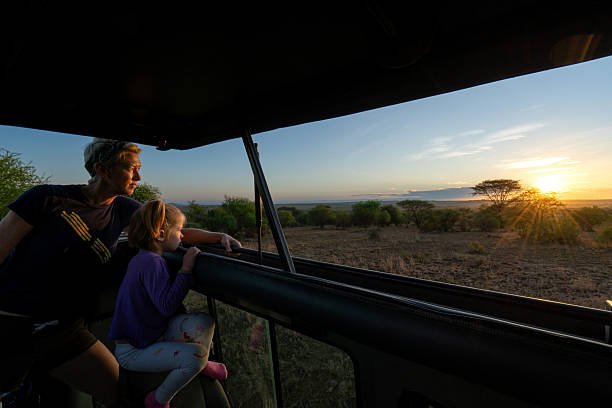
Which African Country Is Best For Safari? 2026-2027
Which African Country Is Best for Safari? is explained with current 2026-2027 planning, price, itinerary and booking information.
View package detailsBest Places To See Lions In The Wild: Your Ultimate Safari Guide 2026-2027
Discover the premier destinations for spotting lions in their natural habitat. This comprehensive guide details the top African parks, essential safari planning tips, and what to look for...
View package detailsKenya Safari Tours & Holiday Packages 2026-2027
Kenya Safari Tours & Holiday Packages is explained with current 2026-2027 planning, price, itinerary and booking information.
View package details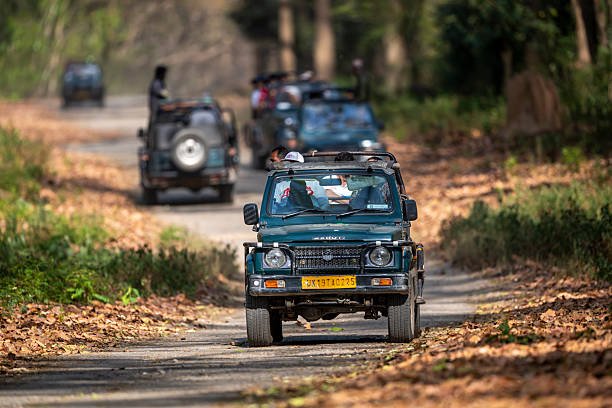
Solo African Safari Tours: Your Ultimate Guide For 2026-2027
start an incredible solo African safari adventure. This comprehensive guide covers everything you need to know for planning a safe, rewarding, and memorable trip in 2026-2027, from choosing...
View package details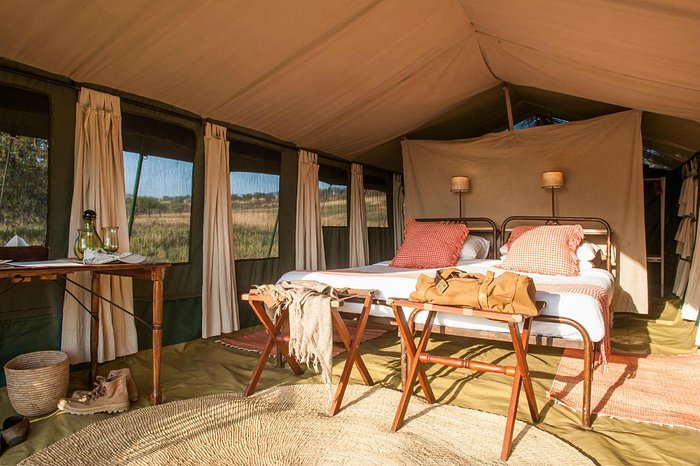
Safari From Zanzibar: Best Packages, Prices & Parks For 2026-2027
Combining a Zanzibar beach holiday with a Tanzania safari is a dream for many travelers. This guide details the best safari packages from Zanzibar, covering essential planning, park...
View package details
What Is Included In An African Safari Package? A Complete Guide For 2026-2027
Demystifying African safari packages. This guide details what you can expect to be included, from essential logistics like accommodation and transport to crucial elements like park fees and...
View package detailsAffordable African Safari Packages: Your Guide To Budget-Friendly Tanzania
Discover how to plan and book affordable African safari packages for 2026-2027. This guide provides practical advice on choosing budget-friendly Tanzania tours, understanding costs, and...
View package details
Best Wildlife Safaris In Africa: Your Ultimate Guide For 2026-2027
start the ultimate African wildlife safari. This comprehensive guide covers the best destinations, essential planning tips, and what to expect for your 2026-2027 adventure.
View package details
Serengeti Safari Tours: Prices, Packages & Best Time To Visit In 2026-2027
Discover everything you need to know for planning your Serengeti safari tour, from understanding pricing and package variations to identifying the ideal travel times in 2026-2027. This...
View package detailsAfrican Safari Packages From Europe 2026-2027
African Safari Packages From Europe is explained with current 2026-2027 planning, price, itinerary and booking information.
View package detailsNo related package matches those filters. Clear one or more filters to see the other topic-matched options.



