To maximize your chances of seeing cheetahs in the Serengeti, you should focus your accommodation on the central Seronera area or the Western Corridor. The Seronera region boasts high densities of resident predators year-round, including cheetahs, while the Western Corridor is exceptional during the Great Migration’s river crossing periods (typically May to July). Staying in or very near these specific zones, particularly at lodges and tented camps known for their proximity to good game viewing areas, significantly increases your opportunities to witness these magnificent cats.
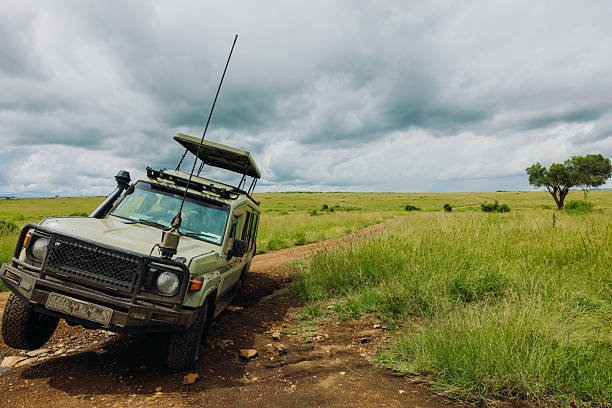

Understanding Serengeti’s Cheetah Habitats and Viewing Opportunities
The Serengeti National Park is a vast and diverse ecosystem, and while cheetahs can be found across much of it, certain areas offer a statistically higher probability of sightings. Cheetahs, unlike lions and leopards, are more diurnal (active during the day) and prefer open grasslands and savannas where they can spot prey from a distance and utilize their incredible speed. Their hunting strategy relies on open terrain, making the vast plains of the Serengeti ideal.
When planning a safari with the primary goal of seeing cheetahs, understanding the park’s geography and the cheetahs’ preferred environments is crucial. It’s not just about being in the Serengeti; it’s about being in the *right part* of the Serengeti at the *right time*. Factors like prey availability, seasonal movements of wildlife (including the Great Migration), and the presence of rival predators all influence where cheetahs are most likely to be found.
The Importance of Location: Central Serengeti vs. Other Regions
The central Serengeti, particularly around the Seronera River valley, is often referred to as the “predator capital” of the park. This region is characterized by its mix of open plains, acacia woodlands, and kopjes (rocky outcrops), providing a varied habitat that supports a rich diversity of wildlife, including a healthy population of cheetahs. The Seronera River ensures a reliable water source, attracting herbivores, which in turn draws in predators.
Cheetahs are frequently sighted in the open grasslands surrounding Seronera. They often use termite mounds and elevated areas as vantage points for scanning the horizon for prey. The presence of resident lions and hyenas means cheetahs must be vigilant, but their speed and agility allow them to thrive in this competitive environment. Staying in lodges or tented camps located within or on the immediate borders of the central Serengeti means you are often just a short drive away from prime cheetah territories. This minimizes travel time to game viewing areas, maximizing your time spent in the bush actively searching for wildlife.
The Western Corridor: A Seasonal Hotspot for Cheetahs
The Western Corridor of the Serengeti, encompassing areas like the vicinity of the Grumeti River, becomes a prime location for cheetah sightings during specific times of the year. This is largely dictated by the Great Migration. As the massive herds of wildebeest and zebras move across the plains, they often pass through the Western Corridor, particularly when seeking to cross the Grumeti River.
Cheetahs, like other predators, follow the migration, drawn by the abundance of prey. The landscape here is a mix of open plains and woodlands, which can be excellent for cheetah viewing, especially when the herds are present. The river crossings themselves are dramatic events, and cheetahs often position themselves nearby, hoping for an opportunity. If your safari is planned for the months of May, June, or July 2026 or 2027, focusing on the Western Corridor could yield spectacular cheetah encounters, alongside the incredible spectacle of the migration.
Seronera Valley: Year-Round Cheetah Potential
For travelers seeking the best chance of seeing cheetahs throughout the year, the Seronera Valley in the central Serengeti remains the top recommendation. Its status as a resident predator hotspot means that cheetahs are consistently present, hunting and raising their young. Unlike areas that are heavily influenced by the migratory herds, Seronera offers a more stable environment for cheetah viewing across different seasons.
The density of game in Seronera is remarkable. You’ll often encounter lions, leopards, elephants, giraffes, and a multitude of plains game on any given game drive. The cheetahs here are accustomed to the presence of vehicles, and guides are highly experienced in locating them. Many lodges and camps in this area have excellent track records for cheetah sightings, often within a few kilometers of their property. This proximity is key for maximizing your viewing opportunities, especially if you are keen on early morning or late afternoon drives when cheetahs are most active.
Choosing the Right Accommodation Type for Cheetah Viewing
The type of accommodation you choose in the Serengeti can significantly impact your safari experience, including your chances of seeing cheetahs. Options range from permanent lodges with extensive facilities to mobile tented camps that follow the migration, and semi-permanent camps offering a blend of comfort and wilderness immersion.
Luxury Lodges in Central Serengeti
Luxury lodges in the Seronera area offer unparalleled comfort and convenience. These properties are typically situated within or very close to prime wildlife areas. They boast amenities such as swimming pools, fine dining, and spacious rooms or suites. The advantage here is that your lodge is strategically located for game drives. You can often start your search for cheetahs within minutes of leaving your accommodation.
Many luxury lodges in Seronera are set on private concessions or borders of the park, allowing for off-road driving and night drives (though direct cheetah sightings on night drives are less common due to their diurnal nature, it can increase overall predator encounters). When looking for a lodge in 2026 or 2027, consider those that emphasize their location within the central Serengeti and their proximity to known cheetah territories. Some of the top lodges are located right on the Seronera River, offering not just excellent game viewing potential but also a beautiful setting.
Tented Camps: An Intimate Safari Experience
Tented camps offer a more intimate and traditional safari experience. These can range from basic explorer camps to luxurious canvas-and-mahogany affairs. In the Serengeti, tented camps are often strategically positioned to capitalize on wildlife movements. Some are semi-permanent, meaning they are set up in a particular area for a season or two before relocating, ensuring they are always in a prime location.
For cheetah viewing, a well-located tented camp in the Seronera region or the Western Corridor (during migration season) is an excellent choice. These camps often have fewer rooms than lodges, leading to a more personalized safari. Guides are typically based at the camp and have up-to-the-minute knowledge of animal movements. The advantage of a tented camp is its closer connection to nature; you might hear lions roaring nearby at night or see elephants passing your tent. For those who dream of seeing cheetahs, a camp that actively positions itself in areas known for cheetah activity will provide the best opportunities.
Mobile Tented Camps and the Great Migration
If your safari is timed to coincide with the Great Migration, a mobile tented camp can be an extraordinary option. These camps are designed to move with the herds, offering guests a front-row seat to the migration’s epic journey. If your visit falls within the months when the migration is in the Western Corridor (May-July 2026 or 2027), a mobile camp in this region will put you directly in the path of cheetahs following the wildebeest.
The trade-off with mobile camps is that they are often more rustic than permanent lodges or semi-permanent camps, and their locations can change. However, for sheer proximity to the migration and its associated predators, including cheetahs, they are hard to beat. Booking well in advance is essential for mobile camps, as their locations are fixed for specific periods and they are popular.
Considerations for Different Budgets
The Serengeti offers accommodation for a range of budgets, but it’s important to remember that Serengeti safaris are generally not budget destinations due to park fees, operational costs, and the remoteness of the location. However, strategic choices can make a difference.
- Luxury: High-end lodges and exclusive tented camps in prime Seronera locations offer the most comfort and often the best service, with prime access to game viewing. Expect to pay from $800-$2000+ per person per night.
- Mid-Range: Comfortable tented camps and some lodges offer a good balance of amenities and location. These can range from $400-$800 per person per night. Many excellent mid-range options are situated to provide excellent cheetah viewing opportunities.
- Budget: True budget options within the national park are scarce and often involve more basic tented camps or campsites. These require a higher tolerance for rustic conditions but can still be located in areas with good game viewing. Camping inside the park is possible but requires booking permits and often a dedicated safari vehicle and guide. Staying in lodges outside the park gates and doing day trips is another way to save money, but significantly reduces your time in prime cheetah habitats.
When budgeting for 2026-2027, factor in all-inclusive rates that cover meals, standard drinks, and game drives. The cost of park entry fees, conservation fees, and vehicle hire are also significant components.
Strategic Planning for Cheetah Sightings
Beyond choosing where to stay, strategic planning is paramount for maximizing your chances of seeing cheetahs. This involves timing your visit, understanding daily safari routines, and working with experienced guides.
Best Time of Year for Cheetah Viewing
While cheetahs are present year-round in the central Serengeti, certain periods can offer enhanced viewing opportunities:
- Dry Season (June to October): This is often considered the prime time for general game viewing in the Serengeti. Water sources become scarce, concentrating wildlife, including cheetahs and their prey, in the central and southern plains. The open grass savannas are more exposed, making cheetahs easier to spot.
- Migration Season (May to July): As mentioned, the Western Corridor is exceptional during this time due to the Great Migration’s river crossings. This is a peak time for seeing cheetahs actively hunting along the migration routes.
- Calving Season (January to March): While this season is known for the calving of wildebeest in the southern Serengeti, which attracts predators, cheetah sightings can be more challenging in the denser grass and during the rains. However, resident cheetahs are still present in Seronera.
For 2026 and 2027, consider the dry season for general high chances, or the May-July window if witnessing the migration and its accompanying predator activity is a priority.
Daily Safari Routines for Maximum Exposure
Cheetahs are most active during the cooler parts of the day: early morning and late afternoon. This is when they typically hunt.
- Early Morning Game Drives: Starting your day just after sunrise is crucial. Cheetahs might be finishing a hunt from the night or preparing for their morning activities. The golden light of dawn also provides beautiful photographic opportunities.
- Late Afternoon/Evening Game Drives: As the heat of the day subsides, cheetahs become active again. Drives that extend into the early evening can yield great sightings.
- Midday Lulls: During the hottest part of the day, cheetahs, like most animals, tend to rest in the shade. While sightings are less common, they can still occur, especially if a kill has been made.
A good safari operator will structure your days to maximize these active periods, ensuring you are out in the field when cheetahs are most likely to be seen.
The Role of an Experienced Guide
Your safari guide is arguably the most important factor in your cheetah viewing success. Experienced guides possess:
- Intimate Knowledge of the Park: They know the territories of resident cheetahs, their preferred hunting grounds, and the habits of individual animals.
- Tracking Skills: They can spot subtle signs like tracks, scat, or disturbed vegetation that indicate the recent presence of cheetahs.
- Radio Communication: Guides often communicate with each other to share information about animal sightings, helping to locate elusive predators quickly.
- Understanding of Animal Behavior: They can interpret animal behavior, predicting movements and potential hunting opportunities.
When booking your safari for 2026-2027, ensure your tour operator uses highly trained and experienced local guides. This is non-negotiable for serious wildlife enthusiasts.
Comparing Accommodation Options: Practical Trade-offs
Choosing between different types of camps and lodges involves weighing various factors. Here’s a look at the practical trade-offs:
Proximity vs. Exclusivity
- Central Lodges/Camps (Seronera): Pros: Excellent year-round cheetah potential, short drive times to game areas, established infrastructure. Cons: Can be busier with other vehicles, especially during peak season.
- Western Corridor Camps (Seasonal): Pros: Incredible migration spectacle, potentially fewer vehicles if timed right, prime cheetah hunting grounds during migration. Cons: Highly seasonal (best May-July), can be remote, may require longer travel to reach from airstrips.
- Private Concessions: Pros: Exclusive use of vehicles, off-road driving, night drives, walking safaris, often very close to wildlife. Cons: Significantly more expensive, not always the primary focus for cheetahs unless the concession itself is known for them.
Comfort vs. Immersion
- Luxury Lodges: Pros: High comfort, excellent service, fine dining, pools, Wi-Fi. Cons: Can feel less “wild” or remote due to extensive facilities.
- Luxury Tented Camps: Pros: High comfort with a closer connection to nature, often in prime locations. Cons: Still a significant cost, can be affected by weather.
- Explorer/Mobile Camps: Pros: Deep immersion in the wild, often in remote and strategic locations. Cons: Basic amenities, potential for noise from wildlife, can be rougher.
For the best chance of seeing cheetahs, prioritizing location in Seronera or the Western Corridor (seasonally) is key. A comfortable tented camp in Seronera often hits a sweet spot, offering both excellent access and a genuine wilderness feel.
Areas to Potentially Avoid for Dedicated Cheetah Viewing
While the Serengeti is a vast park and cheetahs can appear anywhere, some areas are less optimal for consistently finding them:
- Deep Woodlands/Forests: Cheetahs prefer open country. Areas with very dense bush or forest are less likely to host significant cheetah populations.
- Far Northern or Eastern Serengeti (outside migration season): While these areas have their own unique beauty and wildlife, they are generally less known for resident cheetah populations compared to Seronera. They become more relevant when the migration passes through.
- Areas Far from Water Sources (during dry season): While cheetahs need water, their prey is more concentrated around permanent water sources during the dry season. Staying very far from these can mean being further from the cheetahs’ hunting grounds.
This doesn’t mean you won’t see cheetahs in these areas, but if your *primary objective* is maximizing cheetah sightings, focusing on Seronera or the Western Corridor is the most practical strategy.
Planning Your 2026-2027 Serengeti Cheetah Safari
Embarking on a Serengeti safari in 2026 or 2027 requires careful planning to ensure you get the most out of your trip, especially with a specific focus like cheetah viewing. This means working with a reputable tour operator who understands your priorities.
When to Book Your Safari
The Serengeti is a popular destination, and the best lodges and tented camps, especially those in prime cheetah viewing locations, get booked up quickly. For peak seasons like June to October, or for specific mobile camps during the migration, it’s advisable to book 9-12 months in advance. For less busy periods or if you have flexibility, 4-6 months might suffice, but early booking is always recommended for 2026-2027 travel to secure your preferred accommodation and ensure availability.
What to Expect from a Typical Safari Itinerary
A well-designed Serengeti safari focused on cheetahs would likely include:
- Duration: A minimum of 3 nights in the Serengeti is recommended, but 4-5 nights allow for more in-depth exploration of the chosen region (e.g., Seronera).
- Daily Structure: Two game drives per day (early morning and late afternoon) are standard. Your lodge or camp will arrange these.
- Vehicle Choice: A 4×4 safari vehicle (often a Land Cruiser or Land Rover) with a pop-up roof is essential for optimal game viewing. Ensure your vehicle has comfortable seating and is well-maintained.
- Itinerary Flow: If you are combining the Serengeti with other destinations like the Ngorongoro Crater or Lake Manyara, your itinerary will be designed to minimize travel time between parks while maximizing your time in each.
Working with a Local Expert for Your Safari
As a Tanzania-based tour operator, Climb 4 Africa has an intimate understanding of the Serengeti’s wildlife patterns and the best locations for cheetah sightings. We can tailor itineraries for 2026 and 2027 that prioritize your chances of encountering these magnificent cats.
When you contact us, providing details about your priorities (e.g., “highest chance of seeing cheetahs”), your preferred travel dates (even if approximate for 2026-2027), your budget range, and your desired level of comfort will help us craft the perfect safari experience. We can advise on the best camps and lodges in Seronera or the Western Corridor, ensure you have an experienced guide, and handle all the logistics, from park permits to vehicle arrangements.
Our goal is to create a safari that is not only about ticking off sightings but also about experiencing the Serengeti in a meaningful way. Whether you’re interested in the drama of the migration or the consistent predator action in Seronera, we can help you plan a memorable trip. To start planning your best chance of seeing cheetahs in the Serengeti for 2026-2027, reach out to us via WhatsApp at +255 747 477 898 or email us at climb4africa@gmail.com. Let us help you find the perfect spot to stay and witness these incredible animals.
Frequently Asked Questions about Cheetah Sightings in Serengeti
Is it guaranteed that I will see cheetahs if I stay in Seronera?
While Seronera offers the highest probability due to resident populations and ideal habitat, no wildlife sighting is ever guaranteed. Cheetahs are wild animals, and their movements are unpredictable. However, staying in Seronera with an experienced guide significantly increases your odds compared to other areas.
Are cheetahs dangerous?
Cheetahs are not considered dangerous to humans. They are shy and elusive animals that generally avoid conflict. While they are powerful predators, they are not aggressive towards people. It is crucial to always maintain a safe distance and follow your guide’s instructions.
What is the difference between a lodge and a tented camp?
Lodges are typically permanent structures made of brick or concrete, offering more amenities and a fixed location. Tented camps use canvas tents as accommodation, often on raised platforms or with en-suite bathrooms. They tend to offer a more intimate, closer-to-nature experience and can be semi-permanent or mobile, allowing them to be relocated to follow wildlife.
How much does a Serengeti safari cost in 2026-2027?
Serengeti safaris are generally considered a mid-to-high-end travel experience. Costs vary widely based on accommodation level, duration, and inclusions. For 2026-2027, expect prices to range from approximately $400-$1000+ per person per day for mid-range to luxury options, covering accommodation, meals, park fees, and game drives. Budget options might be lower but involve more basic services and accommodation outside the park.
Can I see cheetah cubs?
Yes, it is possible to see cheetah cubs, particularly during the denning and juvenile stages. This usually occurs when the cubs are young and being cared for by the mother. The best time for this might be during the wetter months when prey is more abundant, but sightings depend on the cheetahs’ breeding cycles and your luck.
What should I pack for a Serengeti cheetah-focused safari?
Pack light, neutral-colored clothing (khaki, beige, green), layers for cooler mornings and evenings, a good hat, sunglasses, sunscreen, insect repellent, a reusable water bottle, binoculars, and a good camera with extra batteries and memory cards. Comfortable walking shoes and a light jacket or fleece are also recommended.
Key Takeaway for Cheetah Viewers
For the best chance of seeing cheetahs in the Serengeti, prioritize accommodation in the central Seronera region for year-round potential or the Western Corridor during the migration season (typically May-July). Combine this strategic location with early morning and late afternoon game drives led by experienced local guides. Planning your safari for 2026-2027 with a specialist like Climb 4 Africa will ensure you are positioned for maximum cheetah encounters.
The Serengeti is a world-renowned wildlife sanctuary, and the thrill of spotting a cheetah in its natural habitat is an unforgettable experience. By making informed choices about where to stay and how to plan your safari, you can significantly enhance your chances of witnessing these elegant predators in action. We are here to help you craft that perfect safari.
“,
“faq_schema”: [
{
“question”: “Is it guaranteed that I will see cheetahs if I stay in Seronera?”,
“answer”: “While Seronera offers the highest probability due to resident populations and ideal habitat, no wildlife sighting is ever guaranteed. Cheetahs are wild animals, and their movements are unpredictable. However, staying in Seronera with an experienced guide significantly increases your odds compared to other areas.”
},
{
“question”: “Are cheetahs dangerous?”,
“answer”: “Cheetahs are not considered dangerous to humans. They are shy and elusive animals that generally avoid conflict. While they are powerful predators, they are not aggressive towards people. It is crucial to always maintain a safe distance and follow your guide’s instructions.”
},
{
“question”: “What is the difference between a lodge and a tented camp?”,
“answer”: “Lodges are typically permanent structures made of brick or concrete, offering more amenities and a fixed location. Tented camps use canvas tents as accommodation, often on raised platforms or with en-suite bathrooms. They tend to offer a more intimate, closer-to-nature experience and can be semi-permanent or mobile, allowing them to be relocated to follow wildlife.”
},
{
“question”: “How much does a Serengeti safari cost in 2026-2027?”,
“answer”: “Serengeti safaris are generally considered a mid-to-high-end travel experience. Costs vary widely based on accommodation level, duration, and inclusions. For 2026-2027, expect prices to range from approximately $400-$1000+ per person per day for mid-range to luxury options, covering accommodation, meals, park fees, and game drives. Budget options might be lower but involve more basic services and accommodation outside the park.”
},
{
“question”: “Can I see cheetah cubs?”,
“answer”: “Yes, it is possible to see cheetah cubs, particularly during the denning and juvenile stages. This usually occurs when the cubs are young and being cared for by the mother. The best time for this might be during the wetter months when prey is more abundant, but sightings depend on the cheetahs’ breeding cycles and your luck.”
},
{
“question”: “What should I pack for a Serengeti cheetah-focused safari?”,
“answer”: “Pack light, neutral-colored clothing (khaki, beige, green), layers for cooler mornings and evenings, a good hat, sunglasses, sunscreen, insect repellent, a reusable water bottle, binoculars, and a good camera with extra batteries and memory cards. Comfortable walking shoes and a light jacket or fleece are also recommended.”
}
]
}
“`
Check Availability for We Want The Best Chance Of Seeing Cheetahs In Serengeti, Where Should We…
Ready to compare dates, prices, and the best option for your group? Send the package name and travel month so the team can reply with a clear quote, availability, and what is included.
Dec 24, – 3 Day Christmas Serengeti And Ngorongoro Group Safari
Dec 24, 2026 – 3 Day Christmas Serengeti and Ngorongoro Group Safari.
View package details
Nov 23, – 3 Day Serengeti And Ngorongoro Safari From Zanzibar
Nov 23, 2026 – 3 Day Serengeti and Ngorongoro Safari from Zanzibar.
View package details
Dec 31, : New Year’s Eve Serengeti Group Safari Planning Guide
This guide provides essential planning details for a group safari trip to the Serengeti for New Year's Eve 2026, covering logistics, seasonal highlights, and what to expect.
View package details
I Am On A Budget—What Is The Cheapest Serengeti Group Safari?
I Am on a Budget—What Is the Cheapest Serengeti Group Safari?
View package details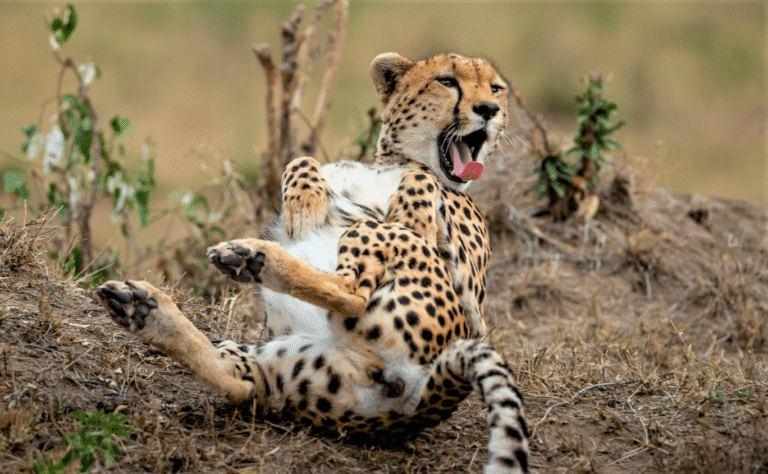
Dec 29, – 6 Day Ndutu, Serengeti And Ngorongoro Group Safari 2026
A detailed guide to our 6-day group safari departure on December 29, 2026, focusing on the Ndutu plains, the Serengeti, and the Ngorongoro Crater.
View package details8 Day Serengeti And Ngorongoro Group Safari – December 16, 2026
Planning your December 2026 Tanzanian adventure? Our 8-day group safari offers a deep, unhurried exploration of the Serengeti and Ngorongoro Crater.
View package detailsDec 12, – 6 Day Serengeti, Ngorongoro, Tarangire And Manyara Group Safari 2026
Dec 12, 2026 – 6 Day Serengeti, Ngorongoro, Tarangire and Manyara Group Safari.
View package detailsDec 8, – 4 Day Tarangire, Serengeti And Ngorongoro Group Safari 2026
A detailed guide to our December 8, 2026 group joining safari, covering the itinerary, logistics, and what to expect during this 4-day wildlife adventure in Tanzania.
View package detailsNov 28, – 3 Day Fly-In Serengeti Group Safari From Zanzibar 2026
A detailed look at the 3-day fly-in Serengeti group safari departing November 28, 2026, including logistics, itinerary highlights, and travel tips for your Tanzania adventure.
View package details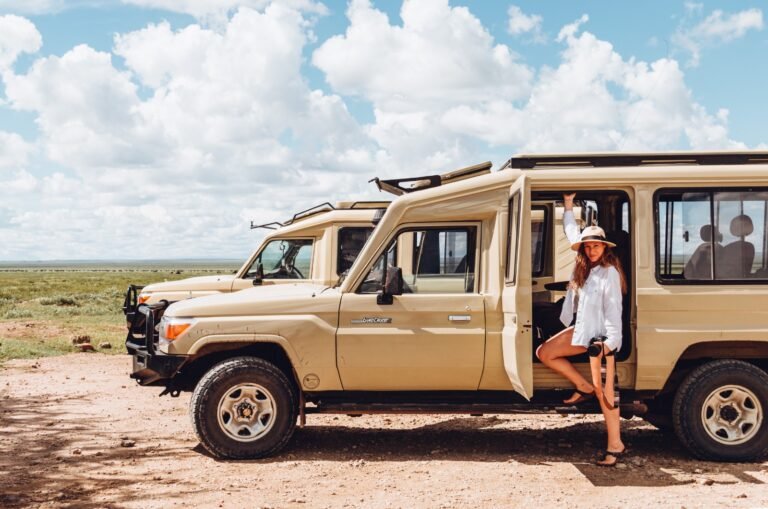
Nov 6, – 3 Day Serengeti And Ngorongoro Budget Group Safari 2026
A detailed look at our November 6, 2026 group departure for a 3-day Serengeti and Ngorongoro safari, including planning tips and route logistics.
View package detailsOct 27, – 3 Day Serengeti And Ngorongoro Group Safari 2026
Planning for a short, high-impact wildlife adventure? Our October 27, 2026, group safari offers a direct route through the Serengeti and Ngorongoro Crater, perfect for travelers with...
View package detailsNov 18, – 7 Day Serengeti And Ngorongoro Group Joining Safari 2026
A detailed guide to the 7-day group joining safari departing November 18, 2026, covering Serengeti, Ngorongoro, and the logistical advantages of shared travel.
View package detailsNo related package matches those filters. Clear one or more filters to see the other topic-matched options.