
Planning a combined trip to Tanzania, Kenya, and Zanzibar from Australia involves coordinating diverse experiences: iconic wildlife safaris in both countries, potentially a Kilimanjaro climb in Tanzania, and relaxing beach time on Zanzibar. For 2026-2027, it’s advisable to allocate at least 3-4 weeks to comfortably experience these destinations, focusing on prime safari seasons (e.g., June-October for the Great Migration in the Serengeti/Masai Mara, and December-February for drier conditions) and ideal weather for Zanzibar (typically June-October and December-March). Key decisions involve choosing safari circuits, deciding on the Kilimanjaro route and dates, and selecting Zanzibar accommodation. Booking well in advance, especially for 2027, is crucial for securing preferred lodges, guides, and flights, particularly for those travelling from Australia.

Introduction: Your East African Dream from Down Under
Embarking on an adventure that spans the iconic wildlife plains of Tanzania and Kenya, potentially culminating in a summit of Africa’s highest peak, Kilimanjaro, and finally unwinding on the tropical shores of Zanzibar, is a journey many travellers from Australia dream of. This ambitious yet incredibly rewarding itinerary offers a profound experience of East Africa’s natural wonders, cultural richness, and diverse landscapes. Planning such a trip from Australia requires careful consideration of international travel times, visa requirements, health precautions, and, crucially, selecting the right local expertise to ensure a smooth and unforgettable adventure. This guide is designed to provide a comprehensive roadmap, breaking down the complexities and highlighting the best ways to approach your Tanzania, Kenya, and Zanzibar expedition for travel in 2026 and 2027.
Understanding the Scope: Tanzania, Kenya, and Zanzibar Together
When you say you want to plan a trip to Tanzania, Kenya, and Zanzibar from Australia, you’re essentially looking at three distinct, yet complementary, travel experiences. Each destination offers unique attractions, and combining them creates a rich mix of African adventure:
- Tanzania: Renowned for the vast plains of the Serengeti, the wildlife-rich Ngorongoro Crater, and of course, Mount Kilimanjaro. It’s a prime destination for classic safari and high-altitude trekking.
- Kenya: Famous for the Masai Mara, a continuation of the Serengeti ecosystem, offering spectacular wildlife viewing, particularly during the Great Migration. It also boasts other significant parks like Amboseli with its iconic elephant herds against Kilimanjaro’s backdrop, and the unique conservancies of Laikipia.
- Zanzibar: An archipelago off the coast of Tanzania, offering historical Stone Town exploration, spice tours, and idyllic white-sand beaches fringed by turquoise waters. It’s the perfect place to relax and reflect after the intensity of safaris and treks.
The challenge and joy of planning this trip lie in connecting these diverse elements logically and efficiently, especially given the significant travel distance from Australia.
Why Combine Tanzania, Kenya, and Zanzibar?
For travellers originating from Australia, the long-haul flight is a significant investment, making it sensible to maximise the experience by combining these premier East African destinations. The synergy is remarkable:
- Unparalleled Wildlife: Experience the world’s most famous wildlife spectacles. The Serengeti and Masai Mara form one contiguous ecosystem, providing continuous opportunities to witness the Great Migration. Parks like Ngorongoro and Amboseli offer concentrated wildlife viewing.
- The Ultimate African Challenge: For the adventurous, Kilimanjaro represents a significant mountaineering achievement, offering a different kind of thrill compared to the wildlife encounters.
- Tropical Relaxation: Zanzibar provides a quintessential tropical island escape, a stark and welcome contrast to the dust and drama of the safari. Its history and culture also add another layer to the experience.
- Efficiency (When Planned Well): Despite the distances, overland travel between Tanzania and Kenya is feasible, and flights connect these countries to Zanzibar efficiently. This allows for a comprehensive East African experience without excessive backtracking.
Combining these destinations means you can tick off multiple bucket-list items in one extensive trip, making the long journey from Australia worthwhile.
The Australian Traveller’s Perspective: Logistics & Considerations
Travelling from Australia to East Africa presents unique logistical considerations. The sheer distance means you’ll be looking at long-haul flights, often with one or two stops, typically in the Middle East or Asia. This journey can take anywhere from 20 to 30 hours or more, depending on the route and layovers. Therefore, the typical duration for an Australian traveller undertaking this multi-country trip is often longer than for European or North American visitors, usually ranging from 3 to 5 weeks to truly savour each component without feeling rushed.
Key considerations for Australian travellers include:
- Flight Durations and Time Zones: Factor in significant travel time and the impact of jet lag. Starting your safari or trek after a day or two of acclimatisation in a city like Nairobi or Arusha is often wise.
- Visa Requirements: Understand the visa processes for Tanzania and Kenya. While many nationalities can obtain visas on arrival or online, it’s best to confirm current regulations for Australian passport holders and consider applying in advance for smoother entry.
- Health and Safety: Malaria is prevalent in many areas. Consult your doctor or a travel clinic well in advance regarding necessary vaccinations (Yellow Fever is often mandatory for entry into Zanzibar if arriving from a country with risk) and malaria prophylaxis.
- Currency and Payments: The US Dollar is widely accepted for park fees and many tourist services, alongside local currencies (Tanzanian Shilling, Kenyan Shilling). Credit card acceptance can be variable outside major hotels.
- Connectivity: While lodges and camps often have Wi-Fi, it can be slow or intermittent. Purchasing local SIM cards is an option for more reliable mobile data.
Understanding these points upfront is crucial for a smooth planning process for your 2026-2027 journey.
Essential Planning Phases for 2026-2027
Successful planning for a complex trip like this, especially for travel dates in 2026 or 2027, is best approached systematically. Here’s a phased breakdown:
Phase 1: Vision & Research (12-18 Months Prior)
- Define Your Priorities: What are your absolute must-sees? Is the Great Migration paramount? Is a Kilimanjaro summit non-negotiable? How much relaxation time do you want in Zanzibar?
- Determine Trip Length: Based on your priorities and the travel time from Australia, set a realistic duration (e.g., 3 weeks, 4 weeks, 5 weeks).
- Research Best Seasons: Identify the optimal months for your desired activities. For example, July-September is excellent for the migration in the Mara/Serengeti and good for Kilimanjaro. December-March offers dry weather for safaris and good beach conditions in Zanzibar.
- Initial Budgeting: Get a rough idea of costs for flights, safaris, trekking, accommodation, and extras. This helps in setting realistic expectations for 2026-2027 travel.
- Identify Potential Operators: Look for experienced, reputable tour operators with strong local connections, like Climb 4 Africa, who specialise in multi-country East African itineraries and understand the needs of international travellers.
Phase 2: Itinerary Design & Operator Selection (9-12 Months Prior)
- Draft a Preliminary Itinerary: Outline a potential route, including the sequence of countries and key locations. Consider overland travel vs. internal flights.
- Contact Operators: Reach out to a few shortlisted operators with your preliminary ideas. Share your desired dates (e.g., for 2027), duration, and priorities.
- Compare Proposals: Evaluate proposals based on included services, accommodation quality, itinerary logic, guide experience, and value for money. Don’t be afraid to ask for customisation.
- Confirm Key Dates: Lock in your travel dates, especially if aiming for specific migration periods or Kilimanjaro group climbs.
- Secure Your Operator: Choose your preferred operator and discuss contract terms, deposit requirements, and payment schedules.
Phase 3: Booking & Pre-Trip Preparations (6-9 Months Prior)
- Book International Flights: Once your itinerary and dates are firm, book your long-haul flights from Australia. This is often one of the biggest expenses.
- Book Internal Flights/Transfers: Secure any necessary flights between countries or major internal transfers.
- Pay Deposits: Make the required deposits for your tour package, Kilimanjaro climb, and accommodation.
- Visa Applications: Begin the visa application process if required or recommended.
- Health Consultations: Schedule appointments with your doctor or a travel clinic for vaccinations and malaria advice.
Phase 4: Final Preparations (1-3 Months Prior)
- Final Payments: Make any remaining payments for your trip.
- Gear and Packing: Purchase and test any specialised gear needed for safaris (binoculars, camera equipment) or Kilimanjaro (clothing, boots).
- Travel Insurance: Ensure you have comprehensive travel insurance that covers adventure activities like trekking and high-value equipment.
- Currency Exchange: Arrange for some US Dollars in small denominations for tips and incidentals.
- Confirm Details: Reconfirm all flight times, accommodation bookings, and transfer arrangements.
This structured approach helps manage the complexity and ensures you are well-prepared for an incredible journey in 2026-2027.
Crafting Your Safari Itinerary: Kenya & Tanzania
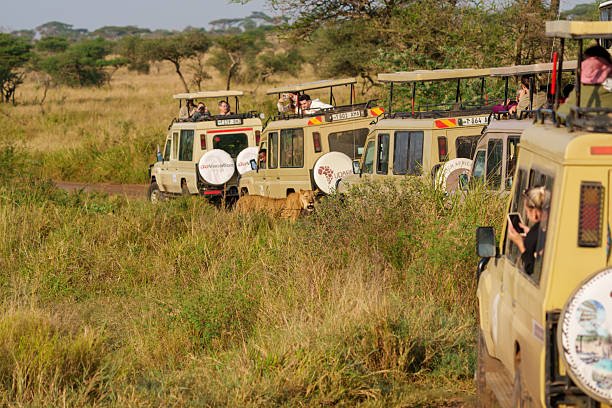
The safari component is often the heart of an East African adventure. Both Kenya and Tanzania offer world-class wildlife viewing, and the best itinerary depends on your interests, time, and budget. A common approach for Australians is to combine elements of both, leveraging the Great Migration as a central theme.
Key decision: Overland vs. Flying between countries/parks. Overland travel between Tanzania and Kenya is possible and often scenic, but can be time-consuming. Internal flights can save significant time, especially for longer distances or when connecting to Zanzibar.
Here’s a look at what each country offers and how they can be combined:
Tanzania Wildlife Focus: Serengeti, Ngorongoro & Beyond
Tanzania is synonymous with vast, iconic landscapes and abundant wildlife. Its Northern Safari Circuit is a classic for a reason:
- Serengeti National Park: Famous for its endless plains, it’s the primary location for the Great Migration’s dramatic river crossings (Grumeti and Mara rivers) and calving seasons. Depending on the time of year, the migration herds can be found in different sectors – the Western Corridor, Central Serengeti, Northern Serengeti, or Southern Plains.
- Ngorongoro Conservation Area: A UNESCO World Heritage Site, the Ngorongoro Crater is a caldera formed by a collapsed volcano, housing an astonishing density of wildlife, including the Big Five, in a relatively small area. It’s a must-visit for guaranteed sightings.
- Tarangire National Park: Known for its large elephant herds and iconic baobab trees. It’s particularly vibrant during the dry season (June-October) when animals congregate around the Tarangire River.
- Lake Manyara National Park: Famous for its tree-climbing lions and diverse birdlife, set against the backdrop of the Great Rift Valley escarpment.
Typical Tanzanian Safari Duration: 4-7 days for the Northern Circuit.
Considerations for 2026-2027: Book lodges/camps in the Serengeti and Ngorongoro well in advance, as they are highly sought after, especially during peak migration months.
Kenya Wildlife Focus: Masai Mara, Amboseli & Laikipia
Kenya offers its own set of iconic safari experiences:
- Masai Mara National Reserve: The Kenyan extension of the Serengeti ecosystem, the Mara is legendary for its predator populations and, crucially, the migration spectacle from July to October, including the dramatic wildebeest river crossings.
- Amboseli National Park: Offers impressive views of Mount Kilimanjaro (across the border in Tanzania) and is famous for its large herds of elephants. It provides a different landscape and photographic opportunities compared to the Mara.
- Samburu National Reserve: Located in the arid north, Samburu is home to unique species adapted to the dry environment, often called the ‘Samburu Special Five’ (Grevy’s zebra, reticulated giraffe, Somali ostrich, gerenuk, and beisa oryx).
- Laikipia Plateau: A collection of private conservancies offering a more exclusive safari experience, focusing on conservation efforts, rhino tracking, and community involvement.
Typical Kenyan Safari Duration: 4-7 days for a combination of parks.
Considerations for 2026-2027: For migration viewing in the Masai Mara, book accommodation (especially tented camps) 9-12 months in advance for 2027. Conservancy fees are separate from park fees and can add to the cost but offer a more private experience.
The Great Migration: Timing is Everything
The Great Migration is a year-round phenomenon, but its location and intensity vary. For many, the most dramatic sightings, including river crossings, occur between June and October. During this period, the herds are typically in the western and northern Serengeti (Tanzania) and the Masai Mara (Kenya).
- July-August: Wildebeest often cross the Mara River in the northern Serengeti and southern Masai Mara. This is peak season and requires early booking.
- September-October: The herds may still be in the Mara or starting to move south.
- December-March: The herds are in the southern Serengeti plains for calving season. This is a different but equally fascinating spectacle, with many newborn wildebeest.
For 2026-2027 travellers: If witnessing the migration river crossings is a priority, aim for July-September. If calving season is preferred, target February-March. Understand that animal movements are never guaranteed 100%, but these periods offer the highest probability.
Combining Kenya and Tanzania for the Migration: A classic itinerary might start in Tanzania’s Serengeti (e.g., Central or Western Corridor) in June/July, then move across to Kenya’s Masai Mara in August/September. Alternatively, focusing on one country during its peak migration season is also a valid choice.
Kilimanjaro Climb Considerations
For many, climbing Mount Kilimanjaro is a significant goal. It’s a non-technical climb, meaning it doesn’t require mountaineering experience, but it is physically demanding due to the altitude. It’s crucial to approach this with respect for the mountain and thorough preparation.
Key Decision: Which route to choose and when to climb. The climb typically takes 5-9 days, and the best time is during the dry seasons: January-March and June-October. These periods offer clearer skies and less rain/snow. For 2026-2027, booking your climb slot is essential as popular dates fill up quickly.
Understanding Kilimanjaro Routes
There are several routes up Kilimanjaro, each with different durations, scenery, acclimatisation profiles, and success rates. The choice significantly impacts your experience and likelihood of summiting.
- Marangu Route (Coca-Cola Route): The oldest and most direct route. It’s the only route with hut accommodation. Duration: 5-6 days. Pros: Cheaper, huts. Cons: Lower success rate due to poor acclimatisation, less scenic.
- Machame Route (Whiskey Route): The most popular route, known for its excellent acclimatisation profile and high success rates. It’s a camping route. Duration: 6-7 days. Pros: Excellent acclimatisation, high success rate, scenic. Cons: Camping, can be crowded.
- Lemosho Route: Considered one of the most scenic routes, offering a great acclimatisation profile. It’s a camping route. Duration: 7-8 days. Pros: Very scenic, excellent acclimatisation, high success rate. Cons: More expensive, longer duration.
- Shira Route: Similar to Lemosho but starts at a higher altitude. Duration: 7-8 days. Pros: Scenic, good acclimatisation. Cons: High starting altitude can be challenging.
- Rongai Route: Approaches from the north, offering a different perspective and good acclimatisation. It’s a camping route. Duration: 6-7 days. Pros: Less crowded, good acclimatisation, good success rates. Cons: Less varied scenery than Lemosho/Machame.
- Northern Circuit: The longest route, offering the best acclimatisation and highest success rates. It circles the mountain. Duration: 8-9 days. Pros: Highest success rate, excellent acclimatisation, very scenic, least crowded. Cons: Most expensive, longest duration.
Choosing Your Kilimanjaro Route
For travellers from Australia planning a Kilimanjaro climb as part of a larger trip, the Machame or Lemosho routes are often recommended for their balance of scenic beauty, good acclimatisation, and high success rates, typically taking 7 days. The Northern Circuit is the ultimate choice for those prioritising the highest chance of success and a more relaxed pace, though it requires more time and budget. A 5-day Marangu climb is generally not recommended due to its significantly lower success rate.
For 2026-2027: Consider a 7-day Machame or Lemosho, or an 8-day Northern Circuit for the best acclimatisation. These longer durations are highly beneficial for trekkers travelling from sea level, especially from Australia.
Preparation for the Climb
Proper preparation is key to a successful Kilimanjaro summit:
- Physical Fitness: Engage in regular cardiovascular exercise, hiking, and strength training for at least 3-6 months prior. Focus on endurance.
- Acclimatisation: Choose a longer route (7+ days) for better acclimatisation.
- Gear: Invest in good quality, broken-in hiking boots, thermal layers, waterproof outer shells, a warm sleeping bag, and trekking poles. Your tour operator will provide a detailed packing list.
- Mental Preparedness: Understand the challenges of altitude sickness and the mental fortitude required.
Climb 4 Africa specialises in Kilimanjaro climbs, offering expert guides and ensuring all necessary logistics are covered for a safe and successful ascent. They can advise on the best route for your fitness level and timeframe.
Zanzibar: Island Paradise and Cultural Charm
After the exertion of safaris and potentially Kilimanjaro, Zanzibar offers a serene and beautiful contrast. This island archipelago is a jewel of the Indian Ocean, known for its history, spices, and stunning beaches.
Key Decision: Where to stay and what activities to focus on. Zanzibar offers a mix of history, culture, and relaxation.
Best Time to Visit Zanzibar: Generally, the dry seasons are best: June to October and December to March. These months offer sunny skies, low humidity, and calm seas, perfect for beach activities and diving.
Zanzibar Activities and Areas
- Stone Town: A UNESCO World Heritage Site, Stone Town is a maze of narrow streets, vibrant markets, historical buildings, and the former slave market. Explore its rich history and unique architecture.
- Spice Tours: Discover why Zanzibar is known as the ‘Spice Island’ by visiting a local farm to see, smell, and taste a variety of spices, fruits, and herbs.
- Beaches:
- Nungwi & Kendwa (North): Known for powdery white sand, clear turquoise waters, and spectacular sunsets. Lively atmosphere with many resorts and restaurants.
- Paje & Jambiani (East): Famous for kite surfing and traditional seaweed farming. Beautiful long stretches of sand, tidal flats, and a more laid-back vibe.
- Matemwe (Northeast): Quieter and more exclusive, offering excellent diving and snorkelling opportunities, particularly near Mnemba Atoll.
- Michamvi Peninsula (Southeast): Offers a mix of secluded beaches and vibrant sunset spots.
- Prison Island: A short boat trip from Stone Town, famous for its giant tortoises and snorkelling.
- Jozani Forest: Home to the endemic Red Colobus monkeys.
Planning Your Zanzibar Stay
A typical stay in Zanzibar ranges from 3 to 7 nights, depending on how much relaxation you desire. Many travellers opt for a few nights in Stone Town to soak up the history, followed by several days on the coast. When booking for 2026-2027, consider the type of atmosphere you prefer: lively and social, or quiet and secluded. This will guide your choice of beach location.
For Australian travellers: Allow ample time to relax and recover from your safari and trek. Zanzibar is the perfect place to do this. Consider direct flights from Kilimanjaro or Arusha to Zanzibar, or fly via Dar es Salaam.
Inter-Country and Intra-Africa Travel Logistics
Moving between Tanzania, Kenya, and Zanzibar requires careful planning, especially when coming from Australia. The most common method is a combination of international flights, overland transfers, and domestic/regional flights.
From Australia to East Africa:
- International Flights: Typically, you’ll fly into either Kilimanjaro International Airport (JRO) in Tanzania or Jomo Kenyatta International Airport (NBO) in Nairobi, Kenya. Flights from Australia are long, often 20+ hours, with stops in cities like Doha, Dubai, or Addis Ababa.
Between Tanzania and Kenya:
- Overland: The border crossing between Tanzania and Kenya is feasible, often used for travel between Nairobi and Arusha (gateway to Kilimanjaro and Serengeti). This is a longer journey but can be scenic and cost-effective. You’ll need to arrange transport on both sides of the border.
- Flying: Short flights are available between Nairobi and Kilimanjaro International Airport (JRO) or Arusha (ARK) in Tanzania, and vice-versa. This saves significant travel time, crucial for tighter itineraries or when connecting to Zanzibar.
To/From Zanzibar:
- Flights: Zanzibar International Airport (ZNZ) is well-connected. There are direct flights from Nairobi and Kilimanjaro/Arusha, as well as frequent flights from Dar es Salaam (which is a major hub for international flights).
- Ferries: A ferry operates between Dar es Salaam and Zanzibar. While cheaper, it’s less comfortable and slower than flying, and not recommended for travellers prioritising time and comfort, especially after a long safari.
For 2026-2027: Given the long travel from Australia, maximise your time on the ground by utilising internal flights where possible. Booking these in advance is recommended, especially for peak travel periods.
Visas and Documentation
Ensuring you have the correct documentation is paramount for a smooth trip.
- Passports: Must be valid for at least six months beyond your intended stay and have at least two blank pages.
- Tanzania Visa: Australian citizens typically need a visa for Tanzania. This can often be obtained online in advance (e-Visa) or upon arrival at Kilimanjaro International Airport (JRO). Check the latest requirements on the Tanzanian immigration website.
- Kenya Visa: Australian citizens also require a visa for Kenya. An e-Visa is available and highly recommended to be applied for online before departure.
- Yellow Fever Certificate: A Yellow Fever vaccination certificate is often required for entry into Zanzibar, especially if you are arriving from or have transited through a country with a risk of Yellow Fever transmission. It’s advisable to check current regulations and carry your certificate.
- Other Vaccinations: Consult your doctor about recommended vaccinations for malaria, Hepatitis A, Typhoid, etc.
Recommendation for 2026-2027: Start researching visa requirements at least 6-9 months before your travel dates. Applying for e-Visas online well in advance is generally the most efficient method.
Health and Vaccinations
Health is a critical aspect of planning any trip to East Africa, particularly for long-haul travellers from Australia.
- Malaria: Tanzania and Kenya are considered malaria-endemic areas. Consult your doctor or a travel clinic about the best malaria prophylaxis for your trip. You should also take precautions against mosquito bites (repellent, long sleeves, nets).
- Yellow Fever: As mentioned, this is often a mandatory vaccination for entry into Zanzibar. Get vaccinated at least 10 days before travel.
- Other Recommended Vaccinations: Hepatitis A, Typhoid, Tetanus, Polio, and Diphtheria are commonly recommended. A Rabies vaccination might be considered for those spending extended time in rural areas or engaging in activities with a higher risk of animal contact.
- Traveller’s Diarrhoea: Be cautious with food and water. Stick to bottled water, avoid ice in drinks unless you are sure it’s made from purified water, and eat well-cooked food.
- Altitude Sickness: If climbing Kilimanjaro, understanding the symptoms (headache, nausea, dizziness) and proper acclimatisation techniques is vital. Your guides will monitor you closely.
- Travel Insurance: Comprehensive travel insurance is non-negotiable. Ensure it covers medical emergencies, evacuation (including high-altitude rescue if climbing Kilimanjaro), trip cancellation, and lost baggage.
For 2026-2027: Schedule your travel health consultations at least 2-3 months before departure to allow time for vaccination courses and medication prescriptions.
Budgeting for Your East Africa Trip (2026-2027)
The cost of a Tanzania, Kenya, and Zanzibar trip from Australia can vary significantly based on accommodation choices, safari style (private vs. shared), Kilimanjaro route, and duration. As a general guide for 2026-2027:
- International Flights (Australia – East Africa): Expect to pay AUD $1,800 – $3,500+ per person depending on the season, booking time, and airline.
- Safari Packages (Tanzania/Kenya):
- Mid-range (shared vehicle, comfortable lodges): USD $300 – $500 per person per day.
- Luxury (private vehicle, high-end lodges/camps): USD $600 – $1,000+ per person per day.
- Kilimanjaro Climb:
- 7-Day Machame/Lemosho: USD $1,800 – $3,000+ per person (includes park fees, crew, food, camping).
- 8-Day Northern Circuit: USD $2,500 – $4,000+ per person.
- Note: These prices can vary based on operator and inclusions. Park fees are a significant portion.
- Zanzibar Accommodation:
- Mid-range resorts/bungalows: USD $100 – $250 per night.
- Luxury resorts: USD $300 – $700+ per night.
- Internal Flights: (e.g., Nairobi-Kilimanjaro, Kilimanjaro-Zanzibar): USD $150 – $350 per flight per person.
- Visas: Typically USD $50 – $100 per country.
- Miscellaneous: Tips, souvenirs, personal expenses. Budget around USD $20 – $50 per day.
Total Estimated Cost for a 3-4 Week Trip (excluding international flights):
- Mid-range: USD $5,000 – $8,000+ per person.
- Luxury: USD $9,000 – $15,000+ per person.
Tips for Budgeting for 2026-2027:
- Book Early: Securing flights and popular accommodations early can sometimes lead to better rates.
- Travel in Shoulder Seasons: Consider travelling just outside the peak months for potentially lower prices and fewer crowds.
- Group Travel: Travelling with others can sometimes reduce per-person costs for private safaris.
- Package Deals: Look for operators who can bundle your safari, Kilimanjaro climb, and Zanzibar stay into a comprehensive package, which can offer value.
Booking with Climb 4 Africa
Navigating the planning of a multi-country trip from Australia to Tanzania, Kenya, and Zanzibar can feel complex. Partnering with an experienced and reputable tour operator like Climb 4 Africa is invaluable. We specialise in creating smooth, tailor-made East African adventures, understanding the specific needs of travellers from countries like Australia.
Why choose Climb 4 Africa?
- Expertise: We have in-depth knowledge of Tanzania, Kenya, and Zanzibar, including optimal safari routes, Kilimanjaro best practices, and Zanzibar’s hidden gems.
- Local Support: Our strong local presence ensures practical, on-the-ground support throughout your journey, from arrival to departure.
- Tailor-Made Itineraries: We excel at crafting bespoke itineraries that align with your interests, budget, and desired pace, whether you’re planning for 2026 or 2027.
- Kilimanjaro Specialists: We are among the top operators for Kilimanjaro climbs, with a focus on safety, success rates, and ethical treatment of our climbing crews.
- Comprehensive Packages: We can arrange all aspects of your trip, including safaris, Kilimanjaro climbs, Zanzibar stays, and necessary transfers, simplifying your planning process.
When you book with Climb 4 Africa, you gain a dedicated partner committed to making your dream East African adventure a reality, handling the intricate details so you can focus on the excitement of your upcoming 2026-2027 travels.
Next Steps and Contact
Ready to turn your Tanzania, Kenya, and Zanzibar dream trip from Australia into a concrete plan for 2026 or 2027? The best next step is to get in touch with our team at Climb 4 Africa. We’re here to answer your questions, discuss your specific interests, and begin crafting a personalised itinerary that perfectly suits your travel style and budget.
To help us tailor the best possible plan for you, please consider providing the following information when you contact us:
- Your preferred travel dates or season (e.g., June 2027, dry season 2026).
- The approximate duration of your trip.
- Your main interests (e.g., Great Migration, Big Five, Kilimanjaro summit, specific wildlife, cultural experiences, relaxation).
- Your estimated budget range.
- The number of travellers in your group.
We look forward to helping you plan an unforgettable East African journey. Don’t hesitate to reach out:
WhatsApp: +255 747 477 898
Email: climb4africa@gmail.com
Let’s start planning your adventure of a lifetime!
Check Availability for We Are Travelling From Australia Can You Plan Tanzania Kenya And Zanzibar
Ready to compare dates, prices, and the best option for your group? Send the package name and travel month so the team can reply with a clear quote, availability, and what is included.

Serengeti Safari And Zanzibar Beach Holiday: The Ultimate Tanzania
Combine the thrill of a Serengeti safari with the relaxation of a Zanzibar beach holiday. This guide covers everything you need to know for an unforgettable Tanzania adventure in 2026-2027...
View package details
Tanzania Safari And Zanzibar All-Inclusive Packages Guide
Combine the thrill of a Tanzanian wildlife safari with the serene beauty of Zanzibar on an all-inclusive package. This comprehensive guide covers everything you need to know for planning...
View package details
Tanzania Safari And Zanzibar Packages /: Your Complete Guide 2026-2027
Explore the best Tanzania safari and Zanzibar packages for 2026-2027. This comprehensive guide covers itinerary options, wildlife highlights, beach relaxation, and booking considerations to...
View package details
10-Day Tanzania Safari And Zanzibar Beach Holiday: Your Ultimate Itinerary
Combine the thrill of a Tanzania safari with the relaxation of Zanzibar for an unforgettable 10-day adventure. This itinerary balances iconic wildlife viewing with stunning tropical...
View package details
Safari From Zanzibar: Best Packages, Prices & Parks For 2026-2027
Combining a Zanzibar beach holiday with a Tanzania safari is a dream for many travelers. This guide details the best safari packages from Zanzibar, covering essential planning, park...
View package details
How Much Does A Zanzibar Holiday Cost? 2026-2027
How Much Does a Zanzibar Holiday Cost? is explained with current 2026-2027 planning, price, itinerary and booking information.
View package detailsZanzibar Holiday Packages /: Your Ultimate Island Escape Guide 2026-2027
Plan your dream Zanzibar holiday for 2026/2027 with this comprehensive guide. Discover package options covering cultural tours, spice farms, historical Stone Town, and idyllic beach...
View package details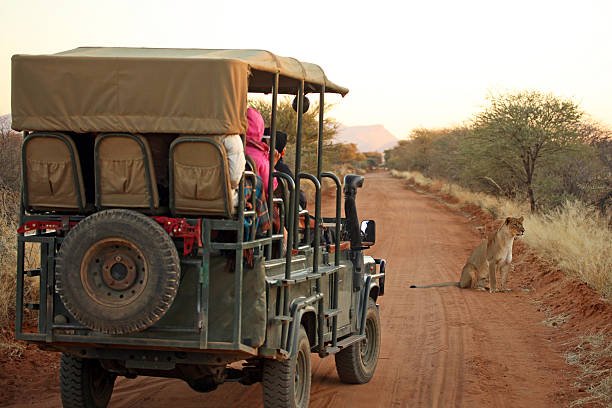
Zanzibar To Mikumi Safari: Flights, Prices And Itinerary Guide
Transition from the spice-scented beaches of Zanzibar to the wildlife-rich plains of Mikumi National Park. This guide details flight logistics, cost considerations, and sample itineraries...
View package details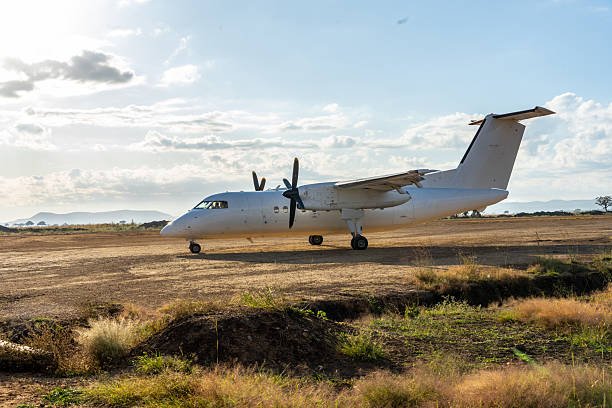
Zanzibar To Nyerere Safari Packages 2026-2027
Zanzibar to Nyerere Safari Packages is explained with current 2026-2027 planning, price, itinerary and booking information.
View package detailsZanzibar To Serengeti Safari Packages 2026-2027
Zanzibar to Serengeti Safari Packages is explained with current 2026-2027 planning, price, itinerary and booking information.
View package details3-Day Safari From Zanzibar 2026-2027
3-Day Safari From Zanzibar is explained with current 2026-2027 planning, price, itinerary and booking information.
View package details
2-Day Safari From Zanzibar: Your Quick Wildlife Escape In 2026-2027
Looking for a short, impactful wildlife adventure without a long trip? A 2-day safari from Zanzibar is your perfect solution. This guide covers the best options, what to expect, and how to...
View package detailsNo related package matches those filters. Clear one or more filters to see the other topic-matched options.



