
Yes, planning a Kilimanjaro safari and Zanzibar holiday from London is very achievable and offers an incredible combination of adventure and relaxation. A typical trip might involve climbing Mount Kilimanjaro for 5-9 days, followed by a 3-7 day wildlife safari in parks like the Serengeti and Ngorongoro Crater, concluding with 3-5 days unwinding on the beaches of Zanzibar. For 2026-2027, booking at least 6-12 months in advance is recommended, especially for peak climbing seasons, to secure preferred dates and accommodations. Direct flights from London to Kilimanjaro International Airport (JRO) or Dar es Salaam (DAR) are available, with onward connections to safari starting points and Zanzibar.
Understanding Your Kilimanjaro Safari and Zanzibar Adventure
Combining the iconic Mount Kilimanjaro climb with a Tanzanian safari and a relaxing stay in Zanzibar is a bucket-list trip for many travellers, especially those flying from London. This itinerary offers a remarkable spectrum of experiences: the physical challenge and immense satisfaction of reaching Africa’s highest peak, the thrill of witnessing the Great Migration and diverse wildlife on safari, and the serene beauty of the Spice Island. For your 2026-2027 travels, it’s crucial to understand how these elements fit together logistically and what planning considerations are paramount.
This guide is designed to walk you through every step, from initial inspiration to final booking, drawing on local expertise to help you make informed decisions. We’ll break down the components of a Kilimanjaro safari and Zanzibar trip, discuss typical durations, highlight key decision points, and provide practical advice for travellers departing from London.
Choosing Your Kilimanjaro Climb: Routes, Durations, and Success Rates
Mount Kilimanjaro is the centrepiece of many Tanzanian adventures. While it’s a trek, not a technical climb, its altitude presents a significant challenge. The success of your summit attempt largely depends on choosing the right route, acclimatizing properly, and being in good physical condition. For travellers from London planning their 2026-2027 ascent, understanding the nuances of each route is the first critical step.
Kilimanjaro Routes Explained
There are several popular routes up Kilimanjaro, each offering a different experience in terms of scenery, difficulty, acclimatization profile, and crowds. The choice significantly impacts your chances of reaching Uhuru Peak (5,895m / 19,341ft).
- Marangu Route (Coca-Cola Route): The oldest and most direct route. It’s known for its huts rather than camping and its relatively quick ascent. However, its steepness and poor acclimatization profile mean it has the lowest success rates. Duration: 5-6 days. Best suited for those seeking a more budget-friendly option or preferring hut accommodation, but not ideal for first-time trekkers aiming for the summit.
- Machame Route (Whiskey Route): Arguably the most popular route. It offers excellent acclimatization with its ‘climb high, sleep low’ profile and diverse scenery. It’s a camping route. Duration: 6-7 days. Highly recommended for its balance of scenery, acclimatization, and success rates. Many group departures for 2026-2027 are available on this route.
- Lemosho Route: A longer, more scenic route that starts in the west. It offers superb acclimatization and stunning views, particularly in the early days. It’s a camping route. Duration: 7-8 days. Often considered one of the best routes for success rates due to its excellent acclimatization. It’s a great choice for those who want a more in-depth wilderness experience.
- Shira Route: Similar to Lemosho but starts at a higher altitude, meaning less walking on the first day but potentially more immediate acclimatization challenges. It’s a camping route. Duration: 7-8 days.
- Rongai Route: The only route approaching from the north. It’s generally drier and less crowded than the southern routes. It’s a camping route. Duration: 6-7 days. A good option for those concerned about rain or seeking a quieter experience.
- Northern Circuit: The longest route, offering the best acclimatization and highest success rates. It traverses almost the entire mountain, providing varied landscapes and fewer crowds. Duration: 9-10 days. Ideal for those who want the highest chance of success and a more comprehensive mountain experience.
- Umbwe Route: The shortest, steepest, and most challenging route. It requires excellent physical fitness and prior high-altitude trekking experience. Duration: 5-6 days. Generally not recommended for beginners or those combining it with other activities.
Duration and Success Rates
For a Kilimanjaro climb, we strongly advise a minimum of 7 days to allow for proper acclimatization. The Machame and Lemosho routes, when done over 7 or 8 days respectively, offer the best balance of acclimatization, scenery, and success rates. Longer routes like the Northern Circuit (9-10 days) further increase your chances of reaching the summit due to superior acclimatization. Shorter routes (5-6 days) significantly reduce your odds of success and can lead to a less enjoyable experience due to altitude sickness.
Success rates are often quoted, but it’s important to understand they vary by route, duration, and the operator’s quality. Reputable operators focusing on safety and acclimatization report success rates upwards of 85-90% for their 7-day+ treks, while shorter routes might see rates below 50%.
Physical Preparation
Regardless of the route chosen, physical preparation is key. Start training at least 3-6 months before your 2026-2027 trip. Focus on cardiovascular fitness (running, cycling, swimming) and strength training, especially for your legs and core. Hiking with a weighted backpack on varied terrain is excellent practice. Remember, you don’t need to be an elite athlete, but a good level of fitness will make the climb more enjoyable and increase your chances of success.
Designing Your Tanzanian Safari: Parks, Wildlife, and Logistics
A Tanzanian safari is world-renowned, and for good reason. Home to iconic landscapes and an unparalleled abundance of wildlife, it’s an essential part of any Kilimanjaro safari and Zanzibar trip. Choosing the right parks and understanding the safari experience will help you maximise your wildlife encounters.
The Northern Circuit: Classic Tanzania
Most safaris are centred around the Northern Circuit, which includes:
- Serengeti National Park: The vast plains of the Serengeti are legendary, especially for witnessing the Great Migration (though timing is crucial). It’s a classic safari destination with abundant predators and herbivores year-round.
- Ngorongoro Conservation Area: Home to the Ngorongoro Crater, a UNESCO World Heritage site. This caldera boasts an incredible density of wildlife, including the Big Five, in a compact, spectacular setting. You can game-drive inside the crater.
- Tarangire National Park: Famous for its large elephant herds and baobab trees, especially during the dry season (June-October).
- Lake Manyara National Park: Known for its tree-climbing lions, diverse birdlife, and scenic lake.
- Arusha National Park: A smaller park often visited at the beginning or end of a safari, offering views of Kilimanjaro and Mount Meru, and home to the unique colobus monkeys.
Safari Duration and Style
A typical safari integrated into a Kilimanjaro and Zanzibar trip usually lasts 3 to 5 days. This allows for visits to 2-3 key parks. For example:
- 3-Day Safari: Ngorongoro Crater & Lake Manyara or Tarangire.
- 4-Day Safari: Tarangire, Ngorongoro Crater, and Lake Manyara.
- 5-Day Safari: Serengeti (central or northern/southern depending on migration), Ngorongoro Crater, and Tarangire.
The duration and parks chosen depend on your interests (e.g., specific animals, migration timing) and your overall trip length. For 2026-2027, consider the migration patterns if seeing it is a priority.
Safari Accommodation Options
Safari accommodation ranges from basic camping (often called ‘bush camping’ or ‘luxury camping’ with more amenities) to mid-range lodges and luxury tented camps or lodges. Your choice impacts the overall cost and the level of comfort after a day of game drives.
- Budget/Camping Safaris: Utilise public campsites with shared facilities, often accompanied by a cook. This is the most economical option.
- Mid-Range Lodges/Tented Camps: Comfortable lodges or permanent tented camps with en-suite bathrooms, restaurants, and often swimming pools. This offers a good balance of comfort and authenticity.
- Luxury Lodges/Tented Camps: High-end accommodations offering exceptional service, gourmet dining, exclusive locations, and premium amenities.
For a Kilimanjaro safari and Zanzibar trip, many travellers opt for a mid-range lodge or tented camp experience to balance comfort and value.
Private vs. Group Safaris
You can opt for a private safari or join a group departure. Private safaris offer flexibility in itinerary and pace but are more expensive. Group safaris are more budget-friendly and provide a social experience. For those looking for shared departures for 2026-2027, options are often available for popular routes and timings.
Zanzibar Relaxation: Beaches, Culture, and Island Life
After the physical exertion of Kilimanjaro and the excitement of safari, Zanzibar offers a perfect idyllic retreat. Known as the ‘Spice Island,’ it’s famous for its pristine white-sand beaches, turquoise waters, rich history, and vibrant culture.
Key Zanzibar Destinations
- Stone Town: A UNESCO World Heritage site, Stone Town is the historic heart of Zanzibar City. Explore its labyrinthine alleys, ancient doors, bustling markets, and rich Swahili and Arab influences. A guided tour is highly recommended to understand its complex history.
- Nungwi & Kendwa: Located on the northern tip, these beaches are renowned for their spectacular sunsets, powdery white sand, and clear, shallow waters perfect for swimming. They offer a lively atmosphere with many resorts and restaurants.
- Paje & Jambiani: On the southeast coast, these villages offer a more laid-back vibe. They are famous for kite surfing (Paje) and traditional seaweed farming (Jambiani). The tidal nature of the beaches here means swimming is best at high tide.
- Matemwe: A quieter, more exclusive stretch of beach on the northeast coast, offering a peaceful escape and excellent diving opportunities nearby, particularly at Mnemba Atoll.
- Chake Chake (Pemba Island): For those seeking even more seclusion, the neighbouring island of Pemba offers untouched natural beauty, excellent diving, and a more authentic, less touristy experience.
Activities in Zanzibar
Beyond beach relaxation, Zanzibar offers a wealth of activities:
- Spice Tours: Discover the island’s history as a spice trading hub.
- Snorkelling & Diving: Explore the vibrant coral reefs, especially around Mnemba Atoll.
- Dhow Cruises: Enjoy sunset cruises on traditional wooden boats.
- Jozani Forest: Visit the home of the rare Red Colobus monkeys.
- Prison Island: See giant tortoises and learn about the island’s history.
- Water Sports: Kayaking, paddleboarding, and of course, kite surfing in Paje.
Duration in Zanzibar
For a truly relaxing experience, we recommend spending at least 3 to 5 days in Zanzibar. This allows enough time to explore Stone Town and enjoy a few days on the beach, perhaps trying a couple of different locations or simply unwinding.
Crafting Your Combined Itinerary: Duration, Flow, and Logistics
The art of planning a Kilimanjaro safari and Zanzibar trip lies in balancing the different components without making the trip feel rushed. For travellers from London, a common and highly recommended duration is around 14 to 21 days.
Sample Itinerary Structures
Here are a couple of popular structures for a 2026-2027 trip:
Example 1: The Classic 14-Day Combo
- Day 1: Arrive at Kilimanjaro International Airport (JRO), transfer to Arusha.
- Days 2-7: Kilimanjaro Climb (e.g., Machame Route, 6 days).
- Day 8: Descend Kilimanjaro, transfer to Arusha for rest.
- Days 9-11: 3-Day Safari (e.g., Tarangire, Ngorongoro Crater).
- Day 12: Fly from Arusha/Kilimanjaro to Zanzibar, transfer to your beach resort.
- Days 13-14: Zanzibar beach relaxation. Depart from Zanzibar (ZNZ).
Note: This is a very fast-paced itinerary. An extra day on Kilimanjaro (7 days) and safari (4 days) is highly recommended for a more comfortable pace.
Example 2: The Comprehensive 18-Day Adventure
- Day 1: Arrive at JRO, transfer to Arusha.
- Days 2-8: Kilimanjaro Climb (e.g., Lemosho Route, 7 days).
- Day 9: Descend, transfer to Arusha.
- Days 10-13: 4-Day Safari (e.g., Serengeti, Ngorongoro Crater, Lake Manyara).
- Day 14: Fly to Zanzibar, transfer to Stone Town for exploration.
- Days 15-17: Zanzibar beach relaxation (e.g., Nungwi or Paje).
- Day 18: Depart from ZNZ.
This 18-day structure provides a more relaxed pace and allows for deeper immersion in each experience.
Example 3: The Ultimate 21-Day Exploration
- Day 1: Arrive JRO, transfer to Arusha.
- Days 2-9: Kilimanjaro Climb (e.g., Northern Circuit, 8 days for maximum acclimatization).
- Day 10: Descend, transfer to Arusha.
- Days 11-15: 5-Day Safari (e.g., Serengeti migration focus, Ngorongoro Crater, Tarangire).
- Day 16: Fly to Zanzibar, transfer to Stone Town.
- Days 17-20: Zanzibar exploration and beach time (e.g., Stone Town, northern beaches, southern beaches).
- Day 21: Depart ZNZ.
This 21-day itinerary is ideal for those wanting to fully savour each part of their adventure without feeling rushed.
Logistical Flow
The typical flow from London is:
- Fly from London to Kilimanjaro International Airport (JRO).
- Transfer to Arusha (the gateway town for Kilimanjaro and safaris).
- Undertake your Kilimanjaro climb.
- Return to Arusha for a brief rest.
- Begin your safari, usually starting from Arusha.
- Fly from Arusha/Kilimanjaro (JRO) or a local airstrip to Zanzibar (ZNZ).
- Spend time in Zanzibar.
- Fly out of Zanzibar (ZNZ), often connecting via Nairobi or Dar es Salaam, or return to JRO for a direct flight back to London.
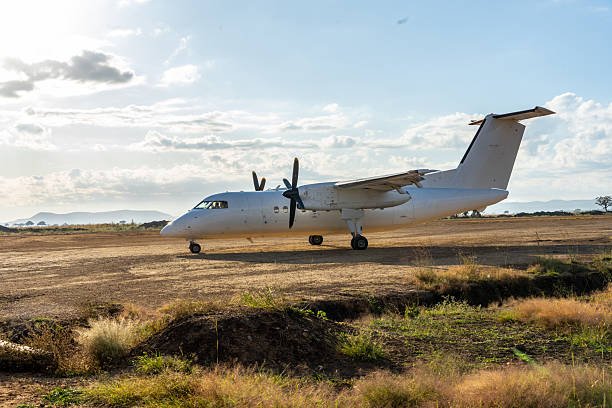
Important Consideration: Internal flights between Kilimanjaro/Arusha and Zanzibar are common. Ensure your international flights from London align with these internal connections. Many travellers opt to fly into JRO and out of ZNZ for maximum convenience.
Travel Logistics from London: Flights, Visas, and Health
Planning your journey from London requires attention to several practical details that ensure a smooth and safe trip for your 2026-2027 adventure.
Flights from London
There are no direct scheduled flights from London to Kilimanjaro (JRO). The most common options involve one stop:
- Via Amsterdam (KLM): A very popular and convenient option.
- Via Doha (Qatar Airways): Offers excellent service and connectivity.
- Via Istanbul (Turkish Airlines): Another strong contender with good flight times.
- Via Addis Ababa (Ethiopian Airlines): Often a more budget-friendly choice, though flight times can be longer.
Flights typically arrive at Kilimanjaro International Airport (JRO), which is conveniently located between Arusha and Moshi. Some travellers might fly into Dar es Salaam (DAR) and take a domestic flight or shuttle to Arusha, but JRO is generally preferred for Kilimanjaro and safari itineraries.
Booking Flights: It’s advisable to book international flights 4-8 months in advance, especially if travelling during peak seasons (e.g., June-October, December-February) for your 2026-2027 trip to secure better prices and availability.
Visa Requirements
British citizens (and most other nationalities) require a visa for Tanzania. You have a few options:
- Online Application: You can apply for a visa online through the official Tanzanian immigration portal. This is often the most convenient method.
- On Arrival: Visas can be obtained upon arrival at JRO airport. However, applying online in advance is recommended to avoid potential queues and ensure a smoother entry.
Check current requirements: Visa regulations can change, so always verify the latest requirements with the Tanzanian High Commission or Embassy in the UK well before your departure date for 2026-2027.
Health and Vaccinations
Consult your doctor or a travel clinic at least 6-8 weeks before your trip for personalised advice regarding vaccinations and malaria prevention.
- Recommended Vaccinations: Hepatitis A, Typhoid, Tetanus, Polio. Yellow Fever vaccination may be required if arriving from or transiting through a country with a risk of Yellow Fever transmission – check your itinerary carefully.
- Malaria: Tanzania is a malaria-risk area. Antimalarial medication is usually recommended for safari and Zanzibar portions of your trip. Discuss options with your doctor.
- Altitude Sickness: While not a vaccination issue, it’s a significant health consideration for Kilimanjaro. Proper acclimatization and hydration are crucial. Your guide will monitor you closely.
- Travel Insurance: Comprehensive travel insurance is absolutely essential. Ensure it covers high-altitude trekking (up to 6,000m) and emergency medical evacuation.
Travel Insurance
This is non-negotiable. For Kilimanjaro climbs, your insurance must explicitly cover:
- High-altitude trekking up to 6,000 meters.
- Emergency medical evacuation from remote locations (including Kilimanjaro).
- Trip cancellation and interruption.
- Lost or delayed baggage.
Always read the policy details carefully to ensure it meets the specific demands of a Kilimanjaro climb and safari adventure.
Booking Your 2026-2027 Kilimanjaro Safari and Zanzibar Trip
Securing your Kilimanjaro safari and Zanzibar trip requires careful planning and choosing the right tour operator. For a smooth experience, partnering with a reputable local company is highly advantageous.
Why Choose a Local Operator?
Local operators like Climb 4 Africa offer significant benefits:
- Expertise: Deep knowledge of Kilimanjaro routes, safari parks, and Zanzibar’s best spots.
- Logistics: Efficient ground handling, reliable transport, and experienced guides.
- Support: On-the-ground support throughout your trip, crucial for any issues that may arise.
- Value: Often provide better value for money compared to international operators who subcontract services.
- Customisation: Ability to tailor itineraries precisely to your interests and budget for 2026-2027.
What to Confirm Before Booking
When comparing operators for your 2026-2027 trip, look for clarity on:
- Inclusions: What exactly is covered? (e.g., park fees, meals, accommodation, guide fees, equipment rental, rescue fees, transfers). Climb 4 Africa provides comprehensive inclusions for all its packages.
- Exclusions: What isn’t included? (e.g., international flights, visas, tips, personal items, travel insurance).
- Guide Qualifications: Are guides certified, experienced, and trained in first aid?
- Safety Standards: What safety protocols are in place for Kilimanjaro climbs (e.g., oxygen, emergency procedures)?
- Group Size: For Kilimanjaro, smaller groups (max 10-12 trekkers per guide) are generally better for support and acclimatization.
- Accommodation Details: Specific hotels for pre/post-climb stays and safari lodges/camps.
- Payment Schedule: Typical deposits and final payment deadlines.
Booking Your 2026-2027 Adventure
The best time to book your Kilimanjaro safari and Zanzibar trip for 2026-2027 is typically 6 to 12 months in advance. This is especially true if you have specific dates in mind, want to join a particular group departure, or are travelling during peak seasons.
To get started with planning your tailor-made Kilimanjaro safari and Zanzibar holiday, or to inquire about group departures for 2026-2027, we encourage you to reach out directly.
You can contact Climb 4 Africa via WhatsApp at +255 747 477 898 or email us at climb4africa@gmail.com. Please provide your desired travel dates, the number of travellers, your preferred Kilimanjaro route and duration, safari interests, and Zanzibar preferences. We can then craft a personalised itinerary and quote for your dream Tanzanian adventure.
Embarking on a Kilimanjaro safari and Zanzibar trip is an extraordinary way to experience the diverse beauty and adventure Tanzania has to offer. With careful planning and the right local support, your 2026-2027 journey will be unforgettable.
Check Availability for Kilimanjaro Safari And Zanzibar Trip From London: Your Expert Plan 2026-2027
Ready to compare dates, prices, and the best option for your group? Send the package name and travel month so the team can reply with a clear quote, availability, and what is included.
Wildlife And Nature Titles: Your Ultimate Guide To Tanzanias Best Experiences
This comprehensive guide explores the most sought-after wildlife and nature titles in Tanzania, from iconic safari destinations and Kilimanjaro treks to the tropical allure of Zanzibar...
View package detailsHow To Create The Perfect Travel Itinerary For Tanzania Adventures 2026-2027
Crafting the perfect travel itinerary for Tanzania involves understanding your priorities, choosing the right activities, and planning logistics effectively. This guide walks you through...
View package detailsCheap Hotels Near Me Tonight: Finding Affordable Stays In Tanzania 2026-2027
Discover how to find cheap hotels near you tonight in Tanzania, focusing on budget-friendly options for travelers planning safaris, Kilimanjaro treks, or Zanzibar holidays in 2026-2027...
View package detailsPlaces Where Your Money Goes Further: Smart Tanzania Travel For 2026-2027
Planning a trip to Tanzania in 2026 or 2027 and want to maximize your budget? This guide reveals how to make your money go further on Kilimanjaro climbs, wildlife safaris, and Zanzibar...
View package detailsDestinations Worth Visiting At Least Once Guide
Discover a curated selection of destinations that offer unparalleled experiences, from the majestic peaks of Kilimanjaro to the spice-scented shores of Zanzibar. This guide helps you...
View package details
Zanzibar To Mikumi Safari: Flights, Prices And Itinerary Guide
Transition from the spice-scented beaches of Zanzibar to the wildlife-rich plains of Mikumi National Park. This guide details flight logistics, cost considerations, and sample itineraries...
View package details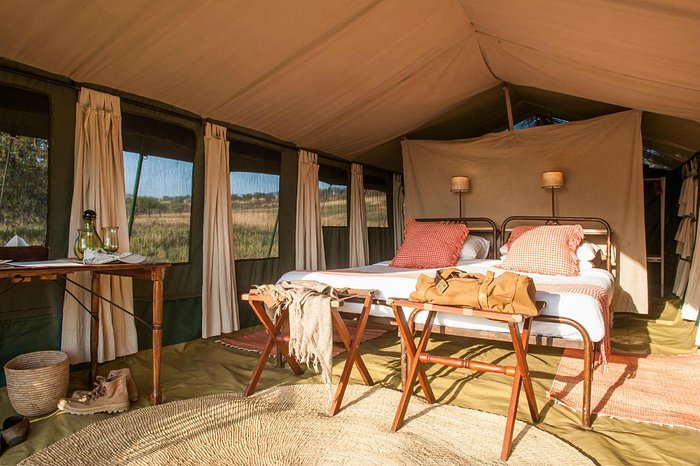
Safari From Zanzibar: Best Packages, Prices & Parks For 2026-2027
Combining a Zanzibar beach holiday with a Tanzania safari is a dream for many travelers. This guide details the best safari packages from Zanzibar, covering essential planning, park...
View package details
Serengeti Safari And Zanzibar Beach Holiday: The Ultimate Tanzania
Combine the thrill of a Serengeti safari with the relaxation of a Zanzibar beach holiday. This guide covers everything you need to know for an unforgettable Tanzania adventure in 2026-2027...
View package details
Tanzania Safari And Zanzibar All-Inclusive Packages Guide
Combine the thrill of a Tanzanian wildlife safari with the serene beauty of Zanzibar on an all-inclusive package. This comprehensive guide covers everything you need to know for planning...
View package detailsZanzibar To Nyerere Safari Packages 2026-2027
Zanzibar to Nyerere Safari Packages is explained with current 2026-2027 planning, price, itinerary and booking information.
View package details
Zanzibar To Serengeti Safari Packages 2026-2027
Zanzibar to Serengeti Safari Packages is explained with current 2026-2027 planning, price, itinerary and booking information.
View package details3-Day Safari From Zanzibar 2026-2027
3-Day Safari From Zanzibar is explained with current 2026-2027 planning, price, itinerary and booking information.
View package detailsNo related package matches those filters. Clear one or more filters to see the other topic-matched options.



