
Yes, it is generally possible for a group of 7 people to share one safari vehicle in Tanzania, but it requires careful planning and the right vehicle choice. Most standard safari vehicles are designed to comfortably accommodate a maximum of 6 passengers, allowing for good viewing and photography opportunities. However, some longer-wheelbase Land Cruisers or Land Rovers can be configured to seat 7 or even 8 passengers, though this can make the space more cramped, especially for longer safari days or with significant luggage. The best approach is to specifically request a vehicle that can legally and comfortably seat 7, often at an additional cost, or to consider splitting into two vehicles if comfort and optimal viewing for everyone is a priority. Booking well in advance for 2026 or 2027 is crucial, especially for groups, to secure the appropriate vehicle and ensure availability.
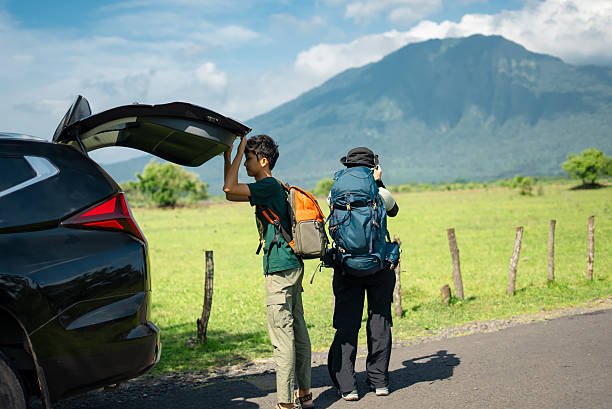
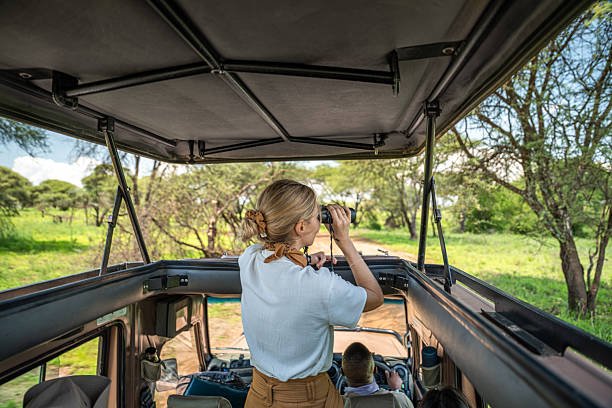
Understanding Safari Vehicle Capacity for Your Group of 7
The question of whether 7 people can all use one safari vehicle is a common one for groups planning an African adventure. It touches on comfort, viewing quality, luggage space, and the very logistics of moving around the national parks. In Tanzania, the standard safari vehicle is typically a modified Toyota Land Cruiser or Land Rover, often a 90-series Land Cruiser. These are built for rugged terrain and wildlife viewing, featuring pop-up roofs. The critical point is their passenger capacity. Legally and for comfort, these vehicles are usually rated for 6 passengers plus the driver-guide. This setup ensures each passenger has a window seat and reasonable space to move, observe wildlife, and take photographs without constant jostling. For a group of 7, this standard configuration means one person would be left out of a single vehicle, or the vehicle would be over capacity, which is not advisable for safety, comfort, or legal reasons.
However, the safari industry, particularly in Tanzania, is adaptable. Tour operators like Climb 4 Africa frequently deal with groups of varying sizes and understand the need to accommodate them. For a group of 7, the most common solution is to utilize a ‘long-wheelbase’ Land Cruiser. These extended versions offer more interior space. When configured for a group of 7, this usually means the 7th passenger sits in the front passenger seat next to the driver-guide. While this provides a good forward view, it does mean that the other 6 passengers are in the back, potentially sharing rows. The pop-up roof mechanism still functions, but the ability for all 7 to stand and look out simultaneously might be slightly reduced compared to a 6-passenger setup. Luggage space also becomes a more significant consideration; with 7 people and their gear, you’ll need to ensure the vehicle has adequate storage, often on a roof rack.
It’s vital to differentiate between what is technically possible and what provides a high-quality safari experience. Cramming 7 adults into a vehicle designed for 6, even if a 7th seat is squeezed in, can lead to discomfort on long driving days, limited photography angles, and a less enjoyable overall trip. Therefore, while the answer is often ‘yes, with specific vehicle types and considerations,’ it’s crucial to have an open discussion with your tour operator about the implications for your specific itinerary and expectations. For travel in 2026 and 2027, planning ahead is key, as specialized vehicles may be in high demand.
Types of Safari Vehicles and Their Suitability for Groups of 7
When you picture a safari, you likely envision a sturdy 4×4 vehicle traversing the plains. In Tanzania, the workhorses are predominantly Toyota Land Cruisers, often in the 70 or 100 series, and Land Rover Defenders. These vehicles are chosen for their durability, off-road capabilities, and suitability for the challenging conditions of national parks and game reserves. Understanding the nuances of these vehicles is key to determining if your group of 7 can fit comfortably.
Toyota Land Cruisers: The Safari Staple
The Toyota Land Cruiser is arguably the most common and reliable vehicle used for safaris in Tanzania. They are known for their robustness and ability to handle rough tracks. For a group of 7, you’ll be looking specifically for a long-wheelbase (LWB) Land Cruiser. Standard LWB Land Cruisers are typically configured with two rows of seating behind the driver and front passenger. This configuration usually seats 6 passengers comfortably in the rear, with ample legroom and window access for everyone. However, some LWB models can be modified or are built with a slightly different interior layout to accommodate a 7th passenger. This 7th seat is often a jump seat in the very front, beside the driver, or sometimes a single seat squeezed into the second row, which can compromise space for the person next to it. The pop-up roof remains the defining feature, allowing passengers to stand up and get unobstructed 360-degree views during game drives.
Trade-offs with a 7-seater configuration in a Land Cruiser:
- Comfort: While feasible, 7 adults in one vehicle for extended periods can feel cramped, especially if luggage is also a factor. The person in the front passenger seat has a good view forward but misses out on the side and rear sightings.
- Photography: With 7 people all wanting to capture photos, you might find yourself waiting for others to finish or having limited angles due to people and vehicle structure.
- Luggage: Ensure the tour operator has accounted for luggage space. If you have large suitcases, they might need to be carried on the roof rack, which can be inconvenient to access.
Land Rover Defenders: Classic Charm, Different Space
Land Rover Defenders also feature on Tanzanian safaris, offering a more classic safari aesthetic. Like Land Cruisers, they are rugged and capable. Standard Defenders typically seat 6 passengers plus the driver. Some extended Defender models might exist, but the configuration for 7 passengers is less common than with Land Cruisers. The seating arrangement in Defenders can sometimes feel a bit more upright and potentially less spacious for extended periods than a Land Cruiser, depending on the specific model and modification. However, their pop-up roof design is equally effective for game viewing.
Open-Sided Safari Vehicles: A Different Experience
While less common for standard park safaris in Tanzania due to park regulations and dust, some specialized operators might offer open-sided vehicles, particularly for transfer purposes or in specific private concessions. These are not typically used for a full 7-day safari as they offer less protection from the elements and wildlife. For a group of 7, they would likely be configured to accommodate this number, but they are not the norm for classic game drives.
Mini-Buses/Coaster Buses: For Larger Groups or Specific Needs
For groups significantly larger than 7, or for those prioritizing maximum space over the classic safari vehicle feel, tour operators might use safari-modified mini-buses or coaster buses. These have higher roofs, allowing people to stand more easily, and often more comfortable seating. However, they are larger, can be less agile on narrow tracks, and the view from the center seats might be obstructed. For a group of 7, this is usually overkill unless specific comfort requirements or luggage needs dictate it. It’s also important to note that park entry fees and vehicle access rules can sometimes differ for larger vehicles.
Recommendation for a group of 7: Stick to requesting a long-wheelbase Land Cruiser specifically equipped for 7 passengers. Discuss the seating arrangement and luggage space with your operator in detail. If the compromise on space and comfort for the 7th passenger (or for everyone if it’s too tight) is a concern, then opting for two vehicles might be the better, albeit more expensive, choice.
The Logistics of Luggage and Space for 7 People
One of the most overlooked aspects when planning for a group of 7 in a single safari vehicle is luggage. Safari vehicles, even the long-wheelbase Land Cruisers, have finite interior space. When you add 7 people, each with their own set of luggage, the situation can quickly become challenging. It’s essential to be realistic about what you can bring and how it will be stored.
Standard Luggage Allowances
Most safari tour operators recommend soft-sided duffel bags rather than rigid suitcases. This is because soft bags are more flexible and can be more easily Tetris-ed into the available space. A typical recommendation is one large duffel bag per person, plus a smaller daypack for essentials (camera, water bottle, binoculars, jacket) that can be kept inside the vehicle’s cabin. However, for a group of 7, even with soft bags, fitting everything inside can be a squeeze.
The Role of the Roof Rack
To mitigate luggage issues, most safari Land Cruisers are equipped with a robust roof rack. This is where larger bags, or excess luggage, will be stowed. While practical, it has its own set of considerations:
- Accessibility: Accessing items from the roof rack during a game drive or at a campsite requires the vehicle to stop and the guide to retrieve them. This means you can’t easily grab something you might need quickly.
- Weather Protection: While most duffel bags are reasonably water-resistant, prolonged or heavy rain can still penetrate, especially if bags are not perfectly sealed. Using waterproof dry bags inside your duffel is a wise precaution.
- Weight Distribution: Guides are trained to load roof racks safely, but it’s something to be mindful of.
What ‘Comfortable’ Means on Safari
For a group of 7, ‘comfortable’ is subjective and depends on the duration of your safari and the distances you’ll be covering each day. A 3-day safari with short drives might be manageable. However, a 10-day safari covering vast distances, with multiple park entries and exits, and frequent stops for wildlife viewing, can become tiring if the space is too confined. The person in the front passenger seat has the benefit of a good view and easy conversation with the guide but might feel a bit isolated from the main group. Passengers in the rear rows will need to be considerate of each other, sharing armrests and legroom.
Key considerations for your group of 7:
- Pack light: Emphasize to all group members the importance of minimizing luggage.
- Soft bags: Strongly recommend soft duffel bags.
- Communicate with your operator: Discuss your luggage situation honestly. Climb 4 Africa, for example, can advise on the specific vehicle’s capacity and suggest packing strategies.
- Consider a second vehicle: If luggage is substantial or if maximum comfort is a high priority for everyone, especially for longer trips in 2026 or 2027, a second vehicle might offer a significantly better experience, even if it’s an added expense.
When is One Vehicle for 7 People the Right Choice?
There are specific scenarios and group dynamics where fitting 7 people into one safari vehicle is a perfectly viable and even preferable option. Understanding these situations can help your group make the best decision for your Tanzanian adventure.
Short Duration Safaris
If your safari is relatively short, perhaps 2 to 4 days, the cramped conditions of a 7-seater vehicle are less likely to become a major issue. Shorter drives between locations and fewer days spent entirely in the vehicle mean the novelty and excitement of the safari can often outweigh the minor discomforts. For a quick exploration of the Serengeti or Ngorongoro Crater, one vehicle can work well.
Budget-Conscious Groups
Hiring one safari vehicle is almost always less expensive than hiring two. If budget is a primary concern for your group of 7 traveling in 2026 or 2027, then maximizing the capacity of a single vehicle becomes an attractive proposition. The savings can then be allocated to other aspects of the trip, such as longer park stays, better accommodation, or extra activities.
Close-Knit Groups with a Relaxed Pace
If your group of 7 consists of close friends or family who enjoy each other’s company and don’t mind a more intimate travel experience, then a single vehicle can foster a great sense of camaraderie. If your group prefers a relaxed pace, isn’t overly concerned with constant photography opportunities for every single sighting, and enjoys shared experiences, then the close quarters can even enhance the group bonding. This dynamic is often more suited to families with younger children or a group of adults who have traveled together extensively before.
Specific Itineraries Requiring Agility
While less common, some very specific itineraries might involve navigating narrow tracks or entering areas where larger vehicles have restrictions. In such niche cases, a standard or slightly longer Land Cruiser might be more agile than a mini-bus, even if it means a tighter fit for 7 people. However, this is usually a secondary consideration to comfort.
When the 7th Seat is a ‘Bonus’
Sometimes, the 7th seat is best viewed as a bonus capacity rather than a primary seating position. If one member of your group is happy to take the front passenger seat for most of the journey, it can free up space for the other 6 in the rear. This is a conversation to have within your group beforehand. The individual in the front seat will have a great view and direct interaction with the guide but won’t have the same ‘window seat’ experience as the others.
Crucially, for any group of 7 considering a single vehicle, the key is clear communication with the tour operator. Operators like Climb 4 Africa have extensive experience with group logistics and can advise on the suitability of their vehicles for your specific needs and itinerary for 2026-2027. They can confirm if their 7-seater configuration is truly comfortable or if two vehicles would be a more prudent recommendation for your group’s enjoyment.
When Two Safari Vehicles for 7 People is Recommended
While fitting 7 people into one safari vehicle is often possible, there are compelling reasons why opting for two vehicles might be a significantly better choice for your group’s overall experience, especially for longer trips or if specific priorities are in play.
Maximizing Comfort on Long Safaris
Tanzanian safaris can involve long driving days, sometimes spanning several hours between different parks or attractions. For instance, driving from the Serengeti to Arusha or between various sectors of the Serengeti itself can be substantial. In a single vehicle, 7 adults sharing limited space for such durations can lead to fatigue, restlessness, and a diminished appreciation for the journey. With two vehicles, your group of 7 can spread out, enjoying more legroom and personal space in each vehicle, making the travel days much more pleasant.
Optimizing Wildlife Viewing and Photography
Safari vehicles are designed to offer excellent viewing opportunities. When you have 6 passengers in the back of a single vehicle, there’s inevitably some compromise. People may have to take turns leaning forward, or the person in the middle seat might have a restricted view. With two vehicles, you can effectively halve the number of people per vehicle (e.g., 3 or 4 per vehicle). This means everyone gets a prime window seat, more freedom to move around to capture sightings from different angles, and less waiting time for others.
Furthermore, two vehicles allow for greater flexibility. If one vehicle spots something of interest off to the side, the other can continue at a slightly different pace, or drivers can coordinate so everyone gets a chance. This is particularly beneficial for photography enthusiasts who want unhindered shots.
Enhanced Flexibility and Personalization
Having two vehicles provides your group with more flexibility. If, for example, half the group wants to spend more time at a particular watering hole while the other half prefers to move on, two vehicles can accommodate this. Drivers can communicate and stay in touch, ensuring no one gets left behind, but allowing for individual preferences within the group to be met more easily. This personalized experience is often a hallmark of a premium safari.
Luggage and Equipment Space
As discussed, luggage can be a significant constraint for 7 people in one vehicle. Opting for two vehicles immediately doubles your available interior and roof rack space. This means everyone can bring their preferred luggage without excessive worry about fitting it all in, and essential items like cameras, tripods, and extra clothing can be more easily stored and accessed.
Group Dynamics and Preferences
Sometimes, even within a group of 7, there might be differing interests or energy levels. One vehicle means everyone is on the same schedule and in the same space. Two vehicles can allow for slight divergences. For instance, one vehicle might have passengers who prefer to stop for a longer bird-watching session, while the other vehicle’s occupants are more focused on spotting large mammals. This allows for a more tailored experience for everyone.
Future-Proofing for 2026-2027 Bookings
When booking for peak seasons in 2026 or 2027, securing specialized 7-seater vehicles might be more challenging. By planning for two standard 6-seater vehicles, you often have a wider range of availability. Tour operators like Climb 4 Africa can advise on the best vehicle types and availability for your chosen dates, helping you secure the optimal setup for your group’s comfort and enjoyment.
In summary, while one vehicle for 7 people is achievable, two vehicles offer a superior level of comfort, viewing, flexibility, and overall experience, particularly for longer safaris or if your group values personal space and optimized wildlife encounters.
Booking Your Safari Vehicle for 7: Key Questions to Ask
Deciding on the right vehicle setup for your group of 7 is crucial for a memorable safari. To ensure you get exactly what you need, it’s essential to ask the right questions when you contact your tour operator. Here are some key points to discuss with Climb 4 Africa or any other provider when planning your 2026 or 2027 safari:
1. Vehicle Type and Configuration
- “Can you confirm the exact vehicle model you would use for a group of 7?” This helps you understand if it’s a standard Land Cruiser, a long-wheelbase, or another type.
- “What is the specific seating arrangement for 7 passengers?” Clarify where the 7th person will sit (e.g., front passenger seat, jump seat) and how the other 6 are arranged.
- “What is the capacity for luggage in this vehicle configuration?” Understand how much space is available inside and how much can be stored on the roof rack.
- “Will the pop-up roof function effectively for all 7 passengers?” Ensure that the configuration doesn’t impede the primary game-viewing feature.
2. Comfort and Viewing Experience
- “How comfortable is this setup for full-day game drives?” Get an honest assessment of space and potential for fatigue.
- “What are the viewing angles like for passengers in the rear rows compared to the front?” Understand any potential limitations.
- “If we opt for two vehicles, what would the arrangement be? (e.g., 3+4 or 4+3 passengers)” This helps in deciding if you want to split evenly or have a slightly more spacious arrangement in one.
3. Cost Implications
- “What is the total cost for one vehicle configured for 7 passengers?”
- “Are there any surcharges for using a vehicle with 7-passenger capacity?” Sometimes, specialized configurations or longer vehicles incur extra costs.
- “What is the cost for two standard 6-seater safari vehicles for our group?” This allows for a direct comparison.
- “Does the cost include fuel, park fees, driver’s allowance, etc.?” Ensure you have a clear understanding of what is included in the quoted price for either option.
4. Itinerary and Route Suitability
- “How will the chosen vehicle configuration affect our itinerary?” For example, if certain areas have restricted access for longer vehicles.
- “Are there any specific areas or parks where a 7-seater vehicle might be less ideal?”
5. Booking and Availability for 2026-2027
- “What is the lead time required for booking a specific vehicle configuration for a group of 7 for [specific dates in 2026 or 2027]?” Early booking is essential for groups.
- “What are your cancellation and amendment policies?”
- “What is the deposit required and payment schedule?”
By asking these detailed questions, you empower yourself and your group to make an informed decision. Operators like Climb 4 Africa pride themselves on transparent communication and helping clients find the perfect safari setup. Don’t hesitate to ask for clarification or express any concerns you might have regarding space, comfort, or logistics for your group of 7.
Making the Final Decision: One Vehicle vs. Two for Your Group of 7
The choice between one safari vehicle for your group of 7 or two vehicles ultimately boils down to balancing budget, comfort, and the desired safari experience. There’s no single ‘right’ answer; it’s about finding the best fit for your group’s priorities and expectations for your 2026 or 2027 trip.
When to Lean Towards One Vehicle for 7:
- Budget is paramount: If the cost savings of a single vehicle are significant and can be reallocated to other trip elements (e.g., nicer accommodation, more days).
- Short safari duration: For trips of 2-4 days, the limited space is less of an issue.
- Group is very close-knit and easygoing: If everyone enjoys a cozy, communal atmosphere and isn’t bothered by sharing space.
- Minimal luggage: If everyone is committed to packing extremely light, using only soft bags.
When to Lean Towards Two Vehicles for 7:
- Comfort is a high priority: For longer safaris (5+ days) or if your group values personal space and legroom.
- Optimizing wildlife viewing/photography: If everyone wants the best possible chance for unobstructed views and photo opportunities.
- Flexibility is desired: If your group might have slightly different interests or paces.
- Ample luggage: If you plan to bring more than the bare essentials or have bulky items.
- A more luxurious or premium experience: Two vehicles generally offer a more refined and less cramped safari feel.
Practical Advice from Climb 4 Africa:
When you contact us at Climb 4 Africa, we’ll discuss your group’s specific needs. We can provide detailed information about the Land Cruisers we use, including their configurations for 7 passengers. We’ll honestly assess whether a single vehicle is suitable for your planned itinerary and duration, or if two vehicles would genuinely enhance your experience. We always aim to be upfront about the trade-offs so you can make an informed decision that leads to an unforgettable safari. Planning for 2026 and 2027 is well underway, and early consultation ensures the best vehicle availability and pricing for your group.
Ultimately, the goal is to ensure every member of your group of 7 has an incredible and comfortable experience exploring the wonders of Tanzania. Whether it’s one vehicle or two, clear communication and choosing a reputable operator are key to a successful safari.
Planning Your Tanzania Safari for 7 in 2026-2027
Organizing a safari for a group of 7 requires more detailed planning than a solo trip or a couple’s getaway. For travel in the 2026-2027 seasons, starting your preparations early is highly recommended to secure the best options for vehicles, accommodation, and guides. Here’s a breakdown of planning considerations specific to a group of 7:
1. Define Your Group’s Priorities
Before you even contact a tour operator, have a group discussion. What are the must-sees? What’s the budget per person? What’s the priority: seeing as many animals as possible, luxurious accommodation, photography, or a relaxed pace? Understanding these priorities will guide decisions on itinerary, vehicle choice, and accommodation style.
2. Choose Your Destinations Wisely
Tanzania offers diverse safari experiences. For a group of 7, popular choices include:
- Serengeti National Park: Famous for the Great Migration (timing is key for 2026-2027) and vast plains teeming with wildlife.
- Ngorongoro Conservation Area: The caldera offers a unique, dense concentration of wildlife, often in a single day.
- Tarangire National Park: Known for its large elephant herds and baobab trees, especially good in the dry season.
- Lake Manyara National Park: Famous for its tree-climbing lions and birdlife.
For a group of 7, you might consider a combination, such as the popular Northern Circuit (Tarangire, Manyara, Ngorongoro, Serengeti). Longer safaris allow for deeper exploration and a more relaxed pace, which can be beneficial for a group.
3. Vehicle Selection: Reiterate the Importance
As detailed earlier, the decision between one 7-seater vehicle or two 6-seater vehicles is critical. For 2026-2027, availability might be tighter during peak seasons (June-October, December-February). Communicate your needs clearly to your operator. If you opt for one vehicle, ensure it’s a long-wheelbase Land Cruiser explicitly set up for 7. If comfort and optimal viewing are paramount, two vehicles are often the better investment for a group of this size.
4. Accommodation Options
Group travel often means coordinating accommodation. Options range from budget-friendly tented camps and lodges to more luxurious permanent tented camps and lodges. For a group of 7, you might look for:
- Family/Group Rooms: Some lodges offer larger rooms that can accommodate 3-4 people. This might mean splitting the group across a few rooms.
- Private Camps: For a more exclusive experience, some operators can arrange private tented camps, though this is a premium option.
- Booking well in advance: Popular lodges, especially those with prime locations or specific room configurations for groups, get booked up quickly for 2026-2027.
5. Dietary Requirements and Special Needs
Ensure your tour operator is aware of any dietary restrictions (vegetarian, vegan, gluten-free, allergies) or special needs within your group. Safari caterers and lodge kitchens are generally accommodating, but advance notice is essential.
6. Travel Insurance
Comprehensive travel insurance is non-negotiable for any safari, especially for a group. Ensure it covers medical emergencies, evacuation (which can be very expensive in remote areas), trip cancellation, and lost luggage.
7. Communication Within the Group
Establish a point person or a clear communication channel for the group. This simplifies decision-making and ensures everyone is on the same page regarding itinerary changes, meeting times, and any group-specific arrangements.
Working with Climb 4 Africa for your 2026-2027 Safari:
We specialize in crafting tailor-made safaris for groups. By contacting us, you can leverage our local expertise to navigate these planning steps efficiently. We’ll help you select the right vehicle, recommend suitable accommodations, and build an itinerary that balances your group’s interests and budget. Let us handle the logistical complexities so you can focus on the excitement of your upcoming adventure. Reach out via WhatsApp +255 747 477 898 or Email climb4africa@gmail.com to start planning.
Customizing Your Group Safari Experience
Beyond the core safari vehicle and destinations, a truly memorable group trip involves customization. For your group of 7 traveling in 2026 or 2027, consider how you can tailor the experience to match your collective interests.
Photography Focus
If your group includes keen photographers, this influences vehicle choice and itinerary. As mentioned, two vehicles offer better individual space and fewer obstructions for photos. You might also request drivers who are adept at positioning vehicles for optimal light and animal behavior. Itineraries can be adjusted to include early morning and late afternoon drives, the ‘golden hours’ for photography.
Bird Watching Enthusiasts
Tanzania is a birdwatcher’s paradise. If your group has a strong interest in ornithology, inform your guide. They can slow down the pace, identify specific habitats, and point out species you might otherwise miss. Certain parks, like Lake Manyara and Arusha National Park, are particularly rich in birdlife.
Cultural Interactions
While primarily focused on wildlife, many safaris can incorporate cultural visits. A visit to a Maasai village or a local community can offer insights into the traditional ways of life in Tanzania. For a group of 7, these interactions can be very engaging. Ensure these are conducted respectfully and ethically, with benefits flowing back to the community.
Walking Safaris
In certain areas outside the main national parks (e.g., within the Ngorongoro Conservation Area or private conservancies), walking safaris can be arranged. These offer a different perspective, allowing you to connect with the environment on foot under the guidance of an armed ranger. This is a great activity for smaller groups within your larger party, or if your group is adventurous.
Special Interest Itineraries
Climb 4 Africa can design itineraries around specific interests, such as tracking particular animals, exploring geological features, or focusing on specific ecosystems. For a group of 7, a tailor-made approach ensures everyone’s interests are considered, even if it means slightly adjusting the standard safari routes.
Pacing and Downtime
Group travel can benefit from built-in downtime. Don’t overschedule every moment. Allowing for relaxation at lodges, enjoying scenic viewpoints, or simply having unstructured time can prevent burnout and enhance the overall experience. Discuss this with your tour operator to ensure the itinerary reflects a realistic pace for your group.
Tailoring your 2026-2027 Safari:
When you book with Climb 4 Africa, we don’t just provide a vehicle; we build an experience. We encourage you to share your specific interests, whether it’s a desire for detailed wildlife photography, an in-depth understanding of local culture, or simply a relaxed pace. Our team is dedicated to crafting a safari that perfectly matches your group of 7’s collective vision. Let’s discuss your dream safari – contact us today!
Practical Tips for Group Safari Travel
Traveling as a group of 7 on safari presents unique opportunities for shared experiences and memories, but it also requires careful coordination. Here are some practical tips to ensure your group safari in Tanzania runs smoothly, whether you’re planning for 2026 or 2027:
1. Pre-Trip Group Meeting/Call
Hold a virtual or in-person meeting before the trip to discuss expectations, confirm packing lists, share contact information, and establish group etiquette. This helps align everyone and address potential conflicts before they arise.
2. Shared Responsibilities
While the tour operator handles the safari logistics, group members can share responsibilities. This could include managing group finances for shared expenses (tips, drinks), coordinating shared gear, or assigning someone to be the ‘point person’ for communication with the guide.
3. Flexibility and Patience
Safari is an adventure, and wildlife sightings are never guaranteed. Things can change due to weather, animal movements, or logistical adjustments. Encourage a flexible and patient attitude within the group. What one person finds exciting (e.g., a slow sighting of a chameleon) another might find less so. Open communication about these moments is key.
4. Respect Personal Space and Time
Even in a group, individuals need personal space. Be mindful of noise levels in shared accommodation, respect quiet time during game drives, and understand that not everyone might want to participate in every single optional activity. For a group of 7 in one vehicle, this is especially important – be considerate of your seatmates.
5. Tipping Etiquette
Tipping is customary in Tanzania for guides and lodge staff. It’s often easier for a group to pool tips for the driver-guide(s) and lodge staff at the end of the safari. Discuss this within your group and agree on a reasonable amount based on the service received. Your tour operator can provide guidance on recommended tipping amounts for 2026-2027.
6. Photography and Sharing
Encourage group members to share their photos. Many groups create a shared online album (e.g., Google Photos, Dropbox) where everyone can upload their best shots. This allows everyone to enjoy the collective memories and see sightings from different perspectives.
7. Emergency Preparedness
Ensure everyone knows the emergency contact details for the tour operator and has a copy of their travel insurance information. The lead guide will have communication devices, but it’s good to have backups.
8. Embrace the Experience
Most importantly, remember why you’re there – to experience the incredible wildlife and landscapes of Tanzania. Let go of minor inconveniences, embrace the adventure, and cherish the shared moments with your group. A safari is a profound experience, and doing it with friends or family makes it even more special.
Planning your 2026-2027 group safari with Climb 4 Africa means you benefit from our expertise in managing these group dynamics. We aim to make the logistics smooth, allowing you to focus on the joy of discovery. Contact us to discuss your group’s specific needs and how we can tailor an unforgettable Tanzanian safari for you.
Check Availability for Can 7 People Share One Safari Vehicle In Tanzania? Your Group Guide…
Ready to compare dates, prices, and the best option for your group? Send the package name and travel month so the team can reply with a clear quote, availability, and what is included.

Small-Group African Safari Tours Guide
Explore the best of Tanzania on a small-group safari. This guide covers everything you need to know for an incredible wildlife adventure in 2026-2027, from choosing the right tour to...
View package details
Are African Safari Prices Per Person Or Vehicle? Understanding Tanzania Costs
African safari costs can be confusing. This guide clarifies whether prices are quoted per person or per vehicle, detailing factors that influence your 2026-2027 safari budget in Tanzania.
View package details
How Far In Advance Should You Book An African Safari? 2026-2027
How Far in Advance Should You Book an African Safari? is explained with current 2026-2027 planning, price, itinerary and booking information.
View package details
Kenya Safari Tours & Holiday Packages 2026-2027
Kenya Safari Tours & Holiday Packages is explained with current 2026-2027 planning, price, itinerary and booking information.
View package details
Solo African Safari Tours: Your Ultimate Guide For 2026-2027
start an incredible solo African safari adventure. This comprehensive guide covers everything you need to know for planning a safe, rewarding, and memorable trip in 2026-2027, from choosing...
View package details
Safari From Zanzibar: Best Packages, Prices & Parks For 2026-2027
Combining a Zanzibar beach holiday with a Tanzania safari is a dream for many travelers. This guide details the best safari packages from Zanzibar, covering essential planning, park...
View package detailsIs It Better To Book A Safari Online Or Locally? 2026-2027
Is It Better to Book a Safari Online or Locally? is explained with current 2026-2027 planning, price, itinerary and booking information.
View package details
What Is Included In An African Safari Package? A Complete Guide For 2026-2027
Demystifying African safari packages. This guide details what you can expect to be included, from essential logistics like accommodation and transport to crucial elements like park fees and...
View package detailsAffordable African Safari Packages: Your Guide To Budget-Friendly Tanzania
Discover how to plan and book affordable African safari packages for 2026-2027. This guide provides practical advice on choosing budget-friendly Tanzania tours, understanding costs, and...
View package details
Best Wildlife Safaris In Africa: Your Ultimate Guide For 2026-2027
start the ultimate African wildlife safari. This comprehensive guide covers the best destinations, essential planning tips, and what to expect for your 2026-2027 adventure.
View package details
Serengeti Safari Tours: Prices, Packages & Best Time To Visit In 2026-2027
Discover everything you need to know for planning your Serengeti safari tour, from understanding pricing and package variations to identifying the ideal travel times in 2026-2027. This...
View package detailsAfrican Safari Packages From Europe 2026-2027
African Safari Packages From Europe is explained with current 2026-2027 planning, price, itinerary and booking information.
View package detailsNo related package matches those filters. Clear one or more filters to see the other topic-matched options.



