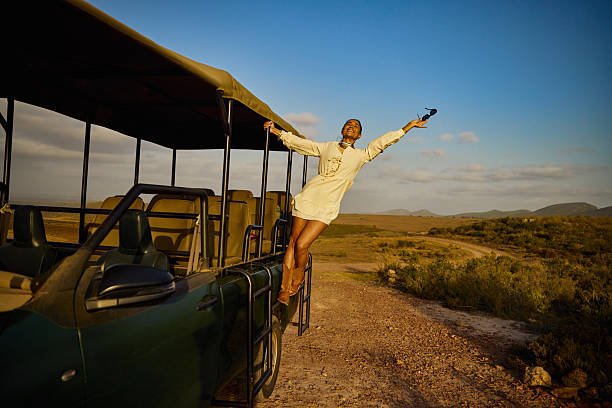
For couples prioritizing quiet camps in the Serengeti, focus your search on lodges and tented camps located in more remote or less-trafficked areas, often outside the main migration routes during peak seasons. Look for smaller, intimate properties that emphasize privacy, offer exclusive-use vehicles, and are situated away from central park hubs or large river crossings. Camps in the Western Corridor (around the Grumeti River), Southern Serengeti during the dry season (away from the calving grounds), or northern areas during specific times can offer the tranquility you seek, ensuring a peaceful Serengeti experience for your 2026 or 2027 safari.

Understanding Your Need for Quiet Camps in Serengeti
The Serengeti National Park is synonymous with iconic wildlife encounters, vast plains, and the Great Migration. However, its very popularity means that some areas, particularly the central Seronera region, can become quite busy, especially during peak wildlife viewing times. As a couple seeking quiet camps, your primary objective is to experience the magic of the Serengeti without the crowds, allowing for more intimate wildlife viewing, relaxed evenings, and a sense of seclusion. This isn’t about avoiding wildlife – it’s about enhancing the quality of your experience by minimizing human congestion.
When we talk about ‘quiet camps’ for couples, we’re typically referring to several key characteristics:
- Low Guest Density: Smaller camps with fewer tents or rooms mean fewer people sharing the common areas and the surrounding wilderness.
- Strategic Location: Camps situated in areas with resident wildlife but away from major tourist thoroughfares or busy water sources. This often means looking at private concessions or areas that are slightly off the beaten path within the main park.
- Privacy and Intimacy: Lodges and camps designed with private verandas, secluded dining options, and exclusive-use vehicles for game drives enhance the feeling of being alone in nature.
- Adult-Focused Atmosphere: While many camps welcome families, some are more geared towards adults, fostering a more serene and relaxed environment.
Your desire for quiet camps directly influences where you should stay within the Serengeti and the type of accommodation you should choose. The Serengeti is a massive ecosystem, and different regions offer distinct experiences throughout the year. Understanding these regional variations is crucial for finding that perfect peaceful retreat for your 2026 or 2027 safari.
Serengeti’s Zones: Finding Your Quiet Corner
The Serengeti ecosystem is broadly divided into several key regions, each offering unique wildlife viewing opportunities and differing levels of visitor traffic. For couples seeking quiet camps, understanding these zones and when to visit them is paramount.
Central Serengeti (Seronera Valley)
The Seronera Valley is the most popular and accessible region of the Serengeti, known for its high concentration of resident wildlife year-round, particularly big cats. Its popularity, however, means it can be the busiest part of the park. While it offers unparalleled game viewing, it might not be the first choice if your absolute priority is solitude. However, even within Seronera, there are lodges that strive for a more exclusive feel, often through their location on the valley’s periphery or by offering private guiding.
Trade-offs: Excellent game viewing, especially for big cats, year-round. High chance of seeing a variety of animals. Downside: Can be very busy with multiple vehicles at sightings, especially during peak season (June-October).
Western Corridor (Grumeti River)
The Western Corridor, particularly the area around the Grumeti River, is famous for its large crocodiles and the dramatic river crossings of the wildebeest migration, typically from May to July. This region is generally less crowded than Seronera, offering a more exclusive feel. The landscape is characterized by riverine forests and open plains. Lodges here often provide a sense of remoteness.
Trade-offs: Excellent for witnessing the migration river crossings and resident wildlife, including large predators. Offers a more secluded experience than the central Serengeti. Downside: Can be very hot and humid, especially during the earlier months of the year. Wildlife density might be slightly lower outside of migration season compared to Seronera.
Southern Serengeti (Ndutu Area & Moru Kopjes)
The Southern Serengeti is renowned for the calving season of the Great Migration, which typically occurs from late January to March. This area, including the Ndutu region (which technically falls within the Ngorongoro Conservation Area but is part of the broader Serengeti ecosystem), sees vast herds congregating to give birth. The landscape is open grassland dotted with acacia trees. While the herds attract visitors, the sheer expanse of the plains means you can often find quiet spots. The Moru Kopjes, further north within the southern sector, are known for resident wildlife and offer a more rugged, kopje-dotted landscape.
Trade-offs: Incredible spectacle of the calving season and predator action. Can offer a sense of vastness and fewer vehicles if you choose your camp wisely. Downside: Wildlife is concentrated around the herds during calving season; outside of this, resident game might be less dense than Seronera. Ndutu is technically outside the National Park, with slightly different regulations.
Northern Serengeti (Kogatende & Lamai)
The Northern Serengeti, particularly the Kogatende and Lamai areas, is a prime location for witnessing the Great Migration river crossings of the Mara River, usually from July to October. This region is characterized by rolling hills, rocky outcrops, and the mighty Mara River. While the river crossings are a major draw, leading to some congestion at specific crossing points, the vastness of the area and the availability of camps in more remote locations mean you can often find quiet, exclusive experiences. It’s a place where you can feel truly immersed in the wild.
Downsides: Can be very busy during peak migration crossing times at popular river points. Access can be more challenging and expensive due to flight costs. The landscape can be quite dry and dusty in the later months.
Private Concessions
For the ultimate in exclusivity and quiet, consider staying in one of the Serengeti’s private concessions (e.g., North Mara, West Kilimanjaro bordering Serengeti, or specific areas leased for low-impact tourism). These concessions offer more flexibility, including off-road driving and night game drives, which are not permitted in the main National Park. They are typically home to smaller, more luxurious camps, ensuring very low guest numbers and a highly personalized, private experience. These are often the most expensive options but deliver unparalleled tranquility and immersion.
Trade-offs: Highest level of privacy, exclusivity, and flexibility (off-road, night drives). Often stunning locations and top-tier service. Downside: Significantly higher cost compared to park-based lodges. Limited availability, requiring booking well in advance, especially for 2026 and 2027.
Types of Accommodation for Quiet Serengeti Stays
The type of accommodation you choose will significantly impact your experience of quiet and privacy. For couples seeking a serene safari, tented camps and smaller lodges often provide a more intimate atmosphere than larger hotel-style lodges.
Luxury Tented Camps
These are not your basic camping tents. Luxury tented camps offer spacious, en-suite canvas tents that often feature comfortable beds, fine linens, private bathrooms with flushing toilets and hot showers, and private verandas. The canvas walls provide a wonderful connection to the environment, allowing you to hear the sounds of the bush at night while still enjoying creature comforts. Smaller camps (e.g., 6-12 tents) are inherently quieter and more exclusive.
Why they suit quiet couples: The intimate scale, the connection to nature, and the often remote locations make them ideal. Many offer private dining options under the stars.
Boutique Lodges
Smaller, often owner-run lodges, can offer a highly personalized and quiet experience. These properties may have fewer rooms but focus on exceptional service, gourmet dining, and a tranquil setting. They often blend seamlessly into the environment, providing stunning views without feeling intrusive.
Why they suit quiet couples: The personalized service and limited number of guests create a relaxed and intimate atmosphere. They often feel more like a private home in the bush.
Mobile Camping Safaris (Private)
For the adventurous couple who desires absolute solitude, a private mobile camping safari is an option. These safaris involve setting up a private camp in a designated wilderness area, often following the migration. You’ll have a dedicated team, a comfortable mess tent, and spacious sleeping tents. This is the ultimate way to get away from it all, though it requires a higher level of comfort with the wilderness.
Why they suit quiet couples: Unrivaled privacy and a true sense of being alone in the wild. You can choose your location (within permitted areas) to ensure peace.
What to avoid if seeking quiet: Large, resort-style lodges with multiple swimming pools, extensive dining halls, and numerous rooms. These are more likely to attract larger groups and have a busier atmosphere.
Choosing the Right Time for a Quiet Serengeti Safari
The time of year you plan your safari dramatically affects wildlife movements, weather, and visitor numbers, all of which impact the level of quiet you can expect. For couples prioritizing peace, strategic timing is as important as location.
The Shoulder Seasons (April-May and November-December)
These months often represent the ‘shoulder seasons’ and can be excellent for finding quieter experiences. The short rains in November and the long rains from April to May mean fewer tourists. While game viewing can still be excellent, especially with lush landscapes, you’ll find fewer vehicles. The Southern Serengeti is particularly beautiful after the first rains in November.
Pros for quiet couples: Significantly fewer tourists, greener landscapes, potentially lower prices. Cons: Possibility of rain showers, which can sometimes affect game drive schedules or road conditions.
The Dry Season (June-October)
This is peak tourist season, coinciding with the dry months and the dramatic river crossings of the Great Migration in the north. While it offers reliable game viewing and pleasant weather, it also means higher visitor numbers, especially in the Northern and Central Serengeti. To find quiet during this period, you must actively seek out camps in less accessible areas or those that are deliberately small and exclusive.
Pros for quiet couples: Excellent game viewing, reliable weather. Cons: High visitor numbers, especially in popular migration areas. Camps and flights book up months, even years, in advance for 2026 and 2027.
The Calving Season (January-March)
The Southern Serengeti becomes the focus during this time, with millions of wildebeest and zebras congregating for the calving season. While the spectacle is immense, the area can attract many vehicles focused on predator-prey action. However, the vastness of the southern plains means that if you choose a camp away from the immediate calving grounds or in the Moru Kopjes area, you can still find moments of solitude.
Pros for quiet couples: Incredible predator action and a unique wildlife spectacle. Cons: Can be busy in specific areas of high concentration. The landscape is dry.
Specific Considerations for 2026-2027 Bookings
As you plan for 2026 or 2027, remember that the Serengeti is a year-round destination. However, popular periods, especially for those seeking the migration river crossings, will book up very quickly. If your priority is a quiet experience, consider the shoulder seasons or aim for camps in more remote sectors of the park during the peak dry season. Early booking is always advised, but it’s absolutely critical for securing desirable, small, quiet camps for 2026-2027, as these are often the first to be reserved.
Planning Tip for Quiet Safaris
If you’re set on visiting during the peak migration season (July-October) but want to avoid crowds, consider camps in the Northern Serengeti away from the immediate Mara River crossings, or focus on the Western Corridor during May-July. Alternatively, a private concession offers the highest chance of seclusion year-round, irrespective of migration movements.
Key Features to Look for in Quiet Serengeti Camps
When evaluating potential camps for your quiet Serengeti getaway, look beyond just the photos and star ratings. Certain features are tell-tale signs of a property that prioritizes peace and privacy for its guests.
Camp Size and Tent Count
This is perhaps the most direct indicator. A camp with fewer than 10 tents is generally a good starting point for a quiet experience. Camps with 4-8 tents are even better for ensuring a truly intimate atmosphere. Larger lodges, even if luxurious, will naturally have more guests, leading to more activity in common areas and potentially more vehicles on game drives.
Location, Location, Location
Is the camp located within a busy tourist circuit, or is it in a more remote sector? Camps positioned in areas with resident game but away from major waterholes or known migration bottlenecks will naturally be quieter. Look for camps that are either in private concessions or in the less-frequented sectors of the main park. A camp positioned on a hill with expansive views can also offer a sense of isolation and peace.
Exclusive-Use Vehicles
Many high-end camps offer exclusive-use safari vehicles as part of their package or as an optional add-on. This is a important choice for couples seeking quiet. It means your vehicle is dedicated solely to you and your partner for your entire stay, allowing you to spend as much time as you wish at sightings, move at your own pace, and go off-road (where permitted) without disturbing other guests. This is a significant factor in ensuring a private and unhurried game viewing experience.
Private Dining and Sundowners
The ability to have private dining experiences – whether a candlelit dinner on your tent’s veranda, a secluded bush dinner, or a private breakfast picnic – significantly enhances the romantic and quiet aspect of your safari. Similarly, private sundowner spots away from the main camp or other guests add to the feeling of exclusivity.
Adults-Only or Adult-Focused Properties
While not always explicitly stated, some camps cater more to couples and adults, which naturally leads to a more tranquil ambiance. If you prefer to avoid the noise and energy that children can bring, inquire if the camp has a preference or policy regarding younger guests. Some high-end properties are strictly adults-only.
Service Style
A camp that emphasizes personalized, discreet service can contribute to a quiet atmosphere. Staff who anticipate your needs without being intrusive, and who facilitate private experiences seamlessly, are key. This often comes with the territory of smaller, more exclusive properties.
Checklist for Booking a Quiet Camp:
- Camp Size: Aim for 6-12 tents maximum.
- Location: Remote sector, private concession, or away from main tourist hubs.
- Vehicle Use: Does it offer exclusive-use vehicles?
- Dining: Are private dining options available?
- Atmosphere: Inquire about the general guest profile (e.g., adults-focused).
- Activities: Does it offer activities that enhance privacy (e.g., walking safaris, night drives if in a concession)?
Specific Camp Recommendations for Quiet Couples
Based on the criteria above, here are types of camps and specific examples (or styles of camps) that generally cater well to couples seeking quiet in the Serengeti. It’s important to note that availability and specific offerings can change, so always confirm details for your intended 2026 or 2027 travel dates.
High-End Luxury Tented Camps (Often in Private Concessions or Remote Areas)
These camps typically offer the highest level of privacy, service, and exclusivity. They are usually small (6-12 tents) and located in private concessions or very remote parts of the main park.
- Examples of Style: Think of camps that are renowned for their prime locations and intimate settings. These might be found in the Lamai Triangle (North), the Western Corridor, or areas bordering the Western Serengeti. They often feature spacious canvas tents with king-size beds, elegant en-suite bathrooms, private decks, and exceptional guiding.
- Why they work for quiet couples: Their remote locations mean fewer other vehicles. Private concessions allow for off-road and night drives, maximizing wildlife viewing without crowds. The small number of tents ensures a tranquil atmosphere.
- Booking for 2026-2027: These are highly sought-after and require booking 9-12 months in advance, sometimes more, especially for peak seasons.
Mid-Range Tented Camps (Smaller Properties in Less Busy Sectors)
You can still find quiet and intimacy in the mid-range category, provided you choose carefully. Look for smaller tented camps (8-15 tents) that are strategically located in areas that are less frequented by the main tourist traffic. This might mean a camp in the southern Serengeti outside of the peak calving season, or one in a slightly less accessible part of the central region.
- Examples of Style: Camps that offer comfortable, well-appointed canvas tents with en-suite facilities, good guiding, and a friendly atmosphere. They might not have all the ‘bells and whistles’ of top-tier luxury but deliver an authentic and peaceful safari experience.
- Why they work for quiet couples: The smaller size inherently means fewer people. Choosing a location slightly off the main routes enhances the sense of seclusion. They offer a great balance of comfort and wilderness immersion.
- Booking for 2026-2027: Aim to book 6-9 months in advance for the best availability, especially if traveling during popular times.
Intimate Lodges with Exclusive Appeal
Some lodges, while not tented, are designed to feel intimate and private. These might be built with unique architecture, spread out over a larger area, or have a limited number of suites that are well-separated. They often offer excellent service and a quiet ambiance.
- Examples of Style: Look for lodges known for their unique designs, stunning locations (e.g., overlooking a valley or kopje), and a focus on personalized service. Some lodges in the Moru Kopjes area or slightly outside the main Seronera hub can offer this.
- Why they work for quiet couples: Thoughtful design that maximizes privacy, combined with fewer rooms, can create a serene environment.
- Booking for 2026-2027: Similar to mid-range tented camps, booking 6-9 months ahead is recommended.
Important Considerations for All Camp Types:
- Game Drive Policy: Always clarify how game drives are conducted. Are vehicles shared or private? Can you request to spend more time at sightings?
- Dining Arrangements: Can you request private dining? Is it offered at an extra cost?
- Noise Levels: While difficult to gauge from descriptions, smaller camps generally have less ambient noise from facilities.
- Camp Vibe: Some camps have more of a social atmosphere, while others are designed for quiet relaxation. Inquire about this if it’s important to you.
When you are ready to plan your 2026 or 2027 Serengeti safari and have identified a few camps that appeal to your desire for quiet, we can help you assess their suitability based on your specific preferences and the time of year you wish to travel. Our expertise lies in matching couples like yourselves with the perfect, peaceful Serengeti experience.
Planning Your Quiet Serengeti Itinerary: A Step-by-Step Approach
Crafting an itinerary that guarantees a quiet and intimate Serengeti experience requires careful planning. It’s not just about picking a camp; it’s about structuring your entire safari to maximize peace and minimize encounters with crowds.
Step 1: Define Your Priorities and Travel Dates
Before diving into camp options, sit down together and list what matters most:
- Absolute Quiet vs. Excellent Wildlife: Are you willing to sacrifice seeing certain migration events for guaranteed solitude, or do you want the best of both worlds?
- Budget: Camps offering the highest level of seclusion (private concessions, top-tier luxury) come with a higher price tag. Be realistic about what you can afford for 2026 or 2027.
- Desired Wildlife Focus: Are you hoping for predator sightings, the Great Migration river crossings, the calving season, or just a general overview of Serengeti’s diverse fauna?
- Travel Dates: This is critical. As discussed, different times of year offer different levels of quiet and different wildlife spectacles.
Step 2: Choose Your Region(s) Based on Time of Year
Based on your chosen dates, select the Serengeti region that best aligns with your priorities:
- July-October: Northern Serengeti (for river crossings, but requires careful camp selection for quiet).
- May-July: Western Corridor (for Grumeti river crossings, generally quieter).
- January-March: Southern Serengeti (for calving season, vast plains can offer quiet if camp is chosen well).
- Year-Round: Central Serengeti (best for resident cats, but requires choosing a lodge away from the main Seronera hub or a private concession).
Step 3: Select Your Camp(s) with Quiet in Mind
Now, apply the criteria we discussed earlier:
- Size: Look for small camps (under 12 tents).
- Location: Prioritize remote sectors or private concessions.
- Vehicle Policy: Ensure exclusive-use vehicles are an option.
- Privacy Features: Check for private dining and sundowner spots.
For a truly quiet experience, consider splitting your stay between two different regions or camps. For example, a few nights in the remote Northern Serengeti during the migration, followed by a few nights in a private concession or a quieter part of the Western Corridor.
Step 4: Arrange Private Guiding and Vehicles
Even if your chosen camp doesn’t automatically include it, strongly consider booking a private safari vehicle and guide for your entire trip. This is the single most effective way to ensure your game drives are on your terms, allowing you to avoid crowded sightings and explore at your own pace. This is a key investment for couples seeking a peaceful and intimate safari.
Step 5: Consider Logistics – Flights vs. Driving
Getting to remote camps often involves light aircraft flights. While more expensive than driving, flying saves significant time and allows access to camps that are difficult to reach by road. This can be a crucial factor in reaching those truly quiet, off-the-beaten-path locations. If your chosen camp is in a remote sector, flying into the nearest airstrip is usually the most practical and time-efficient option.
Sample Itinerary Snippet for a Quiet Couple’s Safari (Focus: Northern Serengeti, July-September)
Duration: 4 Nights / 5 Days
- Day 1: Arrival in Kilimanjaro (JRO) / Arusha. Overnight in Arusha.
- Day 2: Fly to Kogatende (Northern Serengeti). Meet your private guide and vehicle. Transfer to your small, exclusive tented camp. Afternoon game drive focusing on resident wildlife and areas away from main river crossing points. Enjoy a private sundowner.
- Day 3: Full Day Private Game Drives. Explore the vast plains of the Northern Serengeti. Your guide will seek out migration herds and predators, prioritizing quieter viewing spots and spending ample time at any sightings you discover. Focus on areas like Lamai Wedge or less-frequented river tributaries.
- Day 4: Full Day Private Game Drives. Continue exploring. Depending on migration movements, your guide may focus on specific areas or explore further afield. Enjoy a private bush breakfast or lunch.
- Day 5: Morning Game Drive & Departure. Enjoy a final morning game drive before transferring to Kogatende airstrip for your flight back to Arusha or Kilimanjaro, connecting to your onward travel.
Note: This itinerary prioritizes flexibility and private guiding to ensure a quiet experience, even during peak migration season.
Booking Your Quiet Serengeti Escape for 2026-2027
Securing the perfect quiet camp for your Serengeti safari is an investment in a memorable and intimate experience. Given the demand for quality, smaller camps, especially for couples seeking tranquility, proactive booking is essential, particularly for travel in 2026 and 2027.
When to Book
For the best selection of quiet camps, especially those in private concessions or highly sought-after locations during peak migration times (July-October), you should aim to book:
- 12-18 months in advance for high-end luxury camps and private concessions.
- 9-12 months in advance for good mid-range and smaller luxury camps in popular areas.
- 6-9 months in advance for shoulder seasons or less in-demand regions.
For 2026 and 2027, popular dates and the most exclusive properties are already seeing significant interest. Don’t delay if you have specific requirements.
Working with Experts: Why It Matters
Navigating the vast array of Serengeti camps and understanding which ones truly deliver on ‘quiet’ and ‘privacy’ can be overwhelming. This is where experienced local tour operators like Climb 4 Africa become invaluable.
- Local Knowledge: We have firsthand knowledge of the camps, their locations, their service standards, and how busy they tend to be at different times of the year.
- Tailored Recommendations: We don’t just book; we listen to your specific needs – your preference for quiet, your budget, your desired wildlife experiences – and match you with the most suitable options.
- Logistical Expertise: We handle all the complex logistics, including internal flights, park fees, transfers, and ensuring your safari vehicle and guide are private and dedicated.
- Value and Efficiency: We can often secure better rates and packages due to our relationships with suppliers, and we save you valuable planning time.
Understanding Safari Costs for Quiet Camps
Camps that offer a high degree of quiet and privacy, especially those in private concessions or with exclusive-use vehicles, typically fall into the luxury to high-end luxury price bracket. For 2026-2027, expect costs to range broadly:
- Mid-Range Quiet Camps: From approximately $450 – $750 per person per night.
- Luxury Tented Camps / Boutique Lodges: From approximately $750 – $1,500+ per person per night.
- Exclusive Private Concession Camps: From approximately $1,200 – $2,500+ per person per night.
These prices usually include accommodation, all meals, standard drinks, park fees, and shared game drives. Exclusive-use vehicles and private charter flights will add significantly to the total cost. We can provide a detailed, personalized quote based on your specific itinerary and preferences.
Your Next Step
To begin planning your tranquil Serengeti safari for 2026 or 2027, we recommend reaching out to us directly. Tell us about your ideal safari experience, your preferred travel dates, and your thoughts on the type of quiet accommodation you envision. We can then start crafting a personalized itinerary and provide you with specific camp recommendations tailored to your needs.
Contact Climb 4 Africa:
- WhatsApp: +255 747 477 898
- Email: climb4africa@gmail.com
We are here to help you find that perfect, peaceful corner of the Serengeti, ensuring your safari is as serene as it is spectacular.
Check Availability for Quiet Camps Serengeti: Where Couples Can Find Peace 2026-2027
Ready to compare dates, prices, and the best option for your group? Send the package name and travel month so the team can reply with a clear quote, availability, and what is included.
Dec 24, – 3 Day Christmas Serengeti And Ngorongoro Group Safari
Dec 24, 2026 – 3 Day Christmas Serengeti and Ngorongoro Group Safari.
View package details
Nov 23, – 3 Day Serengeti And Ngorongoro Safari From Zanzibar
Nov 23, 2026 – 3 Day Serengeti and Ngorongoro Safari from Zanzibar.
View package details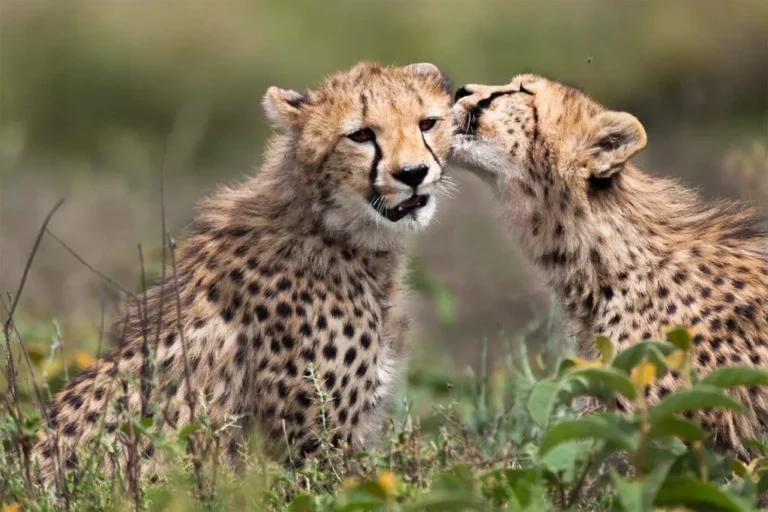
Dec 31, : New Year’s Eve Serengeti Group Safari Planning Guide
This guide provides essential planning details for a group safari trip to the Serengeti for New Year's Eve 2026, covering logistics, seasonal highlights, and what to expect.
View package details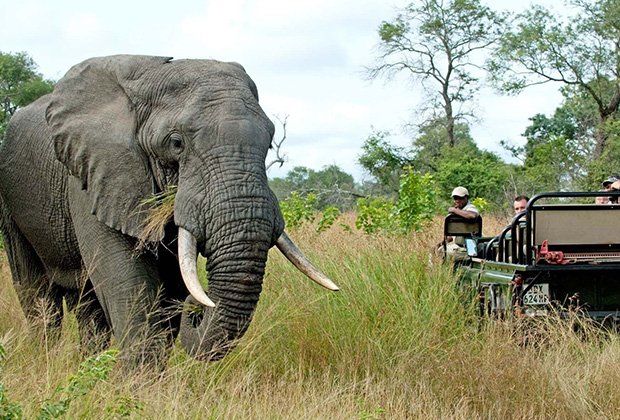
I Am On A Budget—What Is The Cheapest Serengeti Group Safari?
I Am on a Budget—What Is the Cheapest Serengeti Group Safari?
View package details
Dec 29, – 6 Day Ndutu, Serengeti And Ngorongoro Group Safari 2026
A detailed guide to our 6-day group safari departure on December 29, 2026, focusing on the Ndutu plains, the Serengeti, and the Ngorongoro Crater.
View package details8 Day Serengeti And Ngorongoro Group Safari – December 16, 2026
Planning your December 2026 Tanzanian adventure? Our 8-day group safari offers a deep, unhurried exploration of the Serengeti and Ngorongoro Crater.
View package detailsDec 12, – 6 Day Serengeti, Ngorongoro, Tarangire And Manyara Group Safari 2026
Dec 12, 2026 – 6 Day Serengeti, Ngorongoro, Tarangire and Manyara Group Safari.
View package detailsDec 8, – 4 Day Tarangire, Serengeti And Ngorongoro Group Safari 2026
A detailed guide to our December 8, 2026 group joining safari, covering the itinerary, logistics, and what to expect during this 4-day wildlife adventure in Tanzania.
View package detailsNov 28, – 3 Day Fly-In Serengeti Group Safari From Zanzibar 2026
A detailed look at the 3-day fly-in Serengeti group safari departing November 28, 2026, including logistics, itinerary highlights, and travel tips for your Tanzania adventure.
View package details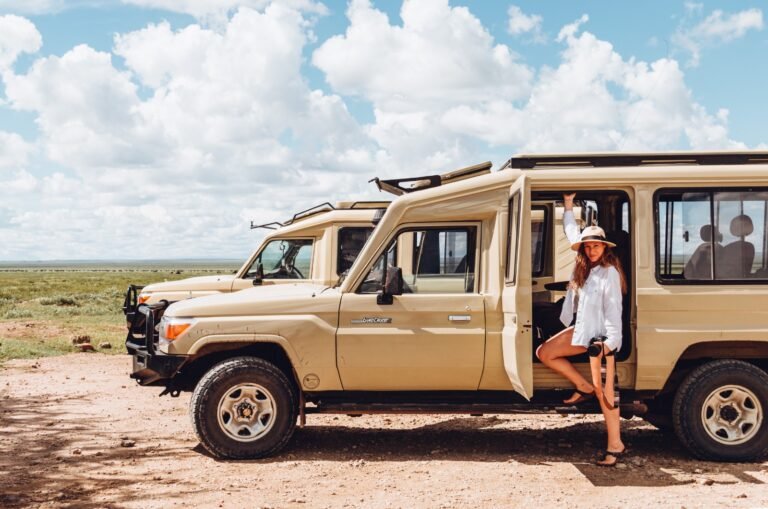
Nov 6, – 3 Day Serengeti And Ngorongoro Budget Group Safari 2026
A detailed look at our November 6, 2026 group departure for a 3-day Serengeti and Ngorongoro safari, including planning tips and route logistics.
View package detailsOct 27, – 3 Day Serengeti And Ngorongoro Group Safari 2026
Planning for a short, high-impact wildlife adventure? Our October 27, 2026, group safari offers a direct route through the Serengeti and Ngorongoro Crater, perfect for travelers with...
View package detailsNov 18, – 7 Day Serengeti And Ngorongoro Group Joining Safari 2026
A detailed guide to the 7-day group joining safari departing November 18, 2026, covering Serengeti, Ngorongoro, and the logistical advantages of shared travel.
View package detailsNo related package matches those filters. Clear one or more filters to see the other topic-matched options.