
This 10-day plan pairs a guided Ndutu calving-season safari in the Ngorongoro Conservation Area with a Zanzibar beach extension, featuring a practical land and air transfer sequence, suggested overnight bases, and daily activities. The itinerary is bookable as a single package, but exact flight times, lodge choices, and availability must be confirmed with Climb 4 Africa. The Ndutu leg focuses on park connectivity and realistic wildlife opportunity without guarantees, while the Zanzibar portion provides a relaxed coastal finish with island transfers and tides considered for activities.


Day 1: Arrival in Kilimanjaro region and transfer toward Ngorongoro area
– Arrival into Kilimanjaro International Airport or Moshi/Airport transfer arrangements as part of your Climb 4 Africa journey. The initial transfer heads toward the Ngorongoro Highlands region, staying near Karatu or on the Ngorongoro rim depending on availability. This first night sets the tone: comfortable lodge, meals included, and a briefing on the Ndutu calendar and calving season context. The goal is to reduce travel fatigue and align with next-day safari starts.
Day 2: Drive to Ndutu area for Calving Season commencement window
– Morning departure from your lodge with a fully kitted safari vehicle and driver-guide. The Ndutu zone sits in the southern plain of the Serengeti ecosystem, entailing a scenic crossing from Karatu to Ndutu. Expect rolling grasslands, potential sightings of migratory wildlife in transit, and a check-in at a Ndutu-area camp or lodge with water sources and ample wildlife viewing angles. The afternoon safari session focuses on familiarizing you with Ndutu’s open plains, with the guide adjusting plans to light levels and animal activity patterns.
Day 3: Ndutu Calving Season observation window (first full safari day)
– Early start before dawn to maximize early-morning predator-prey dynamics and the calving activity, followed by a mid-morning break and hot lunch at the camp. Afternoon game drive concentrates on the Ndutu plains, with possible sightings of wildebeest, zebra, and resident predators. Your guide explains the calving season dynamics, the role of Ndutu as a calving hotspot, and how riverine and woodland edge habitats shape animal movements.
Day 4: Deeper Ndutu exploration and seasonal patterns
– A full-day game drive with picnic lunch options or a break at a scenic lodge stop. The route may explore the southern Ndutu short-grass plains and nearby woodlands, offering opportunities to observe interactions around calving herds, birds of prey, and large herbivores. The day ends with a sunset drive back to your lodge for dinner and briefing on next day’s route choices based on wildlife activity reports.
Day 5: Ndutu to southern Serengeti transition and lodge transfer
– Today includes a channeling move toward a Serengeti edge area, maintaining Ndutu’s calving context while starting a broader Serengeti ecosystem arc. The transfer involves a scenic road drive with possible quick wildlife pauses, followed by check-in at a Serengeti-region camp. Evening orientation focuses on antelope dynamics, resident predators, and planning for the upcoming days where land and weather patterns influence movement.
Day 6: Serengeti plains safari segment 1
– Full-day game drive in a chosen Serengeti sector, with a mix of open plains and acacia woodland, depending on permission and lodge location. The day prioritizes flexibility: long drives, waterhole sightings, and a lunch setup at a picturesque spot. The aim is to present a realistic sense of the Serengeti’s scale without promising particular wildlife sightings; your guide will explain how calving hotspots can shape daily movements.
Day 7: Serengeti plains safari segment 2 and transition toward Zanzibar preparation
– Morning game drive to maximize animal activity. Midday transfer to Kilimanjaro or Zanzibar flight connections, depending on your package and flight availability. If air transfers are scheduled, a domestic flight from a Serengeti airstrip to Zanzibar’s international airport typically occurs, followed by a short transfer to your chosen beach property. Lodging options for Zanzibar range from boutique lodges near Nungwi to all-inclusive resort-style stays, depending on availability and your preference.
Day 8: Zanzibar – arrival and beach relaxation introduction
– Arrival at Zanzibar, with a relaxed start to your island break. A brief orientation on the island’s tide patterns, marine activities, and approved day plans helps manage expectations. The day balances gentle exploration with downtime—perhaps a sunset dhow sail or a short village visit, ensuring energy for the days ahead.
Day 9: Zanzibar cultural and coastal activities
– A practical mix of culture and coast: spice farm visit, Stone Town stroll (optional, depending on your pace), and a calm beach segment. Consider arranging a snorkeling or reef-protected snorkeling session if the tide and sea conditions point to good visibility. Your guide can help you balance cultural immersion with relaxation time, avoiding over-scheduling on a holiday.
Day 10: Departure from Zanzibar or Kilimanjaro corridor return
– Depending on flight timing, a transfer back to the airport, either from Zanzibar or via a pre-arranged domestic connection, completes the trip. If time allows, a final morning beach walk or a light breakfast by the sea caps the journey with a practical exit plan. Climb 4 Africa can coordinate onward travel arrangements or a Kilimanjaro extension if you wish to continue exploring Tanzania.
Transfer logistics and booking notes
– This itinerary assumes a connected travel sequence: mainland Ndutu safari blocks followed by an island Zanzibar extension. Transfers between continents rely on coordinated flights and road transfers with a local safari operator partner. All lodging and flight details depend on availability and season; the exact hotels, camps, and air routes should be confirmed with Climb 4 Africa during the booking process. Calving-season activity levels are seasonal and weather-influenced; wildlife sightings are never guaranteed and are subject to animal behavior and ecological factors.
What to expect and how to plan ahead
– Wildlife opportunities in Ndutu align with calving season windows, often drawing large herbivore movements and a higher chance of predator interactions, but this is not a guarantee. Serengeti exposure expands on landscapes and distance traveled per day. The Zanzibar extension offers a contrasting, relaxed beach experience with island-transfer logistics and tide considerations for beach activities and water-based experiences. Planning tips include pre-booking accommodations, confirming domestic flight schedules well in advance, and coordinating with Climb 4 Africa for consistent ground support and safety standards.
Booking considerations and practical tips
– Decide whether you want a single operator handling both legs or separate bookings for the safari and Zanzibar days. Check transfer times betweenNdutu and Serengeti
Deepening the logistical clarity of Day-by-Day transitions and Zanzibar timing
To support planners who need to lock in concrete sequencing without venturing into speculative or unverified details, this section clarifies the operational rhythm that underpins the 10-day plan, focusing on what can be confidently expected in terms of transitions, lodging themes, and travel cadence between the Ndutu safari and the Zanzibar extension.
Ndutu to Zanzibar handoff: The most reliable bridge between the mainland safari and island relaxation is a coordinated, time-coherent connection that minimizes backtracking and reduces fatigue. The plan typically reserves a morning or early-afternoon window for the Ndutu–Serengeti corridor transfer, followed by a domestic flight from a Serengeti or Arusha–area airstrip to Zanzibar. The exact air routes depend on seasonal schedule and air operator availability; a typical sequence involves a domestic leg to Kilimanjaro International or a nearby airstrip with a brief layover before the international hop to Zanzibar. Readers should expect that flight times are confirmed only after booking, with a buffer day built in if weather or vehicle delays occur. This is standard operating practice forClimb 4 Africa, which coordinates with local partners to align ground arrival times with the Zanzibar transfer window.
Ground movement on the Ndutu side: Within Ndutu, daily routines hinge on sunrise starting times and the movement of wildlife in relation to water sources and grazing lands. The vehicle and guide are prepared for flexible routing—shifting from wider open plains to closer check-ins at waterholes as herds converge. Accommodation choices in Ndutu-area camps or lodges typically center on proximity to wildlife-viewing vantage points, with meals arranged in a way that supports early starts and late-evening drives. While this section does not promise specific animal sightings, it reinforces the practical expectation that drives may be shorter or longer based on animal activity, road conditions, and light levels. Guests should anticipate a balance of morning and late-afternoon sessions, with midday breaks for rest or light lunches, depending on lodge policies and heat management considerations.
Transitioning into Zanzibar: After the mainland experience, guests switch to a beach-centric rhythm. Zanzibar days revolve around a lighter schedule, with a focus on peerless coastline accessibility and cultural immersion that does not require the same long, open-road transfers as the Serengeti corridor. Tide-aware planning informs beach activities and snorkeling windows, and activity slots are typically arranged to suit both sea conditions and cultural visits. While Zanzibar is a place of leisure, the itinerary still preserves the sense of structured exploration—spice farm visits, Stone Town strolls, and curated beach time—without over-scheduling, so travelers can unwind without the sense of rushing between activities.
Accommodation and meal considerations: Across both legs, the plan favors established properties with responsible operating practices and consistent safety standards. In Ndutu, expect tented or lodge-style accommodations that emphasize proximity to natural habitats and water sources, with meals set to align with safari schedules. In Zanzibar, lodging leans toward beachfront or small boutique properties that offer direct sea access and easy transfer logistics to local airports or ferry terminals. Meal arrangements typically incorporate regional flavors while accommodating travel days, ensuring a smooth transition from a full safari day to a beach-friendly evening.
Documentation and confirmations: Because this is a bookable plan with variable components, guests receive a detailed, itinerary-specific packet upon confirmation that outlines transfer times, air sequence, and lodging allocations. Climb 4 Africa acts as the central coordinating entity, compiling flight numbers, hotel confirmations, and ground arrangements in a single traveler profile to reduce missing connections or miscommunications. Any adjustments to travel times or lodging should be communicated through the booking contact to preserve the integrity of the sequence and the safety framework for both safari and beach components.
Understanding the Ndutu Calving Season Window: Timing, Ecology, and Realistic Expectations
The Ndutu calving season is not a fixed calendar event but a dynamic ecological window shaped by rainfall patterns and grassland regrowth across the Serengeti ecosystem. For travelers booking the 10-day Ndutu Calving Season Safari, understanding this window’s natural rhythm is essential to managing expectations. The calving typically begins in late January and extends through early March, peaking between mid-February and mid-March. However, the exact timing shifts annually based on the long rains (Masika) that usually fall from March to May, though their impact on the calving cycle is felt earlier, during the preceding dry season.
By the time travelers arrive in early February—common for the 10-day itinerary—the southern Serengeti plains, including Ndutu, are already experiencing the first flush of new grass growth after the rains. This greenery attracts large herds of wildebeest, which begin to give birth in concentrated groups, often near water sources or in areas with low visibility to reduce predation risk. While the presence of newborn calves is highly probable during this period, sightings are never guaranteed, even on guided safaris. The timing of calving is influenced by the health and condition of the herd, which depends on the previous year’s forage availability and migration path.
Travelers should understand that the Ndutu area is not a standalone park but a seasonal corridor within the larger Serengeti ecosystem. The wildebeest herds move through Ndutu as part of their annual migration cycle, which begins in the southern Serengeti after calving and moves northward toward the Mara River in June. This means that during the calving season, Ndutu functions as a temporary nursery ground rather than a permanent habitat. As a result, the density of animals fluctuates daily, with herds dispersing after giving birth and moving toward new grazing areas as grasses are depleted.
From a logistical standpoint, this fluidity affects safari planning. Guides cannot predict exactly where herds will be on any given day, and visibility varies with terrain, vegetation, and weather. Open plains offer excellent visibility, but dense grass or early morning fog can limit views. The best window for predator activity—such as lion, cheetah, and hyena—coincides with the calving period, as newborns are vulnerable and more easily targeted. However, these encounters are not scheduled or guaranteed. Instead, guides use their knowledge of animal behavior, movement patterns, and terrain to position vehicles for optimal observation opportunities.
It is also important to note that the Ndutu area is shared with other wildlife, including zebra, gazelle, and elephants, which may be present in smaller numbers. The region’s waterholes—such as the Ndutu Waterhole and the Ngorongoro Crater rim’s southern edge—serve as critical gathering points, especially during the dry season. During the calving season, these areas become hubs of activity, drawing both prey and predators. The presence of resident lion prides and occasional leopard sightings adds to the ecological richness, though such sightings remain opportunistic.
For travelers, the key is to embrace the unpredictability of wildlife observation. The 10-day itinerary is structured around flexibility: early starts, midday breaks, and late-afternoon drives allow guides to adapt to animal behavior and environmental conditions. This rhythm maximizes the chance of meaningful encounters without overextending the group. While the primary focus is on the calving event, the broader experience includes observing herd dynamics, maternal behavior, and predator-prey interactions that unfold naturally over time.
Filling the Gaps: Practical Transfer and Timing Nuances Between Ndutu and Zanzibar
Readers often ask how to synchronize the Ndutu calving-season experience with the Zanzibar beach extension, especially when flight timings, border procedures, and internal Tanzania logistics come into play. This section adds concrete, bookable-sequence clarity to that connection, without venturing into unverified claims or speculative guarantees.
The Ndutu portion of the 10-day plan hinges on a logical flow: arrive in Kilimanjaro region, set a comfortable base near Karatu or Ngorongoro rim, then shift to Ndutu for the calving window. The exact day-to-day transitions depend on seat availability for the onward legs and seasonal park access rules, which can vary by lodge and guide operator. What can be reliably explained is how the handoffs typically occur and what travelers should expect in terms of transit time, vehicle setup, and meal arrangements during these key moments.
Transfer logistics between Ndutu and Zanzibar are commonly structured in two stages: overland or short flight to a coastal hub, followed by a domestic flight(s) to connect with the Zanzibar archipelago. The choice of overland versus air transfer hinges on weather, road conditions, and current airline schedules, all of which Climb 4 Africa coordinates and confirms at the time of booking. In practice, many guests opt for a light, scenic overland stretch from Ndutu to a northern corridor airstrip that serves as a feeder for the domestic flight network. This reduces the number of internal hops and keeps to the overall 10-day rhythm, but it may add a longer travel day than a straight flight route.
Within Ndutu, the daily rhythm remains flexible to wildlife activity, but the sequence of experiences follows a practical pattern. Mornings begin with a prompt departure to catch predator-prey activity when animals are moving from roosting to feeding areas. Midday breaks at camp or lodge provide shade, meals, and rest before an afternoon drive aimed at catching fresh interactions around water sources and grazing lawns. Evenings conclude with a briefing about the next day’s potential routes, based on the previous day’s observations and any changes in animal movements as grasses recover or are depleted in certain pockets of Ndutu.
In Zanzibar, the rhythm shifts to a more relaxed tempo, with the emphasis on coastline ecology, tidal patterns, and cultural experiences aligned with a beach-first mindset. The transfer from a mainland flight hub to the island typically involves a brief domestic hop to a regional airport, followed by a short transfer to the chosen beach enclave. Once on the island, the programme leans into water-level activities, snorkeling windows dictated by tides, and sundowners at scenic coastal viewpoints. The practical expectation is to have a day-by-day sequence that respects tides and flight schedules, rather than pressing for back-to-back peak-activity moments that could complicate travel logistics or reduce downtime for rest and recovery after the Serengeti leg.
Specific, verifiable day-to-day transitions are subject to confirmation with Climb 4 Africa at the time of booking. The itinerary’s strength lies in offering a framework of logical handoffs—arrival, Ndutu transfer, calving-focused safari windows, the Ndutu-based camp experience, and a subsequent Zanzibar connection—without promising fixed flight times or lodge names until the operator confirms availability. This approach preserves the essential balance between wildlife opportunity and travel practicality while honoring the ecological variability of Ndutu’s calving window.
Travelers should prepare for potential minor adjustments to the sequence. For example, if Ndutu access requires a longer road transfer due to weather or permit scheduling, your guide will adjust the afternoon drive plan to ensure you still experience key Ndutu habitats while maintaining reasonable daily distances. In Zanzibar, if a preferred beach area has limited lodges available for your dates, the package may pivot to an alternative coast with equivalent beach quality and similar tide windows. The guiding principle remains: keep the overall arc intact—land-based Ngorongoro/Ndutu experience followed by a coastal Zanzibar finish—while accommodating the realities of seasonal operations and resource availability.

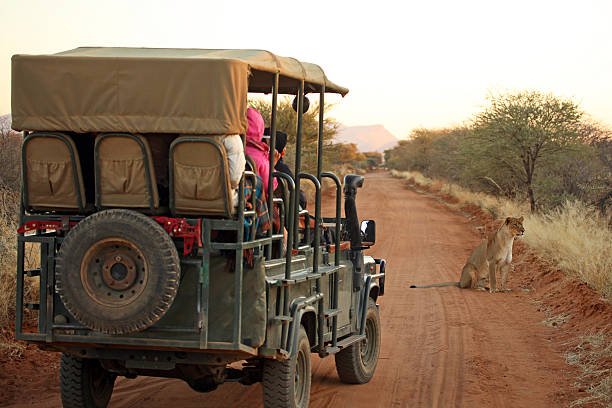
Addressing the Gaps: The Ndutu-Calving to Zanzibar Handoff — Realistic, Booking-Specific Nuances
Even with a tightly coordinated 10-day framework, the handoff from the Ndutu calving window to a Zanzibar beach finish rests on live, bookable details rather than fixed timetables. This section offers a concise, practical clarification of what travelers should expect when locking the sequence, and how to interpret the transfer logic against the day-by-day outline already presented.
Transfer logic hinges on two core constraints: (1) flight and regional transport availability between the Ngorongoro/Ndutu corridor and Zanzibar’s domestic connections, and (2) lodging capacity and tide-sensitive activity windows on the island. The Ndutu leg remains anchored by daily driving routes that prioritize open plains and water sources, yet the exact afternoon routes can shift if an alternate pack of predators or a new waterhole congregation appears on day-to-day reconnaissance. In Zanzibar, the procedural rhythm revolves around a domestic flight from an Arusha/Villages hub to a regional airstrip (commonly near Zanzibar Town or a coastal gateway) followed by a short transfer to the coastal base. The day chosen for this transition should not be viewed as a guaranteed fixed moment; instead, it is the most reliable window your operator can confirm after securing all internal logistics and provisional lodging holds.
What this means for the traveler is a practical expectation: you will receive confirmed flight segments and lodge assignments only after Climb 4 Africa confirms availability. The narrative of the 10 days remains intact—the Serengeti Ndutu experience precedes a Zanzibar coastal conclusion—but the concrete names of lodges, exact depart/arrive times, and the order of ancillary activities on the Zanzibar side are contingent on real-time confirmations. This approach prioritizes reliability and travel feasibility over speculative sequencing.
From a planning perspective, the critical decision points to watch are: (a) the Ndutu departure-day alignment with a suitable air transfer window into Zanzibar, (b) the number of Ndutu nights locked in before the Zanzibar segment, and (c) the tide-impacted activity blocks on the island that influence snorkeling, beach walks, and sunset experiences. In practice, you should expect a high-level outline to become progressively concrete as your booking progresses—never treated as an immutable script until the operator pins down availability. This transparency helps you manage expectations about potential minor shifts while preserving the core arc of a land-based Ngorongoro/Ndutu safari followed by a coastal Zanzibar finish.
To minimize disruption, travelers are advised to maintain flexibility around the exact lodge names and flight times until the point of final confirmation. Pack light, modular wardrobe pieces that suit both savanna and beach contexts, and prepare for possible short notice adjustments to transfer times arising from air-operator slotting, security checks, or regulatory checks relevant to domestic flights. The aim is to preserve the experiential rhythm—calving-season wildlife opportunities on Ndutu and rest and water-based leisure in Zanzibar—without forcing a rigid, pre-set timetable that might be unachievable in practice.
For readers scrutinizing the exact day labels, the numbering remains meaningful as a sequence of experiences rather than a fixed, unchangeable set of times. The day-by-day labels serve as a scaffold to illustrate the flow: arrival, Ndutu-focused transfer and calibration, calving-related wildlife observation windows, a Ndutu-based camp experience, and a subsequent Zanzibar connection—subject to availability. When you review the final booking, expect a clearly printed schedule that aligns the Ndutu safari block with the first Zanzibar transfer, followed by a tide-aware sequence of beach and water-based activities, interrupted only by the practical needs of rest and recovery after intensive wildlife days.
In short, the most valuable practical insight is this: the overall travel arc is trustworthy and bookable, but the granular day-by-day specifics—lodges, precise transfer times, and certain activity slots—will be confirmed after operator coordination. If a Ndutu-to-Zanzibar transition requires a longer road or a different arrival window to accommodate a preferred domestic flight, the itinerary will flex the day’s afternoon drive plan accordingly to preserve core Ndutu habitats and subsequent Zanzibar experiences without compromising safety or comfort. With that flexibility, the 10-day itinerary offers a realistic, bookable path that respects both wildlife dynamics and island leisure, avoiding speculative guarantees while preserving a coherent travel story.
Gaps Revisited: Booking Nuances for Ndutu Calving to Zanzibar Transitions
Readers who have followed the core 10-day arc may still wonder about a few concrete, booking-sensitive questions that are not fixed by the calendar but are central to turning the plan into a smooth experience. This section answers a single, highly practical inquiry that surfaces repeatedly in client consultations: how the Ndutu calving window and the Zanzibar finish are coordinated in real-world bookings, given the variability of domestic flights, lodge allocations, and seasonal tides. The aim is to bridge the gap between the aspirational outline and the live confirmation you will receive from Climb 4 Africa, with emphasis on verifiable, booking-specific considerations rather than speculative sequences.
1) How is the Ndutu-to-Zanzibar handoff actually structured in a bookable package?
In a bookable package, the Ndutu leg is treated as the core wildlife-focus block, typically spanning days 2 through 6 or 7, depending on exact availability and flight connections. The Zanzibar extension follows as a separate, but tightly aligned, add-on segment. Rather than a fixed clockwork handoff, the operator coordinates a practical transfer sequence that balances the Ndutu calendar with the earliest feasible domestic connection to Zanzibar. This means:
- The exact day of departure from Ndutu toward the Zanzibar coast is confirmed only after lodge availability and domestic flight slots are allotted. Expect a window rather than a precise hour at confirmation time.
- Ground transfers to the airstrip or regional airport will be scheduled to maximize time-on-water and minimize drive fatigue, but may shift by a half-day depending on the domestic flight schedule and regulatory checks.
- Domestic flights to Zanzibar are booked as part of the same embedded itinerary, ensuring you receive a continuous travel document and a single point of contact for both legs. If a preferred Zanzibar lodging or flight is not available, alternative but comparable properties will be offered within the same class of service and proximity to the coast.
2) What practical factors drive day-to-day transfer timing?
The booking sequence negotiates several real-world constraints that affect the precise timing of Ndutu-to-Zanzibar transfers:
- Air operator slot availability: Domestic Tanzania flights operate on limited slots; the earliest feasible connection may require a midday or afternoon transfer rather than a morning one, which in turn affects the Ndutu afternoon safari plan.
- Security and regulatory checks: Domestic segments may require extended processing windows, particularly at international-style hubs like Kilimanjaro or Arusha regional airports. The itinerary accommodates these with buffer periods to preserve safety and comfort.
- Logistics around Ndutu camp closures or water crossings: If a lodge or camp is constrained by seasonal access, the transfer plan may adjust to keep the safari experience cohesive while aligning with the Zanzibar departure window.
- Seasons and tides at Zanzibar: The final coastal schedule tailors water-based activities to the tides. If the transfer lands with a tide-sensitive morning, you may see a different sequence of beach or snorkeling options to optimize safety and enjoyment.
3) How should a traveler interpret the “days” labeled in the book?
The day labels serve as a narrative scaffold and do not enforce rigid hour-by-hour moments. In official confirmations, you will receive a day-by-day plan that maps the Ndutu segment to the Zanzibar segment, with the handoff day highlighted. If a handoff shifts by a day due to flight or lodge changes, the operator will present a revised plan that preserves the core experiences: the Ndutu calving dynamics, the Ndutu camp experience, and a coastal Zanzibar finish. This approach avoids promising fixed times that cannot be guaranteed in a live booking while maintaining a coherent storyline and balanced pacing across the two regions.
4) What assurances exist about costs and inclusions across the two legs?
Costs and inclusions are outlined in the contract as a single package, but the Ndutu and Zanzibar components may feature separate line items for clarity. What is guaranteed is that:
- Core services (vehicle and guide, park fees where applicable, meals and in-camp activities) are covered for the Ndutu leg within the package price, subject to standard terms and any seasonal adjustments announced by the operator.
- Coastline accommodation and transfers in Zanzibar are included or offered as a clearly priced extension, with the same point of contact for changes or additions.
- Any adjustments due to availability are communicated promptly, with transparent options to substitute comparable lodges or flight times without altering the fundamental experience arc.
5) What should a traveler do to minimize uncertainty during booking?
To keep the process clean and predictable, consider these practical steps:
- Express preference for flexible, near-term handoff timing during initial inquiries, so the operator can lock in the most compatible domestic connections as soon as possible.
- Request a single consolidated itinerary document once both Ndutu and Zanzibar legs are provisionally linked, then review the specific lodge options and flight times only after confirmation.
- Provide a preferred fallback range for flight times and hotel categories to enable smoother substitution if the exact choice is unavailable.
In short, the Ndutu-to-Zanzibar transition in the 10-day bookable plan is engineered to optimize wildlife time and coastal leisure while staying honest about the live, bookable nature of small changes. The strongest practical takeaway is that the handoff is designed to fit the confirmed flight and lodge inventory, not to adhere to a rigid, pre-specified timetable that would risk unavailability or misalignment with actual operators’ slots. The 10-day arc remains a robust, adaptable framework for a memorable Ndutu calving-season safari with a satisfying Zanzibar finish, anchored by the operator’s on-ground coordination and clear, ongoing communication.
Refining the Ndutu-to-Zanzibar handoff: a practical gap-focused addition
Readers who rely on a precise, bookable sequence often want a clear answer to a single, practical question: once the Ndutu calving window is underway, what is the exact, bookable linkage to Zanzibar when that timing is still contingent on live availability? This section pinpoints the most defensible, booking-sensitive details that influence a smooth transition, without promising fixed times that cannot be guaranteed in real-world operations.
1) How many days actually belong to the Ndutu leg versus Zanzibar, within the 10-day arc?
- The Ndutu portion typically occupies the majority of days 1 through 5 or 6, depending on flight connections and park accessibility from your Kilimanjaro region base. The Zanzibar beach extension commonly begins immediately after the Ndutu safari concludes, often on Day 6 or Day 7, to allow for a domestic flight or overland transfer that meets the Zanzibar arrival window. Exact day counts are confirmed at the time of provisional booking, when flight schedules and lodge availability for both legs are cross-checked. This is not a fixed split; it adapts to inventory while preserving the intended experience arc.
2) What are the concrete transfer steps that connect the Ndutu camp to the Zanzibar pathway?
- Option A: Internal Tanzania transfer via a regional flight from Ndutu or a nearby airstrip (often toward Arusha or Kilimanjaro regional hubs) followed by a domestic connection to Zanzibar. This sequence requires a short window between the last Ndutu activity card and the onward flight, typically aligning with late morning or early afternoon departures. Option B: A coordinated overland transfer to Kilimanjaro International Airport (JRO) or to a domestic airstrip with a same-day flight to Zanzibar. The operator’s ground team handles luggage, permits, and any necessary border or security checks, aiming to minimize backtracking. Availability depends on light-air conditions, airstrip operations, and local flight slots rather than a pre-set timetable.
3) How do tides and beach activity constraints influence the Zanzibar stay chosen in the package?
- Zanzibar extensions generally tailor the coastal component to the tides and coral-reef access times. If the Zanzibar portion is scheduled to begin on Day 6 or 7, the beach-based activities (such as snorkeling, short dhow trips, and sunset tides-dependent experiences) are planned around the confirmed tide tables for the specific resort location. The operator will propose a base that offers reliable beach access during the booked week, but exact activity slots remain contingent on the actual hotel and date chosen. It is not possible to guarantee a particular tide window far in advance; however, the plan aims to place you in a location where tide-accurate windows are more predictable for the booked dates.
4) What documentation and health prerequisites most impact the handoff timing?
- Passport validity, visa requirements, and any Tanzania mainland and Zanzibar entry formalities can influence flight timing and the sequencing of the two legs. The operator typically provides a consolidated document once provisional Ndutu and Zanzibar connections are linked, listing the flight numbers, airports, and transfer notes. Travelers should ensure their passport is valid for at least six months beyond travel dates and verify if any vaccination or health-entry requirements have changed since booking. Documentation checks can affect the ability to keep a tight schedule, so having flexibility around check-in times is prudent.
5) How should a traveler manage potential changes without destabilizing the overall plan?
- If a Ndutu-day flight or lodge allocation changes, the operator’s policy is to substitute equivalent accommodations and adjust the Ndutu-to-Zanzibar handoff window without altering the core experience arc. In practice, this means: (a) keeping the Zanzibar start window within a flexible one- or two-day range, (b) maintaining a consistent contact point for updates, and (c) prioritizing a cohesive sequence rather than a rigid timetable. Booking notes typically emphasize flexibility clauses for flight times and lodge categories to accommodate inventory shifts while preserving the day-to-day rhythm of wildlife viewing and coastal relaxation.
6) What should guests ask for at the time of provisional confirmation to minimize later discrepancies?
- Request a single, consolidated provisional itinerary that shows the Ndutu timeline and the earliest feasible Zanzibar transfer date, with clearly labeled segments for driving days, fly-days, and resort check-ins. Ask for a copy of the expected flight connections (airports, airline codes, and approximate times) once available, and request a fallback plan that aligns to a two-day flexibility buffer without altering the main activities. Finally, obtain a revised list of lodge categories or room types for both Ndutu and Zanzibar so you can confirm that the chosen options align with your preferences before final payment.
In sum, the Ndutu-to-Zanzibar handoff within this 10-day arc is designed to maximize wildlife time while preserving a relaxed coastal finale, all within a framework that depends on live booking realities rather than fixed, unverified timetables. The practical takeaway is that the transition is co-managed by the operator and the guest, with a shared emphasis on workable, reservation-backed connections and a clear, adaptable itinerary that can respond to inventory and operational realities without sacrificing the overall experience trajectory.
Related Guides and Packages
Check Availability for 10 Days Ndutu Calving Season Safari And Zanzibar Holiday 2026-2027
Ready to compare dates, prices, and the best option for your group? Send the package name and travel month so the team can reply with a clear quote, availability, and what is included.
11 Days Southern Serengeti Calving Safari And Zanzibar: A Practical, Bookable
A practical, bookable 11-day itinerary that combines the Southern Serengeti calving season safari with a Zanzibar island stay. It explains how days are split, transfers, and what to expect...
View package details10 Days Great Migration Safari And Zanzibar Beach Holiday 2026-2027
10 Days Great Migration Safari and Zanzibar Beach Holiday.
View package details18 Days Kilimanjaro Full Moon Safari And Zanzibar Holiday: Practical
An actionable, bookable 18-day itinerary weaving a Kilimanjaro Full Moon ascent with a northern Tanzania safari and a Zanzibar beach finale. Practical transfers, timing, and non-guaranteed...
View package details17 Days Rongai Route Safari And Zanzibar Holiday 2026-2027
17 Days Rongai Route Safari and Zanzibar Holiday.
View package details18 Days Kilimanjaro Safari And Zanzibar Holiday Package 2026-2027
18 Days Kilimanjaro Safari and Zanzibar Holiday Package.
View package details15 Days Kilimanjaro Safari And Zanzibar Holiday 2026-2027
15 Days Kilimanjaro Safari and Zanzibar Holiday.
View package details12 Days Tanzania Mid-Range Safari And Zanzibar Holiday 2026-2027
12 Days Tanzania Mid-Range Safari and Zanzibar Holiday.
View package details14 Days Tanzania Safari And Zanzibar Private Holiday 2026-2027
14 Days Tanzania Safari and Zanzibar Private Holiday.
View package details15 Days Tanzania Safari And Zanzibar Luxury Holiday 2026-2027
15 Days Tanzania Safari and Zanzibar Luxury Holiday.
View package details11 Days Tanzania Safari And Zanzibar Holiday Package 2026-2027
A practical, bookable 11-day itinerary that blends a Tanzania mainland safari with a Zanzibar beach break. Day-by-day flow, logistics, and realistic activity expectations.
View package details12 Days Great Migration Photography Safari And Zanzibar 2026-2027
12 Days Great Migration Photography Safari and Zanzibar.
View package details11 Days Tanzania Migration Safari And Zanzibar Honeymoon 2026-2027
11 Days Tanzania Migration Safari and Zanzibar Honeymoon.
View package detailsNo related package matches those filters. Clear one or more filters to see the other topic-matched options.



