
Your ultimate Tanzania adventure travel in 2026-2027 involves expertly combining iconic experiences like climbing Mount Kilimanjaro, embarking on a wildlife safari in the Serengeti or Ngorongoro Crater, and unwinding on the tropical island of Zanzibar. Success hinges on choosing the right trek routes, safari packages, and island accommodations tailored to your fitness, budget, and interests, with early planning for peak seasons and availability being crucial for securing the best experiences.
Tanzania is a destination that fires the imagination, promising raw natural beauty, unparalleled wildlife encounters, and rich cultural experiences. For the adventurous traveler, it offers a spectrum of activities from conquering Africa’s highest peak to witnessing the Great Migration and exploring spice-scented islands. Planning an ultimate Tanzania adventure travel experience for 2026-2027 requires careful consideration of each element to ensure it aligns with your aspirations and practical needs. This guide is designed to walk you through every facet, from the logistical groundwork to the exhilarating moments on the ground, providing insights that only local expertise can offer.
Planning Your Tanzania Adventure: The Big Picture for 2026-2027
When we talk about the ‘ultimate’ Tanzania adventure, it’s not just about ticking off famous sights. It’s about crafting a journey that resonates with you, offering both challenge and reward. For 2026-2027, several key factors will shape your planning process. The primary decision revolves around how you want to structure your adventure. Will it be a singular, focused expedition like a Kilimanjaro climb, or a multi-faceted journey combining multiple experiences? Most travelers find that a combination offers the most comprehensive taste of what Tanzania has to offer.
Key Considerations for 2026-2027 Planning:
- Timing: Tanzania has distinct seasons. The dry seasons (June-October and December-February) are generally best for safaris and climbing, offering clear skies and easier wildlife viewing. However, these are also peak travel times, meaning higher demand and prices. The shoulder seasons (March-May and November) can offer fewer crowds and lower costs, but with a higher chance of rain. For 2026-2027, booking popular safari dates or Kilimanjaro permits well in advance, especially during peak dry seasons, is highly recommended.
- Duration: A typical Tanzania adventure might range from 10 days to three weeks. A shorter trip might focus on a Kilimanjaro climb or a brief safari. Longer trips allow for a more relaxed pace and the inclusion of multiple destinations, such as combining a climb with a Northern Circuit safari and a few days on Zanzibar.
- Budget: Tanzania can cater to a range of budgets, but it’s not a budget backpacker destination, especially for safaris and Kilimanjaro climbs. Costs are influenced by accommodation style (camping, mid-range lodges, luxury tented camps), private vs. shared tours, and the specific activities chosen. For 2026-2027, expect prices to reflect global travel trends and inflation, making early quotes and comparisons essential.
- Travel Style: Are you looking for a private, bespoke experience, or are you comfortable joining group departures for safaris or climbs? Group tours can be more budget-friendly and offer a social dynamic, while private tours offer flexibility and exclusivity.
- Health and Safety: Consult your doctor about necessary vaccinations and malaria prophylaxis well in advance of your 2026-2027 travel dates. Travel insurance is non-negotiable for any Tanzanian adventure.
Conquering Mount Kilimanjaro: The Ultimate Challenge
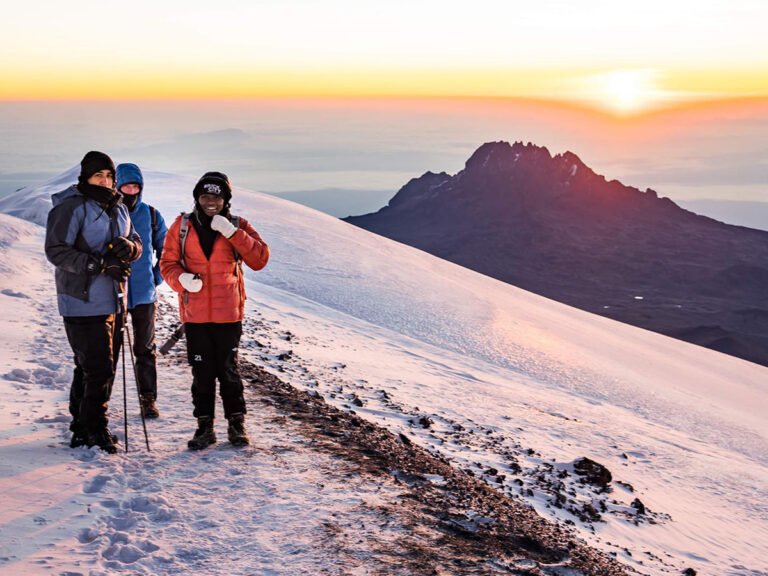
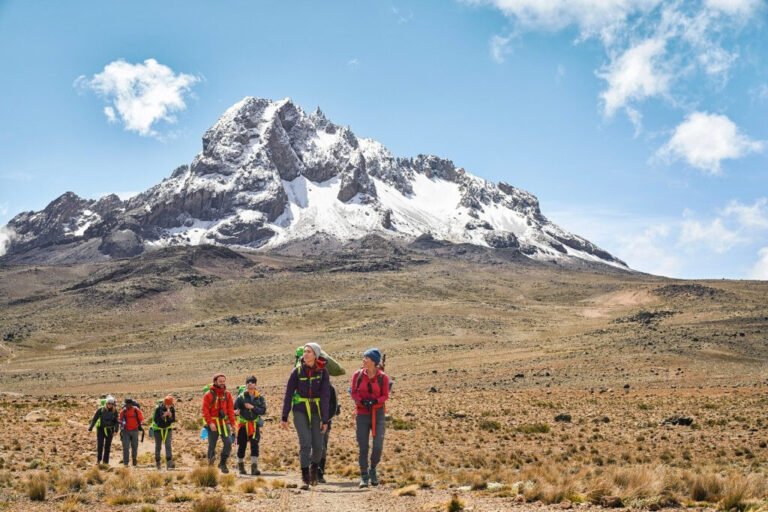
Climbing Mount Kilimanjaro is often the centerpiece of a Tanzanian adventure. Standing at 5,895 meters (19,341 feet), it’s the highest free-standing mountain in the world and a bucket-list item for many. The journey to the summit is as much about the physical and mental challenge as it is about the changing ecosystems you traverse, from lush rainforests to alpine desert and the arctic zone at the peak.
Choosing Your Kilimanjaro Route for 2026-2027
The choice of route is paramount. Each offers a different experience, success rate, and scenic beauty. For 2026-2027, understanding these differences will help you pick the path that best suits your ambition and physical preparation.
- Marangu Route (Coca-Cola Route): The oldest and most established route. It’s the only route with dormitory-style hut accommodation. It’s often considered the easiest in terms of physical difficulty due to its gradual ascent, but its direct path means a lower acclimatization rate, leading to lower success rates compared to other routes. Duration: 5-6 days. Pros: Huts offer more comfort than camping. Cons: Lower summit success rates, less scenic due to the same ascent/descent path. Best for those prioritizing comfort over acclimatization.
- Machame Route (Whiskey Route): The most popular route, known for its scenic beauty and excellent acclimatization profile, contributing to higher success rates. It involves daily ascents and descents, which aids acclimatization (climb high, sleep low). It’s a camping route. Duration: 6-7 days. Pros: High success rates, stunning scenery, good acclimatization. Cons: Can be crowded, requires camping. This is a top choice for many adventure travelers seeking a balance of challenge and success. Check Machame Route group departure dates for 2026-2027 to book your spot.
- Lemosho Route: A longer, more remote, and highly scenic route that starts in the west. It offers excellent acclimatization and typically higher success rates due to its longer duration. It’s a camping route. Duration: 7-8 days. Pros: Very scenic, excellent acclimatization, high success rates, less crowded initially. Cons: More expensive due to longer duration and park fees. Ideal for those who want a more in-depth and less crowded experience.
- Shira Route: Similar to Lemosho but starts at a higher altitude, shortening the initial trek but potentially impacting acclimatization for some. It’s a camping route. Duration: 7-8 days. Pros: Stunning views from the start, good acclimatization over its longer duration. Cons: Higher starting altitude can be challenging for some.
- Rongai Route: The only route that approaches Kilimanjaro from the north, entering the park in the dry region of Kenya. It’s a good option during the rainy season. It’s a camping route. Duration: 6-7 days. Pros: Less crowded, good acclimatization, reliable even in wet weather. Cons: Less scenic on the approach compared to western routes.
- Northern Circuit: The longest route, offering the best acclimatization and highest success rates. It circles the mountain, providing diverse views. It’s a camping route. Duration: 9+ days. Pros: Highest success rate, most scenic, best acclimatization, least crowded. Cons: Most expensive due to duration and park fees. The ultimate choice for those prioritizing comfort, success, and scenery.
For the ultimate Kilimanjaro adventure in 2026-2027, we generally recommend the Machame (7 days) or Lemosho (8 days) routes. They offer a superior balance of acclimatization, scenery, and summit success. The Northern Circuit is unparalleled for those seeking the absolute best chance of reaching the summit comfortably.
Kilimanjaro Preparation: What You Need to Know
Training: Focus on cardiovascular fitness and strength training, particularly for your legs and core. Hiking with a weighted backpack on varied terrain is essential. Start training at least 3-6 months before your 2026-2027 climb.
Gear: High-quality, broken-in hiking boots are crucial. Layering is key for clothing, with waterproof and windproof outer layers. A good sleeping bag rated for sub-zero temperatures, a warm hat, gloves, and headlamp are essential. We provide detailed packing lists to all our clients.
Acclimatization: This is the most critical factor for summit success. Choose longer routes (7+ days) and ascend slowly. Listen to your body and your guide; don’t push through symptoms of altitude sickness.
Guides and Porters: Ethical treatment of guides and porters is a priority. Reputable operators ensure fair wages, proper gear, and adequate food for their support teams. This is a non-negotiable aspect of an ultimate adventure.
Permits and Park Fees: These are substantial costs and are usually included in your tour package. They are subject to change, so confirm details for your 2026-2027 climb.
Expert Tip for Kilimanjaro 2026-2027
When comparing operators for your Kilimanjaro climb, look beyond just the price. Prioritize safety records, the quality and experience of guides, ethical treatment of porters, and a comprehensive pre-trip support system. A slightly higher cost for a reputable operator like Climb 4 Africa often translates to a safer, more enjoyable, and ultimately more successful climb. Ensure your chosen operator provides detailed pre-departure information and acclimatization strategies.
Tanzania Safaris: Witnessing the Wild
A Tanzanian safari is synonymous with iconic wildlife viewing. The country boasts some of the most famous national parks in Africa, each offering a unique spectacle. For your ultimate adventure in 2026-2027, understanding the parks and the best times to visit each is key.
The Northern Safari Circuit: A Classic Itinerary
This is the most popular safari circuit and for good reason. It covers a concentration of diverse ecosystems and abundant wildlife.
- Serengeti National Park: Famous for the Great Migration, where millions of wildebeest, zebras, and gazelles traverse the plains in search of fresh pastures. The timing of the migration varies, but generally, the herds are in the central Serengeti from January to March (calving season), move west towards the Grumeti River in May/June, cross the Mara River into Kenya in July/August, and return south via the eastern Serengeti from October to December. Planning your 2026-2027 safari around these movements can be a highlight.
- Ngorongoro Conservation Area: Home to the Ngorongoro Crater, a UNESCO World Heritage Site and the world’s largest intact volcanic caldera. It’s a compact ecosystem teeming with wildlife, including the Big Five (lion, leopard, elephant, rhino, buffalo), and offers excellent chances of spotting black rhinos. Game drives are restricted in number and duration to protect the environment.
- Tarangire National Park: Known for its large elephant herds and iconic baobab trees. It’s particularly spectacular during the dry season (June-October) when wildlife congregates around the Tarangire River.
- Lake Manyara National Park: Famous for its tree-climbing lions, large troops of baboons, and diverse birdlife. It’s a smaller park, often visited as part of a longer itinerary.
- Arusha National Park: Offers stunning views of Mount Meru and is home to diverse habitats, including Momella Lakes and the Ngurdoto Crater. It’s a good option for shorter safaris or day trips from Arusha.
Safari Styles and Options for 2026-2027
The ‘ultimate’ safari can mean different things. We offer a range of options to suit various preferences:
- Budget Camping Safaris: Stay in public campsites within national parks or just outside. Basic but offers an authentic wildlife experience.
- Mid-Range Lodge Safaris: Accommodation in comfortable lodges or tented camps with en-suite facilities. Offers a good balance of comfort and immersion.
- Luxury Tented Safaris: High-end tented camps or lodges with premium amenities, exceptional service, and often in prime wildlife locations.
- Private Safaris: A custom-designed itinerary with a private vehicle and guide, offering maximum flexibility and exclusivity. Ideal for families, couples, or groups wanting a tailored experience.
- Group Safaris: Joining a pre-set departure with a small group. This is a more economical option and allows for shared experiences. Check out Tanzania safari group departures for 2026-2027 to see available dates and itineraries.
For an ultimate Tanzania adventure safari in 2026-2027, a 7-day Northern Circuit itinerary covering Tarangire, Lake Manyara, Ngorongoro, and the Serengeti is a popular and highly rewarding choice. Consider extending to 10-12 days to fully explore the Serengeti or add a visit to a Maasai village.
What to Expect on Safari
Game Drives: Typically conducted in custom-built 4×4 safari vehicles with pop-up roofs for optimal game viewing and photography. Morning and afternoon drives are standard, with full-day options available. Vehicles are usually shared in group tours but are private for private bookings.
Wildlife Photography: Bring a good camera with a telephoto lens. Beanbags are useful for stabilizing shots from the vehicle. Early mornings and late afternoons offer the best light.
Accommodation: Lodges and tented camps vary greatly. Some are rustic and blend into the environment, while others are luxurious with swimming pools and fine dining. All offer an opportunity to experience the sights and sounds of the African bush.
Guides: Your safari guide is your window to the wilderness. Experienced guides are knowledgeable about animal behavior, tracking, and the local environment. They are key to a successful and safe safari.
Essential Safari Packing for 2026-2027
- Clothing: Neutral-colored clothing (khaki, olive green, brown), long-sleeved shirts and trousers for sun and insect protection, a warm fleece or jacket for cool mornings/evenings, comfortable walking shoes, and sandals.
- Gear: Binoculars, camera with extra batteries and memory cards, sunscreen, insect repellent, a wide-brimmed hat, sunglasses, a reusable water bottle, and a small backpack for day trips.
- Personal Items: Prescription medications, basic first-aid kit, hand sanitizer, and wet wipes.
Zanzibar: Tropical Paradise and Cultural Immersion
After the exertions of climbing Kilimanjaro or the thrill of a safari, Zanzibar offers a perfect contrast. This exotic island archipelago off the coast of mainland Tanzania is renowned for its pristine white-sand beaches, turquoise waters, rich history, and vibrant spice culture.
Choosing Your Zanzibar Experience
Zanzibar is more than just beaches. Its appeal lies in its diverse offerings:
- Stone Town: A UNESCO World Heritage Site, Stone Town is a labyrinth of narrow streets, bustling bazaars, and historical buildings showcasing Swahili and Omani influences. Exploring its history, visiting the House of Wonders, the Old Fort, and the former slave market is a must for cultural immersion.
- Spice Tours: Zanzibar is known as the ‘Spice Island’. A guided tour to a local farm offers a sensory journey, learning about the cultivation and uses of spices like cloves, cinnamon, vanilla, and nutmeg.
- Beaches:
- Nungwi and Kendwa (North): Popular for their stunning sunsets, vibrant atmosphere, and clear waters. Nungwi is known for its dhow building, while Kendwa offers a more relaxed vibe.
- Paje and Jambiani (East Coast): Famous for kite surfing and windsurfing due to consistent trade winds. These villages offer a more laid-back, authentic feel with beautiful tidal beaches.
- Matemwe (Northeast): Quieter and more exclusive, offering access to excellent diving and snorkeling, particularly near Mnemba Atoll.
- Kizimkazi (South): Known for dolphin tours, though ethical concerns are often raised about the interaction.
- Island Excursions:
- Prison Island: Home to giant Aldabra tortoises and historical ruins.
- Mnemba Atoll: A marine conservation area offering world-class snorkeling and diving.
- Jozani Forest: The last indigenous forest on Zanzibar, home to the rare Red Colobus monkeys.
Planning Your Zanzibar Stay for 2026-2027
Best Time to Visit: The dry seasons (June to October and December to February) are ideal for beach activities and clear skies. The shoulder months of March to May can be rainy. For 2026-2027, book accommodations and popular tours well in advance, especially if traveling during peak holiday periods.
Accommodation: Ranges from budget guesthouses in Stone Town to luxurious beachfront resorts and intimate boutique hotels. Consider your priorities: proximity to activities, tranquility, or vibrant nightlife.
Activities: Balance relaxation with exploration. A typical Zanzibar stay might include 2-3 days in Stone Town, followed by 4-7 days on the coast, interspersed with spice tours and snorkeling/diving trips.
Sample 10-Day Tanzania Adventure Itinerary (2026-2027)
This itinerary offers a taste of Kilimanjaro, safari, and Zanzibar. It’s a popular choice for those seeking a comprehensive experience.
- Day 1: Arrive in Kilimanjaro International Airport (JRO). Transfer to Arusha.
- Day 2: Briefing for Kilimanjaro climb. Optional Arusha city tour or visit to a local coffee plantation.
- Days 3-9: Mount Kilimanjaro Climb (e.g., Machame Route – 7 days).
- Day 9 (Evening): Descend from Kilimanjaro, transfer back to Arusha/Moshi for rest and celebration.
- Day 10: Morning transfer to Arusha Airport for a flight to the Serengeti (or drive to Tarangire for safari).
- Days 11-13: Northern Circuit Safari (Serengeti, Ngorongoro Crater, Tarangire/Lake Manyara).
- Day 14: Morning game drive, then transfer to Arusha for flight to Zanzibar.
- Day 15: Arrive in Zanzibar. Transfer to Stone Town for exploration.
- Days 16-18: Transfer to a beach resort (e.g., Paje or Nungwi). Enjoy relaxation, spice tour, snorkeling/diving.
- Day 19: Transfer to Zanzibar Airport for departure.
Note: This is a sample; itineraries can be customized. For 2026-2027, booking flights between destinations and internal transfers early is essential.
Practicalities for Your 2026-2027 Tanzania Adventure
Beyond the highlights, several practical details can make or break your ultimate adventure.
Visas and Vaccinations
Visas: Most nationalities require a visa for Tanzania. This can often be obtained online in advance (e-Visa) or on arrival at major entry points. Check the latest requirements for your nationality well before your 2026-2027 travel dates.
Vaccinations: Yellow Fever vaccination is mandatory for entry into Tanzania if you are arriving from or transiting through a country with a risk of Yellow Fever. Other recommended vaccinations include Hepatitis A, Typhoid, and Tetanus. Consult your doctor or a travel clinic 4-6 weeks before departure.
Malaria: Tanzania is a malaria-risk area. Take anti-malarial medication as prescribed by your doctor and use insect repellent, especially during dawn and dusk. Choose accommodations with mosquito nets.
Currency and Payments
The local currency is the Tanzanian Shilling (TZS). However, US Dollars are widely accepted and often preferred for tourist services like park fees, safari packages, and Kilimanjaro climbs. Ensure you have newer, crisp USD bills (issued after 2009) as older notes may not be accepted. ATMs are available in major towns like Arusha and Zanzibar City, but it’s wise to carry some USD cash for remote areas or emergencies.
Connectivity and Communication
Wi-Fi is available in most hotels and lodges in towns and tourist areas, though speeds can vary. Mobile phone reception is generally good in populated areas, and you can purchase local SIM cards. For smooth communication, especially when coordinating with your tour operator, consider a local SIM or ensure your international roaming plan is adequate. For urgent matters or to discuss your 2026-2027 adventure plans, reaching us is easy.
Understanding Tanzania Adventure Costs for 2026-2027
The cost of an ultimate Tanzania adventure travel experience varies significantly based on the components you choose. For 2026-2027, expect pricing to be competitive but reflective of the high standards of service, safety, and conservation efforts involved.
- Kilimanjaro Climb: Prices typically range from $2,000 to $4,500+ per person for a 7-day climb, depending on the route, operator, and inclusions (e.g., quality of gear, number of guides, porter support, accommodation before/after climb). Longer routes like the Northern Circuit will be at the higher end.
- Tanzania Safari: A 7-day Northern Circuit safari can range from $2,500 to $7,000+ per person. This depends heavily on accommodation style (camping vs. luxury lodge), private vs. group tour, and the number of parks visited. Park fees are a significant component.
- Zanzibar Holiday: A 5-day beach holiday with mid-range accommodation and activities could cost $800 to $2,000+ per person, excluding international flights. Luxury resorts will significantly increase this.
What’s Typically Included:
- Kilimanjaro: Park fees, rescue fees, guide and porter salaries, equipment (tents, cooking gear), all meals on the mountain.
- Safari: Park entry fees, vehicle and guide, all meals, accommodation during the safari.
- Zanzibar: Accommodation, specified tours and activities, transfers.
What’s Typically Excluded:
- International flights, visa fees, travel insurance, tips for guides and crew, personal expenses (souvenirs, drinks), vaccinations.
For a precise quote tailored to your 2026-2027 adventure, it is best to contact us directly with your preferred dates, group size, and desired itinerary.
Responsible Tourism
As you plan your ultimate Tanzania adventure travel, consider the impact of your journey. Supporting responsible tour operators means ensuring fair wages for local staff, respecting wildlife and local cultures, and minimizing environmental impact. Choose operators committed to conservation and community development.
Making Your Ultimate Tanzania Adventure a Reality
The dream of an ultimate Tanzania adventure travel experience in 2026-2027 is within reach. It requires careful planning, a spirit of adventure, and the right partners to guide you. Whether you’re drawn to the challenge of Kilimanjaro, the thrill of a Serengeti safari, or the tranquility of Zanzibar’s beaches, Tanzania offers an unforgettable journey.
At Climb 4 Africa, we specialize in crafting these extraordinary experiences. We combine our deep local knowledge with a commitment to safety, quality, and responsible tourism. From the moment you inquire about your 2026-2027 trip until you return home with incredible memories, our team is dedicated to ensuring your adventure is smooth and spectacular.
To start planning your ultimate Tanzania adventure travel, or to get a personalized quote for 2026-2027, please reach out to us. We can help you tailor an itinerary that perfectly matches your aspirations, fitness level, and budget. Let’s make your African dream a reality.
Contact us:
- WhatsApp: +255 747 477 898
- Email: climb4africa@gmail.com
We look forward to helping you plan your incredible 2026-2027 Tanzania adventure!
Check Availability for The Ultimate Tanzania Adventure Travel Guide For 2026-2027
Ready to compare dates, prices, and the best option for your group? Send the package name and travel month so the team can reply with a clear quote, availability, and what is included.
Kilimanjaro Climb & Serengeti Safari: The Ultimate Tanzania Adventure
Discover the unparalleled experience of combining a Kilimanjaro trek with a Serengeti safari, two iconic Tanzanian adventures. This comprehensive guide details how to plan, choose routes…
Kilimanjaro & Safari In Tanzania: Your Ultimate Adventure Plan 2026-2027
Combine the iconic summit of Kilimanjaro with a thrilling Tanzania safari for the ultimate African experience. This guide covers everything from choosing your climb route and safari parks…
Kilimanjaro & Safari Tanzania: Your Ultimate Adventure Guide 2026-2027
start an unforgettable journey combining the majestic Mount Kilimanjaro with the unparalleled wildlife spectacle of a Tanzania safari. This comprehensive guide details everything you need…
No related package matches those filters. Clear one or more filters to see the other topic-matched options.



