
A shared safari from Zanzibar to the Serengeti and Ngorongoro typically involves a 5 to 8-day itinerary, starting with a flight or ferry from Zanzibar to the mainland, followed by overland travel through Tanzania’s northern circuit parks. These tours are ideal for solo travelers or small groups looking to share costs and the wildlife viewing experience, with popular options available for 2026 and 2027. Expect to see the Big Five, vast migrations (seasonally), and diverse landscapes, with departures often scheduled to accommodate different traveler needs.
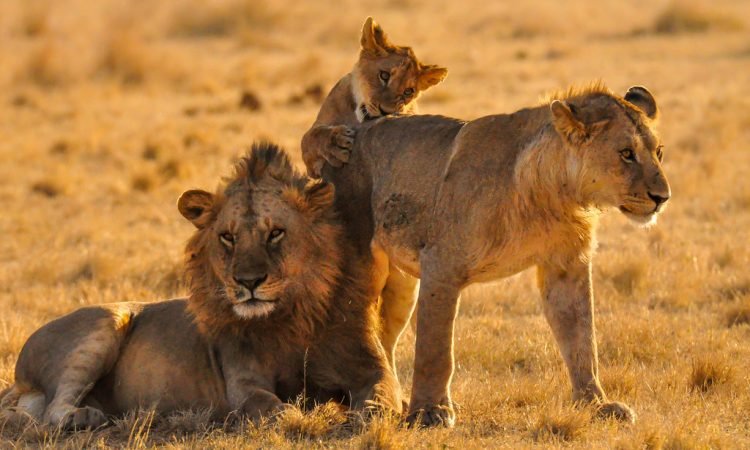
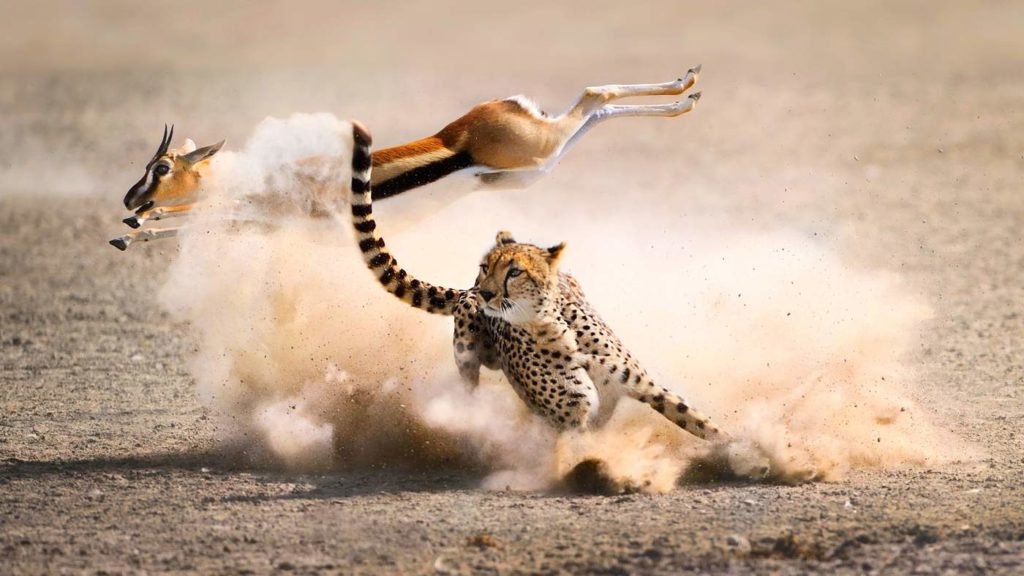
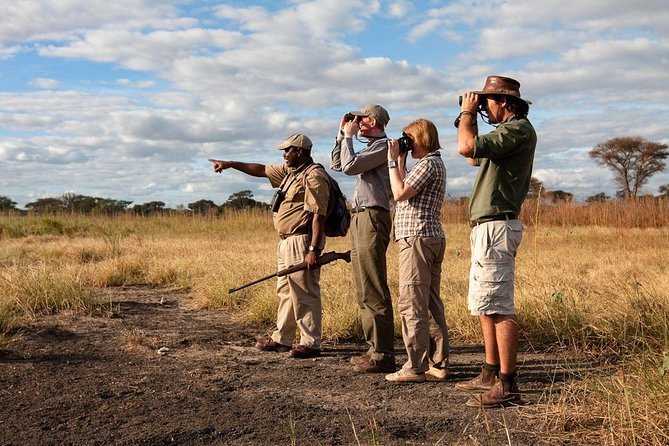
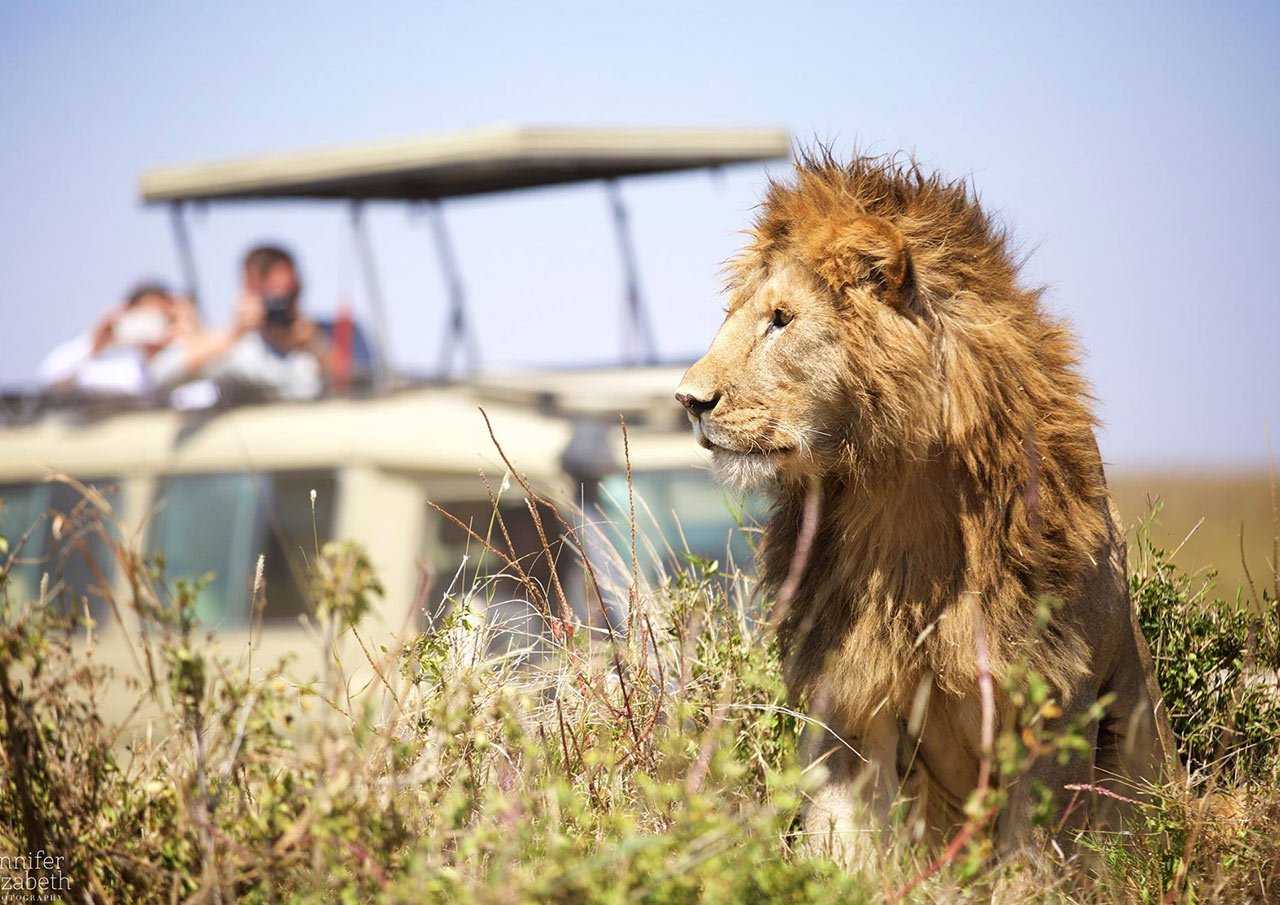
Planning Your Shared Safari: Zanzibar, Serengeti & Ngorongoro in 2026-2027
The allure of combining the tropical paradise of Zanzibar with the unparalleled wildlife spectacles of the Serengeti and Ngorongoro Crater is a dream for many travelers. A shared safari from Zanzibar to Serengeti and Ngorongoro offers a fantastic way to experience Tanzania’s iconic natural wonders without the expense of a private tour. This approach allows you to connect with fellow adventurers, share vehicle costs, and benefit from organized logistics, making it an accessible and exciting option for your 2026-2027 Tanzanian adventure.
Choosing a shared safari means you’ll be joining a small group of like-minded individuals, often with a maximum of 6-7 people per vehicle. This setup is carefully managed to ensure everyone gets excellent viewing opportunities. The journey typically begins on Zanzibar, where you’ll transition from beach relaxation to the thrill of the African bush. Understanding the logistics, typical routes, and what makes a shared safari unique is key to a successful trip.
As you look ahead to 2026 and 2027, the demand for these popular safaris remains high. Booking in advance is strongly recommended, especially for specific departure dates or during peak seasons. This guide aims to demystify the process, covering everything from initial planning and itinerary design to the practicalities of group travel and what to expect on the ground.
Understanding the Shared Safari Concept
A shared safari is fundamentally about collective experience and cost-sharing. Instead of chartering an entire safari vehicle and guide for yourself, you join a pre-arranged group. This model is popular for several reasons:
- Cost-Effectiveness: The primary advantage is the reduction in price. By dividing the costs of the vehicle, fuel, guide, park fees, and accommodation among multiple travelers, the per-person cost becomes significantly lower than a private safari.
- Social Aspect: Many travelers, especially solo adventurers, appreciate the opportunity to meet new people and share the excitement of wildlife sightings with a group. It can lead to shared memories and even new friendships.
- Logistical Simplicity: Tour operators like Climb 4 Africa handle all the complex planning. This includes transportation from Zanzibar, park entries, accommodation bookings, and coordinating with guides, which simplifies the travel process immensely for you.
- Optimized Wildlife Viewing: While you are in a group, operators typically use 4×4 safari vehicles designed for comfort and excellent viewing. The group size is usually capped (e.g., a maximum of 7 passengers per vehicle) to ensure everyone has a window seat and unobstructed views.
When considering a shared safari from Zanzibar to Serengeti and Ngorongoro for 2026-2027, it’s important to understand that while the core itinerary is set, there can be slight variations between operators. The key is to find a reputable company that prioritizes quality guiding and a comfortable group experience.
Typical Itinerary Flow: From Zanzibar to the Wild
The journey from Zanzibar to the mainland parks is a crucial part of the experience. While the exact order can vary, most shared safaris follow a logical progression to maximize wildlife viewing and minimize travel time.
Day 1: Arrival in Arusha & Safari Briefing
- Most safaris start in Arusha, the gateway city to Tanzania’s northern circuit. Travelers arriving from Zanzibar will typically fly into Kilimanjaro International Airport (JRO) or take a ferry to Dar es Salaam and then a domestic flight to Arusha.
- Upon arrival, you’ll be met and transferred to your lodge or hotel in Arusha.
- This evening, you’ll usually have a safari briefing with your guide to discuss the upcoming itinerary, safety guidelines, and what to expect. This is also a good time to ask any last-minute questions about your shared safari from Zanzibar to Serengeti and Ngorongoro.
Day 2: Tarangire National Park
- After breakfast, you’ll depart for Tarangire National Park, famous for its large elephant herds and iconic baobab trees.
- Enjoy a full day of game drives, exploring the park’s diverse habitats.
- Overnight accommodation will be in a lodge or tented camp near Tarangire or en route to the next destination.
Day 3: Lake Manyara National Park & Karatu
- The morning drive takes you to Lake Manyara National Park, known for its tree-climbing lions (though sightings are not guaranteed) and diverse birdlife, especially around the alkaline lake.
- After a game drive and picnic lunch, you’ll continue to the Karatu highlands, a scenic area bordering the Ngorongoro Conservation Area.
- Overnight in a lodge or guesthouse in Karatu.
Day 4: Ngorongoro Crater Tour
- An early start is essential for descending into the Ngorongoro Crater, a UNESCO World Heritage Site and a caldera teeming with wildlife.
- You’ll spend most of the day on the crater floor, searching for the Big Five (lion, leopard, elephant, rhino, buffalo) and a vast array of other animals. The dense population here makes sightings highly probable.
- After a picnic lunch, you’ll ascend and drive back towards Karatu or a lodge closer to the Serengeti.
Day 5: Serengeti National Park (Central)
- Today, you’ll drive into the legendary Serengeti National Park, with a stop at the Olduvai Gorge (optional, may incur extra fees) for a glimpse into early human history.
- The Serengeti offers endless plains, hence its name meaning ‘endless plains’ in the Maasai language.
- Your game drive will take you towards your accommodation in the central Serengeti region, known for its resident wildlife year-round.
- Overnight in a lodge or tented camp within the Serengeti.
Day 6: Serengeti National Park (Full Day)
- Dedicate the full day to exploring the vast Serengeti. Depending on the time of year, you might track the Great Migration.
- The sheer scale of the Serengeti means you could spend weeks here and still discover new areas. Your guide will focus on prime wildlife viewing spots.
- Overnight again in the Serengeti.
Day 7: Serengeti to Arusha / Zanzibar
- Enjoy a final morning game drive in the Serengeti before heading to the Seronera Airstrip (or a similar airstrip) for your flight back to Arusha.
- Alternatively, some itineraries might involve a drive back to Arusha, which is a very long day. Flying is highly recommended for shared safaris to save time and enhance comfort.
- Upon arrival in Arusha, you’ll be transferred to your hotel or directly to Kilimanjaro International Airport for your onward journey or connection back to Zanzibar.
Day 8 (Optional Extension): Return to Zanzibar or Further Exploration
- If your schedule allows, you can extend your trip or head back to Zanzibar for more relaxation.
This 7-day structure is a common framework for a shared safari from Zanzibar to Serengeti and Ngorongoro. It balances travel time with ample game viewing opportunities. For 2026-2027 bookings, confirm the exact inclusions and daily schedule with your chosen operator.
Choosing Your Departure from Zanzibar
Getting from Zanzibar to the starting point of your safari on the mainland is the first logistical step. You have two primary options, each with its own considerations:
1. Flight from Zanzibar to Arusha (or Kilimanjaro International Airport)
- Pros: This is the fastest and most convenient method. It saves significant travel time, allowing you to maximize your safari days. Flights are frequent, and several local airlines operate the route. You’ll typically land at Arusha Airport (ARK) or Kilimanjaro International Airport (JRO), both close to the safari starting point.
- Cons: This is the more expensive option compared to the ferry. Flight schedules can sometimes be affected by weather, though this is less common on this route.
- Booking for 2026-2027: It’s advisable to book these internal flights in advance, especially if you have fixed safari dates. Your tour operator can often assist with or include these flights in your package.
2. Ferry from Zanzibar to Dar es Salaam, then Flight to Arusha
- Pros: This is a more budget-friendly approach. The ferry journey itself can be an experience, offering views of the ocean.
- Cons: This method takes considerably longer. You’ll need to account for the ferry crossing (approx. 1.5-2 hours), travel time from the Dar es Salaam ferry terminal to the airport, and then the flight to Arusha. This can easily consume most of a day, potentially impacting your first safari day if not planned carefully.
- Booking for 2026-2027: Ferry tickets are generally easier to secure closer to the date, but booking flights from Dar es Salaam to Arusha in advance is still recommended.
Recommendation: For a shared safari from Zanzibar to Serengeti and Ngorongoro, especially if you are on a tighter schedule or prefer comfort, the direct flight option is highly recommended for 2026-2027. It ensures you start your safari refreshed and on time.
Key Destinations on Your Shared Safari
Each park on the northern circuit offers a unique safari experience. Understanding what makes them special helps set expectations for your shared safari from Zanzibar to Serengeti and Ngorongoro.
Tarangire National Park: The Land of Giants
- Highlights: Known for its massive elephant herds, especially during the dry season (June to October) when they congregate around the Tarangire River. The park is also home to large baobab trees, which are iconic and visually striking. You’ll find lions, leopards, cheetahs, giraffes, zebras, wildebeest, and a variety of antelopes. Birdlife is also exceptional.
- Best time to visit: June to October for concentrations of wildlife, particularly elephants.
- Safari experience: Offers excellent game viewing with a good chance of seeing elephants up close. The landscape is more open than some other parks, making spotting animals easier.
Lake Manyara National Park: The less crowded place
- Highlights: Famous for its elusive tree-climbing lions, although sightings are not guaranteed and are more common during the wet season. The park is a birdwatcher’s paradise, with thousands of flamingos often present around the shallow alkaline lake. You’ll also see baboons, monkeys, elephants, giraffes, and zebras.
- Best time to visit: Year-round, though birding is best during the wet season (November to May).
- Safari experience: A relatively small park, it’s often visited as a day trip or on the way to Ngorongoro. The dense woodland and groundwater forest provide a different habitat compared to the open plains of Serengeti.
Ngorongoro Conservation Area & Crater: The Eighth Wonder
- Highlights: The Ngorongoro Crater is a natural wonder, a UNESCO World Heritage Site, and home to an exceptionally high density of wildlife. It’s one of the best places in Tanzania to see the Big Five, including the critically endangered black rhino. The crater floor is a self-contained ecosystem supporting large populations of lions, hyenas, wildebeest, zebras, hippos, elephants, and buffalos.
- Best time to visit: Year-round. The crater offers fantastic viewing opportunities regardless of the season due to its permanent water sources.
- Safari experience: Game drives are restricted to the crater floor, with a limited number of vehicles allowed at any one time to minimize impact. This ensures a more controlled and often rewarding viewing experience. You’ll spend most of your day here, making it a highlight of any shared safari from Zanzibar to Serengeti and Ngorongoro.
Serengeti National Park: The Endless Plains
- Highlights: Arguably the most famous wildlife sanctuary in the world. The Serengeti is vast, covering over 14,750 square kilometers, and is renowned for its spectacular Great Migration of wildebeest and zebras, which happens in different locations throughout the year. It’s also home to large populations of predators, including lions, leopards, cheetahs, and hyenas.
- Best time to visit: Depends on the migration. June to October is generally excellent for game viewing in the central and western corridors. The calving season (January-March) is in the southern Serengeti. The 2026-2027 calendar should be checked for migration patterns.
- Safari experience: Offers a classic safari experience with vast open plains, acacia woodlands, and riverine forests. Game drives are conducted across huge areas, providing endless opportunities to witness predator-prey interactions and diverse wildlife.
Each of these locations contributes significantly to the richness of your shared safari from Zanzibar to Serengeti and Ngorongoro, offering varied landscapes and wildlife encounters.
Shared Safari Logistics and Inclusions (2026-2027)
When booking a shared safari from Zanzibar to Serengeti and Ngorongoro for 2026-2027, understanding what’s included is crucial for budgeting and planning. While packages vary, here’s a breakdown of common inclusions and exclusions:
Typical Inclusions:
- Accommodation: Nights in lodges or tented camps as per the itinerary. Options usually range from mid-range to more comfortable/luxury camps.
- Meals: Full board is common during the safari portion (breakfast, lunch, dinner). Some operators include meals in Arusha, while others do not.
- Transportation: A 4×4 safari vehicle (e.g., Land Cruiser or Land Rover) with a pop-up roof for game viewing. This is typically shared among 6-7 passengers.
- Guide: A professional, English-speaking safari guide.
- Park Fees: Entry fees for Tarangire, Lake Manyara, Ngorongoro Crater, and Serengeti National Parks. These are a significant portion of the safari cost.
- Crater Service Fee: For Ngorongoro, this usually includes the vehicle entering the crater and the time spent on the floor.
- Activities: Game drives as per the itinerary.
- Transfers: Airport transfers in Arusha and transfers to/from your Arusha hotel.
- Bottled Water: Usually provided in the safari vehicle during game drives.
Common Exclusions:
- International Flights: Flights to and from Tanzania.
- Internal Flights: Flights between Zanzibar and Arusha (sometimes included, but often extra).
- Visa Fees: For Tanzania.
- Travel Insurance: Essential for any safari.
- Tips: For guides and camp staff. This is customary and expected.
- Personal Expenses: Souvenirs, laundry, alcoholic beverages, soft drinks, and items of a personal nature.
- Optional Activities: Hot air balloon safaris in Serengeti, walking safaris (if offered), or visits to Maasai villages often incur additional costs.
- Accommodation in Zanzibar: Unless specified, your stay in Zanzibar before or after the safari is not included.
- Meals in Arusha: Some operators only include breakfast in Arusha.
Important Considerations for 2026-2027:
- Vehicle Capacity: Ensure the operator specifies the maximum number of passengers per vehicle. A maximum of 7 is standard for comfort and viewing.
- Accommodation Standards: Clarify the type and quality of lodges/camps. Mid-range options usually mean comfortable 3-star equivalent accommodations, while luxury implies higher-end lodges or exclusive tented camps.
- Guide Experience: The quality of your guide significantly impacts the safari. Inquire about guide qualifications and experience.
- Park Fee Increases: Park fees can change. While operators usually include them, it’s wise to confirm if the quoted price is based on current fees or if there’s a potential for adjustments.
When you contact Climb 4 Africa for a quote for your shared safari from Zanzibar to Serengeti and Ngorongoro in 2026 or 2027, be sure to ask for a detailed breakdown of what is and isn’t included in their proposals.
Budgeting for Your Shared Safari (2026-2027)
Pricing for shared safaris can vary based on several factors. Understanding these helps in setting a realistic budget for your shared safari from Zanzibar to Serengeti and Ngorongoro in 2026-2027.
Factors Influencing Cost:
- Duration: Longer safaris naturally cost more due to increased accommodation, park fees, and guide/vehicle days.
- Accommodation Level: Mid-range lodges and tented camps are standard for shared safaris. Luxury options will significantly increase the price.
- Season: Peak season (typically June to October, and December/January) often sees higher prices due to increased demand and accommodation availability. Low season (e.g., March to May, excluding Easter) can offer slightly lower rates but may coincide with rainier weather.
- Number of Participants: While it’s a shared safari, the exact number of people in your specific departure can sometimes influence final costing, though this is less common with fixed-price shared tours.
- Inclusions: Safaris that include internal flights (e.g., Zanzibar-Arusha) will be more expensive than those requiring you to arrange your own.
- Operator’s Margin and Service Quality: Established operators with a strong reputation for service, reliable vehicles, and experienced guides may charge slightly more but often provide a better overall experience.
General Price Ranges (Per Person, Excluding Zanzibar & International Flights):
For a typical 6-7 day shared safari from Zanzibar to Serengeti and Ngorongoro in 2026-2027, you can expect price ranges as follows:
- Mid-Range: Approximately $1,800 – $2,800 USD per person. This typically covers comfortable 3-star equivalent lodges/camps, a well-equipped 4×4 vehicle, experienced guide, all park fees, and meals.
- Comfort/Upper Mid-Range: Around $2,500 – $3,500+ USD per person. This level might include slightly better lodges, more exclusive tented camps, potentially a slightly smaller group size, or additional inclusions like a Serengeti flight.
Note: These are approximate figures for planning purposes. Exact pricing depends heavily on the specific itinerary, accommodation choices, and the operator. It’s crucial to get a detailed quote.
Additional Costs to Budget For:
- Internal Flights: Zanzibar to Arusha: Approximately $100 – $250 USD per person one way.
- Tips: Budget around $20-30 USD per day per traveler for your guide and camp staff, to be distributed at your discretion.
- Visa: Check current Tanzanian visa requirements and costs.
- Travel Insurance: Varies based on provider and coverage.
- Personal Expenses: Souvenirs, drinks, etc.
Getting a Quote for 2026-2027:
To get an accurate quote for your shared safari from Zanzibar to Serengeti and Ngorongoro, contact Climb 4 Africa. Provide them with your preferred travel dates for 2026 or 2027, the approximate number of travelers, and any specific preferences (e.g., accommodation style, desired pace). They can then tailor a proposal for you.
What to Pack for Your Shared Safari
Packing smart is essential for comfort and convenience on a safari. For a shared safari from Zanzibar to Serengeti and Ngorongoro, consider the diverse climates and activities you’ll encounter.
Clothing:
- Neutral Colors: Pack light, breathable clothing in neutral colors like khaki, beige, olive green, or brown. Avoid bright colors (which can scare wildlife) and dark colors like black or navy (which attract tsetse flies and can be hot).
- Layers: Mornings and evenings can be cool, especially in the Crater and Serengeti. Pack long-sleeved shirts and trousers for warmth and sun protection. A fleece or light jacket is recommended.
- T-shirts and Shorts: For warmer daytime temperatures.
- Comfortable Trousers/Convertible Pants: Useful for game drives and cooler evenings.
- Swimsuit: For use at lodges with pools (especially in Arusha or Zanzibar).
- Rain Jacket: A lightweight, waterproof jacket is advisable, particularly during the rainy seasons (March-May and November-December).
Footwear:
- Comfortable Walking Shoes: Closed-toe shoes like hiking boots or sturdy trainers are ideal for game drives and any light walking.
- Sandals/Flip-flops: For relaxing at the lodge.
Accessories:
- Sun Hat: Wide-brimmed for maximum sun protection.
- Sunglasses: Essential for reducing glare.
- Sunscreen: High SPF.
- Insect Repellent: With DEET for protection against mosquitoes and other insects.
- Camera and Accessories: Extra batteries, memory cards, and a zoom lens are highly recommended for wildlife photography. Binoculars are also a must!
- Headlamp/Torch: Useful for navigating around lodges at night.
- Personal First-Aid Kit: Include any personal medications, pain relievers, antiseptic wipes, and bandages.
- Small Backpack: For carrying essentials during game drives (water, camera, snacks).
- Adapter: For charging electronics (most lodges have 220-240V sockets).
Documents & Money:
- Passport: Valid for at least six months beyond your stay.
- Visa: Ensure you have the necessary Tanzanian visa.
- Yellow Fever Certificate: May be required, especially if arriving from or transiting through a country with a risk of yellow fever.
- Flight Tickets & Itinerary: Keep digital and hard copies.
- Travel Insurance Details: Policy number and emergency contact.
- Cash: USD is widely accepted for tips and souvenirs. Small denominations are useful.
Important Note for Shared Safaris: Luggage space in safari vehicles can be limited. Most operators recommend soft-sided duffel bags rather than hard suitcases. Check with your operator for specific luggage restrictions.
When to Go: Best Times for Shared Safaris in 2026-2027
The timing of your shared safari from Zanzibar to Serengeti and Ngorongoro can significantly impact your wildlife viewing experience, especially concerning the Great Migration and weather patterns.
Peak Season (June – October):
- Pros: This is the dry season, meaning wildlife congregates around water sources, making them easier to spot. It’s also the best time to witness the dramatic river crossings of the Great Migration in the Grumeti or Mara Rivers (usually July-September). The weather is generally sunny and pleasant, though cooler in the mornings and evenings.
- Cons: This is the most popular time, so prices for safaris and accommodation are at their highest. Parks can be busier.
Shoulder Seasons (November – December, February – March):
- Pros: These periods offer a good balance. The weather is generally good, with fewer crowds than peak season. The southern Serengeti experiences the calving season (January-March), with abundant newborn wildebeest and zebras, attracting predators.
- Cons: November can see the start of the ‘short rains’, which might cause some travel disruptions or make spotting harder in denser vegetation.
Low Season (April – May):
- Pros: This is the ‘long rains’ season. Prices for safaris are often at their lowest. The landscape is lush and green, and birdlife is at its best. Fewer tourists mean a more intimate experience.
- Cons: Heavy rainfall can occur, potentially making some roads impassable and impacting game viewing. Wildlife may be more dispersed as water is plentiful.
The Great Migration:
For many, the primary draw of the Serengeti is the Great Migration. While it’s a year-round phenomenon, its location shifts:
- December – March: Southern Serengeti (calving season).
- April – May: Western Corridor (wildebeest begin moving north).
- June – July: Western and Northern Serengeti (river crossings).
- August – October: Northern Serengeti (continued migration and river crossings).
When planning your shared safari from Zanzibar to Serengeti and Ngorongoro for 2026-2027, consider what wildlife spectacles are most important to you. If river crossings are a priority, aim for July-September. If the calving season appeals, January-March is ideal.
Safety and Health Considerations
Your safety and well-being are paramount for an enjoyable shared safari from Zanzibar to Serengeti and Ngorongoro. Here are key considerations for 2026-2027:
Health:
- Vaccinations: Consult your doctor or a travel clinic 4-6 weeks before your trip. Recommended vaccinations may include Hepatitis A, Typhoid, Tetanus, and potentially others. Yellow Fever vaccination is often required for entry into Tanzania if arriving from an endemic country.
- Malaria: Tanzania is a malaria risk area. Take anti-malarial medication as prescribed by your doctor and use insect repellent, especially during dawn and dusk. Stay in screened accommodation.
- Travel Insurance: Comprehensive travel insurance is non-negotiable. Ensure it covers medical emergencies, evacuation, trip cancellation, and lost belongings.
- Food and Water: Stick to bottled water. Be cautious with uncooked food or unpeeled fruits. Most safari lodges provide safe, hygienic meals.
Safari Safety:
- Listen to Your Guide: Your safari guide is experienced and knowledgeable. Always follow their instructions regarding wildlife encounters, staying in the vehicle, and vehicle safety.
- Wildlife Proximity: Maintain a safe distance from all animals. Never attempt to feed or provoke wildlife. Lions, elephants, and hippos can be dangerous.
- Vehicle Safety: Stay inside the safari vehicle unless instructed otherwise by your guide. Keep hands and arms inside.
- Ngorongoro Crater: While wildlife is abundant, respect the animals’ space. Do not get out of the vehicle unless in designated safe areas.
- Camp/Lodge Safety: Be aware of your surroundings when walking around camps or lodges at night. Use a torch and be mindful of potential nocturnal animals.
Shared Safari Specifics:
- Group Dynamics: While generally harmonious, be respectful of other group members’ needs and preferences. Communicate any concerns politely to your guide.
- Personal Belongings: Keep valuables secure. While safaris are generally safe, petty theft can occur in transit points like airports or bus stations.
By taking necessary precautions and following expert advice, your shared safari from Zanzibar to Serengeti and Ngorongoro in 2026-2027 can be a safe and incredibly rewarding experience.
Making Your Booking for 2026-2027
Securing your shared safari from Zanzibar to Serengeti and Ngorongoro requires careful consideration of operators and booking procedures. Here’s how to approach it for 2026 and 2027:
Choosing an Operator:
- Reputation and Reviews: Look for operators with a strong track record and positive reviews on platforms like TripAdvisor. Check for reviews specifically mentioning shared safaris.
- Local Expertise: Companies based in Tanzania, like Climb 4 Africa, often have better local knowledge, contacts, and can offer more competitive pricing. They understand the nuances of the parks and logistics intimately.
- Responsiveness: How quickly and thoroughly do they answer your questions? Good communication is a sign of a professional operator.
- Itinerary Flexibility: While shared safaris are less flexible than private ones, a good operator can still make minor adjustments or offer different departure dates.
- Sustainability Practices: Consider operators who demonstrate a commitment to responsible tourism and conservation.
Booking Process:
- Request a Quote: Contact your chosen operator (e.g., Climb 4 Africa) with your preferred dates for 2026 or 2027, number of travelers, and any specific interests.
- Review the Proposal: Carefully examine the detailed itinerary, inclusions, exclusions, accommodation details, and total cost.
- Confirm Details: Ask questions about vehicle type, guide experience, specific lodges, and any potential hidden costs.
- Payment: Typically, a deposit (e.g., 20-50%) is required to confirm your booking and secure your spot. The balance is usually due closer to the travel date (e.g., 30-60 days prior). Ensure payment methods are secure.
- Receive Confirmation: Once payment is made, you’ll receive a formal booking confirmation and your detailed itinerary.
- Pre-Departure Information: Closer to your travel date, you’ll receive packing lists, contact details, and final instructions.
Why Book with Climb 4 Africa?
Climb 4 Africa specializes in Tanzanian adventures, offering expert knowledge of Kilimanjaro climbs and wildlife safaris. They understand the intricacies of organizing smooth transitions, whether you’re coming from Zanzibar or heading to the peaks after your safari. Their local presence ensures practical support and well-managed shared safari experiences. For your shared safari from Zanzibar to Serengeti and Ngorongoro in 2026-2027, they can provide tailored advice and competitive packages.
Contact Climb 4 Africa:
Reach out to their team via WhatsApp at +255 747 477 898 or email at climb4africa@gmail.com to discuss your safari plans. They are ready to help you craft an unforgettable Tanzanian journey.
Frequently Asked Questions About Shared Safaris
Here are answers to common questions regarding shared safaris from Zanzibar to Serengeti and Ngorongoro for 2026-2027.
Q1: How many people are typically in a shared safari vehicle?
A: Most operators limit shared safari vehicles to a maximum of 6-7 passengers. This ensures everyone has a window seat and good viewing opportunities without feeling too crowded.
Q2: Can I choose my accommodation level on a shared safari?
A: Shared safaris usually operate with a set accommodation standard (e.g., mid-range). While you might be able to upgrade to more luxurious lodges at an additional cost, significant customization is limited to maintain group cohesion and cost-effectiveness.
Q3: What if I want to do a hot air balloon safari in the Serengeti?
A: Hot air balloon safaris are usually an optional add-on and are not included in standard shared safari packages. They are quite expensive but offer a unique perspective. You would need to arrange this in advance with your operator.
Q4: Is it possible to combine a shared safari with a Kilimanjaro climb?
A: Yes, many travelers do this. Climb 4 Africa, as experts in both, can help you structure a trip that includes a safari before or after your climb. You would need to factor in additional days and logistics.
Q5: What is the best way to tip the safari guide and staff?
A: Tipping is customary and appreciated. It’s usually done at the end of the safari. A general guideline is $20-$30 USD per traveler per day for the guide, and a smaller amount for camp staff. Your operator can provide specific recommendations.
Q6: Can I arrange a shared safari for a specific date in 2026 or 2027?
A: While shared safaris often have fixed departure dates, reputable operators like Climb 4 Africa can sometimes arrange private departures for groups or even ‘guaranteed departures’ for solo travelers or couples on specific dates if there’s enough interest or flexibility. It’s best to inquire directly.
Q7: What happens if my flight from Zanzibar is delayed or cancelled?
A: If you book your internal flights through your safari operator, they will typically assist with rebooking. If you book independently, you’ll need to manage the changes yourself. This is another reason to consider having your operator handle all transfers.
Q8: Is the Great Migration predictable for 2026-2027?
A: While the general patterns of the migration are known, its exact timing and location can vary year to year due to rainfall and grass growth. Your guide will be the best source of information on the ground regarding the migration’s current movements.
Final Thoughts for Your 2026-2027 Tanzanian Adventure
A shared safari from Zanzibar to Serengeti and Ngorongoro offers an incredible opportunity to witness Tanzania’s world-renowned wildlife and impressive landscapes without the premium cost of a private tour. For your 2026-2027 travels, this choice balances adventure, social interaction, and budget-consciousness.
From the iconic plains of the Serengeti to the unique ecosystem of the Ngorongoro Crater, and potentially starting from the spice-scented air of Zanzibar, this journey promises indelible memories. By understanding the logistics, choosing the right operator, and preparing adequately, you’re setting yourself up for an exceptional experience.
When you’re ready to turn this dream into reality for 2026 or 2027, reach out to specialists like Climb 4 Africa. They possess the local insight and operational expertise to ensure your shared safari is smooth, safe, and spectacular. Don’t hesitate to contact them with your questions and requirements.
Ready to plan your 2026-2027 shared safari?
Contact Climb 4 Africa today:
- WhatsApp: +255 747 477 898
- Email: climb4africa@gmail.com
Let them help you organize an unforgettable Tanzanian adventure!
Check Availability for Shared Safari From Zanzibar To Serengeti And Ngorongoro 2026-2027
Ready to compare dates, prices, and the best option for your group? Send the package name and travel month so the team can reply with a clear quote, availability, and what is included.
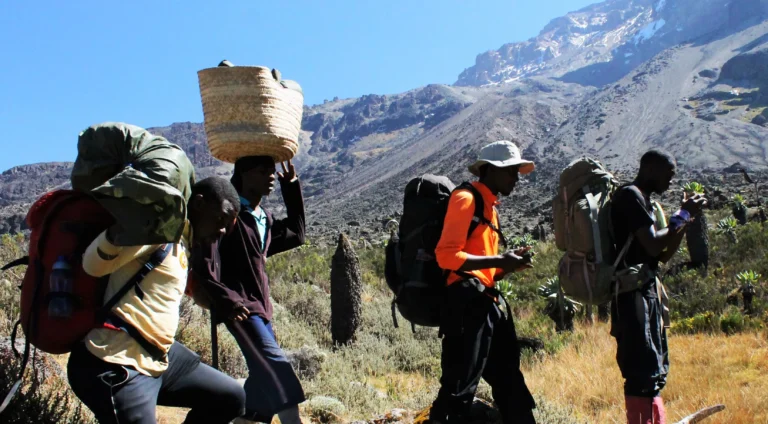
Best Kilimanjaro And Serengeti Calving Season Safari March 2027
Discover the magic of a March 2027 Kilimanjaro and Serengeti calving season safari. This guide explores the unique advantages and considerations for experiencing Tanzania's wildlife...
View package details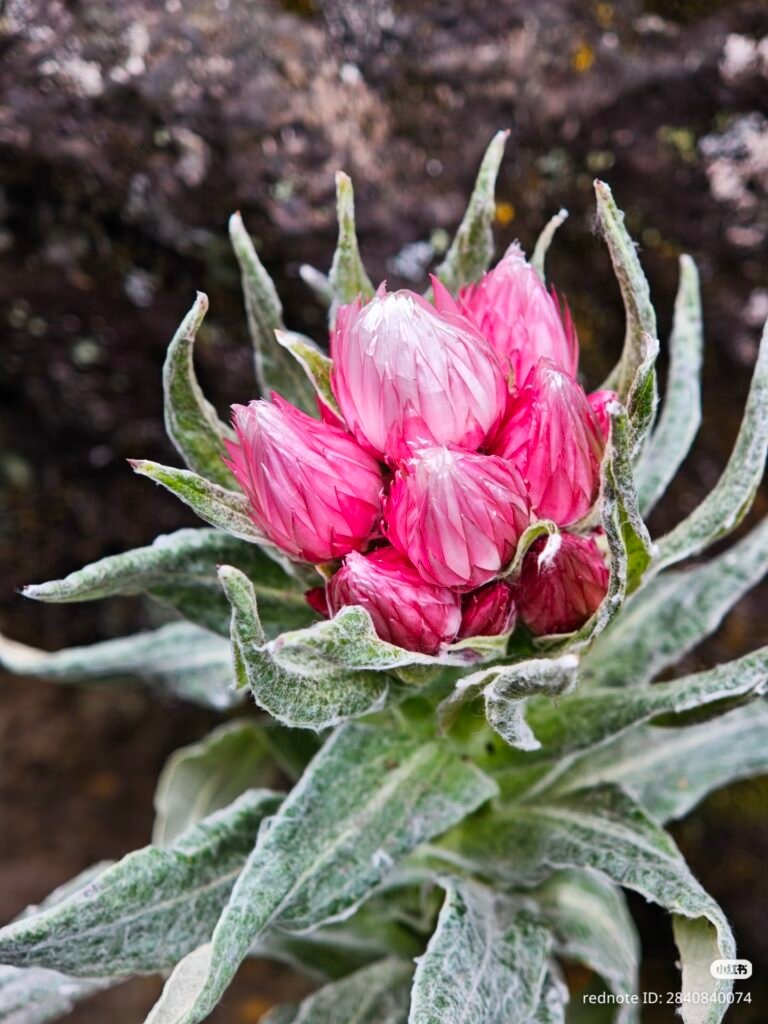
Kilimanjaro And Serengeti Calving Safari February : The Ultimate Planning
Combine the majesty of Mount Kilimanjaro with the impressive spectacle of the Serengeti's calving season in February 2027. This guide details how to plan this dual adventure, focusing on...
View package details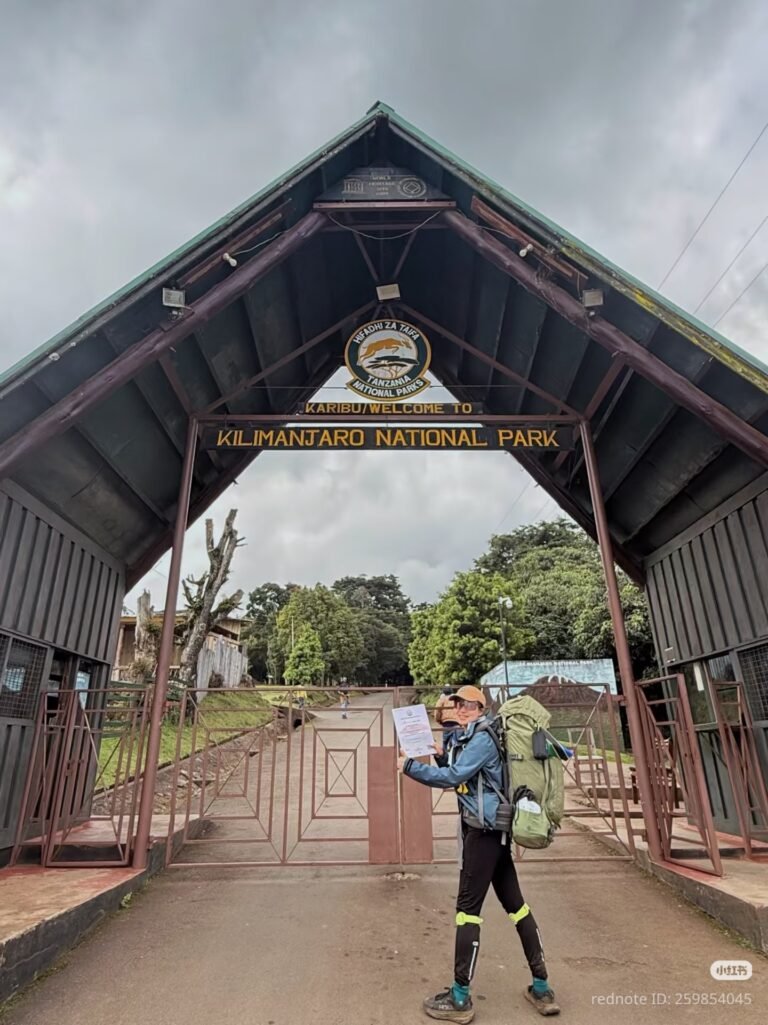
Kilimanjaro And Serengeti Calving Safari January 2026-2027
Kilimanjaro and Serengeti Calving Safari January 2027 is explained with current 2026-2027 planning, price, itinerary and booking information.
View package details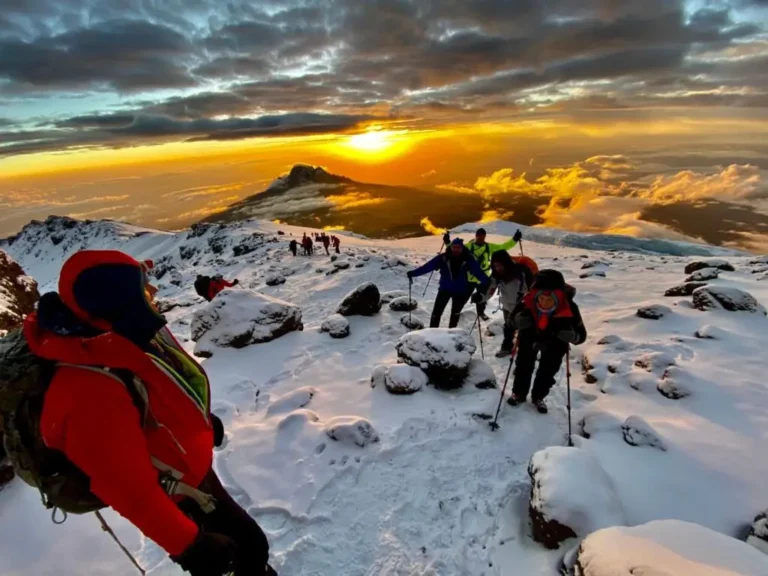
Kilimanjaro And Grumeti Migration Safari June : The Ultimate Tanzanian
Plan your unforgettable Kilimanjaro and Grumeti Migration safari for June 2027. This comprehensive guide details how to combine the challenge of summiting Africa's highest peak with the...
View package details
Christmas Kilimanjaro And Zanzibar Holiday : Your Ultimate Adventure 2026-2027
Experience an unforgettable Christmas combining the thrill of climbing Mount Kilimanjaro with the serene beauty of Zanzibar's beaches. This guide covers planning for your 2026-2027 festive...
View package details
Kilimanjaro And Mara River Crossing Safari August : Peak Season Adventure 2027
Combining the ultimate challenge of climbing Mount Kilimanjaro with the awe-inspiring spectacle of the Great Migration river crossing in the Maasai Mara offers an unparalleled African...
View package details
Kilimanjaro And Great Migration Safari August : Your Peak Season Adventure
Plan your ultimate Tanzanian adventure in August 2027, combining a Kilimanjaro climb with the spectacle of the Great Migration. This guide details the best timings, routes, and safari...
View package detailsKilimanjaro And Mara River Crossing Safari July 2027
Kilimanjaro and Mara River Crossing Safari July 2027 is explained with current 2027 planning, price, itinerary and booking information.
View package detailsKilimanjaro And Great Migration Safari July : Your Ultimate Tanzanian
Combining a Kilimanjaro climb with a Great Migration safari in July 2027 offers a spectacular Tanzanian adventure. This guide helps you plan your ideal itinerary, considering the best...
View package details
Kilimanjaro Christmas Climb And Tanzania Safari : Your Festive Adventure
Combine the magic of a Christmas ascent of Kilimanjaro with a thrilling Tanzania safari in 2026. Discover how to plan this dual adventure for a truly unique festive season.
View package detailsNo related package matches those filters. Clear one or more filters to see the other topic-matched options.



