
Joining a group safari to the Serengeti and Ngorongoro Crater from Zanzibar in 2026-2027 offers an affordable and social way to experience Tanzania’s legendary wildlife. These shared departures typically involve flying from Zanzibar to a mainland airstrip near the parks, followed by several days of game drives in custom 4×4 safari vehicles, staying in shared lodges or tented camps, before returning to Zanzibar. The exact itinerary, duration, and inclusions vary, but expect comprehensive wildlife viewing opportunities with other travelers, making it a cost-effective choice for solo travelers or small groups looking to share experiences and expenses.


Understanding Group Joining Safaris from Zanzibar
A group joining safari, often referred to as a shared departure or scheduled tour, is fundamentally about pooling resources. Instead of chartering an entire safari vehicle and guide exclusively for yourself, you join a pre-set itinerary with other like-minded travelers. This model significantly reduces the per-person cost, making iconic destinations like the Serengeti and Ngorongoro accessible to a wider range of budgets. When departing from Zanzibar, the logistics typically involve a flight to the mainland, as this is the most time-efficient method to connect the island to the northern safari circuit. This approach is particularly popular for those who are traveling solo or as a couple and want to share the adventure and expenses with others, creating a more dynamic and communal travel experience.
For 2026 and 2027, group joining safaris from Zanzibar continue to be a highly sought-after option. They provide a structured yet flexible way to see Tanzania’s wildlife hotspots without the complexities of organizing every detail independently. The appeal lies in the balance: you get the expertise of a local operator, the convenience of a planned route, and the social aspect of traveling with others, all while keeping costs down compared to a private safari. Many travelers find that sharing a safari vehicle with a small group leads to interesting conversations, new friendships, and a broader perspective on the incredible sights encountered.
Why Choose a Group Safari from Zanzibar for 2026-2027?
The decision to opt for a group joining safari from Zanzibar, especially when planning for 2026 or 2027, is driven by several key advantages. Primarily, it’s about cost-effectiveness. Organizing a safari from scratch, including flights, accommodation, vehicle hire, and guide fees, can be substantial. By joining a group, these costs are distributed among multiple participants, making the overall price per person considerably lower. This allows travelers to experience the world-class wildlife viewing of Serengeti and Ngorongoro on a more manageable budget.
Beyond the financial benefits, group safaris offer a social dimension that many travelers appreciate. You’ll meet people from diverse backgrounds, all sharing a common interest in wildlife and adventure. This can lead to a richer travel experience, with shared discoveries, photography tips, and evening conversations around the campfire. For solo travelers, it alleviates any potential feelings of isolation and provides built-in companionship.
Convenience is another major draw. With a group joining safari, the itinerary is pre-planned, accommodation is booked, and transportation is arranged. Your main responsibility is to enjoy the journey. Operators like Climb 4 Africa handle the intricate logistics, including coordinating flights from Zanzibar, park entry fees, meals, and transfers. This takes the stress out of planning, allowing you to focus on the anticipation of seeing lions, elephants, and the vast plains of the Serengeti.
Looking ahead to 2026-2027, the demand for these shared experiences is expected to remain strong. Travelers are increasingly seeking authentic, value-driven adventures that connect them with nature and other people. Group joining safaris perfectly fit this trend, offering a responsible and enjoyable way to explore Tanzania’s natural wonders.
Typical Itinerary Structure for Group Safaris
While specific itineraries can vary in length and focus, a common structure for a group joining Serengeti and Ngorongoro safari from Zanzibar typically spans 4 to 7 days on the mainland, excluding travel days to and from Zanzibar. The journey usually begins with a morning flight from Zanzibar International Airport (ZNZ) to an airstrip serving the northern safari circuit, such as Kilimanjaro International Airport (JRO) or a smaller airstrip closer to the parks like Lake Manyara Airstrip (LKY) or Seronera Airstrip (SEU) in the Serengeti.
Day 1: Arrival and Lake Manyara National Park
Upon arrival on the mainland, you’ll be met by your safari guide and vehicle. The first destination is often Lake Manyara National Park. This park, though smaller, is renowned for its diverse birdlife, tree-climbing lions (though not guaranteed, they are a specialty), and large elephant herds. You’ll spend the afternoon on a game drive here before heading to accommodation near the park or en route to the Ngorongoro Conservation Area.
Day 2: Ngorongoro Crater Exploration
The highlight of this day is a descent into the Ngorongoro Crater, a UNESCO World Heritage Site and a natural amphitheater teeming with wildlife. The crater floor is home to an incredible density of animals, including the Big Five (lion, leopard, elephant, rhino, and buffalo), and offers excellent chances of spotting the endangered black rhinoceros. A full day is typically spent exploring the crater, with a picnic lunch served on the crater floor. In the late afternoon, you’ll ascend and proceed to accommodation either on the crater rim or in a nearby town like Karatu.
Day 3-4 (or more): Serengeti National Park
The journey continues to the vast plains of the Serengeti. Depending on the season and the location of the Great Migration, you might enter the park via the Naabi Hill Gate and head towards the Seronera area, known for its resident predators year-round. If your safari is timed for the migration’s movement, you might head further north or west. Game drives in the Serengeti are extensive, allowing ample time to witness the incredible wildlife spectacles, from prides of lions to cheetahs on the hunt and herds of wildebeest and zebras. Accommodation is usually in lodges or tented camps within the park or its buffer zones. For longer safaris, you might explore different regions of the Serengeti, increasing your chances of diverse sightings.
Final Day: Departure and Return to Zanzibar
On the final day, you’ll typically enjoy a morning game drive in the Serengeti before being transferred to a local airstrip (like Seronera) for your flight back to Zanzibar. Some itineraries might include a brief stop at Mto wa Mbu village for a cultural glimpse or a visit to a Maasai village, though these are often optional additions.
This structure provides a solid foundation for experiencing the key highlights of Tanzania’s northern safari circuit. For 2026-2027 departures, booking in advance is recommended, especially if you have specific dates in mind, as popular group joining safari slots can fill up quickly.
Flights from Zanzibar to the Mainland Explained
Connecting Zanzibar to the northern safari circuit via air is a crucial element of most group joining safaris. The island’s location means that driving to the mainland parks would consume a significant amount of time, often taking a full day or more just to reach the gateway towns. Flights offer a much more efficient solution, maximizing your safari time on the ground.
Airlines and Routes: Several local Tanzanian airlines operate scheduled flights between Zanzibar (ZNZ) and various mainland airports. The most common routes for safari-goers include:
- Zanzibar (ZNZ) to Kilimanjaro International Airport (JRO): This is a popular gateway, from which you’ll typically transfer by road to Arusha, the safari hub. From Arusha, the safari begins.
- Zanzibar (ZNZ) to Lake Manyara Airstrip (LKY): This direct flight takes you closer to the parks, often allowing you to start your game drives on the same day with minimal road travel.
- Zanzibar (ZNZ) to Seronera Airstrip (SEU) in the Serengeti: For longer safaris focusing heavily on the Serengeti, direct flights to its heart are available, saving considerable travel time.
Booking and Timing: Flights are usually booked by the tour operator as part of your safari package. You’ll need to confirm the specific flight schedule with your operator to understand departure and arrival times. Early morning departures from Zanzibar are common to make the most of the first day’s activities on the mainland.
Cost Considerations: The cost of these internal flights is typically included in the overall price of a group joining safari package. However, it’s wise to clarify what is included. If you’re arranging your own flights to Tanzania, ensure you factor in the cost and logistics of getting from your international arrival point (likely JRO) to Zanzibar, and then the onward flight to the safari start point.
Luggage Restrictions: Small bush planes used for some routes have stricter luggage allowances than commercial jets. Typically, you’re limited to around 15-20 kg (33-44 lbs) per person, packed in a soft-sided duffel bag. Hard suitcases are often not permitted. Your tour operator will provide specific guidance on this, which is essential for smooth travel in 2026-2027.
Accommodation Options on Group Safaris
Accommodation is a significant part of the safari experience, and on group joining tours, the options are generally designed to be comfortable, convenient, and conducive to sharing the adventure. While luxury lodges are available, group safaris often focus on mid-range to comfortable tented camps and lodges that offer good value and atmosphere.
Tented Camps: These range from basic canvas tents with en-suite bathrooms and comfortable beds to more luxurious safari tents with private verandas. They offer a classic safari feel, allowing you to be closer to nature. Shared facilities are sometimes present in more budget-oriented camps, but most will offer private bathrooms. The atmosphere in a tented camp is often communal, with a central mess tent for dining and relaxation.
Safari Lodges: Lodges are permanent structures, often built with stone, wood, or thatch. They provide more robust accommodation with amenities like restaurants, bars, and sometimes swimming pools. They can range from rustic and charming to more upscale. In areas like Karatu or on the outskirts of the parks, lodges offer a comfortable base.
Shared Facilities vs. Private En-suites: For group joining safaris, most reputable operators ensure that even in tented camps, you have your own private en-suite bathroom. Shared bathrooms are typically reserved for very budget backpacker-style tours, which are less common for Serengeti/Ngorongoro packages. Always confirm the type of accommodation and bathroom facilities when booking your group joining Serengeti and Ngorongoro safari from Zanzibar for 2026-2027.
Location Matters: Accommodation location is key. Staying inside national parks or conservation areas offers the advantage of being right in the heart of the wildlife action, allowing for early morning or late evening game drives. Options outside the park boundaries, such as in Karatu or near Arusha, can be more budget-friendly but require more travel time to reach the park gates.
Booking for 2026-2027: Popular lodges and camps, especially those in prime locations within the Serengeti or on the Ngorongoro rim, book up months in advance, particularly during peak seasons. Booking early for your 2026-2027 group safari ensures you get the best available options.
What to Expect During Game Drives
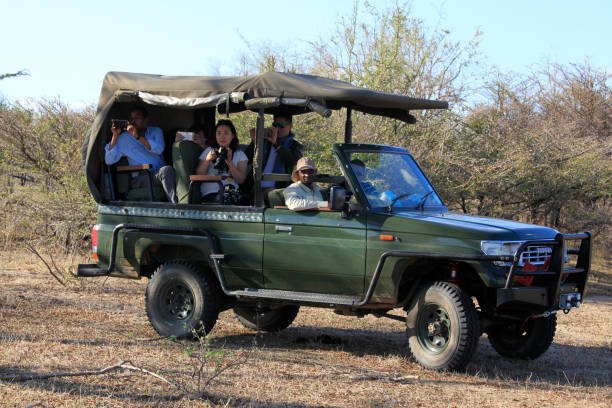
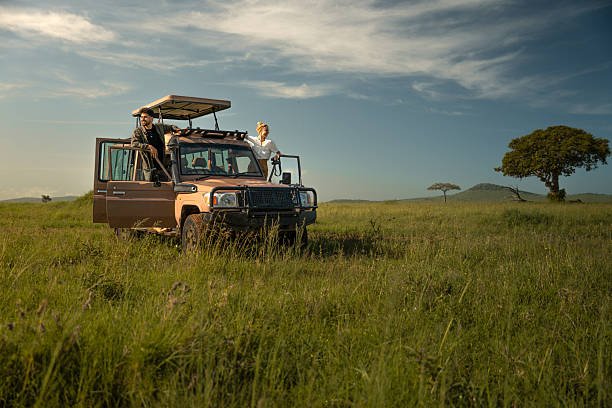
Game drives are the core activity of any safari, and on a group joining tour, you’ll typically be in a customized 4×4 safari vehicle, often a Land Cruiser or Land Rover, equipped with pop-up roofs for optimal viewing and photography. These vehicles are driven by experienced guides who possess an intimate knowledge of the parks and animal behavior.
Vehicle Dynamics: In a group safari vehicle, you’ll share the space with other travelers. While there’s usually enough room to move around and get comfortable, it’s a shared experience. Guides aim to ensure everyone gets a good view, often rotating seating positions if the group is small enough or if different members have specific interests. Be prepared for close proximity with your fellow travelers.
Guide’s Role: Your guide is your eyes and ears in the bush. They are skilled at spotting wildlife, often noticing subtle signs like tracks, droppings, or bird calls that indicate the presence of animals. They know the best times and locations to find specific species and will endeavor to provide you with incredible sightings. Don’t hesitate to ask questions; guides are usually passionate about sharing their knowledge.
Wildlife Sightings: While Tanzania’s parks are renowned for abundant wildlife, sightings are never guaranteed. The animals roam freely, and their movements are influenced by weather, food availability, and natural behaviors. Patience is key. Sometimes, the most memorable moments are unexpected encounters or observing animals in their natural habitat, even if it’s not the ‘Big Five’ every time. The Serengeti and Ngorongoro offer exceptionally high chances of seeing a wide variety of animals.
Timing and Duration: Game drives can be conducted in the early morning (often starting at sunrise), in the afternoon, or sometimes as full-day excursions with a packed lunch. Early morning and late afternoon are generally considered the best times for wildlife activity, as temperatures are cooler. Your guide will typically discuss the day’s plan with the group.
Photography: Bring a good camera with a zoom lens if possible. Binoculars are also highly recommended. Remember to respect wildlife; maintain a safe distance and avoid disturbing the animals. Guides will enforce park rules regarding this.
The Great Migration: If your group safari from Zanzibar is timed to coincide with the Great Migration (typically June-October in the Western and Northern Serengeti, and January-March in the Southern Serengeti), your game drives will be focused on tracking these massive herds. This is one of the planet’s most spectacular natural events and a major draw for visitors in 2026-2027.
Planning Your 2026-2027 Group Safari
Planning a group joining Serengeti and Ngorongoro safari from Zanzibar for 2026-2027 involves a few key steps to ensure a smooth and enjoyable experience. Given the popularity of these destinations, especially for shared departures, early planning is advisable.
1. Choose Your Operator: Select a reputable tour operator with experience in handling group safaris and managing logistics from Zanzibar. Look for companies that are locally based, as they often have a better understanding of the ground operations and can offer more competitive pricing. Climb 4 Africa, for example, specializes in Tanzanian adventures and can tailor group departures.
2. Select Your Dates and Duration: Decide on the timeframe for your safari. Group joining safaris often run on fixed departure dates, or you might be able to request a specific departure date for a group of a certain size. Durations typically range from 4 days to 7 days on the mainland. Consider the time of year: the dry season (June to October) is excellent for wildlife viewing and the migration, while the wet season (November to May) offers lush landscapes and fewer crowds, with excellent birdlife. The calving season in the Southern Serengeti (January-March) is also a unique draw.
3. Understand Inclusions and Exclusions: Carefully review what is included in the safari package. Standard inclusions usually cover accommodation, park entry fees, all meals on safari, the safari vehicle and guide, and the internal flights from Zanzibar. Exclusions often include international flights, visa fees, travel insurance, tips for guides and staff, alcoholic beverages, and personal expenses. Clarify these points before booking.
4. Budgeting and Payment: Group safaris offer significant savings. While exact prices vary based on accommodation level and duration, expect prices to range from approximately $200 to $450+ per person per day for mid-range to comfortable options, including the flight from Zanzibar. A deposit is usually required to secure your spot, with the balance due closer to the departure date. Confirm the payment schedule and accepted methods.
5. Visa and Health Requirements: Ensure you have the necessary visas for Tanzania. Many nationalities can obtain a visa on arrival, but checking the latest requirements for your country well in advance of your 2026-2027 trip is crucial. Consult your doctor regarding recommended vaccinations and malaria prophylaxis.
6. Packing List: Pack light, breathable clothing in neutral colors, a warm jacket for cool evenings, comfortable walking shoes, a hat, sunglasses, sunscreen, insect repellent, and a reusable water bottle. Soft-sided luggage is essential for the flights.
By addressing these planning points, you can confidently book your group joining Serengeti and Ngorongoro safari from Zanzibar for 2026-2027.
Seasonal Considerations for 2026-2027 Safaris
The timing of your group joining Serengeti and Ngorongoro safari from Zanzibar can significantly impact your experience, especially concerning wildlife movements and weather patterns. Understanding these seasonal variations for 2026 and 2027 will help you choose the best time for your adventure.
Dry Season (June – October): This is often considered the peak safari season. The weather is generally dry and sunny, with cooler temperatures. Vegetation thins out, making wildlife easier to spot. Rivers and waterholes become crucial gathering points for animals. The Great Migration is typically in the Western and Northern Serengeti during this period, often crossing the Mara River – a dramatic spectacle. This is also the best time to spot predators. Due to high demand, expect higher prices and more crowded parks.
Short Rains (November – December): This transitional period sees scattered showers, but it’s still a good time for a safari. The landscape begins to turn green, and migratory birds start arriving. Wildlife is dispersed, but resident game is plentiful. Crowds are smaller, and prices may be slightly lower than in the peak dry season.
Long Rains (January – May): This is the green season, characterized by heavier rainfall, particularly in March, April, and May. The landscape is lush and vibrant. The Southern Serengeti is the place to be from January to March for the calving season of the Great Migration, when wildebeest give birth to their young, attracting predators. Birdwatching is excellent. However, some roads can become impassable, and accommodation options might be more limited or closed in certain areas. This season offers fewer crowds and potentially lower prices, making it an attractive option for budget-conscious travelers in 2026-2027.
Migration Patterns: The precise location of the Great Migration is fluid and depends on rainfall. While general patterns exist, tracking the herds requires flexibility and expert knowledge from your guide. If witnessing the migration is a priority, research its expected location for your chosen travel dates in 2026 or 2027.
Zanzibar’s Climate: It’s worth noting that Zanzibar’s weather can differ slightly. While the mainland parks experience their dry and wet seasons, Zanzibar also has its own patterns, with the heaviest rains usually from March to May. Planning your safari during a time that offers good conditions for both Zanzibar and the mainland parks is ideal.
Comparing Group Joining vs. Private Safaris
When planning your safari from Zanzibar, a key decision is whether to opt for a group joining tour or a private safari. Both have distinct advantages and cater to different traveler needs and budgets.
Group Joining Safaris:
- Pros: Significantly more affordable due to shared costs, social interaction with other travelers, fixed itineraries offer simplicity.
- Cons: Less flexibility in itinerary and pace, must share the vehicle with others (potential for differing interests or viewing preferences), fixed departure dates may not align with all schedules.
- Ideal for: Solo travelers, couples on a budget, those who enjoy social travel, travelers prioritizing cost savings and convenience over flexibility.
Private Safaris:
- Pros: Complete flexibility in itinerary, pace, and timings; exclusive use of the safari vehicle and guide; can customize activities and focus on specific interests (e.g., photography, birdwatching); potentially more personalized attention from the guide.
- Cons: Considerably more expensive as you bear all costs (vehicle, guide, fuel, park fees) yourself; can feel isolating for solo travelers if not part of a larger group booking.
- Ideal for: Families, couples seeking a romantic or exclusive experience, photographers needing control over timing, travelers with specific interests or mobility needs, those prioritizing flexibility and privacy.
Cost Difference: The price gap can be substantial. A private safari can cost 50% to 100% more per person than an equivalent group joining safari, especially when considering the cost of a dedicated vehicle and guide. For a 5-day safari, this difference could amount to hundreds or even thousands of dollars per person.
For 2026-2027: If budget is a primary concern, or if you are a solo traveler looking to meet others, a group joining Serengeti and Ngorongoro safari from Zanzibar is the logical choice. If budget is less of a constraint and you value complete control and personalization, a private safari is the way to go. It’s also possible to arrange a ‘semi-private’ safari where a small group of friends or family book a vehicle together, which can be more cost-effective than a fully private tour if you have at least 3-4 people.
Booking Your Group Safari with Climb 4 Africa
When you’re ready to book your group joining Serengeti and Ngorongoro safari from Zanzibar for 2026-2027, partnering with an experienced and reliable operator is paramount. Climb 4 Africa is a Tanzanian-based company with deep local knowledge and a commitment to providing authentic safari experiences. They understand the intricacies of organizing safaris that start from Zanzibar, including managing the necessary internal flights and coordinating with lodges and guides.
Why Choose Climb 4 Africa:
- Local Expertise: Being based in Tanzania, they have firsthand knowledge of the parks, wildlife, accommodation, and logistical challenges. This local insight is invaluable for crafting smooth itineraries.
- Tailored Group Departures: While they offer set group dates, they can also work with you to create custom group departures if you have a specific timeframe or group size in mind for 2026-2027.
- Comprehensive Packages: Climb 4 Africa typically includes flights from Zanzibar, park fees, accommodation, meals on safari, and experienced guides, offering a clear and inclusive package.
- Customer Support: They provide dedicated support throughout the planning process and are available for assistance during your trip.
How to Book:
The most effective way to initiate your booking is to contact Climb 4 Africa directly. You can reach them via:
- WhatsApp: +255 747 477 898
- Email: climb4africa@gmail.com
When you get in touch, be ready to provide the following information to help them tailor the best group joining safari for you:
- Your preferred travel dates or month for 2026 or 2027.
- The number of people in your party.
- Your approximate budget or desired accommodation standard (e.g., budget, mid-range, luxury).
- Any specific interests (e.g., photography, birding, Great Migration).
- Your starting point (Zanzibar) and desired duration on the mainland.
They will then be able to provide you with available group departure dates, detailed itineraries, and a personalized quote for your group joining Serengeti and Ngorongoro safari from Zanzibar.
Frequently Asked Questions About Group Safaris
What is the average group size for these safaris?
Group sizes typically range from 4 to 7 travelers in a safari vehicle, though some operators may accommodate up to 8. This ensures that everyone has a comfortable view and interaction with the guide, without the vehicle feeling overly crowded.
Can I choose my safari vehicle on a group tour?
On standard group joining safaris, you generally do not get to choose your specific vehicle; it is assigned by the operator based on availability and group size. However, the vehicles are typically custom-built 4x4s (Land Cruisers or Land Rovers) with pop-up roofs, designed for optimal game viewing.
What if I want to stay longer in Serengeti or Ngorongoro?
If you wish to extend your safari beyond the standard group itinerary, you can usually arrange this. Most operators can customize your trip by adding extra days to specific locations. This would typically be at an additional cost, often calculated based on the private safari rates for the extended days.
Is tipping expected for guides and staff?
Yes, tipping is customary and greatly appreciated in Tanzania’s tourism industry. A general guideline for safari guides is around $20-$30 per person per day. For lodge/camp staff, a communal tip box is often available, or a small amount can be given to the camp manager to distribute. Your operator will provide specific recommendations.
What is the best time of year for a group safari from Zanzibar?
The best time depends on your priorities. For excellent wildlife viewing and the Great Migration, the dry season (June to October) is ideal. For birdwatching and fewer crowds, the wet season (November to May) can be rewarding, with the calving season in the southern Serengeti being a highlight from January to March.
Do I need travel insurance?
Absolutely. Comprehensive travel insurance is highly recommended for any trip to Tanzania. It should cover medical emergencies, evacuation, trip cancellation, and lost or stolen belongings. Ensure it covers activities like safari game drives.
How far in advance should I book for 2026-2027?
For popular group joining safaris, especially during peak seasons, booking 6-12 months in advance is advisable to secure your spot and preferred accommodation. For 2026-2027, starting your research and booking process early is a good strategy.
Final Thoughts on Your 2026-2027 Safari Adventure
A group joining Serengeti and Ngorongoro safari from Zanzibar represents a fantastic opportunity to experience the pinnacle of African wildlife tourism without the premium cost of a private tour. For travelers planning their adventures in 2026 and 2027, this shared departure model offers an accessible, social, and logistically smooth way to witness the wonders of Tanzania’s most celebrated national parks. From the vast, endless plains of the Serengeti, home to the Great Migration, to the unique caldera ecosystem of the Ngorongoro Crater, teeming with a dense concentration of wildlife, this safari promises unforgettable encounters.
The convenience of flying from Zanzibar directly into the safari circuit, combined with the expertise of local guides and the camaraderie of fellow travelers, makes this an attractive option for a wide range of visitors. By carefully considering the itinerary, accommodation, seasonal timing, and inclusions, you can ensure your trip aligns perfectly with your expectations and budget. Early booking for 2026-2027 is key to securing the best availability and departure dates.
Climb 4 Africa is well-equipped to help you navigate these choices. Their local expertise ensures that your group joining Serengeti and Ngorongoro safari from Zanzibar is not just a trip, but a meticulously planned and enriching experience. Don’t hesitate to reach out to them to discuss your specific needs and to start planning the safari of a lifetime. Whether you’re a solo traveler seeking adventure or a couple wanting to share an incredible journey, a group safari offers a compelling balance of experience and value.
Check Availability for Group Joining Serengeti And Ngorongoro Safari From Zanzibar 2026-2027
Ready to compare dates, prices, and the best option for your group? Send the package name and travel month so the team can reply with a clear quote, availability, and what is included.
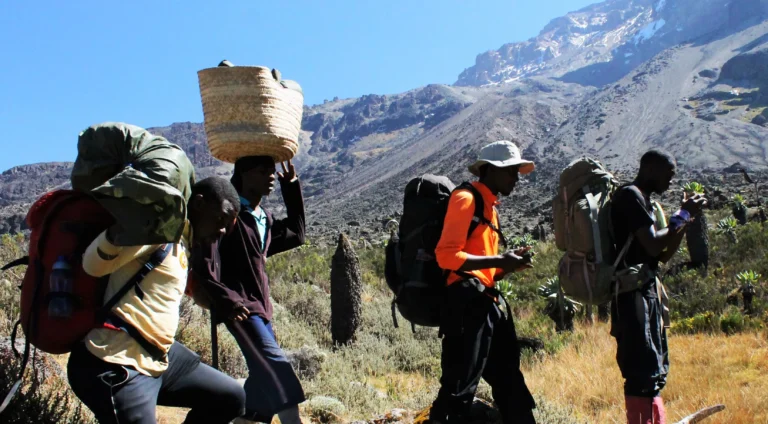
Best Kilimanjaro And Serengeti Calving Season Safari March 2027
Discover the magic of a March 2027 Kilimanjaro and Serengeti calving season safari. This guide explores the unique advantages and considerations for experiencing Tanzania's wildlife...
View package details
Kilimanjaro And Serengeti Calving Safari February : The Ultimate Planning
Combine the majesty of Mount Kilimanjaro with the impressive spectacle of the Serengeti's calving season in February 2027. This guide details how to plan this dual adventure, focusing on...
View package details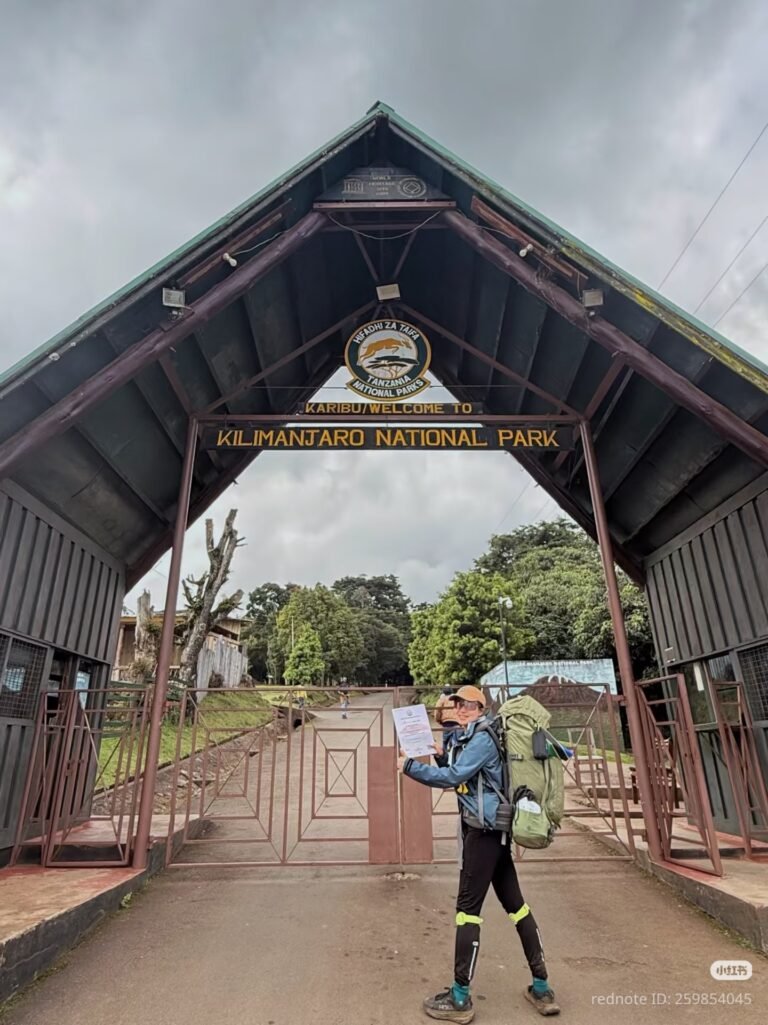
Kilimanjaro And Serengeti Calving Safari January 2026-2027
Kilimanjaro and Serengeti Calving Safari January 2027 is explained with current 2026-2027 planning, price, itinerary and booking information.
View package details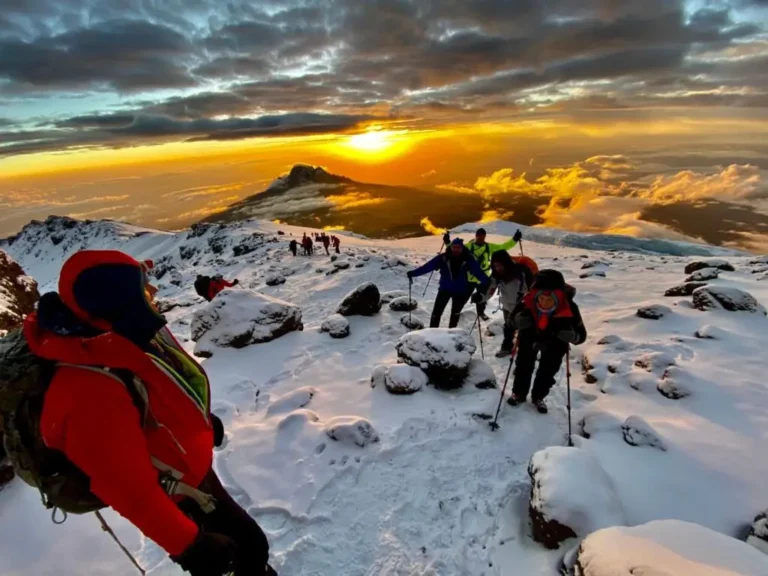
Kilimanjaro And Grumeti Migration Safari June : The Ultimate Tanzanian
Plan your unforgettable Kilimanjaro and Grumeti Migration safari for June 2027. This comprehensive guide details how to combine the challenge of summiting Africa's highest peak with the...
View package details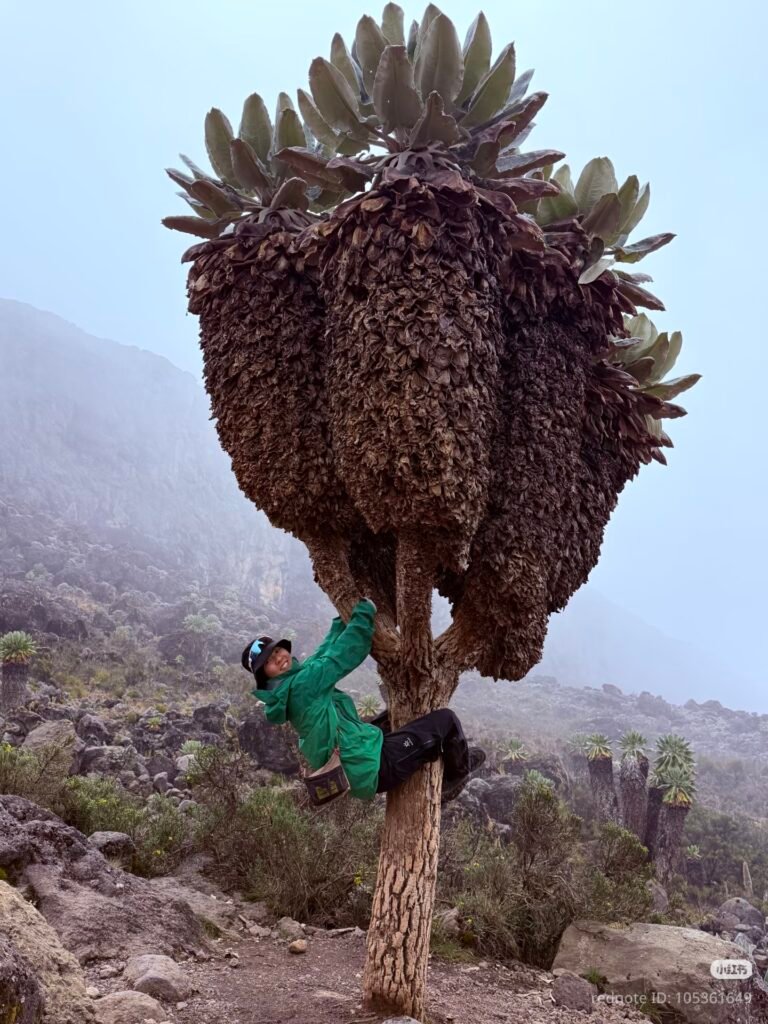
Christmas Kilimanjaro And Zanzibar Holiday : Your Ultimate Adventure 2026-2027
Experience an unforgettable Christmas combining the thrill of climbing Mount Kilimanjaro with the serene beauty of Zanzibar's beaches. This guide covers planning for your 2026-2027 festive...
View package details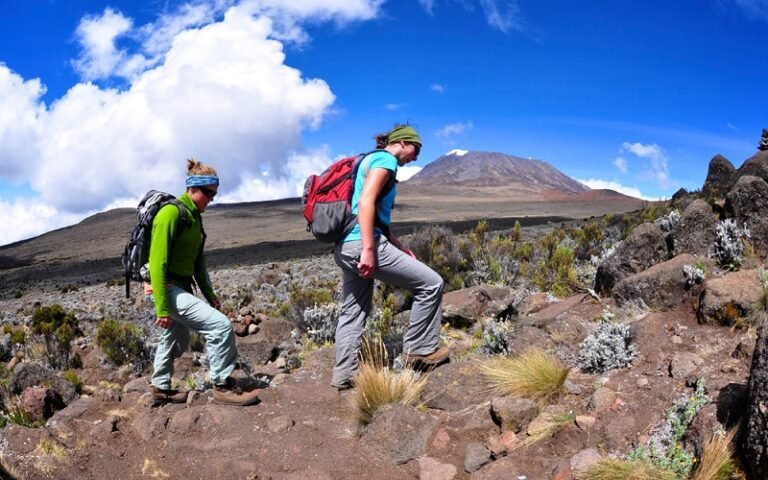
Kilimanjaro And Mara River Crossing Safari August : Peak Season Adventure 2027
Combining the ultimate challenge of climbing Mount Kilimanjaro with the awe-inspiring spectacle of the Great Migration river crossing in the Maasai Mara offers an unparalleled African...
View package details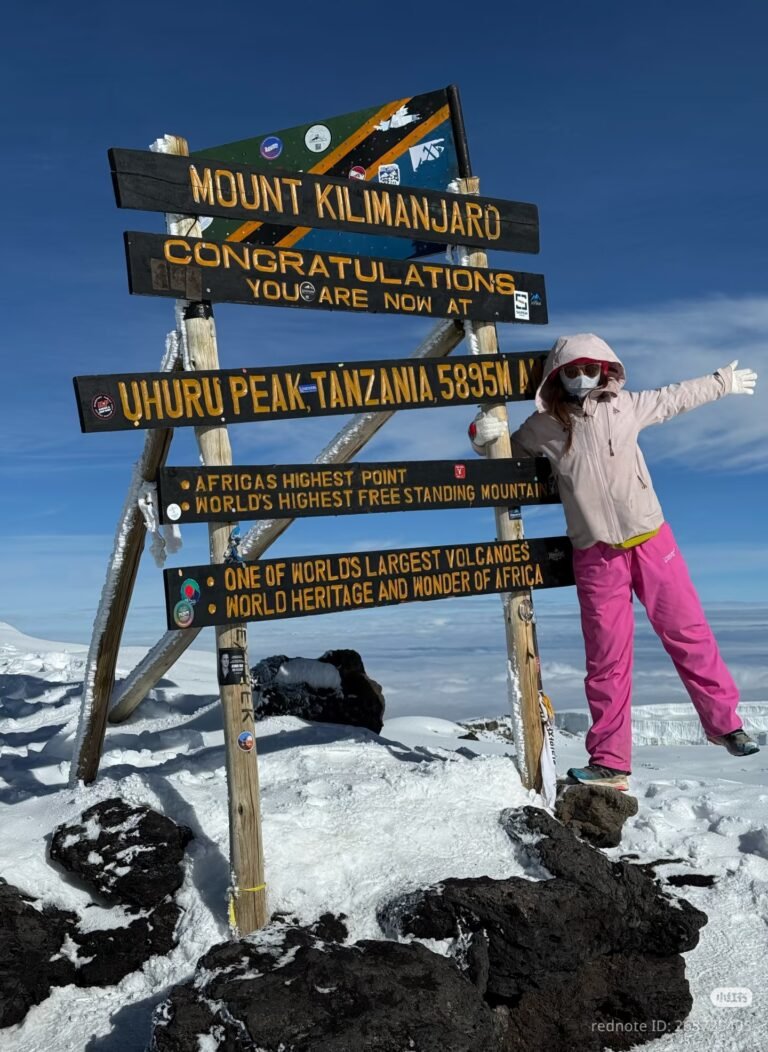
Kilimanjaro And Great Migration Safari August : Your Peak Season Adventure
Plan your ultimate Tanzanian adventure in August 2027, combining a Kilimanjaro climb with the spectacle of the Great Migration. This guide details the best timings, routes, and safari...
View package detailsKilimanjaro And Mara River Crossing Safari July 2027
Kilimanjaro and Mara River Crossing Safari July 2027 is explained with current 2027 planning, price, itinerary and booking information.
View package detailsKilimanjaro And Great Migration Safari July : Your Ultimate Tanzanian
Combining a Kilimanjaro climb with a Great Migration safari in July 2027 offers a spectacular Tanzanian adventure. This guide helps you plan your ideal itinerary, considering the best...
View package details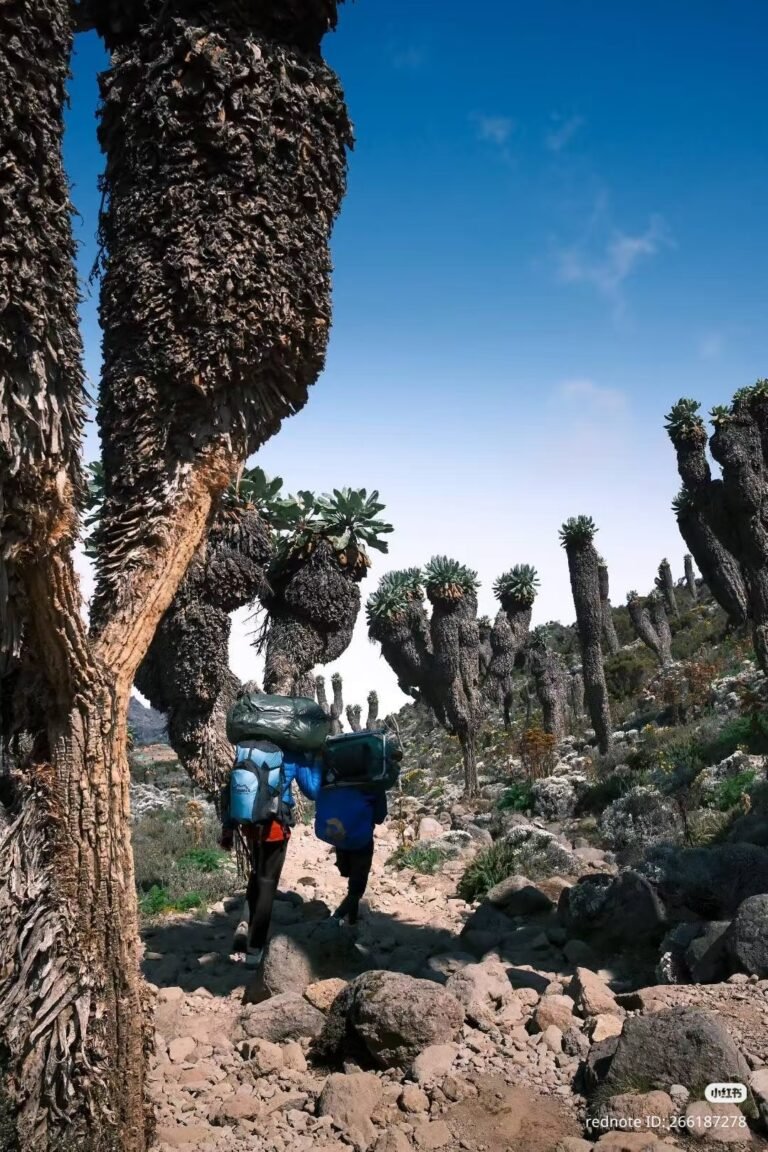
Kilimanjaro Christmas Climb And Tanzania Safari : Your Festive Adventure
Combine the magic of a Christmas ascent of Kilimanjaro with a thrilling Tanzania safari in 2026. Discover how to plan this dual adventure for a truly unique festive season.
View package detailsNo related package matches those filters. Clear one or more filters to see the other topic-matched options.



