
An ideal Serengeti, Ngorongoro, Sossusvlei, and Etosha itinerary is a multi-country African safari that typically spans 14-21 days, beginning in Tanzania (Kilimanjaro International Airport – JRO) for Serengeti and Ngorongoro, then flying to Namibia (Windhoek – WDH) for Sossusvlei and Etosha. This journey focuses on maximizing wildlife viewing in the Serengeti and Ngorongoro Crater, followed by exploring the dramatic desert landscapes of Sossusvlei and the unique ecosystem of Etosha Pan, offering a profound contrast and a complete African experience for 2026-2027 travel.
Comprehensive Serengeti, Ngorongoro, Sossusvlei, and Etosha Itinerary Planning
Embarking on a safari that stitches together the Serengeti and Ngorongoro Crater in Tanzania with Sossusvlei and Etosha National Park in Namibia is an ambitious undertaking, but one that rewards travelers with an unparalleled spectrum of African landscapes and wildlife. This isn’t a casual trip; it requires careful planning to navigate the logistics of two distinct countries, different flight routes, and varied safari experiences. The key is understanding the strengths of each location and how they complement each other, offering everything from the classic savanna drama of East Africa to the stark, majestic beauty of the Namib Desert.
When considering a Serengeti Ngorongoro Sossusvlei and Etosha itinerary, think of it as a journey through two worlds. Tanzania provides the quintessential African safari: vast plains teeming with the Great Migration (depending on the time of year), predators in pursuit, and the unique spectacle of the Ngorongoro Crater. Namibia, on the other hand, offers a different kind of awe – towering red sand dunes that shift with the light, ancient desert-adapted wildlife, and the stark, interesting beauty of its arid landscapes.
For many, the dream is to witness the iconic wildebeest migration in the Serengeti, descend into the Ngorongoro Crater’s dense wildlife population, marvel at the towering dunes of Sossusvlei, and experience the waterhole-centric game viewing of Etosha. Achieving this requires careful consideration of travel time, best seasons for each park, accommodation styles, and importantly, the budget. A well-structured Serengeti Ngorongoro Sossusvlei and Etosha itinerary can be tailored to fit various preferences, from luxury lodges to more comfortable tented camps, ensuring an unforgettable adventure in 2026 or 2027.
The logistical leap between these two countries is significant. Typically, you’ll fly into Kilimanjaro International Airport (JRO) in Tanzania and out of Windhoek Hosea Kutako International Airport (WDH) in Namibia, or vice versa. Internal flights within Tanzania and the flight from Tanzania to Namibia are crucial components of this itinerary. While it might seem complex, breaking it down by country and then by the flow of days makes it manageable. This guide aims to provide that clarity, offering insights into how to best experience each location within a cohesive trip.
Understanding the Core Destinations
Before diving into specific day-by-day plans, it’s essential to grasp what makes each of these iconic destinations unique and why they form such a compelling combination for a multi-country safari.
Serengeti National Park, Tanzania: The Endless Plains
Serengeti is arguably the most famous wildlife reserve in the world, a vast expanse of savanna, woodlands, and riverine forests. Its name, derived from the Maasai word ‘Siringet’ meaning ‘endless plains’, perfectly captures its essence. It is synonymous with the Great Migration, a impressive natural phenomenon where over two million wildebeest, zebras, and gazelles traverse the park in search of fresh grazing. The Serengeti is also a prime location for spotting the Big Five (lion, leopard, elephant, rhino, buffalo), cheetahs, hyenas, giraffes, and a myriad of bird species. The sheer scale of the Serengeti means that different regions offer distinct experiences depending on the time of year.
Ngorongoro Conservation Area, Tanzania: The Eighth Wonder
Adjacent to the Serengeti, the Ngorongoro Conservation Area is home to the Ngorongoro Crater, a UNESCO World Heritage Site and one of the largest intact volcanic calderas on Earth. This natural amphitheater, roughly 19 kilometers in diameter, boasts an exceptionally high density of wildlife, including a healthy population of the endangered black rhinoceros. Its unique ecosystem supports a remarkable array of animals year-round, making it a reliable spot for game viewing, even outside the migration season. The landscape within the crater is stunningly diverse, with grasslands, swamps, forests, and a soda lake, attracting a wide variety of herbivores and their predators.
Sossusvlei, Namibia: Desert Dunes and Stark Beauty
Moving to Namibia, Sossusvlei is part of the Namib-Naukluft National Park and is renowned for its towering, sculpted sand dunes, some of the highest in the world. These iconic red dunes, particularly Deadvlei with its ancient camel thorn trees set against the stark white clay pan, offer some of the most photogenic landscapes in Africa. The desert environment here is harsh but supports a surprising amount of life, including desert-adapted oryx, springbok, and various reptiles. Sunrise and sunset paint the dunes in incredible hues, making it a photographer’s paradise and a profoundly different experience from the savanna.
Etosha National Park, Namibia: The Salt Pan Spectacle
Etosha National Park, meaning ‘Great White Place’, is dominated by the vast Etosha Pan, a shimmering salt pan that covers about 23% of the park. During the dry season, the pan is an eerie, vast expanse of white, but it’s the waterholes scattered throughout the park that become the focal point for wildlife. Animals congregate at these life-giving sources, creating incredible opportunities for game viewing. Etosha is known for its large elephant herds, prides of lions, rhinos (both black and white), giraffes, zebras, and a host of other species adapted to the arid conditions. It offers a more concentrated, waterhole-driven safari experience.
Crafting Your Serengeti Ngorongoro Sossusvlei and Etosha Itinerary: Key Considerations
Combining these four spectacular destinations requires careful orchestration. The sequence, duration in each park, and the mode of travel are critical to ensure a fulfilling and logistically sound trip. Here are the primary factors to weigh when designing your Serengeti Ngorongoro Sossusvlei and Etosha itinerary for 2026-2027.
Best Time to Travel for Each Destination
The optimal timing for a multi-destination trip like this is crucial, as the ‘best’ season varies between Tanzania and Namibia.
- Serengeti & Ngorongoro: The dry season (June to October) is generally considered peak safari time in Tanzania. This is when the Great Migration is typically in the western and northern Serengeti, with river crossings often occurring in July and August. The Ngorongoro Crater offers excellent game viewing year-round due to its permanent water sources and resident wildlife. However, the shoulder seasons (late March to May, and November to early December) can offer fewer crowds and lush landscapes after rains, though game viewing might be slightly more dispersed.
- Sossusvlei & Etosha: Namibia’s dry season (May to October) is also prime time for wildlife viewing, especially in Etosha, as animals gather at waterholes. Sossusvlei is accessible year-round, but the cooler temperatures of the dry season make exploring more comfortable. The dramatic desert light is also excellent during this period. The rainy season (November to April) brings lush green landscapes and bird breeding, but game viewing can be more challenging as animals disperse.
Combining these: For a comprehensive Serengeti Ngorongoro Sossusvlei and Etosha itinerary, the June to October window offers a good balance. You’ll catch the migration in Tanzania (though its exact location can vary) and enjoy prime dry-season game viewing in Etosha and comfortable exploration in Sossusvlei. For 2026 and 2027, planning well in advance for this peak window is highly recommended.
Itinerary Flow and Logistics
The most logical flow for a Serengeti Ngorongoro Sossusvlei and Etosha itinerary typically involves starting in Tanzania and ending in Namibia, or vice versa, to minimize backtracking and optimize flight connections.
Option 1: Tanzania First (Recommended for Migration Focus)
- Arrive in Kilimanjaro (JRO), Tanzania: Typically, you’ll spend a night in Arusha to prepare.
- Fly to Serengeti: Internal flight to a Serengeti airstrip. Spend 3-4 days exploring different regions of the Serengeti.
- Transfer to Ngorongoro: Road transfer from Serengeti to the Ngorongoro Conservation Area, often with a stop at Olduvai Gorge. Spend 1-2 days, including a full day of crater descent.
- Fly from Tanzania: Fly from a nearby airstrip (e.g., Manyara or Arusha) back to Kilimanjaro (JRO) or directly to a hub for your international flight to Windhoek (WDH), Namibia. This often involves a layover in Nairobi (NBO) or Addis Ababa (ADD).
- Arrive in Windhoek (WDH), Namibia: Overnight in Windhoek.
- Fly to Sossusvlei region: Fly from Windhoek to a desert airstrip (e.g., near Sesriem) or drive (approx. 5-6 hours). Spend 2-3 days exploring Sossusvlei and Deadvlei.
- Transfer to Etosha: Drive from Sossusvlei to Etosha National Park (approx. 6-8 hours, depending on the entrance gate). Spend 3-4 days exploring Etosha, moving between camps or lodges.
- Depart from Windhoek (WDH): Drive back to Windhoek (approx. 4-5 hours from southern Etosha) for your international flight.
Option 2: Namibia First
This would reverse the order, starting with Namibia and then flying to Tanzania. The flight from Windhoek to Kilimanjaro is a significant journey, so consider which direction offers better flight schedules and pricing for your 2026-2027 travel dates.
Duration: A comfortable Serengeti Ngorongoro Sossusvlei and Etosha itinerary requires a minimum of 14 days, but 18-21 days is highly recommended to allow for travel time and deeper exploration without feeling rushed. For instance, 3 days Serengeti, 2 days Ngorongoro, 3 days Sossusvlei, and 4 days Etosha, plus travel days, easily fills 2 weeks. Adding more time in each location enhances the experience.
Accommodation Styles
The choice of accommodation significantly impacts the experience and budget. For this ambitious trip, you’ll encounter a range:
- Tanzania: Options range from luxury lodges with stunning views and excellent service in the Serengeti and Ngorongoro to comfortable tented camps that offer a more intimate wildlife experience. Some camps move seasonally to follow the migration.
- Namibia: Sossusvlei offers lodges ranging from exclusive desert retreats to more accessible options near Sesriem. Etosha provides a mix of lodges inside and outside the park gates, with park lodges offering the advantage of early morning and late evening game viewing.
When planning your Serengeti Ngorongoro Sossusvlei and Etosha itinerary, consider whether you prefer mobile camping, permanent tented camps, or fixed lodges. Each offers a different level of comfort, immersion, and price point.
Transportation
This itinerary relies heavily on a combination of transportation methods:
- International Flights: Connecting major hubs to JRO and WDH.
- Internal Flights (Tanzania): Essential for efficiently covering vast distances within the Serengeti.
- Safari Vehicles: Custom-built 4×4 safari vehicles with pop-up roofs are standard for game drives in both countries. Ensure your operator uses experienced guides.
- Transfers: Road transfers between parks in Tanzania (e.g., Arusha to Ngorongoro) and between Sossusvlei and Etosha in Namibia.
- Light Aircraft Flights (Namibia): Flying from Windhoek to desert airstrips or between camps in Namibia can save significant driving time, though it adds to the cost.
Detailed Itinerary Outline: A 16-Day Serengeti Ngorongoro Sossusvlei and Etosha Adventure
This is a sample itinerary designed to provide a balanced experience. Durations can be adjusted based on your interests and available time for your 2026-2027 trip.
Days 1-2: Arrival in Tanzania & Arusha
Day 1: Arrive at Kilimanjaro International Airport (JRO). You will be met and transferred to your hotel in Arusha. This is a crucial day to rest, acclimatize, and meet with your safari guide if arranged. For 2026 and 2027 bookings, confirming airport transfers and your first night’s accommodation is a priority.
Day 2: Arusha. A relaxed morning for last-minute preparations, a briefing from your tour operator, or perhaps a visit to a local market. In the afternoon, you might visit the Shanga workshop or explore Arusha town. This day ensures you are ready for the safari ahead.
Days 3-5: Serengeti National Park
Day 3: Fly from Arusha Airport (ARK) to a Serengeti airstrip (e.g., Seronera). Upon arrival, you’ll be met by your guide and vehicle for your first game drive en route to your lodge or camp. The Serengeti is vast, so the choice of airstrip and camp location depends on the time of year and potential migration movements.
Day 4: Full day of game drives in the Serengeti. Depending on the season, you might focus on the central Serengeti (Seronera) for resident wildlife and predators year-round, or venture north or west to track the migration. Your guide will tailor the drives to maximize sightings.
Day 5: Morning game drive in the Serengeti. After breakfast, you’ll be transferred to a different airstrip or drive towards the Ngorongoro Conservation Area border, depending on your lodge’s location and transfer logistics. Some itineraries might include a packed lunch for a full day of exploration.
Days 6-7: Ngorongoro Crater
Day 6: Drive from the Serengeti to the Ngorongoro Conservation Area. You’ll typically descend into the crater for an unforgettable game drive. The dense wildlife population means you’re likely to see lions, elephants, buffalo, hippos, flamingos, and potentially the black rhino. A picnic lunch is usually enjoyed within the crater. In the late afternoon, ascend and check into your lodge on the crater rim or nearby.
Day 7: Morning visit to Olduvai Gorge, a significant paleoanthropological site, or enjoy a final morning game drive in the wider Ngorongoro Conservation Area (e.g., Maasai villages or walking safaris, depending on permits and lodge offerings). Afterwards, you’ll be transferred to a local airstrip (like Manyara) for your flight back to Kilimanjaro (JRO) or to Arusha.
Day 8: Travel Day to Namibia
Day 8: Fly from Kilimanjaro (JRO) to Windhoek Hosea Kutako International Airport (WDH), Namibia. This will likely involve a connecting flight through Nairobi (NBO) or Addis Ababa (ADD). Upon arrival in Windhoek, you’ll be met and transferred to your hotel. This is a long travel day, essential for the Serengeti Ngorongoro Sossusvlei and Etosha itinerary.
Days 9-11: Sossusvlei & Deadvlei
Day 9: Fly from Windhoek to a desert airstrip near Sesriem, or begin a scenic drive (approx. 5-6 hours) into the Namib Desert. Check into your lodge. In the late afternoon, you might take a short excursion to Sesriem Canyon or enjoy the desert sunset from your lodge.
Day 10: Early morning exploration of Sossusvlei and Deadvlei. You’ll drive into the park before sunrise to witness the dunes turning golden. Climb Dune 45 or Big Daddy for panoramic views. Explore the stark beauty of Deadvlei with its ancient, skeletal trees. The heat can be intense, so early starts are crucial.
Day 11: Enjoy a final desert sunrise and perhaps a short morning activity like a nature drive. Afterwards, you’ll depart for Etosha National Park. This is a significant driving day (approx. 6-8 hours) to your lodge near one of Etosha’s southern gates (e.g., Andersson Gate).
Days 12-14: Etosha National Park
Day 12: Enter Etosha National Park and begin your game drives, focusing on the waterholes around Okaukuejo camp. The large Etosha Pan dominates the landscape, and wildlife congregates at accessible water sources, making for incredible viewing opportunities. Check into your camp or lodge.
Day 13: Full day of game drives, moving eastward through the park towards Halali camp or Namutoni camp. Each area of Etosha offers a slightly different feel and concentration of species. The presence of rhinos, elephants, lions, and diverse antelope species is common.
Day 14: Morning game drive in Etosha. Depending on your flight schedule, you might spend more time at a favorite waterhole or explore a new region before driving back towards Windhoek (approx. 4-5 hours from southern Etosha) for your onward international flight.
Day 15: Departure
Day 15: Depart from Windhoek Hosea Kutako International Airport (WDH).
Note: This itinerary can be extended to 18-21 days to allow for more in-depth exploration of each park, additional activities, or a more relaxed pace. For example, adding an extra day in the Serengeti to explore a different region or an extra day in Etosha to visit more remote waterholes.
Deep look at Each Location for Your Itinerary
To truly appreciate the value of a Serengeti Ngorongoro Sossusvlei and Etosha itinerary, let’s explore what makes each component so special and how to maximize your experience.
Serengeti: The Heartbeat of the Migration
The Serengeti’s sheer size means that its wildlife, particularly the Great Migration, is dynamic. Understanding its movements is key for planning.
- Central Serengeti (Seronera): This region offers excellent game viewing year-round due to permanent water sources attracting predators and resident wildlife. It’s a reliable choice if migration timing is uncertain or if you’re visiting outside the peak migration months. Leopards are often sighted in the acacia woodlands here.
- Western Corridor: Between roughly May and July, the migration is often found here, characterized by Grumeti River crossings. These crossings can be dramatic, especially if predators are present.
- Northern Serengeti: From July to October, the migration is typically in the north, heading towards the Mara River. This is the prime time for witnessing the famous river crossings, a truly spectacular, albeit sometimes unpredictable, event.
- Southern Plains: From December to March, the herds are usually on the southern plains, calving and nursing their young. This is a fantastic time for viewing predators, as they have abundant prey.
Accommodation Tip: For a Serengeti Ngorongoro Sossusvlei and Etosha itinerary, consider a mobile camp in the Serengeti if you are specifically targeting migration viewing, as these camps move with the herds. Alternatively, a lodge in the central area provides consistent viewing, while camps in the north or west cater to specific migration phases.
Ngorongoro Crater: A Natural Wildlife Sanctuary
The Ngorongoro Crater is a geological marvel and a biodiversity hotspot. Its compact size (around 260 sq km) means that wildlife is densely packed, offering incredible sighting opportunities within a single day’s game drive.
- Black Rhinos: The crater is one of the few places in Tanzania where you can reliably see the critically endangered black rhino.
- Predator-Prey Dynamics: Lions, hyenas, cheetahs, and jackals are abundant, often seen interacting with the large populations of wildebeest, zebras, buffalo, and Thomson’s gazelles.
- Birdlife: The soda lake attracts vast numbers of flamingos, as well as other water birds like pelicans and Egyptian geese.
- Conservation: It’s important to remember that the Ngorongoro Conservation Area is unique in that both wildlife and the Maasai people coexist. Respecting local culture and park rules is paramount.
Logistics: Access to the crater floor is strictly controlled. Your tour operator will arrange the necessary permits and ensure you have a designated vehicle and guide. Most lodges are situated on the crater rim, offering spectacular views but requiring a drive down into the crater for game viewing.
Sossusvlei: Desert Majesty and Ancient Landscapes
Sossusvlei is an iconic Namibian landscape that offers a stark contrast to the green savannas of Tanzania.
- The Dunes: These are some of the highest sand dunes in the world, sculpted by wind and time. The most famous include Dune 45 (popular for sunrise climbs) and Big Daddy (the highest). The color of the sand ranges from pale yellow to deep red, changing dramatically with the light.
- Deadvlei: A surreal white clay pan dotted with the skeletal remains of ancient camel thorn trees that died centuries ago. The contrast between the white pan, the red dunes, and the deep blue sky is impressive.
- Sesriem Canyon: A narrow gorge carved by the Tsauchab River, offering a cool respite and a chance to see rock formations and small desert creatures.
- Desert-Adapted Wildlife: While not as abundant as in savanna parks, Sossusvlei is home to gemsbok (oryx), springbok, desert-adapted elephants (in some areas), black-backed jackals, and various reptiles.
Visitor Experience: Early morning access is essential to experience the dunes in the cooler temperatures and to capture the best light. Many lodges offer guided excursions, and some private concessions allow for off-road driving and night drives, providing a more exclusive experience. For your Serengeti Ngorongoro Sossusvlei and Etosha itinerary, allocate enough time to fully appreciate the unique desert environment.
Etosha National Park: Waterholes and Wildlife Gatherings
Etosha is defined by its immense salt pan, but its true magic during the dry season lies in its network of waterholes.
- Waterhole Spectacles: During the dry months (May to October), animals travel considerable distances to reach the waterholes. This concentrates a wide variety of species, offering unparalleled viewing opportunities. You can sit for hours and witness a parade of elephants, rhinos, lions, giraffes, zebras, wildebeest, springbok, and much more.
- The Etosha Pan: The vast, flat salt pan creates a unique, almost lunar landscape. During the wet season, it can fill with water, attracting flamingos and other water birds.
- Big Cat Sightings: Etosha is known for its high density of lions, and leopard and cheetah sightings are also common, especially near water sources.
- Rhino Conservation: Etosha is a crucial sanctuary for both black and white rhinos, with a dedicated conservation program in place.
Accommodation Strategy: Staying inside the park at camps like Okaukuejo, Halali, or Namutoni allows for self-guided night drives or visits to floodlit waterholes after dark, which can be incredibly rewarding. Camps outside the park gates are often more affordable but require exiting the park at sunset.
Sample 2026-2027 Budget Considerations for This Itinerary
A comprehensive Serengeti Ngorongoro Sossusvlei and Etosha itinerary is a significant investment. The cost will depend heavily on the duration, accommodation level, mode of transport (especially internal flights in Tanzania and Namibia), and whether you opt for private or shared tours. Here’s a general breakdown of factors influencing costs:
Estimated Cost Factors:
- Accommodation: Ranges from mid-range lodges and tented camps ($250-$500 per person per night) to luxury properties ($600-$1500+ per person per night). This is often the largest cost component.
- Internal Flights: Flying between locations in Tanzania and between Windhoek and the safari areas in Namibia can add $500 – $1500+ per person to the total cost.
- Park Fees: Tanzania’s park fees (Serengeti, Ngorongoro) are substantial, often around $70-$80 per person per 24 hours, plus vehicle fees. Namibia’s park fees are more modest, typically $10-$20 per person per day.
- Vehicle & Guide: Private 4×4 safari vehicles and experienced guides are standard and add to the daily rate. Shared safaris can reduce this cost.
- Meals & Drinks: Most safari lodges and camps include all meals. Drinks might be extra depending on the lodge.
- Activities: Game drives are standard. Hot air balloon safaris (Serengeti), guided walks, or cultural visits might incur additional charges.
Budget Ranges (Per Person, Excluding International Flights):
- Mid-Range: For a 14-day trip with comfortable lodges/camps and internal flights, expect $6,000 – $9,000 per person.
- Luxury: For premium lodges, exclusive camps, and potentially more light aircraft flights, budget $10,000 – $20,000+ per person.
Important Note for 2026-2027: Prices are subject to change. Booking at least 9-12 months in advance, especially for peak season travel in 2026 or 2027, is highly recommended to secure preferred accommodation and potentially better rates.
Making Your Booking Decisions for 2026-2027
Planning a trip as extensive as a Serengeti Ngorongoro Sossusvlei and Etosha itinerary involves several key decisions. The right tour operator can make all the difference in ensuring a smooth, enjoyable, and logistically sound experience.
Choosing the Right Tour Operator
When looking for a company to manage your Serengeti Ngorongoro Sossusvlei and Etosha itinerary, consider these points:
- Experience: Does the operator have proven experience with multi-country itineraries, specifically combining East and Southern Africa?
- Local Knowledge: A company with a strong local presence in both Tanzania and Namibia (or partners on the ground) will have better insights into current conditions, availability, and logistics.
- Customization: Can they tailor the itinerary to your specific interests, budget, and travel style?
- Support: What level of support do they offer during the planning stages and while you are on safari?
At Climb 4 Africa, we specialize in crafting bespoke African adventures that go beyond the ordinary. Our expertise in Tanzania, combined with strong partnerships in Namibia, allows us to design smooth multi-country itineraries like your dream Serengeti Ngorongoro Sossusvlei and Etosha itinerary. We understand the nuances of each park, the best times to visit, and the logistical challenges involved.
For those planning their Serengeti Ngorongoro Sossusvlei and Etosha itinerary for 2026 or 2027, the earlier you start planning, the better. This allows us to secure prime accommodation, coordinate internal flights, and ensure all your preferences are met. We can help you navigate the complexities of combining these distinct destinations, ensuring you get the most out of your safari.
To begin planning your unforgettable journey, please reach out to us. We recommend providing us with your preferred travel dates for 2026-2027, your estimated budget, and any specific interests you have (e.g., birding, photography, migration focus). This information will help us create a personalized proposal for your Serengeti Ngorongoro Sossusvlei and Etosha itinerary.
You can contact us directly:
- WhatsApp: +255 747 477 898
- Email: climb4africa@gmail.com
We look forward to helping you craft the ultimate African safari experience, blending the iconic wildlife of Tanzania with the dramatic desert landscapes of Namibia into one incredible Serengeti Ngorongoro Sossusvlei and Etosha itinerary.
Check Availability for Serengeti Ngorongoro Sossusvlei And Etosha Itinerary: A Grand African Safari
Ready to compare dates, prices, and the best option for your group? Send the package name and travel month so the team can reply with a clear quote, availability, and what is included.
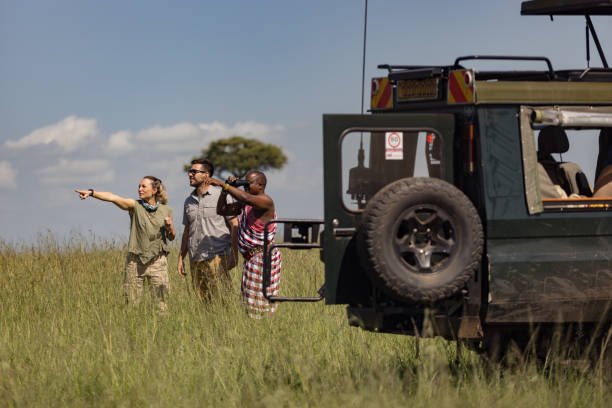
3-Day Serengeti And Ngorongoro Safari: Your Ultimate Tanzania Wildlife
start a concise yet unforgettable 3-day Serengeti and Ngorongoro safari, designed to maximize wildlife encounters in Tanzania's most celebrated parks. This compact adventure offers a taste...
View package details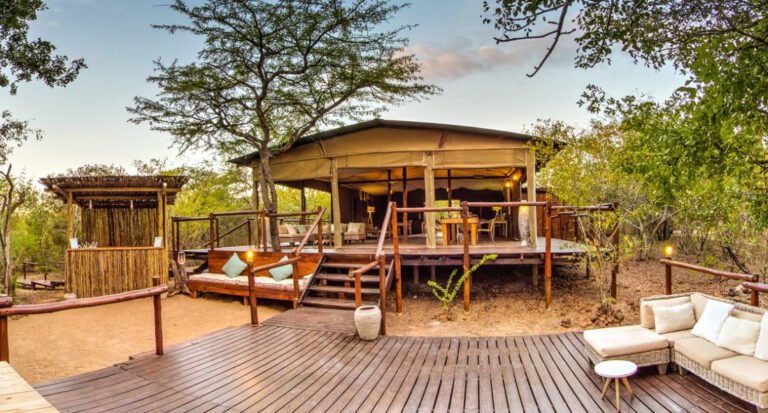
7-Day Tanzania Safari: Serengeti, Ngorongoro, And Tarangire In 2026-2027
A comprehensive guide to a 7-day Tanzania safari adventure, focusing on the iconic Serengeti National Park, the Ngorongoro Crater, and Tarangire National Park. Learn about optimal...
View package details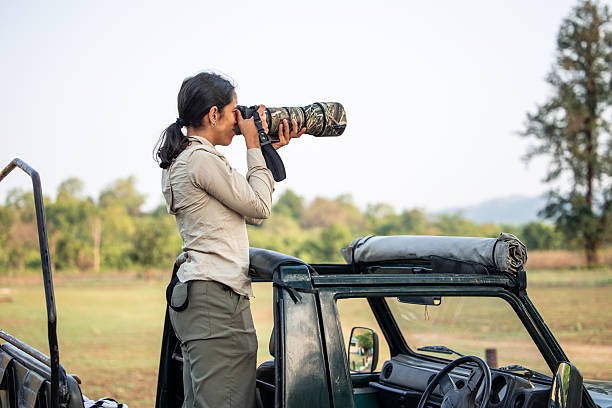
All-Inclusive African Safari Vacations Guide
start an all-inclusive African safari vacation in Tanzania, a premier destination for wildlife viewing in 2026-2027. This comprehensive guide covers everything from iconic parks like the...
View package details
Tanzania Safari Tours & Packages /: Your Ultimate Wildlife Adventure 2026-2027
Discover the magic of Tanzania with expertly crafted safari tours and packages for 2026 and 2027. From the vast plains of the Serengeti to the depths of the Ngorongoro Crater, find your...
View package details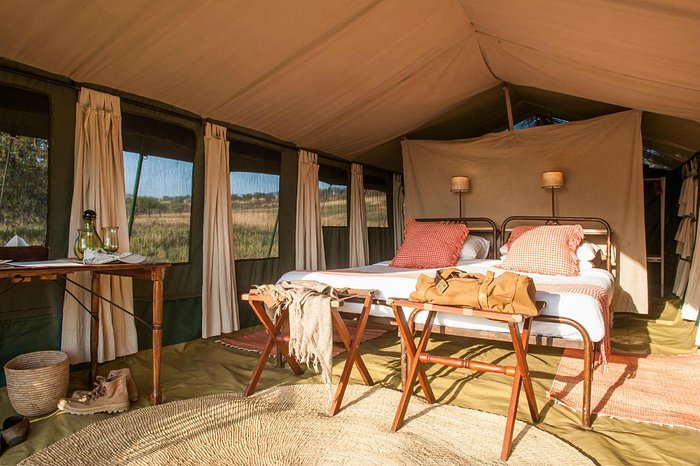
Best African Safari Tours & Vacation Packages /: Your Ultimate Tanzania
start an unforgettable African safari adventure in 2026/2027 with expertly curated tours and vacation packages in Tanzania's most iconic wildlife destinations. From the Serengeti to the...
View package details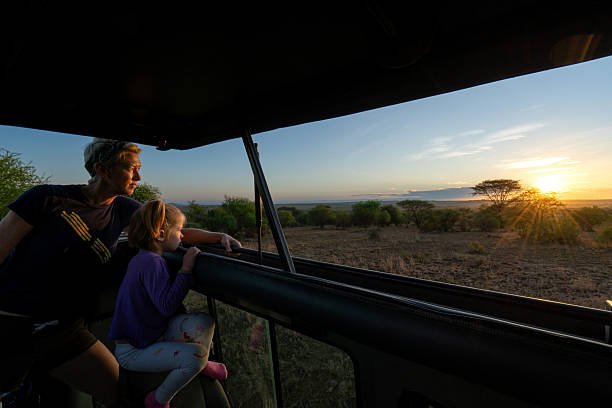
Private Tanzania Safari Packages: Your Ultimate Guide For 2026-2027
Discover the unparalleled freedom and personalized experience of a private Tanzania safari package. This comprehensive guide for 2026-2027 explores custom itineraries, key destinations like...
View package details
Serengeti Safari Tours: Prices, Packages & Best Time To Visit In 2026-2027
Discover everything you need to know for planning your Serengeti safari tour, from understanding pricing and package variations to identifying the ideal travel times in 2026-2027. This...
View package details
Serengeti Safari And Zanzibar Beach Holiday: The Ultimate Tanzania
Combine the thrill of a Serengeti safari with the relaxation of a Zanzibar beach holiday. This guide covers everything you need to know for an unforgettable Tanzania adventure in 2026-2027...
View package details
Zanzibar To Serengeti Safari Packages 2026-2027
Zanzibar to Serengeti Safari Packages is explained with current 2026-2027 planning, price, itinerary and booking information.
View package detailsWhat Is The Best Month To Visit Serengeti? 2026-2027
What Is the Best Month to Visit Serengeti? is explained with current 2026-2027 planning, price, itinerary and booking information.
View package details
Serengeti Great Migration Safari Packages: Your Guide To Witnessing The Wonder
start an unforgettable journey with our comprehensive guide to Serengeti Great Migration safari packages for 2026-2027. Understand the best times to go, optimal viewing locations, and how...
View package detailsWhen Is The Great Migration In Tanzania And Kenya? Your Guide 2026-2027
The Great Migration's timing is dynamic, following the rains. Generally, it's in Kenya's Masai Mara from July to October, and in Tanzania's Serengeti from December to March. Planning around...
View package detailsNo related package matches those filters. Clear one or more filters to see the other topic-matched options.



