For most travelers on a Tanzania safari in 2026 or 2027, a combination of morning and afternoon game drives generally offers the best balance of wildlife activity, comfort, and flexibility, though full-day drives can be highly effective for dedicated wildlife photographers or those with limited time. Morning drives capitalize on peak animal activity as predators finish their hunts and herbivores graze before the heat. Afternoon drives often catch the ‘evening rush’ as animals become active again and head to water sources. Full-day drives provide maximum time in the park but can be physically demanding and may miss crucial dawn and dusk periods unless strategically planned with a packed lunch. The ideal choice depends on your specific interests, energy levels, and the parks you visit.
Understanding Game Drive Options: Full-Day vs. Split Drives
When planning your Tanzania safari, one of the fundamental choices you’ll make revolves around how you structure your time in the national parks and reserves. The two primary approaches are full-day game drives and split morning and afternoon game drives. Each has distinct advantages and disadvantages, influencing what you see, how you experience the wildlife, and your overall comfort. Understanding these differences is crucial for crafting an itinerary that aligns with your expectations for a memorable 2026-2027 safari adventure. This isn’t just about maximizing sightings; it’s about optimizing your entire safari experience.
At Climb 4 Africa, we often find that travelers arrive with a general idea of what a safari entails but may not have considered the granular details of daily game drive scheduling. The decision between a full day out or two shorter, focused sessions can significantly impact your wildlife encounters. Let’s break down what each entails and what factors should guide your choice.
The Case for Morning and Afternoon Game Drives
The split approach, typically involving a morning drive from around 6:00 AM or 7:00 AM until midday, followed by a break for lunch and rest, and then an afternoon drive from roughly 3:00 PM until sunset, is often considered the standard and most popular option for good reason. This rhythm aligns well with natural animal behavior and traveler comfort.
Morning Game Drives: The Golden Hour for Wildlife
Mornings in the African bush are magical. As the sun begins to rise, casting a soft golden light, the wildlife stirs. This is prime time for several reasons:
- Predator Activity: Many predators, such as lions, leopards, and cheetahs, are most active during the cooler hours of dawn and dusk. They often conclude their nocturnal hunts in the early morning. Seeing a pride of lions on the move or a leopard returning to its kill is a highlight for many.
- Herbivore Grazing: Large herds of herbivores, like wildebeest, zebras, and antelopes, are typically more active and visible during the cooler morning hours, grazing before the midday heat sets in.
- Cooler Temperatures: The early morning air is refreshing, making the drive much more pleasant for you and the animals. Long grass can also hold dew, providing a water source for some smaller creatures.
- Birdlife: Birdwatching is often excellent in the morning as avian species are active and vocal.
A typical morning game drive might start with a 6:00 AM departure, returning to the lodge or camp around 11:30 AM or 12:00 PM. This allows for a substantial viewing period, often yielding the most dramatic sightings.
Afternoon Game Drives: The Evening Reawakening
After a midday break to escape the peak heat, relax, or even take a dip in the pool, the afternoon drive recommences. This session is equally critical for observing different animal behaviors:
- Thermoregulation: As temperatures begin to drop in the late afternoon, animals emerge from their shady resting spots to move around, forage, and head towards waterholes.
- Social Interactions: You might witness playful young animals, mating rituals, or territorial disputes as the day winds down.
- Sunset Spectacles: African sunsets are legendary, and viewing them from the open savanna, perhaps with a herd of elephants silhouetted against the sky, is an unforgettable experience.
Afternoon drives typically start around 3:00 PM or 3:30 PM and conclude at sunset, usually between 6:00 PM and 6:30 PM, depending on park regulations and the season. This provides another significant window for wildlife viewing.
The Advantages of the Split Schedule
The split morning and afternoon drive structure offers several key benefits:
- Optimized Wildlife Viewing: By dividing your time, you capitalize on the two most active periods of the day for most wildlife.
- Comfort and Rest: The midday break allows you to escape the harshest sun, rest, have a proper meal, and recharge. This is particularly important in the heat of the dry season and for those who find long hours in a vehicle tiring.
- Variety of Experiences: You experience the park in different light conditions and at different times of day, offering a more diverse perspective.
- Flexibility: This schedule is generally more adaptable. If you have a particularly exciting sighting in the morning, you can discuss with your guide extending it slightly without committing to a full day.
For most first-time visitors to Tanzania in 2026 or 2027, this split approach is the recommended default, providing a well-rounded and enjoyable safari experience.
The Appeal of Full-Day Game Drives
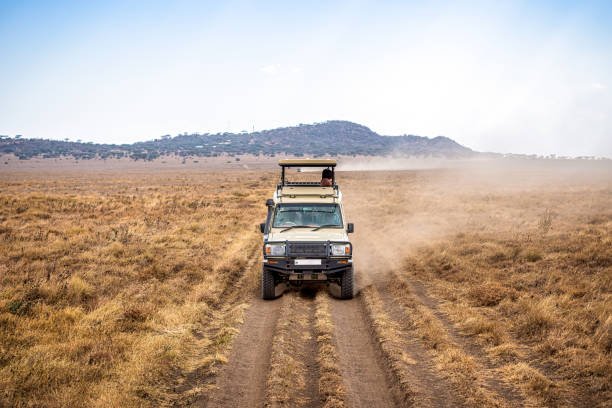
Full-day game drives, often referred to as ‘extended’ or ‘all-day’ drives, involve departing after breakfast and staying in the park until sunset, with a packed lunch taken in a designated picnic area. This approach maximizes your time in the wilderness but comes with its own set of considerations.
Maximizing Time in the Park
The primary advantage is obvious: more time. This means:
- Deeper Exploration: You can venture further into remote areas of the park that might be inaccessible or too far for a standard morning or afternoon drive. This can lead to discovering less-visited spots and potentially unique sightings.
- Increased Chances of Sightings: Simply put, more hours scanning the landscape increase the statistical probability of encountering wildlife. This is particularly appealing for photographers aiming to capture specific behaviors or species.
- Following Animal Movements: You have the flexibility to track animals over longer distances or wait patiently for a particular animal to appear, without the constraint of returning to the lodge for lunch.
Logistical Considerations for Full-Day Drives
While appealing, full-day drives require careful planning:
- Packed Lunches: A substantial packed lunch, snacks, and plenty of water are essential. These are usually provided by your lodge or camp.
- Comfort: You’ll be in the vehicle for extended periods. Ensure you have comfortable clothing, sun protection (hat, sunglasses, sunscreen), and stay hydrated.
- Picnic Sites: Most parks have designated picnic sites, often with basic facilities. These can be busy, but offer a chance to stretch your legs and enjoy your meal amidst nature. Some popular picnic sites, like those in the Serengeti, offer incredible panoramic views.
- Midday Heat: The hours between 11:00 AM and 2:00 PM can be very hot. While animals might seek shade, you’ll be exposed to the heat within the vehicle, even with windows open.
Who Benefits Most from Full-Day Drives?
Full-day drives are often best suited for:
- Dedicated Wildlife Photographers: Those who want to maximize every minute in the field, especially for capturing specific photographic opportunities.
- Travelers with Limited Time: If you have only one or two days in a specific park, a full-day drive can help you see more within that short window.
- Those Seeking Remote Areas: If your itinerary includes exploring less-frequented parts of a vast park like the Serengeti or Selous (now Nyerere National Park), a full-day drive is almost a necessity.
- Travelers who thrive on constant activity: If the idea of a midday break feels like lost time, and you prefer to be immersed in the safari environment for as long as possible.
Key Factors to Consider When Choosing
Your decision on full-day game drives vs. morning and afternoon drives should be informed by several personal and logistical factors. There’s no single right answer; it’s about finding the best fit for your safari dream.
1. Your Interests and Priorities
- Photography: If capturing stunning wildlife photos is your top priority, especially during the ‘golden hours’ of dawn and dusk, you’ll want to maximize those periods. Both approaches can work, but a full-day drive offers more chances if you’re patient.
- Specific Wildlife: Are you hoping to see a particular animal? Some animals are more active at certain times. For instance, leopards are notoriously elusive and often seen during early morning or late evening hours.
- General Wildlife Viewing: If you’re happy to see a wide variety of animals and appreciate the experience of being in nature, the split schedule is often more than sufficient.
2. Time of Year and Weather
Tanzania experiences distinct seasons, which significantly impact wildlife behavior and your comfort:
- Dry Season (June to October): This is a popular time for safaris. Days can be very hot, especially between 11 AM and 3 PM. The split schedule, with its midday break, becomes more appealing to escape the heat. Animals congregate around fewer water sources, making them more predictable but also potentially more concentrated.
- Wet Season (November to May): While often referred to as ‘rainy’, this season typically involves short, intense showers rather than all-day downpours. The landscape is lush and green, and migratory birds are present. Temperatures are generally milder, making full-day drives more comfortable. However, some roads can become impassable, and animals may be more dispersed. The Great Migration’s river crossings are often in the Grumeti River (western Serengeti) around May/June and the Mara River (northern Serengeti) from July to October, typically during the dry season.
For 2026-2027 safaris, consider these seasonal patterns when deciding on your drive structure.
3. Your Energy Levels and Stamina
Spending 8-10 hours in a safari vehicle can be tiring, even with breaks. Consider:
- Physical Fitness: Are you accustomed to long days of activity?
- Travelers with Children: Young children often benefit from the midday rest and the shorter, more focused drives.
- Senior Travelers: A split schedule might be more comfortable, allowing for rest and avoiding prolonged exposure to heat and bumpy roads.
If you prefer a more relaxed pace or have concerns about fatigue, the split morning and afternoon drives are usually the better choice.
4. The Specific Parks You Are Visiting
Different parks offer different experiences and logistical possibilities:
- Serengeti National Park: Vast and iconic, the Serengeti is ideal for both. Its immense size means full-day drives can cover significant ground. However, the split schedule allows for enjoying lodge amenities during the hottest part of the day.
- Ngorongoro Conservation Area: Game drives here are typically limited to six hours within the crater floor due to conservation regulations. This inherently favors a focused morning or afternoon drive, or a slightly extended single drive within that limit, rather than a full-day excursion in the traditional sense.
- Tarangire National Park: Known for its large elephant herds and baobab trees, Tarangire can be explored effectively with split drives. Full-day drives allow for reaching more distant areas, especially during the dry season when animals congregate along the Tarangire River.
- Lake Manyara National Park: This smaller park is often visited as a half-day excursion, making split drives or even a single morning/afternoon drive sufficient.
- Nyerere National Park (formerly Selous): This is one of Africa’s largest game reserves. Full-day drives are highly recommended here to explore its diverse habitats and vastness, including boat safaris on the Rufiji River which can be combined with driving.
When planning your 2026-2027 safari, we’ll help tailor your game drive schedule to the specific parks on your itinerary.
5. Your Accommodation Type
The type of accommodation you choose can also influence your game drive strategy:
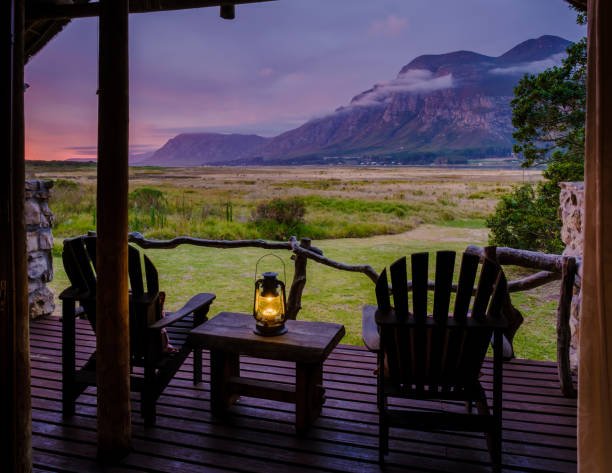
- Lodges/Permanent Camps: These typically offer full meal services and amenities like swimming pools. A midday break fits perfectly with the offerings of a lodge.
- Tented Camps (Mobile or Semi-Permanent): Some mobile camps move with the Great Migration. While they also offer meals, the focus might be more on being in the heart of the action. Some tented camps are located further from park gates, making return trips for lunch impractical, thus leaning towards full-day drives.
- Fly-in Camps/Lodges: These are often in very remote locations and usually operate on a full-day drive basis, as returning to the lodge for lunch is not feasible.
Pros and Cons at a Glance
To help solidify your decision, here’s a summary of the advantages and disadvantages:
Full-Day Game Drives
Pros:
- Maximum time in the park.
- Deeper exploration of remote areas.
- Increased opportunities for sightings.
- Flexibility to follow animal movements.
Cons:
- Can be physically demanding and tiring.
- Exposure to midday heat.
- Requires carrying a packed lunch and ample water.
- May miss the crucial early dawn and late dusk periods if not planned carefully.
Morning & Afternoon Game Drives
Pros:
- Capitalizes on peak wildlife activity times (dawn and dusk).
- Comfortable midday break for rest and meals.
- More relaxed pace.
- Better suited for families with children or those with lower stamina.
- Variety of experiences in different light conditions.
Cons:
- Less time spent actively searching for wildlife each day.
- May not allow for reaching the most remote areas of very large parks.
- Requires returning to the lodge/camp for lunch.
Optimizing Your Game Drive Experience
Regardless of whether you choose full-day game drives or the split approach, several tips can enhance your wildlife viewing:
- Communicate with Your Guide: Your guide is your most valuable asset. Discuss your interests and preferences for sightings. They know the parks, animal behaviors, and the best times to find certain species. For 2026-2027 trips, ensure your guide is experienced with the current park conditions.
- Be Patient: Wildlife viewing is not a guarantee. Sometimes the best sightings come after periods of waiting.
- Observe Animal Behavior: Learn to read the signs. A herd of impalas suddenly becoming alert might indicate a predator nearby.
- Use Binoculars: Essential for spotting distant animals or details of wildlife.
- Stay Hydrated and Protected: Sunscreen, hats, sunglasses, and plenty of water are non-negotiable, especially on longer drives.
- Consider Your Camera Gear: If photography is key, ensure you have appropriate lenses and backup batteries.
A Hybrid Approach: Flexibility is Key
It’s important to note that the distinction isn’t always black and white. Many safari itineraries offer a degree of flexibility. For example:
- Extended Morning/Afternoon Drives: A morning drive might extend slightly past noon if a compelling sighting is in progress, with a packed lunch taken in the field.
- Strategic Full Days: You might opt for a full-day drive on one specific day in a vast park like the Serengeti, and then revert to split drives in smaller parks or for more relaxed days.
- Park-Specific Routines: As mentioned, the Ngorongoro Crater has a strict time limit, inherently shaping the drive format.
When you book your 2026 or 2027 safari with Climb 4 Africa, we will work with you to design an itinerary that incorporates the best game drive strategy for your chosen parks and personal preferences. This often involves a balanced approach.
The Role of the Great Migration
For many, a Tanzania safari in 2026 or 2027 is centered around witnessing the Great Migration of wildebeest and zebras. The location and behavior of the herds can heavily influence game drive strategies:
- River Crossings: If your primary goal is to witness a river crossing (e.g., Mara River), this often requires full-day drives or strategically positioned overnight camps to be in the right place at the right time. These events are unpredictable and can happen at any time of day, necessitating long hours in the field.
- Vast Plains: During the calving season (January-March) in the southern Serengeti, herds are spread across vast plains. Both split and full-day drives can be effective, but full-day drives might offer a better chance to cover more ground and find smaller, dispersed herds or predator activity related to them.
- Predator Action: The presence of large predator numbers often follows the migration. Full-day drives can be beneficial for tracking lion prides or cheetahs hunting during the cooler parts of the day.
Understanding the migration’s cycle is key to planning your game drives effectively for peak viewing.
Practicalities for Booking Your 2026-2027 Safari
When you’re ready to plan your dream safari, consider how the choice between full-day game drives and morning and afternoon drives fits into your overall budget and itinerary. While the cost per day of a safari vehicle and guide is relatively constant, the number of meals provided and the logistics can sometimes influence package pricing. However, for most reputable operators like Climb 4 Africa, the core decision is about optimizing your experience rather than just cost-saving.
To get started with planning your 2026 or 2027 Tanzania safari, consider the following:
Your Safari Planning Checklist:
- Desired Parks: Which national parks and reserves are must-sees for you?
- Interests: Are you focused on photography, birdwatching, specific animals, or general wildlife?
- Pace: Do you prefer a fast-paced, action-packed safari or a more relaxed experience?
- Comfort Level: How do you handle heat and long hours in a vehicle?
- Travel Companions: Are you traveling solo, as a couple, with family (including children), or in a group?
By providing us with these details, Climb 4 Africa can help craft a personalized itinerary. We specialize in creating tailor-made African travel experiences that cater to your specific needs and desires. Whether you envision early morning starts to catch lions on the prowl or leisurely afternoons observing elephants at a waterhole, we can design the perfect balance for you.
For example, a typical 7-day Northern Circuit safari in 2027 might include:
- Day 1: Arrive Kilimanjaro International Airport (JRO), transfer to Arusha.
- Day 2: Arusha National Park (morning/afternoon split) or Tarangire National Park (full day).
- Day 3: Tarangire National Park (full day if not done Day 2) or Lake Manyara (morning drive, afternoon transfer).
- Day 4: Serengeti National Park (full day from Seronera area).
- Day 5: Serengeti National Park (full day, perhaps focusing on a different region like Lobo or Grumeti).
- Day 6: Ngorongoro Crater (morning game drive, limited time).
- Day 7: Departure from Arusha or JRO.
This sample itinerary shows how different parks naturally lend themselves to different drive structures. We are experts in optimizing these schedules for the best possible wildlife encounters for your 2026-2027 safari.
Ready to discuss your safari plans?
Contact Climb 4 Africa today to start building your unforgettable Tanzania adventure. We can provide expert advice on game drive strategies, accommodation options, and the best times to visit specific parks to align with animal movements, including the Great Migration. Let us help you make informed decisions for your 2026 or 2027 safari.
You can reach us via WhatsApp at +255 747 477 898 or send an Email to climb4africa@gmail.com. We look forward to helping you plan a safari that exceeds your expectations.
Check Availability for Full-Day Vs. Morning & Afternoon Game Drives: Which Is Better For Your
Ready to compare dates, prices, and the best option for your group? Send the package name and travel month so the team can reply with a clear quote, availability, and what is included.