On average, people typically spend between 6 to 10 hours per day on game drives in the Serengeti. This time is usually split between an early morning session and a late afternoon session, with a break for lunch and rest during the hottest part of the day. Some itineraries may offer full-day drives, extending this time considerably, especially when tracking specific wildlife or covering large distances to find the Great Migration.
Understanding Daily Game Drive Durations in Serengeti
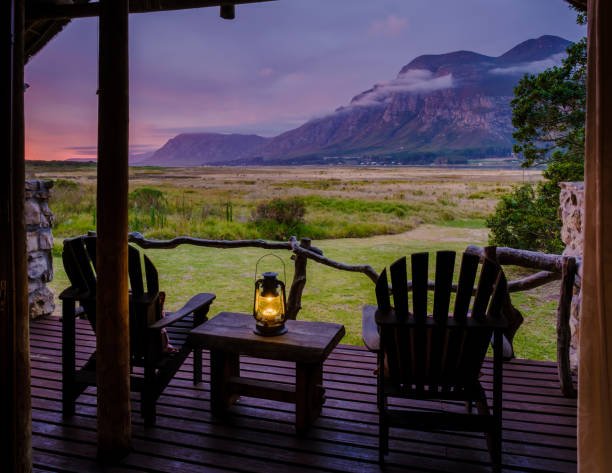
When planning a safari to the iconic Serengeti National Park, understanding the rhythm of daily game drives is crucial for maximizing wildlife viewing opportunities and enjoying the experience. The question of ‘how many hours per day do people normally spend on game drives in Serengeti?’ is fundamental, as it dictates the pace of your safari, the amount of ground you can cover, and the kind of sightings you might expect. Unlike a quick city tour, a Serengeti game drive is an extended exploration of a vast wilderness, and its duration is carefully balanced to offer the best chances of seeing wildlife while also respecting the animals’ natural behavior and the park’s regulations.
The Serengeti’s sheer size and the elusive nature of some of its inhabitants mean that patience and time are key ingredients for a successful safari. Park rules, particularly regarding operating hours and the need to exit the park by a certain time (typically around 6 PM), also play a significant role in structuring the daily schedule. Safari operators, like Climb 4 Africa, work within these parameters, designing itineraries that are both practical and highly rewarding for their guests. The goal is to provide ample time for exploration without causing undue stress to the animals or compromising the guest experience through overly long, tiring drives in the midday heat.
For travelers considering a safari in 2026 or 2027, understanding these time commitments helps in setting realistic expectations and in choosing an itinerary that best suits their energy levels and interests. Whether you prefer early morning starts to catch predators on the move or enjoy the golden light of the late afternoon, the typical daily game drive structure in the Serengeti can accommodate a variety of preferences.
The Typical Serengeti Game Drive Schedule: Morning vs. Afternoon
The standard approach to game driving in the Serengeti involves two main sessions: one in the early morning and another in the late afternoon. This division is not arbitrary; it’s based on the well-established patterns of animal activity and the prevailing environmental conditions.
Early Morning Game Drives: The Golden Hours for Predators
Most safari-goers opt for an early morning game drive, and for good reason. The period between sunrise and about 9 or 10 AM is often considered the most productive time for wildlife viewing. As the sun begins to rise, casting a soft, golden light across the plains, the Serengeti awakens. Temperatures are cool, and this is when many animals are most active.
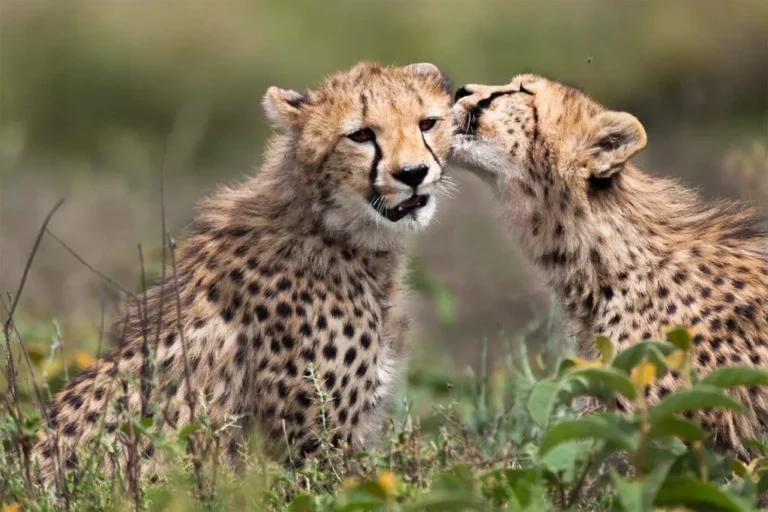
Predators, such as lions, cheetahs, leopards, and wild dogs, often use the cooler hours of the early morning to hunt. They might still be active from their nocturnal pursuits or finishing off a kill made during the night. This is also a prime time to see other animals, like elephants and giraffes, as they emerge to feed after the night. The air is fresh, and the light is ideal for photography, with minimal harsh shadows. For many, an early morning game drive lasting 3 to 5 hours is the perfect way to start their safari day.
Departing the lodge or camp shortly after sunrise (around 6:00 AM or 6:30 AM) is common. This allows you to be out in the park during the peak activity hours. Your guide will use their knowledge of animal behavior and the local terrain to seek out the best viewing opportunities. Breakfast is often taken as a packed meal in the bush, adding to the adventure, or enjoyed back at the lodge upon returning.
Late Afternoon Game Drives: The Magic of the Golden Hour
Following a midday break, typically from around 12 PM or 1 PM to 3 PM or 4 PM, the late afternoon game drive begins. This session usually lasts from about 3:30 PM or 4:00 PM until 6:00 PM or 6:30 PM, when vehicles must exit the park or reach their designated accommodation within the park boundaries.
As the intense heat of the day subsides, animals once again become more active. This is another excellent time to witness wildlife, as many species move to water sources or begin their evening feeding routines. The light during this period is also spectacular, creating the famed ‘golden hour’ for photographers, with warm, soft light that enhances the landscape and the animals within it.
Late afternoon drives can be just as rewarding as morning drives, sometimes even more so if you’re looking for specific behaviors or hoping to catch nocturnal animals starting to stir. The duration is typically 2.5 to 3.5 hours, providing a substantial second opportunity to explore the park’s diverse ecosystems and encounter its inhabitants.
Midday Break: Rest and Recharge
Between the morning and afternoon game drives, there’s usually a significant break. This is essential for several reasons:
- Heat Management: The Serengeti can get extremely hot, especially between 11 AM and 3 PM. This midday period is the most uncomfortable for being in an open vehicle.
- Animal Behavior: Many animals seek shade and rest during the hottest part of the day, becoming less visible and active.
- Guest Comfort: It provides an opportunity to return to your lodge or camp for lunch, relax, perhaps take a dip in a pool if available, and avoid prolonged exposure to the sun.
This break typically lasts 2 to 3 hours, allowing for a comfortable pace and ensuring guests are refreshed for the afternoon’s adventure.
Full-Day Game Drives: Maximizing Wildlife Encounters
While the split morning/afternoon schedule is standard, some safari experiences, particularly those focused on covering vast distances or tracking specific wildlife, incorporate full-day game drives. These are designed for travelers who want to maximize their time in the wild and are prepared for longer periods in the vehicle.
When Are Full-Day Drives Typically Offered?
Full-day game drives are often arranged in specific scenarios:
- Following the Great Migration: If you are visiting during the Great Migration, especially during the river crossings (typically July-October in the Grumeti or Mara rivers), your itinerary might include a full day dedicated to tracking the herds and witnessing this incredible spectacle. These events can occur anywhere within the park, requiring significant travel time.
- Exploring Remote Areas: To reach and explore more secluded parts of the Serengeti, such as the far northern or western corridors, a full day might be necessary to account for travel time to and from these areas.
- Specific Wildlife Interests: If your primary goal is to find elusive species like leopards or wild dogs, a guide might recommend a full day in a particular zone known for their presence, allowing for extended searching without the need to return to camp mid-day.
- Custom Itineraries: For travelers who specifically request it or have a particular photographic or wildlife focus, a full-day drive can be arranged.
What to Expect on a Full-Day Serengeti Game Drive
A full-day game drive typically starts early, around sunrise, and continues until the park’s closing time in the late afternoon (around 6:00 PM or 6:30 PM). This means spending 8 to 10 hours or more actively searching for wildlife.
Key characteristics of a full-day drive include:
- Packed Lunches: Instead of returning to a lodge, you’ll have a packed lunch and drinks prepared by your camp or lodge. These are often enjoyed at a designated picnic site within the park, offering a scenic break amidst the wilderness.
- Continuous Exploration: You remain in the vehicle and on the move for most of the day, covering significant distances across different habitats within the Serengeti.
- Flexibility: Guides have more flexibility to pursue sightings without being constrained by a return time for lunch.
While exhilarating for dedicated wildlife enthusiasts, full-day drives can be physically demanding. It’s important to consider your own stamina and comfort levels when deciding if this is the right approach for your safari. Staying hydrated, wearing sun protection, and taking short breaks when possible are essential.
Factors Influencing Daily Game Drive Hours
Several factors can influence how many hours per day are spent on game drives in the Serengeti, beyond the standard morning and afternoon structure. Understanding these will help you tailor your safari experience, especially when planning for 2026 or 2027.
1. Itinerary Design and Pace
The overall design of your safari itinerary plays a significant role. A fast-paced itinerary that covers multiple regions of the Serengeti in a short time might involve longer driving days to maximize sightings in each area. Conversely, a more relaxed itinerary might focus on fewer areas but allow for more in-depth exploration with slightly shorter, more focused game drives.
For instance, a 3-day Serengeti safari might necessitate longer drives to make the most of the limited time. In contrast, a 7-day Serengeti exploration could allow for more leisurely mornings and afternoons, with ample time for relaxation between drives.
2. Location Within the Serengeti
The Serengeti is enormous, and different regions offer distinct experiences and wildlife viewing patterns. The duration and timing of game drives can vary depending on where you are staying:
- Central Serengeti (Seronera): This area is known for its resident wildlife and high predator populations year-round. Game drives here are often very productive, and the central location makes it accessible for both morning and afternoon drives, with shorter travel times to sightings.
- Western Corridor: Famous for the Grumeti River crossings during the migration (typically May-July), game drives here might involve longer excursions to track riverine wildlife and the herds.
- Northern Serengeti (Kogatende/Lamai): This region is prime for the Mara River crossings (typically July-October). Accessing these crossing points often requires longer drives, and many visitors opt for full-day game drives to maximize their chances of witnessing this dramatic event.
- Southern Plains (Ndutu/Kusini): During the calving season (December-March), the southern plains are teeming with wildebeest and predators. Game drives here can be extensive, following the herds as they graze and give birth.
The accessibility of wildlife from your lodge or camp also dictates how much time is spent driving to reach prime viewing areas. Shorter drives from accommodation to good sighting spots mean more time observing animals.
3. Time of Year and Wildlife Behavior
The time of year significantly impacts animal behavior and thus the optimal timing and duration of game drives.
- Dry Season (June-October): Animals tend to congregate around remaining water sources, making them more predictable. Game drives might focus on tracking these movements. The weather is generally pleasant, allowing for longer periods in the open vehicle.
- Wet Season (November-May): The landscape is lush and green. The Great Migration moves through different parts of the park. Calving season in the south (Dec-Mar) means lots of young animals, attracting predators. Game drives might be adjusted to follow the herds or focus on predator-prey interactions. Rain showers can sometimes interrupt drives, but they are often short-lived.
Understanding the seasonal movements of the Great Migration is key for planning your 2026-2027 safari and determining the best daily game drive strategy.
4. Vehicle Type and Comfort
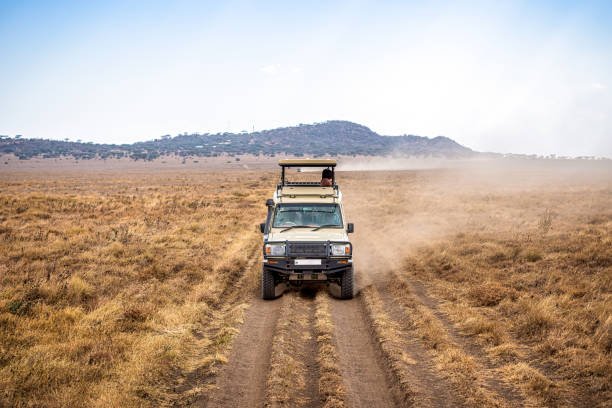
The type of safari vehicle used can influence how long people are comfortable spending on drives. A well-maintained 4×4 safari vehicle, especially a pop-top Land Cruiser or Land Rover, offers better visibility, protection from the elements, and more space.
Private vehicles offer more flexibility in terms of timing and duration, allowing you to stay longer at a sighting or extend a drive if desired, within park regulations. Shared vehicles, while more budget-friendly, operate on a more fixed schedule determined by the group’s collective preferences.
5. Personal Preferences and Stamina
Ultimately, the number of hours spent on game drives is also a personal choice. Some travelers are enthusiastic and want to maximize every minute of daylight for wildlife viewing, opting for longer drives. Others might prefer a more relaxed pace, with shorter, more focused excursions and more time enjoying the amenities at their lodge or camp.
It’s important to communicate your preferences to your safari operator. If you’re not accustomed to long periods in a vehicle, or if you have young children or mobility issues, a schedule with shorter, more frequent drives might be more suitable than extended full-day excursions.
Maximizing Your Serengeti Game Drive Experience
To truly make the most of your time on game drives in the Serengeti, whether you’re planning for 2026, 2027, or any other year, consider these practical tips:
1. Choose Your Safari Operator Wisely
A reputable safari operator like Climb 4 Africa will design itineraries that balance wildlife viewing opportunities with guest comfort and respect for the park. They understand the nuances of Serengeti game drives and can tailor experiences to your interests.
When you inquire about a safari for 2026 or 2027, discuss your expectations regarding game drive duration. A good operator will explain the typical schedule and offer options for full-day drives if that aligns with your safari goals.
2. Communicate Your Interests
Are you passionate about birdwatching, photography, or tracking specific predators? Let your guide know. This allows them to focus the game drives accordingly, potentially spending more time in certain areas or waiting patiently for particular behaviors to unfold.
3. Pack Smart
Comfort is key for longer game drives. Ensure you have:
- Sun Protection: A wide-brimmed hat, sunglasses, and high-SPF sunscreen are essential.
- Appropriate Clothing: Lightweight, neutral-colored clothing (khaki, beige, green) that covers your arms and legs helps protect from the sun and insects. A light jacket or fleece is advisable for cool mornings and evenings.
- Binoculars: Crucial for spotting distant wildlife and appreciating finer details.
- Camera Gear: Extra batteries, memory cards, and a zoom lens are highly recommended for capturing wildlife.
- Snacks and Water: While often provided, having a few personal snacks can be helpful, and staying hydrated is paramount.
4. Be Patient and Observant
Wildlife viewing is unpredictable. Sometimes the most rewarding sightings come after periods of patient waiting. Your guide’s expertise in reading animal behavior and understanding the environment is invaluable. Take the time to absorb the sights and sounds of the Serengeti; it’s not just about ticking off species.
5. Respect Park Rules and Wildlife
Adhere to your guide’s instructions and park regulations. This includes maintaining a safe distance from animals, not feeding them, and minimizing noise. Respecting the wildlife and their habitat ensures the preservation of the Serengeti for future generations and for your own future safaris in 2026, 2027, and beyond.
The Role of Safari Guides in Game Drive Duration
Your safari guide is the linchpin of your game drive experience, and their expertise directly influences the duration and success of your daily excursions. They are not just drivers; they are trained naturalists, trackers, and interpreters of the Serengeti’s complex ecosystem.
Expertise in Animal Behavior and Location
Experienced guides possess an intimate knowledge of the Serengeti. They know where specific animals are likely to be found at different times of the day and year, based on migration patterns, water availability, and breeding seasons. This knowledge allows them to efficiently plan routes and allocate time for optimal viewing. They can read the landscape, interpret animal tracks, and understand the subtle signs that indicate the presence of wildlife, saving precious time and maximizing sighting opportunities.
Navigating Park Regulations and Logistics
Guides are responsible for ensuring that all game drives comply with Serengeti National Park’s rules and regulations. This includes adhering to designated track limits, respecting wildlife viewing distances, and ensuring that vehicles are out of the park by the closing time (typically 6:00 PM or 6:30 PM). They must also manage fuel, vehicle maintenance, and timing to ensure the safety and comfort of their passengers.
The decision to start a full-day drive, or to extend a morning or afternoon session slightly, often rests with the guide, in consultation with the guests. They balance the desire to see more wildlife with the practicalities of park hours and the need to return guests to their accommodation safely.
Adapting to Unexpected Sightings
One of the most thrilling aspects of a Serengeti safari is the unexpected. A guide might spot a leopard in a tree from a distance, or hear about a lion kill from another vehicle. In such instances, a guide’s judgment is crucial. They may decide to dedicate more time to observing a particular event, even if it means slightly adjusting the planned schedule for the day. This flexibility, guided by their expertise and a commitment to providing a memorable experience, is why the guide’s role is so central to how many hours are spent on game drives.
For a safari in 2026 or 2027, choosing a tour operator that employs highly skilled and knowledgeable guides, such as Climb 4 Africa, will significantly enhance your game drive experience and ensure you spend your time effectively.
Serengeti Game Drives vs. Other Safari Destinations
While the question focuses on the Serengeti, it’s useful to briefly compare its game drive structure to other popular safari destinations. This can provide context and highlight what makes Serengeti safaris unique in terms of daily time spent exploring.
- Kruger National Park (South Africa): Kruger is a large, well-developed park that often allows for self-drive safaris, in addition to guided tours. Game drives here can be very flexible. Many visitors opt for full-day drives, as the park is easily navigable and offers excellent infrastructure. Park gates typically open early (around 6:00 AM) and close at dusk (around 6:00 PM or 7:00 PM), allowing for potentially longer periods in the park, especially if staying at a rest camp inside.
- Masai Mara National Reserve (Kenya): Geographically and ecologically, the Masai Mara is very similar to the Serengeti, being its northern extension across the border. The typical game drive structure (early morning, late afternoon) is very much the same. However, the Mara is smaller than the Serengeti, and private conservancies bordering the reserve offer more flexibility, including night drives and walking safaris, which can extend the ‘wildlife experience’ hours beyond traditional game drives.
- Chobe National Park (Botswana): Chobe is famous for its boat safaris on the Chobe River, which offer a different perspective and can be combined with game drives. Game drives in Chobe National Park are also typically split into morning and afternoon sessions. However, Botswana’s safari philosophy often emphasizes exclusivity and lower tourist density, which can mean a more personalized, potentially longer, and more in-depth game drive experience within private concessions.
In the Serengeti, the vastness of the park, the sheer scale of the Great Migration, and the specific park regulations contribute to a game drive schedule that is carefully orchestrated to balance extensive exploration with practical constraints. The emphasis on morning and afternoon drives is a well-proven strategy for maximizing sightings within these parameters.
Planning Your 2026-2027 Serengeti Safari: Game Drive Time Allocation
When you’re planning your safari adventure for 2026 or 2027, allocating time for game drives is a key aspect of building your itinerary. Here’s how to approach it:
Key Considerations for Game Drive Time
- Safari Length: A longer safari (e.g., 5-7 days in Serengeti) allows for a more relaxed pace with dedicated morning and afternoon drives, plus potential for full-day excursions. A shorter trip (e.g., 2-3 days) might require more intensive driving to see key areas.
- Interests: If you’re a keen photographer or dedicated wildlife enthusiast, you’ll want to maximize your time in the field, leaning towards longer drives or full-day options. If you prefer a balance of wildlife viewing and relaxation, shorter, focused drives might be better.
- Accommodation Location: The distance from your lodge or camp to prime wildlife areas impacts how much time is spent driving versus observing. Lodges deep within the park or strategically located for migration viewing offer more efficient game drive opportunities.
- Budget: While game drive duration itself doesn’t typically add cost, longer safaris with more game drive days will naturally be more expensive. Private vehicle hire also influences the overall safari cost.
For example, a typical 5-day Serengeti itinerary might look like this:
- Day 1: Arrive in Serengeti, afternoon game drive (approx. 3 hours).
- Day 2: Full morning game drive (approx. 4-5 hours), lunch break, afternoon game drive (approx. 3 hours).
- Day 3: Full morning game drive (approx. 4-5 hours), lunch break, afternoon game drive (approx. 3 hours).
- Day 4: Depending on migration location or specific interests, this might be another full day game drive (approx. 8-10 hours) or a split morning/afternoon session.
- Day 5: Morning game drive (approx. 3-4 hours) en route to airstrip or exit.
This example suggests a total of approximately 24-30 hours of game driving over 5 days, with a mix of shorter and longer sessions. This is a common allocation for a fulfilling Serengeti experience.
When planning your 2026 or 2027 safari, discuss these possibilities with your tour operator. Understanding the daily time commitment will help you pack appropriately, manage your energy, and truly savor the incredible wildlife encounters the Serengeti offers. Contacting Climb 4 Africa at WhatsApp +255 747 477 898 or Email climb4africa@gmail.com can help you craft a personalized itinerary that perfectly balances game drive time with your other safari desires.
Conclusion: Finding Your Optimal Game Drive Rhythm
The question of how many hours per day people normally spend on game drives in Serengeti is best answered by understanding the typical structure and the factors that influence it. While there isn’t a single fixed number, the standard practice of splitting the day into early morning and late afternoon sessions, totaling roughly 6 to 10 hours of active searching, is a highly effective strategy. This approach maximizes opportunities to witness the Serengeti’s diverse wildlife when they are most active, while also allowing for essential breaks during the heat of the day.
For those seeking to maximize sightings, especially during pivotal events like the Great Migration river crossings or when exploring remote areas, full-day game drives offering 8 to 10 hours or more in the vehicle are a popular and rewarding option. Ultimately, the ideal duration and timing of your game drives depend on your personal preferences, your safari itinerary, the time of year, and the specific regions of the Serengeti you visit.
By working with experienced safari operators like Climb 4 Africa, you can ensure your 2026-2027 Serengeti adventure is perfectly tailored to your interests, allowing you to spend your time on game drives in a way that is both exhilarating and comfortable. Understanding these rhythms and possibilities is the first step towards planning an unforgettable safari experience.
Check Availability for How Many Hours Per Day Do People Normally Spend On Game Drives In Serengeti?
Ready to compare dates, prices, and the best option for your group? Send the package name and travel month so the team can reply with a clear quote, availability, and what is included.
Dec 12, – 6 Day Serengeti, Ngorongoro, Tarangire And Manyara Group Safari 2026
Dec 12, 2026 – 6 Day Serengeti, Ngorongoro, Tarangire and Manyara Group Safari.
View package detailsOct 31, – 6 Day Serengeti, Ngorongoro, Tarangire And Manyara Group Safari 2026
A detailed look at the 6-day Northern Circuit group safari departing October 31, 2026, covering Tarangire, Manyara, Serengeti, and Ngorongoro Crater.
View package detailsDec 27, – 4 Day Serengeti Migration Group Safari: Plan Your Trip
A deep look at planning your 4-day Serengeti migration group safari departing December 27, 2026, including itinerary logistics, group benefits, and seasonal expectations.
View package details3 Day Serengeti And Ngorongoro Group Safari: Planning For December 4,
A detailed guide on planning a 3-day group safari to the Serengeti and Ngorongoro Crater for December 4, 2026, covering route expectations, group logistics, and essential planning steps.
View package detailsWe Are Two Travellers—Can We Join A Serengeti Safari In Dec ?
A guide for two travellers looking to join a Serengeti group safari in December 2026, covering logistics, cost-efficiency, and what to expect during the short rains.
View package detailsWhere Can I Join An Affordable Serengeti Safari In Dec ? A Practical Planning
A practical guide for budget-conscious travelers looking to join a Serengeti safari in December 2026, focusing on group-joining logistics and cost-effective planning.
View package detailsWhich Tanzania Group Safari Includes Serengeti And Ngorongoro?
Which Tanzania Group Safari Includes Serengeti and Ngorongoro?
View package detailsHow Much Is A 3 Day Serengeti Group Safari In Nov ? Cost Breakdown
Get a clear breakdown of the factors influencing the cost of a 3-day Serengeti group safari in November 2026, including park fees, vehicle logistics, and group dynamics.
View package detailsCan A Solo Traveller Join A Serengeti Safari In Dec ?
Planning a solo safari in December 2026? Discover the logistics of joining group departures, why December is a prime time for the migration, and how to manage costs effectively.
View package details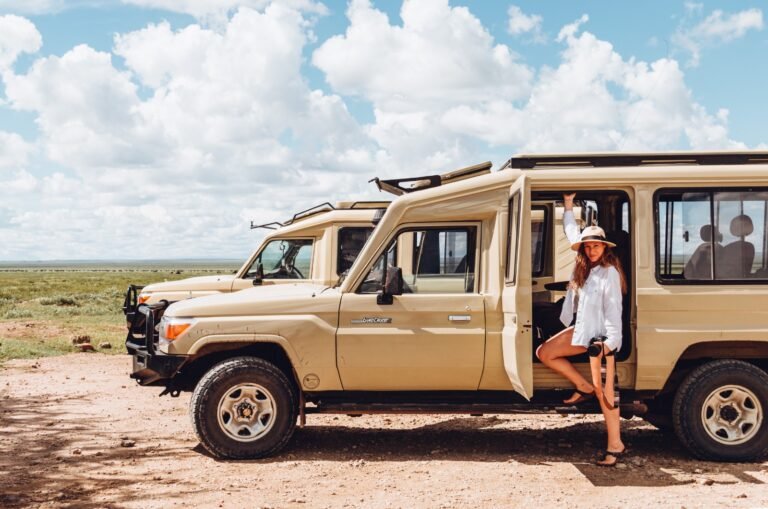
Afcon Private Serengeti Safari With Lodges
AFCON 2027 Private Serengeti Safari with Lodges.
View package detailsAfcon Luxury Serengeti Safari Packages
AFCON 2027 Luxury Serengeti Safari Packages.
View package details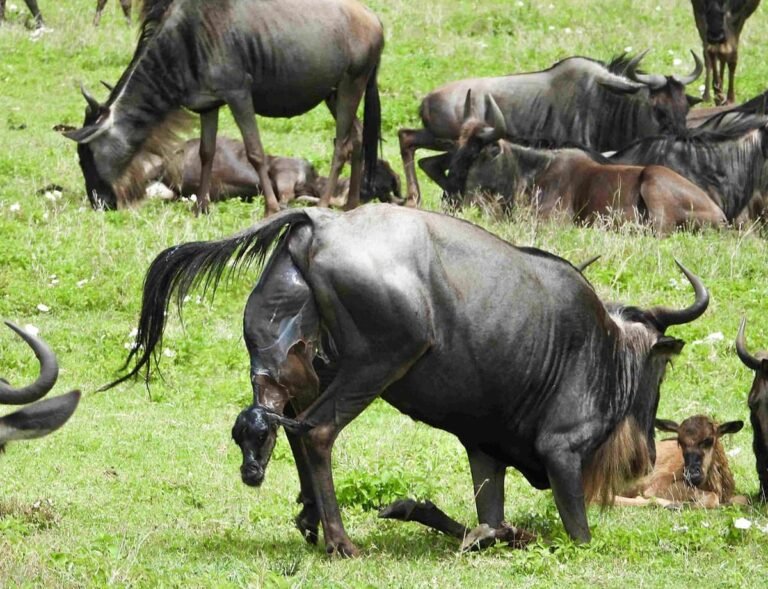
Serengeti Great Migration Safari During AFCON 2027
Mwongozo wa kina kwa safari ya Serengeti Great Migration wakati wa AFCON 2027, ukilenga kuelewa maeneo, kipindi cha mwendo wa mnyama, na mapendekezo ya mipango ya kiutendaji.
View package detailsNo related package matches those filters. Clear one or more filters to see the other topic-matched options.