For a safari itinerary with no camping in Tanzania, you should book a lodge safari or a luxury tented camp safari. These options provide comfortable, permanent or semi-permanent accommodations with en-suite bathrooms and amenities, allowing you to experience the wildlife and landscapes without sleeping in a tent. Popular choices include stays in lodges within or near national parks like the Serengeti, Ngorongoro Crater, Tarangire, and Lake Manyara, or high-end tented camps that offer a glamping experience. Planning for 2026-2027 involves selecting a duration (typically 5-10 days for a good overview), choosing your preferred parks, and confirming your accommodation style. This approach offers comfort and convenience while still delivering an authentic safari experience.
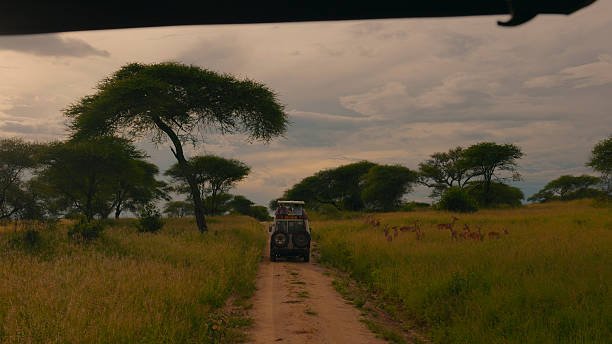

Understanding No-Camping Safaris: Lodges vs. Tented Camps
When you’re looking for a safari itinerary with no camping, the primary distinction lies between lodges and luxury tented camps. Both offer a comfortable alternative to traditional camping, but they provide slightly different experiences. Understanding these differences is key to choosing the right safari for you.
Lodges are typically permanent structures, often built with stone, wood, or thatch. They resemble hotels or guesthouses and are usually situated within or just outside national parks. Lodges offer a range of amenities, from basic comfort to high-end luxury, often including swimming pools, restaurants, bars, and well-appointed rooms or bungalows. They provide a solid, established base for your safari activities. The advantage here is the permanence and the robust infrastructure, meaning consistent services and protection from the elements.
Luxury Tented Camps, on the other hand, offer a more “in the wild” feel while maintaining significant comfort. These are not your basic canvas tents. Instead, they feature spacious, walk-in canvas tents, often set on raised wooden platforms. Inside, you’ll find comfortable beds, proper linens, private bathrooms (usually with flushing toilets and hot showers, often accessed via a short walk outside the tent or an attached annex), and sometimes even private verandas. The emphasis is on blending the romance of the traditional safari with modern comforts. While they feel closer to nature, they still offer a managed environment with staff attending to your needs. Some luxury tented camps are permanent, while others are semi-permanent, meaning they might be relocated seasonally to follow wildlife movements or for environmental reasons. Both offer excellent safari experiences without the need to set up or sleep in a basic tent.
When planning your safari itinerary with no camping, consider what level of immersion you desire. Lodges offer a more hotel-like experience, while luxury tented camps provide a closer connection to the natural environment without sacrificing comfort. For many, the luxury tented camp is the perfect balance for a no-camping safari.
Why Choose a No-Camping Safari?
The decision to opt for a safari itinerary with no camping often stems from a desire for comfort, convenience, and a specific travel style. Many travelers prefer to avoid traditional camping for a variety of practical and personal reasons, and Tanzania offers excellent alternatives that don’t compromise on the safari experience itself.
Comfort and Convenience: This is perhaps the most significant driver. Lodges and luxury tented camps provide comfortable beds, private bathrooms with hot water showers, and dedicated staff to handle meals, cleaning, and security. You don’t have to worry about setting up tents, sleeping on the ground, or dealing with insects and wildlife encroaching on your personal space in the same way you might with basic camping. This is especially appealing for travelers who are not accustomed to or comfortable with rustic camping conditions.
Privacy and Personal Space: While lodges and camps are shared facilities, your room or tent is a private sanctuary. This offers a level of personal space and privacy that can be harder to achieve with basic camping, particularly if you’re on a budget trip where shared camping facilities might be more common.
Ease of Travel: For many, a no-camping safari simplifies travel logistics. You arrive at your accommodation, and everything is taken care of. There’s no need to pack sleeping bags, mats, or worry about the technicalities of setting up camp. This allows you to focus entirely on enjoying the wildlife and scenery.
Higher Standard of Amenities: Lodges and upscale tented camps often come with amenities that enhance the safari experience, such as swimming pools, lounges, on-site restaurants with diverse menus, and sometimes even spas. These add an element of relaxation and luxury to your trip.
Family Travel: For families traveling with young children or older relatives, the comfort and safety of lodges and well-appointed tented camps are often paramount. The predictability of permanent facilities can offer peace of mind.
Romantic Getaways: For couples, the ambiance of a luxury tented camp or a lodge with stunning views can be incredibly romantic, offering a unique blend of adventure and comfort.
Essentially, a no-camping safari itinerary allows you to enjoy the thrill of the African wilderness and the incredible wildlife encounters without the roughing-it aspect of traditional camping. It’s about experiencing the magic of Tanzania in comfort and style.
Essential Tanzania Destinations for Non-Campers
Tanzania is a premier safari destination, and its most iconic parks and reserves are perfectly suited for lodge and luxury tented camp experiences. These areas offer abundant wildlife and are well-developed with a range of comfortable accommodations. When crafting your safari itinerary with no camping, these locations should be at the top of your list.
Serengeti National Park: This is the crown jewel of Tanzanian safaris, famous for the Great Migration and its vast, open plains teeming with wildlife. The Serengeti offers a wide array of lodges and luxury tented camps, many strategically located to provide excellent game viewing opportunities. You can choose accommodations that offer proximity to the migration river crossings (seasonal) or areas known for predator activity. Lodges here range from rustic but comfortable to ultra-luxurious, with tented camps offering an intimate connection to the wilderness.
Ngorongoro Conservation Area: Home to the Ngorongoro Crater, a UNESCO World Heritage Site, this area boasts one of the highest densities of wildlife in Africa. The crater floor is a self-contained ecosystem supporting lions, elephants, rhinos, buffalo, hippos, and a plethora of birdlife. Lodges are typically perched on the crater rim, offering spectacular views and easy access for descending into the crater for game drives. While camping is possible in designated areas within the wider conservation area, lodges on the rim are the prime choice for a no-camping safari experience, providing unparalleled vistas and convenience.
Tarangire National Park: Known for its massive elephant herds, baobab trees, and diverse birdlife, Tarangire is a must-visit, especially during the dry season (June to October) when animals congregate around the Tarangire River. The park has several excellent lodges and luxury tented camps, many situated to offer prime views of the river or the surrounding savanna. Staying in Tarangire allows for a more relaxed pace, focusing on elephants and the unique landscape.
Lake Manyara National Park: Famous for its tree-climbing lions, vast soda lake attracting flamingos, and diverse habitats ranging from groundwater forests to savanna, Lake Manyara is often included in Northern Circuit itineraries. Accommodation options include lodges located just outside the park’s boundary, offering convenient access for full-day or half-day game drives. The park’s compact size makes it ideal for a shorter stay or as a stopover between other destinations.
Optional Additions:
- Arusha National Park: Close to Arusha town, this park offers Mount Meru climbs and is great for canoeing safaris and seeing colobus monkeys. Lodges are available in and around Arusha, serving as a convenient start or end point.
- Mkomazi National Park: A more rugged and less-visited park, excellent for rhino and wild dog conservation efforts. Accommodation here is more limited but can offer a truly off-the-beaten-path experience for those seeking solitude.
For a safari itinerary with no camping, focusing on the Serengeti, Ngorongoro, Tarangire, and Lake Manyara provides a comprehensive and comfortable experience of Tanzania’s most celebrated wildlife areas. These parks are well-serviced by lodges and luxury tented camps, ensuring your comfort and enjoyment throughout your adventure.
Crafting Your Ideal No-Camping Safari Itinerary
Designing a safari itinerary with no camping requires careful consideration of duration, preferred destinations, and the pace you desire. The goal is to maximize wildlife viewing and cultural experiences while ensuring comfort and enjoyment. Here, we outline common structures and considerations for crafting your perfect Tanzanian lodge or luxury tented camp safari, keeping in mind potential trips in 2026 and 2027.
Standard Itinerary Structures:
- The Classic Northern Circuit (5-7 Days): This is the most popular route for a reason. It typically includes Lake Manyara, Tarangire, and the Ngorongoro Crater, often with a brief visit or transit through the Serengeti.
- Day 1: Arrive in Arusha, transfer to your lodge.
- Day 2: Drive to Lake Manyara for a game drive, overnight in a lodge near the park.
- Day 3: Morning game drive in Tarangire National Park, known for its elephants and baobabs. Overnight in a lodge or tented camp in/near Tarangire.
- Day 4: Drive to the Ngorongoro Conservation Area. Descend into the Crater for a full day of game viewing. Overnight in a lodge on the crater rim.
- Day 5: Morning visit to a Maasai village (optional), then drive back to Arusha for departure or onward travel.
- Extended Northern Circuit with Serengeti (7-10 Days): This itinerary builds on the classic route by adding more time in the Serengeti, which is essential for a deep wildlife experience and for witnessing the Great Migration.
- Day 1: Arrive in Arusha, transfer to lodge.
- Day 2: Drive to Tarangire National Park for game drives. Overnight in a lodge/tented camp.
- Day 3: Drive to Ngorongoro Conservation Area, descend into the Crater for game drives. Overnight on the crater rim.
- Day 4: Drive to the Serengeti National Park, stopping at Olduvai Gorge en route. Afternoon game drive in the Serengeti. Overnight in a lodge or luxury tented camp.
- Day 5-7: Full days of game drives in the Serengeti, focusing on different regions (Central, North, West, or South depending on the season and migration). Multiple lodges or tented camps can be used to cover vast distances.
- Day 8: Morning game drive in the Serengeti, then fly from a Serengeti airstrip back to Arusha (or Kilimanjaro International Airport).
Key Decisions for Your Itinerary:
- Duration: For a comprehensive safari itinerary with no camping, a minimum of 7 days is recommended to properly explore the Serengeti and Ngorongoro. Shorter trips (4-5 days) are possible but will be more rushed and focus on fewer parks.
- Park Combinations: The Northern Circuit is ideal for lodge-based safaris. If you have more time, consider adding a few days in a different region or combining with a Zanzibar beach holiday. For a safari itinerary with no camping, the well-established infrastructure of the Northern Circuit parks is perfect.
- Pace: Do you prefer to move lodges every day or two, or stay longer in fewer locations? Longer stays in fewer places allow for deeper immersion and more relaxed game viewing, reducing travel time between accommodations.
- Seasonality: The timing of your safari itinerary with no camping will affect wildlife viewing. The dry season (June-October) is excellent for general game viewing as animals congregate around water sources. The Serengeti migration is a major draw, and its location changes throughout the year, impacting where you should stay. Planning for 2026 or 2027 means checking migration forecasts closer to the time.
- Accommodation Style: While all options are ‘no camping’, the difference between a standard lodge and a luxury tented camp is significant. Tented camps offer a more rustic yet refined experience, often with better wildlife proximity.
When you’re ready to plan a specific safari itinerary with no camping for 2026 or 2027, working with an expert like Climb 4 Africa can help tailor these options precisely to your interests and budget. We can advise on the best lodges and tented camps based on your preferred style and the specific wildlife you hope to see.
Planning Your 2026-2027 No-Camping Safari
Booking a safari itinerary with no camping for 2026 or 2027 involves more than just choosing destinations. It requires understanding booking windows, peak seasons, and what inclusions are standard. Proactive planning ensures you secure your preferred accommodations and dates.
When to Book:
- High Season (June to October, December to February): These periods offer the best weather and wildlife viewing, especially for the Great Migration in the Serengeti. For 2026 and 2027, these will undoubtedly be the most popular times. Book at least 9-12 months in advance for high season, especially for luxury lodges and exclusive tented camps. Popular properties and specific departure dates can fill up very quickly.
- Shoulder Seasons (March to May, November): These months can offer good value and fewer crowds, though March-May can sometimes have rain. Accommodation availability is generally better, but booking 6-9 months ahead is still advisable for a good selection.
- Low Season (April to May): This is typically the rainiest period, which can mean lush landscapes and fewer tourists. It’s the best time for budget-conscious travelers, but you might experience some travel disruptions due to weather. Booking 4-6 months in advance is usually sufficient.
What is Typically Included in a No-Camping Safari Package:
Most safari operators, including Climb 4 Africa, offer packages that bundle key services for a smooth safari itinerary with no camping. Always confirm exactly what is included, but generally:
- Accommodation: This is the core of your no-camping safari. It covers your stay in lodges or luxury tented camps as per your itinerary.
- Meals: Usually full board (breakfast, lunch, dinner) while on safari. Drinks (soft drinks, alcohol) may or may not be included; this varies by lodge and package.
- Park Entrance Fees: These are significant costs in Tanzania and are almost always included in reputable tour operator packages.
- Game Drives: Includes a 4×4 safari vehicle with a pop-up roof and an experienced English-speaking guide. Daily game drives within the parks are standard.
- Transfers: Airport transfers and transfers between locations as per the itinerary. This can include road transfers or internal flights (e.g., from Serengeti airstrips to Arusha).
- Crater Fees: Specific fees for entering the Ngorongoro Crater, usually separate from general park fees.
- Conservation Fees: Some parks or reserves have additional conservation fees.
What is Often Excluded:
- International Flights: Flights to and from Tanzania (e.g., to Kilimanjaro International Airport – JRO).
- Visa Fees: Required for entry into Tanzania.
- Travel Insurance: Highly recommended for any safari.
- Tips: For guides, drivers, and lodge staff.
- Personal Expenses: Souvenirs, laundry, alcoholic beverages, and personal items.
- Optional Activities: Such as hot air balloon safaris, walking safaris (where permitted), or cultural visits not explicitly in the itinerary.
Budget Considerations for 2026-2027:
A safari itinerary with no camping, especially one using lodges and luxury tented camps, is generally more expensive than a budget camping safari. Costs vary significantly based on:
- Accommodation Level: Luxury lodges and exclusive tented camps will command higher prices than mid-range options.
- Duration: Longer safaris naturally cost more.
- Number of Parks: Visiting more parks increases park fees and transfer costs.
- Vehicle Type: While most operators use comfortable 4x4s, some high-end options might offer more specialized vehicles.
- Group Size: Private safaris are more expensive per person than shared group departures.
For a 7-day safari itinerary with no camping in 2026-2027, expect costs to range from approximately $2,500 to $6,000+ per person, depending heavily on the lodge and camp choices. Shared group departures will be at the lower end of this range, while private, high-end luxury safaris will be at the upper end.
Securing Your Safari:
To plan your 2026 or 2027 safari itinerary with no camping, it’s best to contact a reputable tour operator early. Provide them with your preferred travel dates, desired duration, number of travelers, and any specific interests (e.g., birding, photography, migration viewing). They can then propose a tailored itinerary with detailed inclusions and pricing.
What to Expect in Your Lodge or Tented Camp
Choosing a safari itinerary with no camping means you’ll be staying in lodges or luxury tented camps. Understanding what these accommodations offer will help set your expectations and ensure you’re well-prepared for a comfortable and enjoyable experience. While standards can vary from mid-range to ultra-luxury, here’s a general overview:
Room/Tent Features:
- Beds: Comfortable beds with quality mattresses and linens are standard. Options usually include double or twin beds.
- En-suite Bathrooms: This is a key feature of a no-camping safari. You can expect a private bathroom attached to your room or tent. This typically includes a flushing toilet, a washbasin, and a shower.
- Hot Water: Hot water for showers is usually available, either on-demand or at scheduled times, especially in tented camps. In lodges, it’s typically standard.
- Electricity: Most lodges and tented camps have electricity, often powered by generators or solar panels. This allows for charging electronic devices and using lights. Power outages can occasionally occur, particularly in more remote tented camps, so a headlamp or flashlight can be useful.
- Mosquito Nets: Essential for a good night’s sleep, these are standard over the beds.
- Furniture: Expect basic but comfortable furniture such as bedside tables, a wardrobe or hanging space, and perhaps a chair or desk. Luxury options might include sofas or more elaborate furnishings.
- Privacy: While you’ll have your private space, remember that tented camps can be closer to nature. You might hear animal sounds at night, which is part of the experience. Lodges offer more soundproofing.
Camp/Lodge Facilities:
- Dining Areas: Meals are typically served in a communal dining room or a beautifully set outdoor area. The cuisine is usually a mix of international and local dishes, often served buffet-style or à la carte.
- Lounges/Bars: Most accommodations have a central lounge or bar area where guests can relax, socialize, and enjoy drinks. This is a great place to share stories of your day’s sightings.
- Verandas/Balconies: Many lodges and tented camps offer private verandas or balconies with seating, providing a space to enjoy the views and the sounds of the African bush.
- Swimming Pools: Common in lodges, especially in warmer areas, offering a refreshing break from the heat. Some high-end tented camps also feature plunge pools.
- Wi-Fi: Increasingly available, though connectivity can be unreliable or slow in very remote locations. Don’t expect high-speed internet comparable to a city hotel.
- Staff: You will be well looked after by friendly and efficient staff who are dedicated to making your stay comfortable and memorable.
What to Pack for Comfort (Even without Camping):
While you aren’t camping, packing appropriately for a safari is still crucial:
- Lightweight Clothing: Neutral colors (khaki, beige, green) are best for game viewing. Avoid bright colors or dark colors like black and blue, which can attract insects.
- Layers: Mornings and evenings can be cool, especially on the crater rim or during the dry season. A fleece jacket or warm sweater is essential.
- Comfortable Shoes: Closed-toe shoes are recommended for walking around the lodge/camp and for game drives.
- Sun Protection: A wide-brimmed hat, sunglasses, and high SPF sunscreen are vital.
- Insect Repellent: Even in lodges and tented camps, it’s wise to use repellent, especially at dawn and dusk.
- Binoculars: A must-have for spotting wildlife at a distance.
- Camera: With extra batteries and memory cards.
- Personal Toiletries: While basic amenities are usually provided, bring your preferred brands.
- Small Backpack: For day trips and carrying essentials during game drives.
By choosing a safari itinerary with no camping, you ensure a comfortable base from which to explore Tanzania’s incredible wildlife, with all the necessary amenities and services at hand.
Booking Your No-Camping Safari with Climb 4 Africa
When you’re ready to turn your dream of a Tanzanian safari itinerary with no camping into reality, partnering with an experienced and locally-based operator like Climb 4 Africa is your best step. We specialize in crafting unforgettable safari experiences tailored to your preferences, ensuring comfort, adventure, and smooth logistics.
Why Choose Climb 4 Africa for Your No-Camping Safari:
- Local Expertise: As a Tanzania-based company, we possess intimate knowledge of the parks, lodges, and the best times to visit. We understand the nuances of crafting a safari itinerary with no camping that maximizes your wildlife encounters and comfort.
- Tailor-Made Itineraries: We don’t offer one-size-fits-all packages. We work closely with you to design a safari itinerary with no camping that perfectly matches your interests, budget, and travel style. Whether you dream of luxury lodges or intimate tented camps, we can arrange it.
- Quality Accommodations: We partner with a carefully selected range of lodges and luxury tented camps across Tanzania, ensuring high standards of service, comfort, and location. We prioritize properties that offer authentic experiences and excellent amenities for a no-camping safari.
- Experienced Guides: Our professional safari guides are passionate about wildlife and possess deep knowledge of the ecosystems and animal behaviors. They are key to making your game drives informative and exciting.
- Transparent Pricing: We provide clear breakdowns of what is included in your safari itinerary with no camping, so you know exactly what to expect. We aim to offer excellent value for your investment.
- Practical Support: From initial planning in 2026 or 2027 through to your departure, we provide dedicated support, answering all your questions and ensuring a smooth journey.
How to Start Planning Your Safari Itinerary with No Camping:
Getting started is straightforward. Reach out to us with your safari vision:
- Inquire: Contact us via WhatsApp at +255 747 477 898 or email us at climb4africa@gmail.com.
- Share Your Preferences: Let us know your desired travel dates (e.g., for 2026 or 2027), the duration of your safari, the number of people traveling, your preferred accommodation style (lodges, luxury tented camps, or a mix), and any specific parks or wildlife you are most interested in seeing.
- Receive a Custom Proposal: Based on your input, we will craft a personalized safari itinerary with no camping, complete with recommended lodges/camps and a detailed quotation.
- Refine and Book: We can make adjustments to the itinerary until it’s perfect for you. Once you’re happy, we’ll guide you through the booking process and provide all necessary pre-departure information.
Don’t hesitate to ask us any questions about planning your safari itinerary with no camping. We are here to help you create an unforgettable Tanzanian adventure without the need for tents, focusing entirely on comfort and the incredible wildlife experiences that await you.
“,
“faq_schema”: [
{
“question”: “What is the main difference between a lodge and a luxury tented camp for a no-camping safari?”,
“answer”: “Lodges are permanent structures, often resembling hotels with solid walls and roofs, offering robust amenities. Luxury tented camps are spacious canvas tents, often on raised platforms, providing a closer-to-nature feel with comfortable beds and private bathrooms, but still maintaining high comfort levels without traditional camping.”
},
{
“question”: “What are the best national parks in Tanzania for a no-camping safari itinerary?”,
“answer”: “The most popular and best-serviced parks for lodge and luxury tented camp safaris are the Serengeti National Park, Ngorongoro Conservation Area (especially crater rim lodges), Tarangire National Park, and Lake Manyara National Park. These offer abundant wildlife and a good range of comfortable accommodations.”
},
{
“question”: “How far in advance should I book a no-camping safari for peak season in 2026 or 2027?”,
“answer”: “For peak safari seasons (June-October and December-February) in 2026 and 2027, it is highly recommended to book your no-camping safari itinerary at least 9-12 months in advance to secure preferred lodges and luxury tented camps, as they tend to fill up quickly.”
},
{
“question”: “What is typically included in a lodge or luxury tented camp safari package?”,
“answer”: “A typical package includes accommodation in lodges or tented camps, all meals (usually full board), park entrance fees, crater fees (if applicable), conservation fees, a 4×4 safari vehicle with a professional guide, and internal transfers. International flights, visas, travel insurance, tips, and personal expenses are usually excluded.”
},
{
“question”: “Is a no-camping safari itinerary more expensive than a camping safari?”,
“answer”: “Yes, generally a safari itinerary with no camping, utilizing lodges and luxury tented camps, is more expensive than a basic camping safari. This is due to the higher cost of permanent or semi-permanent accommodations, their amenities, and the services provided.”
}
]
}
“`
Check Availability for I Want A Safari Itinerary With No Camping, What Should I Book? 2026-2027
Ready to compare dates, prices, and the best option for your group? Send the package name and travel month so the team can reply with a clear quote, availability, and what is included.
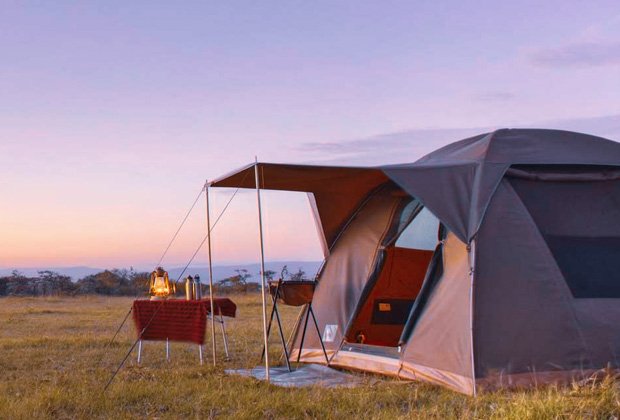
Nov 12, – 5 Day Tanzania Budget Camping Group Joining Safari 2026
A detailed guide to the November 12, 2026, 5-day budget camping group joining safari in Tanzania, covering route logistics, group dynamics, and planning essentials.
View package details
How Early Should I Book A Nov Or Dec Tanzania Group Safari?
How Early Should I Book a Nov or Dec Tanzania Group Safari?
View package details
I Am On A Budget—What Is The Cheapest Serengeti Group Safari?
I Am on a Budget—What Is the Cheapest Serengeti Group Safari?
View package details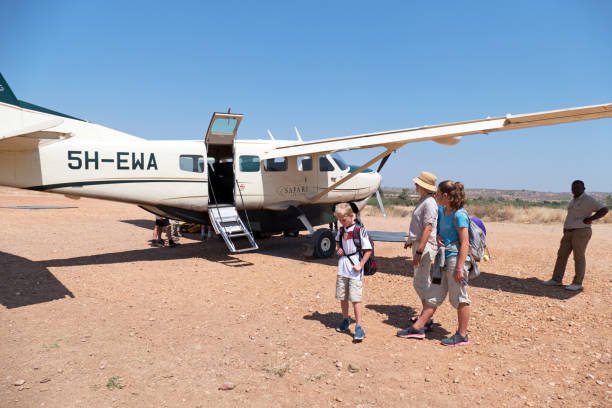
2-Day Serengeti Safari From Zanzibar By Flight: Price & Booking Guide
A practical guide to booking a 2-day Serengeti safari from Zanzibar by flight, covering itinerary logistics, cost considerations, and how to maximize your short time in the bush.
View package detailsZanzibar To Ruaha National Park Fly-In Safari: Prices & Booking Guide
A practical guide to planning a fly-in safari from Zanzibar to Ruaha National Park, covering flight logistics, itinerary choices, and how to book with Climb 4 Africa.
View package details1-Day Serengeti Safari From Zanzibar By Flight: Cost & Itinerary 2026-2027
Is a 1-day Serengeti safari from Zanzibar feasible? Get the expert breakdown on the flight logistics, cost factors, and how to manage your expectations for this intense, one-day wildlife...
View package detailsAffordable AFCON 2027 Safari Packages
Mwongozo wa kina kwa safari za AFCON 2027 kwa bajeti, ikiwa ni pamoja na mipango ya kiutawala, maeneo ya wanyama, na chaguzi za malazi.
View package details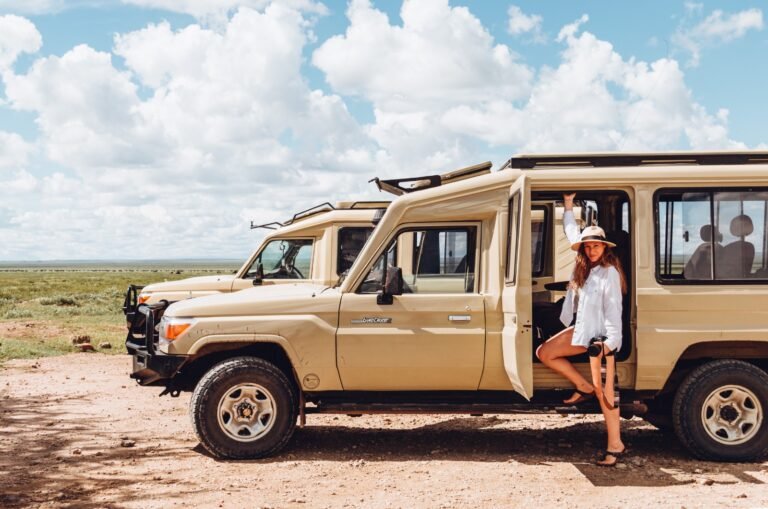
Nov 6, – 3 Day Serengeti And Ngorongoro Budget Group Safari 2026
A detailed look at our November 6, 2026 group departure for a 3-day Serengeti and Ngorongoro safari, including planning tips and route logistics.
View package detailsBudget Fly-In Safari From Zanzibar: Best Packages & Prices 2026-2027
Discover how to plan a budget-friendly fly-in safari from Zanzibar to Tanzania's top parks without sacrificing the quality of your wildlife experience.
View package detailsFly From Arusha To Serengeti For A 2-Day Safari: Understanding Flight Costs
Discover how to budget and plan a fast-paced 2-day safari to the Serengeti, starting from Arusha. We break down flight costs, transfer options, and what to expect from a short, focused trip.
View package detailsAfcon Private Serengeti Safari With Lodges
AFCON 2027 Private Serengeti Safari with Lodges.
View package detailsNo related package matches those filters. Clear one or more filters to see the other topic-matched options.