
For travelers seeking a budget safari in Tanzania without camping, the primary options involve staying in lodges, guesthouses, or budget-friendly hotels located either inside or just outside national parks. You can also opt for permanent tented camps which offer more comfort and amenities than traditional camping. These choices allow for a more relaxed and comfortable experience while still keeping costs down for your 2026-2027 adventure, focusing on shared safari vehicles and carefully selected accommodations rather than sacrificing comfort for price.
Understanding Budget Safaris Without Camping
The idea of a “budget safari” often conjures images of pitching tents under the stars, listening to the sounds of the wild from a thin canvas wall. While this is a classic safari experience and certainly one of the most economical, it’s not for everyone. Many travelers want to experience Tanzania’s incredible wildlife without the direct involvement of setting up camp, sleeping on the ground, or dealing with shared basic facilities. This is where the question of a budget safari but not camping truly comes into play. It’s about finding that sweet spot between affordability and comfort, a way to explore the wonders of the Serengeti, Ngorongoro Crater, and other impressive locations without the ruggedness of traditional camping.
For your 2026-2027 travel plans, this means looking at accommodation alternatives that offer a more permanent structure or established facilities. It’s crucial to understand what “budget” means in this context. While camping is typically the absolute cheapest, non-camping options can still be very cost-effective if planned strategically. This usually involves a combination of factors: opting for shared safari vehicles, choosing accommodations that are good value for money (not necessarily luxury, but clean, comfortable, and well-located), and potentially travelling during shoulder seasons. The goal is to get you into the heart of the action, close to wildlife, without breaking the bank or compromising on a decent night’s sleep.
When you’re looking for a budget safari without camping, you’re essentially prioritizing a comfortable bed, a private or semi-private bathroom, and protection from the elements that goes beyond a tent. This might mean a room in a lodge, a comfortable cabin, or a spacious tent with proper beds and en-suite facilities. It’s about enjoying the safari experience fully, from dawn game drives to evenings reflecting on the day’s sightings, all while knowing you have a comfortable base to return to. We’ll explore the specific types of accommodations that fit this description, how they impact your budget, and how to best plan your trip for 2026 or 2027 to maximize value and minimize hassle.
### What “Budget” Really Means for Non-Camping Safaris
It’s important to set realistic expectations about what a budget safari without camping entails. The biggest cost driver on any safari is accommodation and transportation. Camping is cheapest because it eliminates the need for fixed structures, often uses basic catering, and requires less staff per guest. When you move away from camping, you’re opting for more established facilities, which inherently carry a higher operational cost. Therefore, a “budget” non-camping safari will always be more expensive than a budget camping safari. However, “budget” in this context means significantly less than luxury safari lodges or exclusive tented camps. It focuses on value.
This value is typically found in:
* Shared Services: Opting for group departures or shared safari vehicles significantly reduces per-person costs for transport and guiding. This is a cornerstone of budget safari planning.
* Mid-Range Accommodations: Instead of five-star luxury, you’ll look at lodges or tented camps that offer clean, comfortable rooms, good service, and essential amenities without the high-end frills. Think 3-star quality or comfortable 4-star without the premium branding.
* Strategic Location: Sometimes, staying in lodges or guesthouses just outside the park gates can be more affordable than those inside prime wildlife areas, though this might add a small amount of travel time to your game drives.
* Package Deals: Tour operators often negotiate rates with lodges and can bundle transport, accommodation, park fees, and guiding into a package that offers better value than booking each component separately.
Understanding these trade-offs is key. A budget safari without camping is achievable and highly rewarding, but it requires smart choices about where you stay and how you travel.
### Why Avoid Camping?
While camping offers an authentic and economical safari experience, there are several valid reasons why travelers might prefer not to camp, even on a budget:
* Comfort and Convenience: A desire for a comfortable bed, a private bathroom, and a solid roof over one’s head is paramount for many. After a long day of game drives, returning to a proper room is often preferred.
* Temperature Control: Tents can get very cold at night in some regions or seasons, or uncomfortably warm. Lodges and permanent tented camps often have better insulation and sometimes even fans or heating.
* Security and Peace of Mind: Some travelers feel more secure in a permanent structure, especially if they are concerned about wildlife encounters near their accommodation.
* Limited Mobility: For travelers with mobility issues, navigating the often uneven terrain around campsites or managing the physical demands of camping can be challenging.
* Travel Style: Some people simply prefer a more comfortable travel style and don’t wish to rough it, even if it means a slightly higher budget. The focus is on enjoying the wildlife and landscapes without the added physical effort of camping.
Recognizing these preferences allows us to tailor safari experiences that meet specific needs, ensuring that a budget safari without camping is a viable and enjoyable option for a wide range of travelers planning for 2026-2027.
Lodge and Hotel-Based Safaris
When you opt for a budget safari without camping, lodge and hotel-based options are your most direct alternative. These accommodations range from simple, clean guesthouses to more established mid-range lodges. The key is that they offer solid walls, a proper roof, and private facilities, providing a significant step up in comfort from a tent.
### What to Expect from Budget Lodges and Hotels
Budget-friendly lodges and hotels on safari in Tanzania are designed to offer essential comfort and convenience at a reasonable price. They are not typically the sprawling, ultra-luxury resorts you might see advertised, but they serve their purpose excellently for travelers focused on wildlife viewing.
* Room Amenities: Expect a comfortable bed, clean linens, a private en-suite bathroom with a shower and toilet, and basic furnishings. Some may offer mosquito nets, fans, and a small seating area. Electricity is usually available, though sometimes it’s only for limited hours.
* Dining: Most lodges and hotels will have an on-site restaurant serving meals, often buffet-style. The food is generally wholesome and aims to cater to international tastes, though local influences are common. Breakfast, lunch, and dinner are usually included in safari packages.
* Common Areas: There will typically be a lounge or dining area where guests can relax. Some might have a small bar or a garden.
* Location: Budget lodges and hotels can be found both inside and just outside national park boundaries. Those inside parks offer immediate access to game drives. Those outside might be a short drive away but can sometimes be more affordable or offer different views.
### Types of Lodge/Hotel Accommodations
* Park-Gate Hotels/Guesthouses: These are often the most budget-friendly permanent structures. Located in towns or villages near park entrances (like Arusha, Karatu, or near the Serengeti gates), they offer a comfortable base before and after your safari drives. Some might be simple but clean guesthouses, while others are more established hotels.
* In-Park Budget Lodges: Within some national parks, particularly larger ones like the Serengeti or Tarangire, there are older, more basic lodges. These are often simpler in design and amenities compared to high-end lodges but provide unparalleled access to wildlife. They are a great choice for a budget safari without camping if you prioritize location.
* Community-Owned Lodges: Some lodges are run by local communities or conservation initiatives. These can offer a very authentic experience and good value, with profits often reinvested into local projects. They might be simpler in their offerings but are a responsible choice.
### Trade-offs of Lodge/Hotel Stays
While lodges and hotels offer comfort, there are considerations when choosing them for a budget safari without camping:
* Cost: Even budget lodges are more expensive than camping. The cost difference can be significant, so it’s important to factor this into your overall budget for 2026-2027.
* Atmosphere: You might miss some of the intimate connection with nature that camping provides. The sounds of the bush are often muffled by walls and windows.
* Wildlife Sightings at Night: While lodges are generally safe, you won’t have the same close proximity to nocturnal wildlife as you might from a tent.
* Limited Flexibility: Unlike camping, where you might be able to set up camp in more remote, unique spots, lodge locations are fixed.
Despite these points, for many, the comfort and ease of a lodge or hotel make it the ideal choice for a budget safari without camping, ensuring a restful night before another day of adventure. For planning your 2026-2027 trip, discussing these options with your tour operator is key to finding the right balance.
Permanent Tented Camps: The Best of Both Worlds
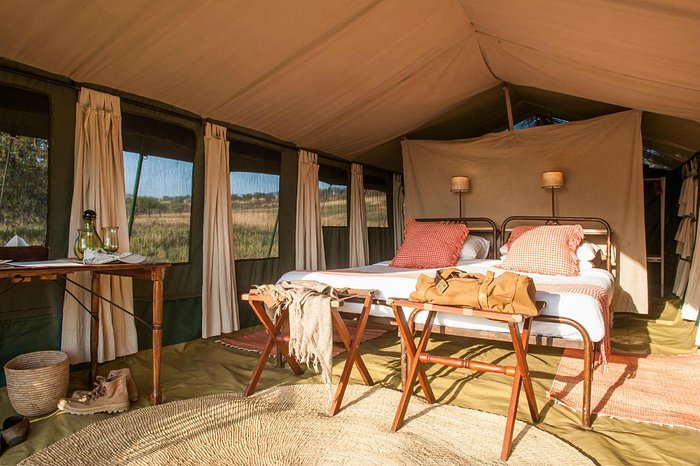
Permanent tented camps, sometimes called fixed tented camps or semi-permanent camps, represent a fantastic middle ground for those seeking a budget safari without camping but still wanting a close connection to the wilderness. These aren’t the pop-up tents you’d pitch yourself; they are established camps with canvas-walled tents that are set up on permanent bases, often with wooden floors, and usually feature en-suite bathrooms.
### What Defines a Permanent Tented Camp?
These camps offer a distinct safari experience that bridges the gap between basic camping and full-blown lodges:
* Spacious Tents: The tents themselves are typically large and airy, providing ample standing room and space for luggage. They are equipped with comfortable beds, often proper mattresses and linens, bedside tables, and storage solutions.
* En-suite Facilities: This is a major advantage. Most permanent tented camps feature attached bathrooms with flushing toilets and hot showers. This is a significant comfort upgrade from bush toilets and shared shower blocks.
* Permanent Structures: The tents are usually erected on raised wooden platforms, providing a stable floor and better insulation from the ground. This also helps keep insects out.
* Atmosphere: You still get the wonderful sensation of being close to nature – you can hear the sounds of the bush, feel the breeze, and often have your own private verandah. Yet, you have the security and comfort of a robust structure.
### Budget Considerations for Tented Camps
Permanent tented camps can be a surprisingly good value, fitting well into a budget safari without camping strategy, especially when compared to high-end lodges. They tend to be less expensive than stone-built lodges because their infrastructure is less permanent and requires less extensive construction. However, they are generally more expensive than basic camping.
* Value for Money: They offer a highly authentic safari feel with significant comfort. For many, the experience of sleeping in a well-appointed tent under the stars, with the sounds of the wild just outside, is unparalleled.
* Inclusions: Like lodges, they usually operate on a full-board basis, with meals and often local drinks included in safari packages.
* Location: Many permanent tented camps are strategically located in prime wildlife areas, sometimes even in exclusive-use concessions, offering excellent game viewing opportunities right from your doorstep.
### Who Are Permanent Tented Camps Best For?
This accommodation style is ideal for:
* Travelers who want a very authentic safari experience but require more comfort than traditional camping.
* Those who appreciate the sounds and ambiance of the bush but prefer not to deal with the logistics of setting up and breaking down camp.
* Couples or honeymooners seeking a romantic and close-to-nature experience.
* Anyone looking for a good balance between cost, comfort, and immersion for their 2026-2027 safari.
When planning your budget safari without camping, discussing the option of permanent tented camps with your tour operator is highly recommended. They can help identify camps that offer the best value and fit your specific comfort requirements. For 2026-2027 travel, booking in advance for these popular camps is often advised.
How to Reduce Costs on a Budget Safari Without Camping
Achieving a budget safari without camping is definitely possible by making smart choices across several key areas. It’s not just about picking the cheapest lodge; it’s about optimizing your entire safari experience to maximize value for money. Here’s how you can keep costs down for your 2026-2027 adventure:
### 1. Travel in Shared Safari Vehicles
This is arguably the single most effective way to reduce costs on a non-camping safari. Instead of hiring a private vehicle and guide for the duration of your trip, you join a small group of other travelers. This splits the cost of the vehicle, fuel, and guide’s salary among several people. For a budget safari without camping, shared departures are essential.
* Group Departures: Many tour operators offer scheduled group departures on set dates. These are ideal for solo travelers or couples looking to save money. You’ll join a vehicle with perhaps 4-6 other guests.
* Pros: Significantly lowers the per-person cost.
* Cons: Less flexibility in terms of itinerary and pace. You have to adhere to the group’s schedule and decisions about where to spend time. However, for budget-conscious travelers, the savings are substantial.
### 2. Choose Shoulder or Low Seasons
Safari prices fluctuate significantly based on the time of year. While peak seasons (like the dry season, June to October, and the Great Migration river crossings, typically July-August) offer the best wildlife viewing conditions, they also command the highest prices for accommodation and services.
* Shoulder Seasons: The months just before or after the peak season (e.g., May, November, early December) often offer a good balance. You’ll find fewer crowds, potentially lower prices, and still excellent wildlife viewing, especially in certain parks.
* Low Season: The rainy season (typically April to May) sees the lowest prices. While game viewing can be more challenging due to vegetation and rain, it’s often lush and beautiful, with great birdlife. Many animals remain visible, and the experience can be incredibly rewarding and very budget-friendly.
* Consider Your Priorities: For a budget safari without camping in 2026 or 2027, travelling outside the absolute peak months can make a big difference to your overall expenditure.
### 3. Select Value-for-Money Accommodations
As discussed, opting for budget lodges, guesthouses, or permanent tented camps over luxury resorts is crucial. When researching or discussing options with your operator, look for:
* Mid-range Lodges: Aim for 3-star or comfortable 4-star properties that are well-reviewed for cleanliness, service, and location.
* Permanent Tented Camps: These often provide an authentic experience at a better price point than solid-walled lodges.
* Consider Location vs. Price: Sometimes, a lodge just outside a park might be cheaper, but factor in the extra travel time and fuel costs if it’s not included in your package. Staying inside a park can save time and enhance the experience.
### 4. Shorter Safari Durations
While longer safaris offer more immersion, they also increase costs. If budget is a primary concern for your budget safari without camping, consider a shorter trip, perhaps 5-7 days. This is often enough time to visit 2-3 key parks and see a wide variety of wildlife.
* Focus on Key Parks: For a shorter trip, concentrate on the Northern Circuit parks (Tarangire, Lake Manyara, Ngorongoro Crater, Serengeti) which are logistically easier to combine.
### 5. Book in Advance (Especially for 2026-2027)
While it might seem counterintuitive for budget travel, booking your safari well in advance, especially for popular times or for group departures, can often secure better rates. Tour operators may have early booking discounts, or you can ensure you get a spot on a more affordable shared departure before it fills up.
* Availability: Popular budget-friendly accommodations and group tours for 2026-2027 will fill up quickly. Booking early guarantees your choice and can sometimes lock in current pricing before potential increases.
### 6. Pack Smartly
While not a direct cost saving on the safari package itself, smart packing can prevent unexpected expenses. Ensure you have appropriate clothing, sun protection, insect repellent, and any personal medications. Buying these items in tourist hubs can be expensive. A good packing list is essential for any budget safari without camping.
By combining these strategies, you can craft an incredible and memorable budget safari without camping for your 2026-2027 trip, focusing on the wildlife and landscapes while enjoying comfortable, non-camping accommodation.
Popular Regions for Budget-Friendly Safaris in Tanzania
Tanzania offers a vast array of wildlife destinations, but for those seeking a budget safari without camping, certain regions and circuits are more conducive to cost-effective travel. The Northern Circuit is by far the most popular and logistically efficient for shorter, value-focused safaris. It’s also where most budget-friendly lodges and tented camps are concentrated.
### The Northern Circuit: Serengeti, Ngorongoro, Tarangire & Lake Manyara
This is the classic Tanzanian safari route, renowned for its incredible wildlife density and iconic landscapes. It’s also the most developed in terms of infrastructure, meaning more options for varied accommodation and tour packages, making it ideal for a budget safari without camping.
* Serengeti National Park: Famous for the Great Migration, the Serengeti offers endless plains teeming with wildlife year-round. While luxury options abound, there are also more modest lodges and permanent tented camps that offer excellent value, especially if you opt for shared vehicles.
* Ngorongoro Conservation Area (including the Crater): The Ngorongoro Crater is a UNESCO World Heritage Site and a true natural wonder. It’s a caldera that hosts an astonishing concentration of animals, including the Big Five, in a relatively small area. Accommodation options range from lodges on the crater rim (often pricier) to more affordable options in nearby Karatu town or within the wider conservation area.
* Tarangire National Park: Known for its large elephant herds and iconic baobab trees, Tarangire is often visited as part of a Northern Circuit tour. It offers a good mix of wildlife and landscapes, with several mid-range lodges and tented camps.
* Lake Manyara National Park: Famous for its tree-climbing lions and large troops of baboons, Lake Manyara is a smaller park, often visited for a day trip or a one-night stay. It has a few lodges and tented camps that can fit into a budget itinerary.
Why the Northern Circuit for Budget Non-Camping?
* Accessibility: It’s the most accessible circuit from Kilimanjaro International Airport (JRO) or Arusha, reducing internal travel costs.
* Infrastructure: A well-established network of roads, lodges, and tour operators means more competition and a wider range of price points.
* Variety of Accommodation: You’ll find the most options for budget lodges, mid-range hotels, and permanent tented camps here.
* Shared Safari Options: Group tours are most readily available for the Northern Circuit, making a budget safari without camping very feasible.
### Southern Circuit: Selous (Nyerere) and Ruaha
While typically known for more remote and higher-end experiences, the Southern Circuit can sometimes offer value, though it’s generally less suited for a strict budget safari without camping due to lower infrastructure density and longer travel times.
* Nyerere National Park (formerly Selous Game Reserve): This vast park offers boat safaris on the Rufiji River and walking safaris, in addition to game drives. Accommodation is often more spread out and can lean towards exclusive camps, but there are some lodges that might offer packages. It’s generally less accessible and more expensive to reach than the Northern Circuit.
* Ruaha National Park: Tanzania’s largest national park, Ruaha is known for its wildness and large predator populations. Like Selous, it’s more remote and typically caters to a higher-end market. It’s less ideal for a budget trip focused on non-camping.
When to Consider Southern Circuit for Budget:
If you’re looking for a truly off-the-beaten-path experience and can find package deals, the Southern Circuit might be an option. However, for a first-time visitor or someone prioritizing a budget safari without camping, the Northern Circuit is almost always the more practical and cost-effective choice for 2026-2027.
### Western Circuit: Gombe and Mahale
These parks are famous for chimpanzee trekking and are generally not considered budget safari destinations. They require internal flights and specialized trekking permits, placing them outside the scope of a typical budget safari without camping focused on large game viewing.
For travelers planning their 2026-2027 safari and prioritizing a budget safari without camping, the Northern Circuit remains the undisputed champion. It offers the best combination of iconic wildlife, accessible infrastructure, and a wide range of accommodation options that fit various budgets.
Planning Your 2026-2027 Budget Safari
Planning a successful budget safari without camping for 2026-2027 requires foresight and strategic decision-making. It’s about balancing your desire for comfort with your financial constraints, ensuring you get the most value for your travel investment. Here’s a breakdown of key planning steps:
### 1. Define Your Budget Clearly
Before you start looking at itineraries, establish a firm budget. For a budget safari without camping, consider what this means to you. Are you looking for the absolute cheapest non-camping option, or are you willing to spend a bit more for enhanced comfort or a slightly longer trip? Your budget will guide every subsequent decision, from accommodation type to safari duration.
* Factor in all costs: Remember that your safari package is not the only expense. You’ll need to budget for international flights, visas, travel insurance, vaccinations, tips for guides and staff, personal spending money, and any pre- or post-safari accommodation.
### 2. Choose Your Travel Dates Wisely
As mentioned, timing is critical for budget travel. For 2026-2027, consider these periods:
* Shoulder Seasons (e.g., May, November, early December): Good balance of weather, wildlife, and price.
* Low Season (e.g., April, May): Lowest prices, but be prepared for rain. Wildlife is still present, and the landscapes are lush.
* Avoid Peak Seasons (e.g., June-October, December-March): Unless you are specifically chasing the Great Migration river crossings or have a strong reason, these months will be the most expensive.
### 3. Select the Right Tour Operator
Choosing a reputable tour operator is vital for a budget safari without camping. Look for companies that specialize in Tanzania and have a good track record for value and service. For 2026-2027, it’s wise to start researching and contacting operators early.
* Look for Clarity: A good operator will clearly outline what is included and excluded in their packages. This transparency is crucial for budget planning.
* Ask About Shared Options: Specifically inquire about group departures or shared vehicle options for budget-friendly itineraries.
* Local Knowledge: Operators like Climb 4 Africa, based locally, often have better insights into value accommodations and can negotiate more favorable rates.
### 4. Determine Your Itinerary Scope
Decide how many parks you want to visit and for how long. For a budget safari without camping, it’s often more cost-effective to focus on a few key parks within one circuit rather than trying to cover too much ground.
* Northern Circuit Focus: A common and excellent budget itinerary might include:
* Day 1: Arrive in Arusha, overnight.
* Day 2: Drive to Tarangire National Park, game drive, overnight in a budget lodge/tented camp.
* Day 3: Morning game drive in Tarangire, drive to Karatu/Ngorongoro area, overnight.
* Day 4: Full day Ngorongoro Crater tour, overnight in Karatu.
* Day 5: Drive to Serengeti National Park, afternoon game drive, overnight in a permanent tented camp.
* Day 6: Full day game drive in Serengeti.
* Day 7: Morning game drive, fly from Serengeti airstrip to Arusha or Kilimanjaro Airport.
This 7-day itinerary provides a solid introduction to Tanzania’s highlights without being overly expensive or rushed. For 2026-2027, this kind of structure is popular for budget-conscious travelers.
### 5. Understand Inclusions and Exclusions
This is where many budget surprises can occur. A comprehensive safari package for a budget safari without camping should typically include:
* Airport transfers
* Accommodation as specified
* All meals during the safari (breakfast, lunch, dinner)
* Park entrance fees
* Crater service fees (for Ngorongoro)
* A 4×4 safari vehicle with a professional English-speaking driver-guide
* Water during game drives
Exclusions to watch out for:
* International flights
* Visa fees
* Travel insurance
* Drinks (alcoholic and some non-alcoholic)
* Tips for guides and lodge staff
* Optional activities (e.g., hot air balloon safaris)
* Laundry services
Always clarify these points with your tour operator when planning for 2026-2027.
### 6. Prepare for Your Trip
Once booked, focus on preparation:
* Visas: Check requirements for your nationality.
* Vaccinations and Health: Consult your doctor for recommended vaccinations and malaria prophylaxis.
* Travel Insurance: Essential for any trip, especially safaris.
* Packing: Pack light, neutral-colored clothing, sturdy walking shoes, a hat, sunscreen, insect repellent, binoculars, and a camera.
By following these planning steps, you can ensure your budget safari without camping in 2026-2027 is well-organized, enjoyable, and stays within your financial limits.
Booking Your Ideal Safari
Securing your budget safari without camping for 2026-2027 is the final, crucial step. It’s about making an informed decision and ensuring you’ve chosen the right partner for your adventure. Given the desire for a budget-friendly, non-camping experience, the process involves careful selection of both your itinerary and your tour operator.
### Choosing the Right Tour Operator
For a budget safari without camping, working with an experienced operator that understands value is key. Operators with a strong local presence often have better insights into affordable yet comfortable accommodations and can negotiate more favorable rates. They can also provide real-time updates on park conditions and availability for 2026-2027.
* Local Expertise: Companies like Climb 4 Africa, deeply rooted in Tanzania, excel at crafting itineraries that maximize your experience while minimizing costs. They know the best value lodges, the most reliable guides, and the most efficient routes.
* Customization: While you might be looking for a budget option, you likely still have specific preferences. A good operator can tailor a package to your needs, whether it’s ensuring a specific type of permanent tented camp or a particular route through the Serengeti.
* Transparency: Ensure the operator provides a detailed quote clearly listing all inclusions and exclusions. This prevents surprises and helps you compare offers accurately.
### What to Discuss When Booking
When you reach out to book your budget safari without camping, be prepared to discuss:
* Your Exact Budget: Be upfront about your financial limits. This helps the operator suggest the most suitable options.
* Travel Dates: Specify your preferred travel period for 2026-2027, keeping in mind seasonal price variations.
* Accommodation Preferences: Clarify your comfort level. Do you prefer a budget lodge, a mid-range hotel, or a permanent tented camp?
* Group Size: Are you comfortable with a shared vehicle, or are you a small group looking for a private but still budget-conscious experience?
* Must-See Wildlife: While Tanzania offers incredible diversity, some travelers have specific interests (e.g., big cats, large herds).
### The Booking Process with Climb 4 Africa
If you’re considering Climb 4 Africa for your budget safari without camping, the process is designed to be straightforward and personalized:
1. Initial Inquiry: Contact us via WhatsApp at +255 747 477 898 or email at climb4africa@gmail.com. Share your rough ideas, budget, desired travel dates for 2026-2027, and any specific requirements.
2. Itinerary Design: We will work with you to craft a tailored itinerary that fits your budget and preferences, focusing on comfortable, non-camping accommodations like lodges and permanent tented camps.
3. Quotation: You will receive a detailed quotation outlining all costs, inclusions, and exclusions.
4. Confirmation and Deposit: Once you approve the itinerary and quote, a deposit is typically required to secure your bookings, especially for accommodations and park fees.
5. Final Payment: The remaining balance is usually due a few weeks before your safari begins.
6. Pre-Departure Information: We’ll provide you with comprehensive information to help you prepare for your trip, including packing lists and essential tips.
### Why Choose Climb 4 Africa for Your Budget Safari?
As a locally based operator with extensive experience in organizing Kilimanjaro climbs and Tanzania safaris, Climb 4 Africa offers:
* Local Knowledge: We understand the nuances of Tanzania’s parks and the best value accommodations. This expertise is crucial for planning a successful budget safari without camping.
* Competitive Pricing: Our local presence and strong relationships with suppliers allow us to offer competitive rates without compromising on quality.
* Personalized Service: We pride ourselves on offering tailor-made experiences, ensuring your safari is exactly as you envision it, within your budget.
* Practical Support: From the moment you inquire until you return home, we provide dedicated support, making your 2026-2027 adventure smooth and stress-free.
Don’t let the idea of camping deter you from experiencing Tanzania’s magic. A budget safari without camping is entirely achievable with the right planning and the right partner. Reach out to us at climb4africa@gmail.com or WhatsApp +255 747 477 898 to start planning your unforgettable 2026-2027 adventure today. We’re here to help you discover the best of Tanzania comfortably and affordably.”,
“faq_schema”: [
{
“question”: “What are the main accommodation options for a budget safari without camping in Tanzania?”,
“answer”: “The main options for a budget safari without camping in Tanzania include staying in mid-range lodges, guesthouses, budget hotels, and permanent tented camps. These provide more comfort and amenities than traditional camping, such as proper beds and en-suite bathrooms, while still keeping costs down.”
},
{
“question”: “How much more expensive is a non-camping budget safari compared to a camping safari?”,
“answer”: “A non-camping budget safari will generally be more expensive than a camping safari because of the higher operational costs of lodges and permanent tented camps. However, the difference can be managed by opting for shared vehicles, choosing shoulder seasons, and selecting value-for-money accommodations.”
},
{
“question”: “Can I do a budget safari in the Serengeti without camping?”,
“answer”: “Yes, it is possible to do a budget safari in the Serengeti without camping. You can opt for permanent tented camps or more basic lodges within or near the park. Choosing shared safari vehicles and traveling in the shoulder season will help keep costs down for your 2026-2027 trip.”
},
{
“question”: “What are the best months for a budget safari in Tanzania if I want to avoid camping?”,
“answer”: “For a budget safari without camping, consider the shoulder seasons (May, November, early December) or the low season (April, May). These periods often have lower prices for accommodation and fewer crowds, while still offering excellent wildlife viewing opportunities for your 2026-2027 travels.”
},
{
“question”: “Is it better to stay inside or outside national parks for a budget non-camping safari?”,
“answer”: “Staying inside national parks offers immediate access to game drives and maximizes wildlife viewing time. However, accommodations inside parks can sometimes be more expensive. Lodges or hotels just outside the park gates might be more affordable but require additional travel time to reach the park entrance and start game drives.”
},
{
“question”: “What is a permanent tented camp?”,
“answer”: “A permanent tented camp consists of spacious, canvas-walled tents set up on permanent platforms, usually with wooden floors. They typically include comfortable beds and private en-suite bathrooms with flushing toilets and hot showers, offering a blend of authentic safari ambiance and essential comforts.”
}
]
}
“`
Check Availability for I Want A Budget Safari But Not Camping, What Options Are Available?…
Ready to compare dates, prices, and the best option for your group? Send the package name and travel month so the team can reply with a clear quote, availability, and what is included.
Affordable African Safari Packages: Your Guide To Budget-Friendly Tanzania
Discover how to plan and book affordable African safari packages for 2026-2027. This guide provides practical advice on choosing budget-friendly Tanzania tours, understanding costs, and...
View package details
African Safari Cost: Budget, Mid-Range And Luxury Prices Guide
Planning an African safari involves understanding the diverse cost structures. This guide breaks down budget, mid-range, and luxury safari prices for 2026-2027, detailing what influences...
View package details
Budget Tanzania Safari Packages 2026-2027
Budget Tanzania Safari Packages is explained with current 2026-2027 planning, price, itinerary and booking information.
View package details
What Is Included In An African Safari Package? A Complete Guide For 2026-2027
Demystifying African safari packages. This guide details what you can expect to be included, from essential logistics like accommodation and transport to crucial elements like park fees and...
View package details
What Animals Can You See On An African Safari? Your Ultimate Wildlife Guide
Planning an African safari and wondering which animals you'll encounter? This comprehensive guide details the wildlife you can expect to see, from iconic mammals to elusive birds, across...
View package detailsWhat Is The Cheapest African Country For Safari? 2026-2027
What Is the Cheapest African Country for Safari? is explained with current 2026-2027 planning, price, itinerary and booking information.
View package details
Are African Safari Prices Per Person Or Vehicle? Understanding Tanzania Costs
African safari costs can be confusing. This guide clarifies whether prices are quoted per person or per vehicle, detailing factors that influence your 2026-2027 safari budget in Tanzania.
View package details
How Far In Advance Should You Book An African Safari? 2026-2027
How Far in Advance Should You Book an African Safari? is explained with current 2026-2027 planning, price, itinerary and booking information.
View package details
Kenya Safari Tours & Holiday Packages 2026-2027
Kenya Safari Tours & Holiday Packages is explained with current 2026-2027 planning, price, itinerary and booking information.
View package detailsSolo African Safari Tours: Your Ultimate Guide For 2026-2027
start an incredible solo African safari adventure. This comprehensive guide covers everything you need to know for planning a safe, rewarding, and memorable trip in 2026-2027, from choosing...
View package detailsSafari From Zanzibar: Best Packages, Prices & Parks For 2026-2027
Combining a Zanzibar beach holiday with a Tanzania safari is a dream for many travelers. This guide details the best safari packages from Zanzibar, covering essential planning, park...
View package detailsIs It Better To Book A Safari Online Or Locally? 2026-2027
Is It Better to Book a Safari Online or Locally? is explained with current 2026-2027 planning, price, itinerary and booking information.
View package detailsNo related package matches those filters. Clear one or more filters to see the other topic-matched options.



