With a budget of $1,200 per person for a Tanzania safari in 2026 or 2027, you can realistically expect a 3 to 5-day shared safari experience, likely focusing on the Northern Circuit parks such as Tarangire, Lake Manyara, and possibly the outer areas of the Serengeti or Ngorongoro Crater. This budget typically covers essential park fees, vehicle hire, a driver-guide, shared accommodation (often in basic tented camps or lodges), and meals. It’s a great entry point to witness Tanzania’s incredible wildlife, but it generally means opting for group tours rather than private ones, and potentially fewer days or more rustic lodging to stay within budget.
With a budget of $1,200 per person for a Tanzania safari in 2026 or 2027, you can realistically expect a 3 to 5-day shared safari experience, likely focusing on the Northern Circuit parks such as Tarangire, Lake Manyara, and possibly the outer areas of the Serengeti or Ngorongoro Crater. This budget typically covers essential park fees, vehicle hire, a driver-guide, shared accommodation (often in basic tented camps or lodges), and meals. It’s a great entry point to witness Tanzania’s incredible wildlife, but it generally means opting for group tours rather than private ones, and potentially fewer days or more rustic lodging to stay within budget.
,200 for a Tanzania safari, what can I get?”>

With a budget of $1,200 per person for a Tanzania safari in 2026 or 2027, you can realistically expect a 3 to 5-day shared safari experience, likely focusing on the Northern Circuit parks such as Tarangire, Lake Manyara, and possibly the outer areas of the Serengeti or Ngorongoro Crater. This budget typically covers essential park fees, vehicle hire, a driver-guide, shared accommodation (often in basic tented camps or lodges), and meals. It’s a great entry point to witness Tanzania’s incredible wildlife, but it generally means opting for group tours rather than private ones, and potentially fewer days or more rustic lodging to stay within budget.
,200 For A Tanzania Safari, What Can I Get? 2026-2027″ loading=”eager” decoding=”async” fetchpriority=”high” srcset=”https://climb-4-africa.com/wp-content/uploads/2026/06/10-Reasons-Why-You-Should-Visit-Tanzania-Africa-1280×747.jpeg 1280w, https://climb-4-africa.com/wp-content/uploads/2026/06/10-Reasons-Why-You-Should-Visit-Tanzania-Africa-640×373.jpeg 640w, https://climb-4-africa.com/wp-content/uploads/2026/06/10-Reasons-Why-You-Should-Visit-Tanzania-Africa-768×448.jpeg 768w, https://climb-4-africa.com/wp-content/uploads/2026/06/10-Reasons-Why-You-Should-Visit-Tanzania-Africa-1536×896.jpeg 1536w, https://climb-4-africa.com/wp-content/uploads/2026/06/10-Reasons-Why-You-Should-Visit-Tanzania-Africa-320×187.jpeg 320w, https://climb-4-africa.com/wp-content/uploads/2026/06/10-Reasons-Why-You-Should-Visit-Tanzania-Africa.jpeg 1920w” sizes=”(max-width: 1200px) 100vw, 1200px” />
With a budget of $1,200 per person for a Tanzania safari in 2026 or 2027, you can realistically expect a 3 to 5-day shared safari experience, likely focusing on the Northern Circuit parks such as Tarangire, Lake Manyara, and possibly the outer areas of the Serengeti or Ngorongoro Crater. This budget typically covers essential park fees, vehicle hire, a driver-guide, shared accommodation (often in basic tented camps or lodges), and meals. It’s a great entry point to witness Tanzania’s incredible wildlife, but it generally means opting for group tours rather than private ones, and potentially fewer days or more rustic lodging to stay within budget.
,200 For A Tanzania Safari, What Can I Get? 2026-2027″ loading=”lazy” decoding=”async” srcset=”https://climb-4-africa.com/wp-content/uploads/2026/06/Are-there-night-safaris-in-Maswa-Game-Reserve.jpg 473w, https://climb-4-africa.com/wp-content/uploads/2026/06/Are-there-night-safaris-in-Maswa-Game-Reserve-320×210.jpg 320w” sizes=”auto, (max-width: 473px) 100vw, 473px” />
What Can I Get for $1,200 on a Tanzania Safari?
A budget of $1,200 per person for a Tanzania safari in the 2026-2027 travel seasons is a solid starting point for experiencing the country’s renowned wildlife. It’s crucial to understand that this budget generally dictates a certain style of travel, primarily focused on value and shared experiences rather than luxury or exclusivity. Here’s a breakdown of what you can typically expect within this price range:
Duration and Scope
For $1,200, a common safari duration will be between 3 to 5 days. This timeframe is ideal for exploring a concentrated area of Tanzania’s famous Northern Circuit. Attempting to cover too much ground in this limited time and budget would likely result in a rushed experience and increased costs. The scope will usually involve visiting one to three parks that are geographically close to each other, minimizing travel time and fuel consumption.
The most likely parks to be included are:
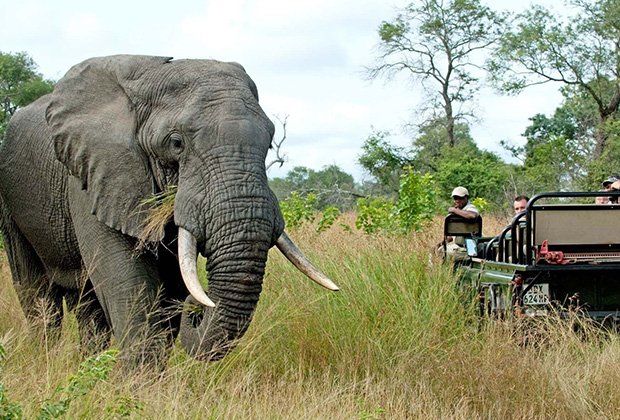
- Tarangire National Park: Known for its large elephant herds and baobab trees.
- Lake Manyara National Park: Famous for its tree-climbing lions (though sightings are not guaranteed) and diverse birdlife.
- Ngorongoro Conservation Area: A UNESCO World Heritage Site offering a high concentration of wildlife in a caldera. Day visits here are common within budget trips.
- Serengeti National Park: While a full Serengeti experience can be costly, budget itineraries might include a brief visit to its southern or central sections, especially if combined with other parks.
It’s important to note that a $1,200 budget is unlikely to cover extensive time in the Serengeti or visits to more remote parks like Ruaha or Selous (now Nyerere National Park) for the full duration, as these often require internal flights or longer drives, increasing costs significantly.
Accommodation Levels
Accommodation is a major cost factor. With a $1,200 budget, you’ll typically be looking at mid-range to budget-friendly options. This usually translates to:
- Tented Camps: These can range from basic canvas tents with shared bathroom facilities to more comfortable en-suite canvas tents. They offer a closer-to-nature experience.
- Budget Lodges: Simple lodges with private rooms and en-suite bathrooms, offering more permanent structures but fewer amenities than mid-range or luxury lodges.
- Shared Accommodation: In some group tours, you might share rooms with other travelers if you are not traveling as a couple or group.
You should expect clean, safe, and comfortable lodging that provides the essentials. Amenities like swimming pools, Wi-Fi, or gourmet dining are less common at this price point, and the focus is on providing a good night’s rest after a day of game drives.
Transportation and Guide
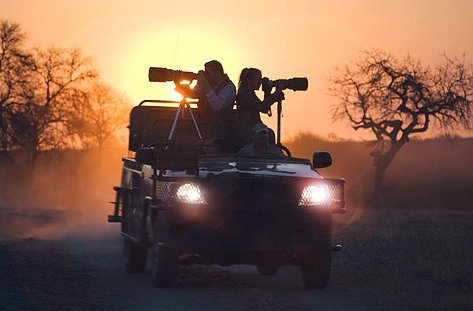
The standard vehicle for safaris in Tanzania is a 4×4 safari vehicle (usually a Land Cruiser or Land Rover) equipped with a pop-up roof for optimal game viewing and photography. For a $1,200 budget, this vehicle will almost certainly be shared with other travelers. This significantly reduces the per-person cost of vehicle hire and fuel. You will have a dedicated driver-guide who is knowledgeable about the wildlife, flora, and fauna of the parks.
The benefit of a shared safari is cost-sharing. The trade-off is less flexibility; you’ll travel on the group’s itinerary and schedule. Private safaris, while offering more freedom, typically start at a higher price point, often $2,000-$3,000+ per person for a similar duration.
Inclusions and Exclusions
A $1,200 safari package generally includes:
- Park entry fees for the specified duration and parks.
- Vehicle hire and fuel for game drives.
- Services of a professional, English-speaking driver-guide.
- Accommodation as described (budget/mid-range tented camps or lodges).
- Meals: Typically full board (breakfast, lunch, and dinner) while on safari.
- Bottled water in the safari vehicle.
Common exclusions at this price point include:
- International flights to and from Tanzania (e.g., Kilimanjaro International Airport – JRO).
- Visa fees.
- Travel insurance.
- Tips for the driver-guide and camp staff.
- Personal expenses (souvenirs, laundry, drinks other than water).
- Optional activities like walking safaris or cultural visits (unless specified).
- Gratuities for lodge/camp staff.
- Lunches and dinners on days before and after the safari itself (if you arrive a day early or depart a day late).
Always confirm exactly what is included and excluded when comparing quotes for a $1,200 Tanzania safari.
Key Decision Factors for a $1,200 Safari
Achieving a Tanzania safari within a $1,200 budget in 2026 or 2027 requires making informed choices. Several factors significantly influence the cost and the experience you’ll have. Understanding these trade-offs is key to planning a fulfilling trip.
Shared vs. Private Tours
This is perhaps the most significant decision impacting your $1,200 budget. A shared safari is almost always necessary to fit this budget. In a shared tour, you’ll join a small group of other travelers in a safari vehicle. This means costs for the vehicle, fuel, and driver-guide are split among all participants.
- Pros of Shared: Significantly more affordable, allowing you to experience Tanzania’s parks within your budget. Offers opportunities to meet fellow travelers.
- Cons of Shared: Less flexibility in itinerary and timing. You’ll need to adhere to the group’s schedule. Limited ability to spend extra time at sightings if others in the group are not interested. Vehicle space might be more limited depending on the group size.
A private safari, where you have your own vehicle and guide, offers maximum flexibility and comfort. However, the cost for a private safari of comparable duration typically starts from $1,800-$2,500 per person and can easily exceed $3,000, especially for longer trips or during peak season. Therefore, for a $1,200 budget, a shared safari is the practical choice.
Park Selection Trade-offs
The parks you choose to visit directly impact costs due to park entry fees and the distance to reach them. For a $1,200 budget:
- Northern Circuit Focus: This is the most common and practical choice. Parks like Tarangire, Lake Manyara, and the Ngorongoro Crater are relatively close to Arusha (the main safari hub), minimizing driving time and fuel costs.
- Ngorongoro Crater Fees: The Ngorongoro Crater has a higher conservation fee per vehicle and per person compared to other parks. A full day spent in the crater can add a significant amount to the total cost. Budget itineraries often include a single day visit.
- Serengeti Access: Getting to the Serengeti involves longer drives or internal flights. For a $1,200 budget, access to the Serengeti will likely be limited to a short drive-through or a day or two in its southern regions, especially if you are on a multi-park itinerary. Full migration experiences or extensive time exploring the vastness of the Serengeti might be out of reach unless you significantly shorten other aspects of the safari or travel in the absolute low season.
- Excluding Certain Parks: To keep costs down, operators might exclude parks with higher daily fees or those that are logistically more complex to reach. For example, a safari focusing solely on Tarangire and Lake Manyara for 3 days would be more budget-friendly than one attempting to cover Tarangire, Lake Manyara, Ngorongoro, and a sliver of the Serengeti.
When considering a $1,200 Tanzania safari, prioritize parks that offer high wildlife density within a reasonable travel radius from Arusha.
Seasonality and Timing
The time of year you travel significantly affects safari prices, especially for accommodation and sometimes vehicle availability. For a $1,200 budget, aiming for the shoulder seasons or the low season is highly recommended for 2026-2027.
- Peak Season (June to October, December to February): Prices are highest due to high demand. Accommodation availability can be limited. Wildlife viewing is excellent, especially during the Great Migration in the Serengeti. Trying to fit a $1,200 budget into peak season will be extremely challenging, likely resulting in very basic accommodation or a much shorter trip.
- Shoulder Seasons (March to May, November): Prices are generally lower than peak season. Accommodation availability is better. March-May can be the start of the long rains, which might affect road conditions and wildlife dispersion, but it also means fewer tourists and lower prices. November offers good weather and fewer crowds. These are prime times to find value for a $1,200 Tanzania safari.
- Low Season (April to May): This is typically the wettest period. While wildlife viewing can still be good, some roads might become challenging, and certain camps may close or offer significant discounts. This is the best time to find deals if you are flexible and don’t mind the possibility of rain.
Booking for 2026 or 2027 with these seasons in mind can help you secure better rates.
Group Size Impact
As mentioned, a $1,200 budget almost certainly means a shared safari. The size of the group matters:
- Smaller Groups (e.g., 4-6 people): More comfortable in the vehicle, easier to get good photo opportunities, and often a more intimate experience.
- Larger Groups (e.g., 7-8 people): Can still be very affordable, but the vehicle might feel more crowded, and getting unobstructed views from the pop-up roof might be trickier.
When inquiring about a $1,200 Tanzania safari, ask about the typical group size for the tour you are considering. Many operators aim for small-group tours to enhance the experience, even on budget options.
Key Takeaway for Your $1,200 Safari
To stay within a $1,200 budget for a Tanzania safari in 2026 or 2027, prioritize shared safaris focusing on the Northern Circuit’s most accessible parks (Tarangire, Lake Manyara, Ngorongoro Crater day visit). Travel during the shoulder or low seasons (November, March-May) and expect budget-friendly or mid-range tented camps/lodges. Always confirm inclusions and exclusions carefully.
Sample Itineraries for a $1,200 Budget
To illustrate what a $1,200 Tanzania safari might look like, here are a few sample itineraries. These are illustrative and can be customized, but they represent the scope and inclusions typically achievable within this budget for 2026-2027 travel.
Option 1: 3-Day Northern Circuit Highlights (Shared)
This is a fast-paced introduction, perfect for those with limited time and budget.
Day 1: Arusha to Tarangire National Park
- Morning: Pick up from your Arusha hotel after breakfast. Meet your driver-guide and fellow travelers.
- Drive to Tarangire National Park (approx. 2-3 hours).
- Full-day game drive in Tarangire, famous for its large elephant herds and baobab trees.
- Late afternoon: Drive to your budget tented camp or lodge near the park.
- Evening: Dinner and overnight.
Accommodation: Budget Tented Camp/Lodge near Tarangire.
Meals: Lunch, Dinner.
Day 2: Tarangire to Lake Manyara National Park & Karatu
- Morning: Breakfast at the camp. Option for a short morning game drive in Tarangire (if time permits and agreed by the group).
- Drive to Lake Manyara National Park (approx. 1-1.5 hours).
- Game drive in Lake Manyara, looking for tree-climbing lions, elephants, and diverse birdlife.
- Afternoon: Exit Lake Manyara and drive to a lodge or camp in the Karatu area, which is near the Ngorongoro Conservation Area.
- Evening: Dinner and overnight.
Accommodation: Budget Lodge/Tented Camp in Karatu.
Meals: Breakfast, Lunch, Dinner.
Day 3: Ngorongoro Crater Excursion & Departure to Arusha
- Early morning: Breakfast and descend into the Ngorongoro Crater for a 4-5 hour game drive. This is a highlight for wildlife viewing, with a high density of animals including the Big Five.
- Late morning/early afternoon: Ascend from the crater and begin the drive back to Arusha (approx. 3-4 hours).
- Arrival in Arusha in the late afternoon. Drop-off at your hotel or the airport.
Meals: Breakfast, Lunch.
Estimated Cost: This 3-day itinerary is often available for around $700 – $950 per person for a shared safari, leaving room for flights and other expenses within your $1,200 budget. If you’re looking for a ~$1,200 package, this duration would allow for slightly better accommodation or include more services.
Option 2: 4-Day Serengeti Focus (Shared)
This itinerary offers a taste of the iconic Serengeti, balancing it with other key parks.
Day 1: Arusha to Serengeti National Park (via Ngorongoro)
- Morning: Pick up from Arusha. Drive towards the Serengeti, stopping at the Ngorongoro Conservation Area viewpoint.
- Continue into the Serengeti National Park, with game viewing en route.
- Afternoon: Game drive within the Serengeti.
- Evening: Drive to a budget tented camp within the Serengeti.
- Dinner and overnight.
Accommodation: Budget Tented Camp in Serengeti.
Meals: Lunch, Dinner.
Day 2: Full Day Serengeti National Park
- Full day dedicated to exploring the vast plains of the Serengeti, searching for predators, plains game, and potentially parts of the Great Migration (depending on the season).
- Picnic lunch in the park.
- Evening: Return to your tented camp.
- Dinner and overnight.
Accommodation: Budget Tented Camp in Serengeti.
Meals: Breakfast, Lunch, Dinner.
Day 3: Serengeti to Ngorongoro Crater Rim
- Morning: Final game drive in the Serengeti as you exit the park.
- Drive towards the Ngorongoro Conservation Area.
- Afternoon: Ascend the crater and check into a lodge or camp on the crater rim or nearby Karatu.
- Evening: Dinner and overnight.
Accommodation: Budget Lodge/Tented Camp near Ngorongoro/Karatu.
Meals: Breakfast, Lunch, Dinner.
Day 4: Ngorongoro Crater & Departure to Arusha
- Early morning: Descend into the Ngorongoro Crater for a 4-5 hour game drive.
- Late morning: Ascend and drive back to Arusha (approx. 3-4 hours).
- Drop-off in Arusha in the late afternoon.
Meals: Breakfast, Lunch.
Estimated Cost: This 4-day itinerary, including Serengeti access, could range from $950 – $1,200 per person for a shared safari. The Serengeti park fees are higher, and the longer distances contribute to the cost. This is at the upper end of your budget, so accommodation will likely be basic, and it will be a shared vehicle.
Option 3: 5-Day Extended Northern Circuit (Shared)
This option allows for a more relaxed pace and includes Tarangire, Lake Manyara, and Ngorongoro with more time for exploration.
Day 1: Arusha to Tarangire National Park
- Pick up from Arusha. Drive to Tarangire National Park.
- Full-day game drive in Tarangire.
- Overnight at a budget tented camp/lodge near Tarangire.
Accommodation: Budget Tented Camp/Lodge near Tarangire.
Meals: Lunch, Dinner.
Day 2: Tarangire to Lake Manyara & Karatu
- Morning: Breakfast. Game drive in Tarangire or drive towards Lake Manyara.
- Game drive in Lake Manyara National Park.
- Afternoon: Drive to Karatu.
- Overnight at a budget lodge/tented camp in Karatu.
Accommodation: Budget Lodge/Tented Camp in Karatu.
Meals: Breakfast, Lunch, Dinner.
Day 3: Ngorongoro Crater Exploration
- Early morning: Descend into the Ngorongoro Crater for a full day of game viewing. Enjoy a picnic lunch on the crater floor.
- Late afternoon: Ascend and return to your lodge/camp in Karatu.
Accommodation: Budget Lodge/Tented Camp in Karatu.
Meals: Breakfast, Lunch, Dinner.
Day 4: Cultural Visit / Optional Activity & Drive to Arusha
- Morning: Depending on the group’s interest and itinerary, you might visit a Maasai village (often an extra cost), explore local markets, or have a relaxed morning.
- Drive back to Arusha (approx. 3-4 hours).
- Overnight in Arusha or transfer to the airport.
Accommodation: Not included, or in Arusha if arranged.
Meals: Breakfast, Lunch.
Day 5: Departure / Optional Day Trip
- This day is often added to allow for buffer time, or for clients who want to add a day trip (e.g., to Materuni waterfalls, or a coffee tour), which would incur additional costs. If you need to depart on Day 5, this day is used for airport transfers.
Estimated Cost: A 5-day itinerary focusing on these parks, within a $1,200 budget, would likely be at the very top end or slightly above, depending on the specific operator and accommodation chosen. This would almost certainly be a shared safari with budget-tier accommodation. It might be more feasible if you book during the low season or find a special offer for 2026-2027.
These itineraries are designed to maximize wildlife viewing within the constraints of a $1,200 budget. They emphasize shared experiences and efficient routing.
Understanding Safari Costs in Tanzania
To fully appreciate what your $1,200 budget for a Tanzania safari in 2026-2027 can achieve, it’s essential to understand the components that make up the total cost. The price you pay is a composite of several key elements:
Park Entry Fees
These are fixed by the Tanzanian government and are a significant portion of any safari cost. Fees are charged per person, per day, and often per vehicle.
- Serengeti National Park: Approximately $70 per person per day.
- Ngorongoro Conservation Area: Approximately $70 per person per day, plus a vehicle fee (around $300 per vehicle for a 24-hour period).
- Tarangire National Park: Approximately $55 per person per day.
- Lake Manyara National Park: Approximately $55 per person per day.
These fees can add up quickly, especially on longer safaris. For a 4-day safari including Serengeti and Ngorongoro, park fees alone can be over $300-$400 per person.
Vehicle and Guide Costs
This includes the hire of a sturdy 4×4 safari vehicle (Land Cruiser or Land Rover), fuel, and the salary of your professional driver-guide. These costs are substantial due to the specialized vehicles, the need for experienced guides, and the distances covered.
- Shared Safaris: Costs are divided among the group, making them significantly more affordable. A shared vehicle might cost around $250-$400 per day split among 6-8 people.
- Private Safaris: The full cost is borne by your party, typically ranging from $400-$600+ per day for the vehicle and guide.
For a $1,200 budget, you will be on a shared vehicle. This is a critical cost-saving measure.
Accommodation Expenses
Lodging costs vary dramatically based on comfort level and location.
- Budget Tented Camps/Lodges: Expect to pay $70 – $150 per person per night. These offer basic amenities but are clean and safe.
- Mid-Range Lodges/Tented Camps: $150 – $250 per person per night. These offer more comfort, better facilities, and sometimes en-suite bathrooms with hot water.
- Luxury Lodges/Camps: $300 – $700+ per person per night. These are typically all-inclusive and offer high-end amenities.
A $1,200 budget for a 4-day safari means roughly $400-$600 allocated to accommodation over 3 nights, pointing towards the budget to lower mid-range category.
Food and Catering
Most safari packages include meals (full board). The cost of preparing and serving these meals, especially in remote locations, is factored into the tour price.
- In Camps/Lodges: Usually buffet-style meals, offering a variety of local and international dishes.
- Picnic Lunches: Provided by your driver-guide for full-day game drives in parks like the Serengeti or Ngorongoro.
The cost of food is generally around $30 – $60 per person per day, depending on the quality and location of the accommodation.
Other Potential Costs
Beyond the core safari package, consider these additional expenses:
- Tips: A significant part of the local economy. Budget around $15-$25 per person per day for your driver-guide and $10-$15 per day for camp/lodge staff.
- Drinks: Bottled water is usually provided, but other soft drinks, beer, and wine are extra.
- Souvenirs: If you plan to buy crafts or gifts.
- Visas: Required for most nationalities entering Tanzania. Check current requirements.
- Flights: International and domestic flights to/from Tanzania.
- Travel Insurance: Essential for any trip.
- Optional Activities: Hot air balloon safaris (very expensive, usually $500+), walking safaris, or cultural visits.
For a $1,200 budget, it’s assumed these extra costs are either covered separately or minimized.
Budget Allocation Example (4-Day Shared Safari @ $1,200 pp)
- Park Fees: $350 – $450
- Vehicle & Guide: $300 – $400 (shared cost)
- Accommodation (3 nights): $250 – $350 (budget/mid-range)
- Meals & Water: $100 – $150
- Operator’s Margin & Overhead: Remaining
This is a simplified breakdown. Actual costs depend on the operator, season, and specific itinerary. Always get a detailed quote.
Maximizing Value on a $1,200 Budget for 2026-2027
Getting the most out of a $1,200 Tanzania safari budget for your 2026 or 2027 trip requires smart planning and a focus on value. Here are practical tips to ensure you have an incredible wildlife experience without overspending.
Traveling in the Shoulder Seasons
As touched upon, timing is everything. The shoulder seasons (November, March to May) and the low season (April to May) offer significant savings. While April and May can be rainy, the landscape is lush and green, birdlife is abundant, and you’ll encounter far fewer tourists. The trade-off for potential rain showers is often worth it for the cost savings and more intimate wildlife viewing.
Tip: If you are flexible with your travel dates for 2026 or 2027, aim for November or the period between March and May. This can make a big difference in securing better accommodation or slightly longer itineraries within your $1,200 budget.
Choosing Budget-Friendly Lodging
Accommodation is a major cost driver. For a $1,200 safari, you’ll be looking at budget tented camps or basic lodges. These are often still located in prime areas with good access to the parks.
- What to Expect: Clean, comfortable tents or rooms with basic amenities. Shared bathrooms are common in the lowest-tier options, but en-suite facilities are usually available even in budget camps. Expect meals to be served in a central dining area.
- What to Avoid: Don’t expect luxury amenities like swimming pools, air conditioning (rarely needed), or gourmet dining. Focus on safety, cleanliness, and a good location.
- Operator’s Role: Reputable operators like Climb 4 Africa work with a network of reliable budget accommodations. They know which ones offer the best value for money and a positive experience.
When discussing your $1,200 Tanzania safari, be clear about your accommodation preferences, but also be open to recommendations for the best value.
Booking Group Safaris
This is non-negotiable for a $1,200 budget. Joining a small-group safari is the most effective way to reduce costs. Tour operators regularly schedule group departures, which allows them to spread the cost of the vehicle, guide, and logistics across multiple travelers.
- How to Find Them: Look for operators that advertise fixed group departure dates or “safari specials.” Many companies offer this on their websites.
- Benefits: Besides cost savings, group safaris can be fun, offering a social aspect to your trip.
- Considerations: Be prepared to share a vehicle and potentially have less flexibility. However, for a $1,200 Tanzania safari, this is the standard and most practical approach.
What to Pack Smartly
While not a direct cost-saving measure for the safari package itself, packing smart can save you money on unexpected purchases and ensure comfort.
- Lightweight, neutral-colored clothing: Avoid bright colors that might startle wildlife.
- Layering: Mornings and evenings can be cool, especially at higher altitudes like Ngorongoro.
- Comfortable walking shoes: Though most safaris are in vehicles, you’ll do some walking at camps.
- Sun protection: Hat, sunglasses, high SPF sunscreen.
- Insect repellent: Especially for evenings.
- Camera with good zoom: Wildlife can be at a distance.
- Binoculars: Essential for spotting distant animals.
- Headlamp or flashlight: Useful in camps.
Tip: Avoid packing too much. Most camps have limited laundry services, and you’ll be moving between locations. Pack light and smart to make your travel easier and potentially save on excess baggage fees.
Planning Your 2026-2027 Safari: Booking Process
Securing your $1,200 Tanzania safari for 2026 or 2027 involves a structured booking process. Understanding these steps will help ensure a smooth experience and confirm that you’re getting the best value for your budget.
Initial Inquiry and Customization
Once you’ve decided on a general itinerary and budget, the next step is to contact a tour operator. For a $1,200 Tanzania safari, clear communication is key.
- Be Specific: State your budget ($1,200 per person), desired dates or travel window, duration (e.g., 4 days/3 nights), number of travelers, and any specific interests (e.g., photography, specific animals).
- Ask About Group Safaris: Explicitly ask for options for shared or group safaris that fit your budget.
- Request a Detailed Itinerary: Ensure the proposed itinerary matches your expectations and clearly lists all inclusions and exclusions.
- Customization: While budget safaris have less flexibility, discuss any must-have inclusions or exclusions. For instance, if you absolutely want a day in the Serengeti, ensure it’s factored in and how it impacts the overall cost.
Example Inquiry: “I am planning a Tanzania safari for two people in November 2026 with a budget of $1,200 per person. We are interested in a 4-day shared safari focusing on the Northern Circuit, ideally including the Serengeti and Ngorongoro. Could you please provide itinerary options and confirm what is included?”
Deposit and Payment Schedule
Tour operators require a deposit to secure your booking, with the balance due closer to the travel date. For safaris booked for 2026 or 2027, expect the following:
- Deposit: Typically 20-30% of the total safari cost. This is used to book accommodations and pay park fees in advance.
- Balance Payment: Usually due 45-60 days before your safari start date.
- Payment Methods: Common methods include bank transfers (wire transfers) or credit card payments (often with a small surcharge for processing fees).
Important: Always confirm the payment schedule and accepted methods. Ensure you receive a booking confirmation and receipt for all payments.
Visa and Travel Documents
Before your safari, ensure you have the necessary documentation:
- Passport: Must be valid for at least six months beyond your intended stay and have at least two blank pages.
- Tanzanian Visa: Many nationalities require a visa to enter Tanzania. You can often apply online in advance or obtain one upon arrival at Kilimanjaro International Airport (JRO). Check the latest visa requirements for your nationality well in advance of your 2026-2027 trip.
- Yellow Fever Certificate: May be required if you are arriving from or transiting through a country with a risk of yellow fever.
Tip: Keep copies of all important documents (passport, visa, flight tickets, safari booking confirmation) separate from the originals.
Health and Vaccinations
Consult your doctor or a travel clinic 4-6 weeks before your trip to discuss recommended vaccinations and malaria precautions.
- Malaria: Tanzania is a malaria-risk area. Antimalarial medication is typically recommended.
- Vaccinations: Routine vaccinations should be up to date. Hepatitis A, Typhoid, and Yellow Fever are often recommended.
- First-Aid Kit: Pack a personal kit with essentials like pain relievers, bandages, antiseptic wipes, and any personal medications.
Your health and safety are paramount for enjoying your $1,200 Tanzania safari.
Why Choose Climb 4 Africa for Your Budget Safari?
When planning a Tanzania safari on a $1,200 budget for 2026 or 2027, selecting the right tour operator is crucial for maximizing value and ensuring a memorable experience. Climb 4 Africa specializes in creating authentic African adventures, balancing affordability with quality service.
- Local Expertise: As a Tanzania-based company, we have deep knowledge of the parks, wildlife, and the logistics involved in running safaris. This allows us to craft efficient itineraries that make the most of your budget.
- Value for Money: We focus on providing excellent value, leveraging our local partnerships to secure competitive rates for accommodation, park fees, and vehicle hire, ensuring your $1,200 budget goes further.
- Shared Safari Specialists: We regularly run small-group safaris, which are ideal for budget travelers. We carefully select our group departures to ensure a positive experience for all participants.
- Tailored Experiences: While operating on a budget, we still aim to tailor experiences where possible. We listen to your interests and preferences to create the best possible safari within your financial constraints.
- Practical Support: From initial inquiry to your departure, our team provides clear, practical advice and support. We help you understand the inclusions, exclusions, and what to expect, so there are no surprises on your $1,200 Tanzania safari.
We understand the intricacies of planning a safari on a budget and are dedicated to helping you achieve your dream African adventure. Whether you’re looking for a short, impactful trip or a slightly longer exploration, we can help craft a $1,200 Tanzania safari package that delivers incredible wildlife encounters.
Ready to plan your 2026-2027 Tanzania safari? Contact us today for a personalized quote and to discuss the best options for your $1,200 budget. Reach us via WhatsApp at +255 747 477 898 or email us at climb4africa@gmail.com.
“,
“faq_schema”: [
{
“question”: “What is the typical duration of a Tanzania safari for $1,200?”,
“answer”: “With a budget of $1,200 per person for a Tanzania safari in 2026-2027, you can typically expect a duration of 3 to 5 days. This timeframe is usually spent exploring one or two key parks within the Northern Circuit.”
},
{
Check Availability for I Have A Budget Of $1,200 For A Tanzania Safari, What Can I Get? 2026-2027
Ready to compare dates, prices, and the best option for your group? Send the package name and travel month so the team can reply with a clear quote, availability, and what is included.
I Have Five Days In Tanzania—What Is The Best Group Safari Route?
I Have Five Days in Tanzania—What Is the Best Group Safari Route?
View package detailsWhat Is The Cheapest Tanzania Group Safari In Nov ?
Finding the most affordable way to experience the Northern Circuit in November 2026 requires understanding seasonal pricing, group dynamics, and route efficiency. Here is how to plan your...
View package detailsWhat Is The Best Budget Group Safari From Dar Es Salaam? ( Guide)
Planning an affordable wildlife adventure starting from Dar es Salaam? This guide breaks down the best budget group safari options, logistics, and how to choose the right itinerary.
View package details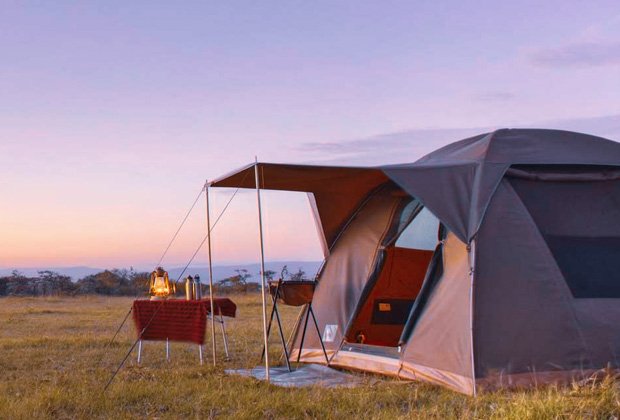
I Am On A Budget—What Is The Cheapest Serengeti Group Safari?
I Am on a Budget—What Is the Cheapest Serengeti Group Safari?
View package detailsNov 12, – 5 Day Tanzania Budget Camping Group Joining Safari 2026
A detailed guide to the November 12, 2026, 5-day budget camping group joining safari in Tanzania, covering route logistics, group dynamics, and planning essentials.
View package details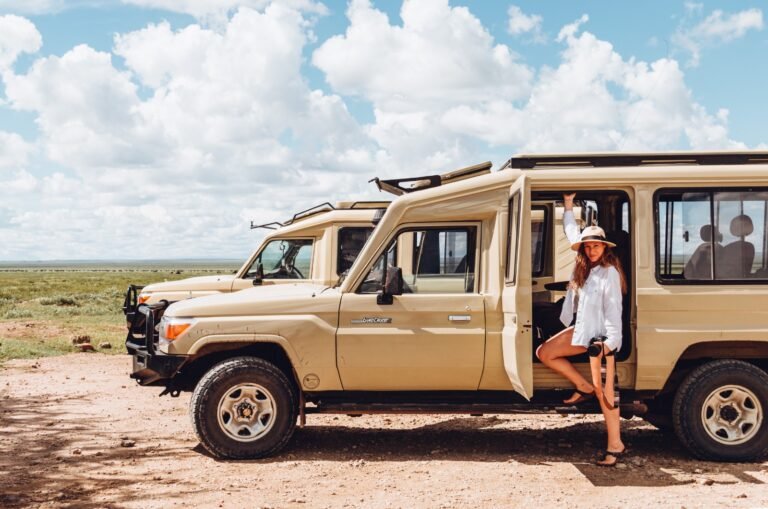
Nov 6, – 3 Day Serengeti And Ngorongoro Budget Group Safari 2026
A detailed look at our November 6, 2026 group departure for a 3-day Serengeti and Ngorongoro safari, including planning tips and route logistics.
View package detailsTen Day Afcon Tanzania Safari And Zanzibar Holiday: Planning Guide
Planning a ten-day trip for AFCON 2027? This guide covers the ideal itinerary, logistics for combining a Northern Circuit safari with a Zanzibar beach holiday, and how to manage your travel...
View package detailsI Want To See The Big Five—Which Tanzania Group Safari Is Best?
A deep look at selecting the right Tanzania group safari to maximize your chances of seeing the Big Five, including logistical planning, route selection, and group joining advice.
View package detailsI Am Visiting Tanzania For Christmas—Which Group Safari Is Available? Guide
Planning a Tanzania safari during the Christmas season requires specific preparation. Learn how group departures work, how to compare route durations, and the practical steps to secure your...
View package detailsCan I Get A Private Room On A Tanzania Group Safari? Planning Guide
A detailed guide for solo travelers on securing private accommodation during group joining safaris in Tanzania, covering logistics, costs, and operator coordination.
View package detailsWhich Group Safari Is Best For Christmas And New Year In Tanzania?
Discover how to navigate the high-demand Christmas and New Year safari season in Tanzania, focusing on group joining logistics, itinerary differences, and essential planning steps for...
View package detailsNo related package matches those filters. Clear one or more filters to see the other topic-matched options.