Yes, you absolutely can combine Kenya and Tanzania for a safari experience within a 10-day timeframe, but it requires very efficient planning and a focused itinerary. This duration means you’ll need to prioritize key wildlife areas in each country, understanding that you won’t be able to explore every major park. Typically, such a trip would involve flying between key locations to save precious travel time, focusing on iconic reserves like the Masai Mara in Kenya and the Serengeti in Tanzania, potentially including the Ngorongoro Crater. The success of a 10-day Kenya and Tanzania safari in 2026 or 2027 hinges on choosing the right parks that offer excellent game viewing and are logistically accessible within your limited window.
Planning Your 10-Day Kenya & Tanzania Safari Combo
The dream of witnessing the Great Migration, encountering the Big Five, and experiencing the vast African savanna is powerful. Many travelers envision combining the iconic landscapes of Kenya with the unparalleled wildlife densities of Tanzania. The question, “Can I combine Kenya and Tanzania safari in 10 days?” is a common one, and the answer is a nuanced yes. It’s not about fitting in every possible park, but about strategically selecting the most rewarding destinations that can be efficiently connected within this tight schedule. For 2026 and 2027 travel, understanding the logistical challenges and making informed choices is paramount.
A 10-day itinerary means roughly 8-9 full days on the ground for actual safari activities, after accounting for international arrival and departure days. This brevity necessitates a fast-paced trip. You’ll likely fly between major destinations rather than driving long distances, which saves significant time but adds to the overall cost. The goal is to maximize your wildlife encounters without feeling overly rushed. This often means focusing on one or two key regions in each country, choosing locations known for their high concentrations of animals and excellent accessibility.
Why Combine Kenya and Tanzania? The Unmatched Wildlife Experience
Kenya and Tanzania are arguably the premier safari destinations in East Africa, each offering unique and complementary wildlife experiences. Kenya is renowned for the Masai Mara National Reserve, a world-famous park that is a vital part of the Serengeti-Mara ecosystem. It’s particularly celebrated for its high lion population and, during migration season (typically July to October), the dramatic river crossings of wildebeest and zebras.
Tanzania, on the other hand, boasts the vast Serengeti National Park, which stretches across a huge area and offers incredible game viewing year-round, regardless of the migration’s exact location. Adjacent to the Serengeti is the Ngorongoro Conservation Area, home to the stunning Ngorongoro Crater, a UNESCO World Heritage site and a caldera that contains an astonishing density of wildlife, including the Big Five, in a relatively small area. Combining these two nations offers a comprehensive taste of East Africa’s most celebrated natural wonders.
The allure of combining Kenya and Tanzania in a 10-day safari lies in the sheer diversity and density of wildlife. You get to experience the rolling plains and iconic acacia trees of the Mara, followed by the expansive, seemingly endless horizons of the Serengeti, and then the unique ecological marvel of the Ngorongoro Crater. For many, this is the ultimate African safari goal, and fitting it into a 10-day window is a challenge many adventurers are eager to undertake, especially for 2026 and 2027 trips.
Understanding the Trade-offs for a 10-Day Combo
The primary trade-off when attempting to combine Kenya and Tanzania in just 10 days is time versus depth. You are trading the opportunity to explore multiple regions within each country for the experience of seeing highlights from both. This means you might spend only 3-4 days in each location, which is enough for a fantastic introduction but not for in-depth exploration of every corner of a park.
Another significant consideration is logistics and cost. Driving between Kenya and Tanzania can take a full day or more, eating into your limited safari time. Therefore, most 10-day itineraries will involve flights between key airports (e.g., Nairobi to the Masai Mara, Masai Mara to Serengeti, Serengeti to Arusha or Kilimanjaro International Airport). These internal flights add considerably to the overall budget compared to a safari focused on a single country or relying solely on road transfers. For 2026-2027 planning, factoring in flight costs is crucial for budgeting.
You also need to be realistic about the pace of travel. While a 10-day safari combining both countries is feasible, it will be more fast-paced than a longer, more leisurely trip. Early morning game drives, travel days between parks, and efficient transfers will be the norm. This is ideal for travelers who want to see as much as possible in a short period and are comfortable with a dynamic schedule.
Possible Itinerary Structures for a 10-Day Kenya & Tanzania Safari
When planning a 10-day Kenya and Tanzania safari, the itinerary must be meticulously crafted to maximize wildlife viewing and minimize travel time. The most common and effective approach involves focusing on the most iconic and accessible areas of each country. Here are a couple of potential structures:
Option 1: The Classic Mara-Serengeti-Ngorongoro Circuit
This is perhaps the most popular and logistically sound way to combine Kenya and Tanzania in 10 days. It leverages flight connections to save time.
- Days 1-3: Masai Mara National Reserve, Kenya
- Arrive in Nairobi (NBO), transfer to Wilson Airport for a short flight to the Masai Mara.
- Spend three full days exploring the Mara, known for its abundant wildlife, including lions, leopards, cheetahs, elephants, and giraffes. If traveling between July and October, you might witness the Great Migration river crossings.
- Activities: Game drives, optional hot air balloon safari, cultural visits to a Maasai village.
- Day 4: Transfer to Serengeti National Park, Tanzania
- Morning flight from Masai Mara airstrip to a Tanzanian airstrip (e.g., Kogatende or Seronera in the Serengeti). This often involves a brief stop at a border control point or a transfer via a hub like Kilimanjaro International Airport (JRO) or Arusha.
- Afternoon game drive in the Serengeti upon arrival.
- Days 5-6: Serengeti National Park, Tanzania
- Two full days exploring the vast Serengeti plains. The exact areas visited might depend on the time of year and the Great Migration’s location. Seronera is excellent for resident wildlife year-round, while Kogatende/Lamai is prime for migration viewing in the northern sector during July-October.
- Activities: Game drives.
- Day 7: Ngorongoro Crater, Tanzania
- Morning game drive in the Serengeti, followed by a flight from Seronera airstrip to Manyara airstrip, or a scenic drive towards the Ngorongoro Conservation Area.
- Descend into the Ngorongoro Crater for an unforgettable afternoon game drive. This caldera is a natural amphitheater teeming with wildlife, offering excellent chances to see the Big Five, including rhinos.
- Day 8: Lake Manyara National Park (Optional) & Transfer to Arusha
- A brief morning game drive in Lake Manyara National Park, famous for its tree-climbing lions and diverse birdlife, or a leisurely morning enjoying the Ngorongoro views.
- Transfer to Arusha (approx. 3-4 hours drive from Ngorongoro).
- Day 9: Arusha & Departure Preparations
- Relax in Arusha, perhaps visit a local market or craft shop.
- Prepare for your departure.
- Day 10: Departure
- Transfer to Kilimanjaro International Airport (JRO) for your international flight home.
This structure is tight but covers the absolute highlights. The key to making it work is efficient flight arrangements and pre-booked accommodations and transfers.
Option 2: Focusing on Kenya’s Mara and Tanzania’s Northern Circuit
This variation slightly adjusts the focus, potentially allowing for a bit more time in fewer locations or a slightly less rushed pace by minimizing internal transfers.
- Days 1-4: Masai Mara National Reserve, Kenya
- Arrive in Nairobi, fly to Masai Mara.
- Four full days to explore the Mara, offering a deeper look at the reserve and its surroundings. This allows for more relaxed game drives and potentially visiting different conservancies bordering the main reserve for a more exclusive experience.
- Day 5: Transfer to Serengeti National Park, Tanzania
- Morning flight from Masai Mara to Serengeti (e.g., Kogatende or Seronera).
- Afternoon game drive.
- Days 6-8: Serengeti National Park, Tanzania
- Three full days in the Serengeti. This provides ample time to explore different regions of this vast park, potentially tracking the migration if it’s in the north, or enjoying the resident wildlife in the central Seronera area.
- Day 9: Ngorongoro Crater / Arusha Transfer
- Morning game drive in Serengeti, then fly to Manyara airstrip.
- Descend into the Ngorongoro Crater for an afternoon game drive.
- Overnight near the crater rim or drive to Arusha for an early start the next day.
- Day 10: Departure
- If you stayed near Ngorongoro, transfer to Arusha and then to JRO for your flight. If you stayed in Arusha, transfer directly to JRO.
This option gives one extra day in the Mara and Serengeti, which can make a noticeable difference in the safari experience. It’s a great choice for 2026-2027 travel if you prioritize depth in these two iconic parks.
Key Considerations for 10-Day Combinations
- Time of Year: The Great Migration dictates optimal viewing locations. For a 10-day trip, timing is crucial. July-October is prime for seeing the migration in the Mara River crossings. December-March often sees the migration in the southern Serengeti for calving season. Outside these times, resident wildlife is abundant in both parks.
- Flight Logistics: Internal flights are essential. Booking these well in advance is vital, especially for 2026 and 2027 travel, as schedules can be limited and seats fill up. Ensure your itinerary accounts for transfer times to and from airstrips.
- Border Crossings: While smooth for most tourists on organized tours, be aware that crossing the Kenya-Tanzania border can add time, especially if driving. Flights bypass most of this, but immigration procedures still apply.
- Pace: These itineraries are fast-paced. If you prefer a more relaxed safari, consider focusing on one country or extending your trip.
Choosing Your Parks: Kenya vs. Tanzania Highlights for a Short Trip
Given the limited 10-day window, selecting the right parks is critical. The goal is to experience the best of both worlds without spending too much time in transit. Here’s a breakdown of prime candidates:
Kenya’s Crown Jewel: Masai Mara National Reserve
The Masai Mara is almost non-negotiable for a Kenyan safari, especially if combining with Tanzania. Its reputation precedes it, and for good reason.
- Why it’s essential:
- Abundant Wildlife: Home to a high density of predators like lions, leopards, and cheetahs, as well as elephants, giraffes, zebras, and numerous antelope species.
- The Great Migration: From July to October, the Mara becomes the stage for one of nature’s most spectacular events – the wildebeest and zebra migration crossing the Mara River. This is a huge draw for visitors in those months.
- Diverse Landscapes: Offers classic savanna scenery with acacia trees, rolling hills, and the life-giving Mara River.
- Accessibility: Relatively easy to access via a short flight from Nairobi, making it efficient for tight schedules.
- What to expect in 10 days: 2-4 days in the Mara provides a solid introduction. You can focus on game drives, perhaps include a hot air balloon safari for a unique perspective, and visit a Maasai village for cultural insight.
Tanzania’s Icons: Serengeti & Ngorongoro
For Tanzania, the Serengeti National Park and the Ngorongoro Crater are the undisputed stars for a short, multi-country trip.
- Serengeti National Park:
- Vastness and Migration: Famous for its immense size and being the primary stage for the Great Migration. Depending on the season, the migration can be found in the northern sector (Kogatende/Lamai), central (Seronera), or southern plains (Ndutu).
- Year-Round Game: Even outside migration season, the Serengeti offers exceptional wildlife viewing due to its large resident populations of predators and herbivores.
- Iconic Scenery: Endless plains that define the classic African safari image.
- Logistics: Accessible via flights from the Masai Mara or from Arusha/Kilimanjaro. Different airstrips serve different regions.
- Ngorongoro Crater:
- Unique Ecosystem: A UNESCO World Heritage site, the crater is a self-contained ecosystem within a volcanic caldera.
- Big Five Hotspot: Offers one of the best chances in Africa to see the Big Five (lion, leopard, elephant, rhino, buffalo) in a single day, due to the high concentration of animals on the crater floor.
- Rhino Sanctuary: It’s one of the few places where you can reliably spot the endangered black rhino.
- Accessibility: Easily combined with the Serengeti, typically accessed via a scenic drive or a short flight to Manyara, followed by a drive to the crater rim.
- What to expect in 10 days: 3-5 days in Tanzania allows for exploration of both the Serengeti and the Ngorongoro Crater. This could involve 2-3 days in the Serengeti and 1-2 days in Ngorongoro.
Alternative Tanzanian Parks (Less Ideal for 10 Days)
While parks like Tarangire (known for elephants and baobab trees) and Lake Manyara (tree-climbing lions) are wonderful, fitting them into a 10-day Kenya-Tanzania combo often means sacrificing time in the Mara, Serengeti, or Ngorongoro. For a short trip, prioritizing the ‘big three’ is usually the most rewarding strategy.
Logistics and Transportation: Making it Work in 10 Days
Efficient logistics are the backbone of any successful short-duration, multi-country safari. For a 10-day Kenya and Tanzania safari, this means prioritizing speed and convenience, which generally points towards air travel for inter-park transfers.
The Role of Internal Flights
Road transfers between Nairobi and the Masai Mara are possible but take several hours. Similarly, driving from the Masai Mara into Tanzania and then to the Serengeti or Ngorongoro would consume at least 2-3 days of your precious 10-day window. This is why flights are indispensable for this type of itinerary.
- Nairobi (Wilson Airport) to Masai Mara: Short, scenic flights (approx. 45-60 minutes) land you directly in the heart of the reserve, saving a full day of travel.
- Masai Mara Airstrips to Serengeti Airstrips: Flights are available, though they might involve a change of aircraft or a brief stop. Common routes connect Mara airstrips (e.g., Keekorok, Ol Kiombo) to Serengeti airstrips (e.g., Kogatende, Seronera). These flights often cross the border and may have immigration procedures.
- Serengeti Airstrips to Manyara/Arusha: Flights from Seronera or other Serengeti airstrips to Manyara airstrip are common for Ngorongoro access. Alternatively, flying directly to Arusha Airport (ARK) or Kilimanjaro International Airport (JRO) from the Serengeti is also an option, especially for your departure.
Booking flights: It’s highly recommended to book these internal flights through your tour operator. They have established relationships with local airlines and can manage the complexities of booking across different countries and parks. Confirm baggage allowances, as light aircraft often have strict weight limits (typically 15-20 kg per person in soft bags).
Border Crossing Considerations
For 2026-2027 travel, border crossings between Kenya and Tanzania are generally smooth for tourists on organized tours. If you are flying, much of the border formality is handled by the airline or ground handlers. If driving, you would typically cross at Namanga. Your tour operator will advise on visa requirements and ensure all necessary documentation is in order.
Visas: Ensure you have the correct visas for both Kenya and Tanzania. Most nationalities can obtain visas on arrival, but it’s best to check the latest requirements for your nationality well in advance of your 2026 or 2027 trip.
Ground Transportation within Parks
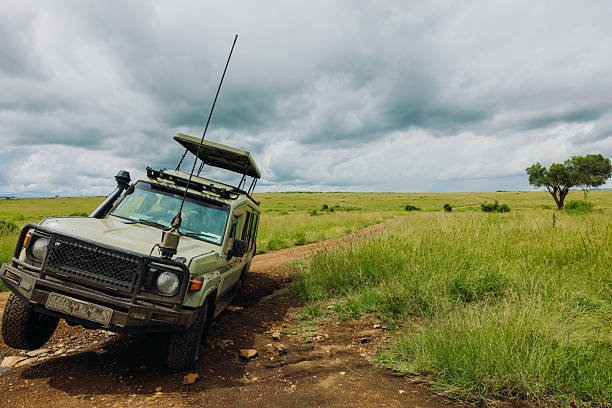
Within the parks, you’ll be using 4×4 safari vehicles, typically open-sided or pop-top for optimal game viewing. These are usually provided by your lodge or tour operator. Drivers are experienced guides who know the parks intimately.
Vehicle Choice: For a 10-day combined safari, a private vehicle offers the most flexibility. You can decide when to stop, where to go (within park rules), and travel at your own pace. Shared vehicles are more budget-friendly but mean you adhere to a group schedule.
Important Note on Travel Time
Even with flights, remember that travel days are not full safari days. Factor in time for check-in, flights, transfers to/from airstrips, and immigration. A travel day between parks can easily consume half a day or more.
Budgeting for a 10-Day Kenya & Tanzania Safari Combo
Combining two countries in 10 days is an exceptional experience, but it comes at a higher price point than a single-country safari. The primary drivers of cost are:
- Internal Flights: As discussed, these are crucial for saving time and are a significant expense.
- Park Fees: Both Kenya and Tanzania have substantial daily park entry fees, which are mandatory.
- Accommodation: Lodges and tented camps range from budget-friendly to ultra-luxury. For a combined safari, mid-range to luxury options are common to ensure comfort and good locations.
- Private Vehicle vs. Shared Vehicle: A private vehicle and guide will be more expensive than sharing.
- Duration: 10 days is a relatively short duration, but the complexity of combining countries increases the per-day cost compared to a longer, single-country trip.
Typical Cost Factors (Estimates for 2026-2027)
It’s impossible to give exact prices without a detailed itinerary, but here’s a general idea of what to expect for a 10-day Kenya and Tanzania safari:
- Budget/Mid-Range: You might be looking at $3,500 – $5,500 per person. This would likely involve more basic but comfortable lodges, potentially some shared vehicle time, and careful flight planning.
- Mid-Range/Comfort: Expect prices between $5,500 – $8,500 per person. This typically includes good quality lodges or tented camps, private vehicles, and most internal flights.
- Luxury/High-End: For premium lodges, exclusive conservancies, and top-tier service, costs can range from $8,500 to $15,000+ per person.
What’s usually included:
- Accommodation during the safari
- All internal flights (as per itinerary)
- Park entrance fees
- Game drives in a 4×4 safari vehicle with a professional guide
- Meals (full board typically)
- Transfers to/from airports
What’s usually excluded:
- International flights
- Visa fees
- Travel insurance
- Gratuities for guides and staff
- Drinks (alcoholic and some soft drinks)
- Optional activities like hot air balloon safaris or cultural visits
- Personal expenses
Getting a Tailored Quote for 2026-2027
To get an accurate budget for your 10-day Kenya and Tanzania safari, it’s best to contact a specialist tour operator. They can craft an itinerary based on your interests, preferred travel style, and budget, providing a detailed quote. When you inquire, be ready to discuss:
- Your preferred travel dates (or time of year)
- Your approximate budget per person
- Your accommodation preferences (e.g., luxury lodges, tented camps, mid-range)
- Any specific interests (e.g., birdwatching, photography, Great Migration)
Contact Climb 4 Africa for a personalized quote and expert advice on planning your dream 10-day combined safari. Reach out via WhatsApp +255 747 477 898 or Email climb4africa@gmail.com.
When is the Best Time to Go for a 10-Day Kenya & Tanzania Safari?
The timing of your 10-day Kenya and Tanzania safari significantly impacts what you’ll see, especially concerning the Great Migration. For 2026 and 2027 travel, consider these periods:
- July to October: The Great Migration in Kenya (Masai Mara)
- This is peak season for witnessing the iconic wildebeest and zebra river crossings in the Masai Mara. If this spectacle is your top priority, aim for these months.
- The Serengeti’s northern sector (Kogatende/Lamai) also hosts the migration during this time, offering excellent viewing opportunities before and after the river crossings.
- Pros: High chance of seeing the migration, excellent predator action.
- Cons: Peak season means higher prices, more crowds, and booking well in advance is essential for 2026-2027. Weather can be cooler and drier.
- December to March: Calving Season in Tanzania (Southern Serengeti/Ndutu)
- The Great Migration moves south into the Serengeti’s Ndutu area (partially in Ngorongoro Conservation Area) for calving season. This period is spectacular for predators, as thousands of newborn wildebeest and zebras become easy prey.
- The Ngorongoro Crater offers excellent game viewing year-round, and this period is no exception.
- Pros: Incredible predator action, lush green landscapes, good chances for seeing baby animals.
- Cons: The migration is not in the Mara, so river crossings are not visible. Can be hot and rainy in March.
- April to May: The “Green Season” / Shoulder Season
- These months are typically the start of the long rains. While game viewing is still good, especially in the Serengeti and Ngorongoro, some lodges might close, and roads can become challenging.
- Pros: Fewer crowds, lower prices, beautiful green scenery, great for birdwatching.
- Cons: Higher chance of rain, some areas might be less accessible, migration is dispersed.
- June & November: Transitional Months
- June sees the migration moving north towards Kenya, and November sees it moving south from Kenya back into Tanzania. These months can offer good viewing as the herds are on the move.
- Pros: Good balance of wildlife viewing, fewer crowds than peak season, and potentially better prices.
- Cons: Migration location can be unpredictable.
For a 10-day trip, maximizing your chances of seeing key events is vital. If the Great Migration river crossings are a must, target July-October. If you prefer predator action and lush scenery, December-March is excellent. For a good balance with fewer crowds and potentially better value, consider June or November, but be prepared for a less predictable migration location.
What to Pack for Your Combined Safari
Packing for a 10-day Kenya and Tanzania safari requires a strategic approach, especially considering the internal flight baggage restrictions. Focus on lightweight, neutral-colored clothing.
- Clothing:
- Lightweight, breathable long-sleeved shirts and trousers (neutral colors like khaki, beige, olive green; avoid bright colors and dark blue/black which can attract insects).
- T-shirts and vests.
- Fleece jacket or warm sweater for cool mornings and evenings.
- A waterproof and windproof jacket.
- Comfortable walking shoes or hiking boots (if planning any walking safaris).
- Sandals or flip-flops for relaxing at the lodge.
- Swimsuit (for lodges with pools).
- Socks (moisture-wicking).
- Essentials:
- Sun hat with a wide brim.
- Sunglasses.
- High SPF sunscreen.
- Insect repellent (with DEET).
- Personal toiletries (biodegradable if possible).
- Basic first-aid kit (band-aids, antiseptic wipes, pain relievers, motion sickness medication, personal prescriptions).
- Camera with extra batteries, memory cards, and a zoom lens.
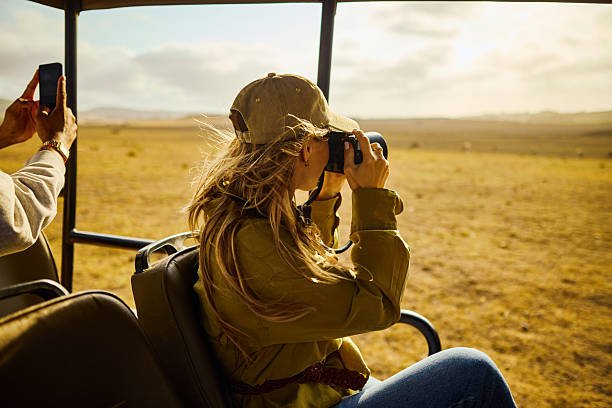
- Binoculars (essential for wildlife viewing!).
- Power bank and universal travel adapter.
- Small backpack or daypack for carrying essentials during game drives.
- Reusable water bottle.
- Hand sanitizer.
- Flashlight or headlamp.
Packing Tips for Flights
Soft-sided duffel bags are mandatory for most internal flights on light aircraft. Hard suitcases are generally not permitted due to space limitations. Ensure your main bag adheres to the weight limit (usually 15-20kg total, including hand luggage).
Wildlife Viewing Expectations: What Can You See?
A 10-day Kenya and Tanzania safari offers a fantastic opportunity to see a wide array of wildlife. The specific animals you encounter will depend on the parks visited, the time of year, and a bit of luck.
The Big Five
The quest for the Big Five (lion, leopard, elephant, rhino, buffalo) is a common goal for safari-goers. In a 10-day combined trip:
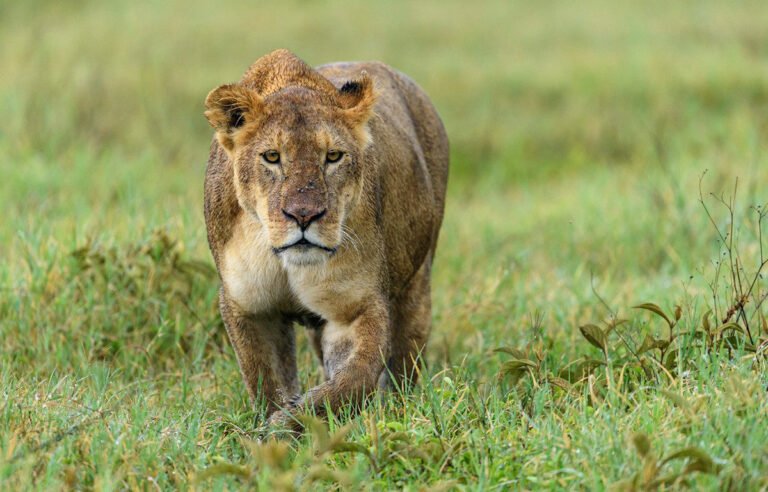
- Lions: Abundant in both the Masai Mara and Serengeti. The Ngorongoro Crater also hosts a healthy population.
- Elephants: Plentiful in the Masai Mara and Serengeti. Tarangire National Park (if you were to include it on a longer trip) is famous for its large elephant herds.
- Buffalo: Common in all major parks.
- Leopards: Elusive but present in the Mara and Serengeti. The Ngorongoro Crater offers some viewing opportunities, though they tend to be shy.
- Rhinos: Black rhinos are critically endangered and rare. The Ngorongoro Crater is one of the best places to see them, as they are protected within the caldera. The Masai Mara and Serengeti have a smaller, more scattered population.
The Great Migration
If your 10-day safari falls between July and October, you have a high chance of witnessing the Great Migration in the Masai Mara and the northern Serengeti. This involves hundreds of thousands of wildebeest and zebras moving across the plains and, crucially, crossing rivers like the Mara and Talek. This is a truly awe-inspiring natural phenomenon.
Other Wildlife Highlights
Beyond the Big Five and the Migration, expect to see:
- Cheetahs: Often seen on the open plains of the Mara and Serengeti, known for their incredible speed.
- Giraffes: Numerous in all parks, with different subspecies visible in Kenya and Tanzania.
- Zebras: Vast numbers, especially during the migration.
- Various Antelope Species: Thomson’s gazelles, Grant’s gazelles, impalas, topi, hartebeest, eland, etc.
- Primates: While not the primary focus, you might see baboons and various monkey species.
- Birdlife: East Africa is a birdwatcher’s paradise, with hundreds of species of resident and migratory birds.
For 2026-2027 trips, the timing of the migration is key to maximizing sightings of these animals. A good guide will know where the herds are likely to be and optimize your game drives accordingly.
Choosing Your Accommodation Style
Accommodation plays a significant role in the safari experience. For a 10-day Kenya and Tanzania safari, you’ll find a range of options, from comfortable lodges to luxurious tented camps.
- Tented Camps:
- These range from basic canvas tents to opulent “glamping” experiences with en-suite bathrooms, comfortable beds, and private verandas.
- They offer a more intimate connection with nature, often located in prime wildlife areas.
- Pros: in-depth experience, often closer to wildlife, can be very romantic.
- Cons: Can be more susceptible to weather, may have fewer amenities than lodges, potential for noise from wildlife at night.
- Lodges:
- Permanent structures offering more conventional hotel-like amenities. They can range from rustic to extremely luxurious.
- Often situated with stunning views or within easy reach of park attractions.
- Pros: More robust against weather, often have more facilities (pools, restaurants, bars), generally more soundproof.
- Cons: Can feel less wild and in-depth than tented camps.
- Conservancy vs. National Park Lodges:
- Lodges and camps within private conservancies (often bordering national parks) can offer exclusive experiences, such as night game drives and walking safaris, which are typically prohibited in national parks. This can be a significant advantage for a short trip.
- National park accommodations are within the park boundaries, offering convenience but adhering to stricter park rules.
For a 10-day combined safari, a mix of tented camps and lodges can provide a varied and enriching experience. Consider your comfort level and desire for immersion when making choices. For 2026-2027 bookings, popular and well-located accommodations get booked up quickly, especially during peak migration seasons.
Is a 10-Day Kenya and Tanzania Safari Right for You?
Deciding whether a 10-day Kenya and Tanzania safari fits your travel style is crucial. It’s an incredible adventure, but it’s not for everyone.
Who is this trip best suited for?
- First-time East Africa visitors who want to experience the absolute highlights of both countries.
- Travelers with limited time who want to maximize their wildlife encounters in a short period.
- Those comfortable with a fast pace and efficient travel logistics.
- Adventurous travelers who prioritize seeing iconic wildlife and landscapes over deep exploration of a single region.
- Couples and families with older children who are adaptable and energetic.
Who might prefer a different approach?
- Travelers seeking a relaxed pace with ample time to soak in the atmosphere of each location.
- Those who prefer to focus on one country to explore it more in-depth, perhaps visiting multiple parks within Kenya or Tanzania.
- Budget travelers who may find the added cost of flights and cross-border logistics prohibitive.
- Travelers with very young children who might find the pace and frequent transfers challenging.
If the idea of experiencing the best of both Kenya and Tanzania within a limited timeframe excites you, and you’re prepared for an efficient, action-packed adventure, then this 10-day combo is an excellent choice for your 2026 or 2027 safari.
Booking Your 10-Day Combined Safari with Climb 4 Africa
Planning a complex itinerary like a 10-day Kenya and Tanzania safari requires expertise to ensure it runs smoothly. Working with an experienced tour operator like Climb 4 Africa is highly recommended to handle the intricate logistics, flight bookings, park permits, and ground arrangements.
Climb 4 Africa specializes in creating tailor-made African travel experiences, with a deep understanding of both Kenyan and Tanzanian wildlife circuits. We can help you:
- Design an optimized 10-day itinerary that balances iconic sights with efficient travel.
- Secure the best accommodations and internal flights for your chosen dates in 2026 or 2027.
- Provide expert advice on the best time to travel based on your priorities (e.g., migration, specific wildlife).
- Manage all ground arrangements, ensuring smooth transfers and knowledgeable guides.
- Offer clear, transparent pricing and inclusions.
To start planning your unforgettable 10-day combined Kenya and Tanzania safari, please get in touch. We can discuss your interests, budget, and preferred travel dates to craft a personalized itinerary. Let us handle the details so you can focus on the incredible wildlife encounters awaiting you.
Contact us today:
- WhatsApp: +255 747 477 898
- Email: climb4africa@gmail.com
- Website: Climb 4 Africa
We look forward to helping you create your dream East African safari adventure for 2026 or 2027!
“,
“faq_schema”: [
{
“question”: “Is 10 days enough to combine Kenya and Tanzania for a safari?”,
“answer”: “Yes, 10 days is sufficient to combine key highlights of Kenya and Tanzania for a safari, but it requires careful planning and prioritization. You’ll typically focus on iconic areas like the Masai Mara in Kenya and the Serengeti/Ngorongoro Crater in Tanzania, often utilizing internal flights to save time. This duration means a faster pace and less time in each location compared to longer trips.”
},
{
“question”: “What are the most important parks to visit on a 10-day Kenya & Tanzania safari?”,
“answer”: “For a 10-day combined safari, the most essential parks are the Masai Mara National Reserve in Kenya and the Serengeti National Park and Ngorongoro Crater in Tanzania. These offer the highest chances of seeing diverse wildlife, including the Big Five and potentially the Great Migration.”
},
{
“question”: “How do I travel between Kenya and Tanzania on a 10-day safari?”,
“answer”: “Due to the limited time, internal flights are the most efficient way to travel between Kenya and Tanzania. This usually involves flying from Nairobi to the Masai Mara, then from the Masai Mara to an airstrip in the Serengeti, and potentially from the Serengeti to Manyara for Ngorongoro access. Road transfers are significantly time-consuming for such a short trip.”
},
{
“question”: “What is the best time of year for a 10-day Kenya & Tanzania safari combining the Great Migration?”,
“answer”: “If seeing the Great Migration river crossings is a priority, the best time is from July to October, when the herds are in the Masai Mara and northern Serengeti. For calving season with predator action, aim for December to March in the southern Serengeti/Ndutu area. Outside these periods, resident wildlife is abundant year-round in both countries.”
},
{
“question”: “What is the estimated cost for a 10-day Kenya & Tanzania safari?”,
“answer”: “A 10-day combined safari is a premium experience and generally costs between $4,000 to $10,000+ per person, depending on accommodation level, vehicle type (private vs. shared), and time of year. Internal flights are a significant cost factor. For precise 2026-2027 pricing, it’s best to request a custom quote.”
},
{
“question”: “Can I see the Big Five on a 10-day combined safari?”,
“answer”: “Yes, it’s very possible to see the Big Five (lion, leopard, elephant, rhino, buffalo) on a 10-day safari combining Kenya and Tanzania. The Ngorongoro Crater in Tanzania is particularly known for offering high chances of spotting all five in a single day, while the Masai Mara and Serengeti also host these iconic animals.”
}
]
}
“`
Check Availability for I Have 10 Days Can I Combine Kenya And Tanzania Safari 2026-2027
Ready to compare dates, prices, and the best option for your group? Send the package name and travel month so the team can reply with a clear quote, availability, and what is included.
Dec 20, – 10 Day Complete Tanzania Group Joining Safari
Dec 20, 2026 – 10 Day Complete Tanzania Group Joining Safari.
View package detailsI Have Five Days In Tanzania—What Is The Best Group Safari Route?
I Have Five Days in Tanzania—What Is the Best Group Safari Route?
View package detailsWhat Is The Cheapest Tanzania Group Safari In Nov ?
Finding the most affordable way to experience the Northern Circuit in November 2026 requires understanding seasonal pricing, group dynamics, and route efficiency. Here is how to plan your...
View package detailsTen Day Afcon Tanzania Safari And Zanzibar Holiday: Planning Guide
Planning a ten-day trip for AFCON 2027? This guide covers the ideal itinerary, logistics for combining a Northern Circuit safari with a Zanzibar beach holiday, and how to manage your travel...
View package detailsI Want To See The Big Five—Which Tanzania Group Safari Is Best?
A deep look at selecting the right Tanzania group safari to maximize your chances of seeing the Big Five, including logistical planning, route selection, and group joining advice.
View package detailsI Am Visiting Tanzania For Christmas—Which Group Safari Is Available? Guide
Planning a Tanzania safari during the Christmas season requires specific preparation. Learn how group departures work, how to compare route durations, and the practical steps to secure your...
View package detailsCan I Get A Private Room On A Tanzania Group Safari? Planning Guide
A detailed guide for solo travelers on securing private accommodation during group joining safaris in Tanzania, covering logistics, costs, and operator coordination.
View package detailsWhich Group Safari Is Best For Christmas And New Year In Tanzania?
Discover how to navigate the high-demand Christmas and New Year safari season in Tanzania, focusing on group joining logistics, itinerary differences, and essential planning steps for...
View package detailsWhich Tanzania Group Safari Includes All Northern Circuit Parks? A Planning
Planning a Northern Circuit safari often leads to the question of 'how many parks can I fit in?' We explore the reality of group joining itineraries that aim to cover Tarangire, Lake...
View package detailsWhich Tanzania Group Safari Includes Serengeti And Ngorongoro?
Which Tanzania Group Safari Includes Serengeti and Ngorongoro?
View package detailsCan I Join A Tanzania Safari Group Without Travelling With Friends?
Joining a Tanzania safari group as a solo traveler is common. This guide explains how shared departures work, the logistics of meeting a group, and how to verify the best tour for your...
View package detailsWhere Can I Find Confirmed Tanzania Group Safari Departures?
Finding a reliable group safari requires more than looking at a website calendar. Learn the logistical realities of joining a group, how to verify if a departure is truly confirmed, and...
View package detailsNo related package matches those filters. Clear one or more filters to see the other topic-matched options.