Yes, it is absolutely possible and quite common to continue directly from Kenya’s Masai Mara National Reserve to Tanzania’s Serengeti National Park. This journey typically involves crossing the border at a designated point and arranging onward transportation, often via a short flight or a road transfer, making it a popular extension for many East African safari itineraries planned for 2026-2027.

Understanding the Masai Mara to Serengeti Connection
For many wildlife enthusiasts, a safari in East Africa isn’t complete without experiencing both the iconic Masai Mara and the vast plains of the Serengeti. These two world-renowned ecosystems are geographically adjacent, separated only by the international border between Kenya and Tanzania. This proximity makes transitioning between them a logical and highly sought-after travel experience. Many travelers begin their journey in the Masai Mara, captivated by its immense wildebeest populations and dramatic predator sightings, and then wish to extend their adventure into the Serengeti to witness its unique landscapes and diverse wildlife concentrations. Planning a trip that encompasses both parks requires understanding how these two destinations flow into one another and the practicalities involved in making that transition. This is more than just moving between two parks; it’s about experiencing two distinct yet interconnected parts of the same incredible ecosystem.
The decision to travel from the Masai Mara directly to the Serengeti is driven by a desire for comprehensive wildlife viewing. While the Mara is famous for its high density of predators and the sheer numbers of wildebeest and zebras during the migration season, the Serengeti offers an unparalleled expanse, with its own unique migration patterns, resident wildlife, and varied habitats, from acacia woodlands to open grasslands and kopjes. When you consider the Masai Mara to Serengeti direct route, you’re essentially looking at a multi-country safari experience within a single, cohesive ecological zone. This continuity of wildlife movement, especially the Great Migration, is a primary draw. Understanding this natural connection is the first step in planning a truly unforgettable safari for 2026 or 2027.
The logistical challenge and opportunity lie in bridging the physical border. While the parks are neighbors on the map, crossing between countries requires specific procedures. However, tour operators specializing in East African travel, like Climb 4 Africa, have well-established methods for facilitating this smooth transition. They understand the most efficient border posts, the best transport solutions, and how to coordinate your safari experience so that your journey from Kenya to Tanzania feels like a natural progression rather than a complex logistical hurdle. This direct continuation is what many travelers envision when planning an extensive African safari, aiming to maximize their wildlife encounters without significant travel downtime.
Border Crossing Essentials: Isebania and Tarime
The primary gateway for road transfers between the Masai Mara and the Serengeti is the border crossing at Isebania (Kenya) and Tarime (Tanzania). This is the most common point of entry for travelers coming from the Kenyan side. Understanding the process at this border is crucial for a smooth transition. It’s not simply a matter of driving across; there are official immigration and customs procedures for both countries that need to be navigated.
When you plan your journey from the Masai Mara to Serengeti, your tour operator will typically arrange for your safari vehicle and guide to meet you on the Tanzanian side after you’ve completed the formalities. This often involves a brief stop at the border post where you might disembark from your Kenyan vehicle and board a Tanzanian one, or your guide will handle the vehicle transfer process. For travelers opting for a fully guided safari package, the logistics of this border crossing are usually handled entirely by the operator, minimizing stress and confusion. This is a key reason why booking a comprehensive safari package is often recommended for this route.
The Isebania-Tarime border crossing is a functional, albeit busy, entry point. You will need your passport, visa (if applicable, though many nationalities receive visas on arrival or can pre-arrange them), and any required travel documents. For those entering Tanzania, you will go through immigration, have your passport stamped, and then proceed to customs. Your tour operator’s representative will likely meet you shortly after the Tanzanian immigration checkpoint to guide you through the next steps. This might involve waiting for your Tanzanian safari vehicle and guide or completing any final park entry formalities.
Key documents to have ready at the border:
- Valid Passports
- Tanzanian Visa (check requirements for your nationality, often obtainable on arrival or online in advance)
- Yellow Fever vaccination certificate (may be requested)
- Any other travel permits or documentation required by Kenyan or Tanzanian authorities.
While the process is generally straightforward when managed by experienced operators, it’s wise to allocate sufficient time for the border crossing. Road transfers can take several hours, and delays at the border are not uncommon, especially during peak travel seasons in 2026-2027. This is where the expertise of a local operator like Climb 4 Africa becomes invaluable, as they understand the optimal times to cross and have established relationships to expedite processes where possible.
Alternative border crossings exist, such as the one near Lake Victoria, but Isebania-Tarime is the most direct and commonly used route connecting the Masai Mara to the northern Serengeti regions, such as Serengeti National Park’s central areas or the Lamai Wedge/Kogatende areas which are ideal for witnessing the migration river crossings.
smooth Transport Options: Flights vs. Road Transfers
When planning your move from the Masai Mara to the Serengeti, you have two primary transport options: road transfer or a combination of road and flight. Each has its own advantages, disadvantages, and cost implications, and the best choice often depends on your budget, time constraints, and desired level of comfort.
Road Transfers:
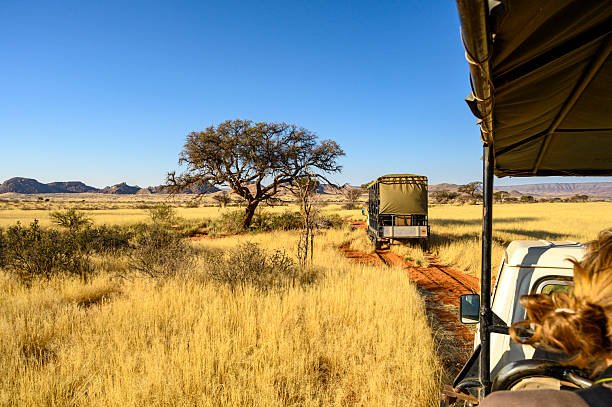
This is the most common and often the most economical way to travel between the Masai Mara and the Serengeti. The journey involves driving from your lodge or camp in the Masai Mara to the Isebania-Tarime border post. After completing the border crossing formalities, you’ll board a Tanzanian safari vehicle to continue your journey into the Serengeti. The drive from the border to key areas within the Serengeti, such as Seronera, can take anywhere from 3 to 6 hours, depending on road conditions and the specific region you are heading to. This option allows you to see more of the landscape and potentially stop for spontaneous wildlife sightings along the way. However, it can be a long and dusty day, especially during the dry season. It’s a true safari experience, but one that requires patience and an appreciation for the journey itself.
Flight Options:
For a faster and more comfortable transition, flying is an excellent choice. There are several airstrips within the Masai Mara and numerous airstrips within the Serengeti (e.g., Kogatende, Seronera). You can arrange a flight from an airstrip in the Masai Mara directly to an airstrip in the Serengeti. This typically involves a short charter flight, often with a scenic aerial view of the landscapes below. This method significantly reduces travel time, allowing you to maximize your time on safari in both parks. It also bypasses the lengthy road journey and the border crossing procedures, offering a more luxurious and time-efficient experience. However, flights are considerably more expensive than road transfers and are subject to weather conditions and luggage weight restrictions.
A popular hybrid approach involves a road transfer from your Masai Mara accommodation to a nearby airstrip in Kenya, a short flight to an airstrip in the Serengeti, and then a road transfer from the Serengeti airstrip to your lodge. This balances time savings with potentially lower costs than a direct charter flight between the two countries. When considering this for 2026-2027, inquire about the specific flight routes and airstrip accessibility from your chosen location in the Mara to your desired region in the Serengeti.
Choosing the Right Option:
- Budget Travelers: Road transfer is generally the most cost-effective.
- Time-Conscious Travelers: Flights offer the quickest transition.
- Comfort Seekers: Flights provide a smoother, less arduous journey.
- Scenery Enthusiasts: Road transfers offer more ground-level views and opportunities for spontaneous stops.
Climb 4 Africa can advise on the best transport options based on your specific itinerary, budget, and preferences for your 2026 or 2027 safari. They work with reliable local transport providers and charter flight companies to ensure a smooth connection.
Itinerary Planning for Your Dual-Park Adventure
Successfully combining the Masai Mara and the Serengeti into one safari requires careful itinerary planning. The goal is to create a logical flow that maximizes wildlife viewing opportunities while minimizing travel time and logistical complexities. When planning a trip from the Masai Mara to Serengeti, consider the following key aspects:
Duration: How long will you spend in each park? A common split is 3-4 days in the Masai Mara and 4-5 days in the Serengeti. However, this can be adjusted based on your interests. If you are particularly keen on witnessing the Great Migration river crossings, you might allocate more time to specific regions of the Serengeti (like Kogatende or Lamai) during the migration season.
Order of Parks: While the question is about continuing from Masai Mara to Serengeti, the reverse is also possible. The choice often depends on flight availability into Nairobi or Kilimanjaro/Arusha and the timing of the Great Migration. For a direct continuation, starting in the Mara and moving to the Serengeti is a natural progression.
Regions within Serengeti: The Serengeti is vast. Planning which regions to visit is crucial. For those crossing from the Masai Mara, the northern Serengeti (Kogatende, Lamai) is often the most accessible and is prime territory for migration river crossings from July to October. If you are traveling outside this period, or wish to explore the central Serengeti, the Seronera area offers excellent resident wildlife viewing year-round, with opportunities to see big cats and diverse plains game. Other regions like the southern plains (Ndutu) are excellent for calving season (December-March), and the western corridor is active during the Grumeti River crossings (around May-June).
Logistics of the Transition: Your itinerary must account for the travel time between parks. If opting for a road transfer, dedicate a full day for the journey, including the border crossing. If flying, factor in transfers to and from airstrips and flight times. A well-structured itinerary will ensure you don’t lose too much valuable safari time in transit.
Accommodation: Book accommodation in both parks in advance, especially if you are planning for peak seasons in 2026-2027. Lodges and tented camps range from luxury options to more budget-friendly camps, and availability can be limited. Consider the location of your accommodation in relation to the wildlife viewing areas you wish to explore.
Example Itinerary Flow (Road Transfer):
- Day 1-4: Masai Mara, Kenya (Game drives, cultural visits)
- Day 5: Morning game drive in Masai Mara, transfer to the Isebania-Tarime border. Cross border, meet Tanzanian guide/vehicle. Drive towards Serengeti National Park. Overnight near the border or proceed to a northern Serengeti camp.
- Day 6-9: Serengeti National Park, Tanzania (Game drives in chosen region – e.g., Kogatende for migration, Seronera for big cats).
- Day 10: Morning game drive, transfer to Serengeti airstrip for flight to Arusha/Kilimanjaro, or drive to Arusha.
Example Itinerary Flow (Flight Transfer):
- Day 1-3: Masai Mara, Kenya (Game drives)
- Day 4: Morning game drive, transfer to Masai Mara airstrip. Flight from Masai Mara to Kogatende Airstrip, Serengeti. Transfer to your northern Serengeti lodge. Afternoon game drive.
- Day 5-7: Serengeti National Park (Game drives in northern or central regions).
- Day 8: Morning game drive, transfer to Seronera Airstrip for flight to Arusha/Kilimanjaro.
When you work with Climb 4 Africa, they will help tailor these itineraries to your specific interests, ensuring that the transition from the Masai Mara to the Serengeti is as smooth and enriching as possible, reflecting the best of what both parks offer in 2026-2027.
Timing Your Visit: The Great Migration Connection
The decision to travel from the Masai Mara directly to the Serengeti is often heavily influenced by the timing of the Great Migration. This natural phenomenon is one of the most spectacular wildlife events on Earth, involving millions of wildebeest, zebras, and gazelles moving in a vast, cyclical pattern across the Serengeti-Tanzania and Masai Mara-Kenya ecosystems in search of fresh grazing and water.
Understanding the migration’s path is key to planning an effective Masai Mara to Serengeti itinerary, especially if witnessing this spectacle is a priority for your 2026 or 2027 safari. The migration is not a single event but a continuous movement, with different phases occurring in different locations throughout the year.
Key Migration Phases and their Location:
- December – March: Calving Season in the Southern Serengeti/Ndutu Area. Millions of wildebeest give birth on the southern plains. This is a prime time for predator sightings as lions, cheetahs, and hyenas capitalize on the vulnerable newborns. The Masai Mara is generally less active for migration sightings during this period, as the bulk of the herds are in Tanzania.
- April – May: The ‘Long Rains’ and Movement North. Herds begin to move northwards out of the southern plains, often encountering the ‘long rains’ which can make travel challenging. The central Serengeti (Seronera area) might still have resident wildlife and some migrating herds.
- June – July: Grumeti River Crossings in the Western Corridor. As the herds move north and west, they encounter the Grumeti River. While not as dramatic as the Mara River crossings, these can still be impressive. The Masai Mara starts to see smaller numbers of wildebeest and zebras moving northwards.
- July – October: The Famous Mara River Crossings in the Northern Serengeti/Masai Mara. This is the peak season for the most dramatic river crossings. Vast herds gather along the banks of the Mara River, waiting for an opportunity to cross into the Masai Mara, or returning to Tanzania. This is the time when a direct transfer from the Masai Mara into the northern Serengeti (Kogatende, Lamai) offers unparalleled opportunities to witness these crossings, as herds move back and forth across the border.
- November: The Return South. The herds begin their journey south again, heading back towards the southern Serengeti plains, completing the cycle.
For travelers specifically interested in the Masai Mara to Serengeti migration experience, the period from July to October is ideal. During these months, you can position yourself in the Masai Mara to observe crossings into Tanzania, and then seamlessly transition to the northern Serengeti (Kogatende or Lamai areas) to witness herds crossing the Mara River in the opposite direction or grazing on the Tanzanian side. This proximity and the continuous movement make the direct transfer particularly rewarding during this time.
It’s important to note that the migration is a natural event, and exact timing can vary slightly each year based on rainfall patterns. While tour operators have extensive experience tracking the herds, there are no absolute guarantees of seeing specific events on exact dates. However, planning your trip during the peak migration season significantly increases your chances.
When planning for 2026-2027, discuss your migration viewing goals with your safari specialist. They can help you select the best regions in both the Masai Mara and Serengeti, and advise on the optimal timing for your transfer to coincide with the most active migration periods.
Practical Considerations for a Smooth Transition
Beyond the logistics of border crossing and transport, several practical considerations can significantly enhance your experience when moving directly from the Masai Mara to the Serengeti. Being prepared ensures that your safari continues to be enjoyable and stress-free.
Packing: While you’ll be moving between two neighboring ecosystems, the general packing list for a safari remains consistent. Pack light, neutral-colored clothing, layers for cooler mornings and evenings, a good hat, sunglasses, high-SPF sunscreen, insect repellent, and comfortable walking shoes. If you are flying between locations, be mindful of strict luggage weight limits (typically 15-20 kg per person in a soft-sided duffel bag). If you are undertaking a long road transfer, having some snacks and water readily available is advisable.
Communication: Mobile phone reception can be spotty in remote safari areas. Ensure you have downloaded any necessary offline maps or information. Inform your contacts back home about your travel plans and expected communication availability. For urgent matters, your lodge or tour operator will have satellite phones.
Health and Safety: Both Kenya and Tanzania have malaria risks. Consult your doctor about appropriate malaria prophylaxis and other recommended vaccinations well in advance of your trip. Drink bottled water only. Always follow your guide’s instructions regarding wildlife encounters and safety protocols. When crossing the border, be aware of your surroundings and keep your valuables secure.
Currency: While you can use USD for most tourist-related expenses in both countries (especially for park fees and lodge payments handled by tour operators), it’s useful to have some local currency (Kenyan Shilling and Tanzanian Shilling) for small purchases at local markets or for tips. However, for a smooth safari package booked through an operator, most major expenses are pre-paid.
Visas: Ensure you have the correct visas for Tanzania. Many nationalities can obtain a visa on arrival at the border or at the airport, but it’s highly recommended to check the latest requirements for your nationality and consider applying online in advance to save time at the border. For 2026-2027, immigration policies can change, so verify this closer to your travel dates.
Tipping: Tipping is customary for guides and lodge staff. Your tour operator can provide guidance on appropriate amounts and how to distribute tips. This is often done at the end of your stay in each park or at the end of the entire safari.
Connectivity and Power: Many safari lodges offer charging facilities in rooms or central areas, but power can sometimes be generator-dependent and available only during specific hours. Bring a universal travel adapter and a portable power bank to ensure your devices remain charged. Wi-Fi is available at some lodges but can be slow or limited.
Photography: Bring plenty of memory cards and consider a good zoom lens for wildlife photography. A waterproof camera bag is useful for protecting your equipment during dusty drives or unexpected rain showers.
By attending to these practical details, you ensure that your journey from the Masai Mara to Serengeti is not just about the destination but also about enjoying the entire travel experience. Climb 4 Africa can provide detailed pre-departure information to help you prepare thoroughly for your 2026-2027 adventure.
Booking Your Masai Mara to Serengeti Safari
Arranging a safari that seamlessly transitions from the Masai Mara in Kenya to the Serengeti in Tanzania requires expert coordination. This is where partnering with an experienced East African tour operator like Climb 4 Africa becomes essential. They specialize in creating complex, multi-country itineraries that ensure a smooth and memorable experience for travelers planning for 2026 or 2027.
When you decide to book your Masai Mara to Serengeti safari, consider the following steps and what Climb 4 Africa can offer:
- Consultation: Start by discussing your interests, budget, travel dates, and any specific wildlife goals (like witnessing the Great Migration) with Climb 4 Africa. They will help you understand the best timing, optimal regions within the Serengeti, and the most suitable transport options (road vs. flight) for your journey.
- Custom Itinerary Design: Based on your consultation, Climb 4 Africa will craft a personalized itinerary. This will detail your accommodation in both parks, game drive schedules, transfer arrangements (including border crossing logistics), and any included activities. They ensure the itinerary flows logically, maximizing your time on safari.
- Package Inclusions: Understand what is included in your safari package. Typically, this covers accommodation, park entrance fees, meals (full board or half board), game drives with a professional guide and vehicle, and the specified transfers. Flights between parks or to/from the airport may be included or offered as an optional add-on. Clarify what is excluded, such as international flights, visas, travel insurance, tips, and personal expenses.
- Booking and Payment: Once you approve the itinerary, Climb 4 Africa will provide a detailed quote. A deposit is usually required to secure your bookings for accommodation and internal flights. The balance is typically due a few weeks before your departure. They offer secure payment options.
- Pre-Departure Support: After booking, you will receive comprehensive pre-departure information. This includes packing lists, health advice, visa guidance, and contact details for your guides and the Climb 4 Africa team. They will also confirm all arrangements for your Masai Mara to Serengeti transfer.
Choosing Climb 4 Africa means benefiting from their local knowledge, established network of reliable ground handlers and transport providers, and commitment to responsible tourism. They handle the intricate details of cross-border travel, allowing you to focus on the incredible wildlife and landscapes. For your 2026-2027 safari plans, reaching out to their expert team is the best first step to ensure a truly exceptional journey from the Masai Mara into the heart of the Serengeti.
Contact Climb 4 Africa today to start planning your smooth Masai Mara to Serengeti adventure:
- WhatsApp: +255 747 477 898
- Email: climb4africa@gmail.com
They are ready to assist you in creating an unforgettable East African safari experience.
Check Availability for Masai Mara To Serengeti: Seamlessly Continue Your Safari In Tanzania…
Ready to compare dates, prices, and the best option for your group? Send the package name and travel month so the team can reply with a clear quote, availability, and what is included.
Which Tanzania Group Safari Includes Serengeti And Ngorongoro?
Which Tanzania Group Safari Includes Serengeti and Ngorongoro?
View package detailsDec 27, – 4 Day Serengeti Migration Group Safari: Plan Your Trip
A deep look at planning your 4-day Serengeti migration group safari departing December 27, 2026, including itinerary logistics, group benefits, and seasonal expectations.
View package details3 Day Serengeti And Ngorongoro Group Safari: Planning For December 4,
A detailed guide on planning a 3-day group safari to the Serengeti and Ngorongoro Crater for December 4, 2026, covering route expectations, group logistics, and essential planning steps.
View package detailsWe Are Two Travellers—Can We Join A Serengeti Safari In Dec ?
A guide for two travellers looking to join a Serengeti group safari in December 2026, covering logistics, cost-efficiency, and what to expect during the short rains.
View package detailsWhere Can I Join An Affordable Serengeti Safari In Dec ? A Practical Planning
A practical guide for budget-conscious travelers looking to join a Serengeti safari in December 2026, focusing on group-joining logistics and cost-effective planning.
View package detailsWhich Tanzania Group Safari Includes All Northern Circuit Parks? A Planning
Planning a Northern Circuit safari often leads to the question of 'how many parks can I fit in?' We explore the reality of group joining itineraries that aim to cover Tarangire, Lake...
View package detailsHow Much Is A 3 Day Serengeti Group Safari In Nov ? Cost Breakdown
Get a clear breakdown of the factors influencing the cost of a 3-day Serengeti group safari in November 2026, including park fees, vehicle logistics, and group dynamics.
View package detailsCan A Solo Traveller Join A Serengeti Safari In Dec ?
Planning a solo safari in December 2026? Discover the logistics of joining group departures, why December is a prime time for the migration, and how to manage costs effectively.
View package details
Afcon Private Serengeti Safari With Lodges
AFCON 2027 Private Serengeti Safari with Lodges.
View package detailsAfcon Luxury Serengeti Safari Packages
AFCON 2027 Luxury Serengeti Safari Packages.
View package details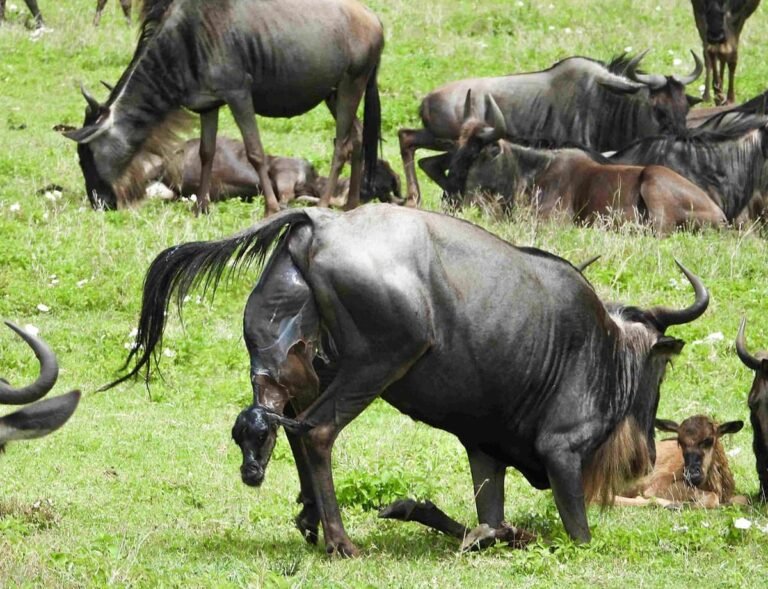
Serengeti Great Migration Safari During AFCON 2027
Mwongozo wa kina kwa safari ya Serengeti Great Migration wakati wa AFCON 2027, ukilenga kuelewa maeneo, kipindi cha mwendo wa mnyama, na mapendekezo ya mipango ya kiutendaji.
View package details
Four Day Serengeti na Ngorongoro Safari During AFCON 2027
Mwongozo wa safari ya siku 4 kwenye Serengeti na Ngorongoro wakati AFCON 2027; jinsi ya kupanga, nini cha kujali, na jinsi ya kuandaa,”
View package detailsNo related package matches those filters. Clear one or more filters to see the other topic-matched options.