
The best Tanzania safari itinerary when visiting Kenya typically focuses on the Northern Circuit, combining the Serengeti National Park and Ngorongoro Crater, often with a visit to Tarangire or Lake Manyara National Parks. For a smooth transition, consider a 5-7 day safari starting with a flight or overland transfer from Nairobi, Kenya, to Arusha, Tanzania. This allows ample time to experience the iconic Great Migration (depending on the season), witness the unique caldera ecosystem of Ngorongoro, and enjoy diverse landscapes and wildlife, with options available for 2026 and 2027 departures.
Planning Your Kenya to Tanzania Safari Transition
Combining a visit to Kenya with a safari in Tanzania is a classic East African travel combination, offering a comprehensive wildlife experience across two of the continent’s most renowned safari destinations. Kenya, with its vast savannas and iconic parks like the Masai Mara, provides an incredible introduction. Tanzania, on the other hand, boasts the unparalleled Serengeti, the Ngorongoro Crater’s unique ecosystem, and a wealth of other diverse habitats. The key to a successful itinerary is careful planning to ensure a smooth transition between countries, maximizing your time with wildlife rather than in transit.
When planning your Kenya to Tanzania safari itinerary, several factors come into play. The primary considerations are how you’ll travel between the countries, which Tanzanian parks will best complement your Kenyan experience, the ideal duration for your Tanzanian adventure, and your budget. Understanding these elements will help you craft a trip that maximizes wildlife viewing opportunities and minimizes logistical hurdles.
Choosing Your Transit Method: Flights vs. Overland
The decision to fly or travel overland from Kenya to Tanzania significantly impacts your itinerary’s pace, cost, and the amount of scenery you’ll experience. Each has distinct advantages and disadvantages that cater to different traveler preferences and time constraints.
Flying: The Swift Option
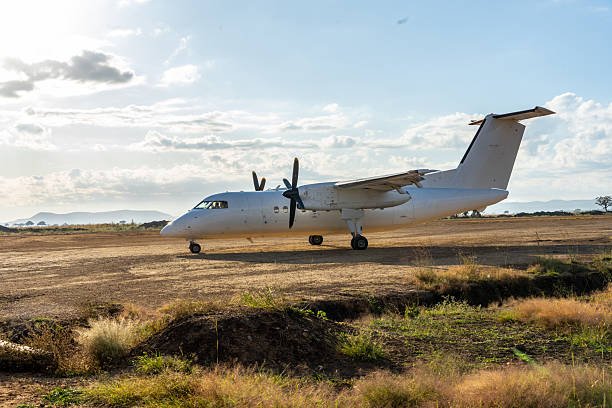
Flying from Nairobi (NBO) or Mombasa (MBA) in Kenya to Kilimanjaro International Airport (JRO) or Arusha Airport (ARK) in Tanzania is the quickest method. Several airlines operate this route, often with daily flights. This is ideal if your time is limited or if you prefer to minimize travel days between destinations. A flight can often get you from your Kenyan lodge to your Tanzanian safari vehicle within half a day.
- Pros: Saves significant travel time, reduces fatigue, offers a bird’s-eye view of the landscape, and allows for more time on safari itself. It’s particularly advantageous if you’re finishing your Kenyan portion in a location far from the border, like the coast.
- Cons: Generally more expensive than overland travel, involves airport procedures (check-in, security), and limits the amount of overland scenery you can absorb. Baggage restrictions on smaller bush planes can also be a consideration if you’re connecting to internal Tanzanian flights.
Overland Travel: The Scenic Journey
Traveling overland from Kenya to Tanzania involves crossing the border, typically at Namanga. This journey can be undertaken via private transfer or by using shared shuttle services. While longer, it offers a more grounded perspective of East African life and landscapes.
- Pros: More budget-friendly, allows you to see the transition between countries firsthand, and can be a more authentic cultural experience. It’s a good option if you’re already in Nairobi and want to travel directly to Arusha without the hassle of airport check-ins.
- Cons: Significantly more time-consuming (can take a full day or more), involves border crossing procedures which can sometimes be lengthy or complex, and can be less comfortable than flying.
Recommendation: For most travelers looking to maximize their safari time in Tanzania, especially if their Kenyan safari ends in the Masai Mara, flying from Nairobi to Arusha is the preferred choice for efficiency. If you are based in Nairobi and have a flexible schedule, an overland transfer can be an economical and scenic alternative. For 2026-2027 travel, booking these transfers well in advance is crucial, especially for peak safari seasons.
Visa and Border Crossing Considerations
When planning your Kenya to Tanzania safari itinerary, understanding visa requirements for both countries is paramount. Kenyan visas are typically obtained online in advance or upon arrival for many nationalities. For Tanzania, visas can also be obtained online (e-visa) or upon arrival at major entry points like JRO and Namanga border crossing. Always check the latest requirements for your specific nationality with the respective embassies or immigration websites well before your 2026 or 2027 trip.
The Namanga border crossing, the most common land route, can sometimes experience delays. Having all your documentation in order, including your passport, visa, and any necessary permits, will streamline the process. Your tour operator can provide specific guidance on navigating the border, especially if you opt for an overland transfer.
Core Tanzanian Safari Destinations: The Northern Circuit
While Tanzania offers a vast array of safari destinations, the Northern Circuit is overwhelmingly the most popular and logistically sensible choice when coming from Kenya. This is due to its proximity, excellent infrastructure, and the sheer concentration of iconic wildlife viewing areas.
Serengeti National Park: The Endless Plains
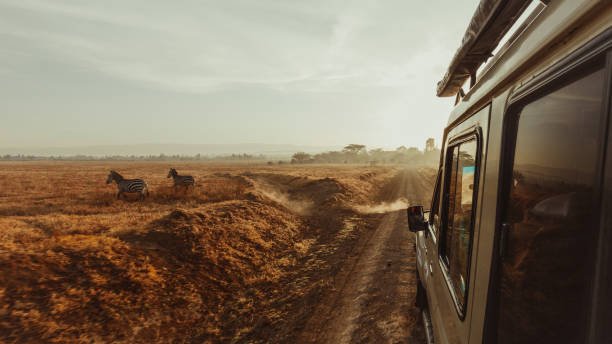
The Serengeti is the undisputed crown jewel of Tanzanian safaris and a must-visit for any traveler. Its name, derived from the Maasai word ‘Siringet’ meaning ‘endless plains,’ perfectly describes its vast, undulating grasslands stretching as far as the eye can see. The park is most famous for hosting the Great Migration, an annual movement of over 1.5 million wildebeest, zebras, and gazelles, along with their predators, in search of fresh grazing.
- Wildlife: Beyond the migration, the Serengeti is a year-round haven for wildlife. It boasts one of the highest concentrations of predators in Africa, including lions, leopards, cheetahs, hyenas, and wild dogs. Elephants, giraffes, buffaloes, hippos, and a staggering array of birdlife are also resident.
- The Great Migration: The timing of the migration is crucial for planning your Kenya to Tanzania safari itinerary.
- December to March: The calving season, with herds concentrated in the southern Serengeti and Ndutu plains (technically in the Ngorongoro Conservation Area but part of the migration cycle). Excellent for predator sightings.
- April to May: The ‘long rains’ season, a quieter period with lush landscapes, fewer tourists, and herds beginning to move north.
- June to October: The dry season, when the herds typically cross the Grumeti and Mara Rivers in search of greener pastures. These river crossings are dramatic and highly sought after. The northern Serengeti is the place to be during these months.
- Activities: Game drives are the primary activity. Hot-air balloon safaris offer a unique, impressive perspective of the plains and the migration, especially during sunrise.
- Best time to visit (for migration): Depends on what you want to see. For river crossings, June-October. For calving, December-March. For fewer crowds and beautiful scenery, April-May.
Ngorongoro Conservation Area and Crater: A Natural Amphitheatre
The Ngorongoro Crater is a UNESCO World Heritage Site and one of the most spectacular natural wonders in Africa. It’s a collapsed volcano caldera, essentially a vast, self-contained ecosystem teeming with wildlife. The floor of the crater, approximately 260 square kilometers, is home to an astonishing density of animals.
- Wildlife: The crater is renowned for its high concentration of animals, including the ‘Big Five’ (lion, leopard, elephant, rhino, buffalo) in a relatively small area. It’s one of the best places in Africa to see the critically endangered black rhinoceros. Other inhabitants include hippos, zebras, wildebeest, gazelles, and numerous bird species.
- Unique Ecosystem: The crater floor supports a variety of habitats, from grasslands and swamps to acacia woodlands and a soda lake, attracting diverse species. The elevation provides cooler temperatures, making it comfortable for wildlife viewing year-round.
- Activities: Game drives on the crater floor are the main activity. Due to conservation efforts, time spent on the crater floor is often limited to 6-8 hours. Walking safaris are available on the crater rim, offering stunning views. Visits to Maasai villages are also possible in the wider conservation area.
- Logistics: Most safaris combine a visit to the Serengeti with a day or overnight stay at the Ngorongoro Crater. Lodges are typically located on the crater rim, offering spectacular views.
- 2026-2027 Considerations: Due to its popularity, the Ngorongoro Crater can get busy, especially during peak season. Booking accommodation and crater permits well in advance is essential for 2026-2027 trips.
Tarangire National Park: Land of Giants
Often included as the first or last stop on a Northern Circuit safari, Tarangire National Park is famous for its large elephant herds and iconic baobab trees. It’s a fantastic complement to the Serengeti and Ngorongoro, offering a different landscape and a more intimate safari experience.
- Wildlife: Tarangire is home to some of the largest elephant herds in East Africa. During the dry season (June to October), animals congregate around the Tarangire River, making it an excellent place for wildlife viewing. You’ll also find lions, leopards, cheetahs, giraffes, zebras, wildebeest, and over 500 bird species.
- Landscape: Characterized by vast elephant grass, acacia woodlands, and the massive baobab trees, Tarangire offers a visually distinct safari experience. The park’s hilly terrain provides excellent vantage points.
- Activities: Game drives are standard. Walking safaris are also permitted in certain areas, offering a more in-depth experience with the bush.
- Best time to visit: The dry season (June-October) is peak time for elephant sightings as they gather near the river. The green season (November-May) offers lush scenery, fewer crowds, and excellent birdwatching.
Lake Manyara National Park: Tree-Climbing Lions and Flamingos
A smaller but incredibly diverse park, Lake Manyara is renowned for its tree-climbing lions, large troops of baboons, and its alkaline lake that attracts thousands of flamingos. It’s often visited as a day trip or a one-night stop.
- Wildlife: While known for its elusive tree-climbing lions, Manyara also hosts significant populations of elephants, giraffes, zebras, hippos, and a variety of antelopes. The lake itself is a hub for birdlife, including flamingos, pelicans, and storks.
- Landscape: The park features a shallow alkaline lake, dense groundwater forest, and open grassy plains. This varied terrain supports a wide range of flora and fauna.
- Activities: Game drives, birdwatching, and cultural visits to local villages. The park also offers canopy walks on elevated walkways through the forest, providing a unique perspective.
- Best time to visit: Year-round, though birdwatching is best during the wet season. The dry season brings animals closer to the lake.
Sample Tanzania Safari Itineraries from Kenya
When crafting a Kenya to Tanzania safari itinerary, the duration and the specific parks you wish to visit will dictate the optimal sequence. Here are a few popular options, designed to complement a typical Kenyan safari experience.
Option 1: The Classic Northern Circuit (5 Days / 4 Nights)
This is a popular choice for those who have limited time but want to experience the highlights of Tanzania’s Northern Circuit. It’s often done as a self-contained trip or as an extension from Kenya.
Day 1: Arrival in Arusha & Transfer to Tarangire
Fly from Nairobi to Arusha. Meet your guide and drive to Tarangire National Park. Afternoon game drive. Overnight in Tarangire.
Day 2: Tarangire to Ngorongoro Crater Rim
Morning game drive in Tarangire. After lunch, drive to the Ngorongoro Conservation Area and check into your lodge on the crater rim. Enjoy the views and cooler air.
Day 3: Ngorongoro Crater Exploration & Serengeti Transfer
Descend into the Ngorongoro Crater for a morning game drive. After lunch, drive towards the Serengeti National Park, perhaps stopping at Olduvai Gorge. Overnight in the central Serengeti.
Day 4: Serengeti National Park Safari
Full day of game drives in the Serengeti, exploring its vast plains and looking for predators. Depending on the season, you might track the Great Migration. Optional hot-air balloon safari.
Day 5: Serengeti to Arusha & Departure
Morning game drive in the Serengeti. After breakfast, fly from a Serengeti airstrip to Arusha for your onward connection or departure.
Who it suits: Travelers with limited time who want to see the iconic sights. This itinerary offers a taste of three key parks.
Trade-offs: It’s fast-paced, with significant travel time between locations. You might feel a bit rushed, especially in the Serengeti.
Option 2: Extended Northern Circuit with Lake Manyara (7 Days / 6 Nights)
This itinerary adds an extra day or two, allowing for a more relaxed pace and the inclusion of Lake Manyara National Park, offering more diverse wildlife viewing.
Day 1: Arrival in Arusha & Transfer to Lake Manyara
Fly from Nairobi to Arusha. Meet your guide and drive to Lake Manyara National Park. Afternoon game drive. Overnight near Lake Manyara.
Day 2: Lake Manyara & Transfer to Serengeti
Morning game drive or canopy walk in Lake Manyara. After lunch, drive to the Serengeti National Park, entering through the western or central corridor depending on migration patterns and accommodation choice. Overnight in the Serengeti.
Day 3 & 4: Serengeti National Park Exploration
Two full days dedicated to exploring the Serengeti. Focus on predator sightings, the Great Migration (seasonal), and diverse landscapes. Optional hot-air balloon safari.
Day 5: Serengeti to Ngorongoro Crater
Morning game drive in the Serengeti. Drive towards the Ngorongoro Conservation Area, perhaps stopping at Olduvai Gorge. Overnight on the Ngorongoro Crater rim.
Day 6: Ngorongoro Crater & Tarangire Transfer
Descend into the Ngorongoro Crater for a morning game drive. After lunch, drive to Tarangire National Park. Overnight in Tarangire.
Day 7: Tarangire Safari & Departure
Morning game drive in Tarangire. After breakfast, drive back to Arusha for your departure or onward travel.
Who it suits: Travelers who want a more comprehensive experience of the Northern Circuit, with more time to appreciate each park and less rushing. It’s a balanced itinerary for 2026-2027.
Trade-offs: Requires more days and is consequently more expensive than the shorter itinerary. The flow means you might be driving to Tarangire at the end, which can be a long drive back to Arusha.
Option 3: Migration Focused Serengeti & Ngorongoro (6 Days / 5 Nights)
This itinerary prioritizes the Serengeti and Ngorongoro Crater, focusing on the Great Migration (if timed correctly) and the unique caldera ecosystem, with less emphasis on the other parks.
Day 1: Arrival in Arusha & Fly to Serengeti
Fly from Nairobi to Arusha, then take a connecting flight to a Serengeti airstrip. Transfer to your lodge. Afternoon game drive.
Day 2 & 3: Serengeti National Park (Migration Focus)
Two full days dedicated to exploring the Serengeti, with game drives tailored to the location of the Great Migration based on the season. This could involve tracking herds moving north, witnessing river crossings, or observing calving grounds.
Day 4: Serengeti to Ngorongoro Conservation Area
Morning game drive in the Serengeti. Drive towards the Ngorongoro Conservation Area. Overnight on the crater rim.
Day 5: Ngorongoro Crater & Optional Visit
Full day exploring the Ngorongoro Crater floor, maximizing your chances of spotting the Big Five and other wildlife. Alternatively, spend a shorter time in the crater and visit a Maasai village or explore the wider conservation area.
Day 6: Ngorongoro to Arusha & Departure
After breakfast, drive from the Ngorongoro Conservation Area back to Arusha for your departure.
Who it suits: Travelers whose primary goal is to witness the Great Migration and experience the Ngorongoro Crater’s density of wildlife. Ideal for photographers and serious wildlife enthusiasts planning for 2026-2027.
Trade-offs: Skips Tarangire and Lake Manyara, which offer different landscapes and wildlife viewing opportunities. Requires internal flights to maximize time in the Serengeti.
Factors Influencing Your Best Tanzania Safari Itinerary
Selecting the “best” Kenya to Tanzania safari itinerary isn’t just about ticking off parks; it’s about aligning the safari experience with your personal preferences, interests, and practical considerations for 2026-2027.
Timing and the Great Migration
As highlighted, the Great Migration is a central attraction for many. If witnessing this spectacle is a priority, your itinerary must be timed accordingly. The herds are constantly moving, dictated by rainfall and the availability of fresh grass.
- January-March: Southern Serengeti and Ndutu plains for calving.
- May-July: Western Corridor and Grumeti River crossings.
- July-October: Northern Serengeti and Mara River crossings.
If your visit falls outside these optimal migration periods, the Serengeti remains an exceptional destination for resident wildlife, particularly predators. In such cases, focusing on the Ngorongoro Crater and Tarangire (especially for elephants during the dry season) becomes more important.
Travel Style and Budget
Your preferred travel style will significantly influence accommodation choices and overall cost. Tanzania offers a range of options:
- Budget Safaris: Typically involve staying in public campsites or basic tented camps, with shared game drives. Overland transfers might be used to save costs.
- Mid-Range Safaris: Feature comfortable tented camps or lodges with en-suite facilities, private game drives, and often include internal flights for efficiency. This is a popular choice for 2026-2027 bookings.
- Luxury Safaris: Offer high-end lodges or exclusive tented camps, private guides and vehicles, gourmet dining, and often unique experiences like private bush dinners or sundowners.
The choice between private and shared departures also impacts cost and flexibility. Private safaris offer maximum flexibility in terms of pace and game drive timing, while shared safaris are more budget-friendly but require adhering to a group schedule. For 2026-2027, booking shared departures can offer good value, but private options provide unparalleled personalization.
Desired Wildlife Focus
Are you keen on seeing the Big Five? Are you a keen birder? Do you dream of photographing predators in action? Or is the sheer scale of the Great Migration your main draw?
- Big Five: Ngorongoro Crater offers the highest probability of seeing all five in a single day. The Serengeti also provides excellent Big Five viewing opportunities, especially lions and elephants.
- Predators: The Serengeti is arguably the best place in Africa for predator sightings, particularly lions and cheetahs.
- Elephants: Tarangire National Park is renowned for its massive elephant herds.
- Birdlife: Lake Manyara and Tarangire are excellent for birdwatchers, as is the Serengeti during the green season.
Your Kenya to Tanzania safari itinerary can be tailored to emphasize these interests. For instance, if predator action is key, spending more days in the Serengeti during a period known for high activity is advisable.
Duration of Stay
The length of your Tanzanian safari will determine how many parks you can comfortably visit and how much time you can spend in each. A minimum of 3-4 days is needed for just the Serengeti and Ngorongoro, while 5-7 days allow for a more relaxed exploration of the Northern Circuit.
2026-2027 Planning: Given the popularity of these destinations, booking your safari well in advance is strongly recommended, especially if you have specific dates in mind for 2026 or 2027. Peak seasons (June-October, December-February) fill up quickly.
Logistical Considerations for Your Kenya-Tanzania Safari
Beyond the itinerary itself, several practical aspects need attention when planning a safari that crosses borders.
Accommodation Options
Tanzania offers a wide spectrum of accommodation:
- Tented Camps: Ranging from rustic and eco-friendly to luxurious, these offer a close-to-nature experience. Some are permanent, while others are mobile, strategically positioned to follow the Great Migration.
- Lodges: More permanent structures, offering amenities like swimming pools, restaurants, and bars. They can be situated on the crater rim (Ngorongoro), within park boundaries, or just outside park gates.
- Campsites: For budget travelers, public or special campsites offer basic facilities but a true wilderness feel.
When planning for 2026-2027, consider booking lodges and camps that align with your comfort level and budget. For prime locations, such as the Ngorongoro Crater rim or within the Serengeti, booking 9-12 months in advance is often necessary.
Vehicle and Guide Selection
The quality of your safari vehicle and guide is paramount to your experience. For a Kenya to Tanzania safari itinerary, you’ll typically work with a Tanzanian tour operator.
- Vehicle: Most operators use custom-built 4×4 Land Cruisers or Land Rovers, equipped with pop-up roofs for optimal game viewing and photography. Ensure your vehicle has charging ports and ample space.
- Guide: A knowledgeable, experienced guide is crucial. They understand animal behavior, track sightings, and can interpret the ecosystem. Look for operators with certified, local guides who have extensive experience in the Northern Circuit.
Packing Essentials
Packing appropriately ensures comfort and readiness for your safari. Key items include:
- Lightweight, neutral-colored clothing (khaki, olive green, brown)
- Warm layers for cool mornings and evenings (fleece, jacket)
- Comfortable walking shoes
- Sun hat, sunglasses, high SPF sunscreen
- Insect repellent
- Camera with extra batteries and memory cards
- Binoculars
- Personal first-aid kit and any personal medications
- Adapter for charging electronics
Remember that most lodges and camps offer laundry services, so you don’t need to pack excessively.
Why Choose Climb 4 Africa for Your Tanzania Safari?
As a specialist in East African travel, Climb 4 Africa offers unparalleled expertise in crafting smooth Kenya to Tanzania safari itineraries. We understand the intricacies of cross-border travel and the unique wildlife viewing opportunities each country presents. Our local knowledge ensures that your safari is not just a trip, but a deeply enriching and well-organized adventure.
- Local Expertise: We are based in Tanzania, giving us intimate knowledge of the parks, wildlife movements, and the best local guides and lodges.
- Tailor-Made Itineraries: Whether you’re looking for a budget-conscious overland adventure or a luxury safari experience, we design itineraries specifically for your interests and dates in 2026-2027.
- smooth Transitions: We manage all logistics, from arranging flights or transfers between Kenya and Tanzania to ensuring smooth border crossings and timely airport pick-ups.
- Quality Guarantees: We partner with reputable lodges and employ experienced, certified guides to ensure a high standard of service and safety.
- Responsible Tourism: We are committed to sustainable tourism practices that benefit local communities and conservation efforts.
By choosing Climb 4 Africa, you gain a partner dedicated to making your dream East African safari a reality. We can help you navigate the complexities of planning a multi-country trip, ensuring you get the most out of your time in both Kenya and Tanzania.
Booking Your 2026-2027 Tanzania Safari
Ready to plan your unforgettable Kenya to Tanzania safari itinerary? The best time to start planning for 2026-2027 travel is now, especially if you have specific dates or requirements. Early booking is crucial for securing your preferred accommodation and flights, particularly during peak safari seasons.
To begin crafting your personalized safari, we recommend contacting Climb 4 Africa directly. Share your interests, desired travel dates, budget, and any specific parks or wildlife you’re eager to see. Our team will work with you to design an itinerary that perfectly balances your Kenyan experience with the wonders of Tanzania.
You can reach us via:
- WhatsApp: +255 747 477 898
- Email: climb4africa@gmail.com
Let us help you create a special adventure, ensuring every detail of your Kenya to Tanzania safari itinerary is meticulously planned for maximum enjoyment and unforgettable wildlife encounters in 2026 and 2027.
“,
“faq_schema”: [
{
“question”: “What is the most common way to travel from Kenya to Tanzania for a safari?”,
“answer”: “The most common and efficient ways to travel from Kenya to Tanzania for a safari are by flying from Nairobi or Mombasa to Kilimanjaro International Airport (JRO) or Arusha Airport (ARK), or by overland transfer via the Namanga border crossing, usually from Nairobi to Arusha.”
},
{
“question”: “Which Tanzanian parks are best to visit after a safari in Kenya?”,
“answer”: “The most popular and logistically sensible parks to visit in Tanzania after a Kenyan safari are those within the Northern Circuit: Serengeti National Park, Ngorongoro Crater, Tarangire National Park, and Lake Manyara National Park. These parks offer diverse wildlife and landscapes that complement a Kenyan experience.”
},
{
“question”: “How long should a Tanzania safari be if I’m coming from Kenya?”,
“answer”: “For a comprehensive experience of Tanzania’s Northern Circuit, a safari of 5 to 7 days is generally recommended. This allows enough time to visit key parks like the Serengeti and Ngorongoro Crater without feeling too rushed, and can include other parks like Tarangire or Lake Manyara.”
},
{
“question”: “When is the best time to see the Great Migration in Tanzania?”,
“answer”: “The Great Migration is a year-round phenomenon, but its location changes. For river crossings, aim for June to October (Serengeti’s western and northern sectors). For the calving season, target December to March (southern Serengeti and Ndutu plains). Your 2026-2027 itinerary should be timed accordingly.”
},
{
“question”: “What are the visa requirements for entering Tanzania from Kenya?”,
“answer”: “Visa requirements vary by nationality. Many nationalities can obtain a Tanzanian visa upon arrival at JRO or the Namanga border crossing, or apply for an e-visa online in advance. It’s essential to check the latest official requirements for your passport before traveling for your 2026 or 2027 trip.”
},
{
“question”: “Can I combine a Kilimanjaro climb with a Tanzania safari after visiting Kenya?”,
“answer”: “Absolutely. Many travelers combine a Kilimanjaro climb with a Tanzania safari. If you’re coming from Kenya, you could fly into Kilimanjaro, do your climb, and then start a safari, or vice versa. This requires careful itinerary planning to account for acclimatization and trek duration.”
}
]
}
“`
Check Availability for I Am Visiting Kenya And Want To Add A Tanzania Safari What Itinerary Is Best
Ready to compare dates, prices, and the best option for your group? Send the package name and travel month so the team can reply with a clear quote, availability, and what is included.

Kenya And Tanzania Combined Safari Packages: Ultimate Guide 2026-2027
Discover the unparalleled adventure of combining Kenya and Tanzania for a comprehensive East African safari. This guide details everything you need to know for planning your 2026-2027...
View package details
Is Tanzania Or Kenya Better For Safari? A Detailed Comparison 2026-2027
Comparing Tanzania and Kenya for your next safari? This in-depth guide breaks down wildlife viewing, landscapes, costs, and optimal travel times to help you choose the perfect East African...
View package details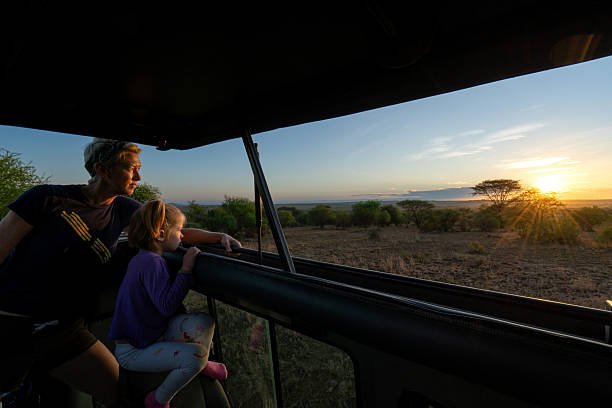
10-Day Tanzania Safari And Zanzibar Beach Holiday: Your Ultimate Itinerary
Combine the thrill of a Tanzania safari with the relaxation of Zanzibar for an unforgettable 10-day adventure. This itinerary balances iconic wildlife viewing with stunning tropical...
View package detailsKenya Safari Tours & Holiday Packages 2026-2027
Kenya Safari Tours & Holiday Packages is explained with current 2026-2027 planning, price, itinerary and booking information.
View package details
What Is Included In An African Safari Package? A Complete Guide For 2026-2027
Demystifying African safari packages. This guide details what you can expect to be included, from essential logistics like accommodation and transport to crucial elements like park fees and...
View package details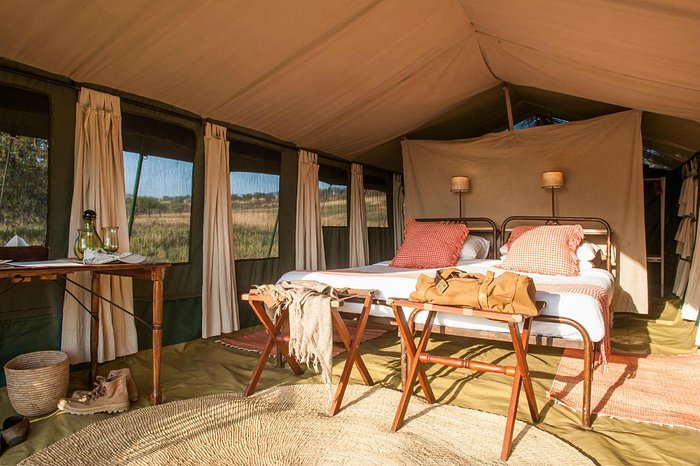
Affordable African Safari Packages: Your Guide To Budget-Friendly Tanzania
Discover how to plan and book affordable African safari packages for 2026-2027. This guide provides practical advice on choosing budget-friendly Tanzania tours, understanding costs, and...
View package details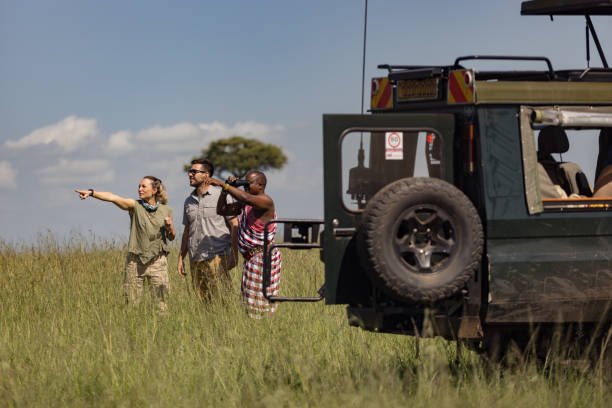
3-Day Serengeti And Ngorongoro Safari: Your Ultimate Tanzania Wildlife
start a concise yet unforgettable 3-day Serengeti and Ngorongoro safari, designed to maximize wildlife encounters in Tanzania's most celebrated parks. This compact adventure offers a taste...
View package details
Serengeti Safari And Zanzibar Beach Holiday: The Ultimate Tanzania
Combine the thrill of a Serengeti safari with the relaxation of a Zanzibar beach holiday. This guide covers everything you need to know for an unforgettable Tanzania adventure in 2026-2027...
View package detailsTanzania Safari And Zanzibar All-Inclusive Packages Guide
Combine the thrill of a Tanzanian wildlife safari with the serene beauty of Zanzibar on an all-inclusive package. This comprehensive guide covers everything you need to know for planning...
View package details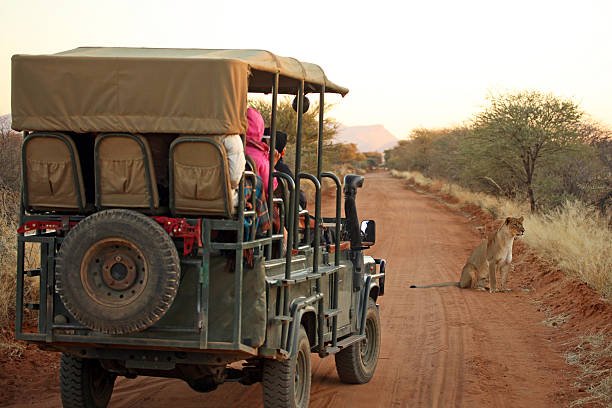
Zanzibar To Mikumi Safari: Flights, Prices And Itinerary Guide
Transition from the spice-scented beaches of Zanzibar to the wildlife-rich plains of Mikumi National Park. This guide details flight logistics, cost considerations, and sample itineraries...
View package details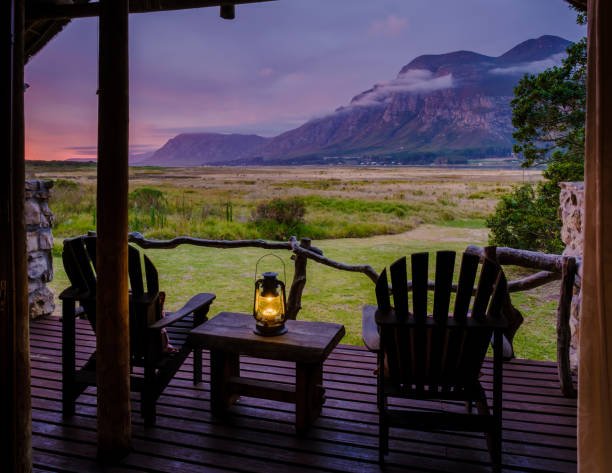
Are African Safari Prices Per Person Or Vehicle? Understanding Tanzania Costs
African safari costs can be confusing. This guide clarifies whether prices are quoted per person or per vehicle, detailing factors that influence your 2026-2027 safari budget in Tanzania.
View package details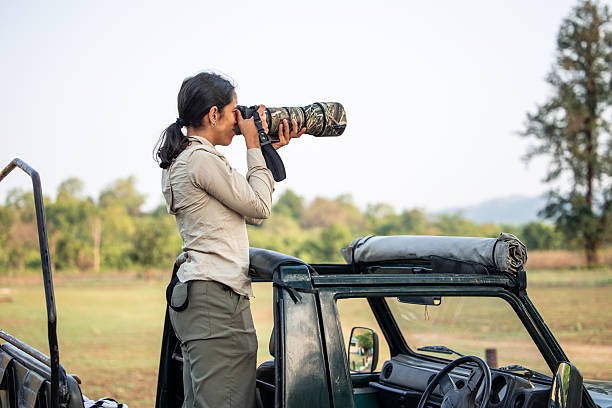
What Animals Can You See On An African Safari? Your Ultimate Wildlife Guide
Planning an African safari and wondering which animals you'll encounter? This comprehensive guide details the wildlife you can expect to see, from iconic mammals to elusive birds, across...
View package detailsNo related package matches those filters. Clear one or more filters to see the other topic-matched options.



