Absolutely, you can fly from Uganda’s gorilla trekking locations to the Serengeti in Tanzania. The most common route involves flying from Entebbe International Airport (EBB) in Uganda to Kilimanjaro International Airport (JRO) in Tanzania. From JRO, you can then take a domestic flight or begin your road safari into the Serengeti. While direct flights between Uganda and Serengeti airstrips are rare, this two-leg approach is efficient and widely used by travelers combining these iconic East African experiences. Planning this transition well in advance is key for a smooth journey in 2026 or 2027.
Connecting Uganda’s Gorillas to Tanzania’s Serengeti: Your Essential Guide
The dream of witnessing mountain gorillas in Uganda’s Bwindi Impenetrable National Park or Mgahinga Gorilla National Park, followed by the unparalleled wildlife spectacle of the Serengeti in Tanzania, is an increasingly popular East African adventure. Fortunately, bridging these two incredible destinations is entirely feasible, primarily through air travel. This guide will break down the practicalities, planning considerations, and choices you’ll face when coordinating your gorilla trekking in Uganda with a Serengeti safari afterwards, focusing on how to make this transition as smooth as possible for your 2026-2027 travels.
Many travelers envision this as a single, continuous journey, but it’s crucial to understand that Uganda and Tanzania are distinct countries with different travel infrastructures. While overland travel is possible, it’s lengthy and complex. For most, flying is the only practical way to connect these two world-class wildlife destinations within a typical holiday timeframe. The primary gateway airport in Uganda is Entebbe (EBB), and the main entry point for northern Tanzania safaris, including the Serengeti, is Kilimanjaro International Airport (JRO). Understanding the flight connections between these hubs is the first step.
The question, “I am trekking gorillas in Uganda, can I fly to Serengeti afterwards?” is best answered by focusing on the logistical steps involved. It’s not a single flight but a well-orchestrated sequence. This typically involves:
- Completing your gorilla trek in Uganda and returning to Entebbe (or another suitable departure point).
- Taking an international flight from Entebbe (EBB) to Kilimanjaro (JRO).
- From JRO, arranging a domestic flight or ground transfer into the Serengeti.
We’ll explore each of these stages, exploring the best options, timings, and what to expect, ensuring your 2026 or 2027 adventure is meticulously planned.
Understanding the Uganda-to-Serengeti Route
The geographical separation between Uganda’s prime gorilla trekking areas (primarily Bwindi and Mgahinga in the southwest) and Tanzania’s Serengeti National Park (in the north) means that direct, convenient travel is limited. While both countries are in East Africa, they are not adjacent in terms of accessible tourist routes. Bwindi is quite remote within Uganda, and getting to a major international airport for onward travel requires time.
Most gorilla treks conclude with travelers returning to Entebbe (EBB) for international departures. This is usually a full day’s travel by road from the gorilla parks, or a short domestic flight from Kisoro or Kihihi airstrips to Entebbe. Once you are back in Entebbe, your path to the Serengeti begins.
The most logical and efficient route to fly from Uganda to Tanzania for a Serengeti safari involves these steps:
- Departure from Uganda: You will depart from Entebbe International Airport (EBB). This is Uganda’s main international gateway and handles flights to major regional and international destinations.
- International Flight to Tanzania: Your flight will typically be from EBB to Kilimanjaro International Airport (JRO). JRO serves the northern Tanzanian safari circuit, which includes the Serengeti, Ngorongoro Crater, Tarangire, and Lake Manyara.
- Transfer to Serengeti: Upon arrival at JRO, you will connect to your Serengeti safari. This connection can be either a domestic flight from a local airstrip near Arusha (which is close to JRO) or a pre-arranged road transfer. For many, a flight directly into one of the Serengeti’s internal airstrips is the preferred method to maximize safari time.
There are very few, if any, direct commercial flights that go from Uganda directly to an airstrip within the Serengeti. The journey requires this intermediate step via a major regional airport. This is a standard itinerary for many operators specializing in multi-country East African tours, and with good planning, it’s a smooth transition.
Why this route?
- Efficiency: It minimizes travel time compared to overland routes, which can take days and involve multiple border crossings.
- Convenience: Entebbe and Kilimanjaro are major hubs with regular flight schedules connecting them.
- Accessibility: JRO is the gateway to the Serengeti and other prime northern Tanzanian parks.
When planning for 2026-2027, it’s important to book these flights as early as possible, especially the international leg from EBB to JRO, as availability can fluctuate.
Flight Options and Logistics: EBB to JRO
The critical leg connecting your Ugandan adventure to your Tanzanian safari is the flight from Entebbe (EBB) to Kilimanjaro (JRO). This is an international flight, usually operated by regional carriers. Understanding the carriers, flight times, and booking procedures is paramount.
Airlines Operating the Route:
Several airlines commonly operate on the EBB-JRO route, though schedules can change. These often include:
- Rwandair: Frequently offers flights with a stopover in Kigali, Rwanda. This is a popular and reliable option.
- Ethiopian Airlines: Often operates via Addis Ababa, Ethiopia.
- Kenya Airways: May offer connections through Nairobi, Kenya.
- Pro-flight Zambia: Sometimes has routes that can connect through Lusaka.
Flight Durations and Layover Times:
Direct flights between Entebbe and Kilimanjaro are uncommon. Most options involve at least one stopover. The total travel time, including the layover, can range from 4 to 10+ hours, depending on the airline and connection point. It’s vital to check the total journey duration when comparing flights, not just the flight time itself.
Booking Considerations for 2026-2027:
- Advance Booking: For travel in 2026 or 2027, it’s highly recommended to book your EBB-JRO flights at least 3-6 months in advance, particularly if you are traveling during peak seasons (June-October, December-February). This secures better prices and ensures availability.
- Airline Choice: Consider the layover duration and airport. Some layovers are short and efficient, while others can be lengthy, potentially requiring an overnight stay if the timing is awkward.
- Baggage Allowance: Be mindful of baggage restrictions. International flights will have different allowances than domestic East African flights or safari charter flights. Gorilla trekking often involves packing light, but check carefully if you plan to bring more substantial luggage for your safari.
- Cost: Prices for this route can vary significantly based on the airline, time of booking, and season. Expect costs to range from $300 to $700+ USD per person for a one-way ticket, depending on these factors.
Practical Tip: When booking, ensure your arrival time in JRO allows sufficient buffer for your onward connection to the Serengeti, whether that’s a domestic flight or a road transfer. Overnight layovers in Arusha or Moshi (near JRO) are common and can be a good opportunity to rest before your safari begins.
Connecting to the Serengeti from Kilimanjaro (JRO)
Once you land at Kilimanjaro International Airport (JRO), your journey into the vast plains of the Serengeti truly begins. You have two primary options for reaching the Serengeti: a domestic flight or a road transfer. Each has its own advantages and disadvantages.
Option 1: Domestic Flights to the Serengeti
This is by far the most time-efficient way to get into the Serengeti, especially if your time is limited. Several local Tanzanian airlines operate scheduled and charter flights from Arusha Airport (ARK), which is a short drive from JRO, to various airstrips within the Serengeti National Park.
- Departure Point: Flights usually depart from Arusha Airport (ARK). You will need to arrange a transfer from JRO to ARK, which takes approximately 45-60 minutes. Some tour operators can arrange this transfer for you as part of your safari package.
- Serengeti Airstrips: The Serengeti is vast and has numerous airstrips scattered throughout its different regions (e.g., Seronera, Grumeti, Kogatende, Ndutu). Your chosen airstrip will depend on the time of year (for migration viewing) and the specific areas of the park you wish to explore.
- Airlines: Key operators include Auric Air, Coastal Aviation, and Precision Air.
- Flight Duration: Flights from Arusha to the Serengeti typically take 45-60 minutes.
- Cost: These flights are generally priced between $350 – $500+ USD per person for a one-way ticket. This cost is often included in safari packages.
- Baggage Restrictions: Safari charter flights have strict baggage limits, usually 15-20 kg (33-44 lbs) per person in soft-sided duffel bags only. This is a critical point to remember when packing for your entire East African trip.
Why choose flights? For a 2026-2027 trip, flying directly into the Serengeti maximizes your safari time, allowing you to start exploring the park on the same day you arrive from Uganda. It’s ideal for those who want to minimize travel time and maximize wildlife viewing opportunities.
Option 2: Road Transfer to the Serengeti
This option involves driving from the Kilimanjaro/Arusha area into the Serengeti. It’s a longer journey but offers a different perspective and can be more cost-effective for some travelers.
- Departure Point: You would typically be picked up from your accommodation in Arusha or Moshi, or directly from JRO if you arrange an overnight stay there.
- Journey Duration: The drive from Arusha to the Serengeti gates can take anywhere from 6 to 10 hours, depending on the gate you enter and the specific location within the Serengeti you are heading to. The journey itself is part of the safari experience, passing through the Ngorongoro Conservation Area and potentially stopping at viewpoints.
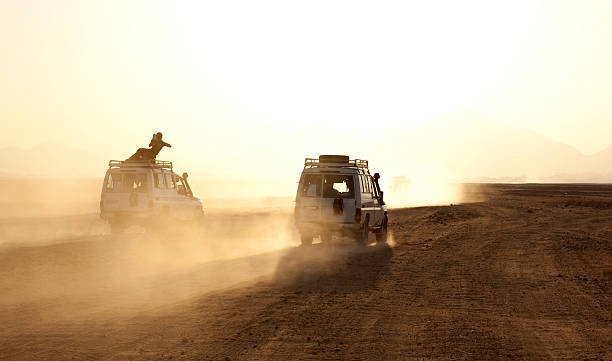
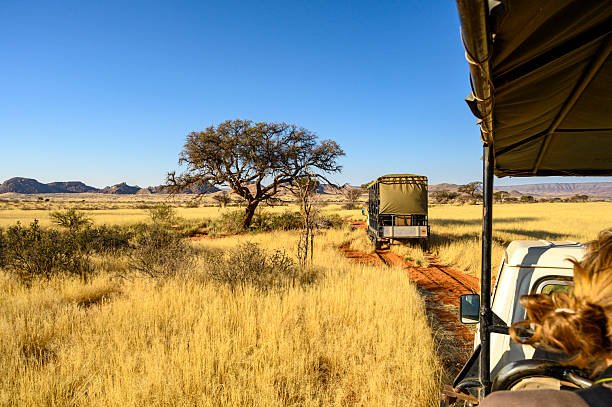
- Vehicle: You’ll travel in a dedicated 4×4 safari vehicle with a pop-up roof, driven by an experienced safari guide.
- Cost: While seemingly cheaper, the cost of a multi-day Serengeti road safari from Arusha needs to be factored in. A single day’s drive can be covered by a longer safari package. If you are just doing a transfer, expect costs to be in the range of $250 – $400+ USD for the vehicle, depending on the distance and inclusions.
Why choose road transfers? This option is great for travelers who enjoy scenic drives, want to experience the landscape change gradually, and are not on a tight schedule. It can also be more economical if you are part of a group sharing the vehicle cost.
Recommendation: For most travelers combining gorilla trekking in Uganda with a Serengeti safari, the domestic flight option is highly recommended to save valuable time. The extra cost is often justified by gaining an extra day or more of safari experience.
Timing Your Transition: Gorilla Trek to Safari
The successful transition from tracking gorillas in Uganda to embarking on a safari in the Serengeti hinges on careful timing. This isn’t just about booking flights; it’s about aligning your activities and ensuring smooth connections.
Typical Itinerary Flow:
- Day 1-4: Gorilla Trekking in Uganda (e.g., Bwindi Impenetrable National Park). This typically involves travel to the park, acclimatization, the trek itself, and then returning to a departure point.
- Day 5 (Example): Travel back to Entebbe (EBB). This could be a full day’s drive or a short domestic flight. Overnight in Entebbe or near the airport.
- Day 6: Fly from Entebbe (EBB) to Kilimanjaro (JRO). This flight might depart in the morning or afternoon. If it’s an afternoon flight, you’ll have a relaxed morning in Entebbe. If it’s a morning flight, you’ll arrive in Tanzania by midday.
- Day 6 (Cont.): Upon arrival at JRO, you’ll either transfer to Arusha for an overnight stay or, if flight schedules align perfectly, take a domestic flight from Arusha (ARK) to the Serengeti on the same day.
- Day 7 onwards: Begin your Serengeti safari.
Key Timing Considerations:
- End of Gorilla Trek: Ensure your gorilla trek concludes with enough time to travel back to Entebbe on the same day or the following morning. Some treks finish late in the afternoon, making an immediate departure for JRO impossible.
- Flight Schedules: Check the flight schedules for EBB to JRO very carefully. Flights are not daily with all airlines, and layover times can significantly impact your arrival in Tanzania.
- Arrival in JRO: Aim to arrive in JRO with enough daylight to comfortably make your onward connection to Arusha for a domestic flight, or to reach your overnight accommodation. Arriving late at night can complicate transfers and the next day’s arrangements.
- Buffer Time: Always build in buffer time. Flights can be delayed, luggage can be misplaced, and immigration processes can take longer than expected. A day of buffer between your Uganda departure and Tanzania arrival is wise. For example, if your gorilla trek ends on a Tuesday, schedule your EBB-JRO flight for Wednesday and your onward Serengeti connection for Thursday. This is particularly important for 2026-2027 travel as flight patterns can change.
- Safari Start: If you’re flying into the Serengeti, you can typically start your game drives on the day of arrival. If you opt for a road transfer, your first day will largely be a travel day, with game drives beginning the following morning.
Example Scenario for 2027:
- Day 1-3: Gorilla Trekking in Uganda.
- Day 4: Drive from Bwindi to Entebbe (approx. 8-10 hours). Overnight in Entebbe.
- Day 5: Morning flight Entebbe (EBB) to Kilimanjaro (JRO) via Kigali (Rwandair). Arrive JRO mid-afternoon. Transfer to Arusha. Overnight in Arusha.
- Day 6: Morning flight from Arusha (ARK) to Seronera Airstrip (SEU) in the Serengeti. Meet your safari guide and vehicle. Begin game drives.
This schedule ensures a comfortable pace and minimizes the risk of missed connections.
Visa and Entry Requirements for Uganda and Tanzania
Navigating visa requirements for two different countries is a critical part of planning your combined trip. Both Uganda and Tanzania have their own entry regulations, which can vary based on your nationality.
Uganda Visa:
- Requirement: Most foreign nationals require a visa to enter Uganda.
- Application: Visas can typically be obtained online through the Ugandan immigration website (e-Visa system) or at the port of entry (Entebbe Airport). It is strongly recommended to apply for your e-Visa in advance to avoid potential delays.
- Cost: Visa fees vary by nationality but are generally around $50 – $100 USD.
- Validity: Standard tourist visas are typically valid for 3 months.
Tanzania Visa:
- Requirement: Similar to Uganda, most foreign nationals require a visa for Tanzania.
- Application: Tanzania also has an e-Visa system, which is the preferred method for many travelers. You can apply online via the official Tanzanian immigration portal. Visas can also be obtained at major entry points like Kilimanjaro International Airport (JRO).
- Cost: Visa fees are typically around $50 – $100 USD, depending on nationality.
- Validity: Standard tourist visas are usually valid for 3 months.
Important Notes for 2026-2027 Travel:
- Check Official Sources: Always verify the latest visa requirements and application procedures directly with the official immigration websites of Uganda and Tanzania well before your travel dates. Regulations can change.
- Passport Validity: Ensure your passport has at least six months of validity remaining from your date of entry into each country and has at least two blank pages for stamps.
- Multiple Entries: If you plan to re-enter Uganda after visiting Tanzania (though this is unlikely for this specific itinerary), you would need a multiple-entry visa. For a simple Uganda-then-Tanzania trip, single-entry visas are sufficient.
- Yellow Fever Certificate: You will likely need proof of Yellow Fever vaccination, especially when traveling between East African countries. Carry your vaccination certificate with you.
East African Tourist Visa:
Some travelers consider the East African Tourist Visa, which allows multiple entries into Kenya, Uganda, and Rwanda. However, Tanzania is not typically part of this specific visa scheme. Therefore, you will almost certainly need separate visas for both Uganda and Tanzania.
Recommendation: Apply for your visas online well in advance of your trip. This saves time at immigration and provides peace of mind. For 2026-2027 travel, starting this process at least 1-2 months before your departure is advisable.
Packing and Preparation for Both Destinations
Packing for a trip that combines the cool, misty highlands of Uganda for gorilla trekking with the hot, dry savannas of the Serengeti requires a versatile approach. The key is to pack light but smart, considering the different climates, activities, and the baggage restrictions of safari flights.
Essentials for Gorilla Trekking (Uganda):
- Sturdy Hiking Boots: Waterproof and well-worn-in boots are essential for navigating muddy, steep jungle terrain.
- Rain Gear: A waterproof and breathable jacket and trousers are non-negotiable. The rainforest is unpredictable.
- Long-Sleeved Shirts and Trousers: To protect against insect bites and scratches from vegetation. Choose neutral, earthy colors.
- Warm Layers: Evenings and early mornings can be cool, especially at higher altitudes. A fleece or warm sweater is recommended.
- Hat: For sun protection during travel to/from the park and at higher altitudes.
- Insect Repellent: With a high DEET content.
- Sunscreen and Sunglasses.
- Small Backpack: To carry water, snacks, camera, and rain gear during the trek.
- Camera and Binoculars: For wildlife viewing.
- Water Bottle: Reusable is best.
Essentials for Serengeti Safari (Tanzania):
- Lightweight, Breathable Clothing: In neutral colors (khaki, beige, light brown). Avoid bright colors that might startle wildlife, and dark colors that attract tsetse flies.
- Long-Sleeved Shirt and Trousers: For sun protection during the day and to ward off evening chills.
- Warm Jacket or Fleece: Essential for early morning and late evening game drives when temperatures can drop significantly, especially during the cooler months (June-August).
- Comfortable Walking Shoes: For camp or lodge wear. You won’t be doing much walking in the Serengeti itself, but comfortable footwear is always good.
- Hat: A wide-brimmed hat is crucial for sun protection during long game drives.
- Sunglasses.
- Swimsuit: If your lodge has a pool.
- Camera Gear: With extra batteries and memory cards. A telephoto lens is highly recommended for wildlife photography.
- Binoculars: Essential for spotting distant animals.
General Packing Advice for the Combined Trip (2026-2027):
- Soft-Sided Duffel Bag: Crucial for internal flights and safari vehicles. Most charter flights have a strict weight limit of 15-20 kg (33-44 lbs) per person. Hard suitcases are generally not accepted.
- Layering is Key: Pack items that can be layered to adapt to changing temperatures and altitudes.
- Quick-Dry Fabrics: Beneficial for both humid conditions and for washing clothes on the go.
- First-Aid Kit: Include personal medications, basic painkillers, antiseptic wipes, and any altitude sickness remedies.
- Adapter and Power Bank: Ensure you have a universal travel adapter and a power bank for charging devices, as electricity access can be limited in some safari camps.
- Documents: Keep copies of your passport, visas, flight confirmations, and insurance separate from the originals.
What NOT to Pack:
- Brightly colored clothing (especially yellow and bright blue, which attract tsetse flies).
- Camouflage clothing (often restricted).
- Heavy, bulky items that cannot be easily packed.
- Valuables that are not essential.
By packing thoughtfully and prioritizing versatility and lightweight items, you’ll be well-prepared for both the challenging terrain of Uganda’s forests and the expansive plains of the Serengeti.
Choosing Your Serengeti Experience
Once you’ve landed in Tanzania and are ready to head to the Serengeti, the next decision is how you want to experience this iconic park. The Serengeti is vast, and different regions offer unique attractions, especially depending on the time of year. Your choice will significantly impact your wildlife viewing opportunities.
Key Regions of the Serengeti and Their Appeal:
- Central Serengeti (Seronera Valley): This area is renowned for its resident wildlife populations and is a prime location for spotting big cats (lions, leopards, cheetahs) year-round. It’s accessible and has a good network of airstrips and lodges. Ideal for those who want consistent wildlife sightings and don’t need to follow the Great Migration specifically.
- Northern Serengeti (Kogatende/Lamai): This region is famous for the Great Migration river crossings of the wildebeest and zebras over the Mara River. These dramatic events typically occur from July to October. If witnessing this spectacle is your priority, this is the area to be in during these months.
- Western Serengeti (Grumeti River): Similar to the north, this area offers river crossings during the migration, though often less dramatic than the Mara River. It’s also a good place for spotting colobus monkeys and has fewer crowds. The migration is typically here from May to July.
- Southern Serengeti (Ndutu/Lake Masek): This area is part of the larger ecosystem and is where the wildebeest herds congregate to calve, usually from December to March. It’s a fantastic time for witnessing predator-prey interactions and seeing vast numbers of young animals. Ndutu is technically in the Ngorongoro Conservation Area but is often visited as part of a Serengeti safari.
Factors to Consider for Your 2026-2027 Trip:
- Time of Year: This is the single most important factor. The Great Migration dictates where the bulk of the herbivores, and thus the predators, will be. Research the expected location of the migration for your travel dates in 2026 or 2027.
- Duration of Stay: A shorter stay (2-3 days) might focus on one region (like Central Serengeti for guaranteed sightings). A longer stay (4+ days) allows you to explore multiple regions or move with the migration.
- Type of Safari: Are you looking for a luxury lodge experience, a more rustic tented camp, or a mobile camp that moves with the migration? Your accommodation choice will influence which areas are most accessible and offer the best experience.
- Budget: Different regions and types of camps can have varying price points. High-demand areas during migration peaks, or exclusive concessions, will often be more expensive.
Sample Itinerary Consideration:
- For Migration River Crossings (July-Oct): Fly into Kogatende (Northern Serengeti), spend 3-4 days there, then perhaps fly south to Seronera for a day or two to catch resident wildlife before departing from Seronera or flying back to Arusha.
- For Calving Season (Dec-Mar): Fly into Ndutu or Seronera, spend time in the south/central areas, and then perhaps move north if the herds are beginning to move.
- For Year-Round Big Cat Action: Focus on the Central Serengeti (Seronera) and potentially combine it with a visit to the Ngorongoro Crater for a diverse experience.
When you plan your combined Uganda gorilla trek and Serengeti safari with an expert operator, they will guide you on the best regions to visit based on your travel dates and interests for 2026-2027.
Cost Considerations for Your Combined Trip
Combining gorilla trekking in Uganda with a Serengeti safari in Tanzania involves significant costs, as these are premium wildlife experiences. Understanding the breakdown of expenses is crucial for budgeting your 2026-2027 adventure.
Key Cost Components:
- Gorilla Trekking Permit (Uganda): This is a significant fixed cost. As of recent information, a gorilla permit costs $700 USD per person for foreign non-residents. These permits are in high demand and must be booked well in advance.
- International Flights (EBB to JRO): As discussed, expect to pay between $300 – $700+ USD for a one-way ticket, depending on the airline, booking time, and season.
- Domestic Flights (Arusha to Serengeti): If you opt for flying into the Serengeti, budget around $350 – $500+ USD per person for a one-way ticket.
- Safari Package (Tanzania): This is usually the largest component and covers accommodation, park entrance fees, game drives, a safari vehicle, guide, and meals. Costs vary widely based on:
- Accommodation Level: Budget, mid-range, luxury lodges/camps.
- Duration: Number of days spent in the Serengeti and other parks.
- Exclusivity: Private vs. shared safari.
- Time of Year: Peak seasons are more expensive.
A typical mid-range Serengeti safari can range from $400 – $800+ USD per person per day. High-end luxury can be significantly more.
- Uganda Safari/Accommodation: Beyond the gorilla permit, you’ll need accommodation and potentially other safari activities in Uganda before and after your trek. This can range from $150 – $500+ USD per person per day, depending on your chosen lodge and other activities.
- Visas: Budget approximately $100 USD for Uganda and $100 USD for Tanzania per person.
- Miscellaneous: Tips for guides and lodge staff, personal expenses, travel insurance, vaccinations.
Estimated Total Cost (Very Rough Guide):
For a combined trip of 10-14 days (e.g., 3 days Uganda, 1 day travel/flights, 6 days Tanzania), a very rough estimate for a mid-range experience could be:
- Uganda Gorilla Trekking (including permit, accommodation, local transport): $1,200 – $2,000+ USD per person
- Flights (EBB-JRO, ARK-Serengeti): $700 – $1,200+ USD per person
- Tanzania Safari (7 days, including park fees, accommodation, guide): $3,000 – $5,000+ USD per person
- Visas & Miscellaneous: $300 – $500+ USD per person
Total Estimated Range: $5,200 – $8,700+ USD per person
Important for 2026-2027 Planning:
- Book Early: Gorilla permits and popular safari accommodations, especially for 2026 and 2027, get booked up to a year in advance. Early booking also helps secure better flight prices.
- Package Deals: Many tour operators, like Climb 4 Africa, can create comprehensive packages that include gorilla trekking, internal flights, and Serengeti safaris. This can sometimes offer better value and simplifies logistics.
- Inclusions: Always clarify exactly what is included in your safari package. Park fees, meals, drinks, activities, and accommodation types can vary significantly.
While the cost is substantial, the experiences of seeing gorillas in their natural habitat and witnessing the wildlife of the Serengeti are unparalleled. Investing in a well-planned trip ensures you get the most value from your adventure.
Booking Your Combined Adventure with Climb 4 Africa
Planning a multi-country East African safari that combines the unique experience of trekking gorillas in Uganda with the world-renowned wildlife spectacles of Tanzania’s Serengeti requires expert coordination. This is where partnering with a seasoned tour operator like Climb 4 Africa becomes invaluable.
Why Choose Climb 4 Africa for Your Uganda-to-Serengeti Trip?
- Local Expertise: As a Tanzania-based company with extensive experience in Kilimanjaro climbs, safaris, and broader East African travel, we possess in-depth knowledge of the logistics, best routes, and optimal timing for trips like yours.
- smooth Itinerary Planning: We understand the intricacies of connecting destinations like Uganda and Tanzania. We can expertly manage the flight bookings (Entebbe to Kilimanjaro, Arusha to Serengeti), arrange ground transfers, and coordinate with local partners in Uganda to ensure a smooth transition.
- Customized Itineraries: Your dream trip is unique. We don’t offer one-size-fits-all packages. We’ll work with you to tailor an itinerary that matches your interests, budget, and desired pace, whether you’re focusing on specific migration patterns in the Serengeti for 2026 or 2027, or ensuring you have the best possible gorilla trekking experience.
- Gorilla Permit Procurement: We can assist with securing your highly sought-after Uganda gorilla permits, which are essential and often sell out months in advance.
- Safari Excellence: Our Tanzanian safari offerings are designed for maximum wildlife viewing and comfort. We partner with reputable lodges and use experienced, knowledgeable guides to bring the Serengeti to life.
- Practical Support: From visa advice and packing lists to airport transfers and on-the-ground support during your trip, we provide comprehensive assistance.
Getting Started:
To begin planning your incredible journey from Uganda’s gorillas to the Serengeti for 2026-2027, we recommend the following steps:
- Contact Us: Reach out to our team. The best way to start is often via WhatsApp or email to discuss your initial ideas and travel dates.
- Share Your Vision: Tell us your approximate travel dates for 2026 or 2027, your desired duration for each country, your accommodation preferences (budget, mid-range, luxury), and any specific wildlife interests (e.g., seeing the Great Migration river crossings).
- Custom Proposal: Based on your input, we will craft a detailed, personalized itinerary and quote. This will outline the day-by-day plan, inclusions, exclusions, and costs.
- Refinement and Booking: We’ll work with you to refine the itinerary until it’s perfect. Once you’re happy, we’ll guide you through the booking process, including securing permits and making deposits.
Embarking on a dual-country adventure like this is a significant undertaking, and having a reliable, experienced partner makes all the difference. Let Climb 4 Africa handle the complexities, so you can focus on the magic of experiencing East Africa’s incredible wildlife and natural wonders.
Contact Climb 4 Africa today to start planning your unforgettable Uganda gorilla trek and Serengeti safari for 2026-2027:
WhatsApp: +255 747 477 898
Email: climb4africa@gmail.com
Website: climb-4-africa.com
Check Availability for Trekking Gorillas In Uganda: Can I Fly To Serengeti Afterwards? 2026-2027
Ready to compare dates, prices, and the best option for your group? Send the package name and travel month so the team can reply with a clear quote, availability, and what is included.
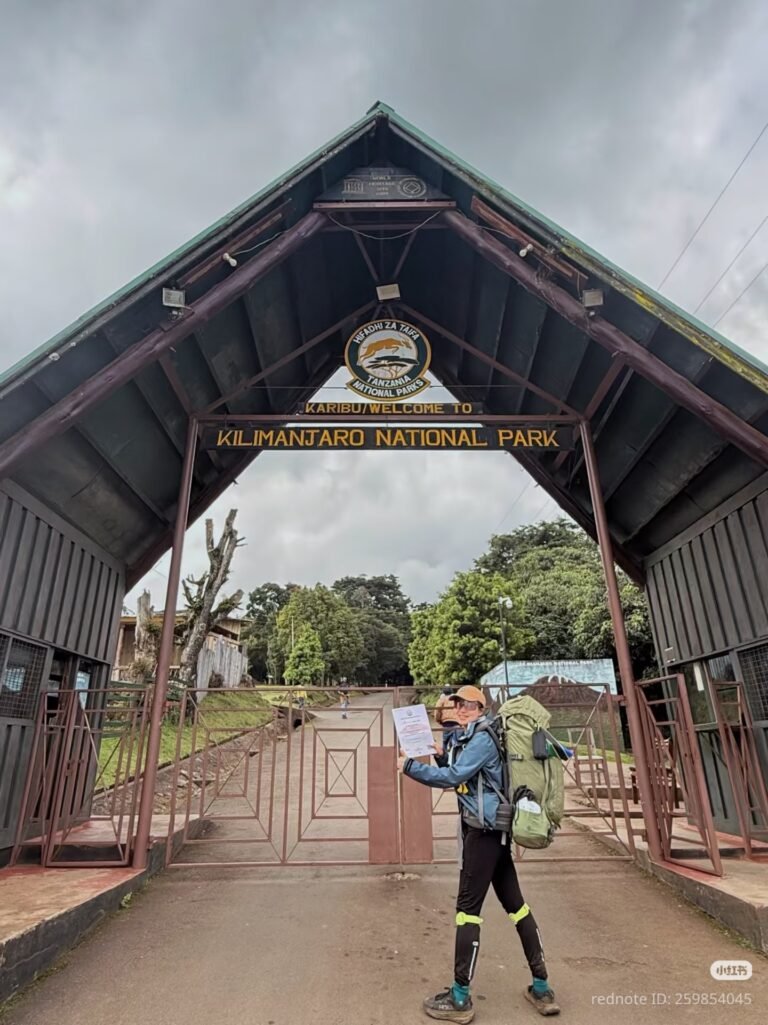
Kilimanjaro And Serengeti Safari Holiday : Your Ultimate Tanzania Adventure
Discover how to combine the challenge of climbing Kilimanjaro with the majesty of the Serengeti safari in 2027. Practical advice for planning your perfect Tanzanian journey.
View package details
Dec 24, – 3 Day Christmas Serengeti And Ngorongoro Group Safari
Dec 24, 2026 – 3 Day Christmas Serengeti and Ngorongoro Group Safari.
View package details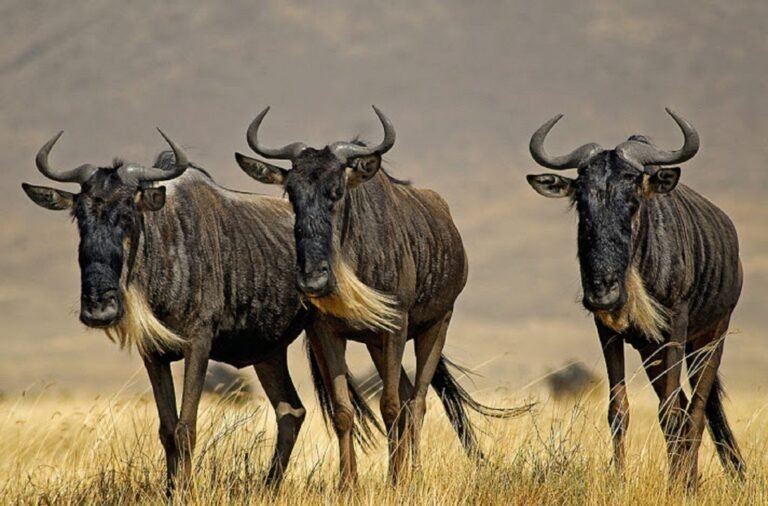
Nov 23, – 3 Day Serengeti And Ngorongoro Safari From Zanzibar
Nov 23, 2026 – 3 Day Serengeti and Ngorongoro Safari from Zanzibar.
View package details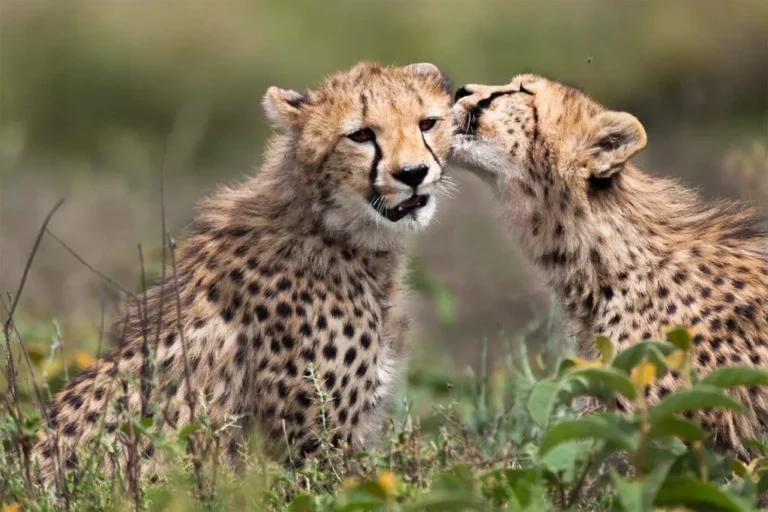
Dec 31, : New Year’s Eve Serengeti Group Safari Planning Guide
This guide provides essential planning details for a group safari trip to the Serengeti for New Year's Eve 2026, covering logistics, seasonal highlights, and what to expect.
View package details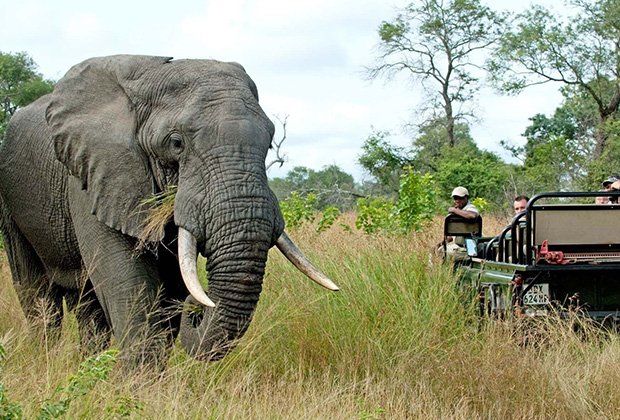
I Am On A Budget—What Is The Cheapest Serengeti Group Safari?
I Am on a Budget—What Is the Cheapest Serengeti Group Safari?
View package details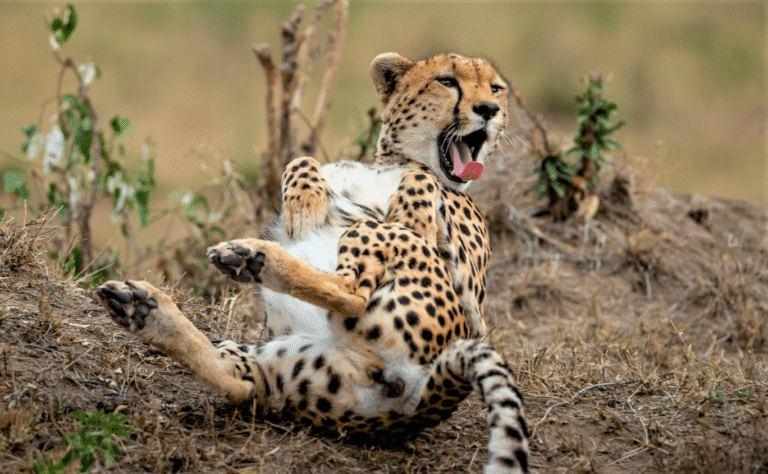
Dec 29, – 6 Day Ndutu, Serengeti And Ngorongoro Group Safari 2026
A detailed guide to our 6-day group safari departure on December 29, 2026, focusing on the Ndutu plains, the Serengeti, and the Ngorongoro Crater.
View package details8 Day Serengeti And Ngorongoro Group Safari – December 16, 2026
Planning your December 2026 Tanzanian adventure? Our 8-day group safari offers a deep, unhurried exploration of the Serengeti and Ngorongoro Crater.
View package detailsDec 12, – 6 Day Serengeti, Ngorongoro, Tarangire And Manyara Group Safari 2026
Dec 12, 2026 – 6 Day Serengeti, Ngorongoro, Tarangire and Manyara Group Safari.
View package detailsDec 8, – 4 Day Tarangire, Serengeti And Ngorongoro Group Safari 2026
A detailed guide to our December 8, 2026 group joining safari, covering the itinerary, logistics, and what to expect during this 4-day wildlife adventure in Tanzania.
View package detailsNov 28, – 3 Day Fly-In Serengeti Group Safari From Zanzibar 2026
A detailed look at the 3-day fly-in Serengeti group safari departing November 28, 2026, including logistics, itinerary highlights, and travel tips for your Tanzania adventure.
View package details
Nov 6, – 3 Day Serengeti And Ngorongoro Budget Group Safari 2026
A detailed look at our November 6, 2026 group departure for a 3-day Serengeti and Ngorongoro safari, including planning tips and route logistics.
View package detailsOct 27, – 3 Day Serengeti And Ngorongoro Group Safari 2026
Planning for a short, high-impact wildlife adventure? Our October 27, 2026, group safari offers a direct route through the Serengeti and Ngorongoro Crater, perfect for travelers with...
View package detailsNo related package matches those filters. Clear one or more filters to see the other topic-matched options.