
Visiting the Engaruka Ruins involves careful planning regarding transportation, local guides, and understanding the site’s historical significance. Located in northern Tanzania, the ruins represent a complex pre-colonial agricultural society, and a visit typically requires a dedicated trip from Arusha or Karatu, often combined with other regional attractions. Access is usually via a rough track, best navigated with a 4×4 vehicle, and engaging a local guide at the site is essential for understanding the layout and history, with most visits lasting a few hours to half a day. Planning for 2026 or 2027 trips should consider booking in advance, especially during peak tourist seasons, to secure suitable transport and accommodation.
Understanding Engaruka Ruins
The Engaruka Ruins are a remarkable, often overlooked, archaeological site located in the shadow of the Great Rift Valley escarpment in northern Tanzania. Far from the bustling safari circuits, this ancient settlement offers a profound glimpse into a sophisticated pre-colonial African society that thrived centuries ago. Unlike many historical sites that are mere foundations, Engaruka presents a vast, sprawling landscape dotted with stone structures, irrigation channels, and terraced fields, hinting at an organized and populous community. Visiting Engaruka is not just about seeing old stones; it’s about piecing together the story of a people who mastered their environment through ingenuity and hard work, a stark contrast to the pastoralist Maasai who inhabit the region today.
For travelers seeking a deeper understanding of Tanzania’s rich cultural mix beyond wildlife, Engaruka provides an unparalleled opportunity. It challenges common perceptions of pre-colonial Africa and offers a tangible connection to the past. The site’s remote location adds to its allure, promising an authentic experience away from the crowds. Planning a visit requires a bit more effort than a typical safari stop, but the rewards are immense for those interested in history, archaeology, and human resilience. As you consider your travel plans for 2026 and 2027, incorporating Engaruka could offer a unique dimension to your Tanzanian adventure.
The Historical Significance of Engaruka
Engaruka is far more than a collection of scattered stones; it’s the remnant of a large and complex agricultural settlement that flourished between the 15th and 18th centuries. Archaeological evidence suggests that the inhabitants, likely ancestors of the modern Iraqw or possibly a distinct group, developed a highly sophisticated system of irrigation and terracing to cultivate crops in an otherwise arid environment. This agricultural prowess allowed them to support a significant population, estimated by some researchers to have been as high as 30,000 to 50,000 people at its peak. This scale of settlement and agricultural organization is exceptional for its time in this region of Africa.
The site’s layout is particularly intriguing. It features a central village area with numerous stone enclosures, believed to be dwellings and kraals, spread across several square kilometers. Surrounding this core are extensive networks of terraces and channels designed to capture scarce rainfall and direct water to cultivated fields. This engineering feat demonstrates a deep understanding of hydrology and land management. The eventual decline and abandonment of Engaruka remain a subject of debate among historians and archaeologists. Theories range from environmental degradation, conflict with neighboring groups like the Maasai, disease, or a combination of factors. The mystery surrounding its abandonment only adds to the site’s mystique and makes a visit all the more compelling.
Understanding this history is crucial for appreciating the site. It highlights the diversity of human adaptation and societal development in pre-colonial Africa, moving beyond narratives that often focus solely on pastoralism or hunter-gatherer lifestyles. Engaruka stands as a testament to agricultural innovation and a complex social structure that once thrived in this challenging landscape. For anyone interested in African history, archaeology, or simply the story of human ingenuity, the Engaruka Ruins offer a unique and rewarding perspective.
Planning Your Visit to Engaruka Ruins
A successful trip to the Engaruka Ruins requires careful logistical planning. Its remote location means it’s not a place you can easily reach on a whim, especially if you’re on a tight safari schedule. However, with proper preparation, it can be a deeply enriching experience. The key elements to consider are the best time to go, how to reach the site, where to stay, what essentials to bring, and how to engage with the local guides and understand the associated costs.
Best Time to Visit
The climate in the Engaruka area is semi-arid, characterized by distinct wet and dry seasons. The best time to visit is generally during the dry season, which typically runs from June to October. During these months, the weather is more predictable, with less chance of rain disrupting travel, especially on the rougher tracks leading to the site. The landscape is also less challenging to traverse on foot. The temperatures can be warm, so early morning or late afternoon visits are often more comfortable.
The shoulder months, such as May and November, can also be good options. You might encounter occasional rain showers, but the landscape can be greener, and there are usually fewer tourists. The main rainy seasons are typically from March to May and a shorter period from November to December. Traveling during these times can be more challenging due to muddy roads, which can make access difficult or impossible for standard vehicles. Always check local conditions and road status before planning a trip during the rainy seasons.
For those planning trips in 2026 or 2027, adhering to the dry season is advisable for the smoothest experience. This period also aligns with peak tourist seasons for other northern Tanzanian attractions, so booking transport and guides in advance is recommended.
How to Get There
Reaching Engaruka is an adventure in itself. The site is located approximately 50-60 kilometers northwest of Mto wa Mbu, a common stopover town between Arusha and the Serengeti/Ngorongoro conservation areas. The journey from Mto wa Mbu typically takes 1.5 to 3 hours, depending on road conditions.
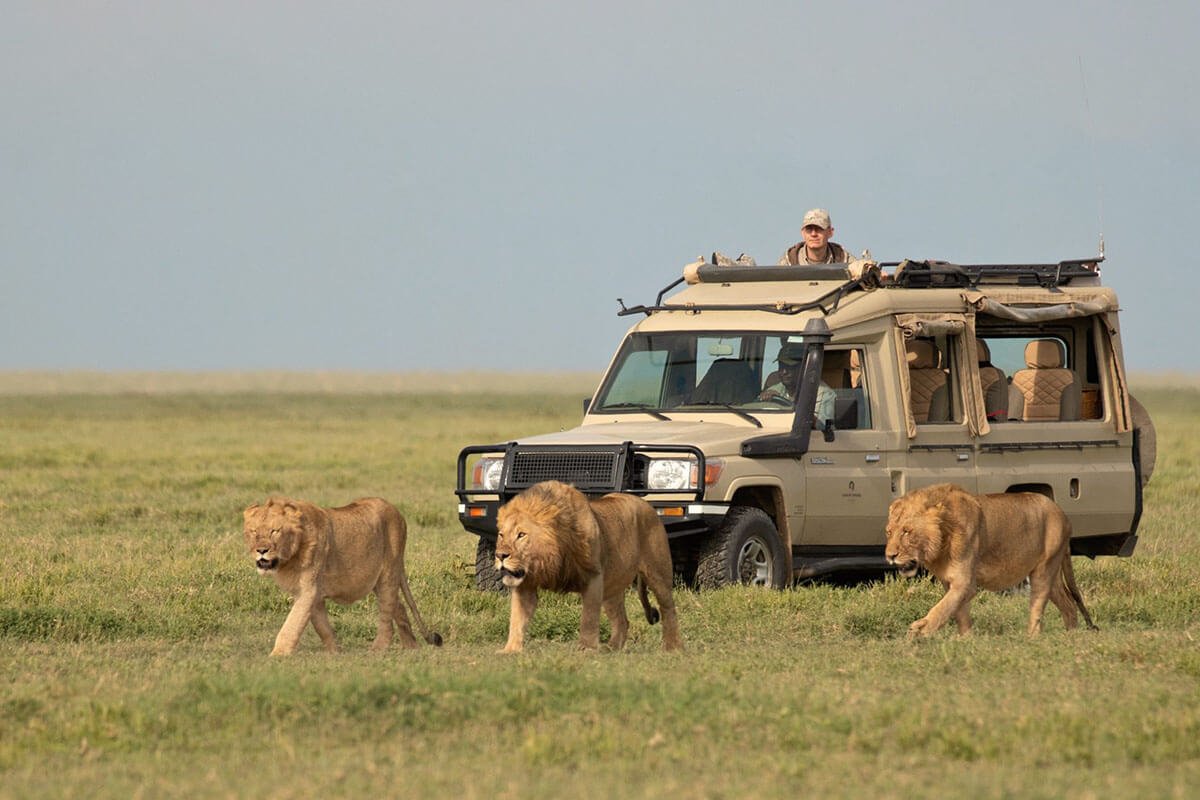
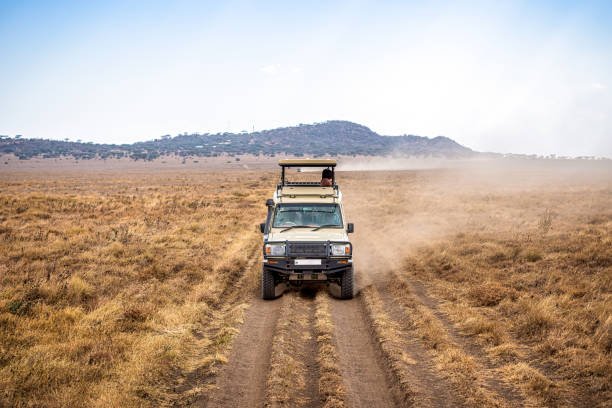
Vehicle Requirements: A 4×4 vehicle is highly recommended, if not essential. The road is largely unpaved and can be rough, sandy, or muddy, especially after rain. Standard 2WD vehicles may struggle or become stuck. Many travelers arrange transport from Arusha or Karatu as part of a tour package. If you are self-driving or arranging transport independently, ensure your vehicle is robust and capable of handling off-road conditions.
Travel Options:
- Guided Tour: The most common and recommended way to visit Engaruka is as part of a guided tour. Tour operators can arrange appropriate transport, incorporate the visit into a broader itinerary, and ensure you have a knowledgeable local guide at the site. This is often the most practical approach for international visitors.
- Independent Travel: If you are experienced with off-road driving in Tanzania, you might consider arranging private transport from Arusha or Karatu. This requires a reliable 4×4 and a good understanding of the route. You’ll still need to arrange a local guide upon arrival at Engaruka.
The drive itself offers a glimpse into the rural Tanzanian landscape, passing through villages and agricultural areas, and eventually into more arid, rugged terrain as you approach the Rift Valley escarpment. The final stretch to the ruins can be particularly challenging.
Accommodation Options
Engaruka itself does not have formal hotels or lodges. The accommodation options are generally found in nearby towns or villages, or can be arranged as part of a camping safari experience.
- Mto wa Mbu: This bustling agricultural town is the closest significant settlement. It offers a range of basic guesthouses and lodges, suitable for a one-night stay if you are breaking up the journey.
- Karatu: A more established tourist hub located further south, Karatu offers a wider selection of lodges and tented camps, ranging from mid-range to luxury. It’s a convenient base if you are combining Engaruka with visits to Ngorongoro or Lake Manyara.
- Arusha: For those starting or ending their trip, Arusha provides the most extensive range of accommodation, from budget hostels to high-end hotels.
- Camping: For the more adventurous, organizing a camping trip with a local operator is an excellent way to experience the region. This often involves setting up camp in designated areas near the ruins or in more remote locations, providing a unique opportunity to connect with the environment.
When planning for 2026-2027, booking accommodation in advance is crucial, especially if you aim to stay in Karatu during peak seasons. Consider how many days you wish to dedicate to the Engaruka area; often, it’s visited as a day trip from Karatu or Mto wa Mbu.
What to Pack
Given the rural and potentially rugged nature of visiting Engaruka, packing appropriately is key to comfort and safety. Think practical, durable, and sun-protective gear.
- Footwear: Sturdy, closed-toe walking shoes or hiking boots are essential. You’ll be walking over uneven terrain, potentially rocky or sandy ground, and you want to protect your feet.
- Clothing: Lightweight, breathable clothing is best. Long trousers and long-sleeved shirts are advisable for sun protection and to guard against insects, especially during early mornings or late afternoons. A hat with a wide brim is also crucial for sun protection.
- Sun Protection: High SPF sunscreen, sunglasses, and a wide-brimmed hat are non-negotiable. The sun can be intense, even on cloudy days.
- Water: Carry plenty of drinking water. Staying hydrated is vital, especially in the dry, warm climate. Consider bringing a reusable water bottle and purification tablets or a filter if you want to minimize plastic waste.
- Insect Repellent: While not as notorious for mosquitoes as some other regions, it’s wise to carry insect repellent, particularly for dawn and dusk.
- Camera: To capture the unique landscape and the remnants of the ancient settlement.
- Binoculars: Can enhance your viewing experience of the surrounding landscape and wildlife.
- Small Backpack: For carrying water, snacks, camera, and other essentials during your exploration of the ruins.
- Cash: Small denominations of Tanzanian Shillings are useful for purchasing souvenirs or tipping local guides.
Remember that Engaruka is a rural site, so amenities are limited. Being self-sufficient with your packing will greatly enhance your experience.
Entrance Fees and Guides
Visiting the Engaruka Ruins involves specific fees, primarily for site access and for the mandatory local guides. These fees are typically collected by community representatives or the Tanzania Tourist Board (TTB) officials at the site entrance.
- Site Entrance Fee: There is a fee for entering the archaeological site itself. This fee contributes to the preservation and management of the ruins. The exact amount can vary, so it’s best to confirm current rates with your tour operator or check with local authorities. For 2026-2027, expect these fees to be in line with other Tanzanian cultural heritage sites.
- Local Guide Fee: It is compulsory to hire a local guide to explore the Engaruka Ruins. These guides are members of the local community and possess invaluable knowledge about the history, archaeology, and cultural significance of the site. Their fees are separate from the entrance fee. Hiring a guide not only enhances your understanding but also directly supports the local economy.
Cost Considerations: While specific prices fluctuate, budget for approximately $20-30 USD per person for combined fees (entrance and guide), though this can vary. Tour operators will usually include these in their package prices, but it’s good to clarify what is covered. It’s customary to tip your guide if you are satisfied with their service, with an amount of $10-20 USD being a reasonable gesture, depending on the duration and quality of the tour.
Confirming these details with your tour provider well in advance is essential for accurate budgeting and a smooth visit. Understanding that these fees directly benefit the local community is a key aspect of responsible tourism at Engaruka.
What to Expect at the Engaruka Site
Upon arrival at Engaruka, you’ll find a landscape that, at first glance, might seem like scattered piles of stones across a wide, arid valley. However, with a local guide, the true complexity and scale of this ancient settlement begin to reveal themselves. The experience is less about pristine structures and more about interpreting the landscape and the remnants of a sophisticated past.
Exploring the Ruins
The ruins are spread over a considerable area, covering several square kilometers. The exploration is done on foot, and it’s important to be prepared for walking on uneven, rocky, and sometimes sandy terrain. The site is not a single, defined monument but rather a dispersed settlement. Your guide will lead you through the main areas, pointing out different features and explaining their likely purpose.
The walk can take anywhere from 2 to 4 hours, depending on your pace and the extent of exploration. It’s advisable to visit in the cooler parts of the day, such as early morning or late afternoon, to avoid the midday heat. The landscape is rugged and open, offering panoramic views of the surrounding Rift Valley, which adds to the visual experience.
Archaeological Features
As you walk with your guide, you will encounter various distinct features that make Engaruka so significant:
- Stone Enclosures: These are the most visible remnants, forming circular or rectangular foundations. They are believed to have served as dwellings for people and enclosures for livestock (kraals). The density of these enclosures indicates a large population.
- Irrigation Channels: A network of carefully constructed channels designed to capture and direct scarce rainwater from the escarpment to the fields below. These are a testament to the advanced agricultural engineering of the inhabitants.
- Terraced Fields: On the slopes leading down from the escarpment, you will see remnants of ancient terraces. These were built to maximize arable land and prevent soil erosion, further showcasing the community’s agricultural sophistication.
- Burial Sites: While not always clearly marked or accessible, there are indications of ancient burial grounds within the settlement area.
Your guide will explain the archaeological interpretations of these features, discussing how the people lived, farmed, and organized their society. It’s a hands-on, interpretive experience that brings history to life.
Cultural Interactions
Beyond the archaeological aspects, visiting Engaruka offers a chance to interact with the local community. The guides are from the surrounding villages, and their insights into their heritage and the history of the ruins are invaluable. They often share stories passed down through generations, offering a living connection to the past.
You may also encounter local people engaged in traditional activities, such as herding livestock or farming in the surrounding areas. It’s important to approach these interactions with respect and sensitivity. The community often sells local crafts, such as beads, carvings, or woven items. Purchasing these directly supports the local economy and provides a meaningful souvenir of your visit.
Engaruka is a place where history, archaeology, and living culture converge. A visit is not just educational but also a deeply human experience, connecting you with the ingenuity and resilience of past generations and the present-day community that safeguards this heritage.
Combining Your Engaruka Visit with Other Attractions
Engaruka Ruins are strategically located within a region rich with diverse attractions. It’s often visited as a stopover or an add-on to a classic northern Tanzania safari circuit. This allows travelers to experience a blend of wildlife, cultural heritage, and stunning natural landscapes. For planning your 2026 or 2027 itineraries, consider these nearby destinations:
Lake Eyasi
Located south of Karatu, Lake Eyasi is famous for its unique tribal communities, particularly the Hadzabe hunter-gatherers and the Datoga pastoralists. A visit to Engaruka can be combined with a trip to Lake Eyasi to experience a more traditional way of life, observe ancient hunting techniques, and learn about the distinct cultures of these groups. The journey to Lake Eyasi also involves rough tracks, making a 4×4 vehicle essential.
Olmoti and Empakai Craters
These lesser-visited Ngorongoro Conservation Area craters offer a different perspective on the region’s natural beauty compared to the famous Ngorongoro Crater. Olmoti is known for its waterfall, while Empakai boasts a stunning lake and offers opportunities for hiking and birdwatching. Accessing these requires a 4×4 and can be done as part of a longer safari itinerary. They provide a more off-the-beaten-path wilderness experience.
Tarangire National Park
Known for its large elephant herds, baobab trees, and diverse birdlife, Tarangire is a popular safari destination. It’s relatively accessible from the Mto wa Mbu area, making it a logical addition to a trip that includes Engaruka. Combining a cultural visit to the ruins with a few days of game drives in Tarangire offers a well-rounded Tanzanian experience.
Ndutu Conservation Area
Part of the greater Serengeti ecosystem, the Ndutu area is famous for hosting the wildebeest migration from roughly December to March. If your visit to Engaruka aligns with these months, you could combine the historical site with the incredible spectacle of the migration. This combination offers a deep look at both Tanzania’s natural wonders and its rich human history.
When planning, consider the logistics of travel time between these locations. A typical itinerary might involve starting in Arusha, visiting Engaruka and perhaps Lake Eyasi, then proceeding to Tarangire, Ngorongoro, and the Serengeti. For 2026-2027, booking a multi-day tour that incorporates these diverse experiences would be highly efficient.
Responsible Tourism at Engaruka
Visiting Engaruka offers a unique opportunity to engage with history and culture, and it’s vital to do so responsibly. Responsible tourism ensures that your visit benefits the local community and contributes to the preservation of the site for future generations.
- Respect Local Culture: Always be mindful of local customs and traditions. Dress modestly when interacting with the community, especially outside the immediate tourist context. Ask for permission before taking photos of people.
- Support Local Guides: As mentioned, hiring a local guide is mandatory and highly beneficial. They provide invaluable insights and their employment directly supports the community. Ensure you are paying fair rates for their services.
- Purchase Local Crafts: If you wish to buy souvenirs, choose locally made items. This provides direct economic benefit to the artisans and their families.
- Environmental Awareness: Stick to designated paths to avoid damaging the delicate archaeological remains and the surrounding environment. Carry out everything you carry in – do not leave any litter behind. Avoid disturbing wildlife or natural habitats.
- Water and Waste: Be conscious of water usage, as it is a scarce resource in the region. Minimize plastic waste by using reusable water bottles and containers.
By adhering to these principles, your visit to Engaruka can be a positive experience for both you and the local community, contributing to sustainable tourism practices in Tanzania. This approach is increasingly important for travelers in 2026 and 2027 who seek meaningful and ethical travel experiences.
Booking Your Trip to Engaruka
Booking a trip to the Engaruka Ruins requires careful consideration of logistics, especially if you’re integrating it into a larger Tanzanian itinerary. Given its remote nature, working with an experienced tour operator is highly recommended to ensure a smooth and enriching experience.
Why Book with Climb 4 Africa?
Climb 4 Africa specializes in creating authentic Tanzanian travel experiences, including cultural excursions to sites like Engaruka. We understand the intricacies of navigating northern Tanzania’s terrain, arranging reliable 4×4 transport, and connecting you with knowledgeable local guides. Our expertise ensures that your visit to Engaruka is not just a stopover, but a well-planned and insightful journey into history and culture.
What to Include in Your Inquiry:
When you contact us for a quote or to plan your visit for 2026 or 2027, please provide as much detail as possible:
- Travel Dates: Specify your preferred travel dates, noting any flexibility.
- Duration: How many days do you envision spending in the Engaruka region or combining it with other areas?
- Group Size: Number of travelers.
- Interests: Are you primarily interested in history, culture, archaeology, or combining it with wildlife safaris?
- Accommodation Style: Specify your preference (e.g., budget guesthouses, mid-range lodges, luxury camps, camping).
- Starting/Ending Point: Where will your trip begin and end (e.g., Kilimanjaro International Airport, Arusha)?
We can tailor an itinerary that seamlessly incorporates Engaruka, whether as a dedicated cultural day trip or as part of a broader adventure including safaris to Tarangire, Lake Manyara, or the Serengeti. Our team will handle the complexities of transport, accommodation, guide arrangements, and park fees, ensuring you can focus on the experience.
Next Steps:
Reach out to us today to start planning your unique Tanzanian adventure. We are dedicated to providing practical, locally-informed support to make your journey unforgettable.
Contact Climb 4 Africa:
- WhatsApp: +255 747 477 898
- Email: climb4africa@gmail.com
- Website: climb-4-africa.com
Let us help you discover the historical depths of the Engaruka Ruins and the wider wonders of Tanzania for your 2026-2027 travels.
Check Availability for How To Visit Engaruka Ruins: A Comprehensive Guide For 2026-2027
Ready to compare dates, prices, and the best option for your group? Send the package name and travel month so the team can reply with a clear quote, availability, and what is included.
Engaruka Ruins Tour Cost And Prices: Planning Your Visit 2026-2027
Planning a trip to the Engaruka Ruins involves understanding the associated costs. This guide breaks down the factors influencing Engaruka Ruins tour prices for 2026-2027, what to expect in…

Best Time To Visit Engaruka Ruins: Your Complete Planning Guide 2026-2027
Planning a trip to the enigmatic Engaruka Ruins? This guide details the ideal times to visit for weather, cultural insights, and a more rewarding exploration, covering 2026 and 2027.
No related package matches those filters. Clear one or more filters to see the other topic-matched options.



