
The cost of an Engaruka Ruins tour in 2026-2027 typically ranges from $100 to $300 per person, depending on the duration, chosen inclusions, private versus group options, and the specific tour operator. This price generally covers guided exploration of the ancient village, cultural interactions, park entrance fees, and transportation from nearby hubs like Arusha or Karatu, with variations based on whether it’s part of a larger safari itinerary or a standalone day trip.
Understanding Engaruka Ruins Tour Pricing
The cost of visiting the Engaruka Ruins is not a fixed figure; it’s a dynamic reflection of the services provided, the length of your engagement with the site, and the overall travel experience you seek. For travelers planning their trips in the 2026-2027 period, understanding these cost drivers is crucial for effective budgeting and making informed decisions. While exact prices can fluctuate, the underlying factors remain consistent, allowing for a predictable framework for assessing tour packages.
Key Factors Influencing Cost
Several elements combine to determine the final price tag for an Engaruka Ruins tour. Recognizing these will help you interpret quotes and identify the best value for your travel goals.
Duration and Scope
The length of your visit is perhaps the most significant determinant of cost. A brief half-day excursion will naturally be less expensive than a full-day exploration that includes lunch, extended cultural interactions, and perhaps a hike to a viewpoint. Tours that incorporate Engaruka as part of a larger itinerary, such as a multi-day safari or a cultural circuit that includes other historical sites, will have their overall cost influenced by the combined activities, but the Engaruka portion will be factored in. Longer durations generally mean more time with guides, more ground covered, and potentially more included services, driving up the price.
Private vs. Shared Tours
This is a fundamental cost differentiator. A private Engaruka Ruins tour offers exclusivity, flexibility, and personalized attention. You set the pace, focus on what interests you most, and travel with only your companions. This exclusivity comes at a higher price point, as the operational costs (vehicle, guide, fuel) are spread among fewer people. Conversely, shared or group tours distribute these costs across a larger number of participants, making them a more budget-friendly option. While shared tours offer less flexibility, they can be a fantastic way to experience the ruins and interact with fellow travelers, especially for solo travelers or couples looking to manage expenses in 2026 or 2027.
Inclusions and Exclusions
The devil, as they say, is in the details, and this is particularly true for tour pricing. A comprehensive Engaruka Ruins tour package might include: park or site entry fees, a knowledgeable local guide, transportation, bottled water, and potentially lunch. Less inclusive packages might only cover the guide and basic site access, leaving transportation and meals as separate expenses. It’s vital to scrutinize what is explicitly included and excluded in any quote. Understanding this allows you to accurately compare offers and avoid unexpected charges during your 2026-2027 journey.
Transportation Logistics
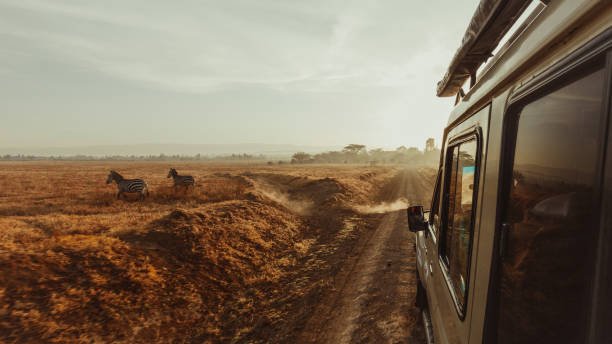
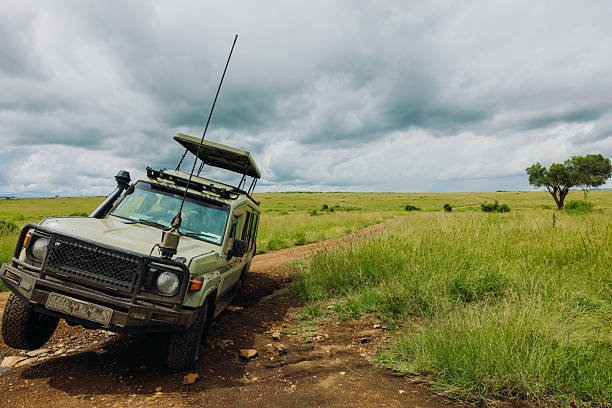
Engaruka is located in a relatively remote area. The cost of getting there significantly impacts the tour price. If you’re starting from Arusha or Karatu, the distance and road conditions play a role. A tour departing from a closer base like Mto wa Mbu might be slightly less expensive for transport. The type of vehicle used also matters; a comfortable 4×4 safari vehicle will generally be more expensive than a standard van. For tours integrated into longer safaris, the transportation cost might be absorbed into the overall package, but it’s still a component of the Engaruka Ruins tour cost.
Guide Expertise and Support
Engaging with a qualified, knowledgeable local guide is paramount for a meaningful experience at Engaruka. Guides who possess deep historical knowledge, understand the archaeological significance, and can facilitate respectful interactions with the local community add immense value. Their expertise, often honed over years of experience, contributes to the tour’s cost. Reputable operators invest in well-trained guides, ensuring a richer and more educational visit. Support staff, such as drivers and potentially local community liaisons, also factor into the operational costs.
Time of Year (2026-2027)
While Engaruka is not subject to the same peak season fluctuations as major national parks like the Serengeti or Maasai Mara, travel during the peak safari seasons (e.g., July-October, December-February) can sometimes see slightly higher prices for accommodations and transport if the Engaruka visit is part of a broader trip. However, for a standalone day trip, the seasonal impact on Engaruka Ruins tour cost is usually minimal. Planning for 2026 or 2027, consider that the shoulder seasons might offer good weather with fewer crowds.
Typical Engaruka Ruins Tour Packages
To give you a clearer picture of what to expect, here are common ways the Engaruka Ruins tour cost is structured:
Day Trip from Arusha or Karatu
This is a popular option for travelers whose primary focus is wildlife safaris in nearby parks like Tarangire or Lake Manyara, or those staying in Arusha. A typical day trip might involve:
- Early morning departure from your hotel.
- Private 4×4 vehicle transport.
- A qualified local guide for the ruins.
- Entry fees to the Engaruka historical site.
- A packed lunch.
- Return to your hotel by late afternoon.
Expect the Engaruka Ruins tour cost for such a package to be in the $150 – $300 per person range, depending on the operator and specific inclusions. This provides a concentrated experience of the ruins and surrounding landscape.
Multi-day Cultural Safaris
For travelers seeking a deeper look at Tanzania’s heritage, multi-day tours can incorporate Engaruka alongside other cultural attractions and natural wonders. These packages might include:
- Accommodation in lodges or tented camps.
- All meals.
- Transportation in a dedicated safari vehicle.
- Expert guides for all sites, including Engaruka.
- Entrance fees for all included parks and sites.
- Community visits and activities.
The cost for these extended cultural safaris that feature Engaruka will be significantly higher, reflecting the multiple days of service, accommodation, and comprehensive guiding. Prices could range from $300 to $600+ per person per day, depending on the level of luxury and the specific itinerary. The Engaruka portion is a key highlight within these richer itineraries.
Add-on to Northern Circuit Tours
Many travelers combine a visit to Engaruka with a classic Northern Circuit safari (Serengeti, Ngorongoro Crater, Tarangire). In this scenario, Engaruka serves as a fascinating cultural counterpoint to the wildlife focus. The cost impact on the overall safari package for adding Engaruka is usually modest, perhaps adding $100 – $250 per person for a dedicated day trip component, covering guide services and transportation from a point along the safari route, like Karatu. This makes it an accessible addition for those keen on understanding the region’s history.
What Your Engaruka Ruins Tour Cost Typically Covers
When you invest in an Engaruka Ruins tour, you’re paying for more than just access to a historical site. You’re investing in a curated experience designed to be educational, engaging, and respectful. Here’s a breakdown of what the price usually encompasses:
Guided Exploration and Historical Insight
The core value of an Engaruka tour lies in the guided exploration. A good guide will lead you through the sprawling ruins, explaining the ingenious irrigation systems, the layout of the ancient village, and the archaeological theories surrounding its inhabitants and their disappearance. They bring the stones and earth to life, providing context that you simply wouldn’t get from wandering alone. This expert interpretation is a significant part of the tour cost.
Cultural Immersion and Community Visits
Engaruka is not just ruins; it’s a living community. Many tours include opportunities for respectful interaction with the local Maasai and Datoga people who live in the vicinity. This might involve visiting a traditional boma (homestead), learning about their daily lives, customs, and perhaps witnessing traditional crafts. The cost often includes a contribution to the community for these interactions, ensuring that tourism benefits the people who are the custodians of this heritage.
Park and Site Entry Fees
Access to the Engaruka historical site typically requires an entry fee, similar to national parks and game reserves in Tanzania. This fee contributes to the preservation of the site and supports local conservation efforts. Reputable tour operators will include these fees in their quoted prices, so you don’t face surprise charges on arrival. For 2026-2027 planning, confirm the exact fee structure, as these can be subject to change by local authorities.
Transportation to and From Engaruka
Getting to Engaruka requires reliable transport, often a 4×4 vehicle capable of handling the terrain. The cost of fuel, vehicle hire, driver’s wages, and maintenance are all factored into the tour price. Whether you’re coming from Arusha, Karatu, or another starting point, the logistics of reaching this somewhat remote location are a significant component of the overall Engaruka Ruins tour cost.
Local Community Contributions
Responsible tourism at Engaruka means ensuring that the local community benefits directly. Tour costs often include a portion that goes towards community development projects, supporting schools, healthcare, or other initiatives. This ensures that your visit contributes positively to the people and the preservation of their cultural heritage.
Understanding Additional Costs and Budgeting
While the tour package covers many essentials, it’s wise to budget for ancillary expenses to ensure a smooth and enjoyable trip in 2026 or 2027. These are costs that typically fall outside the direct Engaruka Ruins tour price but are important for overall travel planning.
Meals and Refreshments
If your tour package doesn’t include all meals, you’ll need to budget for them. This could mean purchasing lunch at a local eatery if you’re on a shorter tour, or if you’re on a multi-day trip, covering meals at lodges or camps not included in your package. Water is often provided, but extra drinks or snacks are usually personal expenses.
Tipping for Guides and Staff
Tipping is a customary way to show appreciation for excellent service in Tanzania. While not mandatory, it’s highly recommended. Budget for tipping your driver-guide and any other support staff. A common guideline is $10-$20 per day per traveler for the main guide, with smaller amounts for assistants. For a specific Engaruka day tour, this might be a smaller, one-time tip. For multi-day trips, it’s a more significant consideration. Operators like Climb 4 Africa can provide current tipping guidelines for 2026-2027.
Souvenirs and Personal Purchases
If you wish to purchase local crafts, artwork, or other souvenirs from the communities near Engaruka or in towns like Arusha, set aside a budget for this. Bargaining is common in local markets, so be prepared for that aspect of shopping.
Travel Insurance
Comprehensive travel insurance is not just advisable; it’s essential for any international trip, including one to Tanzania. It should cover medical emergencies, trip cancellations, lost luggage, and other unforeseen events. While the cost of insurance varies based on coverage and duration, it’s a critical component of your overall travel budget for 2026-2027.
Visa Requirements
Depending on your nationality, you may need a visa to enter Tanzania. This is a separate cost that should be factored into your budget. Many nationalities can obtain a visa on arrival or apply online in advance. Check the latest requirements for your country of origin well before your planned travel dates for 2026 or 2027.
Comparing Operators for Engaruka Tours in 2026-2027
Choosing the right tour operator is as important as understanding the Engaruka Ruins tour cost. A reputable operator will provide not only a fair price but also a safe, enriching, and responsible travel experience. When comparing options for your 2026-2027 adventure, consider these points:
What to Look For in a Quote
- Detailed Itinerary: Does it clearly outline each day’s activities?
- Inclusions/Exclusions: Is there a clear list of what is and isn’t covered (meals, drinks, tips, park fees)?
- Vehicle Type: Is it suitable for the terrain and group size?
- Guide Qualifications: Are guides experienced and knowledgeable?
- Payment Terms: What is the deposit and final payment schedule?
- Cancellation Policy: What happens if you need to cancel?
- Emergency Contact: Is there a local emergency contact number available?
Be wary of quotes that seem too good to be true; they often hide significant exclusions or compromises on quality and safety.
Importance of Local Expertise
Local operators, like Climb 4 Africa, possess invaluable insights into destinations like Engaruka. They have established relationships with local communities, understand the best times to visit, know the local guides intimately, and can navigate logistical challenges with ease. This local knowledge often translates into a more authentic and smooth experience, and can often provide better value for your Engaruka Ruins tour cost.
Booking Considerations for 2026-2027
For trips planned for 2026 or 2027, it’s advisable to book several months in advance, especially if you’re traveling during peak safari seasons or require specific accommodations. This gives operators ample time to arrange logistics and secure the best guides. Early booking also allows you to lock in prices and potentially benefit from any early-bird offers that might be available.
Planning Your Engaruka Ruins Visit Logistics
Beyond the cost, practical planning is key to a successful Engaruka Ruins tour. Understanding the best time to visit, how to get there, and what to pack will enhance your experience.
Best Time to Visit Engaruka
Engaruka can be visited year-round. However, the dry seasons (June to October and December to February) are generally more comfortable for exploration, with less chance of rain and more pleasant temperatures. The landscape can be quite hot, especially during the midday sun, so early morning or late afternoon visits are often recommended.
How to Get to Engaruka
Engaruka is typically accessed via a dirt road off the main Arusha-to-Manyara road, usually from the vicinity of Mto wa Mbu or Karatu. Most visitors arrive as part of an organized tour with a safari vehicle. Independent travel is possible but challenging due to road conditions and the need for a capable 4×4 vehicle. For most travelers, booking an Engaruka Ruins tour that includes transportation is the most practical and cost-effective approach.
What to Pack for an Engaruka Tour
Given the climate and terrain, packing wisely is important:
- Lightweight, breathable clothing: Long sleeves and trousers are advisable for sun protection and to ward off insects.
- Comfortable walking shoes: Sturdy trainers or hiking boots are essential for navigating the ruins.
- Sun protection: A wide-brimmed hat, sunglasses, and high SPF sunscreen are a must.
- Insect repellent: Especially for early mornings and late afternoons.
- Water bottle: To stay hydrated.
- Camera: To capture the unique landscape and historical sites.
- Small backpack: To carry essentials like water, snacks, camera, and sunscreen.
- Light jacket or fleece: For cooler mornings or evenings, though generally not needed for a day trip.
Remember, the Engaruka Ruins tour cost doesn’t include personal items, so pack accordingly.
Why Choose Climb 4 Africa for Your Engaruka Tour
When planning your visit to the Engaruka Ruins, especially for trips in 2026-2027, partnering with an experienced and locally-grounded operator like Climb 4 Africa ensures a richer, more authentic, and logistically sound experience. We understand the nuances of cultural tourism and strive to offer exceptional value, making your Engaruka Ruins tour cost a worthwhile investment.
Our Commitment to Authentic Experiences
At Climb 4 Africa, we believe that travel should be more than just sightseeing; it should be about genuine connection and understanding. We work closely with local communities around Engaruka to ensure that your visit is respectful, educational, and directly benefits the people who call this area home. Our guides are passionate about sharing the history and culture of the region, offering insights that go beyond the surface level.
Practical Local Support and Value
As a Tanzania-based company, we offer unparalleled local support. This means we have firsthand knowledge of the terrain, the communities, and the best ways to facilitate your journey. We are committed to providing transparent pricing and ensuring that your Engaruka Ruins tour cost reflects excellent value. You benefit from our established networks and operational efficiencies, which often translate into more competitive pricing without compromising on quality.
Tailoring Your 2026-2027 Trip
Whether you envision a focused day trip to Engaruka or wish to integrate it into a comprehensive safari or cultural exploration for 2026 or 2027, we can craft a bespoke itinerary. We listen to your interests, budget, and travel style to design an experience that perfectly suits you. Contact us to discuss how we can personalize your Engaruka adventure and provide a detailed quote based on your specific requirements.
To discuss your Engaruka Ruins tour in detail, get a personalized quote for 2026-2027, or learn more about our commitment to authentic Tanzanian travel, please reach out to us. You can contact Climb 4 Africa via WhatsApp at +255 747 477 898 or send an email to climb4africa@gmail.com. We are here to help you plan an unforgettable journey into Tanzania’s rich past and vibrant present.
Frequently Asked Questions About Engaruka Tours
- Is Engaruka Ruins a UNESCO World Heritage Site?
While Engaruka is a historically significant site with unique archaeological features, it is not currently a UNESCO World Heritage Site. However, its cultural importance is recognized locally and among travelers interested in Tanzania’s history. - Can I visit Engaruka independently?
Independent visits are possible, but not recommended for most travelers. The roads can be challenging, and a 4×4 vehicle is essential. Furthermore, having a local guide is crucial for understanding the site’s history and cultural context. Organized tours provide a much more accessible and informative experience. - What is the best way to experience the local culture at Engaruka?
Engage respectfully with the local Maasai and Datoga communities. Many tours facilitate visits to traditional homesteads, offering insights into their way of life. Always ask for permission before taking photographs and be open to learning about their customs. - How much time should I allocate for an Engaruka Ruins tour?
A typical day trip from Arusha or Karatu will take a full day, including travel time. For exploration of the ruins and a cultural interaction, allow at least 2-3 hours on site. - Are there facilities like restrooms or shops at Engaruka?
Facilities are very basic. You may find simple restrooms, but organized tours usually provide packed lunches and ample water. It’s advisable to bring any personal snacks you might need.
Check Availability for Engaruka Ruins Tour Cost And Prices: Planning Your Visit 2026-2027
Ready to compare dates, prices, and the best option for your group? Send the package name and travel month so the team can reply with a clear quote, availability, and what is included.



