
An Engaruka Ruins tour offers a unique glimpse into a fascinating ancient agricultural village in Tanzania, showcasing sophisticated irrigation systems and a vanished way of life. Planning a visit for 2026-2027 involves understanding its remote location, the historical context of the ruins, and the best ways to experience this significant archaeological site, typically as part of a broader Northern Tanzania itinerary.


Understanding the Engaruka Ruins
The Engaruka ruins, located in the arid plains between the Great Rift Valley and Mount Lengai, represent one of Tanzania’s most intriguing archaeological sites. Unlike the more commonly visited wildlife parks, Engaruka transports visitors back in time, offering a profound connection to a sophisticated ancient society that thrived in this challenging environment. The site is not a single crumbling structure, but rather an expansive ancient village, spread over several square kilometers, characterized by stone-built homesteads and evidence of extensive agricultural terracing and water management systems. Visiting Engaruka is an opportunity to step away from the typical safari circuit and engage with Tanzania’s rich, often overlooked, historical and cultural landscape. The scale of the settlement suggests a population of several thousand people, a significant number for its time and location, sustained by ingenious methods of water harvesting and land cultivation.
When planning an Engaruka Ruins tour, it’s crucial to set expectations. You won’t find grand temples or palaces. Instead, you’ll encounter the remnants of a functional, ancient community: the foundations of houses, pathways, and, most impressively, the remnants of a complex system of channels, terraces, and reservoirs designed to capture scarce rainfall and irrigate crops. This intricate water system is the hallmark of Engaruka, demonstrating an advanced understanding of hydrology and environmental adaptation that allowed the inhabitants to flourish for centuries. The arid surroundings today, with sparse vegetation and dramatic volcanic landscapes, make the ingenuity of the past even more striking. For travelers interested in history, anthropology, and the human story behind the landscapes of East Africa, Engaruka provides an unparalleled experience, especially as we look towards travel in 2026 and 2027, where unique cultural encounters are increasingly sought after.
### Why Visit Engaruka?
Several compelling reasons draw visitors to Engaruka:
* **Unique Historical Insight:** It offers a rare look into pre-colonial Tanzanian life, showcasing a large, organized agricultural community.
* **Ingenious Water Management:** The ancient irrigation and terracing systems are a marvel of ancient engineering, especially in such an arid region.
* **Off-the-Beaten-Path Experience:** It provides a refreshing contrast to the popular national parks, offering a quieter, more contemplative historical exploration.
* **Cultural Connection:** Understanding how people lived and adapted to their environment provides a deeper appreciation for the region’s heritage.
* **Stunning Scenery:** The ruins are set against the dramatic backdrop of the Great Rift Valley, with views of Mount Lengai, an active volcano.
### What to Expect in 2026-2027
As travel trends evolve, destinations like Engaruka are gaining recognition for their authenticity and educational value. For 2026 and 2027, expect Engaruka to remain a destination for those seeking depth in their travel experiences, often combined with nearby natural wonders. Infrastructure around the site is basic, which preserves its character. Tours will likely continue to be led by local guides who possess invaluable knowledge of the ruins and the surrounding area, sharing stories passed down through generations. The experience is about discovery, interpretation, and imagining the lives of the people who built and inhabited this place centuries ago. It’s a journey that requires an open mind and a willingness to engage with a landscape that speaks volumes about human resilience and ingenuity.
Historical Context and Significance
The history of Engaruka is not definitively known, shrouded in the mists of time and pieced together through archaeological evidence and oral traditions. It’s believed that the settlement flourished between the 15th and 18th centuries, possibly even earlier. The inhabitants were likely agriculturalists, cultivating crops such as millet, sorghum, and beans, and possibly raising livestock. Their success was entirely dependent on their sophisticated water management system, which captured the infrequent but vital rainfall from the surrounding escarpment and channeled it to irrigate their fields via a network of stone-lined channels and terraces. This allowed them to sustain a relatively large population in an area that is today considered marginal for agriculture.
The abandonment of Engaruka remains a subject of debate. Theories range from environmental factors, such as prolonged drought or a change in rainfall patterns, to inter-tribal conflicts, disease, or shifts in trade routes. Some accounts suggest the inhabitants migrated to other areas, perhaps towards the slopes of Mount Meru or Kilimanjaro, or even further afield. The oral histories of the local Maasai people, who now inhabit the region, offer some clues, often speaking of the ‘people of the wells’ who once lived there. These narratives, combined with archaeological findings, paint a picture of a vibrant community that met its end due to circumstances we can only speculate upon today. The very act of abandonment, leaving behind such extensive infrastructure, adds to the site’s enduring mystery.
### The Engineering Marvel: Water Management
The most striking feature of Engaruka is its water system. Archaeologists have identified hundreds of hectares of terraced land and a complex network of channels. These weren’t just simple ditches; many were lined with stones to prevent erosion and ensure efficient water flow. The system was designed to collect runoff from the escarpment during the short rainy seasons, storing and distributing it to fields below. This allowed for intensive farming, supporting a population estimated to be between 30,000 and 50,000 people at its peak, a figure that highlights the site’s importance and the inhabitants’ remarkable resourcefulness. The scale of this engineering feat is difficult to fully appreciate without a guided tour, as local guides can point out the subtle gradients, the distribution points, and the remnants of stone-lined conduits that snake across the landscape.
### Archaeological Discoveries
Excavations at Engaruka have yielded a wealth of artifacts, including pottery shards, grinding stones, iron tools, and remnants of domestic structures. These finds provide tangible links to the daily lives of the ancient inhabitants, offering insights into their diet, technology, and social organization. The presence of iron tools suggests a degree of technological advancement, while the pottery styles can help date different periods of occupation and potentially indicate trade connections. The layout of the homesteads, often circular or rectangular stone foundations, provides clues about their social structure and living arrangements. Ongoing research continues to shed light on the complexities of this forgotten civilization, making each visit potentially a step further in understanding its story.
### Significance for Tanzania’s Heritage
Engaruka is more than just an ancient village; it is a vital part of Tanzania’s national heritage. It stands as a testament to the ingenuity and resilience of African peoples long before colonial contact. For a nation that prides itself on its rich cultural mix, sites like Engaruka are crucial for understanding the depth and diversity of its past. Promoting and preserving such historical sites is essential for education, cultural tourism, and national identity. As Tanzania looks towards developing its cultural tourism sector in 2026-2027 and beyond, Engaruka represents a significant asset, offering a different kind of discovery for visitors compared to the wildlife-focused tourism that dominates the country’s image.
Planning Your Engaruka Ruins Tour
Visiting Engaruka requires careful planning due to its location and the nature of the site. It’s not a place you can easily access independently without significant logistical challenges. Most visitors approach Engaruka as a day trip or a brief overnight stop as part of a larger safari or cultural tour in the Arusha region or northern Tanzania. The experience is best when facilitated by a local tour operator who can arrange transport, guides, and necessary permits.
### Best Time to Visit
The best time to visit Engaruka is during the dry seasons, which generally run from **June to October** and **December to February**. During these months, the weather is typically sunny and less humid, making exploration more comfortable. The landscape, while arid year-round, is less likely to be affected by heavy rains that can make access roads muddy and difficult. However, even in the dry season, the sun can be intense, and temperatures can rise, so preparation is key. Visiting during the shoulder seasons might offer fewer crowds but still pleasant weather. For 2026-2027, these dry periods remain the most advisable for an optimal Engaruka Ruins tour experience.
### Getting to Engaruka
Engaruka is located in the Monduli District of the Arusha Region, approximately 100-120 kilometers northwest of Arusha town. The journey typically involves driving on paved and unpaved roads.
* **From Arusha:** The most common route is via Mto wa Mbu, then turning off towards Engaruka. The final stretch to the ruins can be rough, especially after rain, and often requires a 4×4 vehicle. The drive from Arusha can take anywhere from 2.5 to 4 hours, depending on road conditions and vehicle type.
* **From Karatu/Lake Manyara Area:** If you are already in the vicinity of Lake Manyara National Park or Karatu, Engaruka is a feasible day trip. The route would likely involve heading north from Karatu towards Mto wa Mbu and then east.
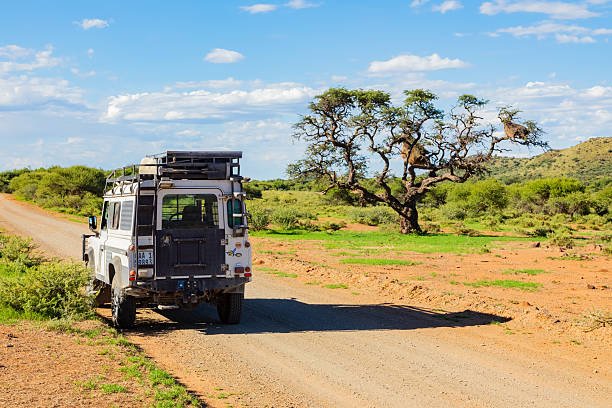
* **Organized Tours:** The most practical way to reach Engaruka is by booking an organized tour. Tour operators like Climb 4 Africa will arrange for a 4×4 vehicle and a knowledgeable driver-guide. This ensures smooth logistics, especially concerning road conditions and navigating the area.
Given the remoteness, independent travel without prior arrangement can be challenging. It’s advisable to confirm road conditions with local contacts before setting out if you are not on a guided tour. The year 2026 planning should prioritize confirming vehicle suitability and local access.
### Tour Options and Itineraries
Engaruka Ruins tours are typically offered in a few formats:
* **Day Trip from Arusha:** This is the most popular option. You depart Arusha in the morning, drive to Engaruka, spend 2-3 hours exploring the ruins with a local guide, have lunch (often a packed meal), and return to Arusha in the late afternoon. This is a long day but feasible.
* **Part of a Larger Itinerary:** Many travelers include Engaruka as a stop on a longer safari or cultural tour. For instance, it can be visited en route between Lake Manyara and
Check Availability for Engaruka Ruins Tour 2026-2027
Ready to compare dates, prices, and the best option for your group? Send the package name and travel month so the team can reply with a clear quote, availability, and what is included.
Best Engaruka Ruins Tours: A Comprehensive Guide For 2026-2027
Explore the fascinating Engaruka ruins, a historical village in Tanzania. This guide details the best ways to experience this unique archaeological site, including tour options, what to…
No related package matches those filters. Clear one or more filters to see the other topic-matched options.



