
An Engaruka Cultural Tour offers a profound exploration of the ancient Engaruka ruins, a testament to a sophisticated agricultural society that once thrived in the dramatic landscape of Tanzania’s Great Rift Valley, combined with an authentic immersion into contemporary Maasai life and traditions, making it a unique journey for travelers seeking historical depth and cultural connection in 2026 and 2027.

What is the Engaruka Cultural Tour?
The Engaruka Cultural Tour is a specialized travel experience in Tanzania that offers a unique blend of historical exploration and cultural interaction. It centers around the remarkable archaeological site of Engaruka, believed to have been a large, complex settlement dating back several centuries, and its surrounding landscape within the Great Rift Valley. More than just a historical site visit, this tour actively engages travelers with the local Maasai communities, providing insights into their traditional way of life, customs, and their connection to this ancient place. It’s an opportunity to step away from the typical safari circuit and explore a narrative that bridges ancient civilizations with living heritage, offering a richer understanding of Tanzania’s past and present.
For travelers planning their adventures in 2026 and 2027, the Engaruka Cultural Tour stands out as a distinctive option. It caters to those who seek more than just wildlife sightings; it appeals to the curious traveler interested in history, anthropology, and genuine human connection. The tour typically involves guided walks through the ancient ruins, explanations of the sophisticated irrigation systems that sustained the population, and visits to nearby Maasai villages where traditional bomas (homesteads) can be observed and interactions facilitated. This isn’t a curated show; it’s an invitation to witness and learn from a landscape and a people shaped by millennia of history and adaptation.
The Enigma of Engaruka: Ancient Ruins and Lost Civilization
The heart of the Engaruka Cultural Tour lies in its exploration of the ancient Engaruka ruins. This site is not widely known outside of archaeological and specialist travel circles, which adds to its mystique. Scattered across a vast area, the ruins consist of thousands of stone-lined house foundations, terraces, and a complex network of channels, suggesting a well-organized and populous community that existed here perhaps as early as the 15th century. The scale of the settlement is impressive, leading to significant academic interest and debate about its inhabitants and their eventual disappearance.
Archaeological Discoveries at Engaruka
Archaeological work at Engaruka, notably by figures like J. Desmond Clark and later others, has uncovered evidence of a settled agricultural society. Unlike many nomadic pastoralist groups in the region, the people of Engaruka cultivated crops, likely maize and sorghum, utilizing the available water resources. Excavations have revealed pottery shards, grinding stones, and other artifacts that point to a settled existence. The sheer number of house sites, estimated to be over 400, and the density of the settlement suggest a population that could have reached several thousand people. This level of organization and population density is unusual for the region historically, making Engaruka a unique case study.
The tour guides, often local Maasai with deep knowledge passed down through generations and supplemented by archaeological findings, play a crucial role in interpreting these ruins. They can point out the distinct layouts of the dwellings, the communal areas, and the agricultural plots. Understanding the context of these discoveries is key to appreciating the historical significance of the Engaruka Cultural Tour. It challenges common perceptions of early East African societies and highlights sophisticated land use and community planning.
Ingenious Water Management Systems
Perhaps the most astonishing feature of the Engaruka ruins is the evidence of an advanced water management system. The site is located in an arid environment, receiving minimal rainfall. Yet, the ruins are crisscrossed by a network of channels, some appearing to be stone-lined, designed to capture, store, and distribute water from the nearby escarpment. These channels likely fed irrigation systems that allowed for successful agriculture in a challenging climate. This ingenuity is a central theme when discussing the Engaruka Cultural Tour, as it demonstrates a remarkable adaptation to environmental conditions.
The system is believed to have channeled water from seasonal streams emanating from the Ngorongoro highlands. The complexity and scale of this network suggest a highly organized society capable of planning and executing large-scale infrastructure projects. When visiting the site, you can clearly see the remnants of these channels, and guides will explain how they likely functioned. This aspect of the tour provides a tangible connection to the past, illustrating the resourcefulness of the people who lived here centuries ago. It’s a stark contrast to the drier conditions of the present day, prompting reflection on environmental changes and human resilience.
Theories on Engaruka’s Abandonment
The reason for Engaruka’s abandonment remains one of its most compelling mysteries. Several theories have been proposed by archaeologists and historians, and these are often discussed during the cultural tour. One prominent theory suggests a catastrophic drought or a change in the water supply, rendering the sophisticated irrigation system useless and forcing the population to relocate. Another hypothesis involves disease, possibly introduced by early traders or travelers, which could have decimated the population.
Some theories also point to inter-tribal conflict or a shift in trade routes that made the settlement less viable. The Maasai themselves have oral traditions that speak of a period of hardship and eventual departure, though the exact causes are debated. The tour provides an opportunity to hear these different perspectives, encouraging visitors to ponder the factors that can lead to the rise and fall of civilizations. This unresolved history adds a layer of intrigue to the Engaruka Cultural Tour, making it a trip not just of what was, but also of the questions that remain.
Encountering Contemporary Maasai Life
Beyond the ancient stones, the Engaruka Cultural Tour offers a vital opportunity to connect with the Maasai people, who are the custodians of this land and its history. While the ancient inhabitants are long gone, their descendants, the Maasai, continue to live in the vicinity, maintaining many of their traditional practices. This part of the tour is designed to be respectful and educational, providing genuine insights into their vibrant culture.
Visiting Maasai Bomas (Villages)
A key component of the tour often includes a visit to a traditional Maasai boma. These are typically circular homesteads constructed from mud, sticks, and dung, housing families and their livestock. Visitors are usually welcomed by the community, and a local Maasai guide will lead the experience. You’ll have the chance to see the layout of the boma, understand the roles of different family members, and witness daily activities. It’s important to approach these visits with respect and an open mind, recognizing that you are a guest in their home.
The experience is often facilitated by guides who bridge the communication gap and ensure that interactions are meaningful. You might be invited to share a cup of chai, learn about traditional Maasai medicine, or observe the intricate beadwork that is so central to Maasai adornment and social signaling. Understanding the social structure, the importance of cattle, and the spiritual beliefs of the Maasai are all part of this enriching encounter. For tours planned in 2026 or 2027, ensuring this cultural exchange is authentic and respectful is paramount for both the traveler and the host community.
Understanding Daily Life and Traditions
The Engaruka Cultural Tour provides a window into the daily rhythms of Maasai life. This includes learning about their pastoralist heritage, where cattle are not just a source of food and wealth but also hold deep cultural and spiritual significance. You’ll gain insight into their social organization, the roles of elders, warriors (morans), women, and children, and the customs surrounding marriage, childbirth, and rites of passage. The Maasai are renowned for their distinctive attire, the shuka (a brightly colored cloth), and their intricate beadwork, which carries symbolic meanings related to age, status, and marital status.
Guides will often explain traditional practices such as the preparation of food, the importance of milk and blood in their diet, and the methods of herding livestock in the challenging environment. They might also share stories and legends that have been passed down orally, offering a glimpse into their worldview and their connection to the land. This educational aspect is what sets the Engaruka Cultural Tour apart from a simple sightseeing trip.
Facilitating Genuine Cultural Exchange
Responsible tour operators prioritize genuine cultural exchange over staged performances. The aim is to foster mutual understanding and respect. Visitors are encouraged to ask questions, share about their own cultures (if appropriate), and engage in conversations that go beyond superficial observations. This might involve learning a few basic Maasai phrases or participating in a simple activity like preparing a meal or helping with chores (if invited and appropriate). The best Engaruka Cultural Tours are those that facilitate authentic connections, allowing travelers to appreciate the Maasai’s resilience, their strong community bonds, and their enduring traditions in the face of modern changes.
It’s crucial for travelers to be mindful of local customs and etiquette. Dressing modestly, asking permission before taking photographs, and showing genuine interest are all part of being a respectful visitor. The goal is to leave a positive impression and contribute to a positive relationship between visitors and the Maasai community. This focus on authentic interaction is a hallmark of well-designed cultural tours for 2026-2027.
The Dramatic Rift Valley Setting
The Engaruka Cultural Tour is set against the backdrop of one of the most geologically significant and visually stunning landscapes on Earth: the Great Rift Valley. This vast geological feature stretches for thousands of kilometers across Africa, and the Engaruka area showcases its dramatic topography, offering impressive views and unique environmental conditions.
Geological Features of the Area
The landscape around Engaruka is characterized by dramatic escarpments, volcanic plains, and the vast, arid basin that defines the Rift Valley floor. The proximity to the Ngorongoro Conservation Area means that the geological forces that shaped this region are on full display. You’ll see evidence of ancient volcanic activity, fault lines, and the erosional forces that have carved the valleys and hills. The sheer scale of the Rift Valley is awe-inspiring, and the views from the escarpment overlooking the plains are unforgettable.
The soil composition, the way water flows (or doesn’t flow), and the resulting vegetation are all directly influenced by these geological factors. Understanding this context enriches the appreciation of both the ancient settlement and the contemporary Maasai way of life, as their existence is intrinsically linked to the land’s geology and climate. The tour often includes viewpoints that highlight these dramatic geological formations.
Wildlife and Flora Encounters
While not primarily a wildlife safari destination in the same vein as the Serengeti or Ngorongoro Crater, the Engaruka area is still home to a variety of wildlife and unique plant life adapted to the semi-arid conditions. Depending on the season and your luck, you might spot various antelope species, zebras, giraffes, and numerous bird species. The presence of Maasai cattle is also a constant feature, showcasing the integration of pastoralism into the ecosystem.
The flora is distinctive, featuring hardy acacia trees, various succulents, and drought-resistant grasses. Guides can often point out plants used by the Maasai for medicinal purposes or other traditional uses. The combination of rugged terrain, sparse but resilient vegetation, and the occasional wildlife sighting adds another dimension to the Engaruka Cultural Tour, offering a glimpse into a less-visited but ecologically significant part of Tanzania.
Hiking and Exploration Opportunities
The rugged terrain of the Rift Valley escarpment and the surrounding plains offer excellent opportunities for hiking and exploration. Guided walks are a fundamental part of the Engaruka Cultural Tour, allowing you to traverse the ancient ruins at your own pace and get a closer look at the archaeological features. Beyond the ruins, there are trails that lead to scenic viewpoints, offer chances to observe wildlife, and explore the unique geological formations.
These hikes are usually moderate, suitable for most fitness levels, but it’s important to be prepared for the climate. The terrain can be uneven, and temperatures can be high, especially during the dry season. The opportunity to hike through this historically rich and geologically dramatic landscape, often with Maasai guides who share their intimate knowledge of the area, is a significant draw for the Engaruka Cultural Tour. For those considering travel in 2026 or 2027, incorporating these active exploration elements makes for a truly memorable experience.
Planning Your Engaruka Cultural Tour
A successful Engaruka Cultural Tour requires careful planning to ensure you make the most of this unique experience. Considerations range from the best time to visit to what to pack and how to get there. Understanding these logistics is crucial for a smooth and enjoyable journey.
Best Time to Visit Engaruka
The climate in the Engaruka region is semi-arid, meaning it can be hot and dry for much of the year. However, certain periods are more conducive to travel:
- Dry Season (June to October): This is generally considered the best time. The weather is sunny and dry, making exploration of the ruins and surrounding areas more comfortable. Wildlife is often more concentrated around water sources. However, it can be quite hot, especially in July and August.
- Shoulder Seasons (March-May, November-December): These months can offer a good balance. March to May can be the end of the rainy season, meaning greener landscapes but potential for rain. November and December might see the start of short rains, which can bring cooler temperatures but also occasional downpours.
- Wet Season (April-May): This period typically sees the heaviest rainfall, which can make some tracks difficult to navigate and less comfortable for extensive walking. However, the landscape is at its most vibrant, and tourist numbers are lower.
When planning for 2026 and 2027, consider that the dry season offers the most predictable weather for extensive outdoor activities. However, traveling in the shoulder seasons can provide a more in-depth experience with fewer crowds and potentially more comfortable temperatures.
Typical Tour Duration and Itinerary
An Engaruka Cultural Tour is often incorporated as part of a larger Tanzania itinerary, but it can also be a standalone experience. Typically, it requires at least 1 to 2 full days to properly explore the ruins, visit a Maasai village, and appreciate the landscape.
A common itinerary might look like this:
- Day 1: Travel from Arusha or a nearby safari lodge to Engaruka. Guided exploration of the ancient ruins, focusing on the settlement layout and water management systems. In the afternoon, visit a Maasai boma for cultural interaction. Overnight stay in nearby accommodation or a campsite.
- Day 2: Morning hike to a scenic viewpoint overlooking the Rift Valley. Further exploration of specific archaeological features or engagement with the local community. Return journey to Arusha or onward destination.
Some tours might extend to 3 days, allowing for more in-depth exploration, longer hikes, or additional visits to different Maasai communities. The exact duration and activities can be tailored to your interests, especially when booking for 2026-2027 with a customized itinerary.
What to Pack for Engaruka
Given the climate and activities, packing smart is essential:
- Lightweight, breathable clothing: Long-sleeved shirts and trousers are recommended for sun protection and to guard against insects.
- Sun protection: A wide-brimmed hat, sunglasses, and high SPF sunscreen are crucial.
- Sturdy walking shoes: Comfortable hiking boots or sturdy trainers are necessary for exploring the ruins and trails.
- Water bottle: Staying hydrated is vital. Consider a reusable bottle.
- Insect repellent: Especially important for evenings.
- Camera and extra batteries/memory cards: You’ll want to capture the unique scenery and cultural encounters.
- Small backpack: For carrying water, snacks, and personal items during day trips.
- Light jacket or fleece: Evenings can sometimes be cooler, especially in the dry season or at higher elevations.
- Personal toiletries and any personal medications.
- Binoculars (optional): For spotting distant wildlife or interesting landscape features.
It’s also advisable to carry some cash for small purchases or tips, though this should be done discreetly and respectfully.
Transportation and Access
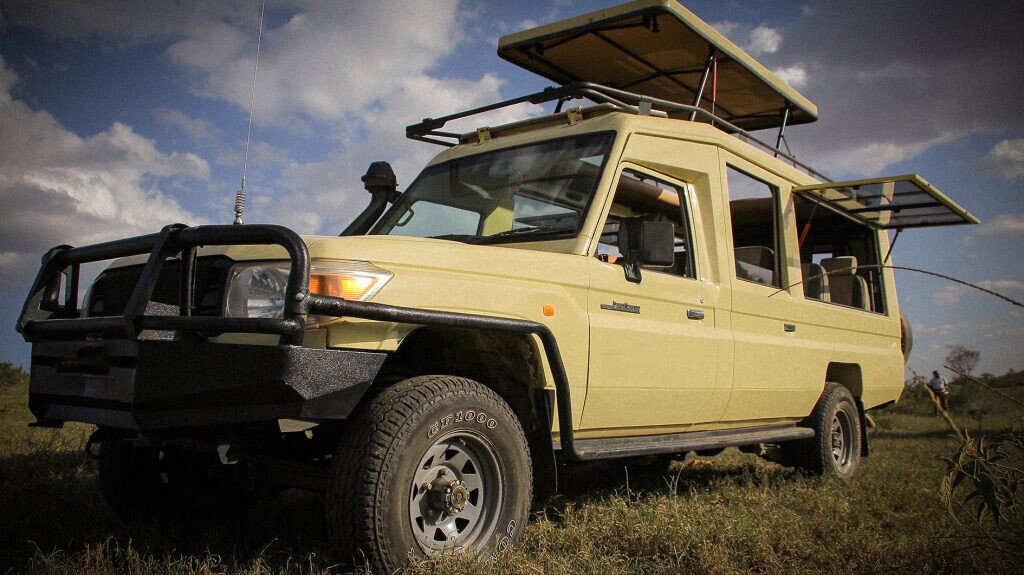
Engaruka is located in a relatively remote area, typically accessed from Arusha. The journey involves driving on a mix of paved and unpaved roads. The drive can take approximately 4-6 hours depending on road conditions and the specific starting point. Four-wheel-drive vehicles are highly recommended, especially during or shortly after the rainy season, as tracks can become challenging.
Most operators, including Climb 4 Africa, will arrange for a 4×4 vehicle and an experienced driver/guide. This ensures safe and comfortable transport to and from Engaruka. The remoteness is part of its charm, offering an escape from more crowded tourist hubs. Planning your transportation well in advance, particularly for 2026 or 2027 travel, is key to a smooth experience.
Accommodation Options
Accommodation near Engaruka is limited, reflecting its off-the-beaten-path nature. Options typically include:
- Campsites: Basic campsites are often available, allowing for a more rustic and in-depth experience under the stars. These may have basic facilities like toilets and showers.
- Tented Camps: Some operators may offer more comfortable tented camp setups, providing pre-erected tents with beds and sometimes en-suite facilities.
- Local Guesthouses: In very nearby settlements, there might be rudimentary guesthouses, though these are less common and may offer very basic amenities.
For travelers seeking more comfort, it’s often feasible to arrange for day trips from lodges or hotels located closer to Karatu or the Ngorongoro Conservation Area, though this involves significant driving time. When booking your Engaruka Cultural Tour for 2026-2027, clarify the accommodation arrangements as they significantly impact the overall experience and cost.
Why Choose an Engaruka Cultural Tour?
In a country renowned for its iconic wildlife safaris and the majestic Mount Kilimanjaro, the Engaruka Cultural Tour offers a distinctly different, yet equally rewarding, travel experience. It appeals to a specific kind of traveler seeking depth, context, and a connection to the human story of Tanzania.
A Unique Historical Perspective
Engaruka provides a tangible link to a past that is often only read about in history books. The sheer scale of the ancient settlement and its sophisticated water management systems offer a profound insight into the ingenuity and adaptability of early African societies. It challenges preconceived notions and adds a crucial layer to understanding the region’s long and complex human history, far beyond the colonial era or the more recent past.
Authentic Cultural Immersion
Unlike some more commercialized cultural experiences, Engaruka offers a chance for genuine interaction with the Maasai people in their own environment. The focus is on learning, respect, and mutual understanding, rather than performance. This provides an opportunity to witness traditional lifestyles that are increasingly influenced by the modern world, making the experience particularly poignant and valuable for travelers in 2026 and 2027 who seek authenticity.
Stunning Natural Beauty
The dramatic landscapes of the Great Rift Valley are a significant part of the Engaruka experience. The vast plains, the imposing escarpments, and the unique semi-arid ecosystem provide a visually striking backdrop. The opportunity to hike and explore this terrain adds an element of adventure and connects the cultural and historical aspects with the physical environment.
An Off-the-Beaten-Path Experience
For travelers looking to escape the more crowded tourist circuits, Engaruka offers a refreshing alternative. Its relative remoteness means fewer crowds and a more intimate experience. This allows for a deeper connection with the site, the history, and the people, making it a truly memorable part of any Tanzanian journey.
Booking Your Engaruka Experience with Climb 4 Africa
Embarking on an Engaruka Cultural Tour is an investment in a unique and enriching travel experience. To ensure your journey is well-planned, respectful, and deeply insightful, partnering with an experienced local operator is highly recommended. Climb 4 Africa specializes in creating authentic Tanzanian adventures, including culturally in-depth tours like the Engaruka Cultural Tour.
When you choose Climb 4 Africa for your 2026 or 2027 travel plans, you benefit from their on-the-ground knowledge, established relationships with local communities, and commitment to responsible tourism. They can help tailor an itinerary that perfectly suits your interests, whether you wish to focus more on the archaeological aspects, spend more time with Maasai families, or incorporate Engaruka into a broader safari or cultural circuit.
To begin planning your Engaruka Cultural Tour and to discuss specific details, availability for 2026-2027, and personalized itinerary options, please feel free to reach out. You can contact Climb 4 Africa directly via WhatsApp at +255 747 477 898 or send an email to climb4africa@gmail.com. Their team is ready to assist you in crafting an unforgettable journey into the heart of Tanzania’s history and culture.
Check Availability for Engaruka Cultural Tour: A Deep Look At Maasai History And Landscapes…
Ready to compare dates, prices, and the best option for your group? Send the package name and travel month so the team can reply with a clear quote, availability, and what is included.
Kilimanjaro And Mara River Crossing Safari August : Peak Season Adventure 2027
Combining the ultimate challenge of climbing Mount Kilimanjaro with the awe-inspiring spectacle of the Great Migration river crossing in the Maasai Mara offers an unparalleled African...
View package detailsNo related package matches those filters. Clear one or more filters to see the other topic-matched options.



