
Reaching the Engaruka Ruins involves a journey through Tanzania’s northern circuit, typically from Arusha or nearby tourist hubs. The most practical way to get to Engaruka Ruins is by arranging private road transport, often as part of a wider safari or cultural tour, which allows for flexibility and comfort. While public transport is possible, it is significantly more time-consuming and less direct. Planning your visit for 2026 or 2027 means booking in advance, especially if you aim for peak travel seasons.
Understanding the Engaruka Ruins
The Engaruka Ruins, situated in the Manyara Region of northern Tanzania, offer a profound glimpse into a lost civilization. This archaeological site is not a single structure but a dispersed settlement that thrived between the 15th and 18th centuries. Its inhabitants developed sophisticated irrigation systems, indicating a complex society capable of substantial agricultural engineering in a challenging arid environment. The ruins encompass remnants of stone houses, terraces, burial sites, and evidence of extensive water management systems, all spread across a considerable area. Exploring Engaruka provides a unique perspective on Tanzania’s pre-colonial history, distinct from the more commonly visited wildlife-focused destinations. Understanding its historical significance helps frame the journey there, making the travel itself part of the discovery. For travelers interested in cultural heritage and archaeology, Engaruka presents a compelling, off-the-beaten-path experience.
Getting to Engaruka Ruins from Arusha: The Primary Gateway
Arusha serves as the main hub for most tourist activities in northern Tanzania, including journeys to the Engaruka Ruins. Its strategic location and well-developed tourist infrastructure make it the logical starting point for many international visitors. The distance from Arusha to Engaruka is approximately 150-170 kilometers, and the journey typically takes between 3 to 5 hours, depending heavily on the chosen mode of transport and road conditions.
### Private Vehicle Safari Tours
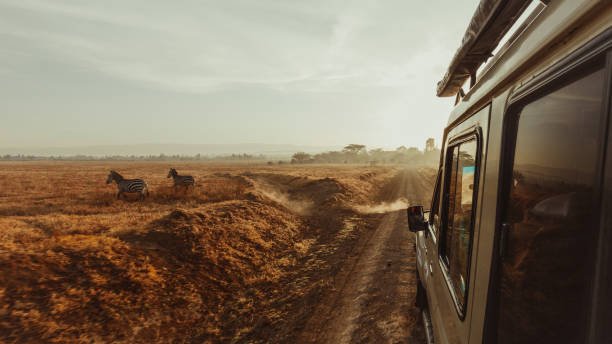
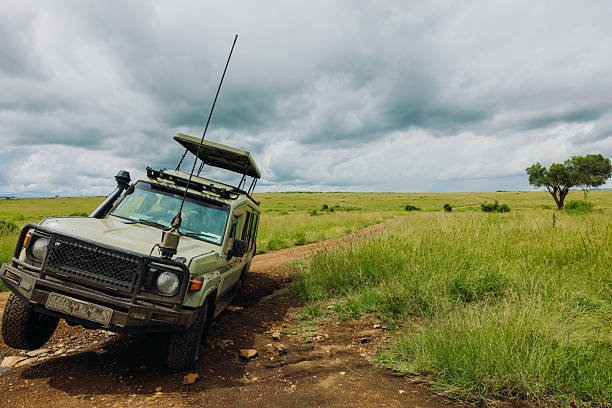
For many, visiting Engaruka is not a standalone trip but an extension of a Tanzanian safari. Safari operators commonly integrate Engaruka into itineraries that might include Tarangire National Park, Lake Manyara, or the Ngorongoro Conservation Area. When you book a safari package, a 4×4 safari vehicle with a knowledgeable driver-guide is standard. This is by far the most comfortable and convenient way to reach the ruins. Your guide will be familiar with the route, potential road challenges, and can offer insights into the local culture and history along the way. The advantage of this method is that transport, accommodation, and guiding are all handled by a single operator, streamlining your planning process significantly. For trips planned for 2026 or 2027, booking these comprehensive safari packages well in advance is crucial, as popular operators fill up quickly.
### Private Vehicle Cultural Tours
Similar to safari tours, private cultural tours offer a dedicated vehicle and driver for your journey. These tours focus more intensely on local communities, history, and sites like Engaruka. If your primary interest is cultural immersion and understanding the historical context of sites like Engaruka, a dedicated cultural tour is ideal. The vehicle is typically a sturdy 4×4, capable of handling varied terrain. The benefit here is a guide often with specific knowledge of the Engaruka area’s history and the local Maasai and Waarusha communities. This option allows for more flexibility to stop at viewpoints, local markets, or interact with communities en route, making the journey as enriching as the destination. For those planning to visit in 2026-2027, discussing your specific cultural interests with your tour operator will help tailor the experience.
### Rental Car Options
Self-driving in Tanzania is an option, though it requires significant confidence and preparation. Renting a 4×4 vehicle from Arusha is possible, but it’s important to understand the implications. Road conditions can be unpredictable, especially outside main routes. GPS navigation can be unreliable in remote areas, and communication might be limited. If you choose to self-drive to Engaruka, ensure you have a robust vehicle, a detailed physical map, and inform your rental company of your intended route. It is also advisable to have a satellite phone or ensure your mobile network coverage is reliable. While potentially more economical for a group, the complexities and potential risks often outweigh the savings compared to organized transport. Travelers considering self-drive for 2026 or 2027 should thoroughly research local driving regulations and consider hiring a local driver for at least part of the journey if unfamiliar with the region.
### Public Transport Challenges and Alternatives
Public transport in Tanzania, while the most budget-friendly, presents significant challenges for reaching Engaruka. The route usually involves taking a dala-dala (minibus taxi) from Arusha to Mto wa Mbu or Karatu, and then attempting to find onward transport towards Engaruka. This often means waiting for local buses or shared taxis that may run infrequently. The journey can take an entire day or more, involving multiple changes and considerable discomfort. Furthermore, reaching the actual ruins from the nearest main road stop might still require hiring a local boda-boda (motorcycle taxi) or walking. This option is only recommended for highly adventurous, budget-conscious travelers with ample time and a high tolerance for uncertainty. For most visitors, especially those on a tight schedule or prioritizing comfort and efficiency for a 2026-2027 trip, public transport is generally not a practical solution for reaching Engaruka.
Alternative Starting Points for Reaching Engaruka
While Arusha is the most common starting point, travelers already exploring northern Tanzania may find Engaruka accessible from other locations, potentially shortening the overall travel time or integrating it more smoothly into their existing itinerary.
### From Moshi
Moshi, another major town in northern Tanzania and the gateway to Mount Kilimanjaro, is roughly comparable in distance to Arusha from Engaruka. The journey would likely involve driving towards Arusha first, or taking a more direct but potentially less common route through rural areas. If your trip begins or ends in Moshi, it’s feasible to arrange transport to Engaruka. However, the route might be slightly more complex than from Arusha, and most tour operators will still base their logistics out of Arusha. For 2026-2027 travel, if you are based in Moshi, communicate this to your tour provider early to arrange the most efficient pick-up and transfer.
### From Lake Manyara National Park
Lake Manyara National Park is relatively close to Engaruka. The park is situated near Mto wa Mbu, a town that lies on the main road towards Engaruka. If you are finishing a safari in Lake Manyara, it is quite feasible to arrange for your safari vehicle and guide to take you directly to Engaruka. This would typically involve exiting the park and heading north-east. The drive from the Mto wa Mbu area to Engaruka is about 1-1.5 hours. This is an excellent option for those wishing to combine wildlife viewing with a historical excursion without backtracking to Arusha. Planning this transition for 2026-2027 visits should be done at the time of booking your safari to ensure smooth logistics.
### From Tarangire National Park
Tarangire National Park, known for its large elephant herds and baobab trees, is also a reasonable distance from Engaruka. The route would involve driving from Tarangire towards the main road (Arusha-Babati road) and then heading north towards Mto wa Mbu and Engaruka. The total travel time from Tarangire to Engaruka could be around 4-6 hours, depending on the specific exit point of the park and road conditions. This is a viable option if you are incorporating Engaruka into a northern circuit safari that includes Tarangire. Again, coordinating this with your tour operator is key for a smooth transition in 2026 or 2027.
### From Ngorongoro Conservation Area
The Ngorongoro Conservation Area, including the famous Crater, is another popular destination in the northern circuit. Engaruka is accessible from the area around the Ngorongoro Crater rim or Karatu town. The drive would typically involve heading towards Mto wa Mbu and then proceeding to Engaruka. Travel time can range from 2 to 4 hours, depending on your exact location within the conservation area. Combining a visit to the Ngorongoro Crater with Engaruka offers a rich experience of Tanzania’s natural and historical wonders. For planning purposes in 2026-2027, ensure your itinerary accounts for the transfer time and potential road conditions, which can be rough within the conservation area itself.
Road Conditions and Best Times to Visit Engaruka
The journey to Engaruka is significantly influenced by the season, and understanding these conditions is vital for a comfortable and successful trip.
### Seasonal Road Considerations
Tanzania experiences distinct wet and dry seasons, which directly impact road quality. During the dry season (typically June to October, and a shorter dry spell in January-February), roads are generally in better condition – firmer and less prone to deep mud or impassable ruts. However, even in the dry season, unpaved roads can be dusty and bumpy. The rainy seasons (the long rains from March to May, and shorter rains in November-December) can transform the unpaved tracks leading to Engaruka into challenging muddy paths. Heavy rains can make certain sections impassable for standard vehicles, necessitating the use of robust 4x4s. Some tour operators might advise against travel to Engaruka during the peak of the long rains due to these conditions. Always check with your tour operator about current road status, especially if traveling during or just after the rainy seasons.
### Ideal Visiting Periods for 2026-2027
The best times to visit Engaruka, considering road conditions and general weather, are during the dry seasons. The period from June to October offers stable weather and good road access. Another favorable window is January and February, which is a shorter dry spell, though it can be quite hot. Traveling in the shoulder months, such as late May or early November, can also be pleasant, with fewer crowds and potentially lower prices, but with a slightly higher chance of encountering rain. For planning your 2026-2027 trip, aiming for the June-October window or the January-February period will generally provide the most straightforward travel experience to Engaruka. Be aware that while wildlife viewing is often prioritized during safaris, cultural and historical sites like Engaruka can be visited year-round, provided the transport logistics are managed effectively.
What to Expect When You Arrive at Engaruka
Arriving at the Engaruka Ruins is a step back in time, offering a unique cultural and historical experience.
### The Archaeological Site
The site itself is vast and spread out, not a single compact ruin. It comprises the remains of an ancient settlement, including stone foundations of houses, agricultural terraces, and burial mounds. The most impressive aspect is the evidence of a complex irrigation system, a testament to the ingenuity of its former inhabitants. Visitors will see channels, reservoirs, and fields that were once irrigated. The landscape is semi-arid, with acacia trees and scrub. It’s important to manage expectations: this is not a perfectly preserved city like Pompeii. Instead, it’s a dispersed archaeological landscape that requires some imagination to reconstruct its past glory. The scale of the settlement and the irrigation works are what truly impress.
### Local Community and Guides
Engaruka is located near the villages of the local Maasai and Waarusha communities. It is customary and highly recommended to hire a local guide from the community to explore the ruins. These guides are invaluable; they possess intimate knowledge of the site, its history, and its cultural significance, often passed down through generations. They can point out details you would otherwise miss, explain the purpose of different structures, and share stories about the people who lived there. Hiring a local guide directly supports the community and enriches your understanding of Engaruka. Ensure your guide is officially recognized by the local community or tourism authorities.
### Visitor Facilities and Amenities
Facilities at Engaruka are basic. There are no large visitor centers, museums, or extensive tourist infrastructure. You might find a small local office where guides are registered or where an entrance fee is collected. Restrooms are typically very rudimentary. It’s advisable to bring your own water, snacks, and any personal items you might need. Mobile phone reception can be patchy. The experience is intentionally low-impact and focused on the natural and historical elements of the site, so come prepared for a rustic encounter.
Planning Your Engaruka Visit for 2026-2027
Successful planning is key to a rewarding visit to Engaruka, especially when looking ahead to 2026-2027.
### Integrating Engaruka into Your Itinerary
Engaruka is best visited as part of a larger northern Tanzania itinerary. It can be incorporated into a safari loop that includes Tarangire, Lake Manyara, and Ngorongoro, or as a cultural stop between these destinations. Many travelers choose to visit Engaruka on their way from Tarangire or Lake Manyara towards the Ngorongoro area, or vice-versa. A typical visit might involve a half-day excursion to explore the ruins with a local guide. For 2026-2027 trips, consider how much time you want to dedicate to historical and cultural sites versus wildlife viewing. A well-paced itinerary might allocate a full day for the travel to/from Engaruka and the exploration itself, allowing for spontaneous stops and interactions.
### Booking Transport and Guides
It is highly recommended to book your transport and arrange for a local guide through a reputable tour operator. For 2026-2027 bookings, contact operators well in advance. When booking with Climb 4 Africa, for example, you can discuss your interest in Engaruka, and they can integrate it into your safari or cultural tour. They will arrange a suitable 4×4 vehicle and can pre-book a local guide for you, ensuring a smooth and informed experience. Attempting to arrange everything on the spot can be challenging and may lead to less reliable services. The operator can also advise on the best timing and logistics based on current conditions.
### What to Pack
Given the rural and potentially rugged nature of the visit, packing appropriately is essential:
- Comfortable walking shoes: You’ll be walking over uneven terrain.
- Lightweight, breathable clothing: Tanzania can be hot, especially during dry months.
- Sun protection: A wide-brimmed hat, sunglasses, and high SPF sunscreen are vital.
- Insect repellent: While not as critical as in dense forests, it’s always wise to have.
- Plenty of water: Carry more than you think you’ll need, as facilities are minimal.
- Snacks: Energy bars or light snacks can be useful.
- Camera: To capture the unique landscape and ruins.
- Binoculars: Useful for spotting distant features or wildlife in the surrounding area.
- A small backpack: To carry your essentials comfortably.
### Understanding Costs and Fees
The cost of visiting Engaruka primarily involves transportation and guide fees. If you are on a pre-booked safari or tour, the transport cost will be part of your overall package. There is typically a small entrance fee for the archaeological site, which often goes towards its preservation and community development. You will also pay a fee for your local guide. These fees are usually modest, but it’s wise to confirm the exact amounts with your tour operator or the local guide office. For a private vehicle arrangement, expect costs to be in the range of $200-$400+ per day for the vehicle and driver, depending on the operator and tour duration, with specific site fees and guide costs being additional. For 2026-2027 travel, these figures are indicative, and it’s best to get a precise quote from your chosen operator.
Why Choose Climb 4 Africa for Your Engaruka Trip?
Climb 4 Africa specializes in creating authentic and well-supported travel experiences across Tanzania. When planning a trip that includes destinations like the Engaruka Ruins, their expertise is invaluable. They offer tailor-made itineraries that can seamlessly integrate cultural and historical sites with wildlife safaris and Kilimanjaro treks. Their local knowledge ensures you get the most accurate information on road conditions, the best local guides, and community interactions. By choosing Climb 4 Africa, you benefit from:
- Local Expertise: Deep understanding of Tanzania’s geography, culture, and logistics.
- Customized Itineraries: Trips designed around your specific interests, including cultural heritage sites like Engaruka.
- Reliable Transport: Access to well-maintained 4×4 vehicles suitable for all terrains.
- Community Support: Commitment to ethical tourism that benefits local communities, including the guides at Engaruka.
- Comprehensive Planning: Assistance with all aspects of your trip, from booking to on-the-ground support.
For your 2026 or 2027 adventure, reaching out to Climb 4 Africa at WhatsApp +255 747 477 898 or Email climb4africa@gmail.com is a strong first step towards crafting an unforgettable journey to Engaruka and beyond.
Frequently Asked Questions About Engaruka Travel
Is Engaruka Ruins a difficult site to access?
Access to Engaruka Ruins requires planning. While not as remote as some locations, it involves travel on unpaved roads which can be challenging, especially during the rainy season. The most practical way is via a private 4×4 vehicle arranged through a tour operator. Public transport is possible but very time-consuming and uncomfortable.
What is the best time of year to visit Engaruka?
The best time to visit Engaruka is during the dry seasons, typically June to October and January to February. These periods offer better road conditions and more pleasant weather for exploring. Avoid the peak of the long rains (March-May) if possible, as roads can become difficult.
Do I need a guide to visit Engaruka?
It is highly recommended and often customary to hire a local guide from the Engaruka community. They provide invaluable insights into the history, archaeology, and cultural significance of the ruins, greatly enhancing the visitor experience. Hiring a local guide also directly supports the community.
What are the facilities like at Engaruka?
Facilities at Engaruka are very basic. Expect minimal infrastructure – perhaps a small local office for guide arrangements and very rudimentary restrooms. It is essential to bring your own water, snacks, and any personal necessities.
How much time should I allocate for a visit to Engaruka?
A visit to Engaruka typically requires at least half a day, from travel to exploration. If incorporating it into a larger itinerary, consider it as a full-day excursion, allowing for travel time from your accommodation and a thorough exploration with a guide.
Can Engaruka Ruins be visited independently?
While it’s possible to attempt an independent visit, especially if self-driving, it’s not recommended for most travelers. Arranging transport and a guide through a tour operator ensures a smoother, safer, and more informative experience, especially when planning for 2026-2027 trips.
Check Availability for How To Get To Engaruka Ruins: Your Essential Tanzania Travel Guide 2026-2027
Ready to compare dates, prices, and the best option for your group? Send the package name and travel month so the team can reply with a clear quote, availability, and what is included.



