
Effectively managing flight + safari logistics searches for Tanzania involves understanding key airport hubs, optimal flight connections, visa requirements, internal transfers, and coordinating arrival times with your safari start date, especially when planning for 2026-2027. The primary international gateway is Kilimanjaro International Airport (JRO), ideal for Northern Circuit safaris and Kilimanjaro climbs, while Julius Nyerere International Airport (DAR) in Dar es Salaam serves Southern Circuit safaris and Zanzibar. Successful logistics hinge on booking flights well in advance, especially for peak seasons in 2026 and 2027, and aligning your international arrival with your first safari activity or accommodation to minimize transit stress and maximize your time exploring Tanzania’s incredible wildlife and landscapes.
Understanding Tanzania’s Primary Airport Hubs
When embarking on a Tanzania safari, the first crucial logistical step is understanding the country’s main international airports and how they connect to your desired safari destinations. This initial choice significantly impacts your overall travel itinerary, costs, and the efficiency of your journey. For most travelers heading to the iconic Northern Circuit – home to the Serengeti, Ngorongoro Crater, Tarangire, and Lake Manyara – Kilimanjaro International Airport (JRO) is the most convenient entry point. Located between Arusha and Moshi, it offers direct or one-stop flights from major international hubs and provides a relatively short transfer to the starting point of most safaris and Kilimanjaro climbs.
On the other hand, if your adventure is focused on the vast and less-visited Southern Circuit, which includes the Selous Game Reserve (now Nyerere National Park) and Ruaha National Park, then Julius Nyerere International Airport (DAR) in Dar es Salaam is your likely arrival point. DAR is Tanzania’s largest airport and handles a greater volume of international traffic, often with more direct flight options from Europe and the Middle East. From Dar es Salaam, you’ll typically arrange either a domestic flight or a longer road transfer to begin your Southern Circuit safari.
A less common, but sometimes relevant, gateway is Abeid Amani Karume International Airport (ZNZ) on the island of Zanzibar. While primarily serving tourists heading for beach holidays, it is possible to fly into ZNZ and then take a domestic flight to a mainland safari destination, or vice-versa, combining beach relaxation with wildlife viewing. However, for a pure safari focus, JRO and DAR are the standard entry points.
The choice between JRO and DAR isn’t just about proximity; it’s also about the flow of your entire trip. For instance, many visitors combine a Kilimanjaro climb with a Northern Circuit safari. In this case, flying into JRO makes immense logistical sense. Similarly, if you’re planning to explore the Southern Circuit and then perhaps fly to Zanzibar, arriving at DAR and departing from ZNZ (or vice versa) might be the most efficient route. When planning your flight + safari logistics searches for 2026-2027, map out your desired parks and activities first, then identify the most suitable airport.
It’s also worth noting that some travelers might consider flying into Nairobi, Kenya (NBO), and then taking a short flight or overland transfer into northern Tanzania. While this can sometimes offer cheaper international flight options, it adds considerable complexity and travel time, including border crossing procedures. For a smoother experience focused purely on Tanzania, direct flights to JRO or DAR are generally recommended. Always compare flight prices and durations to both JRO and DAR to ensure you’re making the most cost-effective and time-efficient choice for your specific flight + safari logistics searches.
International Flight Considerations for Your Tanzania Safari
Booking international flights to Tanzania requires careful consideration of several factors to ensure your journey is as smooth and cost-effective as possible. The key is to balance price, travel time, and convenience. For flight + safari logistics searches, especially for travel in 2026-2027, start by identifying the most common airlines and routes that service Kilimanjaro International Airport (JRO) or Julius Nyerere International Airport (DAR).
Major carriers often fly from hubs in Europe (e.g., Amsterdam, London, Frankfurt, Istanbul) and the Middle East (e.g., Doha, Dubai) to JRO and DAR. Direct flights are rare and can be expensive. Most itineraries involve at least one stopover, often in a major European or Middle Eastern city. When comparing flights, pay close attention to the total travel time, including layovers. A shorter flight duration might seem appealing, but a very long layover can be exhausting. Conversely, extremely short layovers in busy airports can increase the risk of missing connections.
Timing your arrival is critical. You want to arrive at JRO or DAR with enough time to clear immigration and customs, collect your luggage, and be met by your safari representative without feeling rushed. Ideally, aim to arrive at least a day before your safari is scheduled to begin. This buffer allows for any potential flight delays, helps you acclimatize to the time difference, and ensures you’re well-rested for the start of your adventure. If your safari starts on the same day as your international arrival, ensure your flight lands well before midday, and that your safari operator is aware of your exact flight number and arrival time to adjust their pickup schedule accordingly.
Cost considerations for 2026-2027 travel will vary significantly based on the time of year. Peak safari seasons, typically June to October and December to February, often see higher flight prices. Conversely, the shoulder seasons (e.g., March-May, November) might offer more competitive rates, though weather can be a factor (rainy season). Booking your international flights at least 6-12 months in advance is highly recommended, particularly for travel during popular periods in 2026 and 2027, to secure better fares and availability.
When conducting your flight + safari logistics searches, consider the baggage allowance. Safari activities often involve smaller bush planes for internal transfers, which have stricter weight and size limits for luggage than international carriers. You’ll typically need to pack in soft-sided duffel bags. Your international flight will likely allow for larger checked baggage, but it’s wise to confirm this with the airline and also check the specific requirements for any internal flights you might book.
Flexibility in your travel dates can also be a significant advantage. If you can be flexible by a few days, you might find considerable savings on airfare. Use flight comparison websites, but also check airline websites directly. Some airlines may offer specific packages or deals that aren’t always visible on aggregators. Remember to factor in the cost of any airport transfers from JRO or DAR to your pre-safari accommodation if you arrive a day early.
For travelers focusing on combining a Kilimanjaro climb with a safari, flying into JRO is almost always the preferred choice. This minimizes the travel time between the airport, Moshi or Arusha (where climbs typically start), and the safari departure points. If your itinerary includes Zanzibar, you might find flights that connect directly from JRO to ZNZ, or you can easily book a short domestic flight. Understanding these nuances is key to successful flight + safari logistics searches.
Internal Travel Options: Flights vs. Road Transfers
Once you’ve landed in Tanzania, the next critical component of your flight + safari logistics searches involves how you’ll navigate the country to reach your safari destinations. Tanzania is vast, and the distances between national parks can be significant. You have two primary options for internal travel: domestic flights and road transfers.
Domestic Flights: The Time-Saving Option
For travelers with limited time or those who prefer to maximize their wildlife viewing hours, domestic flights are an excellent choice. These flights connect major airports like JRO and DAR to airstrips within or near popular national parks, such as the Serengeti, Manyara, or the Selous. Airlines like Precision Air, Coastal Aviation, and Auric Air are common operators. Flying can significantly cut down travel time; for example, a flight from Arusha to the Serengeti can take around 1 to 1.5 hours, compared to a full-day drive.
Pros of Domestic Flights:
- Speed: Dramatically reduces travel time, allowing more time in parks.
- Comfort: Avoids long, potentially bumpy road journeys.
- Scenery: Offers a unique aerial perspective of Tanzania’s landscapes.
- Luggage Access: For safaris in remote areas like the Serengeti, flying in often means you can access lodges quicker than by road, especially if starting from Arusha.
Cons of Domestic Flights:
- Cost: Significantly more expensive than road transfers.
- Luggage Restrictions: Strict weight (usually 15-20 kg) and size limits apply, and luggage must be in soft-sided bags. This can be challenging if you’re also climbing Kilimanjaro and have bulky gear.
- Limited Flexibility: Flight schedules are fixed, and you can’t make spontaneous stops.
- Airport Transfers: You’ll still need transfers from the airstrip to your lodge/camp, and from your arrival airport to your departure airstrip.
Road Transfers: The Classic Safari Experience
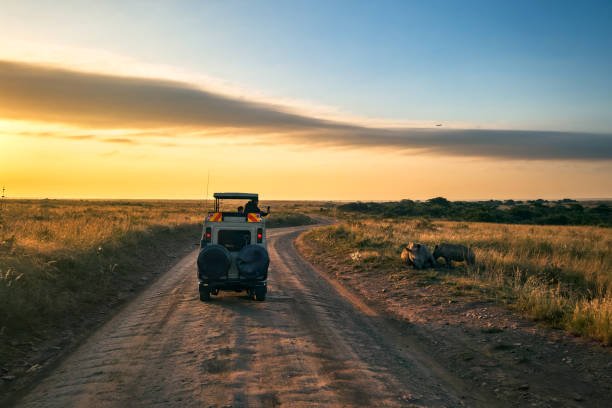
Road transfers, typically in a 4×4 safari vehicle with a pop-up roof, are the traditional and most popular way to experience Tanzanian safaris, especially for the Northern Circuit. These journeys allow you to soak in the changing scenery, stop at local villages or markets (if time permits and arranged), and enjoy the anticipation as you enter the parks.
Pros of Road Transfers:
- Cost-Effective: Generally much cheaper than domestic flights, especially for groups sharing the vehicle.
- Flexibility: Allows for spontaneous stops for photos or to observe interesting sights along the way.
- Luggage: More lenient luggage policies, usually accommodating larger bags.
- Inclusion: The vehicle and driver-guide are yours for the duration, facilitating game drives within the parks.
- Cultural Immersion: Provides a more grounded perspective of the country.
Cons of Road Transfers:
- Time-Consuming: Journeys can be long, sometimes taking 6-8 hours or more between destinations, especially on rougher roads.
- Comfort: Can be bumpy and dusty, particularly on unpaved roads.
- Limited Access: Some very remote parks or specific lodges might be difficult to reach by road within a reasonable timeframe.
Making the Decision for 2026-2027:
Your choice between flights and road transfers for your flight + safari logistics searches should be based on your priorities: time, budget, and preferred travel style. Many itineraries cleverly combine both. For example, you might fly into the Serengeti to save time and then drive back to Arusha, or vice-versa. When planning for 2026 or 2027, discuss these options thoroughly with your tour operator. They can advise on the most efficient and enjoyable routes based on your specific safari plan. For instance, a common strategy for a 7-day Northern Circuit safari is to fly into Kilimanjaro (JRO), transfer to Arusha, and then take a series of road transfers between Lake Manyara, the Ngorongoro Crater, and the Serengeti, perhaps flying back to Arusha or Kilimanjaro for your international departure.
Consider the logistics of luggage, especially if you are combining a safari with a Kilimanjaro climb. Soft-sided bags are essential for both internal flights and for ease of packing into safari vehicles. If you have large hard-shell suitcases from your international flight, you’ll likely need to store them at your hotel in Arusha or Moshi while you’re on safari or trekking.
Visa and Entry Requirements: Essential Pre-Travel Checks
Navigating visa and entry requirements is a non-negotiable part of your flight + safari logistics searches. Failure to comply can lead to denied boarding or entry, significantly disrupting your carefully planned 2026-2027 adventure.
Visa for Tanzania:
Most nationalities require a visa to enter Tanzania. There are several ways to obtain one:
- Online Application (eVisa): This is the most convenient method for many travelers. You can apply for a Tanzanian eVisa through the official government portal. The process typically involves filling out an online form, uploading necessary documents (passport scan, photo), and paying the fee online. Processing times can vary, so it’s advisable to apply well in advance of your travel dates for 2026-2027.
- Visa on Arrival: For some nationalities, a visa can be obtained upon arrival at JRO or DAR. However, this can sometimes involve longer queues and potential uncertainty. It’s generally recommended to secure your visa in advance if possible.
- Embassy Application: You can also apply for a visa through the Tanzanian embassy or consulate in your home country before your departure.
Key Visa Information:
- Passport Validity: Your passport must be valid for at least six months beyond your intended stay in Tanzania and have at least two blank pages for visa stamps.
- Visa Types: Common visa types include single-entry (valid for 90 days) and multiple-entry visas. For most tourists on a safari, a single-entry tourist visa is sufficient.
- Fees: Visa fees vary by nationality. Check the official Tanzanian immigration website for the most current fee structure.
- Processing Time: Allow ample time for processing, especially if applying online or through an embassy. It’s wise to initiate the process at least 1-2 months before your planned departure for 2026-2027.
Yellow Fever Vaccination:
A Yellow Fever vaccination certificate is mandatory for entry into Tanzania if you are arriving from, or have transited through, a country with a risk of Yellow Fever transmission. This is strictly enforced at immigration. Even if you are not arriving from an affected country, it’s often required if you are transiting through one (e.g., Amsterdam, Doha often require it if you have a long layover and leave the airport). Always check the latest WHO recommendations and Tanzanian government requirements. It’s crucial to get vaccinated at least 10 days before your travel date.
Other Health Recommendations:
While not always mandatory for entry, consulting your doctor or a travel clinic about other recommended vaccinations (e.g., Hepatitis A, Typhoid, Tetanus) and malaria prophylaxis is essential for your health and well-being during your safari. Discuss the risks associated with the specific regions you’ll be visiting in Tanzania in 2026-2027.
Travel Insurance:
Comprehensive travel insurance is highly recommended and often a requirement for booking tours. Ensure your policy covers:
- Medical emergencies and evacuation (including from remote areas).
- Trip cancellation or interruption.
- Lost or stolen baggage.
- Activities like trekking and safari game drives.
Customs and Immigration Procedures:
Upon arrival at JRO or DAR, you will proceed through immigration, where your passport and visa (or visa on arrival) will be checked, and your Yellow Fever certificate may be requested. After clearing immigration, you’ll collect your luggage and proceed through customs. Declare any items that require declaration. Your safari operator, like Climb 4 Africa, will usually have a representative waiting outside the arrivals hall to greet you and assist with your transfer.
Thoroughly researching and preparing these documents well in advance is a critical part of your flight + safari logistics searches, ensuring a smooth start to your Tanzanian adventure.
Optimizing Safari Timing and Logistics for 2026-2027
Planning the timing of your safari is intrinsically linked to your flight + safari logistics searches, impacting everything from wildlife viewing opportunities to weather conditions and costs. For 2026-2027, understanding Tanzania’s climate and wildlife patterns will help you make informed decisions.
The Great Migration: A Key Consideration
The Serengeti is famous for the Great Migration, where millions of wildebeest, zebras, and gazelles traverse the plains in search of fresh grazing. The location of the herds changes throughout the year, and timing your safari to witness specific events, like the river crossings (typically June-August) or the calving season (January-February), can be a highlight. This means your choice of parks and the specific timing for your 2026-2027 safari will dictate the best park to be in and, consequently, the most logical airport to fly into (JRO for Serengeti access).
Seasons in Tanzania:
- Dry Season (June – October): This is the most popular time for safaris. The weather is generally sunny and pleasant, with low humidity. Vegetation is less dense, making wildlife spotting easier. Water sources are limited, concentrating animals around rivers and waterholes. This is also peak season for Kilimanjaro climbs. Expect higher prices and more crowds. For flight + safari logistics searches, booking flights and safari packages for June-October 2026 or 2027 well in advance is crucial.
- Short Rains (November – December): A transitional period. Rainfall is usually in short, sharp showers, often in the afternoon. Wildlife viewing remains good, and the landscapes start to turn green. It’s a less crowded and potentially more affordable time.
- Long Rains (March – May): This is Tanzania’s primary rainy season. Expect heavier, prolonged rainfall, especially in April and May. While some roads can become impassable, the parks are lush and beautiful, with fewer tourists and lower prices. It can be an excellent time for birdwatching. This is also the low season for Kilimanjaro climbs.
- Green Season / Shoulder Season (January – February): This period often coincides with the calving season in the Serengeti and can offer fantastic game viewing. While there might be some rain, it’s generally not as disruptive as the long rains. It offers a good balance of wildlife activity and fewer crowds than the peak dry season.
Integrating Logistics with Timing:
When planning your flight + safari logistics searches for 2026-2027, consider the following integration points:
- Arrival Airport: If your primary goal is to see the Great Migration in the Serengeti during the dry season (June-August), flying into JRO and then taking a domestic flight or a long drive to the Serengeti is your logical path. If you’re interested in the Southern Circuit’s Ruaha or Nyerere National Parks, DAR is your gateway.
- Safari Start Date: Ensure your international flight arrival aligns with your safari start date, ideally with a buffer day. If you’re flying into JRO for a Kilimanjaro climb followed by a safari, coordinate the climb completion date with the safari commencement.
- Internal Transfers: If you opt for internal flights, book them in conjunction with your safari package. Operators like Climb 4 Africa can manage these bookings, ensuring smooth transitions between flights, airstrips, and lodges. Remember the luggage restrictions for these flights.
- Accommodation Availability: Popular lodges and camps, especially in the Serengeti and Ngorongoro Crater, book up months, sometimes over a year, in advance for peak seasons in 2026 and 2027. Factor this into your planning timeline.
- Visa and Health: As mentioned, these require advance planning. Don’t leave these crucial steps until the last minute.
Example Itinerary Logic for 2026-2027:
A typical 7-day Northern Circuit safari, starting from JRO:
- Day 1: Arrive at JRO, transfer to Arusha.
- Day 2: Drive to Tarangire National Park.
- Day 3: Drive to Ngorongoro Conservation Area, descend into the Crater for game drive.
- Day 4: Drive to Serengeti National Park (central or northern sector depending on season).
- Day 5: Full day game drive in Serengeti.
- Day 6: Morning game drive, then drive back towards Arusha or fly from a Serengeti airstrip to Arusha.
- Day 7: Depart from JRO.
This itinerary requires careful coordination of road travel, accommodation bookings, and potentially an internal flight. Your flight + safari logistics searches must consider the entire chain of events.
Packing and Preparation: What to Bring for Flight + Safari
Smart packing is an often-overlooked, yet vital, component of successful flight + safari logistics searches. What you pack directly impacts your comfort and ability to manage luggage, especially when transitioning between international flights, domestic flights, and safari vehicles.
Luggage Essentials: Soft-Sided Duffel Bags
This cannot be stressed enough: soft-sided duffel bags are mandatory for internal flights and highly recommended for safari vehicles. International airlines allow large suitcases, but most domestic carriers in Tanzania (and bush planes used for some transfers) have strict weight (typically 15-20 kg / 33-44 lbs) and size limits. Hard-shell suitcases simply won’t fit in the overhead compartments or cargo holds of smaller aircraft or the luggage racks of safari vehicles. If you arrive with hard suitcases, you’ll need to store them at your hotel in Arusha or Moshi. Ensure your duffel bag is durable and water-resistant.
Clothing for Safari: Layering is Key
Tanzania’s climate can vary, especially between day and night temperatures, and at different altitudes. Pack light, breathable clothing in neutral colors (khaki, beige, olive green) to avoid startling wildlife and to blend in. Avoid bright colors and dark blue/black, which can attract tsetse flies.
- Tops: Lightweight, long-sleeved shirts (for sun and insect protection) and T-shirts.
- Bottoms: Comfortable trousers or convertible pants, shorts (for warmer days).
- Outerwear: A fleece or warm jacket for cool mornings and evenings, especially in the Ngorongoro Crater or during the dry season. A waterproof/windproof jacket is also advisable.
- Sleepwear: Comfortable sleepwear.
Footwear:
- Comfortable Walking Shoes: Broken-in hiking boots or sturdy trainers are essential, especially if you plan on guided walks or climbing Kilimanjaro.
- Sandals/Flip-flops: For relaxing at the lodge or camp.
Accessories:
- Sun Protection: Wide-brimmed hat, sunglasses, and high SPF sunscreen are critical. The equatorial sun is intense.
- Insect Repellent: High DEET content repellent is recommended, especially for evenings and early mornings.
- Binoculars: A must-have for wildlife viewing.
- Camera: With extra batteries and memory cards. Consider a zoom lens for capturing distant wildlife.
- Headlamp/Torch: Useful for navigating camps at night.
- Reusable Water Bottle: Stay hydrated and reduce plastic waste.
- Small Backpack: For day trips and carrying essentials during game drives (water, camera, snacks).
Health and Personal Items:
- First-Aid Kit: Include personal medications, pain relievers, antiseptic wipes, bandages, and any specific items recommended by your doctor.
- Hand Sanitizer: Always useful, especially during travel and safaris.
- Toiletries: While lodges provide basics, bring your preferred items. Consider biodegradable options.
- Prescription Medications: Carry enough for your entire trip, plus a little extra, in their original packaging. Keep them in your carry-on luggage.
- Copies of Documents: Keep photocopies or digital copies of your passport, visa, flight details, and insurance separate from the originals.
Electronics:
- Power Adapters/Converters: Tanzania uses Type D and Type G sockets, 230V voltage. Ensure you have the correct adapters.
- Portable Power Bank: Essential for charging devices on the go, especially in remote camps where electricity might be limited.
Important Note on Kilimanjaro Climbers: If you are combining a Kilimanjaro climb with a safari, your packing list will be more extensive. Ensure your safari gear is packed separately or organized within your climbing gear for easy access after the trek. You’ll likely store much of your climbing gear in Arusha while on safari.
Careful packing ensures you’re prepared for all aspects of your journey, from the flight to the bush, making your flight + safari logistics searches feel less daunting and more manageable.
Booking Your smooth Flight + Safari Experience with Climb 4 Africa
Successfully navigating flight + safari logistics searches for Tanzania, especially when planning for 2026-2027, can feel complex. This is where partnering with an experienced local operator like Climb 4 Africa makes a significant difference. We specialize in crafting comprehensive itineraries that seamlessly integrate your international flights, internal transfers, safari activities, and accommodation.
Why Choose Climb 4 Africa for Your Logistics?
- Local Expertise: We have an intimate understanding of Tanzania’s geography, transportation networks, and the best times to visit different regions. This local knowledge is invaluable for optimizing your travel plans.
- Integrated Packages: We offer tailor-made safari packages that can include airport pickups, transfers, accommodation, park fees, guides, and game drives. We can also assist with booking domestic flights, ensuring they align perfectly with your safari schedule.
- Cost-Effective Solutions: While we don’t book international flights directly, we provide expert advice on the best arrival airports (JRO or DAR) and timings to complement your safari. We can also guide you on booking domestic flights and road transfers efficiently, often securing better rates than individuals might find on their own.
- Time Savings: Let us handle the intricate details of safari logistics so you can focus on the excitement of your upcoming trip. We manage the coordination between different service providers, ensuring a smooth flow from arrival to departure.
- Practical Support: From visa advice and packing recommendations to on-the-ground support during your trip, we are your dedicated partners. Our goal is to make your flight + safari logistics searches a straightforward and stress-free process.
How to Get Started with Your 2026-2027 Safari Booking:
To begin planning your tailor-made Tanzanian adventure, we recommend the following steps:
- Define Your Interests: What do you want to see and do? Are you focused on the Great Migration, the Ngorongoro Crater, birdwatching, or a combination? Do you want to include Kilimanjaro or Zanzibar?
- Determine Your Travel Dates: Consider the best time of year for your priorities (e.g., Great Migration, calving season, dry/wet season). Having flexible dates can sometimes offer better value for 2026-2027 travel.
- Set Your Budget: This helps us recommend appropriate accommodation levels (budget, mid-range, luxury) and safari styles (private vs. group).
- Contact Us: Reach out to Climb 4 Africa with your initial ideas. Provide as much detail as possible, including your preferred dates, number of travelers, interests, and any specific flight information you may already have.
What to Include in Your Inquiry:
- Travel Dates: Approximate or firm dates for your safari in 2026 or 2027.
- Number of Travelers: Adults, children, and their ages.
- Interests: Parks you wish to visit (Serengeti, Ngorongoro, Tarangire, etc.), activities (game drives, walking safaris, cultural visits), or specific wildlife you hope to see.
- Accommodation Style: Budget camping, mid-range lodges, luxury tented camps, or a mix.
- Departure Airport: If you already know which international airport you plan to fly into (JRO or DAR).
- Any Specific Requirements: Such as dietary needs, accessibility concerns, or combinations with Kilimanjaro climbs or Zanzibar holidays.
We will then work with you to craft a personalized itinerary that optimizes your flight + safari logistics searches, handles all necessary ground arrangements, and ensures you have an unforgettable Tanzanian experience. Whether you’re planning for 2026 or 2027, starting your planning early with an expert is the best way to secure your preferred dates and lodges.
Let Climb 4 Africa simplify your journey. Contact us today to discuss your dream Tanzanian safari. You can reach us via WhatsApp at +255 747 477 898 or by email at climb4africa@gmail.com.
Check Availability for Flight + Safari Logistics Searches For Tanzania: Your Expert Guide 2026-2027
Ready to compare dates, prices, and the best option for your group? Send the package name and travel month so the team can reply with a clear quote, availability, and what is included.
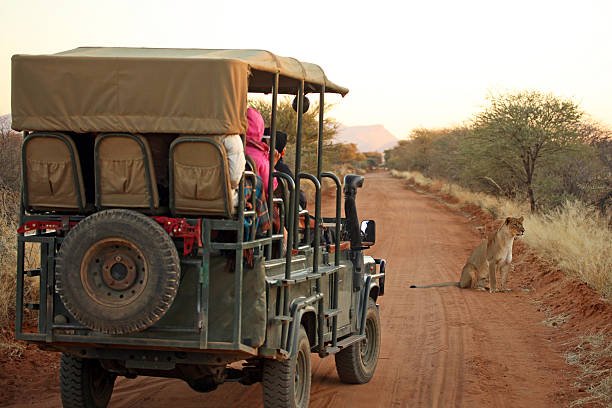
Zanzibar To Mikumi Safari: Flights, Prices And Itinerary Guide
Transition from the spice-scented beaches of Zanzibar to the wildlife-rich plains of Mikumi National Park. This guide details flight logistics, cost considerations, and sample itineraries...
View package details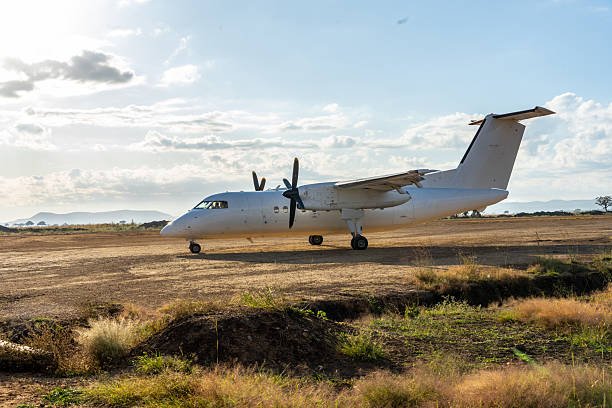
African Safari Packages With Flights 2026-2027
African Safari Packages With Flights is explained with current 2026-2027 planning, price, itinerary and booking information.
View package detailsBest International Flight Deals For Families Guide
Planning an international family safari to Tanzania in 2026 or 2027? This guide reveals how to secure the best flight deals, focusing on smart booking, timing, and airline choices for a...
View package details
How Far In Advance Should You Book An African Safari? 2026-2027
How Far in Advance Should You Book an African Safari? is explained with current 2026-2027 planning, price, itinerary and booking information.
View package detailsKenya Safari Tours & Holiday Packages 2026-2027
Kenya Safari Tours & Holiday Packages is explained with current 2026-2027 planning, price, itinerary and booking information.
View package details
Solo African Safari Tours: Your Ultimate Guide For 2026-2027
start an incredible solo African safari adventure. This comprehensive guide covers everything you need to know for planning a safe, rewarding, and memorable trip in 2026-2027, from choosing...
View package details
Safari From Zanzibar: Best Packages, Prices & Parks For 2026-2027
Combining a Zanzibar beach holiday with a Tanzania safari is a dream for many travelers. This guide details the best safari packages from Zanzibar, covering essential planning, park...
View package detailsIs It Better To Book A Safari Online Or Locally? 2026-2027
Is It Better to Book a Safari Online or Locally? is explained with current 2026-2027 planning, price, itinerary and booking information.
View package details
What Is Included In An African Safari Package? A Complete Guide For 2026-2027
Demystifying African safari packages. This guide details what you can expect to be included, from essential logistics like accommodation and transport to crucial elements like park fees and...
View package detailsAffordable African Safari Packages: Your Guide To Budget-Friendly Tanzania
Discover how to plan and book affordable African safari packages for 2026-2027. This guide provides practical advice on choosing budget-friendly Tanzania tours, understanding costs, and...
View package details
Best Wildlife Safaris In Africa: Your Ultimate Guide For 2026-2027
start the ultimate African wildlife safari. This comprehensive guide covers the best destinations, essential planning tips, and what to expect for your 2026-2027 adventure.
View package details
Serengeti Safari Tours: Prices, Packages & Best Time To Visit In 2026-2027
Discover everything you need to know for planning your Serengeti safari tour, from understanding pricing and package variations to identifying the ideal travel times in 2026-2027. This...
View package detailsNo related package matches those filters. Clear one or more filters to see the other topic-matched options.



