
Yes, visiting Ngorongoro Crater after Serengeti and continuing to Arusha is a standard, highly recommended, and logistically straightforward part of many Tanzanian safari itineraries. This sequence allows you to experience the vast plains of the Serengeti, descend into the unique caldera of Ngorongoro, and then easily return to Arusha, the main gateway city for Northern Tanzania safaris. Planning this route for 2026 or 2027 involves considering travel times between parks, accommodation choices within or near the crater, and the most efficient transfer back to Arusha, often with an optional stop at Lake Manyara National Park.
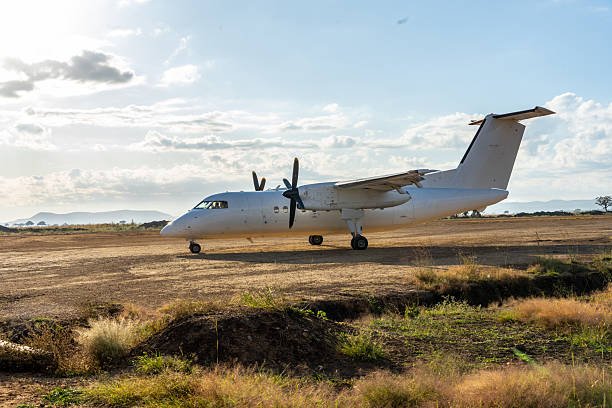
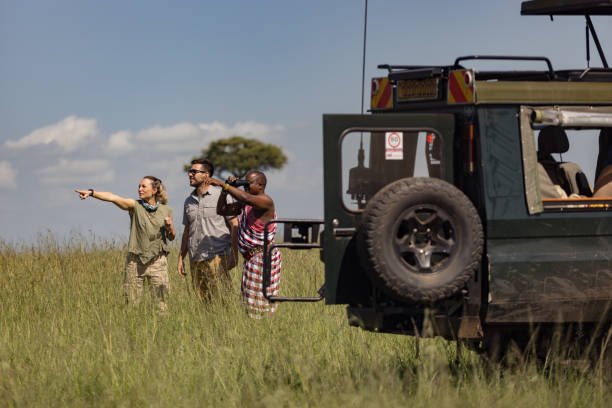
Understanding the Ngorongoro Crater After Serengeti & To Arusha Route
The classic Northern Tanzania safari circuit often flows in a loop, and the sequence of Serengeti, Ngorongoro, and Arusha is not only possible but is the most popular way to experience these world-renowned wildlife destinations. This route capitalizes on the proximity of these parks and offers a diverse range of ecosystems and wildlife viewing opportunities. When you plan your safari for 2026 or 2027, understanding this flow is key to maximizing your time and experiencing the best of Tanzania’s natural wonders.
Most travelers begin their safari adventure from Arusha, which serves as the operational hub for most Northern Circuit tours. From Arusha, the typical progression is: Tarangire National Park (often first), then Serengeti National Park, followed by the Ngorongoro Conservation Area, and finally returning to Arusha. While this is a common order, many visitors prefer to visit the Serengeti first, then Ngorongoro, and then depart from Arusha. This article focuses specifically on the logistics and considerations for the Serengeti to Ngorongoro Crater then to Arusha leg of your journey.
The journey from Serengeti to Ngorongoro is relatively short, typically taking 3-5 hours depending on your starting point within the Serengeti and your accommodation location within the Ngorongoro Conservation Area. From Ngorongoro to Arusha, the drive is usually around 3-4 hours. This makes the entire sequence efficient and allows for ample time to enjoy each location without excessive travel days.
Why This Route is So Popular for 2026-2027 Safaris
The appeal of this specific safari flow lies in its logical progression and the distinct experiences each location offers:
- Serengeti National Park: Renowned for its vast, open plains, the annual Great Migration (which can be viewed year-round depending on the location), and exceptional predator sightings. It offers a quintessential savanna safari experience.
- Ngorongoro Crater: A UNESCO World Heritage Site, this ancient volcanic caldera boasts one of the highest densities of wildlife in Africa. It’s a unique, self-contained ecosystem where you can often spot the ‘Big Five’ (lion, leopard, elephant, rhino, buffalo) in a single day, including the endangered black rhino.
- Arusha: The gateway to Northern Tanzania safaris. It’s a convenient city for pre- and post-safari stays, offering access to Kilimanjaro International Airport (JRO) and a base for onward travel or other activities.
By visiting the Serengeti first, you can experience the expansive wilderness. Then, the Ngorongoro Crater provides a dramatic contrast with its concentrated wildlife and unique geological setting. Finally, Arusha serves as a practical and comfortable endpoint for your safari adventure before your departure or transition to another part of Tanzania, such as Zanzibar.
Navigating from Serengeti to Ngorongoro Crater
The transition from the Serengeti to the Ngorongoro Conservation Area (NCA) is a significant part of the safari experience. While both are prime wildlife areas, they offer different landscapes and viewing opportunities. Understanding the travel time and route is crucial for planning your itinerary, especially for 2026 and 2027 bookings.
Travel Times and Routes
Your journey from the Serengeti to Ngorongoro will depend heavily on where you are staying within the vast Serengeti and your chosen accommodation within the NCA. The Serengeti is enormous, and game drives can take time. The most common route involves exiting the Serengeti via its eastern gates (like Naabi Hill Gate) and entering the Ngorongoro Conservation Area.
Typical Durations:
- From Central Serengeti (Seronera) to Ngorongoro Crater rim lodges: Approximately 3-5 hours. This includes time for a final game drive in the Serengeti as you make your way towards the gate.
- From Western Serengeti to Ngorongoro Crater rim lodges: This can take longer, potentially 5-7 hours, as you traverse more of the park.
- From Northern Serengeti (Kogatende/Lamai) to Ngorongoro Crater rim lodges: This is the longest transfer, often 6-8 hours or more, and may require an overnight stop in the Serengeti or a very early start.
The drive itself is scenic, often taking you through the Ngorongoro Conservation Area’s general wildlife viewing areas before you reach the crater rim. You might even encounter wildlife on your way to your lodge or campsite.
Choosing Accommodation Near Ngorongoro Crater
Your choice of accommodation significantly impacts your Ngorongoro Crater experience. For those arriving from the Serengeti, there are several options:
- Crater Rim Lodges/Camps: These are the most sought-after and expensive options. Staying on the rim provides unparalleled views and the earliest possible access to the crater floor the next morning, maximizing your time. This is ideal for photographers and those wanting to be first on the 2026 or 2027 safari. Examples include the Ngorongoro Crater Lodge, Serena Ngorongoro, and Sopa Lodge.
- Lodges/Camps in the Highlands: Located on the slopes of the crater, these offer a more secluded experience and often spectacular views. They are typically a short drive (15-30 minutes) from the crater access road.
- Lodges/Camps outside the NCA boundary (e.g., Karatu): These are more budget-friendly options. Staying in Karatu or nearby villages means a longer drive (around 30-60 minutes) to reach the crater access road, and then a further descent. This is a practical choice for travelers on a tighter budget for their 2026-2027 trip.
Decision Point: If maximizing your time on the crater floor and experiencing the sunrise is a priority, book accommodation directly on the rim. If budget is a primary concern and you don’t mind a slightly longer drive, Karatu offers excellent value.
What to Expect on the Day of Transfer
Typically, you will have a final morning game drive in the Serengeti, or depart after breakfast. Your guide will drive you towards the Serengeti’s exit gate and then through the Ngorongoro Conservation Area. Depending on your lodge location, you might have a picnic lunch en route. Upon arrival at your Ngorongoro accommodation, you’ll check in and potentially have some time to relax before dinner. If you arrive early enough and are staying on the rim, you might enjoy a sundowner with an incredible view.
Descending into Ngorongoro Crater: A Unique Safari Experience
The Ngorongoro Crater descent is a highlight for most visitors. Unlike the Serengeti’s vast plains, the crater is a contained caldera, offering a concentrated wildlife spectacle.
The Crater Floor Experience
Once you descend the steep walls of the crater (a journey of about 20-30 minutes from the rim), you enter a unique ecosystem. The crater floor is approximately 19 kilometers (12 miles) in diameter, offering a compact yet incredibly diverse safari experience. You can expect to see:
- Abundant herbivores: Wildebeest, zebras, gazelles, buffaloes, and hippos are commonly seen.
- Predators: Lions are plentiful, and leopards are often seen in acacia trees. Cheetahs can be spotted on the open grasslands.
- Black Rhinos: The Ngorongoro Crater is one of the best places in Tanzania to see this endangered species. Strict conservation efforts have led to a healthy population.
- Birdlife: Flamingos are often seen in the soda lake, along with numerous other bird species.
Key Consideration: While wildlife is abundant, the crater floor can get crowded, especially during peak season for 2026 and 2027. Vehicles must stay on designated tracks, and time spent on the floor is usually limited to about 5-6 hours by park regulations to minimize impact.
Crater Tour Logistics
Your safari vehicle will drive you down into the crater. The tour typically lasts for a half-day (around 5-6 hours on the floor), which is usually sufficient to see a vast array of wildlife. Most visitors opt for a morning game drive into the crater, returning to their rim lodge for lunch and an afternoon of relaxation or another activity, or preparing for their onward journey to Arusha the next day.
What’s Included: Your safari package usually includes the vehicle, guide, park fees for the crater, and the conservation fees for the Ngorongoro Conservation Area. The cost of your accommodation on the crater rim or in Karatu is separate.
Alternatives to a Full Day on the Crater Floor
Given the time constraints and the desire to move towards Arusha, most travelers spend a single half-day game drive within the Ngorongoro Crater. This is generally considered sufficient for a comprehensive wildlife viewing experience. If you have more time or specific interests, you could consider:
- Two Crater Drives: Some luxury itineraries might include two half-day drives to explore different sections or focus on specific wildlife.
- Cultural Visits: The NCA also offers opportunities to visit Maasai villages. This can be incorporated before or after your crater descent, depending on your itinerary and lodge location.
For most visitors planning a 2026 or 2027 safari, a single half-day drive is the most practical and rewarding approach when combining Serengeti and Arusha.
From Ngorongoro Crater to Arusha: The Final Leg
After your Ngorongoro Crater experience, the journey back to Arusha is straightforward. This leg of the trip is usually completed by road.
Travel Time and Route
The drive from the Ngorongoro Conservation Area to Arusha typically takes between 3 to 4 hours. The route is generally good, passing through the town of Mto wa Mbu (a bustling market town known for its diverse population and banana plantations) and then on to the main road leading to Arusha.
You will exit the Ngorongoro Conservation Area and drive through scenic agricultural lands before reaching Arusha. Your driver-guide will drop you off at your hotel in Arusha or take you directly to Kilimanjaro International Airport (JRO) if you have a departing flight.
Optional Stop: Lake Manyara National Park
Many itineraries choose to include a visit to Lake Manyara National Park on the way from Ngorongoro to Arusha. This park is famous for its tree-climbing lions, large elephant herds, and the shallow alkaline lake that attracts flamingos and other water birds. A half-day game drive in Lake Manyara can be a wonderful addition to your safari, especially if you have a later departure from Arusha on the same day.
Decision Point: If your flight from Arusha is late in the afternoon or evening, a visit to Lake Manyara is highly recommended. If you have an early flight, it’s better to head directly to Arusha or the airport to avoid rushing.
Accommodation in Arusha
Arusha offers a wide range of accommodation options, from budget-friendly guesthouses to luxury lodges. It’s common to spend a night in Arusha before flying out, or to use it as a base for day trips, such as a visit to a coffee plantation or a local market.
Booking Tip for 2026-2027: Book your Arusha accommodation in advance, especially during peak safari seasons. This ensures you get your preferred choice and avoid last-minute complications.
Timing Your Safari: Best Months for Serengeti, Ngorongoro, and Arusha
While Tanzania offers excellent safari opportunities year-round, certain months are better suited for specific experiences, particularly the Great Migration in the Serengeti. When planning for 2026 or 2027, consider these factors:
- Dry Season (June to October): This is peak safari season. Skies are clear, temperatures are pleasant, and wildlife is concentrated around water sources. The Great Migration is typically in the northern Serengeti during this period, making river crossings a possibility. Ngorongoro is excellent year-round due to its permanent water supply.
- Wet Season (November to May): This is the ‘green season’ or ‘low season.’ Landscapes are lush and beautiful. Wildlife is more dispersed, but calving season in the southern Serengeti (December to March) is spectacular. Birdwatching is also at its best. Accommodation prices may be lower.
For the Serengeti-Ngorongoro-Arusha Route:
- June-October: Ideal for seeing the Great Migration in the Serengeti and enjoying dry weather in Ngorongoro. This is a popular time, so book well in advance for 2026-2027.
- December-March: Excellent for the calving season in the southern Serengeti and good for Ngorongoro.
- November & April-May: Shoulder seasons offering a balance of good wildlife viewing and potentially fewer crowds and lower prices.
Note on Ngorongoro: Ngorongoro Crater is a year-round destination. Its unique ecosystem ensures wildlife remains within the crater regardless of the season.
Itinerary Example: 7-Day Serengeti, Ngorongoro & Arusha Safari
Here’s a sample itinerary that incorporates your requested route, demonstrating how it fits into a week-long trip. This is a popular structure for 2026 and 2027 safaris.
Day 1: Arrival in Arusha & Transfer to Lodge
Arrive at Kilimanjaro International Airport (JRO), meet your guide, and transfer to your hotel in Arusha. Relax and prepare for your safari.
Day 2-4: Serengeti National Park
Fly or drive to the Serengeti. Spend three days exploring its vast plains, focusing on game drives. Depending on the season, you might track the Great Migration or seek out predator action. Accommodation: Safari lodge or tented camp within the Serengeti.
Day 5: Serengeti to Ngorongoro Crater
Enjoy a final morning game drive in the Serengeti before driving to the Ngorongoro Conservation Area. Check into your lodge on the crater rim or in the nearby highlands. Afternoon at leisure, enjoying the views.
Day 6: Ngorongoro Crater & Transfer to Arusha
Descend into the Ngorongoro Crater for a half-day game drive. After your crater tour, begin the drive back to Arusha. Optional stop at Lake Manyara National Park if time permits. Overnight in Arusha.
Day 7: Departure
Enjoy breakfast in Arusha, perhaps do some souvenir shopping, and then transfer to Kilimanjaro International Airport (JRO) for your onward flight.
This is a compressed example; many travelers opt for longer stays in the Serengeti (4-5 days) to explore different regions, such as the remote northern or western areas.
Practical Considerations for Your 2026-2027 Safari Planning
When booking your safari for 2026 or 2027, several practical aspects need careful consideration to ensure a smooth and enjoyable trip.
Budget and Costs
The cost of a safari that includes Serengeti, Ngorongoro, and Arusha can vary significantly based on:
- Accommodation Level: Budget camps, mid-range lodges, and luxury tented camps/lodges have vastly different price points. Crater rim lodges are typically the most expensive.
- Duration of Stay: Longer stays mean higher costs for accommodation, park fees, and guiding.
- Vehicle Type: Private 4×4 safari vehicles are standard for the Northern Circuit.
- Time of Year: Peak season (July-October) is generally more expensive than the green season.
- Inclusions: Full board, park fees, guiding, transfers, and internal flights (if applicable) are usually included in safari packages.
Ballpark Figures (Estimates for 2026-2027):
- Budget Safaris: Can start from $250-$350 per person per day, often using more basic accommodations and campsites.
- Mid-Range Safaris: Typically range from $400-$600 per person per day, offering comfortable lodges and tented camps.
- Luxury Safaris: Can range from $700-$1,500+ per person per day, featuring high-end lodges, exclusive locations, and premium services.
Note: These are rough estimates. Park fees, crater service fees, and specific lodge rates can fluctuate. It’s always best to get a detailed quote for your specific dates and preferences for 2026 or 2027.
Booking Your Safari
It is highly recommended to book your safari with a reputable tour operator well in advance, especially for popular periods in 2026 and 2027. This ensures availability of your preferred lodges and guides.
Booking Advice:
When contacting tour operators like Climb 4 Africa, provide your desired dates, number of travelers, preferred accommodation style (budget, mid-range, luxury), and any specific interests (e.g., Great Migration, birdwatching, photography). This helps them tailor the perfect itinerary for you.
WhatsApp: +255 747 477 898
Email: climb4africa@gmail.com
Park Fees and Regulations
Park fees are a significant component of safari costs and are subject to change annually. For 2026 and 2027, expect fees for Serengeti National Park and the Ngorongoro Conservation Area. The Ngorongoro Crater has a specific ‘Crater Service Fee’ per vehicle, in addition to the conservation fee per person.
Key Regulations to Note:
- Vehicle Capacity: Safari vehicles have a maximum passenger limit for game drives.
- Time Limits: As mentioned, time spent on the Ngorongoro Crater floor is limited.
- Driving Rules: Vehicles must stay on designated tracks to protect the environment and wildlife.
- Waste Disposal: All litter must be carried out of the parks.
Travel Documents and Health
- Visas: Ensure you have the necessary visa for Tanzania. Many nationalities can obtain this on arrival or apply online in advance.
- Passports: Must be valid for at least six months beyond your intended stay.
- Vaccinations: Consult your doctor or a travel clinic about recommended vaccinations, including Yellow Fever (required if arriving from or transiting through a Yellow Fever risk country) and malaria prophylaxis.
- Travel Insurance: Comprehensive travel insurance is essential for medical emergencies, trip cancellations, and lost luggage.
Comparing Options: Direct to Arusha vs. Via Lake Manyara
When planning the final leg of your journey from Ngorongoro to Arusha, you have a couple of primary options:
Option 1: Direct Transfer to Arusha
Pros:
- Saves Time: You can reach Arusha or Kilimanjaro Airport (JRO) faster, ideal for early departures.
- More Relaxation: Allows for a more relaxed morning in Ngorongoro or an earlier arrival in Arusha to rest.
Cons:
- Missed Opportunity: You don’t get to experience Lake Manyara National Park.
Who it’s for: Travelers with tight schedules, early flights, or those who prefer a more relaxed pace on their final safari day.
Option 2: Ngorongoro via Lake Manyara National Park to Arusha
Pros:
- Added Wildlife Experience: Lake Manyara offers a different ecosystem and unique wildlife viewing opportunities, including tree-climbing lions and a beautiful lake setting.
- Scenic Drive: The park itself is visually appealing.
Cons:
- Takes Longer: Requires an additional 3-4 hours for the game drive within Lake Manyara, plus the drive to Arusha. This means a later arrival back in Arusha.
- Potential Rush: If your onward travel is on the same day, you need to ensure sufficient time.
Who it’s for: Travelers who want to maximize their wildlife viewing, have a late afternoon or evening flight from JRO, or are staying an extra night in Arusha and want to fit in another park.
Recommendation for 2026-2027: If you have the time and your departure is not before late afternoon, adding Lake Manyara is highly recommended. It provides a delightful conclusion to your Northern Circuit safari.
Frequently Asked Questions (FAQs) about this Route
Can we drive ourselves from Serengeti to Ngorongoro and then to Arusha?
While it is technically possible, it is strongly discouraged. Safari vehicles are specialized, and driving in Tanzania requires navigating unpaved roads, park regulations, and potentially challenging conditions. Using a professional guide and safari vehicle provided by a tour operator ensures safety, efficiency, and compliance with park rules. For 2026 and 2027 trips, always opt for a guided safari.
How much time is usually allocated to Ngorongoro Crater?
Most standard itineraries allocate one full day for Ngorongoro, which typically includes an overnight stay at a rim lodge or in Karatu, followed by a half-day game drive into the crater the next morning. This allows for arrival, settling in, and then an extensive exploration of the crater floor before departing for Arusha.
Is it safe to travel between these parks?
Yes, travel between the Serengeti, Ngorongoro, and Arusha is very common and safe when using reputable tour operators. Roads are generally well-maintained for safari traffic, and guides are experienced in navigating the routes. The main safety considerations involve wildlife encounters, which are expertly managed by your guide.
What is the difference in wildlife between Serengeti and Ngorongoro?
The Serengeti offers vast, open plains and is best known for the Great Migration. Wildlife is more dispersed. Ngorongoro Crater, being a contained caldera, has a very high density of wildlife, making it easier to spot diverse species, including the black rhino, in a single day. It’s a more concentrated experience.
Can we visit other parks like Tarangire or Manyara on this route?
Absolutely. Tarangire National Park is often visited before the Serengeti or between Arusha and Ngorongoro. Lake Manyara is frequently visited on the way from Ngorongoro to Arusha, as detailed above. Incorporating these parks adds variety to your safari experience for your 2026 or 2027 adventure.
Conclusion: Seamlessly Connecting Iconic Tanzanian Destinations
The journey from the Serengeti, through the Ngorongoro Crater, and onward to Arusha is a cornerstone of the quintessential Northern Tanzania safari. It’s a route that offers unparalleled wildlife viewing, dramatic landscapes, and logical progression. Whether you are planning for 2026 or 2027, this itinerary consistently delivers unforgettable experiences.
By understanding the travel times, accommodation options, and logistical considerations, you can craft a safari that perfectly balances the expansive plains of the Serengeti with the unique, wildlife-rich caldera of Ngorongoro, all culminating in a convenient return to Arusha. This classic circuit provides an excellent overview of Tanzania’s incredible biodiversity and natural beauty.
For personalized planning and to ensure your 2026 or 2027 safari is expertly managed from start to finish, consider partnering with experienced local operators. They can help navigate the complexities of park fees, accommodation bookings, and optimal routing to create your dream Tanzanian adventure. Don’t hesitate to reach out to specialists who understand the nuances of these incredible destinations.
Ready to Plan Your 2026-2027 Tanzania Safari?
Connecting the Serengeti to Ngorongoro Crater and then to Arusha is a journey many dream of. For a smooth and memorable experience, let the experts at Climb 4 Africa help you craft your perfect itinerary. We specialize in creating tailor-made safari adventures that fit your interests and budget.
Contact us today to discuss your safari plans for 2026 or 2027:
WhatsApp: +255 747 477 898
Email: climb4africa@gmail.com
Let us help you explore the wonders of Tanzania!
Check Availability for Can We Visit Ngorongoro Crater After Serengeti And Continue To Arusha? Your
Ready to compare dates, prices, and the best option for your group? Send the package name and travel month so the team can reply with a clear quote, availability, and what is included.
3-Day Serengeti And Ngorongoro Safari: Your Ultimate Tanzania Wildlife
start a concise yet unforgettable 3-day Serengeti and Ngorongoro safari, designed to maximize wildlife encounters in Tanzania's most celebrated parks. This compact adventure offers a taste...
View package details
7-Day Tanzania Safari: Serengeti, Ngorongoro, And Tarangire In 2026-2027
A comprehensive guide to a 7-day Tanzania safari adventure, focusing on the iconic Serengeti National Park, the Ngorongoro Crater, and Tarangire National Park. Learn about optimal...
View package details
All-Inclusive African Safari Vacations Guide
start an all-inclusive African safari vacation in Tanzania, a premier destination for wildlife viewing in 2026-2027. This comprehensive guide covers everything from iconic parks like the...
View package details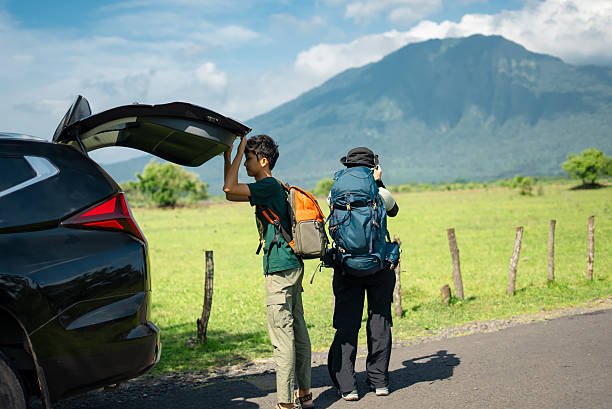
Tanzania Safari Tours & Packages /: Your Ultimate Wildlife Adventure 2026-2027
Discover the magic of Tanzania with expertly crafted safari tours and packages for 2026 and 2027. From the vast plains of the Serengeti to the depths of the Ngorongoro Crater, find your...
View package details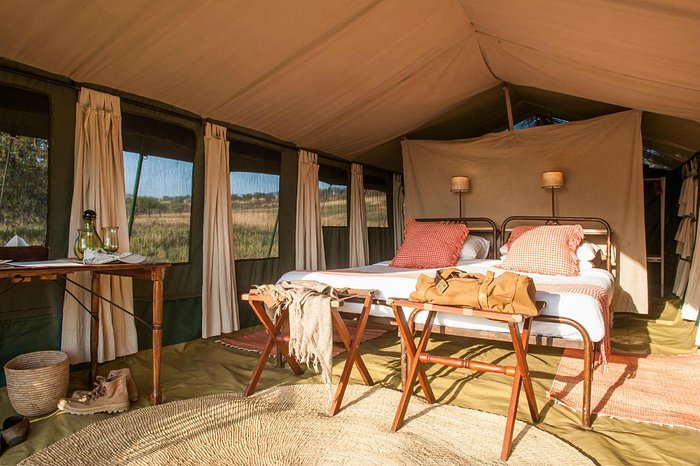
Best African Safari Tours & Vacation Packages /: Your Ultimate Tanzania
start an unforgettable African safari adventure in 2026/2027 with expertly curated tours and vacation packages in Tanzania's most iconic wildlife destinations. From the Serengeti to the...
View package details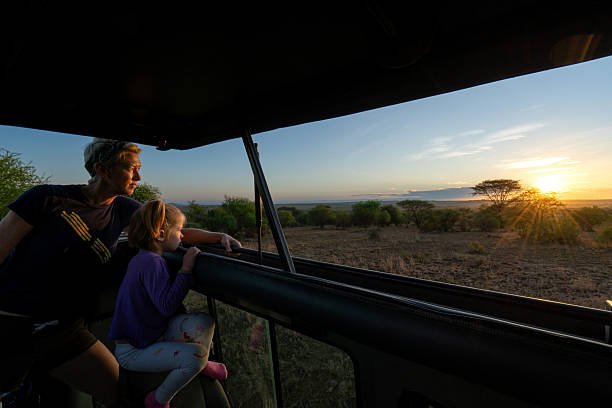
Private Tanzania Safari Packages: Your Ultimate Guide For 2026-2027
Discover the unparalleled freedom and personalized experience of a private Tanzania safari package. This comprehensive guide for 2026-2027 explores custom itineraries, key destinations like...
View package details
Serengeti Safari Tours: Prices, Packages & Best Time To Visit In 2026-2027
Discover everything you need to know for planning your Serengeti safari tour, from understanding pricing and package variations to identifying the ideal travel times in 2026-2027. This...
View package detailsWhat Is The Best Month To Visit Serengeti? 2026-2027
What Is the Best Month to Visit Serengeti? is explained with current 2026-2027 planning, price, itinerary and booking information.
View package details
Serengeti Safari And Zanzibar Beach Holiday: The Ultimate Tanzania
Combine the thrill of a Serengeti safari with the relaxation of a Zanzibar beach holiday. This guide covers everything you need to know for an unforgettable Tanzania adventure in 2026-2027...
View package details
Zanzibar To Serengeti Safari Packages 2026-2027
Zanzibar to Serengeti Safari Packages is explained with current 2026-2027 planning, price, itinerary and booking information.
View package details
Serengeti Great Migration Safari Packages: Your Guide To Witnessing The Wonder
start an unforgettable journey with our comprehensive guide to Serengeti Great Migration safari packages for 2026-2027. Understand the best times to go, optimal viewing locations, and how...
View package detailsWhen Is The Great Migration In Tanzania And Kenya? Your Guide 2026-2027
The Great Migration's timing is dynamic, following the rains. Generally, it's in Kenya's Masai Mara from July to October, and in Tanzania's Serengeti from December to March. Planning around...
View package detailsNo related package matches those filters. Clear one or more filters to see the other topic-matched options.



