
The best Kenya and Tanzania safari packages including Zanzibar typically span 10-14 days, combining iconic wildlife viewing in parks like the Maasai Mara and Serengeti with a relaxing beach stay on Zanzibar. These integrated tours offer a comprehensive East African experience, balancing thrilling game drives with the turquoise waters and spice-scented air of the Indian Ocean, with planning for 2026-2027 now underway for many operators.
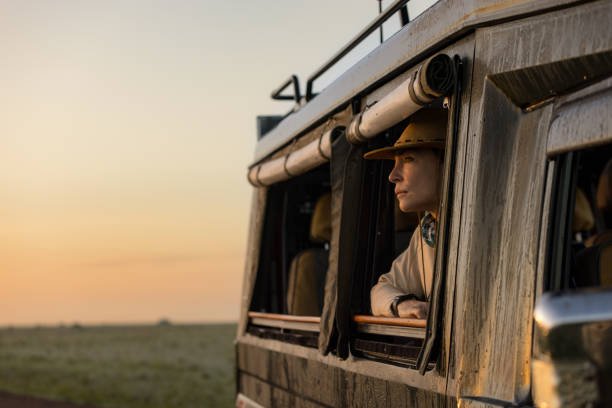

Understanding the Appeal: Why Combine Kenya, Tanzania, and Zanzibar?
The allure of East Africa lies in its unparalleled biodiversity and dramatic landscapes. For many travelers, a single trip to this region isn’t enough to experience its full spectrum. Combining Kenya and Tanzania offers a deep look at some of the world’s most famous wildlife reserves, each with its unique charm and ecological wonders. Adding Zanzibar transforms this adventure into a complete tropical escape, providing a perfect counterpoint to the dust and excitement of the savanna. This fusion appeals to a wide range of travelers: honeymooners seeking romance and adventure, families wanting educational and exciting experiences, and solo travelers looking for a comprehensive African journey.
The primary draw is the sheer density and diversity of wildlife. Kenya’s Maasai Mara is legendary for the Great Migration and its high concentration of predators, while Tanzania’s Serengeti offers vast plains where the migration unfolds on a grand scale, complemented by the unique ecosystem of the Ngorongoro Crater. These parks are geographically close enough to be combined efficiently, often with short flights or overland journeys connecting them. Zanzibar, a semi-autonomous archipelago off the coast of Tanzania, then provides the quintessential tropical island experience: pristine beaches, crystal-clear waters, vibrant coral reefs, and a rich Swahili culture infused with Arab, Indian, and European influences.
When planning for 2026-2027, travelers are increasingly looking for packages that offer smooth transitions between these distinct environments. The convenience of a single booking for both the safari and the island portion simplifies logistics considerably. This integrated approach allows you to focus on the experience rather than the intricate details of separate bookings, transfers, and accommodations. It’s about maximizing your time and minimizing travel stress, ensuring a memorable and cohesive East African adventure.
Key Destinations and Wildlife Highlights
The success of any combined Kenya and Tanzania safari hinges on visiting the right parks at the right time. Each location offers a distinct wildlife viewing experience and landscape, contributing to the richness of your overall journey.
Kenya’s Maasai Mara National Reserve
The Maasai Mara is arguably Kenya’s most famous wildlife destination. Situated in the Great Rift Valley, it’s renowned for its vast open grasslands, acacia-dotted plains, and the incredible spectacle of the Great Wildebeest Migration, which typically occurs from July to October. During this period, millions of wildebeest, zebras, and gazelles cross from the Serengeti into the Mara, pursued by a formidable array of predators including lions, cheetahs, leopards, hyenas, and wild dogs. The Mara River crossings are particularly dramatic and a major draw for photographers and wildlife enthusiasts.
Beyond the migration, the Maasai Mara boasts a year-round population of resident wildlife, making it an excellent safari destination at any time. The chances of seeing the ‘Big Five’ (lion, leopard, elephant, rhino, buffalo) are high. The landscape itself, characterized by rolling hills and wide-open savannas, provides excellent viewing opportunities, often with animals grazing relatively close to the tracks.
Tanzania’s Serengeti National Park
The Serengeti is a UNESCO World Heritage Site and a cornerstone of any Tanzanian safari. Its name, derived from the Maasai word ‘Siringet,’ meaning ‘endless plains,’ perfectly describes its vastness. The park is most famous for hosting the Great Migration for a significant portion of the year. The exact location of the migration within the Serengeti depends on the season: the calving season (January-March) is typically in the southern Serengeti, while the migration moves north and west towards the Mara River (June-October) before crossing into Kenya.
Even outside of migration periods, the Serengeti teems with wildlife. It has one of the highest concentrations of lions in Africa, and leopards and cheetahs are frequently sighted. Large herds of elephants, giraffes, buffaloes, and a variety of antelopes are resident. The sheer scale of the Serengeti means that even with many visitors, it’s possible to find secluded spots and experience a sense of wilderness.
Ngorongoro Conservation Area (Tanzania)
Often referred to as the ‘Eighth Wonder of the World,’ the Ngorongoro Crater is a collapsed volcano caldera that hosts an astonishingly high density of wildlife within its 260-square-kilometer floor. The crater walls rise steeply, creating a self-contained ecosystem that supports a remarkable array of animals year-round. It’s one of the best places in Africa to see the endangered black rhinoceros, along with large prides of lions, hyenas, jackals, elephants, buffaloes, hippos, and numerous bird species. The landscape within the crater is impressive, with a soda lake, grasslands, and pockets of acacia forest.
A safari here is typically a half-day or full-day excursion from nearby lodges or the town of Arusha. The limited space within the crater means game viewing can be concentrated, and while it offers incredible opportunities, some travelers prefer the more expansive feel of the Serengeti. However, for a guaranteed wildlife spectacle, Ngorongoro is hard to beat.
Tarangire and Lake Manyara National Parks (Tanzania)
These parks are often included in Northern Circuit safaris, offering diverse landscapes and wildlife viewing experiences. Tarangire National Park is particularly famous for its large elephant herds, especially during the dry season when they congregate around the Tarangire River. The park also features iconic baobab trees, creating a distinctive and memorable landscape. Lake Manyara National Park, though small, is known for its tree-climbing lions (a behavior not commonly seen elsewhere), its large population of baboons, and its stunning birdlife, especially around the alkaline lake.
These parks provide excellent additions to a longer itinerary, offering variety and different ecosystems to explore. They are easily accessible from Arusha and can be combined with the Serengeti and Ngorongoro to form a comprehensive Northern Circuit experience.
Zanzibar Island Paradise
After the excitement of safari, Zanzibar offers a serene and culturally rich conclusion. This archipelago, famous for its spice plantations and historic Stone Town, provides a completely different kind of experience. The beaches are world-class, with powdery white sand and turquoise waters ideal for swimming, snorkeling, diving, and simply relaxing. Key areas include the lively northern beaches of Nungwi and Kendwa, known for their stunning sunsets and vibrant atmosphere, and the southeastern coast with its more tranquil villages like Paje and Jambiani, popular for kitesurfing and experiencing local life.
Stone Town, a UNESCO World Heritage site, is a labyrinth of narrow streets, bustling markets, ornate mosques, and historic buildings, reflecting centuries of Swahili, Arab, Indian, and European influences. A visit here is a journey back in time, offering insights into the island’s fascinating history and culture.
Typical Itinerary Structures for Combined Safaris
Packages that blend Kenya, Tanzania, and Zanzibar are designed to offer a balanced experience, ensuring you see the best of wildlife and enjoy island relaxation without feeling rushed. Durations and focus can vary, but common structures provide a solid framework for planning your 2026-2027 trip.
The Classic 10-Day Safari and Zanzibar
A 10-day itinerary is a popular choice for those with limited time. It usually starts with arrival in Nairobi, Kenya, followed by a few days in the Maasai Mara. From the Mara, you’d typically fly or drive to Tanzania, focusing on either the Serengeti and Ngorongoro Crater, or a combination of Tarangire and Manyara. The final 2-3 days are spent on Zanzibar, usually flying in from Arusha or Kilimanjaro International Airport. This structure prioritizes key highlights in each destination.
Example Flow:
- Day 1: Arrive Nairobi, Kenya.
- Day 2-3: Maasai Mara National Reserve.
- Day 4: Fly from Mara to Arusha, Tanzania.
- Day 5-6: Serengeti National Park.
- Day 7: Ngorongoro Crater tour.
- Day 8: Fly from Arusha to Zanzibar.
- Day 9: Zanzibar beach relaxation.
- Day 10: Depart from Zanzibar.
This format offers a taste of both countries’ safari offerings and a solid introduction to Zanzibar’s beaches.
The Extended 14-Day Experience
For those who wish to explore deeper into the wildlife and culture, a 14-day package allows for more time in each location or the inclusion of additional parks. This could mean spending more days in the Maasai Mara or Serengeti, exploring a different section of the Serengeti, adding Tarangire and Lake Manyara to the Tanzanian leg, or extending your stay on Zanzibar to explore more of the island, including its spice plantations and Stone Town in greater detail.
Example Flow:
- Day 1: Arrive Nairobi, Kenya.
- Day 2-4: Maasai Mara National Reserve (more in-depth exploration).
- Day 5: Drive/Fly to Arusha, Tanzania.
- Day 6-8: Serengeti National Park (cover different regions).
- Day 9: Ngorongoro Crater tour.
- Day 10: Tarangire or Lake Manyara National Park.
- Day 11: Fly from Arusha to Zanzibar.
- Day 12-13: Zanzibar (Stone Town and beach time).
- Day 14: Depart from Zanzibar.
This extended option provides a more relaxed pace and a richer experience, allowing for spontaneous discoveries and a deeper appreciation of each location.
Customizable Packages for 2026-2027
Many operators, including Climb 4 Africa, specialize in tailor-made itineraries. This is particularly valuable for 2026-2027 travel as it allows you to craft a trip that perfectly matches your interests, budget, and pace. You might want to focus more on photography, birdwatching, cultural immersion, or simply maximize your chances of seeing specific animals. Customization also extends to accommodation choices, from comfortable mid-range lodges to ultra-luxury tented camps, and the type of transport used.
When discussing your plans for 2026-2027 with a tour operator, be specific about your priorities. Do you want to witness the Great Migration river crossings? Are you interested in seeing gorillas (though this would require a separate trip to Rwanda or Uganda, not typically part of a Kenya/Tanzania/Zanzibar package)? Do you prefer beach relaxation or active water sports on Zanzibar? A good operator will guide you through the options, suggest the best timing, and build an itinerary that flows logically and maximizes your experience.
Choosing Your Safari Style
The type of safari you choose significantly impacts your experience and budget. Whether you’re looking for an economical adventure or an opulent escape, there are options available for combined Kenya, Tanzania, and Zanzibar packages.
Budget and Mid-Range Options
Budget and mid-range safaris are ideal for travelers who want to experience the incredible wildlife and landscapes without breaking the bank. These packages typically utilize comfortable, clean, and well-located tented camps or lodges that offer good value. Transport is usually in sturdy 4×4 safari vehicles with pop-up roofs for game viewing, often shared with a small group of other travelers. Meals are generally provided at the lodges or as picnic lunches during game drives.
For Zanzibar, mid-range options include charming beach bungalows or guesthouses that offer direct access to the coast and a relaxed atmosphere. The focus here is on authentic experiences and good service at a reasonable price. These packages are excellent for students, young couples, or anyone prioritizing the safari and island experience over lavish accommodations.
Luxury and Exclusive Journeys
Luxury packages elevate the safari and island experience with high-end accommodations, private game drives, and exclusive services. Lodges and tented camps in this category offer spacious suites, gourmet dining, private plunge pools, and personalized attention from staff. In the Maasai Mara and Serengeti, luxury camps are often situated in prime wildlife areas, offering intimate viewing opportunities and a sense of exclusivity, sometimes even in private conservancies bordering the main parks.
On Zanzibar, luxury resorts provide private villas, world-class spas, fine dining, and impeccable service, often with direct beach access and stunning ocean views. These packages are perfect for honeymoons, special occasions, or travelers who seek the utmost comfort and personalized service. The cost for these luxury combined safaris can be significantly higher, but they offer an unparalleled level of indulgence and experience.
Private Versus Group Tours
Group Tours: These are often the most budget-friendly option. You join a pre-set itinerary with a fixed departure date and share a safari vehicle and guide with other travelers. This is a great way to meet people and significantly reduce costs. However, it means less flexibility in terms of game drive timing and route, and you’ll need to coordinate with your fellow travelers.
Private Tours: A private safari offers maximum flexibility and a personalized experience. You have your own dedicated safari vehicle and guide, allowing you to set the pace, decide when and where to stop for game viewing, and customize your itinerary. This is ideal for families, groups of friends, or individuals who want a more intimate and tailored safari. While more expensive per person than group tours, the enhanced experience and flexibility can be well worth the investment, especially for photographers or those with specific wildlife interests.
When considering your options for 2026-2027, carefully weigh the benefits of each. A private tour offers unparalleled customization and comfort, while group tours provide excellent value and a social atmosphere. Many operators can accommodate both preferences.
Logistics and Travel Between Destinations
Successfully combining Kenya, Tanzania, and Zanzibar requires efficient logistics. Understanding how you’ll move between these locations is key to a smooth and enjoyable trip.
Internal Flights
Internal flights are the quickest and most convenient way to travel between major safari destinations and Zanzibar. Most packages utilize light aircraft flights between the Maasai Mara airstrip and airstrips in the Serengeti or Arusha (Tanzania), and then from Arusha or Kilimanjaro International Airport (JRO) to Zanzibar (ZNZ). These flights significantly cut down on travel time, allowing more time for activities.
Considerations:
- Baggage Allowance: Light aircraft have strict baggage limits, typically 15-20 kg (33-44 lbs) per person, usually in soft-sided duffel bags. Heavy suitcases will need to be stored at your initial airport or hotel.
- Cost: Flights add to the overall package cost but are often included in higher-end itineraries.
- Scenic Views: Flying over the vast landscapes offers a unique perspective of the African terrain.
For 2026-2027 bookings, confirm flight schedules and baggage policies well in advance.
Road Travel and 4×4 Vehicles
Overland travel by 4×4 safari vehicle is the traditional and often preferred method for exploring national parks. These vehicles are essential for navigating rough terrain and offer excellent game viewing with their pop-up roofs. When traveling between Kenya and Tanzania by road, you’ll typically use a dedicated safari vehicle and driver-guide for each country, or sometimes a single vehicle and guide for the entire duration if arranged.
Pros of Road Travel:
- Flexibility: You can stop for photos, explore different tracks, and spend more time with wildlife sightings.
- Scenery: Experience the changing landscapes and local life along the routes.
- Cost-Effective: Generally cheaper than flying, especially for shorter distances or within a single country’s circuit.
Cons of Road Travel:
- Time-Consuming: Distances can be vast, and road conditions can be challenging, leading to long travel days.
- Comfort: Long drives can be tiring.
Most combined packages will include a mix of driving within parks and potentially a longer transfer day between countries or major regions.
Border Crossings
Traveling overland between Kenya and Tanzania involves crossing the border. The most common crossing point for tourists is at Namanga, on the road between Arusha and Nairobi. This process usually involves disembarking your vehicle, completing immigration and customs formalities, and then meeting your next vehicle and guide on the other side.
Key Points:
- Visa Requirements: Ensure you have the correct visas for both Kenya and Tanzania in advance or check if they can be obtained on arrival (requirements can change).
- Time: Border crossings can take anywhere from 30 minutes to a couple of hours, depending on queues and efficiency.
- Assistance: Your tour operator should arrange for a driver or representative to assist you through the process, making it as smooth as possible.
For 2026-2027, it’s wise to check the latest visa regulations for your nationality for both countries.
What to Expect on Zanzibar
After the intensity of safari, Zanzibar offers a welcome change of pace, combining relaxation with rich cultural experiences. The island’s unique blend of history, spice, and stunning coastline makes it an ideal final destination.
Stone Town Heritage
Stone Town is the historic heart of Zanzibar City and a UNESCO World Heritage site. Wandering through its narrow, winding alleys is like stepping back in time. The architecture is a fascinating fusion of Swahili, Arab, Indian, Persian, and European influences, evident in the carved wooden doors, balconies, and intricate details of the buildings. Key attractions include the House of Wonders, the Old Fort, the Sultan’s Palace Museum, and the former Slave Market site, which now houses an Anglican cathedral.
A guided tour of Stone Town is highly recommended to understand its complex history and navigate its maze-like streets. Don’t miss the vibrant Darajani Market, a sensory overload of fresh produce, spices, and local life. Zanzibar is also famous for its spice plantations, and a visit here offers a chance to learn about the cultivation of cloves, cinnamon, nutmeg, vanilla, and other exotic spices, often including a tasting and demonstration.
Northern Beaches: Nungwi and Kendwa
Located at the northern tip of the island, Nungwi and Kendwa are famous for their spectacular white-sand beaches, clear turquoise waters, and dramatic tidal changes. Nungwi is a lively village with a bustling atmosphere, offering a wide range of resorts, restaurants, and bars. It’s a great spot for water sports, including snorkeling, diving, and sunset dhow cruises. The Mnarani Natural Aquarium, where you can swim with sea turtles, is also a popular attraction.
Kendwa, just south of Nungwi, offers a slightly more laid-back vibe but still boasts impressive beaches. It’s known for its stunning sunsets and is a popular spot for yoga retreats and relaxation. Both beaches are ideal for swimming and sunbathing, with minimal tidal influence compared to other parts of the island.
Eastern Beaches: Paje and Jambiani
The southeastern coast of Zanzibar is characterized by long stretches of pristine beach, shallow turquoise waters, and traditional fishing villages. Paje is a vibrant hub for kitesurfing, attracting enthusiasts from around the world due to its consistent winds and shallow lagoon. It has a bohemian atmosphere with a good selection of beach lodges and restaurants.
Jambiani, a traditional Swahili village just south of Paje, offers a more authentic cultural experience. Life here moves at a slower pace, and visitors can interact with locals, visit a traditional seaweed farm, or simply relax on the beautiful, uncrowded beach. The tidal range on the east coast is more pronounced, revealing sandbanks and coral reefs at low tide, which can be fascinating to explore.
Spice Tours and Cultural Experiences
Zanzibar’s history is deeply intertwined with the spice trade, and a spice tour is a must-do. You’ll visit a local farm to see, smell, and taste a variety of spices, fruits, and herbs. Guides often demonstrate how these are grown and used, and you might even get to try your hand at weaving a palm leaf hat or tasting exotic fruits. These tours offer a fascinating insight into the island’s agricultural heritage and economy.
Beyond spice tours, consider a visit to Jozani Forest National Park, home to the rare Red Colobus monkeys, or explore the smaller islands like Prison Island (Changuu Island) with its giant tortoises and snorkeling opportunities. Engaging with local culture, perhaps through a cooking class or a visit to a local market, will enrich your Zanzibar experience.
Planning Your 2026-2027 Trip
Successful planning for a combined Kenya, Tanzania, and Zanzibar safari in 2026-2027 involves understanding the best times to travel, necessary preparations, and key booking considerations.
Best Time to Travel
The optimal time for a combined safari and Zanzibar trip depends on what you prioritize:
- June to October: This is the dry season across Kenya and Tanzania, offering excellent game viewing conditions as animals congregate around water sources. It’s also the peak season for the Great Migration river crossings in the Maasai Mara. Zanzibar experiences pleasant weather, though it can be slightly cooler. This is a popular time, so booking well in advance for 2026-2027 is crucial.
- January to March: This period is also generally dry in Tanzania, ideal for game viewing. It’s the calving season in the southern Serengeti, offering opportunities to see newborn animals. Zanzibar is warm and sunny. This is another peak season.
- November to December: The ‘short rains’ can occur, but they are usually brief and don’t significantly disrupt game viewing. It’s a good time for birdwatching, and fewer crowds mean potentially lower prices. Zanzibar is warm.
- April to May: This is the ‘long rains’ season, with heavier and more prolonged rainfall, particularly in Tanzania. Game viewing can be more challenging as vegetation becomes dense, and some lodges may close. Zanzibar can experience rain, but it often comes in short bursts. This is the low season, offering the best value for money if you don’t mind potential rain.
For the Great Migration, timing is key: June-September for river crossings in the Mara, and January-March for calving in the southern Serengeti.
Visa and Health Requirements
Visas: Most nationalities require visas for both Kenya and Tanzania. You can often apply for these online in advance or check if they are available on arrival. For Tanzania, you may need separate visas for the mainland and Zanzibar, although often a single tourist visa covers both. Always verify the latest requirements with the respective embassies or your tour operator.
Health:
- Malaria: Both Kenya and Tanzania (including Zanzibar) are malaria-risk areas. Consult your doctor about malaria prophylaxis well in advance of your trip.
- Yellow Fever: A Yellow Fever vaccination certificate may be required for entry, especially if arriving from a country with a risk of Yellow Fever transmission or if you’ve transited through one. Check current regulations.
- Other Vaccinations: Recommended vaccinations often include Hepatitis A, Typhoid, and Tetanus. Ensure your routine vaccinations are up to date.
- Travel Insurance: Comprehensive travel insurance covering medical emergencies, evacuation, trip cancellation, and lost baggage is highly recommended.
It’s best to consult with a travel clinic or your doctor at least 6-8 weeks before your departure date for 2026-2027 travel.
Packing Essentials
Packing for a combined safari and beach trip requires versatility:
- Clothing: Neutral-colored, lightweight clothing (khaki, beige, olive green) for safari. Avoid bright colors and dark blue/black. Include layers for cooler mornings/evenings. For Zanzibar, pack light cotton clothing, swimwear, and a light cover-up.
- Footwear: Comfortable walking shoes or hiking boots for safari, sandals or flip-flops for Zanzibar.
- Sun Protection: High SPF sunscreen, wide-brimmed hat, sunglasses.
- Insect Repellent: With DEET or Picaridin.
- Camera and Binoculars: Essential for wildlife viewing. Extra batteries and memory cards.
- First-Aid Kit: Including personal medications.
- Adapter: For charging electronics (Type G in Kenya, Type D or G in Tanzania).
- Small Backpack: For day trips and carrying essentials.
- Lightweight Rain Jacket: Especially if traveling during the shoulder seasons.
Remember the strict baggage limits for internal flights!
Booking Considerations for 2026-2027
When booking your 2026-2027 safari and Zanzibar package:
- Choose a Reputable Operator: Look for companies with experience in multi-destination East African travel, good reviews, and strong local support.
- Confirm Inclusions/Exclusions: Understand exactly what your package covers – park fees, accommodation, meals, activities, internal flights, guide services, transfers.
- Accommodation Quality: Be clear about the standard of lodges and camps included.
- Group Size: If opting for a group tour, inquire about the maximum group size.
- Payment Schedule: Most operators require a deposit to confirm a booking, with the balance due closer to the travel date.
- Flexibility: Ask about cancellation and rebooking policies, especially given the evolving travel landscape.
- Itinerary Customization: If you desire specific experiences, discuss customization options early.
Booking for peak seasons in 2026-2027, especially those involving the Great Migration, should ideally be done 6-12 months in advance to secure preferred accommodations and dates.
Why Book with Climb 4 Africa?
When planning an intricate journey like a combined Kenya and Tanzania safari with a Zanzibar extension, partnering with an experienced and locally-based tour operator is invaluable. Climb 4 Africa specializes in creating smooth African travel experiences, drawing on deep local knowledge and a commitment to client satisfaction.
We understand the nuances of East African travel, from the best times to witness the Great Migration in both the Maasai Mara and Serengeti, to the most impressive beaches on Zanzibar. Our expertise ensures that your itinerary is not only logistically sound but also maximizes your opportunities for incredible wildlife encounters and relaxing island moments. We pride ourselves on offering a range of options to suit different budgets and travel styles, from comfortable mid-range adventures to luxurious, tailor-made journeys for 2026-2027.
By choosing Climb 4 Africa, you benefit from:
- Local Expertise: Our team lives and breathes East Africa, providing insights and support that larger, international companies may lack.
- Tailor-Made Itineraries: We excel at crafting personalized safari and Zanzibar packages that perfectly match your interests and desires.
- Reliable Logistics: We manage all the complex transfers, internal flights, and border crossings to ensure a smooth experience.
- Quality Accommodations and Guides: We partner with trusted lodges and camps and employ knowledgeable, professional guides who enhance your safari.
- Dedicated Support: From your initial inquiry to your departure, we provide attentive service and are available to assist you throughout your trip.
For your 2026-2027 adventure, let us handle the details so you can focus on the magic of Africa. Whether you’re dreaming of witnessing the thundering hooves of the migration, spotting the Big Five, or unwinding on Zanzibar’s pristine shores, we are here to make it a reality. Contact us today to start planning your unforgettable East African safari and Zanzibar package.
Get in touch:
- WhatsApp: +255 747 477 898
- Email: climb4africa@gmail.com
- Website: Climb 4 Africa
Check Availability for Best Kenya And Tanzania Safari Packages Including Zanzibar In 2026-2027
Ready to compare dates, prices, and the best option for your group? Send the package name and travel month so the team can reply with a clear quote, availability, and what is included.

Serengeti Safari And Zanzibar Beach Holiday: The Ultimate Tanzania
Combine the thrill of a Serengeti safari with the relaxation of a Zanzibar beach holiday. This guide covers everything you need to know for an unforgettable Tanzania adventure in 2026-2027...
View package details
Tanzania Safari And Zanzibar All-Inclusive Packages Guide
Combine the thrill of a Tanzanian wildlife safari with the serene beauty of Zanzibar on an all-inclusive package. This comprehensive guide covers everything you need to know for planning...
View package details
Tanzania Safari And Zanzibar Packages /: Your Complete Guide 2026-2027
Explore the best Tanzania safari and Zanzibar packages for 2026-2027. This comprehensive guide covers itinerary options, wildlife highlights, beach relaxation, and booking considerations to...
View package details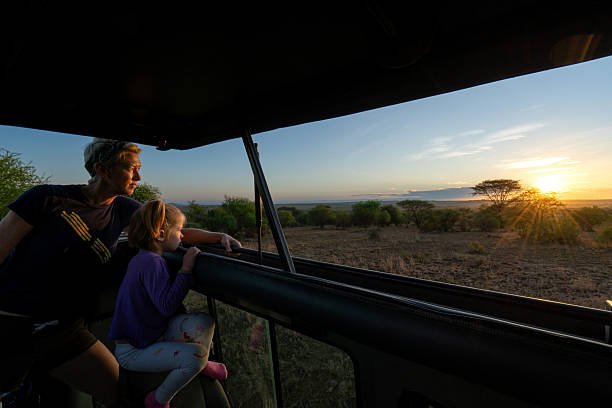
10-Day Tanzania Safari And Zanzibar Beach Holiday: Your Ultimate Itinerary
Combine the thrill of a Tanzania safari with the relaxation of Zanzibar for an unforgettable 10-day adventure. This itinerary balances iconic wildlife viewing with stunning tropical...
View package details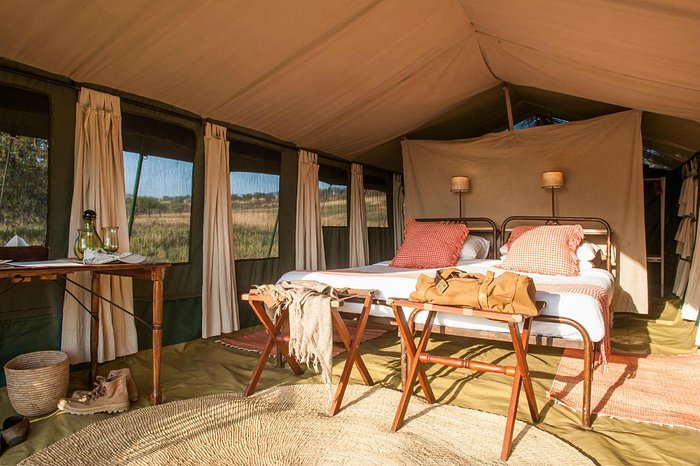
Safari From Zanzibar: Best Packages, Prices & Parks For 2026-2027
Combining a Zanzibar beach holiday with a Tanzania safari is a dream for many travelers. This guide details the best safari packages from Zanzibar, covering essential planning, park...
View package details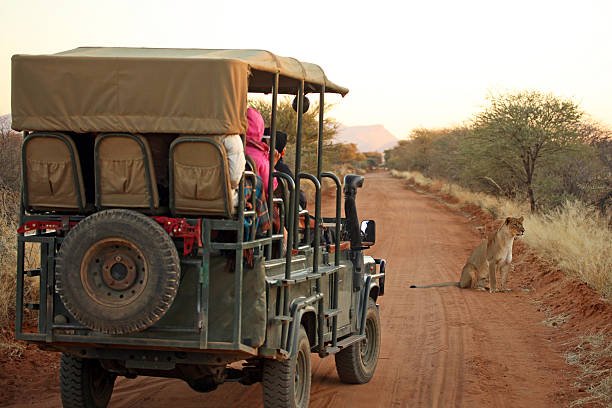
Zanzibar To Mikumi Safari: Flights, Prices And Itinerary Guide
Transition from the spice-scented beaches of Zanzibar to the wildlife-rich plains of Mikumi National Park. This guide details flight logistics, cost considerations, and sample itineraries...
View package details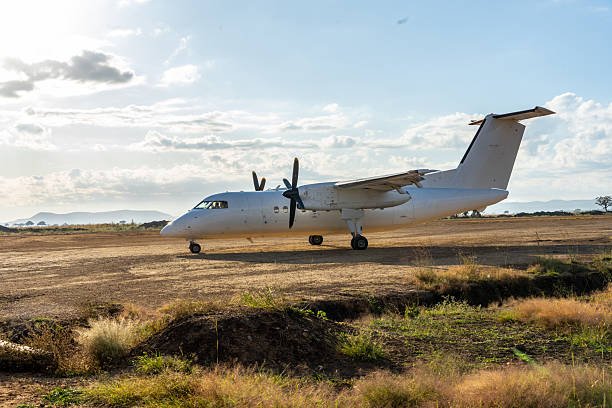
Zanzibar To Nyerere Safari Packages 2026-2027
Zanzibar to Nyerere Safari Packages is explained with current 2026-2027 planning, price, itinerary and booking information.
View package detailsZanzibar To Serengeti Safari Packages 2026-2027
Zanzibar to Serengeti Safari Packages is explained with current 2026-2027 planning, price, itinerary and booking information.
View package details3-Day Safari From Zanzibar 2026-2027
3-Day Safari From Zanzibar is explained with current 2026-2027 planning, price, itinerary and booking information.
View package details
2-Day Safari From Zanzibar: Your Quick Wildlife Escape In 2026-2027
Looking for a short, impactful wildlife adventure without a long trip? A 2-day safari from Zanzibar is your perfect solution. This guide covers the best options, what to expect, and how to...
View package detailsBest Family-Friendly Resorts In Tanzania For Unforgettable Adventures
Planning a family adventure in Tanzania? This guide highlights the best family-friendly resorts offering incredible wildlife viewing, cultural experiences, and comfortable stays for all...
View package detailsWildlife And Nature Titles: Your Ultimate Guide To Tanzanias Best Experiences
This comprehensive guide explores the most sought-after wildlife and nature titles in Tanzania, from iconic safari destinations and Kilimanjaro treks to the tropical allure of Zanzibar...
View package detailsNo related package matches those filters. Clear one or more filters to see the other topic-matched options.



