A 10-day Kenya and Tanzania safari, expertly combining the legendary Masai Mara with the vast Serengeti, offers unparalleled wildlife viewing, especially during the Great Migration. This itinerary typically starts in Nairobi, Kenya, flies into the Masai Mara, then crosses into Tanzania to explore the Serengeti, before concluding in Arusha or Kilimanjaro International Airport, Tanzania. Planning for 2026-2027 involves choosing the right season for migration viewing, understanding park fees, and selecting accommodations that match your safari style.
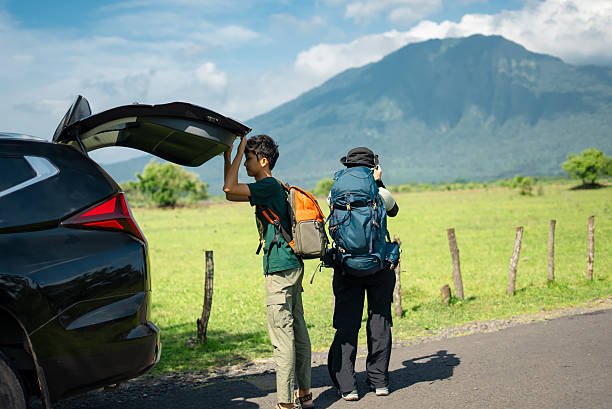

Understanding Your 10-Day Kenya and Tanzania Safari: Masai Mara & Serengeti
The allure of a 10-day safari that stitches together Kenya’s Masai Mara and Tanzania’s Serengeti is undeniable. These two iconic parks, separated by the border but united by the incredible Great Migration, form the heart of East Africa’s wildlife spectacle. This journey is not just about ticking off the Big Five; it’s about witnessing nature’s grandest theatre unfold across vast, ancient landscapes. For travelers planning a trip in 2026 or 2027, understanding the nuances of this combined experience is crucial for maximizing your chances of seeing the migration and enjoying a smooth adventure.
What makes this particular 10-day combination so compelling is the strategic advantage it offers. You get the raw, iconic beauty of the Masai Mara, famous for its high concentration of predators and vast open plains, followed by the immense, seemingly endless plains of the Serengeti, home to millions of wildebeest and zebras during their annual trek. It’s a duality of ecosystems and wildlife behaviours that few other safari combinations can match.
When considering this safari, particularly for future travel in 2026-2027, it’s important to recognize that it requires careful logistical planning. You’ll be crossing international borders, moving between different park systems, and potentially utilizing multiple modes of transport, from road to air. This is where expert guidance, especially from operators with deep local knowledge like Climb 4 Africa, becomes invaluable. They can navigate the complexities of park entries, transfers, and accommodation bookings to ensure your 10 days are focused entirely on the wildlife and the experience.
The typical flow of a 10-day Kenya and Tanzania safari with Masai Mara and Serengeti involves:
- Arrival in Nairobi, Kenya.
- A scenic flight or drive into the Masai Mara National Reserve.
- Several days exploring the Masai Mara’s diverse habitats.
- A transfer (often by flight) to the Serengeti National Park in Tanzania, typically via the Kogatende or Lamai airstrips in the north, or possibly via a border crossing like the Isebania border post followed by a drive.
- Several days dedicated to exploring different regions of the Serengeti.
- Departure from a Tanzanian airstrip to Arusha or Kilimanjaro International Airport (JRO).
This structure allows for maximum immersion in each park’s unique offerings, minimizing travel time between key wildlife viewing areas.
Timing is Everything: The Great Migration and Best Times to Go (2026-2027)
The single most compelling reason to combine the Masai Mara and Serengeti for a 10-day safari is the chance to witness the Great Migration. This colossal movement of over 1.5 million wildebeest, zebras, and gazelles is a natural phenomenon that dictates the best times to visit each park. Understanding its cyclical nature is key to planning a successful trip for 2026-2027.
The Great Migration Cycle: A Year-Round Phenomenon
While the migration is often thought of as a single event, it’s a continuous, year-round cycle driven by the search for fresh grazing and water. The herds move in a vast clockwise direction:
- December – March: Southern Serengeti (Tanzania): This is calving season. The plains are dotted with newborn wildebeest, and predators are in abundance, making for incredible predator-prey interactions. The weather is generally warm and can include short rains.
- April – May: Moving North / Serengeti Plains: The herds begin their journey northwards, often coinciding with the “long rains” in Tanzania. This can make travel more challenging, and many lodges in the southern Serengeti may close.
- June – July: Western & Northern Serengeti (Tanzania) / Grumeti River: The herds converge in the western corridor and then move towards the northern Serengeti. This is a prime time for witnessing river crossings, particularly the Grumeti River, though these are often smaller than the Mara River crossings.
- July – October: Masai Mara (Kenya) / Mara River: This is arguably the most dramatic period. The bulk of the migration is in the Masai Mara, often congregating along the Mara River, waiting for an opportunity to cross into Kenya. These are the iconic, massive river crossings that draw many visitors. The Masai Mara experiences its dry season during these months, meaning animals are concentrated around water sources.
- November: Moving South / Transition Period: The herds begin their southward journey back into Tanzania, a period that can be unpredictable and might coincide with the “short rains.”
Best Times for a 10-Day Kenya & Tanzania Safari (2026-2027)
For a 10-day safari focused on both the Masai Mara and Serengeti, and aiming to see the migration in its most impressive form:
- July to October: This is the peak season for seeing the migration in the Masai Mara, with a high probability of witnessing dramatic Mara River crossings. You’ll need to plan well in advance for 2026-2027 as this is the most popular time, leading to higher prices and lower availability. The Serengeti will also have herds present, though the bulk will be moving towards or already in Kenya.
- Late June / Early July: A fantastic window to catch the migration in the northern Serengeti as it begins its push towards the Mara River, potentially seeing river crossings in the Grumeti or Mara rivers depending on the exact timing.
- January to March: If your priority is seeing the calving season and intense predator action in the southern Serengeti, this is the time. While you won’t see the migration in the Masai Mara during these months, the Serengeti alone offers a phenomenal wildlife experience, and you could potentially do a 10-day trip solely within Tanzania, or adjust your focus.
Considerations for 2026-2027 Travel:
- Dry Season (July-October): Best for game viewing overall due to animals congregating near water. This is peak season, meaning higher costs and more vehicles. Book accommodations and flights well in advance, especially for 2026-2027.
- Green Season (November-May): Offers lush landscapes, fewer crowds, and often lower prices. Wildlife is more dispersed, but predator-prey interactions can still be excellent. The calving season (Jan-Mar) in the southern Serengeti is a highlight of the green season.
When planning for 2026-2027, consult with your tour operator about the specific movements of the migration. While the general cycle is predictable, rainfall patterns can influence exact timings. A good operator will have up-to-date information to tailor your itinerary.
Crafting Your 10-Day Kenya and Tanzania Safari Itinerary
A 10-day safari hitting both the Masai Mara and Serengeti requires a balanced itinerary to maximize wildlife viewing without feeling rushed. The key is to allocate sufficient time to each park, considering travel between them.
Sample Itinerary Structure (Migration Focused: July-October)
This sample itinerary prioritizes seeing the Great Migration in its most dramatic phase. Remember that this is a template; actual days can be adjusted based on your preferences and migration movements.
Day 1: Arrival in Nairobi, Kenya
Arrive at Jomo Kenyatta International Airport (NBO). You’ll be met by a representative and transferred to your hotel in Nairobi. Depending on your arrival time, you might have time for a brief city tour or simply relax and prepare for your safari.
Day 2: Nairobi to Masai Mara
After breakfast, you’ll be transferred to Wilson Airport for a scenic light aircraft flight into the Masai Mara National Reserve. The flight itself offers incredible aerial views. Upon arrival at the airstrip in the Mara, you’ll be met by your safari guide and vehicle, and begin your game drive en route to your lodge or camp. After settling in and lunch, an afternoon game drive awaits.
Days 3-4: Exploring the Masai Mara
Spend two full days exploring the vast plains of the Masai Mara. This is prime territory for spotting lions, leopards, cheetahs, elephants, giraffes, and a myriad of other wildlife. If your visit coincides with the migration, you’ll focus on areas where the herds are concentrated, particularly near the Mara River, hoping to witness a crossing. Game drives are typically conducted in the early morning and late afternoon, the best times for animal activity.
Day 5: Masai Mara to Serengeti (Northern Sector)
Enjoy a final morning game drive in the Masai Mara. After breakfast, you’ll be transferred back to the airstrip for your flight to the Serengeti National Park in Tanzania. This flight typically routes via Kilimanjaro or directly to an airstrip in the northern Serengeti (e.g., Kogatende or Lamai), depending on flight schedules and your operator’s arrangements. You’ll be met by your Tanzanian guide and vehicle and commence your game drive into the Serengeti, heading towards your lodge or tented camp.
Days 6-8: Serengeti National Park
Dedicate three full days to exploring the Serengeti. Depending on the time of year and migration location, you might focus on the northern region (known for river crossings and resident wildlife year-round), the central Seronera area (excellent for predators and year-round game viewing), or the western corridor. Your guide will be instrumental in tracking the herds and finding prime wildlife viewing spots. Activities can include morning and afternoon game drives, and potentially guided walks if offered by your camp.
Day 9: Serengeti to Arusha
After a final morning game drive and breakfast in the Serengeti, you’ll be transferred to a local airstrip for your flight back to Arusha. You’ll be met and transferred to your hotel in Arusha, providing an opportunity to relax, reflect on your safari, and perhaps purchase some souvenirs.
Day 10: Departure
Depending on your flight schedule, you might have some free time in Arusha. You will then be transferred to Kilimanjaro International Airport (JRO) for your onward international flight.
Alternative Itinerary Focus (Calving Season: January-March)
If you plan for 2026-2027 during the calving season, you might opt for a primarily Tanzanian focus, spending more time in the Southern Serengeti and perhaps adding a visit to the Ngorongoro Crater. This would look like:
- Days 1-2: Nairobi arrival and transfer to Masai Mara (shorter stay, less focus on migration river crossings).
- Day 3: Fly from Masai Mara to Serengeti (central or southern).
- Days 4-7: Deep exploration of Southern and Central Serengeti, focusing on predator action and calving herds.
- Day 8: Transfer to Ngorongoro Conservation Area, descend into the Crater for a day’s game drive.
- Day 9: Morning at leisure or cultural visit near Ngorongoro, transfer to Arusha.
- Day 10: Departure from JRO.
This variation highlights how the best itinerary for your 10-day Kenya and Tanzania safari with Masai Mara and Serengeti depends heavily on the time of year you travel and your specific wildlife interests.
Masai Mara, Kenya: A Wildlife Haven
The Masai Mara National Reserve is arguably one of Africa’s most famous wildlife destinations, and for good reason. Its rolling grasslands, acacia woodlands, and the life-giving Mara River create a rich ecosystem that supports an astonishing diversity and density of wildlife. For a 10-day Kenya and Tanzania safari, the Masai Mara serves as the perfect introduction to East African safari, offering iconic landscapes and abundant game.
Key Highlights of the Masai Mara:
- The Great Migration (July-October): The Mara is the culmination of the wildebeest migration’s journey. Witnessing thousands of wildebeest, zebras, and gazelles crossing the Mara River is a primal spectacle. Even outside of the main crossing season, the plains teem with resident herds.
- Predator Paradise: The Mara boasts one of the highest densities of lions in the world. It’s also an excellent place to spot leopards, cheetahs, hyenas, and wild dogs. The open plains make spotting these elusive cats relatively easier compared to denser bush environments.
- Big Five Habitat: While leopards and rhinos can be more challenging to find, lions, elephants, and buffalo are commonly seen. The reserve is home to a healthy population of both black and white rhinos, though sightings are more sporadic and require luck and a skilled guide.
- Birdlife: With over 450 recorded species, the Masai Mara is a birdwatcher’s paradise, featuring eagles, vultures, ostriches, secretary birds, and various migratory species.
- Maasai Culture: The reserve is named after the Maasai people, who have traditionally inhabited this region. Many camps offer opportunities to visit a Maasai village for a cultural exchange, providing insight into their ancient traditions and way of life.
When to Visit the Masai Mara in 2026-2027:
While the Mara is a year-round destination, the July to October period is prime time, especially for migration river crossings. The dry season means wildlife congregates around water sources, making game viewing more predictable. However, this also means it’s peak tourist season, with higher prices and more safari vehicles. For fewer crowds and potentially lower costs in 2026-2027, consider the shoulder months of June or November, or even the green season (April-May), though river crossings are unlikely then.
Accommodation Styles in the Masai Mara:
The Masai Mara offers a range of accommodation, from luxury tented camps to more rustic lodges. Camps located within the reserve itself or in the adjacent conservancies offer excellent game viewing opportunities. Conservancies, bordering the main reserve, often provide a more exclusive experience with fewer vehicles and opportunities for activities like night drives and walking safaris, which are restricted in the main reserve.
For a 10-day Kenya and Tanzania safari, allocating 3-4 nights in the Masai Mara is generally recommended to allow for sufficient exploration and to increase your chances of witnessing key wildlife events.
Serengeti, Tanzania: The Endless Plains
The Serengeti, a Swahili word meaning ‘endless plains,’ is a UNESCO World Heritage Site and arguably the most famous wildlife sanctuary in the world. Its sheer scale and the sheer volume of wildlife, particularly during the Great Migration, make it an indispensable part of any comprehensive East African safari. When combined with the Masai Mara in a 10-day itinerary, it provides a impressive contrast and continuation of the natural spectacle.
Why the Serengeti is Essential:
- The Heart of the Migration: The Serengeti is where the Great Migration spends a significant portion of its year. From the calving grounds in the south to the river crossings in the west and north, the Serengeti is the stage for this phenomenal natural event.
- Exceptional Predator-Prey Dynamics: The vast grasslands support huge herds, which in turn attract a large population of predators. The Serengeti is renowned for its lion prides, cheetahs, leopards, hyenas, and the endangered African wild dog.
- Diverse Ecosystems: Beyond the iconic short-grass plains of the south, the Serengeti encompasses kopjes (rocky outcrops), acacia woodlands, riverine forests, and vast savanna. Each habitat supports different wildlife species, offering varied viewing experiences.
- Year-Round Wildlife Viewing: Even outside of the peak migration, the central Seronera region of the Serengeti is known for its resident wildlife populations, making it an excellent safari destination any time of year.
- Scale and Immensity: The Serengeti covers over 14,750 square kilometers, offering a sense of vastness and wilderness that is profoundly moving.
Navigating the Serengeti in 2026-2027:
The Serengeti is enormous, and a 10-day Kenya and Tanzania safari might focus on specific regions depending on the migration’s location:
- Southern Serengeti (Ndutu Area): Ideal from December to March for calving season, with abundant newborns and associated predators.
- Western Corridor (Grumeti River): Best from May to July for potential river crossings, though these are often smaller than the Mara River crossings.
- Northern Serengeti (Kogatende/Lamai): Prime location from July to October for witnessing the dramatic Mara River crossings as the migration moves between Kenya and Tanzania. This area is excellent for resident wildlife year-round too.
- Central Serengeti (Seronera Valley): Offers excellent game viewing throughout the year, with high concentrations of big cats and a diverse range of resident wildlife.
Your choice of lodge or camp and the internal flights you take will determine which parts of the Serengeti you can explore within your 10-day trip. For 2026-2027, booking lodges in the specific regions where the migration is expected is crucial if this is your primary goal.
Accommodation in the Serengeti:
Accommodation ranges from mobile tented camps that move with the migration to permanent luxury lodges and tented camps. Mobile camps offer the advantage of being right in the heart of the action, while permanent camps provide more stability and amenities. The choice often depends on budget and the desired level of comfort and exclusivity.
A 3-4 night stay in the Serengeti is generally recommended to appreciate its vastness and wildlife diversity.
Logistics and Travel Between Parks
Successfully executing a 10-day Kenya and Tanzania safari that includes both the Masai Mara and Serengeti hinges on efficient logistics. The transition between these two world-renowned parks involves crossing an international border and navigating different park entry systems. Understanding these logistics is vital for a smooth and enjoyable experience, especially when planning for 2026-2027.
Key Transfer Methods:
- Flight from Masai Mara to Serengeti: This is the most time-efficient and comfortable method. Typically, you would fly from an airstrip in the Masai Mara (e.g., Keekorok, Ol Kiombo) to an airstrip in the Serengeti (e.g., Kogatende, Lamai in the north, or Seronera in the central region). This flight often involves a connection, possibly through Wilson Airport in Nairobi or Kilimanjaro International Airport (JRO) in Tanzania, depending on the airline and route. This option is more expensive but saves considerable travel time and offers stunning aerial views.
- Road Transfer via Border Crossing: It’s possible to drive from the Masai Mara to the Serengeti. This involves driving to the Isebania border post (Kenya-Tanzania), completing immigration formalities, and then continuing by road into the Serengeti. This is a longer, more arduous journey, often taking a full day or more. While it can be more budget-friendly, it significantly eats into your safari time. It also requires careful coordination to ensure your vehicle and guide are permitted to cross and operate in both countries.
Park Fees and Border Formalities:
Each country has its own park fee structure. For a 10-day Kenya and Tanzania safari:
- Kenya (Masai Mara): Park fees are typically charged per person, per day, and are payable to the Narok County Council or Mara Conservancy (if in a conservancy).
- Tanzania (Serengeti): Park fees are generally higher and are charged per person, per 24-hour period, plus a vehicle fee.
When crossing the border, you’ll need to ensure your visa requirements for Tanzania are met (if applicable), and your passport is valid. Your tour operator will handle the complexities of park fee payments and ensure your vehicle is appropriately registered. For 2026-2027, it’s wise to confirm the current park fee rates, as they can change annually.
Choosing Your Operator for smooth Transitions:
The critical factor for a smooth transition is working with a tour operator who has a strong presence and network in both Kenya and Tanzania. Climb 4 Africa specializes in multi-country East African safaris and understands the intricate logistics of moving clients between these two iconic destinations. They can arrange:
- Coordinated flight bookings.
- Reliable ground transfers on both sides of the border.
- Appropriate visas and permits.
- smooth handover between Kenyan and Tanzanian guides and vehicles.
For a 10-day trip, minimizing travel time is crucial. Therefore, flights are highly recommended for the Masai Mara to Serengeti transfer. Discussing these options with your operator will help you choose the best method for your budget and time constraints for your 2026-2027 safari.
Accommodation Options for Your Safari
Your choice of accommodation significantly shapes the safari experience, influencing comfort, immersion, and even proximity to wildlife. For a 10-day Kenya and Tanzania safari, you’ll find a spectrum of options in both the Masai Mara and Serengeti, catering to different budgets and preferences.
Types of Accommodation:
- Luxury Tented Camps: These offer the quintessential safari experience with a touch of indulgence. Expect spacious canvas tents with comfortable beds, en-suite bathrooms (often with flushing toilets and hot showers), and private verandas. Many feature fine dining and exceptional service. They provide a close-to-nature feel without sacrificing comfort.
- Safari Lodges: Lodges are more permanent structures, often built with stone or wood, and can range from comfortable to ultra-luxurious. They usually have more extensive facilities, such as swimming pools, lounges, and restaurants. Lodges offer a solid, comfortable base for exploring.
- Mobile Tented Camps: These are seasonal camps that move to follow the Great Migration. They offer a truly in-depth experience, often situated in prime wildlife areas with minimal other camps nearby. While still comfortable, they might have more basic amenities (e.g., bucket showers) and a more rustic charm. These are excellent for experiencing the migration up close.
- Mid-Range Camps and Lodges: These strike a balance between comfort and cost. They offer good amenities, comfortable rooms, and well-located sites, providing a solid safari experience without the premium price tag of luxury options.
Considerations for Masai Mara and Serengeti:
- Location is Key: In the Masai Mara, lodges and camps within the main reserve or in adjacent private conservancies offer the best access to wildlife. Conservancies often provide more exclusive experiences and activities like night drives. In the Serengeti, the location of your camp or lodge is critical for migration viewing. For July-October, northern Serengeti camps are ideal; for January-March, southern Serengeti camps are best.
- Exclusivity vs. Accessibility: Camps deep within conservancies or remote areas of the Serengeti offer greater exclusivity and fewer vehicles. However, they may require longer drives to reach or necessitate more internal flights. Central Serengeti lodges are often more accessible but can be busier.
- Budget Levels for 2026-2027: Accommodation costs vary significantly. Luxury options can range from $600 to $2000+ per person per night, while mid-range might be $300-$600, and more basic options are available. Booking for 2026-2027 during peak season (July-October) will command higher rates.
When planning your 10-day Kenya and Tanzania safari, discussing your accommodation preferences and budget with Climb 4 Africa will ensure you are placed in lodges or camps that perfectly complement your safari goals, whether that’s maximizing migration sightings, enjoying luxury, or seeking a more intimate wildlife experience.
Wildlife Viewing Expectations and the Big Five
A 10-day Kenya and Tanzania safari combining the Masai Mara and Serengeti is designed for exceptional wildlife viewing. While no safari guarantees specific sightings, these parks offer some of the highest probabilities of encountering Africa’s most iconic animals, including the famed Big Five.
The Big Five:
The term “Big Five” refers to the lion, leopard, elephant, rhinoceros, and Cape buffalo. Historically, these were considered the most dangerous animals to hunt on foot, but today, they are the most sought-after sightings for safari-goers.
- Lion: Both the Masai Mara and Serengeti are renowned for their lion populations. You’ll often find them resting in the shade, hunting in prides, or lounging on kopjes. The Mara is particularly famous for its large prides.
- Leopard: These elusive cats are more solitary and prefer denser vegetation or trees. While they can be challenging to spot, both parks offer good chances, especially if you have a skilled guide. Look for them resting in trees or on branches.
- Elephant: Large herds of elephants are common in both parks. They are often seen grazing in the savanna, near water sources, or in woodlands. The Masai Mara has a significant elephant population, as does the Serengeti.
- Rhinoceros: Black rhinos are present in both parks, but they are endangered and more difficult to find. They tend to be solitary and inhabit denser bush. In the Masai Mara, they are more concentrated in certain areas, while in the Serengeti, sightings are rarer but possible, especially in areas like the Moru Kopjes.
- Cape Buffalo: These large, formidable bovines are abundant in both parks, often seen in large herds near water or grazing on the plains. They are known for their unpredictable nature.
Beyond the Big Five:
Your 10-day Kenya and Tanzania safari will offer encounters with countless other species:
- Cheetahs: The open plains of both parks are ideal for cheetahs, the fastest land animals. You’ll often see them hunting in the early morning or late afternoon.
- Hyenas: Spotted hyenas are abundant and often seen in large clans, both during the day and at night.
- Wild Dogs: These endangered canids are highly social and efficient hunters. Sightings are rarer but incredibly rewarding.
- Giraffes, Zebras, and Antelopes: Expect to see vast numbers of giraffes, zebras (especially during migration), wildebeest, Thomson’s gazelles, Grant’s gazelles, impalas, topi, hartebeest, and many other plains game.
- Birds of Prey: Eagles, buzzards, falcons, and vultures are common.
- Riverine Wildlife: Hippos and crocodiles are abundant in the Mara and Grumeti rivers.
Maximizing Your Chances:
- Timing: Visiting during the dry season (July-October) concentrates wildlife around water sources. The migration period offers unique viewing opportunities.
- Location: Staying in areas known for high predator density or migration routes significantly increases your chances.
- Guide Expertise: A skilled and experienced safari guide is your most valuable asset. They know animal behaviour, track sightings, and can interpret the landscape to find wildlife.
- Time of Day: Early mornings and late afternoons are generally the most active periods for wildlife.
For your 2026-2027 safari, discussing specific wildlife interests with your tour operator will help tailor your itinerary to maximize your chances of seeing your desired animals.
Packing Essentials for Your Safari
Packing correctly for a 10-day Kenya and Tanzania safari is crucial for comfort and practicality. The focus is on lightweight, neutral-colored clothing suitable for varying temperatures and activities. Remember that luggage allowances on light aircraft flights are often restricted.
Clothing:
- Neutral Colors: Pack earth tones such as khaki, beige, olive green, brown, and grey. Avoid bright colors (which can scare wildlife) and black or dark blue (which attract tsetse flies). White is also best avoided as it gets dirty quickly.
- Lightweight Layers: Temperatures can vary significantly. Pack light, breathable long-sleeved shirts and trousers for sun protection and warmth in the evenings. T-shirts and shorts are suitable for warmer daytime hours.
- Warm Fleece or Jacket: Mornings and evenings can be cool, especially in open safari vehicles or at higher altitudes. A fleece, down jacket, or warm sweater is essential.
- Rain Gear: A lightweight, waterproof jacket is advisable, especially during the rainy seasons (April-May, November).
- Comfortable Trousers/Jeans: For evenings or relaxation at the lodge.
- Underwear and Socks: Plenty of comfortable pairs.
Footwear:
- Comfortable Walking Shoes/Hiking Boots: If you plan on any guided walks, sturdy, broken-in shoes are a must.
- Sandals or Flip-flops: For relaxing at the lodge or camp.
- Closed-toe Shoes: For evenings, especially if there are mosquitoes.
Accessories:
- Sun Hat: Wide-brimmed for maximum protection.
- Sunglasses: Polarized lenses are ideal.
- Sunscreen: High SPF, as the equatorial sun is strong.
- Insect Repellent: With DEET or picaridin, especially for evenings.
- Camera and Extra Batteries/Memory Cards: You’ll want to capture everything! Consider a telephoto lens.
- Binoculars: Essential for spotting distant wildlife.
- Headlamp or Small Torch: Useful for navigating camps at night.
- Small Backpack/Daypack: For carrying essentials during game drives (water, camera, sunscreen, jacket).
- Reusable Water Bottle: Many lodges provide filtered water.
Documents and Health:
- Passport and Visas: Ensure they are valid for at least six months beyond your travel dates.
- Yellow Fever Certificate: May be required for entry into Tanzania if arriving from a yellow fever endemic country. Check current regulations.
- Travel Insurance Details: Comprehensive coverage is highly recommended.
- Prescription Medications: Carry them in their original packaging with a doctor’s note.
- Basic First-Aid Kit: Including plasters, antiseptic wipes, pain relievers, and any personal medications.
Luggage Restrictions:
Light aircraft flights operating within Kenya and Tanzania often have strict luggage weight limits, typically around 15-20 kg (33-44 lbs) per person, packed in soft-sided duffel bags. Hard suitcases are usually not permitted. Always confirm the specific limits with your tour operator when planning for 2026-2027.
Packing smart ensures you are comfortable and prepared for all aspects of your 10-day Kenya and Tanzania safari.
Budgeting for Your 10-Day Kenya and Tanzania Safari (2026-2027)
Understanding the cost of a 10-day Kenya and Tanzania safari combining the Masai Mara and Serengeti is crucial for planning. These safaris are typically all-inclusive packages covering accommodation, meals, park fees, game drives, and internal transfers. The final price depends on several factors, especially when booking for 2026-2027.
Key Cost Factors:
- Accommodation Level: This is often the biggest variable. Luxury lodges and tented camps are significantly more expensive than mid-range or budget options.
- Time of Year: Peak season (July-October) for migration viewing commands higher prices due to demand. Shoulder seasons and green seasons offer more affordable rates.
- Mode of Transport Between Parks: Flying between the Masai Mara and Serengeti is more expensive than overland transfers but saves time.
- Private vs. Shared Safari: A private safari offers flexibility and exclusivity but comes at a higher per-person cost than a shared safari, where you join other travelers in a vehicle.
- Inclusions: Ensure your package clearly states what’s included. Most comprehensive safaris include accommodation, all meals, park fees, game drives with a dedicated guide, and internal transfers (flights or drives). Exclusions typically include international flights, visas, travel insurance, tips, and personal expenses.
Estimated Cost Ranges for 2026-2027 (Per Person, Excluding International Flights):
- Mid-Range Safari: Expect costs to range from $4,500 to $7,000 per person for a 10-day trip. This typically includes comfortable mid-range lodges and tented camps, internal flights, and full board.
- Luxury Safari: For high-end lodges, exclusive conservancy access, and premium services, costs can range from $7,000 to $15,000+ per person for 10 days.
Note: These are estimates. Exact pricing for 2026-2027 will depend on specific lodge choices, availability, and any seasonal promotions. It’s always best to get a detailed quote.
Additional Costs to Consider:
- Park Fees: These are substantial and often included in package prices, but worth understanding. For 2026-2027, expect Serengeti fees to be around $70-80 per person per day, and Masai Mara fees around $70-80 per person per day.
- Visas: Check current visa requirements and costs for Kenya and Tanzania.
- Tips for Guides and Staff: A customary practice, budget around $10-20 per person per day for your guide, and a smaller amount for lodge/camp staff.
- Travel Insurance: Essential and varies in cost.
- Personal Expenses: Souvenirs, drinks, laundry, etc.
Planning for 2026-2027: Early booking for safaris in 2026-2027, especially for peak season, is highly recommended to secure preferred accommodation and potentially better rates. Many operators offer discounts for booking far in advance.
Climb 4 Africa can provide tailored quotes for your 10-day Kenya and Tanzania safari, helping you understand exactly what is included and how to best allocate your budget for an unforgettable 2026-2027 adventure.
Booking Your Safari with Climb 4 Africa
When you’re ready to turn your dream of a 10-day Kenya and Tanzania safari with Masai Mara and Serengeti into reality, choosing the right tour operator is paramount. Climb 4 Africa brings extensive local expertise and a passion for creating exceptional African travel experiences, making them an ideal partner for planning your 2026-2027 adventure.
Why Choose Climb 4 Africa?
- Local Expertise & Support: As a Tanzania-based company, Climb 4 Africa has unparalleled on-the-ground knowledge of both Kenya and Tanzania, including the Masai Mara and Serengeti. They understand the local logistics, wildlife patterns, and cultural nuances.
- Tailor-Made Itineraries: Whether you’re focused on the Great Migration, predator sightings, photography, or a mix of experiences, Climb 4 Africa can craft a bespoke 10-day itinerary that perfectly matches your interests and budget for 2026-2027.
- smooth Transitions: They excel at managing the complexities of multi-country safaris, ensuring smooth transfers between Kenya and Tanzania, coordinating flights, and handling all necessary park entries and border logistics.
- Commitment to Quality: Climb 4 Africa partners with reputable lodges and camps, employs experienced guides, and prioritizes client safety and satisfaction.
How to Get Started with Your Booking:
To begin planning your 10-day Kenya and Tanzania safari for 2026-2027, the best first step is to reach out to the Climb 4 Africa team. They are ready to assist you with every aspect of your trip planning.
What to Prepare When Contacting Us:
- Desired Travel Dates: Even if tentative, having a timeframe helps.
- Number of Travelers: Adults, children (ages if applicable).
- Budget Range: Knowing your approximate budget helps us suggest suitable accommodations and itinerary options.
- Key Interests: Are you focused on the Great Migration, photography, specific animals, cultural experiences, or a mix?
- Accommodation Preference: Luxury, mid-range, or something else?
You can easily get in touch via:
- WhatsApp: +255 747 477 898
- Email: climb4africa@gmail.com
The Climb 4 Africa team will guide you through the options, answer all your questions, and provide a detailed, personalized itinerary and quote for your 10-day Kenya and Tanzania safari. Booking early for 2026-2027 is advisable to secure the best availability and rates, especially for peak migration seasons.
“,
“faq_schema”: [
{
“question”: “What is the best time of year for a 10-day Kenya and Tanzania safari focusing on the Masai Mara and Serengeti?”,
“answer”: “The best time for a 10-day Kenya and Tanzania safari focusing on the Masai Mara and Serengeti, particularly to witness the Great Migration, is typically from July to October. During these months, the migration herds are concentrated in the Masai Mara, and dramatic river crossings of the Mara River are common. For those interested in the calving season and predator action, January to March in the southern Serengeti is ideal.”
},
{
“question”: “What is typically included in a 10-day Kenya and Tanzania safari package?”,
“answer”: “A comprehensive 10-day Kenya and Tanzania safari package usually includes accommodation (lodges/tented camps), all meals while on safari, park entrance fees for both Masai Mara and Serengeti, game drives in a 4×4 safari vehicle with an experienced driver-guide, internal flights between parks (e.g., Masai Mara to Serengeti), and airport transfers. Exclusions commonly are international flights, visa fees, travel insurance, tips, and personal expenses like drinks or laundry.”
},
{
“question”: “How do I travel between the Masai Mara and the Serengeti?”,
“answer”: “The most efficient way to travel between the Masai Mara (Kenya) and the Serengeti (Tanzania) for a 10-day safari is by light aircraft flight. This usually involves flying from a Masai Mara airstrip to an airstrip in the Serengeti (e.g., Kogatende or Seronera), often with a connection. While more expensive than driving, it saves significant travel time and offers scenic views. Overland transfers via border crossings are possible but very time-consuming.”
},
{
“question”: “What are the visa requirements for a Kenya and Tanzania safari?”,
“answer”: “Visa requirements can vary based on your nationality. Most nationalities require a visa for Tanzania and potentially for Kenya. It is recommended to check the latest visa regulations with the respective embassies or high commissions well in advance of your travel. Many visas can be obtained online (e-visas) or upon arrival, but it’s best to confirm. Your tour operator can often provide guidance on this.”
},
{
“question”: “What is the estimated cost for a 10-day Kenya and Tanzania safari in 2026-2027?”,
“answer”: “For a 10-day Kenya and Tanzania safari in 2026-2027, a mid-range budget typically ranges from $4,500 to $7,000 per person, while
Check Availability for 10 Days Kenya And Tanzania Safari With Masai Mara Serengeti 2026-2027
Ready to compare dates, prices, and the best option for your group? Send the package name and travel month so the team can reply with a clear quote, availability, and what is included.
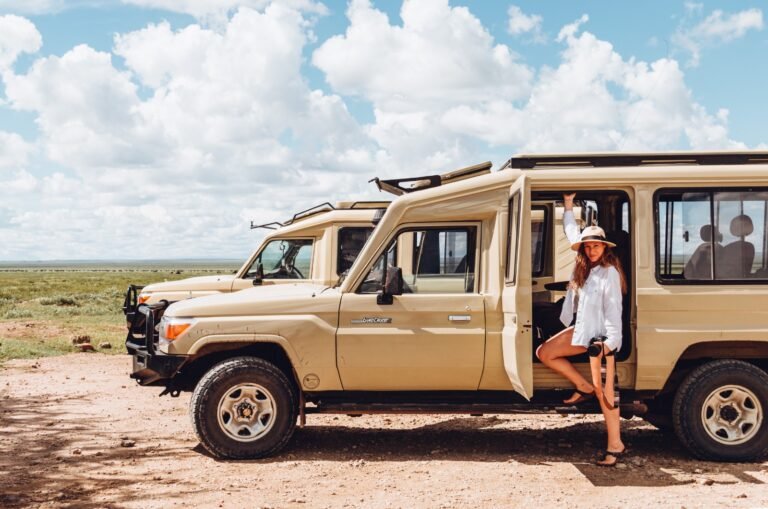
Afcon Private Serengeti Safari With Lodges
AFCON 2027 Private Serengeti Safari with Lodges.
View package detailsAfcon Luxury Serengeti Safari Packages
AFCON 2027 Luxury Serengeti Safari Packages.
View package details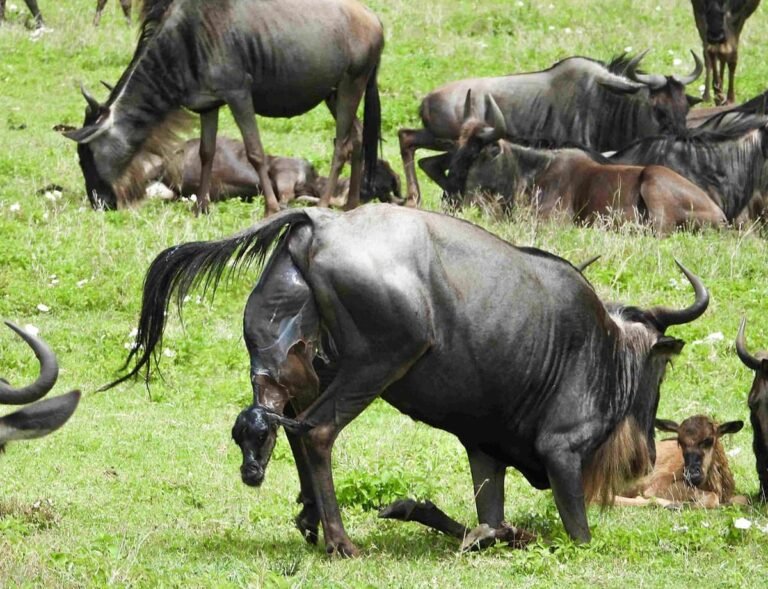
Serengeti Great Migration Safari During AFCON 2027
Mwongozo wa kina kwa safari ya Serengeti Great Migration wakati wa AFCON 2027, ukilenga kuelewa maeneo, kipindi cha mwendo wa mnyama, na mapendekezo ya mipango ya kiutendaji.
View package details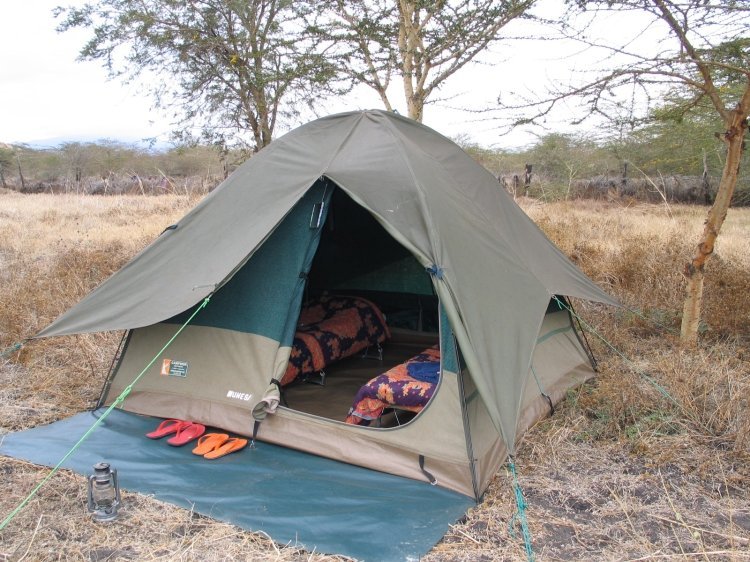
Four Day Serengeti na Ngorongoro Safari During AFCON 2027
Mwongozo wa safari ya siku 4 kwenye Serengeti na Ngorongoro wakati AFCON 2027; jinsi ya kupanga, nini cha kujali, na jinsi ya kuandaa,”
View package detailsThree Day Serengeti Safari During AFCON 2027
Mwongozo wa kiutendaji kwa safari ya siku tatu ya Serengeti wakati AFCON 2027, ukijumuisha mwelekeo wa maeneo, ratiba ya siku, na ushauri wa ubashiri wa kupanga pamoja na jinsi ya...
View package details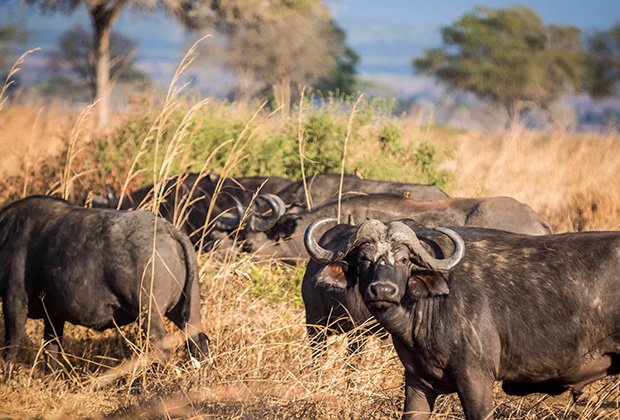
Dec 24, – 3 Day Christmas Serengeti And Ngorongoro Group Safari
Dec 24, 2026 – 3 Day Christmas Serengeti and Ngorongoro Group Safari.
View package details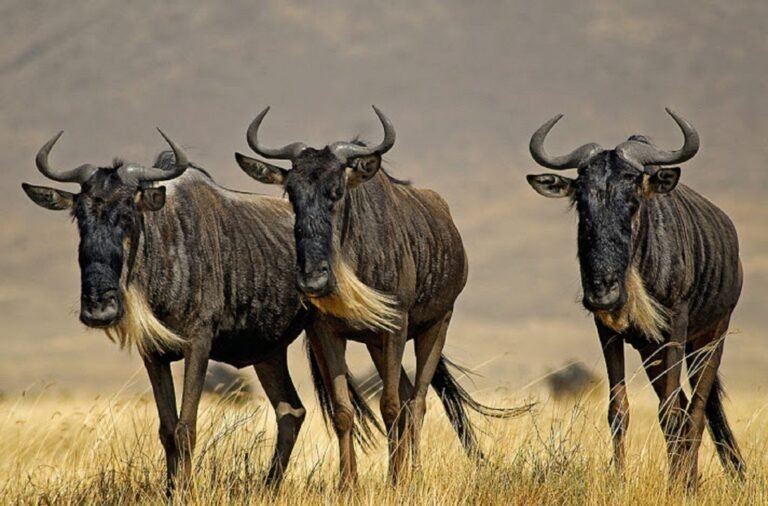
Nov 23, – 3 Day Serengeti And Ngorongoro Safari From Zanzibar
Nov 23, 2026 – 3 Day Serengeti and Ngorongoro Safari from Zanzibar.
View package details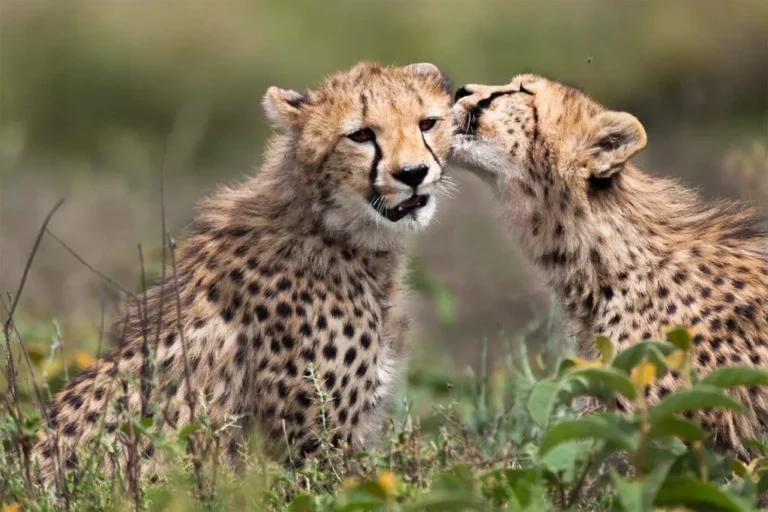
Dec 31, : New Year’s Eve Serengeti Group Safari Planning Guide
This guide provides essential planning details for a group safari trip to the Serengeti for New Year's Eve 2026, covering logistics, seasonal highlights, and what to expect.
View package details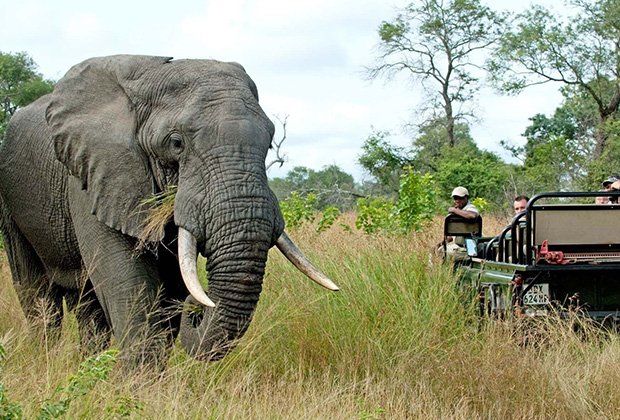
I Am On A Budget—What Is The Cheapest Serengeti Group Safari?
I Am on a Budget—What Is the Cheapest Serengeti Group Safari?
View package details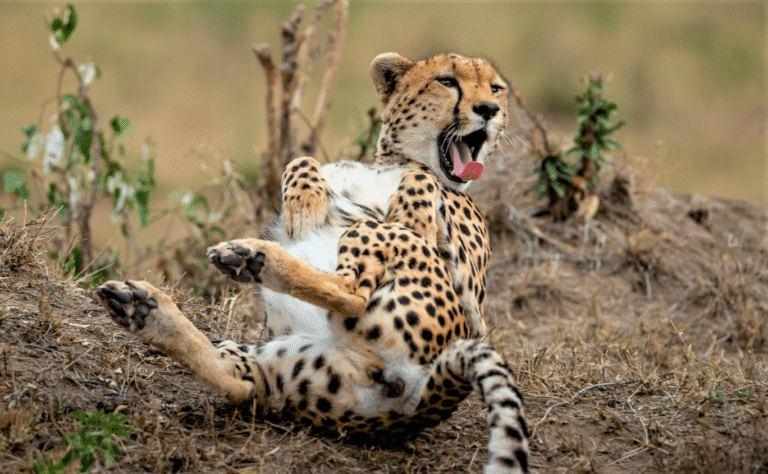
Dec 29, – 6 Day Ndutu, Serengeti And Ngorongoro Group Safari 2026
A detailed guide to our 6-day group safari departure on December 29, 2026, focusing on the Ndutu plains, the Serengeti, and the Ngorongoro Crater.
View package details8 Day Serengeti And Ngorongoro Group Safari – December 16, 2026
Planning your December 2026 Tanzanian adventure? Our 8-day group safari offers a deep, unhurried exploration of the Serengeti and Ngorongoro Crater.
View package detailsDec 14, – 7 Day Complete Tanzania Northern Circuit Group Safari 2026
Planning for December 2026? Join our 7-day complete Tanzania Northern Circuit group safari. A deep look at the Serengeti, Ngorongoro, and Tarangire with expert, locally-led logistics.
View package detailsNo related package matches those filters. Clear one or more filters to see the other topic-matched options.