
Arriving at Kilimanjaro International Airport (JRO) is the first step of your Tanzanian journey, but the transition from the arrivals terminal to your hotel in Arusha is a logistical step that requires planning. Unlike major international hubs with ubiquitous train links or standardized express buses, the transfer from JRO to Arusha is a private road journey. Understanding the costs, the types of vehicles available, and the importance of pre-booking can save you significant time and stress after a long-haul flight.
Practical Planning Note: The drive from JRO to central Arusha typically takes between 60 and 90 minutes, depending on traffic conditions, which can be heavy during peak morning and evening hours. The distance is approximately 50 kilometers. Always confirm your transfer details before you depart for Tanzania to ensure your driver is waiting with the correct identification.
Understanding the Cost of Transfers from JRO to Arusha
Transfer costs in Tanzania are not fixed by a government-regulated meter for long-distance airport runs. Instead, pricing is determined by the service level, the type of vehicle, and the time of day. While you might find varying quotes online, a reliable, private, and secure transfer typically falls within a predictable range that reflects the cost of fuel, professional driver wages, and vehicle maintenance.
When you look at the Kilimanjaro Airport to Arusha transfer cost, you are paying for more than just a ride. You are paying for a driver who understands the local routes, monitors your flight status for delays, and provides a safe, comfortable vehicle. It is common for travelers to be confused by the wide price disparity between a local taxi hailed at the curb and a pre-arranged private transfer. The difference lies in accountability and vehicle condition.
At Climb 4 Africa, we emphasize that the cheapest option is rarely the best when you are carrying climbing gear or safari luggage. Using an unlicensed taxi can lead to overcharging or, more importantly, vehicle breakdowns on the highway. We recommend budgeting for a professional transfer as part of your overall flight and arrival planning.
Factors That Influence Your Transfer Price
- Vehicle Capacity: A standard sedan is sufficient for two people with light luggage, but if you are part of a climbing group with bulky duffel bags, a minivan or a larger 4×4 vehicle is necessary.
- Time of Arrival: Late-night or very early morning arrivals may incur a small surcharge due to driver overtime or special shift requirements.
- Additional Stops: If you need to stop at an ATM, a SIM card shop, or a grocery store in Arusha before reaching your hotel, this may be charged as a small supplement to the base transfer fee.
- Group Size: Sharing a transfer with other members of your group is the most efficient way to lower your per-person cost.
| Transfer Mode | Reliability | Typical Suitability | Booking Method |
|---|---|---|---|
| Pre-booked Private Transfer | High | Climbers, families, safari groups | Via tour operator or hotel |
| Hotel-Arranged Shuttle | Medium-High | Independent travelers | Directly with your accommodation |
| Airport Taxi (Rank) | Variable | Short-notice arrivals | Directly at the JRO terminal |
Why Pre-Booking Your Transfer is Essential
The arrival hall at JRO can be overwhelming. You will be greeted by many local drivers and independent operators offering rides. For many first-time visitors, this is the most stressful part of the arrival experience. By pre-booking your transfer, you eliminate the need to negotiate prices in a foreign currency or haggle while exhausted from your flight. A pre-arranged driver will be waiting with a sign, helping you with your luggage, and taking you directly to your accommodation.
If you are planning a Kilimanjaro climb or a safari, your tour operator is often the best resource for these logistics. They understand the specific requirements for your equipment and the exact locations of the hotels where they book their clients. If you have questions about your specific arrival logistics, you can reach out via WhatsApp at +255 747 477 898 or email us at climb4africa@gmail.com.
Logistics: Meeting Your Driver at JRO
Once you clear customs and baggage claim, you will exit into the main arrivals area. Your driver will typically be standing just behind the barriers. It is standard procedure for professional drivers to have a clear sign with your name or the company name. If your flight is delayed, a professional service will have tracked your flight status and adjusted the pickup time accordingly, ensuring you aren’t stranded.
Be aware that JRO is a single-terminal airport, but it can get very crowded when multiple international flights land simultaneously. Keep your phone accessible (with roaming or a local SIM) so you can call your driver if you have trouble finding them. If you booked your transfer as part of a larger Tanzania travel package, you will usually receive the driver’s contact details 24-48 hours before your arrival.
Handling Your Luggage and Gear
If you are traveling with specialized gear—such as climbing poles, high-altitude boots, or large camera equipment—make sure your transfer provider knows this in advance. A standard saloon car may not fit four large suitcases plus trekking duffels. A Toyota Hiace or a Land Cruiser is often required for groups of three or more, and requesting the right vehicle size upfront prevents delays at the curb.
Comparing JRO to Arusha Airport (ARK)
Travelers often confuse Kilimanjaro International Airport (JRO) with Arusha Airport (ARK). It is critical to confirm which airport you are flying into. JRO is the international hub located about 50km from Arusha, whereas ARK is a smaller regional airport located much closer to the city center. If you are flying into ARK, your transfer time will be significantly shorter—often just 20 to 30 minutes. Always double-check your flight ticket to avoid booking a transfer to the wrong location.
Checklist for a Smooth Arrival
- Confirm the Airport: Double-check that your flight arrives at JRO, not ARK.
- Currency: Carry a small amount of US Dollars or Tanzanian Shillings for immediate needs, although your pre-booked transfer is likely already paid.
- Communication: Save your driver’s WhatsApp number before you leave home.
- Emergency Contacts: Keep a copy of your hotel’s address and your tour operator’s emergency number in your carry-on bag.
- Flight Info: Ensure your operator has your correct flight number and arrival time.
Common Questions About Airport Transfers
Do I need to pay for the transfer in cash?
Generally, if you pre-book with a tour operator like Climb 4 Africa, the transfer cost is included in your package or settled via bank transfer beforehand. If you are hiring a taxi on the spot, cash is mandatory. Always clarify the payment method when you make your booking.
What if my flight arrives late at night?
Most professional transfer services operate 24/7. As long as you have provided your flight number, your operator will track the flight and adjust the pickup. There is rarely a surcharge for late-night arrivals, but it is polite to confirm this with your provider.
Should I tip the driver?
Tipping is not mandatory, but it is customary in Tanzania for good service. If your driver assists with heavy climbing gear and gets you to your hotel safely, a modest tip is appreciated. Use your judgment based on the level of service provided.
Are there shared transfer options?
While shared shuttles are less common than in European or North American cities, some hotels or large group tour operators offer shared transfers. If you are traveling solo and looking to save money, ask your hotel if they have a scheduled shuttle service, though these often have fixed times that may not align with your flight.
Booking Your Transfer with Professional Support
Navigating the arrival process in a new country is significantly easier when you have a local partner. At Climb 4 Africa, we don’t just organize your safaris and climbs; we manage the entire logistics chain, starting from the moment your wheels touch down on the tarmac. By centralizing your transfer with your tour operator, you ensure that every part of your trip—from the airport pickup to your final drop-off—is synchronized with your itinerary.
If you are in the planning stages for 2026 or 2027, now is the time to finalize your travel logistics. Do not leave your airport transfer to chance. Whether you are coming for a short day trip or a multi-week expedition, having a reliable, professional, and pre-paid transfer waiting for you at Kilimanjaro International Airport provides the peace of mind you need to start your adventure on the right foot.
To get a quote for your group or to include a transfer in your upcoming itinerary, please contact our team directly. You can reach us via email at info@climb-4-africa.com or send a message to our WhatsApp at +255 747 477 898. Let us handle the logistics so you can focus on the experience of a lifetime in Tanzania.


Navigating the B1 Highway: Safety and Scenery
The journey from Kilimanjaro International Airport (JRO) to Arusha is more than just a logistical transfer; it serves as your introduction to the Northern Circuit of Tanzania. The route primarily follows the B1 highway, a vital artery that connects the international gateway to the safari capital. Unlike the chaotic traffic often found within city centers, this stretch is relatively straightforward, yet it demands a driver who is intimately familiar with local driving habits. You will encounter heavy freight traffic, long-haul trucks, and frequent stops by local “dala-dala” minibuses, all of which require constant vigilance and a calm, experienced hand at the wheel.
Regarding safety, choosing a professional transfer service provides a layer of security that roadside taxi negotiations cannot match. Reputable operators prioritize rigorous vehicle maintenance—ensuring tire tread depth, brake health, and functional seatbelts are up to standard. Given that road conditions can become slick during the long and short rainy seasons (typically March through May and November), having a driver who understands how to navigate these specific Tanzanian road conditions is a significant safety advantage. You are not just paying for a ride; you are paying for an experienced navigator who knows how to manage the flow of traffic on the B1.
Scenically, the drive offers a dramatic transition from the semi-arid, open plains surrounding the airport to the lush, green foothills of Mount Meru as you approach the city of Arusha. On a clear day, you may catch your first glimpse of Mount Kilimanjaro to the east, providing a spectacular welcome to the country. The 50-kilometer stretch typically takes between 60 and 90 minutes. However, be aware that traffic congestion near the Arusha city limits—particularly during the morning and evening rush hours—can extend this travel time significantly. Use this period to hydrate, relax, and adjust to the new environment rather than stressing over the route.
If you find that you need to make a quick stop—perhaps to pick up a local SIM card, withdraw Tanzanian Shillings from an ATM, or purchase bottled water—it is best to communicate this during the booking process or directly with your driver before leaving the airport terminal. While most professional transfers are designed as direct, point-to-point services to get you to your accommodation as efficiently as possible, a dedicated driver is usually happy to accommodate a brief, safe stop, provided it is planned into the journey. Always discuss these stops in advance to ensure your driver accounts for the extra time in their schedule.
Managing Unexpected Flight Disruptions and Late-Night Arrivals
One of the most significant variables in the JRO to Arusha transfer experience is the unpredictability of international flight schedules. It is not uncommon for flights arriving from Europe, the Middle East, or other African hubs to experience delays, diversions, or even cancellations. When you are traveling to Tanzania for a time-sensitive commitment—such as a Kilimanjaro climb or a scheduled safari departure—these disruptions can cause considerable anxiety. Understanding how your transfer provider handles these scenarios is a crucial part of your pre-trip preparation.
Professional transfer services in Tanzania operate with a deep understanding of the volatility of JRO arrivals. Unlike a standard taxi service where you might pay for the time the driver spends waiting, reputable pre-booked operators monitor your flight status in real-time. By providing your flight number during the booking process, you allow your operator to track your progress via live aviation data. If your flight is delayed by three hours, a professional driver will adjust their schedule accordingly, ensuring that you are not left stranded in the arrivals hall or forced to pay additional “waiting fees” upon your arrival. This level of service is a primary reason why pre-booking is strongly recommended over relying on curbside negotiation.
Late-night arrivals present a unique set of challenges. Several major international airlines land at JRO well after midnight. If you are arriving on one of these “red-eye” flights, the logistical landscape changes significantly. The airport terminal, while operational, will be quieter, and the drive to Arusha will be conducted in total darkness. In these instances, the safety and reliability of your transport are paramount. A pre-booked driver provides peace of mind, knowing that a trusted individual is waiting specifically for you, regardless of the hour. It is also important to discuss your hotel check-in procedures with your accommodation provider in advance. Many hotels in Arusha have 24-hour reception, but some smaller lodges or boutique guesthouses may lock their gates at night. Ensuring your driver has the correct contact information for your hotel’s night manager can prevent being locked out upon arrival.
The Financial Nuance of “Waiting Time” and Extra Stops
While the base price for a transfer is generally fixed, travelers often find themselves needing minor adjustments to their journey. Distinguishing between standard service inclusions and “extra” requests is essential for maintaining a smooth budget and relationship with your driver. Most professional operators include a reasonable grace period for flight delays, but if you anticipate needing to make significant stops, it is vital to communicate this before you leave the airport.
A frequent request is for a stop at an ATM or a foreign exchange bureau. While JRO has facilities, the machines can occasionally be out of service or low on cash. If you need to make a stop in Arusha town to withdraw money before heading to your hotel, discuss this with your driver immediately upon meeting. Most drivers are happy to accommodate a brief stop at a reliable ATM or a supermarket for supplies like bottled water, snacks, or a local SIM card, provided it is on the direct route. However, if your accommodation is located far outside the city center or requires a significant detour, this may impact the cost. Transparency is the key to avoiding awkward negotiations at the end of your trip.
It is also worth noting the policy regarding “waiting time” at the airport. If your flight lands on time, but you are delayed for an extended period inside the terminal—perhaps due to a slow visa processing queue, lost luggage, or a lengthy immigration interview—it is courteous to keep your driver informed. If you have a local SIM card or access to Wi-Fi in the terminal, a quick message or call to the driver’s WhatsApp number can prevent them from leaving. While professional services are designed to wait, they are also managing other clients and schedules. Clear, proactive communication ensures that your driver remains committed to your arrival, no matter how long the customs process takes.
Understanding Vehicle Insurance and Passenger Liability
When discussing the cost of a transfer, travelers rarely ask about the most critical aspect of the service: insurance. In the context of Tanzanian road transport, there is a vast difference between a private vehicle acting as a taxi and a registered, insured tourism transport vehicle. When you book with a professional operator, you are essentially paying for the assurance that the vehicle is fully licensed to carry passengers and that the operator carries comprehensive commercial insurance.
This insurance covers not only the vehicle but, crucially, passenger liability. In the unlikely event of an accident or a mechanical failure on the B1 highway, a licensed operator has protocols in place. This includes the ability to dispatch a replacement vehicle quickly and provide support, which is a service that an independent, unregistered driver simply cannot guarantee. When you see a higher price for a transfer from an established tour company versus a cheaper quote from an unknown individual, you are often paying for this safety net. For travelers carrying expensive climbing gear, camera equipment, or simply prioritizing personal safety, this distinction is worth the investment. Always feel empowered to ask your booking agent or operator about their vehicle licensing and insurance status if you are unsure; a reputable company will be happy to provide this information, as it is a point of professional pride.
Related Guides and Packages
Check Availability for Kilimanjaro Airport To Arusha Transfer Cost & Booking Guide
Ready to compare dates, prices, and the best option for your group? Send the package name and travel month so the team can reply with a clear quote, availability, and what is included.

Kilimanjaro Airport To Moshi Transfer Price : A Practical Guide
A practical guide to arranging your transfer from Kilimanjaro International Airport (JRO) to Moshi, covering price factors, vehicle options, and arrival logistics for 2027.
View package details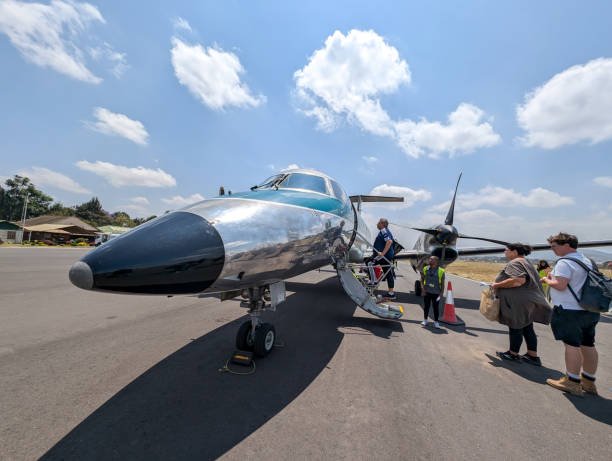
Is It Cheaper To Fly From Arusha Or Kilimanjaro To Zanzibar? A Planning Guide
Deciding between Arusha Airport and Kilimanjaro International for your Zanzibar flight involves more than just the ticket price. Discover how location, baggage rules, and transfer costs...
View package details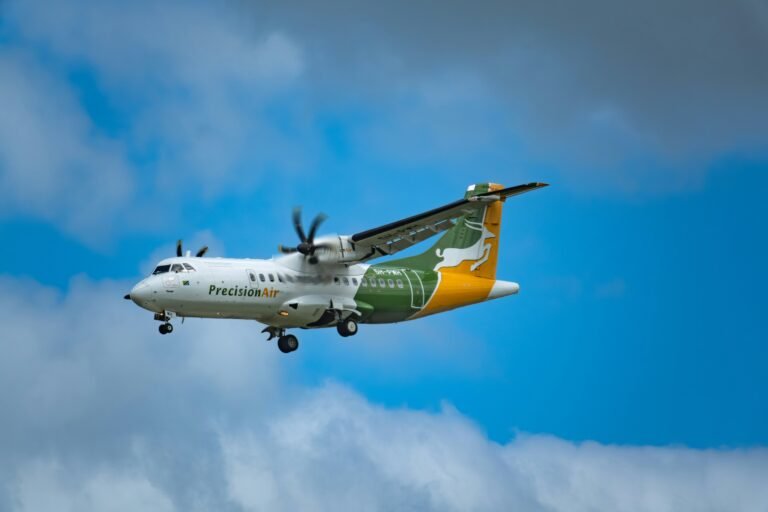
Kilimanjaro Climb And Serengeti Safari: Flight & Transfer Planning
Kilimanjaro Climb and Serengeti Safari: Flight & Transfer Planning.
View package details
Flights To Moshi Tanzania: Nearest Airports & Travel Costs Guide
A professional guide to navigating air travel for your Kilimanjaro climb or safari, comparing airport options, transfer logistics, and cost factors for 2026-2027.
View package details
Budget Kilimanjaro Trek With Airport Pickup And Hotel Accommodation: A Planner
A practical guide to securing a reliable, value-driven Kilimanjaro climb that includes essential airport transfers and comfortable hotel stays, ensuring your adventure starts smoothly.
View package detailsKilimanjaro Vs Arusha Airport: Which Should You Use For Your Trip?
A practical guide to choosing between Kilimanjaro International Airport (JRO) and Arusha Airport (ARK) for your Tanzania safari or Kilimanjaro climb.
View package detailsNairobi To Kilimanjaro Airport Flight Cost Guide
A detailed look at the factors influencing the cost of flights from Nairobi to Kilimanjaro Airport, including comparisons with land transfers and essential planning advice.
View package detailsKilimanjaro International Airport Flight Prices & Airlines: A Planning Guide
A deep look at planning your travel to JRO, understanding airline options, price variables, and how to coordinate your arrival for a successful Kilimanjaro climb.
View package detailsFlights To Mount Kilimanjaro: Ticket Prices & Airport Guide
A comprehensive guide to flying into Kilimanjaro International Airport (JRO) in 2027. Learn how to secure the best flights, what to expect at the airport, and how to align your arrival with...
View package detailsKilimanjaro Climbing Package With Airport Transfers: Prices & Logistics
A detailed look at the logistics and pricing components of a full-service Kilimanjaro climbing package, focusing on the critical role of airport transfers and professional coordination.
View package detailsNairobi To Arusha Flight Price : A Practical Guide For Travelers
Planning your travel from Nairobi to Arusha or Kilimanjaro for 2027? Get expert advice on flight prices, route logistics, and how to book the right connection.
View package details
Cheapest Airport To Fly Into For Climbing Kilimanjaro: A Guide
Is flying into Nairobi cheaper than Kilimanjaro for your trek? We break down the hidden costs of transfers, visas, and transit time to help you plan your 2027 trip.
View package detailsNo related package matches those filters. Clear one or more filters to see the other topic-matched options.



