
If you are planning a family safari in Tanzania for 2026 or 2027, one of the most common questions we receive at Climb 4 Africa is whether children receive discounts on domestic flights. The short, practical answer is that children (aged 2 to 11) typically pay full adult fare on most Tanzania domestic airlines, while infants under the age of two may qualify for a significant discount, usually paying only 10% of the adult fare.
It is important to manage expectations early: the aviation landscape in Tanzania is not comparable to international commercial airlines where child discounts are standard. Because domestic flights often utilize smaller aircraft—typically Cessna Caravans seating 12 to 14 passengers—every single seat is a valuable commodity. When you book a seat for a child, you are occupying a space that could otherwise be sold to an adult, and therefore, the pricing structure rarely includes a child reduction.
Expert Planning Tip: While flight tickets for children are rarely discounted, the total cost of your family safari can still be optimized by working with a local operator. We often help families bundle internal flights with road transfers or group safari packages, which can sometimes provide more flexibility than booking individual flights directly with airlines.
Understanding Fare Categories: Infants vs. Children
When you contact us to arrange your travel, we will ask for the ages of your children at the time of travel. This is not just a formality; it is essential for the airline’s weight and balance calculations and for determining the correct fare category. Airlines in Tanzania generally categorize young travelers into two specific groups:
- Infants (Under 2 years): These travelers are generally required to sit on an adult’s lap. Because they do not occupy a separate seat, they are usually charged a nominal fee—often 10% of the adult fare plus any applicable government taxes.
- Children (2 to 11 years): Once a child reaches their second birthday, they are considered a full passenger by most regional carriers. They require their own seat for safety reasons, and as such, they are charged the full adult fare.
It is crucial to note that these policies are at the discretion of the individual airline. While some carriers may occasionally offer promotional rates, do not build your budget on the assumption of a child discount. Always confirm the specific policy of the airline you are booked on, as these can change periodically.
Comparison: Typical Domestic Flight Fare Structures
The following table outlines the general industry standard for domestic aviation in Tanzania. Please note that this is a guide; exact policies must be verified during your booking process.
| Passenger Age | Typical Fare | Seat Status | Luggage Allowance |
|---|---|---|---|
| Infant (0-23 months) | ~10% of Adult Fare | Lap-seated | None (or limited) |
| Child (2-11 years) | 100% of Adult Fare | Occupies Seat | Standard (15kg) |
| Adult (12+ years) | 100% of Adult Fare | Occupies Seat | Standard (15kg) |
Why Small Aircraft Change the Pricing Dynamic
The primary reason for the lack of child discounts on routes like Arusha to the Serengeti or Zanzibar to Selous is the nature of the aircraft used. Unlike larger commercial jets that fly between international hubs, safari flights utilize small, rugged bush planes. These aircraft have strict weight and balance limitations.
Every kilogram counts on these flights. Even if your child is small, they count as one person for the purposes of the aircraft’s payload capacity. If a flight is full, it is full. There is no capacity to “squeeze in” a child for a lower price because the physical and legal limitations of the aircraft do not allow it. Understanding this helps families appreciate why we prioritize getting your bookings confirmed as early as possible.
Luggage Allowances for Children
One of the few advantages of paying the full adult fare for a child is that they are generally entitled to the same baggage allowance as an adult passenger. Most domestic safari flights limit passengers to 15kg of luggage in soft-sided bags. Because children are paying the full fare, they are usually allocated this same 15kg allowance.
This is vital for families. If you are traveling with two children, you effectively have an additional 30kg of allowance between them. However, remember that all luggage must be in soft-sided bags. Hard-shell suitcases are notoriously difficult to stow in the cargo pods of bush planes. For more detailed guidance, see our guide on how much luggage is allowed on Serengeti safari flights.
The Importance of Booking Through an Operator
Many families mistakenly believe they will save money by booking domestic flights independently through airline websites. While this might seem intuitive, it often leads to logistical headaches. Here is why we recommend booking your flights as part of a larger, managed package:
- Flight-to-Safari Alignment: If you book an independent flight that arrives at an airstrip at 2:00 PM, but your lodge is a 3-hour drive away, you may face logistical issues. We ensure your flight times are perfectly synchronized with your ground transfers.
- Taxes and Fees: Tanzania domestic flight prices are often quoted exclusive of certain airport taxes. When we manage your booking, we ensure all taxes are calculated and included, so you don’t face surprises at the airport.
- Flexibility: If an airline changes its schedule (which happens in bush aviation), we are the ones who handle the rebooking and communicate with your safari guide on the ground.
If you are ready to start planning your family trip, you can reach out to our team via WhatsApp at +255 747 477 898 or email us at climb4africa@gmail.com. We can help you navigate the best flight routes and ensure your family itinerary is smooth.
Practical Considerations for Families Flying in Tanzania
Beyond the cost of the ticket, flying with children in Tanzania involves several logistical realities. If you are debating whether to fly or drive between safari parks, consider these factors:
1. Travel Time
Driving from Arusha to the Serengeti can take 8 to 10 hours. For families with children, this can be exhausting. A flight reduces this to roughly 1 hour. While the cost is higher, the “cost per hour of comfort” is often worth it for parents.
2. Airstrip Logistics
Safari airstrips are not like major airports. They are often unpaved, simple strips of land. There are no lounges, no play areas, and often very limited facilities. Ensure you have snacks, water, and entertainment for your children while waiting for your transfer vehicle to arrive. For more on this, read our tips on flying with children in Tanzania.
3. The “Child” Definition
Always double-check the age definition for the specific airline. While 2 to 11 is the industry standard for “child” fares (or lack thereof), some airlines may have varying definitions of when a child becomes an adult. Always provide accurate dates of birth for all children during the booking phase.
Final Planning Steps
If you are in the initial stages of organizing your 2026 or 2027 trip, do not let the lack of child discounts deter you. Instead, factor the full cost into your budget early. Focus on the value of the time saved and the ability to access remote areas of the Serengeti, Ruaha, or Zanzibar without the fatigue of long-distance driving.
When you are ready to receive a quote or discuss a tailor-made itinerary, contact our team. We are experts in handling the complexities of Tanzania travel, from Tanzania safari packages with flights to specialized family tours. You can reach us at info@climb-4-africa.com for a prompt response regarding your specific travel dates.
Frequently Asked Questions
Are there any airlines that offer child discounts in Tanzania?
It is extremely rare. Most domestic carriers in Tanzania view children from age 2 upwards as full-fare passengers due to the limited seating capacity on small aircraft.
Can I book a flight for my child and pay only the taxes?
No. Unless the child is an infant (under 2) and sitting on your lap, they must occupy a seat, which requires a full ticket purchase.
Do children need a passport for domestic flights?
Yes, all passengers, regardless of age, must have valid identification. For international visitors, this means a passport. Ensure it is valid for at least six months beyond your departure date.
Is there a limit to how many infants can be on one flight?
Yes. Due to safety regulations regarding the number of oxygen masks or life vests (if applicable) and seat belt extensions, there is often a limit on the number of lap-infants per flight. Always disclose the presence of an infant when requesting your booking.
Does the child fare include park fees?
No, flight prices are separate from National Park entry fees. Park fees are typically paid upon entry to the park or included in your total safari package cost, which is handled separately from your flight booking.
“,
“faq_schema”: [
{
“question”: “Are there any airlines that offer child discounts in Tanzania?”,
“answer”: “It is extremely rare. Most domestic carriers in Tanzania view children from age 2 upwards as full-fare passengers due to the limited seating capacity on small aircraft.”
},
{
“question”: “Can I book a flight for my child and pay only the taxes?”,
“answer”: “No. Unless the child is an infant (under 2) and sitting on your lap, they must occupy a seat, which requires a full ticket purchase.”
},
{
“question”: “Do children need a passport for domestic flights?”,
“answer”: “Yes, all passengers, regardless of age, must have valid identification. For international visitors, this means a passport.”
},
{
“question”: “Is there a limit to how many infants can be on one flight?”,
“answer”: “Yes. Due to safety regulations, there is often a limit on the number of lap-infants per flight. Always disclose the presence of an infant when requesting your booking.
The Charter Alternative: When Buying Individual Seats Becomes Inefficient
For larger families or groups traveling together, the standard “seat-per-seat” booking model—where every child is essentially a full-fare adult passenger—can become a significant line item in your safari budget. In these instances, it is worth investigating whether a private charter flight is a viable alternative to scheduled bush flights.
When you book a private charter, you are leasing the entire aircraft for your specific party. Because the price is fixed based on the aircraft type and the flight route, rather than the number of passengers, the “child discount” question becomes effectively irrelevant. You are paying for the aircraft’s operation, not the individual seats. This pricing structure removes the per-head penalty that families often feel when traveling with children who are old enough to require a seat but young enough to make the full-fare price feel steep.
This strategy is particularly relevant for families of six or more. If you are purchasing six or seven full-fare tickets on a scheduled bush plane, the aggregate cost may be nearing the price of a private charter. While a private charter is rarely “cheap,” it can offer a better value proposition for larger groups. Beyond the potential cost-efficiency, the operational benefits are substantial: you gain control over your departure times, which allows you to align flights with your children’s sleep schedules rather than being tied to the airline’s rigid, often early-morning or late-afternoon, departure windows.
However, this is not a universal solution. Private charters are subject to the same strict weight and balance regulations as scheduled flights. Even if you charter the plane, you are still limited by the aircraft’s maximum payload capacity. A charter operator will still require accurate weights for all passengers and luggage to ensure safety. Furthermore, charters often require booking well in advance, as aircraft availability in remote areas like the Selous or Ruaha can be limited during peak safari seasons. If you are considering this route, consult with your safari operator to compare the total cost of individual tickets against a private charter quote for your specific dates and route.
Navigating the Sensory Environment of Small Aircraft
Beyond the financial considerations of booking, parents must prepare for the physical and sensory reality of flying in Tanzania’s bush aviation network. Most domestic safari flights operate on Cessna Caravan aircraft, which are robust, high-wing utility planes. Unlike the pressurized, climate-controlled cabins of commercial jets, these aircraft offer a much more visceral experience. The engines are loud, and the cabin is unpressurized and small. For children who may be accustomed to the relative quiet and amenities of a large jet, this can be an intimidating shift.
First, prioritize hearing protection. The noise level inside a bush plane is significant during takeoff and cruise. Standard noise-canceling headphones are often insufficient for the specific low-frequency hum of these turboprop engines. Investing in child-sized, passive noise-reduction earmuffs is a practical step that can turn a potentially stressful flight into a manageable one. It allows children to nap or listen to audiobooks without the fatigue that comes from hours of exposure to high-decibel engine noise.
Second, anticipate motion sensitivity. Because bush planes fly at lower altitudes to maintain visibility and follow direct flight paths, they are more susceptible to thermals and wind currents. This often results in a bumpy ride, particularly in the afternoons when the African sun heats the ground and creates updrafts. If your child is prone to motion sickness, consult your pediatrician about appropriate preventative measures well before your trip. Avoid giving heavy meals immediately before boarding; instead, opt for light, dry snacks. Ensure that any necessary medication is packed in your carry-on luggage, not in the checked baggage, as you will need immediate access to it if a child feels unwell mid-flight.
Finally, remember the lack of onboard facilities. There are no lavatories on Cessna Caravans. While this is obvious to seasoned travelers, it is a critical detail for parents. Ensure your children use the restroom facilities at the departure airstrip before boarding. The flight duration between camps is often short—frequently between 30 and 60 minutes—but for a child who needs to use the bathroom, that hour can feel like an eternity. Encourage a “bathroom-first” policy at every single stop, regardless of whether the child feels they need to go.
Managing the “Transfer Gap” Between International and Domestic Flights
One of the most common logistical pitfalls for families is underestimating the complexity of transferring from an international arrival to a domestic bush flight. Many travelers assume that once they land at an international airport, their domestic flight will depart from the same terminal or the same facility. In Tanzania, this is rarely the case, and the “transfer gap” can be a source of significant stress when traveling with children.
For instance, if you fly internationally into Kilimanjaro International Airport (JRO) but your safari flight departs from Arusha Airport (ARK), you are facing a transfer that involves a roughly one-hour drive between the two facilities. After a long-haul international flight, navigating immigration, collecting luggage, and then embarking on a road transfer with tired children can be taxing. It is vital to coordinate these transfers with your operator beforehand. Do not assume you can simply walk between terminals. In some cases, your international flight may arrive late in the day, making a same-day connection to a remote bush camp impossible due to daylight safety regulations for bush pilots. When this happens, you must plan for an overnight stay in a city hotel. Building this buffer into your itinerary is not just a safety precaution; it is a vital comfort measure that allows your family to decompress before beginning the more rigorous, small-plane portion of the journey.
Similarly, if you are transiting through Dar es Salaam (DAR) to reach Zanzibar or the Selous, you will likely need to move between the international terminal and the domestic terminal. While these are closer than the JRO-to-ARK transfer, they still require a physical move through busy airport traffic. Always ensure your booking includes a “meet and greet” service. Having a professional guide or driver waiting to assist with your luggage and navigate the terminal transition is invaluable. It removes the guesswork and allows you to focus on your children rather than navigating signage and airport logistics in a foreign country.
Safety Briefings and Child Engagement
The safety briefing on a bush flight is mandatory and differs significantly from that of a commercial airline. Because the passengers are often seated in a configuration that is very close to the pilot, the briefing is direct and personal. Pilots will explain the emergency exits, the location of the fire extinguisher, and the protocol for boarding and disembarking near the propeller. It is essential that children understand the seriousness of this briefing.
Before you board, explain to your children that they must follow the pilot’s instructions implicitly. The tarmac is an active workspace; children must be taught to wait for the pilot’s signal before approaching or leaving the aircraft. The propeller, even when idling, is dangerous. By framing the flight as an “adventure” and giving them a role—such as being the “co-pilot” who listens for instructions—you can help them feel involved and empowered rather than anxious. Keeping children engaged and calm during these brief moments of transition at the airstrip is the best way to ensure the safety of the entire party.
Check Availability for Do Children Pay Full Price On Tanzania Domestic Flights?
Ready to compare dates, prices, and the best option for your group? Send the package name and travel month so the team can reply with a clear quote, availability, and what is included.

Best Time To Book Tanzania Domestic Flights For Lower Prices: Planning Guide
A strategic guide to finding the best value on Tanzania internal flights, balancing early booking windows with seasonal demand.
View package details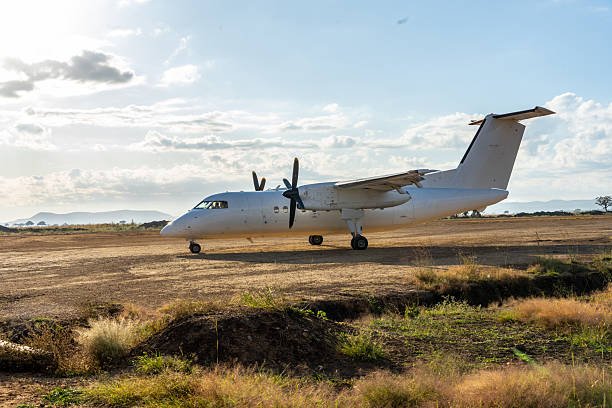
Kenya To Tanzania Safari Flights: Prices & Booking Guide
A practical guide to connecting Kenya and Tanzania by air for your safari. Learn about border logistics, booking realities, and why most travelers choose specific routes over others.
View package detailsTanzania To Uganda Flights: Best Routes And Ticket Prices
A detailed guide to navigating air travel between Tanzania and Uganda, including route comparisons, carrier options, and expert advice for planning your multi-country safari.
View package details
Entebbe To Tanzania Flights: Ticket Prices And Route Guide
A comprehensive guide for travelers planning flights from Entebbe to Tanzania, covering ticket price factors, route options for Kilimanjaro and safari tours, and essential booking logistics...
View package detailsHidden Costs Of Tanzania Domestic Flights: Taxes, Luggage & Transfers ( Guide)
A practical guide to understanding the real price of flying within Tanzania, covering baggage constraints, mandatory airstrip taxes, and the often-overlooked cost of ground transfers.
View package details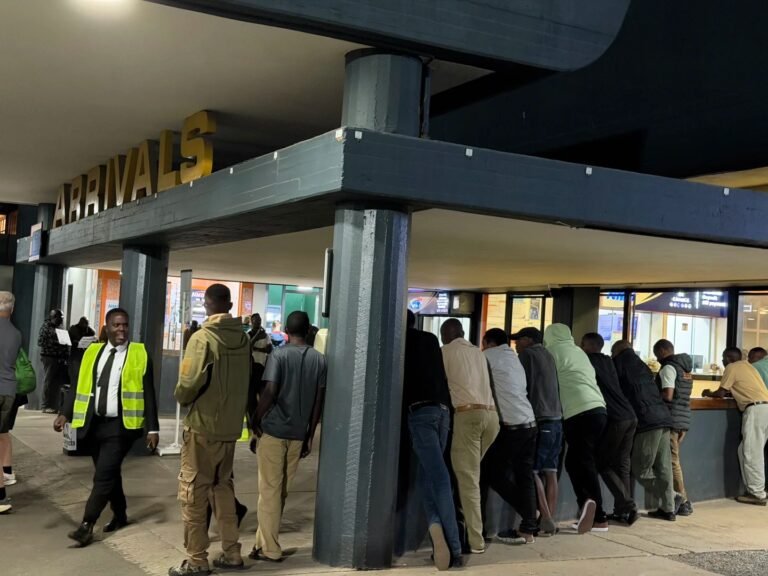
Last-Minute Flights In Tanzania: Prices & Expert Booking Tips
Understand why last-minute flight bookings in Tanzania often lead to higher costs and logistical challenges, and learn the best strategies to secure your travel.
View package details
Tanzania Flight Ticket Prices: Economy Vs Safari Bush Flights Explained
A practical guide to understanding the cost and logistical differences between commercial economy flights and private-style bush flights in Tanzania.
View package detailsHow To Find Cheap Domestic Flights In Tanzania: A Planning Guide
Discover practical strategies for securing affordable domestic air travel in Tanzania for your 2026 or 2027 trip, including booking timing, airline selection, and the hidden costs of...
View package details
Precision Air Vs Tanzania: Domestic Flight Prices & Comparison
When planning domestic travel in Tanzania, choosing between Precision Air and Air Tanzania often comes down to route networks and baggage policies rather than just the base fare. Learn how...
View package details
Best Airlines For Tanzania Safari Flights: Prices & Comparison ()
A guide to navigating Tanzania's domestic airline market for safari travel, covering reliability, baggage constraints, and booking strategies for 2027.
View package detailsCheapest Domestic Airlines In Tanzania: Prices & Routes
Discover the most reliable domestic airlines in Tanzania for 2027. Learn how route choices, baggage limits, and booking timing impact your travel budget.
View package detailsTanzania Honeymoon Safari And Zanzibar With Flights: Package Prices
Tanzania Honeymoon Safari and Zanzibar With Flights: Package Prices.
View package detailsNo related package matches those filters. Clear one or more filters to see the other topic-matched options.



