
The 7 Days Umbwe Route Kilimanjaro Challenge is not a standard hiking holiday. It is widely considered the most demanding, direct, and vertical approach to the summit of Mount Kilimanjaro. If you are researching this route for December 2026, you are likely looking for a path that avoids the crowds found on the Marangu or Machame routes and prioritizes a pure, intense mountain experience. By opting for a 7-day itinerary rather than the more common 6-day sprint, you are making a conscious decision to prioritize acclimatization, which significantly increases your chances of reaching Uhuru Peak.
This route is often called the “Whispering Trail” due to its quiet nature and lack of foot traffic. However, the solitude comes at a cost: it is physically grueling. You will be gaining altitude rapidly from the moment you leave the gate. For December travel, this requires specific preparation regarding gear, fitness, and mental readiness for the unique conditions of the short rainy season.
Understanding the 7-Day Umbwe Logic
Most climbers know the Umbwe route as a 6-day challenge. So, why book a 7-day version? The standard 6-day Umbwe itinerary is notoriously aggressive. It pushes climbers to gain elevation quickly, often leaving little room for the body to adapt to the thin air. By adding an extra day—typically spent either at Barranco or Karanga—you allow your body the necessary time to synthesize oxygen more effectively.
This extra day isn’t just about “resting”; it is about tactical acclimatization. In December, when the mountain can experience unpredictable weather patterns, having a buffer day can also provide flexibility if you need to adjust your pace due to trail conditions. If you are a fit individual, perhaps a trail runner or an experienced hiker, this 7-day schedule allows you to enjoy the steep, beautiful forest and ridge sections without the constant pressure of pushing to the next camp.
Physical Preparation for the Steep Ascent
The Umbwe Route is defined by its steepness. Unlike the Lemosho or Shira routes, which take a more meandering approach, Umbwe goes straight up the ridge. Your calves, quads, and knees will be tested early. When preparing for December 2026, your training should focus on:
- Weighted hiking: Do not just walk on flat ground. Train with a backpack that weighs 8–10kg to simulate your daily trekking gear.
- Stair climbing: Find a stadium or a building with many stairs. This mimics the constant incline of the Umbwe ridge.
- Eccentric strength: The descent from the summit is long. Focus on strengthening your knees and ankles to handle the impact of descending thousands of meters.
If you have questions about your current fitness level or how to tailor your training for this specific route, feel free to reach out to our team at climb4africa@gmail.com or message us on WhatsApp at +255 747 477 898. We can provide guidance on what our guides look for when assessing climbers on the first two days.
7-Day Umbwe Route: A Realistic Itinerary
This itinerary assumes a 7-day schedule, which is our recommended approach for maximizing safety while maintaining the challenge of the Umbwe route.
Day 1: Umbwe Gate to Umbwe Cave
The trail begins in the dense rainforest. This is a short but steep day. You will spend the night in the forest, surrounded by the unique sounds of the Kilimanjaro ecosystem. It is a quiet introduction to the mountain.
Day 2: Umbwe Cave to Barranco Camp
This is where the “challenge” truly starts. You leave the forest and enter the moorland zone. The path follows a sharp ridge with steep drops on both sides. It is visually stunning but requires focus. You will arrive at Barranco Camp, which sits below the famous Great Barranco Wall.
Day 3: Barranco Camp to Karanga Camp (Acclimatization)
Instead of rushing, we use this day to traverse the Barranco Wall and move toward Karanga. This section is essential for acclimatization. The views of the Southern Glacier are unparalleled here.
Day 4: Karanga Camp to Barafu Camp
A steady climb through the alpine desert. You will reach Barafu (High Camp) by early afternoon. This gives you plenty of time to rest, hydrate, and prepare your gear for the summit night. Sleep is difficult here due to the altitude, but resting is non-negotiable.
Day 5: Summit Day and Descent to Mweka
The push to Uhuru Peak begins around midnight. You will climb through the dark, reaching Stella Point at dawn and Uhuru Peak shortly after. After celebrating, you descend back to Barafu for a short rest and then continue down to Mweka Camp for your final night on the mountain.
Day 6: Mweka Camp to Mweka Gate
A gentle walk down through the lush forest to the gate. You will receive your certificates and be transferred back to your hotel for a well-deserved shower and celebration.
Day 7: Buffer/Departure Day
While the trek is technically finished on Day 6, having a 7th day (or keeping this day flexible) is smart for December travel, ensuring you have time for airport transfers or post-climb relaxation in Moshi or Arusha.
Umbwe vs. Other Routes: Which One Fits You?
Choosing the right route is the most important decision you will make. Use this comparison to see if the Umbwe challenge is truly the right match for your goals.
| Route | Difficulty | Scenery | Crowds | Best For |
|---|---|---|---|---|
| Umbwe | High | Dramatic Ridge | Very Low | Experienced hikers seeking solitude |
| Machame | Moderate/High | Diverse | High | Those wanting the “classic” experience |
| Lemosho | Moderate | Varied/Remote | Low | Longer, scenic, safer pace |
| Marangu | Low/Moderate | Consistent | High | Climbers who prefer hut accommodation |
As the table shows, Umbwe stands out for its low traffic and high difficulty. If you are comparing this to other options, such as the 8 Days Lemosho Route, consider whether you prefer the steady, gradual approach of Lemosho or the direct, steep ascent of Umbwe. If you are flexible on the route but fixed on your December dates, we can help you compare availability. See our guide on people flexible on route but fixed on travel date for more context.
Planning for December 2026
December is a popular time for Kilimanjaro, falling between the short rains and the main dry season. While the weather is generally warmer, you should be prepared for potential rain in the lower forest zones and wind at the higher camps. The “festive season” vibe on the mountain is unique—many climbers choose this time to celebrate Christmas or New Year’s on the roof of Africa.
Booking Window: For December 2026, we strongly recommend securing your spot by early 2026. Popular dates fill up, especially for groups. If you are a solo traveler, joining a group is an excellent way to share costs and meet like-minded people. You can find more information on group departures for solo travelers.
What’s Included in Your Planning
When you book with Climb 4 Africa, we handle the logistics that cause most travelers stress. This includes:
- Park permits and fees: All Tanzania National Park (TANAPA) fees are managed by us.
- Professional guides: Our team is local, experienced, and trained in wilderness first aid.
- Equipment support: We provide high-quality mountain tents and dining equipment.
- Logistics: Transfers from the airport to your hotel and to the trail gate.
We do not include personal gear (sleeping bags, specialized clothing) or international flights, but we provide a detailed packing list once you are booked so you know exactly what to bring.
Next Steps for Your 2026 Expedition
The 7-day Umbwe route is a bold choice. It rewards those who are prepared with a summit experience that feels more personal and less “commercial” than the busier trails. If you are ready to commit to this challenge, the next step is to initiate a conversation about your specific dates and fitness background.
You do not need to have your entire group finalized to reach out. We work with individuals, couples, and private groups to tailor the experience. To get the most current information on availability for December 2026, or to discuss if this route fits your profile, contact us directly:
- Email: climb4africa@gmail.com or info@climb-4-africa.com
- WhatsApp: +255 747 477 898
When you contact us, mention that you are interested in the 7-day Umbwe route. Providing details such as your previous high-altitude experience and the size of your group will help us provide you with the most relevant advice and a clear outline of the next steps.
The mountain waits for no one, but proper planning ensures you are ready when the time comes. We look forward to helping you reach Uhuru Peak in 2026.
Technical Realities of the Umbwe Ridge and High-Altitude Camps
While the itinerary outlines the path, understanding the specific terrain of the Umbwe route is essential for your December 2026 preparation. Unlike the gradual ascent of the Lemosho or Machame routes, the Umbwe route is defined by the ridge—a narrow, often unforgiving spine of the mountain that demands consistent focus. During the wet conditions often present in December, the forest section is characterized by mud and exposed tree roots. Your trekking poles are not optional here; they are structural necessities. You will find that the path requires frequent use of your hands to stabilize yourself against the incline, making this route feel more like a sustained scramble than a traditional hike.
The transition from the forest to the moorland on Day 2 is one of the most dramatic shifts in landscape on the entire mountain. You will emerge from the dense canopy onto the razor-thin ridge, where the drop-offs on either side are sudden and steep. This section is visually spectacular but can be intimidating for those with a fear of heights. In December, cloud cover often rolls up the valleys, creating a ‘whispering’ effect where sound travels strangely and visibility can shift rapidly. Your guide will emphasize staying on the established track, as the terrain off-trail is loose and unstable.
Arrival at Barranco Camp is a psychological milestone. The ‘Great Barranco Wall’ looms over the camp, serving as a constant reminder of the physical effort required for the following morning. It is important to understand that the wall is not a technical climb; it is a scramble. You will use your hands and feet to navigate the rock, but it does not require ropes or climbing gear. The key to the wall is pacing. Because you are heading toward Karanga for acclimatization, you will be moving at a measured, steady tempo, which helps conserve energy for the higher altitudes ahead.
Barafu Camp, the base for your summit push, presents a different set of challenges. Unlike the lower, sheltered camps, Barafu is situated on an exposed, rocky ridge. In December, the wind can be fierce, and temperatures drop well below freezing at night. The ground here is uneven, consisting mostly of volcanic rock and scree, making tent placement and sleeping comfort difficult. This is where the 7-day itinerary pays off. By arriving at Barafu with an extra day of acclimatization behind you, you are better equipped to handle the physiological stress of the thin air, allowing you to focus on hydration and gear preparation rather than struggling with altitude sickness symptoms. The summit night is a test of endurance, particularly the final stretch through the heavy scree slopes between Stella Point and Uhuru Peak, where every step requires intentional, rhythmic movement.
Specialized Gear Strategy for the Umbwe Ridge
The Umbwe route is structurally different from the more popular Kilimanjaro trails. Because it ascends the ridge directly rather than traversing the mountain’s flanks, your gear requirements are more specific. You are not just hiking; you are navigating a sustained, steep incline where every ounce of weight is magnified by the verticality of the terrain. For a December expedition, this is compounded by the transition from the wet, muddy lower rainforest to the freezing, exposed high-altitude zones.
Footwear and Traction Systems
On the Umbwe route, your boots are your most critical piece of safety equipment. Unlike the gradual, well-trodden paths of the Marangu or Machame routes, the Umbwe ridge is characterized by loose soil, exposed roots, and sharp volcanic rock. You need a boot with a stiff shank and aggressive lug patterns to maintain traction on the steep ascent. If your boots are too flexible, your feet will fatigue rapidly from the constant pressure of pushing against the incline. Ensure your boots are broken in—not just walked in, but tested on steep, uneven terrain—at least three months before your December 2026 departure. Additionally, while micro-spikes are rarely needed for the ascent, they are an essential safety item for the descent from the summit, particularly if the short rains have left the scree slopes slick or if there is fresh snow near the crater rim.
The ‘Structural’ Necessity of Trekking Poles
On this route, trekking poles are not an accessory; they are a structural requirement. Because you will be using your hands to scramble over roots and rock bands in the lower sections, your poles must be collapsible and stowable. Look for poles with flick-lock mechanisms rather than twist-locks, as the latter can fail under the extreme pressure of the Umbwe ascent. During the descent from the summit, your poles will bear a significant portion of your body weight, protecting your knees from the repetitive impact of the long walk down to Mweka. Ensure your rubber tips are durable, as the volcanic rock is abrasive and can wear down standard tips within a few days.
Moisture Management for December
December sits in the window of the short rains. You will likely encounter precipitation in the rainforest and moorland zones. The danger here is not just getting wet, but the combination of moisture and cold. Your layering system must prioritize breathable, synthetic, or wool base layers that retain thermal properties when damp. Avoid cotton entirely, as it will become a liability in the humid, muddy conditions of the lower Umbwe ridge. Your shell jacket should have a high waterproof rating (at least 20,000mm) and excellent ventilation, as the steepness of the climb will generate significant body heat even in cool temperatures.
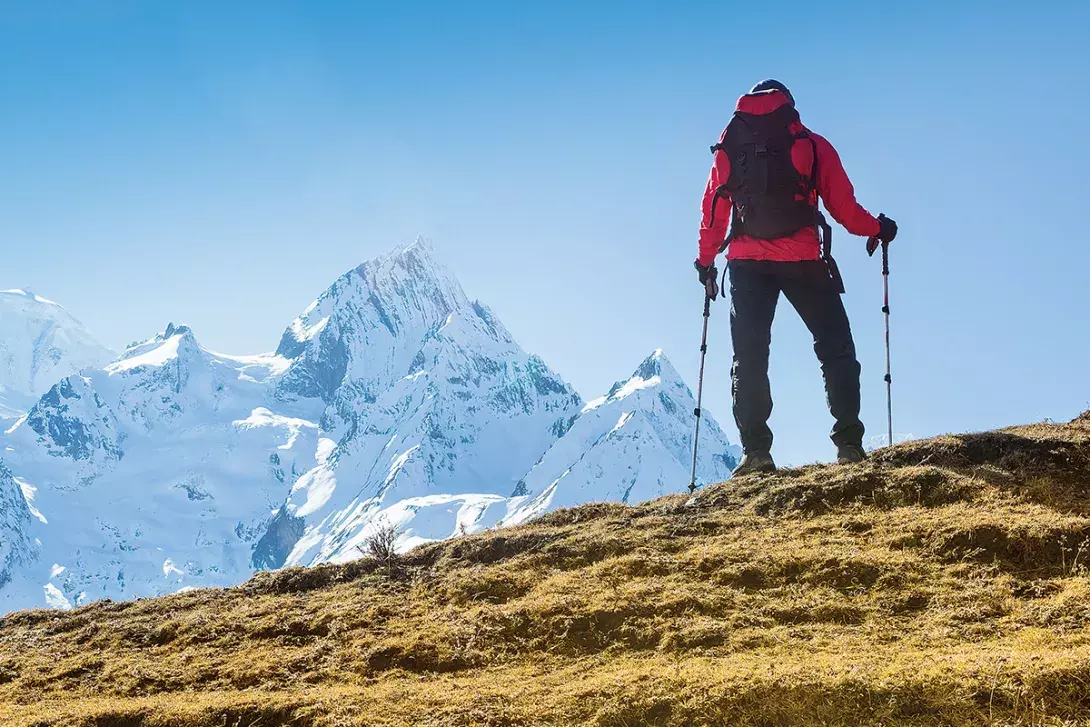
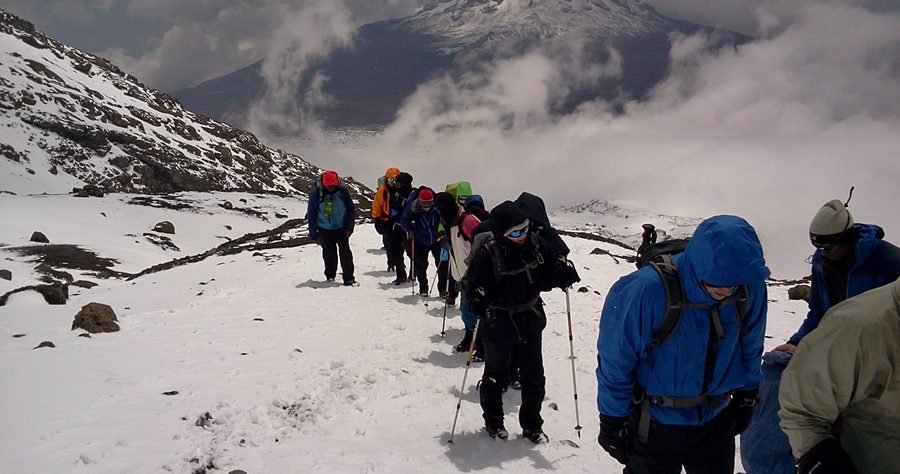
Psychological Resilience and the ‘Whispering Trail’ Experience
The Umbwe route is famously dubbed the ‘Whispering Trail,’ a name derived from its profound silence and the lack of other trekking groups. While this is the primary draw for many, it also introduces a psychological challenge that is absent on more commercial routes. On a crowded trail, you can often rely on the ‘visual momentum’ of seeing other hikers ahead of you to keep your pace steady. On the Umbwe, you may go hours without seeing another group.
Managing the Internal Monologue
The solitude of the Umbwe ridge forces you to confront your own physical state without distraction. When the trail steepens on the second day, and your lungs begin to burn from the altitude, there is no ‘crowd energy’ to pull you forward. You must be mentally prepared to maintain your own pace—the ‘pole-pole’ (slowly, slowly) rhythm—without the temptation to speed up to catch a group ahead or slow down because you feel isolated. This requires a high degree of self-awareness. Practice mindfulness or meditative breathing techniques during your training; these are not just for relaxation, but are tactical tools you will use to manage the discomfort of high-altitude exertion when you are alone on the mountain.
The Sensory Shift: From Forest to Abyss
The transition on the Umbwe route is abrupt. You move from the enclosed, sensory-rich environment of the rainforest—where the sounds of wildlife and the rustle of the canopy provide a sense of security—to the exposed, silent ridge. This psychological shift can be jarring. Be prepared for the ‘exposure’ of the ridge, where the drop-offs are immediate. If you have a history of vertigo, this section requires significant mental preparation. Focus on your immediate surroundings—the next three steps ahead of you—rather than the vast, panoramic views that can induce dizziness. By keeping your field of vision narrow and controlled, you maintain better balance and psychological stability.
The Summit Night: Solitary Endurance
When you reach the summit night, the solitude of the route can feel like a heavy weight. In the darkness, you are essentially in a void. Your headlamp provides a limited cone of light, and the silence of the mountain can be amplified by the wind. Trust in your guide and your training. The 7-day itinerary provides the best physiological buffer against altitude sickness, but your mental game is what gets you through the final, grueling hours to Uhuru Peak. Remind yourself that the ‘whispering’ nature of the trail is a privilege, not a burden. You are experiencing the mountain in its rawest, most authentic state—a rare opportunity in the modern era of high-altitude trekking.
Emergency Protocols and Evacuation Realities on the Umbwe Ridge
The Umbwe route’s defining feature—its steep, narrow, and isolated ridge—creates a unique set of safety and evacuation considerations that differ significantly from the more traversed routes like Lemosho or Machame. Because the ridge is essentially a single, vertical line, there are no “lateral” exit points. If you experience acute mountain sickness (AMS) or physical injury, your only option is to descend the way you came or push forward to the next camp. Understanding how your support team manages these scenarios is crucial for your peace of mind before you arrive in December 2026.
The Reality of “Evacuation” in Vertical Terrain
It is a common misconception that helicopter evacuation is the default response to emergencies on Kilimanjaro. On the Umbwe ridge, this is rarely the case. The terrain is frequently too steep, the canopy too dense, or the weather too unstable for aerial extraction. Instead, evacuation is almost exclusively a ground-based operation. If a climber requires an emergency descent, they will be escorted by one or two dedicated guides on foot back to the Umbwe Gate. This process is physically demanding for the support team and requires a high level of coordination. When you book your expedition, ensure your operator confirms their specific “evacuation ratio”—they should have enough staff to break off a team to assist a descending climber without compromising the safety or progress of the remaining group.
The ‘No-Wait’ Rule for Symptoms
Because of the rapid elevation gain inherent to the Umbwe route, the window for addressing altitude symptoms is narrower than on other trails. On a route like the Lemosho, you might be able to “wait out” a headache at a camp for an extra day. On the Umbwe ridge, staying in place for an extra day often isn’t an option because the camps are small, exposed, and lack the infrastructure for prolonged recovery. If you feel the onset of severe AMS, the protocol is almost always immediate descent. This requires you to be honest with your guides. Do not hide your symptoms to “tough it out.” The ridge does not forgive hesitation; reporting a headache or nausea early allows the guides to make a controlled descent while you are still physically capable of walking, rather than a forced, emergency stretcher evacuation in the dark.
Communication and the ‘Ridge Gap’
The Umbwe ridge creates natural “dead zones” for radio and cellular communication. While modern satellite phones are standard, they require a clear line of sight to the sky. In the dense rainforest or behind the massive rock formations of the upper ridge, signal can be intermittent. Your head guide will likely have established ‘check-in’ points where they verify their position and status with the park authorities and the base office. As a climber, be aware that your guide’s focus on these communication windows is not a distraction from you, but a vital safety link. Trusting this process is part of the psychological preparation for the route.
The Descent Transition: From the ‘Whispering Trail’ to the Mweka Highway
While the Umbwe route is revered for its isolation, you must prepare for a stark change in environment during your descent. Because the Umbwe route does not have a dedicated descent path, all climbers—regardless of which route they ascended—funnel into the Mweka descent route. After spending days on the ‘Whispering Trail’ where you likely saw few, if any, other groups, you will suddenly find yourself on a high-traffic thoroughfare. This transition can be mentally jarring. The solitude that defined your ascent is replaced by the bustling energy of hundreds of climbers finishing their own expeditions. Prepare for this shift; it is not a sign that your experience is ‘over’ or diminished, but rather a reality of the mountain’s logistical structure.
Managing the ‘Knee-Breaker’ Descent
The Mweka descent is infamous among Kilimanjaro guides and porters as the ‘knee-breaker.’ It is a relentless, steep, and often slippery path that drops you through three distinct climate zones in a single day. For your knees, this is significantly more taxing than the ascent. The impact forces on your joints are amplified by the weight of your pack and the accumulated fatigue from the summit push. To manage this effectively, you must adjust your technical setup. Stop at the edge of the alpine desert zone to lengthen your trekking poles. Extending them by 5 to 10 centimeters compared to your ascent length shifts your center of gravity forward and allows you to place poles further downhill, creating a stable tripod that absorbs the shock of each step before your knees do. Do not lock your knees; keep a soft, micro-bend in your gait to engage your quadriceps as shock absorbers.
The December Heat and Post-Summit Dehydration
As you descend, you will notice a rapid increase in temperature. In December, the lower forest zone can be humid and surprisingly hot. Many climbers, feeling the ‘summit high’ and believing the hardest physical work is finished, make the critical error of reducing their water intake. This is dangerous. You are moving from the arid, cold alpine desert into a humid, lower-altitude environment where your body will continue to sweat profusely. Your hydration strategy must remain as disciplined on the descent as it was on the summit night. Monitor your urine output and color; if you are not urinating by the time you reach the Mweka Gate, you are likely severely dehydrated. Continue to use your hydration bladder or bottles with the same frequency as you did on the ridge, regardless of how ‘easy’ the path feels compared to the ascent.
The Psychological ‘Post-Summit Slump’
It is common for climbers to experience a sudden, heavy wave of exhaustion immediately after the summit. This is not just physical; it is a physiological crash. Once the adrenaline of reaching Uhuru Peak fades, your brain registers the massive caloric and sleep deficit you have incurred. On the descent, you may find your internal monologue shifting from ‘I can do this’ to ‘I just want to be done.’ This is normal. Acknowledge this feeling without letting it dictate your pace. Use the descent as a time to mentally process the achievement. The Mweka path is long and monotonous; listen to music, engage with your guides, or simply focus on the changing biodiversity of the forest. By the time you reach the gate, the goal is to have safely exited the terrain, not to set a speed record. The mountain does not reward haste on the descent; it rewards consistency.
Related Guides and Packages
Check Availability for 7 Days Umbwe Route Kilimanjaro Challenge: Planning Your December Ascent 2026
Ready to compare dates, prices, and the best option for your group? Send the package name and travel month so the team can reply with a clear quote, availability, and what is included.
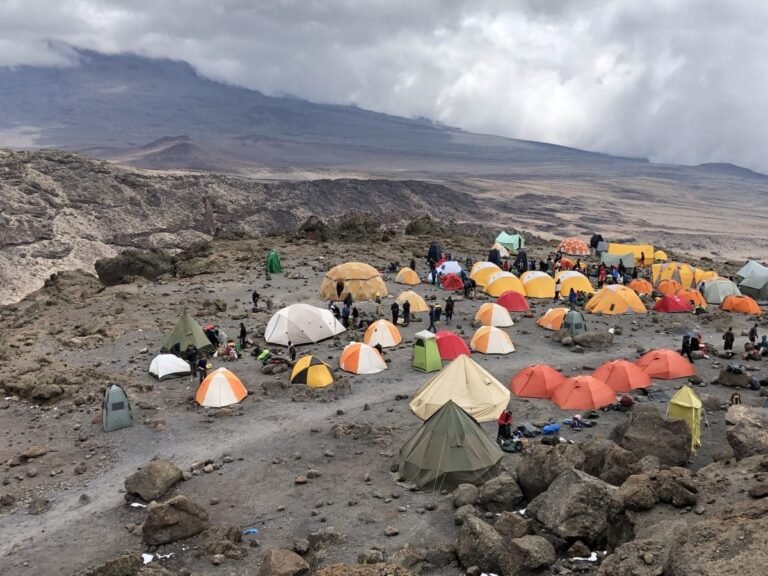
7 Days Rongai Route Kilimanjaro Holiday Climb December : Expert Guide 2026
A deep look at the 7-day Rongai Route for December 2026 climbers, focusing on route logic, acclimatization benefits, and practical planning for your holiday expedition.
View package details
9 Days Northern Circuit Kilimanjaro Trek December : The Ultimate
A comprehensive guide to the 9-day Northern Circuit route for December 2026, focusing on acclimatization, route advantages, and logistical planning.
View package details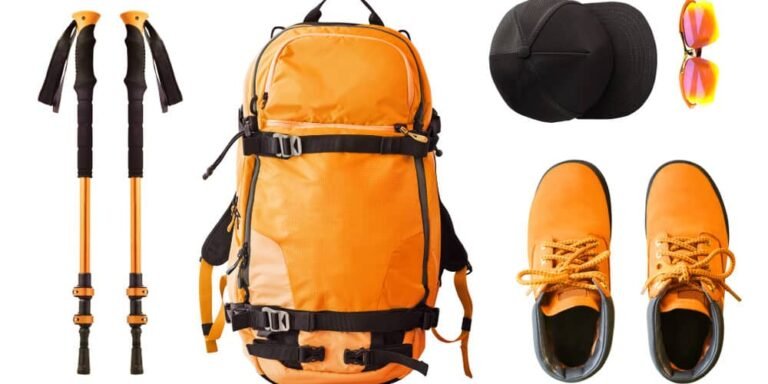
Shira Route Kilimanjaro Climbing Itinerary For December : Expert Guide 2026
A deep look at the Shira Route for December 2026, covering the unique high-start logistics, acclimatization advantages, and step-by-step itinerary planning.
View package details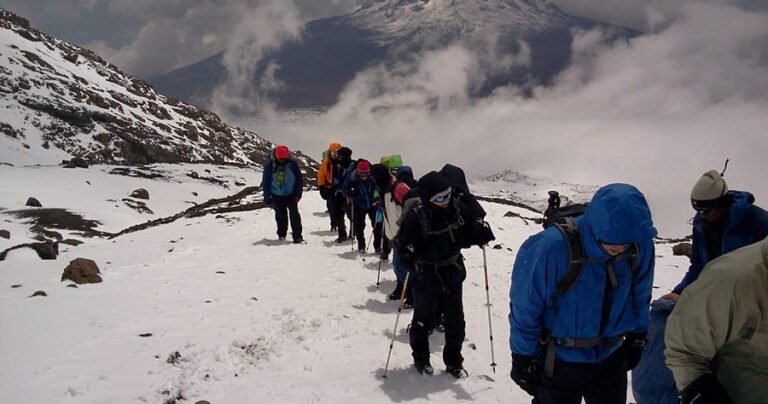
5 And 6 Days Marangu Route Kilimanjaro Hut Tours December : Planning Your
Deciding between the 5-day and 6-day Marangu Route for your December 2026 Kilimanjaro climb is a decision that impacts both your summit success and your comfort on the mountain.
View package detailsBook December , 6 Days Machame Route Kilimanjaro Climb: Expert Guide 2026
A deep look at the logistics, physical demands, and planning steps for a 6-day Machame Route Kilimanjaro climb in December 2026.
View package details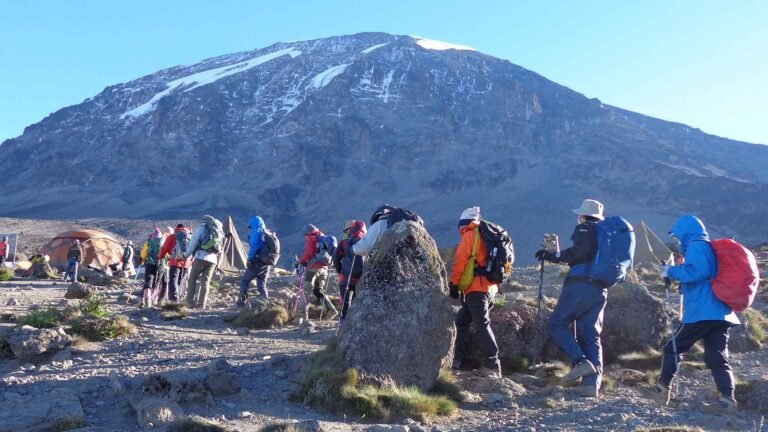
Kilimanjaro Group Joining Tours December : Planning, Routes, And Availability
A detailed guide on planning your Kilimanjaro group joining climb for December 2026, including route comparisons, logistics, and how to secure your spot with Climb 4 Africa.
View package details
Traveling Alone To Kilimanjaro In December: Can You Join A Machame Route 2026
A practical guide for solo travelers planning a December Kilimanjaro climb. Discover how group joining works on the Machame Route, the realities of cost-sharing, and how to prepare for your...
View package details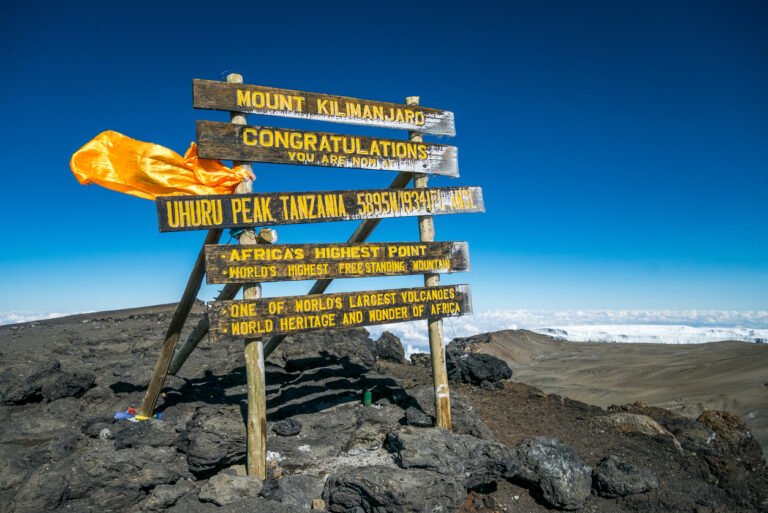
Vip Kilimanjaro Expedition With Private Mountain Crew December 2026
A detailed guide to planning a bespoke, high-support Kilimanjaro expedition for December 2026, focusing on private crew logistics, route selection, and safety.
View package detailsKilimanjaro Honeymoon Climbing And Zanzibar Beach Holiday: December Planning
A practical guide for couples planning a Kilimanjaro climb and Zanzibar beach holiday in December 2026, focusing on route selection, recovery logistics, and planning timelines.
View package details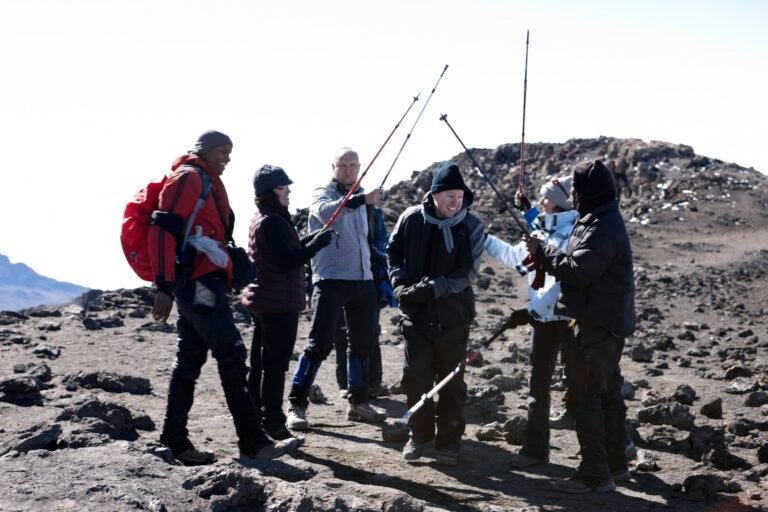
Romantic Kilimanjaro Summit Adventure For Couples December : Planning Your
A detailed guide for couples planning a Kilimanjaro summit in December 2026, focusing on route selection, acclimatization, and the benefits of private trekking arrangements.
View package details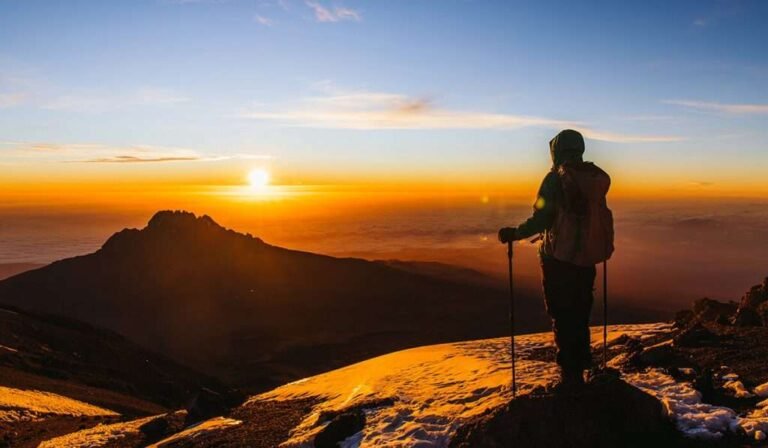
Luxury Mount Kilimanjaro Trekking Packages December : Planning Your Premium
A detailed guide to booking luxury Kilimanjaro trekking packages for December 2026, covering route selection, premium service standards, and planning essentials.
View package details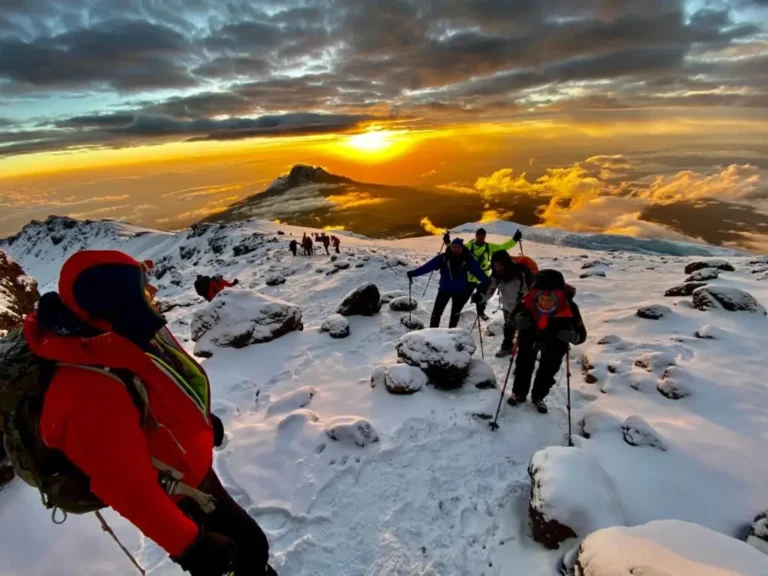
Kilimanjaro New Year Summit Group Departures December : Planning Your Ascent
Planning a New Year summit on Kilimanjaro requires specific logistics. Learn how to join a group departure for December 2026, choose the right route, and prepare for your climb.
View package detailsNo related package matches those filters. Clear one or more filters to see the other topic-matched options.



