
The Dec 28, 2026 – 5 Day Ndutu Migration and Ngorongoro Group Safari is a specialized itinerary designed to coincide with the beginning of the wildebeest calving season. Departing just after Christmas, this trip focuses on the Ndutu plains, where the herds congregate before moving deeper into the Serengeti. By joining this group departure, you share the costs of the 4×4 vehicle, fuel, and guide services with other travelers, making it a cost-effective way to see Northern Tanzania’s most wildlife-rich areas during the peak of the short rainy season’s aftermath. To secure your seat or check current availability, please contact us directly via WhatsApp at +255 747 477 898 or email climb4africa@gmail.com.
Planning a safari for late December requires specific attention to timing and geography. By late December, the Great Migration is typically transitioning from the northern Serengeti down toward the southern plains of the Ngorongoro Conservation Area and the Ndutu region. This 5-day itinerary is crafted to prioritize these specific areas, ensuring you are in the best possible position to witness the arrival of the herds without spending excessive time on long transit drives.
Why Choose a Group Safari for the Migration?
A group joining safari is distinct from a private tour. The primary benefit is the reduction in cost, as the fixed expenses—vehicle rental, park entrance fees (which are significant in Tanzania), and the guide’s daily rate—are split among the participants. For solo travelers or couples who want to experience the Serengeti and Ngorongoro without the premium price tag of a private vehicle, this is the standard approach.
However, group safaris require a different mindset. You will be traveling with a small group of like-minded people, usually between 4 to 6 passengers per Land Cruiser. It is a social experience. Because we operate these departures based on confirmed interest, we encourage you to view our full calendar of shared tours to see how this fits with your broader travel plans.
5-Day Itinerary Overview
This itinerary is specifically sequenced for the late-December window. We avoid the rush of the central Serengeti, focusing instead on the high-density wildlife zones of the Ngorongoro Conservation Area and the Ndutu plains.
Day 1: Arrival and Briefing in Moshi or Arusha
Your journey begins in either Moshi or Arusha. Most travelers fly into Kilimanjaro International Airport (JRO). Upon arrival, you will be transferred to your accommodation. This is a critical day for the group to meet. We will hold a pre-departure briefing where your lead guide will review the route, discuss the current wildlife reports from the Ndutu area, and check your gear. If you need any last-minute supplies, this is the time to gather them.
Day 2: Tarangire National Park
We head out early to Tarangire. While many focus solely on the Serengeti, Tarangire in December is lush and green. The iconic baobab trees are in full leaf, and the park is famous for its large elephant herds. Because it is the wet season, the game is dispersed, but the landscape is spectacular, and the predator-prey dynamics are highly active. We spend the full day here before heading to a lodge or camp near the park or en route to the Ngorongoro highlands.
Day 3: The Journey to Ndutu and Migration Tracking
This is the centerpiece of the trip. We drive through the Ngorongoro Highlands, ascending the crater rim, and then dropping down into the Ndutu region. This area is a unique ecological transition zone between the Serengeti and the Ngorongoro Conservation Area. In late December, the short grass plains are starting to attract the wildebeest. You will spend the afternoon on game drives in the Ndutu area, known for its high concentration of cheetahs and lions that shadow the migrating herds. Unlike the national parks, this area allows for some off-road driving, which can be essential for getting closer to sightings.
Day 4: Ngorongoro Crater
We depart early from the Ndutu/Ngorongoro area to descend into the Ngorongoro Crater floor. This is a “must-do” for any Northern Circuit safari. The crater is a self-contained ecosystem, and by late December, the animals are resident here. You are highly likely to see the “Big Five” in a single day. The crater floor can get busy, so our early start is designed to get you onto the floor before the majority of the day-trippers arrive from Arusha.
Day 5: Return to Arusha
After a final morning game drive or a cultural stop in Mto wa Mbu village, we make the drive back to Arusha or Moshi. We typically aim to arrive in the late afternoon, leaving you time for an evening flight or to continue your journey to Zanzibar or another destination. If you are extending your trip, check out our other options like the 7-day Northern Circuit group safari for a more expansive experience.
Practical Considerations for December Travel
Traveling in late December puts you right in the middle of the “short rains.” This does not mean it rains all day, every day. Instead, expect short, heavy afternoon showers that clear quickly, leaving the air fresh and the dust settled. The landscape is vibrant and green, which is excellent for photography.
Packing Essentials
- Rain Jacket: Essential for those afternoon showers.
- Layers: The Ngorongoro Crater rim can be surprisingly cold in the early morning (often below 10°C/50°F), even when the plains are warm.
- Camera Gear: Bring extra memory cards and a beanbag for stabilizing your camera on the open vehicle roof.
- Sun Protection: The equatorial sun is strong, even with cloud cover.
Booking and Group Dynamics
When you book a group departure, you are joining a vehicle that is already scheduled to run. This means the itinerary is fixed to ensure all group members have the same experience. If you have specific needs—such as dietary restrictions or a preference for a specific type of accommodation—please let us know at the time of booking. We can accommodate most requests, but notice is required to organize the logistics.
For those considering other dates or slightly different durations, we have several options available during the December period, including the 5-day Christmas group safari. Each of these trips offers a slightly different focus, so compare the itineraries carefully before committing.
To start your booking process or to ask about the current number of confirmed travelers on this specific Dec 28 departure, reach out to us. We prefer direct communication so we can give you the most accurate, up-to-date information regarding group sizes and availability.
Contact Information:
WhatsApp: +255 747 477 898
Email: climb4africa@gmail.com
Backup Email: info@climb-4-africa.com
Frequently Asked Questions
Is the migration guaranteed to be in Ndutu on Dec 28?
Wildlife is unpredictable. While historical data shows the herds usually start arriving in the southern Serengeti/Ndutu area in late December, the exact timing depends on the rainfall patterns of that year. Our guides monitor the movement of the herds daily and will adjust the game drive routes to maximize your chances of finding them.
How many people will be in the group?
Our group safaris typically accommodate between 4 and 6 people per vehicle. This ensures everyone has a window seat and enough space to move around for photography. We do not overbook our vehicles.
Do I need a visa for Tanzania?
Most nationalities require a visa to enter Tanzania. It is highly recommended to apply for an e-Visa online well in advance of your trip. Ensure your passport is valid for at least six months beyond your date of departure.
What if I want to book this as a private trip instead?
If you prefer a private safari, we can absolutely accommodate that. A private trip allows for more flexibility in your daily schedule and accommodation choices. Please mention this preference when you contact us, and we will provide a custom quote for a private 5-day Ndutu and Ngorongoro itinerary.
Navigating Life on Safari: Lodging and Vehicle Dynamics
When embarking on a 5-day group safari to the Ndutu plains and Ngorongoro, your experience is defined as much by the environment you inhabit as it is by the wildlife you encounter. Because this itinerary involves moving through remote conservation areas, understanding the nature of your temporary home—the vehicle and the accommodation—is essential for a smooth trip.
The Reality of Tented Camps and Lodges
In the Ndutu region, you will likely encounter two types of accommodation: permanent lodges and seasonal tented camps. It is important to distinguish between these to manage your expectations. Permanent lodges offer solid structures, often with concrete walls, electricity grids, and extensive amenities. These are comfortable, predictable, and offer a standard hotel-like experience.
Seasonal tented camps, however, offer a more authentic safari immersion. These are semi-permanent structures designed to be set up and dismantled without leaving a permanent footprint on the ecosystem. You will sleep in large, walk-in canvas tents on raised wooden platforms. These tents typically feature en-suite bathrooms with hot-water showers, comfortable beds, and proper furniture. They are not ‘camping’ in the traditional sense of sleeping on the ground; they are high-end, comfortable retreats that put you directly in the path of the migration. When staying in these camps, remember that sound carries easily across the plains; the roar of a lion or the call of a hyena at night is part of the experience, not a cause for alarm.
Managing the Safari Vehicle Experience
For the duration of your 5-day safari, your Land Cruiser is your primary workspace, viewing platform, and social hub. Most safari vehicles in Tanzania are 4x4s modified with pop-up roofs, which are essential for 360-degree photography and game viewing. During the drive, the roof will be lowered to manage wind resistance and dust; your guide will signal when it is safe and appropriate to stand up and pop the roof.
Power management is a frequent point of confusion. While many vehicles are equipped with charging ports (often USB or standard cigarette lighter sockets), these rely on the vehicle’s battery. They are generally sufficient for charging a phone or a camera battery during the drive, but they are not intended for high-draw devices like laptops or hair dryers. We strongly recommend bringing a high-capacity power bank to ensure your devices remain charged throughout the day, especially since you will be away from your accommodation for long stretches.
Dust is a constant companion in the African bush, particularly in the transition zones between the Serengeti and Ngorongoro. Even with the windows closed, fine red dust will find its way into the vehicle. Protect your sensitive electronics by keeping them in sealed, dust-proof bags when not in use. A small microfiber cloth is an invaluable tool to keep in your daypack for wiping down camera lenses or binoculars frequently.
Social Etiquette for Group Joining Safaris
Participating in a group joining safari is a rewarding social experience, but it requires a level of cooperation to ensure everyone has an equal opportunity to enjoy the wildlife. The most common source of friction in group travel is seat preference. To mitigate this, most professional guides implement a daily seat rotation system. This ensures that everyone takes a turn in the front seat next to the driver, as well as the middle and back rows, providing different perspectives of the landscape over the five days.
Furthermore, be mindful of the ‘noise discipline’ within the vehicle. While excitement is natural when spotting a cheetah or a pride of lions, sudden movements and loud talking can startle wildlife, causing them to move away before everyone has had a chance to view or photograph them. If you are a photographer, communicate your needs early with your group. Often, a group will agree to spend a bit more time at a specific sighting if everyone is informed of the intent. Conversely, if you are not a photographer, be patient with those who are; they are likely waiting for the perfect light or action shot. A successful group safari relies on the collective patience of its members.
The Ecological Significance of the Ndutu Calving Season
To fully appreciate why this specific itinerary focuses on the Ndutu region in late December, it is helpful to understand the underlying ecology of the area. Ndutu is not simply a random stop on the migration map; it is a distinct micro-ecosystem defined by its unique volcanic soil. Unlike the deep-rooted, tall grasses found in the central and northern Serengeti, the Ndutu plains are characterized by short, nutrient-rich grasses. This specific vegetation is high in calcium and magnesium, essential minerals for lactating wildebeest and the healthy development of their calves.
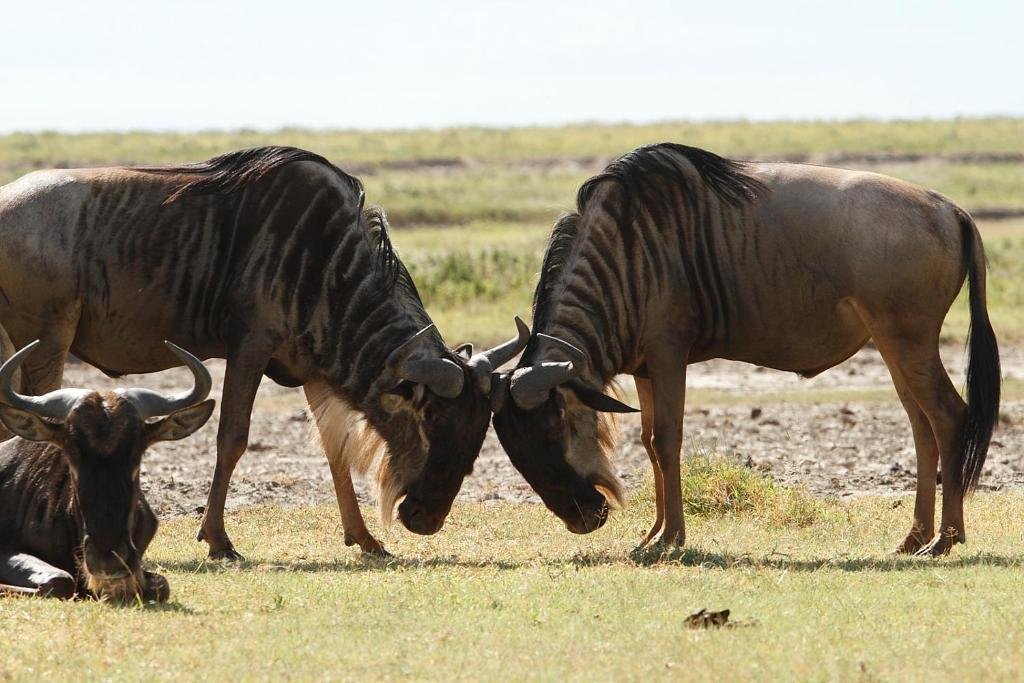
When you arrive in late December, you are witnessing a massive biological synchronization. The wildebeest herds, having traveled hundreds of kilometers, arrive here to exploit these specific grazing conditions. This is the ‘calving season,’ a period where up to 8,000 calves can be born daily across the plains. For the traveler, this creates an intense, high-action environment. The abundance of vulnerable young animals attracts a high concentration of predators. You are not just viewing wildlife; you are observing a critical predator-prey dynamic that is far more visible here than in the dense bush of other parks.
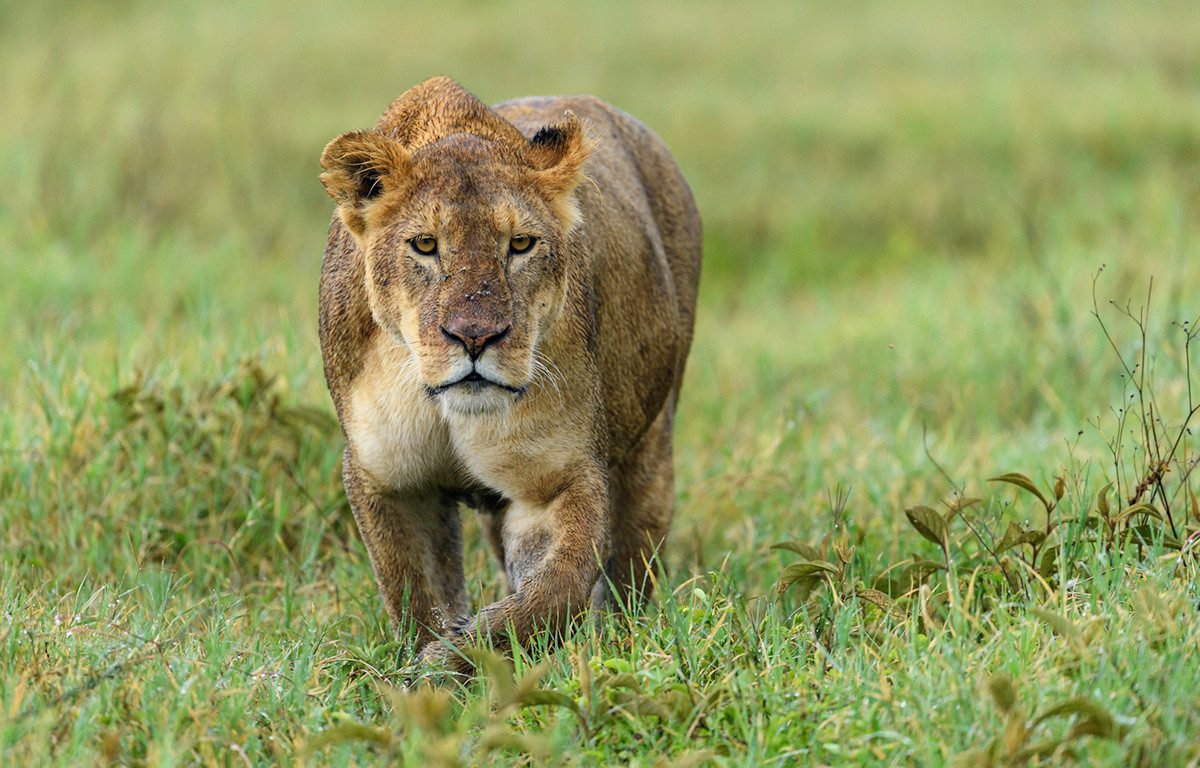
The open nature of the landscape in Ndutu is a major advantage for safari-goers. Because the grass is short, predators—particularly cheetahs and lions—are easier to spot. Cheetahs, in particular, favor this environment because it allows them to utilize their speed without the obstruction of thicket. It is common to see cheetahs using the roof of the safari vehicle as a vantage point to scan the horizon for herds. This creates a unique, albeit rare, interaction where the wildlife is entirely indifferent to your presence as long as the vehicle remains a stationary, non-threatening object.
Ethical Wildlife Viewing During Calving
Observing a birth or a hunt in the wild is a profound experience, but it comes with a responsibility. The calving season is a high-stress time for the animals. As a visitor, your role is to minimize your impact. Professional guides are trained to maintain a respectful distance, especially when a predator is stalking or a female is in labor. Moving the vehicle too close or blocking a predator’s path can disrupt a hunt, effectively robbing the animal of a meal it desperately needs. We encourage guests to use binoculars and telephoto lenses rather than demanding the driver move closer. A successful safari is defined by the quality of the observation, not the proximity to the subject.
Mastering Wildlife Photography in the Ndutu Plains
While your safari guide manages the logistics of tracking the migration, the quality of your photographic output in Ndutu depends heavily on your preparation for the specific environmental challenges of the southern Serengeti and Ngorongoro plains. This region is not merely a wildlife sanctuary; it is an unforgiving environment for sensitive optical equipment.
The Volcanic Dust Challenge
The most significant threat to your camera gear in the Ndutu region is not the wildlife, but the dust. The terrain is composed of fine, volcanic soil that becomes airborne with every passing vehicle. This dust is abrasive and microscopic; it will find its way into your lens barrels, sensor, and battery compartments if you are not proactive. Before you leave the vehicle for a game drive, ensure your gear is protected. Do not change lenses outside the vehicle; the interior of the Land Cruiser is your only controlled environment. Carry a dedicated, sealable bag—a “dry bag” or a high-quality camera bag with a rain cover—to store your equipment between sightings. Keep a soft, clean brush and a microfiber cloth readily accessible to wipe down your lens exterior before and after every session, but avoid aggressive wiping that might grind dust particles into the glass.
Support Systems: Why Tripods Stay Home
A common misconception for first-time safari-goers is that a tripod is essential. In the context of a group-joining safari vehicle, a tripod is an encumbrance that is virtually impossible to use. The safari vehicle is a dynamic platform; you will be shooting from a standing position through the pop-up roof hatch. A tripod cannot be deployed on the roof, and using one inside the vehicle is restricted by the limited space and the presence of other passengers. The professional standard for safari photography is the beanbag. Most safari operators provide empty beanbags that you can fill with beans, rice, or even local sand upon arrival. A beanbag provides a stable, moldable base that rests securely on the roof hatch rim, allowing you to stabilize a heavy telephoto lens without the vibration associated with rigid metal supports. If you are bringing a specialized telephoto lens (400mm or longer), ensure you have a way to mount it securely on a beanbag.
Lens Selection and Focal Length
The Ndutu plains are vast and open, which dictates your focal length requirements. While the animals are often close during the calving season, you will frequently need reach to capture behavioral shots without encroaching on the animals’ space. A lens with a focal length of at least 300mm is recommended for wildlife portraits. However, do not neglect the wide-angle lens. The landscape of the Ngorongoro Conservation Area, with its expansive skies and distant volcanic craters, provides a dramatic backdrop that is often missed by those fixated solely on close-up animal shots. A versatile zoom lens, such as a 70-200mm, is often the most useful tool in your kit, allowing you to react quickly to the rapidly shifting predator-prey dynamics.
Power Management in Remote Camps
The tented camps in the Ndutu/Ngorongoro region are often off-grid, relying on solar power or generators that may only run for specific hours of the day (usually mornings and evenings). You cannot assume that you will have constant access to a wall outlet for charging. Bring a high-capacity power bank that can charge your camera batteries via USB, or carry enough spare batteries to last 48 hours without a charge. Additionally, ensure you have sufficient memory card capacity. The calving season is a high-action event; you will likely take thousands of photos. Formatting your cards before the trip and bringing a backup storage solution (like a portable hard drive or cloud-syncing device if you have a laptop) is essential to avoid running out of space mid-safari.
Connectivity and Digital Etiquette in the Bush
While the allure of the Ndutu plains lies in its raw, unfiltered connection to nature, the reality of connectivity is vastly different from urban environments. As you move from the Arusha region toward the Ngorongoro Conservation Area and deep into the southern Serengeti, cellular signals become increasingly sporadic. Most lodges and tented camps in the Ndutu area are strictly off-grid, and while some may offer Wi-Fi in a main communal area, it is rarely high-speed or reliable enough for video streaming, large file uploads, or video calls. Travelers should prepare for a digital detox. It is advisable to notify family and friends in advance that you will be largely unreachable during your three days in the bush.
In a group joining safari, digital etiquette is an extension of the shared space you inhabit. While it is natural to want to share your photos in real-time, the constant pinging of notifications or the glow of a screen in a dark vehicle or tent can be disruptive to others. Furthermore, being physically present is essential for spotting wildlife. The best sightings—a leopard in the acacia or a cheetah on a termite mound—are often brief. If you are focused on your phone screen, you will miss the guide’s subtle hand signals or the collective “hush” that descends over the group when a predator is spotted. Use your downtime at the lodge or camp to manage your photos and social media updates, rather than during game drives.
Emergency communication is handled differently. Your safari operator and your guide carry satellite phones or high-frequency radios to communicate with the base in Arusha or nearby ranger stations. This is strictly for operational logistics and emergencies. Rest assured that while you may be “off the grid” for your friends and family, you are never without a lifeline to professional support.
Managing Health and Comfort on the Move
The 5-day itinerary involves significant time spent inside a 4×4 vehicle. While the Land Cruisers are designed for off-road durability, the roads in the Ngorongoro Conservation Area and the Ndutu plains are not paved highways. They are rugged, dirt tracks that traverse volcanic soil, riverbeds, and uneven terrain. This leads to what many seasoned safari-goers jokingly refer to as an “African massage”—a day of persistent, rhythmic bouncing.
The Reality of Road Conditions
If you are prone to motion sickness, the combination of winding roads in the highlands and the bumpy tracks of the plains can be challenging. It is highly recommended to bring anti-nausea medication and take it before departing in the morning, rather than waiting until you feel unwell. Because the vehicle is a shared space, keeping the interior clean and ventilated is a collective responsibility. If you feel dizzy, alert your guide immediately; they can adjust the driving speed or find a safe, stationary spot for you to step out and get fresh air.
Sanitation and ‘Bush Toilet’ Etiquette
One of the most common, yet rarely discussed, concerns for first-time safari travelers is the logistics of bathroom breaks. You will spend hours in the field, often far from any permanent structure or public restroom. In the wild, you will rely on “bush toilets” or designated pit stops at park ranger stations or picnic sites. When a true emergency arises in the middle of a game drive, your guide will find a safe, secluded spot to pull over. However, this is governed by strict park regulations. You must never wander far from the vehicle, as predators and other wildlife can be concealed in the tall grass or behind bushes. Always ask your guide to scout the area first. For the sake of hygiene, carry your own hand sanitizer and a pack of biodegradable wet wipes. Do not leave any paper or waste behind; everything you bring into the bush must come out with you.
Hydration vs. Convenience
The dry heat and the constant movement can lead to rapid dehydration, which often exacerbates headaches and fatigue. It is tempting to limit your water intake to avoid needing the restroom, but this is counterproductive. You should drink consistently throughout the day. Your vehicle will be stocked with bottled water; make it a habit to drink at every stop, even if you do not feel thirsty. By maintaining proper hydration, you will find that you have more energy for the long, exhilarating days of tracking the migration, allowing you to stay focused on the incredible wildlife spectacles that define the Ndutu experience.
Navigating Financial Etiquette and Tipping Protocols
While the cost of your 5-day group safari covers the essential logistics—vehicle, fuel, park fees, and accommodation—it does not account for the customary practice of tipping. In Tanzania, tipping is a deeply ingrained part of the tourism economy and serves as a significant supplement to the income of your safari guide, camp staff, and cooks. Understanding these expectations before you depart prevents awkwardness and ensures you are prepared to appropriately recognize the service you receive.
The Cultural Context of Tipping
Tipping in Tanzania is not merely a gesture of generosity; it is an acknowledgment of the specialized labor required to lead a safari. Your guide is not just a driver; they are a wildlife tracker, mechanic, translator, and educator who spends long hours ensuring your safety and maximizing your wildlife sightings. Because group safaris involve a shared vehicle, the tipping dynamic is slightly different than on a private tour. It is standard for each traveler in the group to contribute individually rather than pooling funds, which allows everyone to tip according to their own level of satisfaction.
Standard Industry Guidelines
While tipping remains at your discretion, industry standards provide a helpful baseline to avoid under- or over-tipping. For a professional safari guide, a common range is between $15 and $25 USD per day, per traveler. If you are part of a group of six, for example, a standard tip for the guide at the end of the five-day safari would typically fall in the range of $75 to $125 USD per person. If you are staying at tented camps with a dedicated kitchen and support staff, it is also customary to leave a contribution for the camp crew. Most lodges provide a communal “tip box” at the reception desk, which ensures the gratuity is distributed fairly among the chefs, waiters, and housekeeping staff who remain largely invisible during your stay.
Handling Currency and Bill Integrity
When preparing your cash for tips, the currency and the condition of the bills are paramount. The US Dollar (USD) is the preferred currency for tipping in the tourism sector. However, Tanzania has strict regulations regarding the condition of foreign currency. Banks and exchange bureaus will frequently reject USD bills printed before 2009 or 2013 (depending on the specific institution), as well as any bills that are torn, marked, or heavily worn. When you visit your home bank to withdraw cash for your safari, specifically request “new, crisp, unblemished bills.” If you provide a guide with a worn or older-series bill, they may be unable to exchange it for local currency, rendering the tip effectively useless to them. While Tanzanian Shillings (TZS) are also accepted, USD is universally understood and preferred for larger gratuities.
The Mechanics of Distribution
It is best practice to carry your tips in small, sealed envelopes. If you are satisfied with the service, presenting the tip directly to your guide on the final day of the safari—ideally during the return drive to Arusha—is the most respectful approach. For camp staff, utilize the communal tip box at the lodges rather than attempting to distribute cash to individual employees, as this avoids potential social friction among the staff. By preparing your tips in advance, you remove the stress of scrambling for change or seeking out an ATM in remote areas, allowing you to focus entirely on the final hours of your journey.
Emergency Preparedness and Medical Evacuation Protocols
While the risk of serious injury on a 5-day group safari is statistically very low, the remote nature of the Ndutu plains and the Ngorongoro Conservation Area necessitates a clear understanding of emergency procedures. Unlike urban travel, where medical assistance is minutes away, the bush requires a structured response protocol that relies on communication, specialized services, and pre-departure preparation.
The Role of AMREF Flying Doctors
In Tanzania, the standard for medical emergencies in remote areas is the AMREF Flying Doctors service. Most professional safari operators include a temporary membership or ensure their vehicles are registered with this service. This provides access to an emergency response network that can coordinate an air ambulance evacuation if a traveler suffers a critical injury or acute medical emergency that cannot be treated at a local clinic. It is important to clarify with your operator before departure if this coverage is included in your package or if you are expected to arrange your own subscription.
Communication and Response Chains
Your safari guide serves as your first point of contact in any emergency. Because cell phone coverage is inconsistent in the Ngorongoro crater floor and the vast Ndutu plains, safari vehicles are equipped with two-way radios and, in many cases, satellite phones or GPS trackers. In the event of a medical issue, the guide is trained to stabilize the patient and initiate a chain of communication. This involves contacting the base office in Arusha, which then coordinates with medical services or the evacuation team. Because road conditions can be treacherous, particularly during the short rainy season, the decision to evacuate by road to a hospital in Arusha versus calling for an air ambulance from a nearby bush airstrip is a tactical decision made by the guide based on weather, road accessibility, and the severity of the condition.
Insurance and Evacuation Coverage
A common mistake among first-time safari travelers is assuming that standard travel insurance is sufficient for a bush safari. While standard policies cover hospital bills, they often exclude ’emergency evacuation’ or ‘search and rescue’ operations in remote wilderness areas. When purchasing your travel insurance, you must specifically verify that your policy covers medical evacuation from the Serengeti or Ngorongoro region. Ensure your policy documents are accessible and that you have a digital or physical copy of your insurance provider’s international emergency contact number. Your safari operator will also require your insurance details prior to departure to facilitate a faster response should an incident occur.
Navigating the ‘Vuli’ (Short Rains) Dynamics
The timing of your departure on December 28th places you directly at the tail end of the Vuli, or the short rainy season in Northern Tanzania. Understanding the operational implications of this specific weather pattern is essential for managing your expectations during a 5-day group safari. Unlike the ‘long rains’ of April and May, which can cause widespread flooding and render many tracks impassable, the Vuli is characterized by short, intense, and often localized afternoon showers. These rains are the primary catalyst for the ecosystem’s transformation, turning the arid plains into a lush, green carpet of short-grass prairie—the very reason the wildebeest migration congregates in the Ndutu region to calve.
From a logistical standpoint, the Vuli requires a flexible approach to your daily schedule. Your guide will often prioritize ‘early-bird’ game drives, departing camp at dawn to maximize time on the plains before the afternoon cloud cover builds. Because the Ndutu region is defined by ‘black cotton’ soil—a type of clay that becomes incredibly slippery and sticky when wet—the Vuli can turn a dry track into a challenge within minutes. This is why your 4×4 Land Cruiser is equipped with specialized tires and why your guide’s local knowledge of the terrain is your greatest asset. If a particular track becomes too saturated, an experienced guide will not force a route; they will navigate around it to ensure the vehicle remains stable and to avoid damaging the delicate ecosystem by creating deep ruts.
Furthermore, the Vuli influences wildlife behavior in ways that dictate your daily itinerary. The rain often clears the air of the volcanic dust mentioned earlier, providing exceptional visibility for photography. However, it also means that animals may disperse slightly more than they would in the deep dry season, as water sources become more widely available. You should expect your guide to spend more time ‘reading’ the landscape—looking for the movement of the herds rather than relying on fixed locations. This is part of the adventure of a late-December safari; you are not visiting a static zoo, but an active, breathing ecosystem that is reacting to the first major rains of the season.
The ‘Post-Rain’ Safari Strategy
When planning for the 5-day trip, travelers often worry that rain will ‘ruin’ the safari. In reality, the Vuli is one of the most rewarding times to be in the Ngorongoro and Ndutu areas. The air is fresh, the landscape is vibrant green, and the dust, which can be an irritant for those with respiratory sensitivities, is largely suppressed. Your gear management should adapt accordingly: ensure you have a waterproof cover for your camera bag, not just for the equipment itself, but to protect your memory cards and spare batteries from the high humidity that accompanies these showers. If you are prone to dampness, consider bringing a light, breathable rain shell rather than a heavy coat, as the temperatures in the southern Serengeti remain warm even when it rains.
Finally, remember that the Vuli creates a dynamic environment where the ‘best’ route can change hour by hour. If your group notices that the guide is changing the planned route or opting for a different path to the Crater floor or the Ndutu plains, trust their judgment. They are balancing your desire for sightings with the mechanical reality of the vehicle and the safety of the group. This adaptability is the hallmark of a successful safari during the calving season.
Understanding the Mechanics of the ‘Joining’ Safari Process
For many travelers, the concept of a ‘group joining safari’ is often misunderstood. It is not merely a pre-packaged bus tour; it is a dynamic logistical arrangement that requires precise coordination between the operator and individual travelers. Understanding how this process functions is essential for managing your expectations, particularly when planning for a high-demand period like the end of December.
The Lifecycle of a Group Booking
When you inquire about a December 28th departure, you are entering a system that operates on a ‘confirmed-seat’ model. Unlike private safaris where the vehicle is secured solely for your party, a joining safari only achieves operational status once a minimum threshold of participants is met. This is why communication is vital. When you reach out to an operator, you are not just booking a date; you are expressing interest in a specific vehicle slot. The operator tracks these inquiries and, once the minimum number of travelers (typically 4) is reached, the departure is officially ‘confirmed.’
It is important to understand that in the weeks leading up to December 28th, the status of your safari might shift from ‘available’ to ‘confirmed.’ You should expect regular updates from your operator. If you are the first person to book, you may be waiting for others to join. If you are the last, you are securing the final seat in an already active group. This is the primary reason why we advise against waiting until the last minute to finalize your booking; the closer you get to the departure date, the higher the risk that the group is already full or that the required minimums for that specific vehicle have not been met, forcing a rescheduling.
Pre-Departure Synchronization
Once your seat is confirmed, the ‘pre-departure’ phase begins. This is where the group dynamic is established before you even set foot in the Land Cruiser. A professional operator will facilitate a brief introduction, often via email or a messaging platform, to ensure everyone is aligned on arrival times and locations. If your group members are arriving at different times or at different airports (e.g., some at Kilimanjaro International Airport (JRO) and others at Arusha Airport (ARK)), the operator must synchronize these arrivals to ensure the safari can depart on schedule on the morning of the 28th.
This synchronization is why providing your flight details early is non-negotiable. If one participant is delayed, it impacts the entire group’s ability to reach Tarangire or the Ngorongoro Conservation Area on time. Being ‘safari-ready’ means having your bags packed and your documents, including your visa and yellow fever certificate (if applicable), readily accessible before the guide arrives at your hotel. The morning of the 28th is not the time to be sorting through luggage or finalizing currency exchanges; these tasks should be completed the evening before.
The Role of the ‘Lead’ Traveler
In many group joining scenarios, there is often an informal ‘lead’ traveler—someone who has done the most research or is the most comfortable with the itinerary. While your guide is the ultimate authority, the group dynamic works best when participants are proactive. This means being mindful of the collective schedule. If the group agrees to a 7:00 AM departure, being ready at 6:45 AM shows respect for your fellow travelers. In a group of four to six people, a delay of 20 minutes by one person ripples through the entire day, potentially costing you precious hours of wildlife viewing or forcing a rushed lunch. The most successful group safaris are those where participants treat the experience as a team effort, balancing individual interests with the shared goal of maximizing the migration encounter.
Navigating the Transition from Ndutu to Ngorongoro Crater
While the focus of your trip is the Ndutu plains, the transition from the Serengeti ecosystem into the Ngorongoro Conservation Area (NCA) on Day 4 is a distinct logistical shift that often catches travelers off guard. The Ndutu region is defined by its open, rolling volcanic plains where the herds are largely in the open. In contrast, the Ngorongoro Crater is a self-contained caldera, a completely different geological and wildlife experience that requires a change in mindset and pace.
The drive from your Ndutu camp to the Ngorongoro Crater rim is not merely a transfer; it is a significant elevation gain. You will move from the flat, arid plains of the southern Serengeti into the lush, highland forests of the crater rim. This change in altitude can be physically noticeable. As you ascend, the temperature drops rapidly. It is common to leave a warm, dusty morning in Ndutu and arrive at the crater rim in a cool, misty environment. Travelers often underestimate the chill at the crater rim, especially in the early morning hours of Day 4. Even in late December, the rim can be surprisingly cold, and having a fleece or light jacket accessible in your daypack is essential, even if you were wearing shorts just hours before.
Furthermore, the gate procedures at Ngorongoro are significantly more rigorous than those at the Serengeti/Ndutu entry points. Because the crater is a protected UNESCO World Heritage site with strict visitor quotas, your guide must secure specific entry permits for the morning game drive. This is why the ‘early start’ on Day 4 is not just a suggestion; it is a tactical necessity. Arriving at the Loduare or Seneto gate late can result in long queues, which effectively eats into your limited six-hour window allowed for crater floor exploration. Your guide will likely aim to be at the gate shortly after sunrise to ensure you are among the first vehicles to descend, maximizing your chances of seeing the resident lions and the black rhinos that call the crater floor home before the midday heat drives them into the tall grass.
The Wildlife Dynamics of the Ngorongoro Crater Floor
Once you descend into the crater, you are entering a ‘closed’ ecosystem. Unlike the Ndutu plains, where the Great Migration is constantly moving and fluid, the Ngorongoro Crater supports a high density of resident wildlife that does not migrate. This creates a fascinating contrast to the previous days of your trip. While in Ndutu you were tracking the massive, moving herds of wildebeest, in the crater, you will be observing established social structures among resident prides of lions, families of elephants, and the famous crater rhinos.
It is important to manage your expectations regarding the ‘migration’ here. While you may see straggler wildebeest or zebras, the crater is not the primary site for the calving season in the same way the short-grass plains of Ndutu are. Instead, use this day to focus on species diversity. The crater floor is one of the best places in East Africa to tick off the ‘Big Five’ in a single morning. Because the wildlife is habituated to vehicles, you will often find animals grazing or resting much closer to the road than in the Serengeti. This offers a unique opportunity for behavioral observation—watching a lion pride navigate the marshlands or seeing a hyena clan interact with a buffalo herd at close range. Remember that the crater floor is a fragile environment; vehicle movement is strictly confined to designated tracks, and off-roading is strictly prohibited to protect the sensitive grasslands.
Lunch Logistics and the Afternoon Ascent
Lunch on the crater floor is a memorable, if somewhat rushed, affair. Most group safaris utilize the designated picnic sites, such as the Ngoitokitok Springs. These sites are essentially ‘islands’ of safety in a sea of wildlife. You will often be surrounded by birds, monkeys, and occasionally elephants or zebras just meters away from your picnic table. It is crucial to remain vigilant; the local wildlife, particularly the yellow-billed kites and vervet monkeys, are highly opportunistic and will not hesitate to swoop down for a sandwich if you leave it unattended. Treat this as a ‘bush lunch’—keep your food covered, stay seated, and respect the wildlife’s space.
The afternoon ascent out of the crater marks the beginning of the end of your safari. The climb up the crater walls is steep and winding, offering spectacular panoramic views of the caldera floor you just traversed. This is often the time when the reality of the trip’s conclusion sets in. As you climb back up to the rim and begin the journey toward the exit gates, the landscape shifts again, transitioning from the volcanic highlands back toward the more populated areas surrounding Karatu. Use this time to debrief with your guide and fellow travelers. The post-crater drive is a perfect time to reflect on the migration sightings from the previous days and share your favorite photographs, as the adrenaline of the crater descent begins to fade into the quiet satisfaction of a successful safari.
Post-Safari Logistics: Managing the Return to Arusha
The conclusion of your 5-day safari is not merely the moment you reach the city limits of Arusha; it is a logistical transition that requires careful planning, especially when your departure coincides with the peak travel season around the New Year. As your vehicle ascends from the Ngorongoro Conservation Area, you are effectively leaving the wilderness behind and re-entering the rhythm of Tanzanian urban life. Understanding how this final leg functions is essential for a stress-free conclusion to your trip.
The Transition from Bush to City
The drive from the Ngorongoro gate back to Arusha is approximately 3 to 4 hours, depending on traffic, which can be significant as you approach the city. Unlike the quiet, slow-paced game drives of the previous days, this transit is on paved or semi-paved roads. Your guide will typically stop in the town of Karatu or Mto wa Mbu for a final break. These towns are vibrant hubs where you can purchase local crafts, snacks, or bottled water. It is important to communicate your post-safari plans to your guide early in the day. If you have a flight departing that evening, your guide needs to know this immediately to adjust the driving pace and account for potential traffic delays on the main arterial roads leading into Arusha.
Navigating Departure Day Realities
Many travelers assume they can catch a late-night flight on the final day of their safari. While this is physically possible, it is often stressful. If your flight is scheduled for late in the evening (for example, from Kilimanjaro International Airport – JRO), you must factor in the travel time from Arusha to the airport, which is roughly 45 to 60 minutes, and the requirement to be at the terminal at least two hours before departure. We strongly advise against scheduling an international flight before 8:00 PM on your final day. This buffer ensures that if the vehicle experiences a minor mechanical issue or if there is heavy traffic leaving the Ngorongoro area, you do not miss your connection.
Luggage and Storage Considerations
Throughout your 5-day journey, your luggage has been stowed in the rear of the safari vehicle, exposed to the elements, dust, and the vibrations of off-road driving. Before arriving at your hotel or the airport, take a moment to inspect your bags. It is common for a fine layer of volcanic dust to permeate even high-quality luggage. If you are heading directly to the airport, consider carrying a pack of wet wipes or a small towel in your daypack to clean your luggage handles and exterior before checking in. If you are staying overnight in Arusha before flying out, inform your hotel reception upon arrival that you have just returned from the bush; they are accustomed to this and can often assist with quick laundry services or luggage cleaning.
Finalizing the Group Experience
The final drive is often the most reflective part of the trip. As the group dynamic winds down, this is the time to exchange contact information with your fellow travelers. You have spent five days in a confined, high-intensity environment, often forming close bonds. Many groups choose to create a shared photo folder or a group chat to share the images captured during the migration tracking. If you have any remaining tips for the guide, the final drop-off point at your hotel or the airport is the appropriate time to handle these transactions discreetly. Ensure you have your envelopes prepared before reaching the final destination to avoid fumbling for cash in the parking lot or terminal area.
Managing Group Pacing and Wildlife Viewing Priorities
One of the most delicate, yet rarely articulated, aspects of a 5-day joining safari is the management of pacing and wildlife viewing priorities. Because you are sharing a vehicle with strangers, you will inevitably encounter a spectrum of interests: the dedicated photographer who may want to wait forty-five minutes for a cheetah to yawn, and the casual traveler who prefers to cover more ground to see a greater variety of species. This tension is natural, but it requires proactive management to ensure the group dynamic remains positive.
The most effective strategy is to establish a ‘majority rule’ or ‘rotation’ mindset early on. If a specific sighting is particularly rare—such as a leopard kill or a cheetah hunt—the group generally agrees to stay. However, for more common sightings, such as a distant herd of wildebeest, a ten-to-fifteen-minute limit is standard. It is crucial to defer to your guide’s judgment in these moments. Your guide is not merely a driver; they are balancing the day’s itinerary against park gate closing times, fuel consumption, and the need to reach your accommodation before dark. If you find yourself in a vehicle where one passenger is monopolizing the guide’s time or forcing the vehicle to remain stationary for hours, it is appropriate to have a polite, private conversation with the guide during a break, rather than confronting the other traveler directly.
Furthermore, be aware of the ‘third-day slump.’ By Day 3, the initial adrenaline of the safari often gives way to physical fatigue caused by the constant vibration of the vehicle, the dry air, and the early wake-up calls. This is when group patience is most likely to fray. If you notice the group energy dipping, it is helpful to suggest a slightly more relaxed pace or a longer lunch break. Recognizing that everyone in the vehicle is dealing with the same environmental stressors can foster empathy and cohesion. Remember that your safari is a shared experience; the most successful groups are those who communicate their needs clearly and respectfully, acknowledging that the guide is the final authority on what is logistically possible within the confines of the park regulations.
Strategic Considerations for Solo Travelers in Group Joining Safaris
Joining a group safari as a solo traveler presents a unique set of logistical and social considerations that differ significantly from those traveling as a couple or a family unit. When you book a seat on a group safari for the December 28th departure, you are essentially entering a shared ecosystem where the group’s success depends on the adaptability of each individual. For the solo traveler, the experience is often more in-depth because you are not tethered to a partner’s preferences, but it also requires a proactive approach to group integration.
The Solo Traveler’s Role in Vehicle Dynamics
In a typical 4×4 Land Cruiser seating six, the distribution of passengers is often determined by the operator’s booking software, but on-the-ground adjustments are common. As a solo traveler, you are the ‘wildcard’ in the seating arrangement. You may be placed next to a couple, a pair of friends, or other solo travelers. To maintain harmony, it is essential to be flexible about your seating position. While most vehicles have a pop-up roof that allows everyone to stand and view wildlife, the ‘window seat’ is the most coveted position for photography. A fair rotation system is often implemented by the guide, but if it is not, do not hesitate to suggest a rotation schedule on the first morning. This prevents resentment from building up over the five-day journey.
Navigating Shared Accommodations
One of the most frequent questions from solo travelers is how the accommodation aspect works. In a group joining safari, the price is generally quoted based on double occupancy. If you are a solo traveler, you will typically be paired with another traveler of the same gender to share a room or tent. If you prefer your own space, you will need to pay a ‘single supplement’ fee. This is a critical detail to clarify during your booking process. If you opt for the shared room, remember that you are sharing a space with a stranger in a remote environment. Respect for privacy, cleanliness in shared bathrooms, and noise levels during early wake-up calls are paramount. The ‘bush’ environment at Ndutu often means thin tent walls; what happens in your room is audible to your roommate and neighbors.
Maximizing the Solo Experience
Being a solo traveler on a group safari can be an incredibly rewarding experience if you lean into the social aspect. You are likely to meet people from diverse backgrounds, all united by the goal of witnessing the Great Migration. The evenings at the camp, particularly around the campfire or during dinner, are the best times to foster these connections. Do not feel obligated to participate in every conversation if you need downtime, but be aware that the group dynamic is stronger when everyone engages. If you are an introvert, it is perfectly acceptable to communicate this early on; simply mentioning that you enjoy quiet time will prevent others from misinterpreting your need for solitude as aloofness.
Safety and Independence
While the group provides a safety net, solo travelers should still maintain personal accountability. Keep your essential documents—passport, insurance papers, and emergency contact lists—in a secure, waterproof bag that stays with you, not in the vehicle’s storage area. Because you are traveling alone, ensure your emergency contact back home has a copy of your itinerary and knows how to reach your tour operator. Furthermore, in the rare event of a medical issue, having your own primary health insurance information easily accessible is crucial. While the group is a team, you are ultimately responsible for your own health and wellbeing in the field.
The Benefit of the ‘Neutral’ Party
Interestingly, solo travelers often act as the ‘mediators’ within a group. Because you are not part of a pre-existing duo or trio, you are not tied to their internal dynamics. If a group disagreement arises regarding the pace of the game drive or the choice of stops, the solo traveler is often the most objective voice in the vehicle. Use this position to help the guide maintain a balanced experience for everyone. If you notice a fellow traveler becoming frustrated, a simple, friendly conversation can often diffuse tension before it escalates. Your presence can significantly influence the overall ‘vibe’ of the safari, making the experience more enjoyable for everyone involved.
Navigating the ‘Cultural Exchange’ of Campfire Evenings
While the daytime focus of your 5-day safari is understandably on the wildlife and the logistics of the migration, the evenings at the Ndutu camps offer a distinct, often overlooked dimension of the group joining experience: the campfire cultural exchange. Unlike private safaris, where your evening is spent exclusively with your own family or companions, a group joining safari brings together a temporary community of strangers from vastly different cultural backgrounds. This environment creates a unique social dynamic that, if navigated with awareness, significantly enriches the trip.
The campfire setting is the primary social hub after the sun sets. It is a time to decompress, share photos, and recount the day’s sightings. However, it is also a space where cultural differences in communication and social norms become apparent. Travelers from Western, Asian, and African backgrounds often have different approaches to communal spaces. For example, some cultures prioritize quiet reflection and observation, while others use the campfire as a forum for lively, debate-oriented storytelling. Being mindful of these differences prevents misunderstandings. If you notice a fellow traveler is quieter than others, it may not be a sign of disinterest, but rather a cultural approach to group harmony. Conversely, enthusiastic sharing is often a genuine expression of joy, not a bid for attention.
To maximize this experience, approach the campfire as a neutral ground. Avoid dominating conversations with work-related topics or controversial political discourse, which can alienate group members who are there specifically to escape the stressors of their daily lives. Instead, focus on shared experiences: the specific behavior of a leopard seen earlier that day, the unique landscape of the Ngorongoro Conservation Area, or the thrill of the first game drive. These shared touchpoints are the strongest foundation for building rapport among strangers. If you are traveling from a country where English is a second language, do not feel intimidated by the group; safari groups are inherently international, and the shared language of wildlife enthusiasm often transcends linguistic barriers.
Managing Expectations Regarding ‘Wilderness Silence’
A common misconception among first-time visitors to the Ndutu plains is that the wilderness will be perfectly silent. While the landscape is vast and remote, the reality of a group safari camp—especially one that hosts multiple groups—is that it is an active, living environment. You will hear the sounds of other travelers, the hum of generators during designated hours, and the movement of staff preparing for the next day’s early start. Understanding this ‘audible’ nature of the bush is essential for managing your own comfort.
The tents at most Ndutu camps are designed to provide a ‘close-to-nature’ experience, which means they offer limited soundproofing. You will hear your neighbors. You will hear the wind against the canvas. You will hear the distant calls of hyenas or the rustle of wildlife moving through the camp perimeter. This is part of the charm, but it can be jarring for light sleepers. Bringing high-quality earplugs or noise-canceling headphones is not an admission of defeat; it is a practical, professional-grade strategy for ensuring you are well-rested for the 6:00 AM game drives. If you are sensitive to noise, communicate this during your pre-departure briefing so your guide can, if possible, request a tent location that is slightly removed from the communal dining area or the main path.
The Role of ‘Shared Storytelling’ in Group Bonding
By the third or fourth day, a successful group safari often develops its own ‘lore.’ This is the collection of inside jokes, shared triumphs, and collective memories that define your specific trip. This phenomenon is a natural byproduct of spending 10 to 12 hours a day in a vehicle together. Encouraging this storytelling is perhaps the most effective way to manage group dynamics. When you share a laugh over a missed photo opportunity or a shared moment of awe when a pride of lions walks past the vehicle, you are actively participating in the creation of the group’s narrative.
If you find that the group dynamic is becoming fragmented—perhaps due to differing interests in photography or wildlife viewing—use the evening meals to bridge these gaps. Asking open-ended questions like, “What was the most surprising thing you saw today?” or “What are you hoping to find tomorrow?” shifts the focus from individual grievances to collective goals. This simple shift in communication can transform a group of strangers into a cohesive unit, making the final days of the journey feel more collaborative and less like a shared transit service.
Navigating Dietary Logistics in a Group Joining Safari
One of the most overlooked logistical components of a 5-day group safari is the management of dietary requirements. Unlike a private safari, where you can dictate the exact menu or stop at specific restaurants, a group joining safari operates on a standardized meal plan. This is necessary to keep costs controlled and to ensure that the logistical chain—from the central kitchen in Arusha to the remote camps in Ndutu—remains efficient. Understanding how to navigate this system is crucial for a smooth experience.
The Reality of Picnic Lunches
Your lunch on days spent in the field (particularly in Tarangire and the Ngorongoro Crater) is almost always a ‘picnic lunch.’ These are packed in the early morning before you leave the lodge or camp. Because the vehicle is shared, the guide must manage a cooler box that accommodates everyone’s needs. These lunches are typically designed for broad appeal—often consisting of sandwiches, fruit, a boiled egg, a piece of chicken, and a juice box. They are high-energy, functional, and designed to be eaten quickly at designated picnic sites where you are surrounded by wildlife, not in a controlled dining environment. Expecting a multi-course menu or a ‘made-to-order’ lunch in the middle of the crater floor is unrealistic and can cause friction if your demands slow down the group’s ability to maximize game viewing time.
Communicating Needs Before Departure
If you have specific dietary restrictions—whether they are medical (such as celiac disease or severe nut allergies), religious (such as Halal or Kosher requirements), or lifestyle-based (such as strict veganism)—you must communicate these to your operator at the time of booking, not upon arrival. In the remote Ndutu plains, supply chains are fragile. A camp manager cannot simply ‘run to the store’ to accommodate a request that was not communicated weeks in advance. Once you are in the bush, your ability to alter your menu is effectively zero. Ensure that your dietary needs are clearly noted in your booking confirmation and re-confirmed during your pre-departure briefing in Arusha.
Managing Expectations and Personal Supplies
Even with advanced notice, it is standard practice for travelers with complex dietary needs to carry a small ’emergency supply’ of snacks. While the safari operators do their best to cater to diverse groups, the remote nature of the Northern Circuit means that variety can be limited. Bringing protein bars, nuts, or specific dry goods that you know you can tolerate provides a necessary safety net. Furthermore, if you are traveling with a group, be aware that you are sharing the cooler space. If you have specific beverages or perishable items, discuss this with your guide during the morning briefing. Never assume that the vehicle has unlimited cold storage space; it is a shared resource that must be managed with consideration for the entire group’s comfort.
Navigating the ‘In-Between’ Moments: Downtime and Camp Transitions
While the focus of your 5-day itinerary is naturally centered on the game drives, a significant portion of your safari experience occurs during the ‘in-between’ moments: the transition from the vehicle to the camp, the late afternoon arrival, and the early morning departure preparation. On a group joining safari, these periods are not merely logistical pauses; they are the moments where the group dynamic either thrives or frays. Understanding how to navigate these transitions is crucial for maintaining the harmony of your shared 4×4 experience.
When you arrive at your camp or lodge in the Ndutu region, there is a standard procedure that often surprises first-time group travelers. Unlike a private safari where you might be whisked into a lobby for a welcome drink, group joining logistics often involve a more efficient, ‘all-hands’ approach. Your guide will typically coordinate the unloading of gear, ensuring that the heavy luggage—which has been secured under tarps or in the back of the vehicle—is handled carefully. As a group, it is helpful to assist in identifying your own bags quickly. This minimizes the time the vehicle spends idling in the camp driveway and allows the guide to focus on the necessary administrative check-ins with camp staff, which are required for every guest.
The Importance of ‘Re-Packing’ for Camp Life
One of the most practical habits for a 5-day group safari is the nightly ritual of ‘re-packing’ for the next day. Because space in a Land Cruiser is finite and shared, you should not plan to rummage through a large suitcase during a game drive. Each evening, take five minutes to organize a ‘day bag’ containing only what you need for the following morning: your camera gear, a spare layer, your sun protection, and personal documents. By having your essentials ready in a smaller, soft-sided bag, you avoid the need to dig through your main luggage in the cramped confines of the vehicle, which is a common source of irritation among fellow travelers who are trying to scan the horizon for wildlife.
Managing the ‘Early Start’ Rhythm
The Ndutu calving season demands an early start to maximize the chances of spotting predators active in the cool morning air. This means breakfast is often served before sunrise. In a group setting, punctuality is not just a polite suggestion—it is a logistical necessity. If one participant is consistently late, the entire vehicle misses the ‘golden hour’ of light and animal activity. Set your alarm for at least 30 minutes before the scheduled meeting time. This ensures you have time to pack your gear, settle your camp bill (if you have purchased extras like drinks), and be at the vehicle ready to depart. When the group is synchronized in these morning rhythms, the collective mood remains high, and the safari experience becomes a shared pursuit of the migration rather than a series of compromises.
Related Guides and Packages
Check Availability for Dec 28, – 5 Day Ndutu Migration And Ngorongoro Group Safari 2026
Ready to compare dates, prices, and the best option for your group? Send the package name and travel month so the team can reply with a clear quote, availability, and what is included.

Dec 29, – 6 Day Ndutu, Serengeti And Ngorongoro Group Safari 2026
A detailed guide to our 6-day group safari departure on December 29, 2026, focusing on the Ndutu plains, the Serengeti, and the Ngorongoro Crater.
View package details
Dec 12, – 6 Day Serengeti, Ngorongoro, Tarangire And Manyara Group Safari 2026
Dec 12, 2026 – 6 Day Serengeti, Ngorongoro, Tarangire and Manyara Group Safari.
View package details
Dec 8, – 4 Day Tarangire, Serengeti And Ngorongoro Group Safari 2026
A detailed guide to our December 8, 2026 group joining safari, covering the itinerary, logistics, and what to expect during this 4-day wildlife adventure in Tanzania.
View package detailsNov 10, – 4 Day Serengeti, Ngorongoro And Tarangire Group Safari 2026
Join our group safari on November 10, 2026, for an intensive 4-day tour of Tanzania's Northern Circuit. Perfect for those with limited time who want to experience the best of the Serengeti...
View package detailsOct 31, – 6 Day Serengeti, Ngorongoro, Tarangire And Manyara Group Safari 2026
A detailed look at the 6-day Northern Circuit group safari departing October 31, 2026, covering Tarangire, Manyara, Serengeti, and Ngorongoro Crater.
View package detailsOct 29, – 4 Day Tarangire, Serengeti And Ngorongoro Group Safari 2026
Plan your October 2026 Tanzania adventure. This 4-day group safari covers Tarangire, Serengeti, and Ngorongoro Crater with reliable local support.
View package detailsDec 24, – 3 Day Christmas Serengeti And Ngorongoro Group Safari
Dec 24, 2026 – 3 Day Christmas Serengeti and Ngorongoro Group Safari.
View package details8 Day Serengeti And Ngorongoro Group Safari – December 16, 2026
Planning your December 2026 Tanzanian adventure? Our 8-day group safari offers a deep, unhurried exploration of the Serengeti and Ngorongoro Crater.
View package details
Dec 6, – 3 Day Tarangire, Lake Manyara And Ngorongoro Group Safari 2026
Dec 6, 2026 – 3 Day Tarangire, Lake Manyara and Ngorongoro Group Safari.
View package detailsDec 2, – 2 Day Tarangire And Ngorongoro Group Joining Safari 2026
Planning a trip for December 2, 2026? Join our 2-day shared safari to Tarangire and Ngorongoro. Perfect for travelers seeking an efficient, cost-effective wildlife experience.
View package detailsNov 6, – 3 Day Serengeti And Ngorongoro Budget Group Safari 2026
A detailed look at our November 6, 2026 group departure for a 3-day Serengeti and Ngorongoro safari, including planning tips and route logistics.
View package detailsOct 27, – 3 Day Serengeti And Ngorongoro Group Safari 2026
Planning for a short, high-impact wildlife adventure? Our October 27, 2026, group safari offers a direct route through the Serengeti and Ngorongoro Crater, perfect for travelers with...
View package detailsNo related package matches those filters. Clear one or more filters to see the other topic-matched options.



