
The Nov 24, 2026 – 3 Day Mikumi and Udzungwa Group Safari is a scheduled shared departure designed for travelers looking to explore Tanzania’s Southern Circuit efficiently. This itinerary typically begins in Dar es Salaam, combining the classic savanna wildlife viewing of Mikumi National Park with the unique rainforest hiking and primate tracking found in the Udzungwa Mountains National Park. Because this is a group joining tour, you will share transportation and guide services with other travelers, making it a cost-effective way to experience both ecosystems in a compact three-day window.
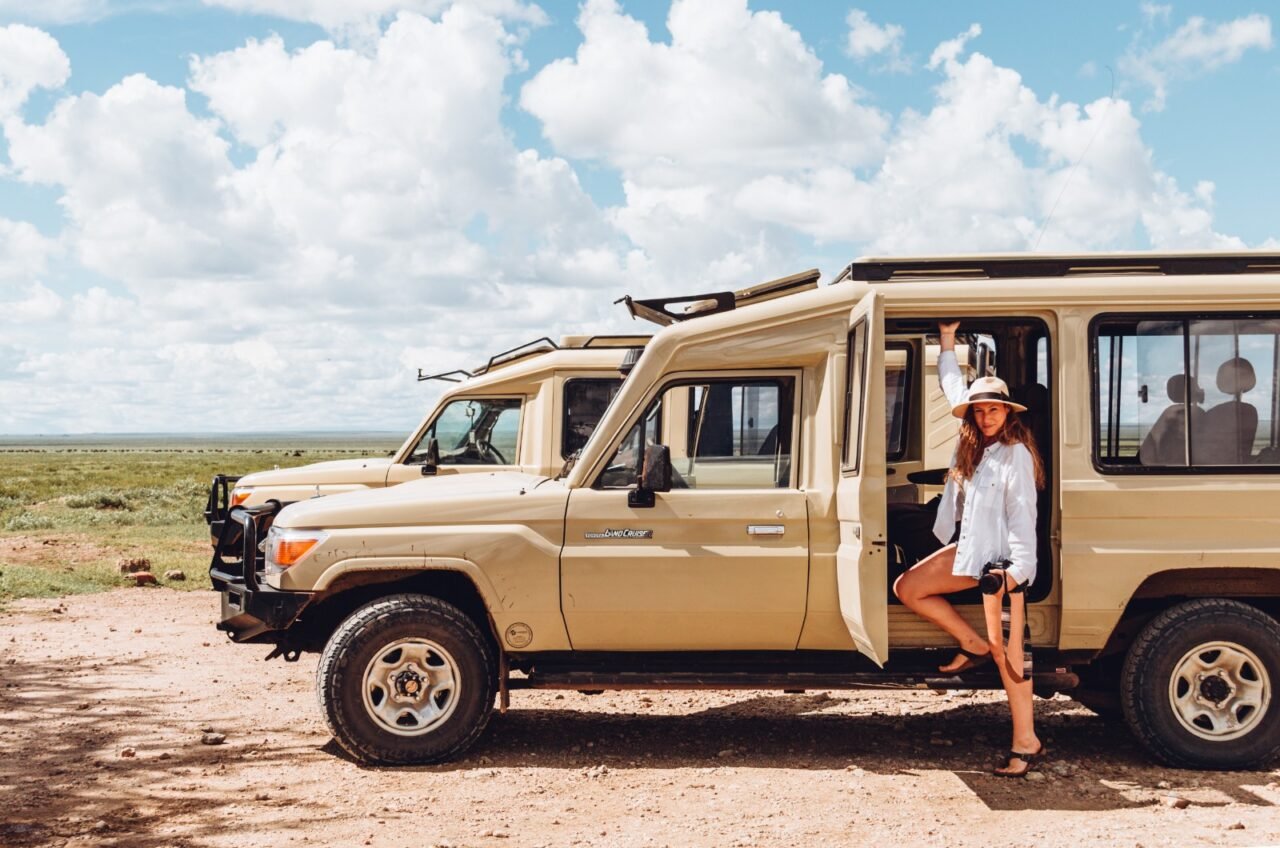

When planning a safari to Tanzania’s southern parks, the primary logistical challenge is often the distance between attractions. By choosing a structured group departure for late November 2026, you bypass the need to coordinate complex private logistics, allowing you to focus on the transition from the open plains of Mikumi to the lush, mountainous biodiversity of Udzungwa. This specific departure date falls during a period when the landscape is typically beginning its transition toward the main rainy season, offering a unique opportunity to see the parks before they become overly saturated.
Why Choose the Southern Circuit for Your 2026 Safari?
While the Northern Circuit (Serengeti and Ngorongoro) is globally famous, the Southern Circuit—specifically Mikumi and Udzungwa—offers a distinct, quieter experience. For travelers arriving in Dar es Salaam, this route is significantly more accessible than the long drive or domestic flight required to reach Arusha. The Nov 24, 2026 group joining option is designed to maximize your time in the field by utilizing a set itinerary that eliminates the downtime often associated with private tour planning.
Mikumi National Park is often referred to as the “mini-Serengeti” due to its expansive Mkata Floodplain, which supports a high density of game. It is one of the most reliable places in Tanzania to spot elephants, lions, and giraffes without the heavy vehicle congestion found in more northern parks. Following your time in the savanna, the shift to Udzungwa Mountains National Park provides a complete contrast. This is not a traditional “drive-through” safari park; it is a hiker’s park. The Udzungwa ecosystem is one of the most important biodiversity hotspots in Africa, famous for its endemic primates and the stunning Sanje Waterfalls.
Detailed Itinerary Expectations
While specific lodging and exact timing can shift based on group size and park regulations at the time of your 2026 travel, a standard 3-day itinerary for this route generally follows this logical progression. If you are interested in these specific dates, please reach out to our team via WhatsApp at +255 747 477 898 or email us at climb4africa@gmail.com to confirm the current group roster.
Day 1: Departure from Dar es Salaam to Mikumi
Your journey begins with an early departure from Dar es Salaam. The drive to Mikumi takes approximately 5 to 6 hours, depending on traffic conditions exiting the city. Upon arrival, you will enter the park for an afternoon game drive. The Mkata Floodplain is the central feature here, where you are likely to see herds of buffalo, zebras, and impalas. Your overnight stay will be at a lodge or tented camp near the park boundary, allowing you to hear the sounds of the African bush at night.
Day 2: Morning in Mikumi, Afternoon Transit to Udzungwa
We start with a sunrise game drive, which is the optimal time for predator activity. Lions and leopards are often more active in the cooler morning hours. After lunch, the group will depart Mikumi and head toward the Udzungwa Mountains. This transition is scenic, moving from the dry plains into the lush, mountainous foothills of the Eastern Arc Mountains. You will arrive in the late afternoon, with time to prepare for the next day’s hike.
Day 3: Udzungwa Mountain Hiking and Return
The final day is dedicated to the Udzungwa Mountains. Unlike Mikumi, this is a walking safari. You will trek to the Sanje Waterfalls, a spectacular three-stage drop that cascades into the rainforest canopy. The hike provides opportunities to spot rare primates, such as the Udzungwa red colobus and the Sanje crested mangabey, both of which are endemic to this area. After the hike and a picnic lunch, the group will begin the drive back to Dar es Salaam, arriving in the evening.
Logistics and Travel Planning for November 2026
Traveling in late November requires a bit of flexibility. In Tanzania, this is the beginning of the “short rains” season (vuli). While these rains are typically brief afternoon showers, they can affect road conditions, especially in the more remote mountainous areas. Our group tours are planned with vehicles capable of handling these conditions, but it is important to pack appropriately. Lightweight, moisture-wicking clothing is essential, along with a waterproof jacket for the Udzungwa hike.
For those joining the Nov 24, 2026 departure, we recommend arriving in Dar es Salaam at least one day prior to the tour start date. This buffers against any potential flight delays and ensures you are rested for the early departure on the 24th. If you need assistance with airport transfers or pre-safari accommodation in Dar es Salaam, let our team know when you contact us.
What is Included in a Group Joining Safari?
When you book a spot on our group departure, you are purchasing a shared service package. This typically includes:
- Transportation: A 4×4 safari vehicle with a pop-up roof for optimal viewing, shared with other travelers.
- Guide Services: An experienced, English-speaking driver-guide who knows both the wildlife patterns of Mikumi and the trail systems of Udzungwa.
- Park Fees: All entry fees for Mikumi National Park and Udzungwa Mountains National Park.
- Accommodation: Pre-booked shared lodging (usually twin or double rooms).
- Meals: Full board (breakfast, lunch, and dinner) starting from lunch on Day 1 to lunch on Day 3.
- Drinking Water: Bottled water provided in the safari vehicle throughout the trip.
Items generally excluded are international flights, visa fees, travel insurance, tips for your guide and lodge staff, and personal items like alcohol or souvenirs. Always confirm the final inclusions list with your booking confirmation, as specific package details can evolve.
Comparing Group Joining vs. Private Safaris
The main decision for most travelers is whether to join a group or book a private safari. For the Nov 24, 2026 date, the group joining option is significantly more economical because the costs of the vehicle, fuel, and guide are split among the group members. This is ideal for solo travelers, couples, or small groups of friends who want to minimize costs without sacrificing the quality of the experience.
A private safari, conversely, offers total control over your schedule. You can decide exactly how long you want to spend at a specific waterhole in Mikumi or how fast you want to hike the trail in Udzungwa. If you have specific photographic interests or mobility concerns, a private tour might be a better fit. However, for the standard 3-day Mikumi and Udzungwa route, the shared itinerary is highly efficient and covers all the major highlights effectively.
Preparing for the Udzungwa Hike
The Udzungwa Mountains are part of the Eastern Arc range, known for their ancient, high-biodiversity rainforests. The hike to Sanje Waterfalls is moderately challenging. You do not need to be an expert mountaineer, but you should be in reasonable physical condition. The trail can be steep and slippery, particularly if there has been recent rain.
We advise guests to bring sturdy hiking boots or shoes with good grip. Leave your heavy camera gear in the vehicle if you prefer, but bring a small daypack for water and a rain shell. The guide will set a pace that accommodates the group, but remember that the goal is to enjoy the unique flora and fauna, not to race to the top. This is one of the few places in Tanzania where you can truly experience the forest environment on foot, a stark contrast to the vehicle-bound experience of the savanna.
Booking Your Place on the November 24 Departure
Group departures are limited by vehicle capacity, so we recommend securing your spot well in advance, especially for late-year travel dates. To get started, send an email to climb4africa@gmail.com or reach out via WhatsApp at +255 747 477 898. Please include the following details to help us provide you with the most accurate information:
- The exact number of travelers in your party.
- Any dietary restrictions or specific accommodation preferences.
- Whether you require assistance with airport pickup in Dar es Salaam on the day before the safari.
Once you reach out, our team will confirm the availability for the Nov 24, 2026, date and guide you through the deposit process. We keep our group sizes manageable to ensure that every participant gets a clear view from the vehicle and personalized attention from the guide. We look forward to helping you explore the Southern Circuit.
For those interested in other safari options or combining this trip with a climb or a beach stay in Zanzibar, check out our full list of group departures to see how this 3-day adventure fits into a broader Tanzanian itinerary. Whether you are looking for a short wildlife break or a multi-week expedition, our team at Climb 4 Africa is here to provide the logistical support you need for a successful 2026 journey.
Understanding the Wildlife Dynamics of the Southern Circuit in November
For travelers embarking on the November 24th departure, understanding the ecological shift occurring in the Southern Circuit is essential for managing expectations. November marks the arrival of the vuli, or short rains. This period is fundamentally different from the peak dry season, transforming both the savanna of Mikumi and the rainforests of Udzungwa into a more vibrant, active landscape. While many safari-goers fixate on the dry season for its ease of spotting wildlife around waterholes, the late-November transition offers a compelling alternative: the return of greenery, the arrival of migratory birds, and the birth of a new cycle of life for many ungulate species.
The Mikumi Savanna: Transitioning to the Green Season
In Mikumi National Park, the Mkata Floodplain serves as the primary theater for wildlife viewing. As the first rains of November begin to fall, the parched, golden grasslands of the dry season start to show a flush of emerald green. This shift is not merely aesthetic; it triggers a significant change in herbivore behavior. Species such as wildebeest, zebra, and impala disperse from the permanent waterholes, spreading out across the plains to graze on the new, nutrient-rich shoots of grass. For the visitor, this means you are less likely to see massive, static congregations of animals at a single water source, but you are more likely to see active, roaming herds across the landscape.
Predator visibility during this time requires a nuanced perspective. While some travelers fear that the returning grass will make lions or leopards harder to spot, the reality in Mikumi is that the grass remains relatively short during the initial phase of the short rains. Furthermore, the increased prey movement keeps predators active. Lions are frequently observed near the roadside or on the termite mounds that dot the floodplain, as they use these elevated positions to survey the dispersing herds. It is also an excellent time to witness the behavior of smaller predators and scavengers, such as jackals and hyenas, which become more active as the insect population surges and the ecosystem reawakens.
Udzungwa Mountains: Rainforest Ecology and Primate Tracking
The Udzungwa Mountains National Park offers a starkly different experience. As part of the Eastern Arc Mountains, this park is defined by its ancient, high-biodiversity rainforests, often compared to the Galapagos Islands due to the high number of endemic species. In November, the forest is at its most lush. The short rains ensure that the waterfalls, including the iconic Sanje Falls, are flowing with vigor. While the dry season might reduce some waterfalls to a trickle, the November rains restore them to their full, thunderous volume, creating a mist-filled environment that is essential for the park’s unique flora.
For those interested in primatology, November is a productive time for tracking. The Udzungwa Red Colobus and the Sanje Mangabey—both of which are endemic to these mountains—are often more vocal and active in the canopy during the cooler, more humid days following a rainfall. The moisture in the forest floor also brings out a variety of amphibians and invertebrates, which in turn supports a richer bird population. Because this is a walking safari, the rain adds a layer of challenge to the hike, but it also reveals the forest in its most authentic state. You will notice the rich, earthy scent of the rainforest and the vibrant colors of the flowering plants that are dormant during the drier months.
Avian Activity and Botanical Highlights
November is a peak time for bird enthusiasts visiting the Southern Circuit. Tanzania lies on a major flyway for Palearctic migrants, and by late November, many species that have traveled from Europe and Asia are settling into the region. In Mikumi, you may spot migratory raptors such as the Steppe Eagle or the Montagu’s Harrier, which join the resident species like the Lilac-breasted Roller and various kingfishers. The combination of resident birds—which are often in breeding plumage due to the start of the rains—and the arriving migrants makes for a high-density birding experience that is often overlooked in favor of the more famous Northern Circuit locations.
Botanically, the Southern Circuit in late November is a study in resilience and renewal. In the Udzungwa forests, you will see a variety of epiphytes, orchids, and ferns that thrive in the increased humidity. The forest floor becomes a carpet of activity, with fungi appearing on decaying logs and mosses turning a deep, vivid green. This is not just a background for your hike; it is an integral part of the biodiversity that makes the Eastern Arc range a globally recognized conservation priority. Whether you are a casual observer or a dedicated nature photographer, the late-November landscape provides a texture and depth of color that is simply not present during the arid months of August or September.
Navigating Cultural Interactions and Local Communities Near the Parks
While the primary focus of your November safari will undoubtedly be the wildlife of Mikumi and the biodiversity of the Udzungwa Mountains, the route between these two destinations offers a unique, albeit brief, opportunity to engage with local communities. Unlike the more commercialized corridors near the Northern Circuit, the road connecting Mikumi to the Udzungwa base at Mang’ula passes through several rural villages where the pace of life remains tied to agricultural cycles. Understanding how to navigate these interactions respectfully enhances the depth of your travel experience beyond the safari vehicle.
As you transit between the savanna and the rainforest, you will pass through small settlements where the primary economy is based on subsistence farming, particularly the cultivation of maize, rice, and sugar cane. In November, these fields are often at their most active stage, with farmers preparing the soil or tending to young crops following the initial rains. It is common for travelers to see roadside markets displaying seasonal produce. If your guide makes a brief stop for supplies or fuel, you may have the chance to observe these markets. When interacting with local residents, a polite approach is essential. Always ask your guide for permission before taking photographs of individuals or their homes; this is not only a matter of basic etiquette but a way to ensure that your presence does not disrupt the daily activities of the community.
The Udzungwa region, in particular, has a complex relationship with the national park. The park boundaries are often adjacent to village lands, and conservation efforts are heavily dependent on the cooperation of these local communities. Many of the rangers and guides you will meet in the Udzungwa Mountains are residents of the surrounding villages. Engaging with them about their work—which often involves balancing the protection of endemic primate species with the agricultural needs of their families—can provide a fascinating perspective on modern conservation challenges in Tanzania. They are often proud to share stories about the mountains that have been a part of their heritage for generations.
Furthermore, be mindful of the “leave no trace” principle, which extends beyond the national park boundaries into the villages you transit. While the temptation to hand out gifts, sweets, or money to children along the roadside can be strong, it is widely discouraged by local authorities and tour operators. This practice can create dependency, disrupt school attendance, and alter the natural social dynamics of these villages. If you wish to contribute to the local economy or support community development, the most effective way is to purchase locally made crafts or produce from established market stalls. Supporting these small-scale entrepreneurs ensures that your tourism dollars have a direct, positive impact on the people who live in the shadow of these magnificent parks.
Practical Considerations for Roadside Stops
- Market Etiquette: When browsing roadside stalls for fruit or local goods, keep your interactions brief and friendly. A simple “habari” (hello) goes a long way.
- Photography: Always prioritize the dignity of the local people. Never photograph children or individuals without explicit, verbal consent.
- Waste Management: Do not discard trash, including plastic bottles or food wrappers, while in transit. Keep all waste inside the vehicle until you reach a designated disposal point at your lodge or the park entrance.
- Guides as Intermediaries: Your driver-guide is your primary bridge to the local culture. If you are curious about a specific village, crop, or custom, ask your guide. They are often eager to explain the agricultural significance of the landscapes you are traversing.
Gear and Health Strategy: Bridging the Savanna-Rainforest Divide
Planning for a 3-day safari that combines the open, arid plains of Mikumi National Park with the dense, high-altitude rainforest of the Udzungwa Mountains requires a nuanced approach to gear. Because these two ecosystems present radically different challenges, your packing list must be versatile rather than bulky. The transition from the savanna to the rainforest is not just a change in landscape; it is a shift in temperature, humidity, and insect prevalence, all of which necessitate specific preparations.
The Clothing Dilemma: Savanna Heat vs. Rainforest Humidity
In Mikumi, the primary environmental challenge is heat and dust. The Mkata Floodplain is exposed, and daytime temperatures can climb significantly, even in the milder months of November. Your clothing here should be breathable, lightweight, and loose-fitting. Cotton is comfortable, but synthetic, moisture-wicking fabrics are superior for managing sweat during long hours in a 4×4 vehicle. However, you must also account for the tsetse fly, which is a notorious inhabitant of the Southern Circuit. Unlike mosquitoes, tsetse flies are attracted to dark colors, particularly blue and black. For your time in Mikumi, prioritize khaki, tan, olive, or light gray clothing. Avoid dark colors entirely, and ensure your sleeves and pant legs are long enough to provide a barrier against bites.
Conversely, the Udzungwa Mountains demand a different strategy. As you ascend into the rainforest, the temperature drops, and the humidity spikes. The undergrowth can be dense, and trails are often slippery. Here, moisture-wicking capability becomes critical, but you must also prioritize quick-drying fabrics. If you get caught in a sudden afternoon shower—common during the November transition—heavy denim or thick cotton will remain wet for hours, leading to chafing and discomfort. Long trousers are essential in Udzungwa, not just for protection against the sun, but to guard against stinging plants, sharp grasses, and leeches in the humid forest floor.
Footwear Requirements
Many travelers make the mistake of bringing only one pair of shoes for the entire 3-day trip. While you might be tempted to wear heavy hiking boots during the game drives in Mikumi, they are often overkill and can be uncomfortable during long periods of sitting in a safari vehicle. A comfortable pair of walking shoes or trail runners is usually sufficient for Mikumi. However, for the Udzungwa hike, specialized footwear is non-negotiable. The trail to Sanje Waterfalls involves steep, uneven terrain, exposed roots, and potentially muddy paths. You need boots with aggressive tread patterns for traction and ankle support to prevent injury. If you are traveling with limited luggage, ensure your primary hiking boots are broken in before you arrive; the Udzungwa hike is not the place to discover that your new boots cause blisters.
Protecting Sensitive Equipment
The Southern Circuit presents a unique challenge for photographers and videographers: the duality of dust and moisture. In Mikumi, the dry season’s lingering effects mean the roads are often covered in fine, powdery silt. Every time a vehicle passes, this dust becomes airborne and can easily infiltrate camera bodies, lenses, and sensor compartments. If you are bringing a DSLR or mirrorless camera, carry a dedicated dust cover or a simple microfibre cloth to wipe down your equipment after every game drive. Never leave lenses exposed in the vehicle while driving between locations.
Once you reach Udzungwa, the threat shifts from dust to humidity. Rainforest environments are notoriously harsh on electronics. Moisture can seep into lens elements, causing internal fogging or, in extreme cases, fungus growth. When moving from the air-conditioned interior of a vehicle or lodge into the humid forest, allow your camera gear a few minutes to acclimate to the ambient temperature to prevent condensation. Carrying silica gel packets in your camera bag is a highly effective, low-tech solution to absorb excess moisture during your time in the mountains.
Health and Hygiene Considerations
The Southern Circuit is a malaria-endemic region. While your risk is lower in the higher altitudes of Udzungwa, it remains a constant factor in Mikumi. Consult your physician well in advance of your November 2026 departure regarding appropriate malaria prophylaxis. Beyond medication, personal protection is your first line of defense. Use a high-DEET insect repellent, particularly in the late afternoon and early morning when insects are most active. Because you will be transitioning between two distinct microclimates, your skin may react differently to the elements; pack a high-SPF sunscreen for the exposed plains of Mikumi and a gentle, unscented moisturizer for the potentially drying effects of the mountain air.
Hydration is the most overlooked aspect of this 3-day itinerary. The combination of heat in Mikumi and physical exertion in Udzungwa can lead to rapid dehydration. Do not rely solely on the bottled water provided in the safari vehicle. Carry a reusable water bottle or a hydration bladder that you can refill at your lodge. If you are prone to electrolyte imbalances, consider bringing electrolyte replacement tablets to add to your water during the Udzungwa hike. This simple addition can significantly improve your stamina and recovery time, ensuring you remain energized for the entire journey.
Navigating the Social and Culinary Dynamics of Group Safaris
Embarking on a group joining safari to the Southern Circuit for the November 24, 2026, departure requires more than just physical preparation; it necessitates a degree of social and logistical awareness. Unlike private travel, where you dictate the pace and personal preferences, a group safari operates on a shared rhythm. Understanding how to navigate the social dynamics of a shared vehicle and the realities of remote dining will significantly enhance the quality of your experience.
Maintaining Harmony in a Shared 4×4 Environment
The safari vehicle is your primary environment for the majority of this three-day journey. Because you will be in close proximity to fellow travelers for several hours each day, especially during the long transit from Dar es Salaam to Mikumi, setting unspoken boundaries is key to a frictionless trip. The most common point of friction in group safaris is the rotation of seating. While most reputable operators will facilitate a fair rotation system—ensuring everyone gets a turn at the window or the front seat—it is helpful to clarify this with your guide on the first morning. If you are prone to motion sickness, communicate this early so the group can accommodate your need for a front-row seat without confusion.
Furthermore, consider the “acoustic environment” of the vehicle. While the drive offers time for conversation, it is also a time for observation. Be mindful of excessive phone usage, loud music, or constant chatter that might distract from the primary goal of wildlife spotting. In the open savanna of Mikumi, wildlife can appear unexpectedly; silence is often the best strategy for spotting camouflaged predators or shy antelope. Additionally, be cognizant of the pop-up roof etiquette. When the vehicle stops for game viewing, the roof is raised to allow everyone to stand and photograph. Ensure you are not blocking others or lingering too long in the best viewing position. A simple “mindful rotation”—where you step back after a few minutes to let someone else take the prime spot—is the hallmark of an experienced safari traveler.
Managing Dietary Requirements and Remote Dining Logistics
Dining on the Southern Circuit, particularly in the more remote areas near Udzungwa, is a logistical operation that differs significantly from urban dining. While lodges and camps are accustomed to international guests, they operate within the constraints of rural supply chains. If you have strict dietary requirements—such as severe allergies, strict veganism, or specific gluten-free needs—it is imperative that you communicate these to your tour operator at the time of booking, not upon arrival. Kitchens in these remote locations often rely on daily deliveries or pre-planned menus; requesting specialized ingredients on the day of your arrival is frequently impossible.
Typically, meals on this 3-day itinerary will follow a standard “safari buffet” format, focusing on hearty, energy-dense foods suitable for travelers who have spent the day in the sun or hiking. You can expect a mix of Tanzanian staples, such as rice, ugali (maize porridge), seasonal vegetables, and grilled meats, alongside continental options like pasta or soup. If you are a vegetarian, you will find ample options, as local cuisine is naturally vegetable-heavy. However, if you are a vegan or have a highly specific allergy, it is a prudent strategy to bring supplementary snacks from Dar es Salaam. Energy bars, nuts, dried fruit, and protein powders are excellent additions to your luggage. These not only provide a safety net for your dietary needs but also serve as vital energy boosts during the physical exertion of the Udzungwa mountain trek, where lunch might be a packed meal consumed on the trail.
Finally, remember that the pace of service in rural Tanzania is intentionally slower than in the city. Embrace the “pole pole” (slowly, slowly) philosophy. Rushing the kitchen staff or expecting rapid-fire service can create unnecessary tension. Use meal times as an opportunity to debrief the day’s sightings with your group and your guide. The guide is often the best source of information regarding the next day’s route and wildlife expectations; engaging them during dinner is a productive way to prepare for the following morning’s early start.
Post-Safari Transitions: Returning to Dar es Salaam and Onward Travel
The conclusion of your 3-day Southern Circuit safari is not merely the end of a trip; it is a logistical pivot point. Most group joining safaris for this route operate on a return-to-origin basis, meaning you will be driven back to Dar es Salaam on the evening of your third day. Because this drive can be affected by the same traffic patterns and seasonal road conditions discussed earlier, managing your onward travel plans requires careful foresight. Arriving back in Dar es Salaam after dark is common, and you should factor this into your post-safari itinerary.
If you have an international flight departing late on the evening of your third day, it is critical to communicate this to your tour operator well in advance. While drivers will make every effort to return to the city in a timely manner, the unpredictable nature of the Tanzam Highway—often referred to as the T1—means that arrival times can fluctuate by several hours. In the event of heavy rainfall in late November, the transit speed decreases significantly. Booking an international flight for the same night you return from Udzungwa is a high-risk strategy that is generally discouraged by experienced operators.
Extending Your Stay: The Coast vs. The City
Many travelers use the return to Dar es Salaam as a jumping-off point for further exploration. If you have additional time, you face a choice between the bustling urban environment of the city or the coastal retreats just beyond it. Staying in Dar es Salaam allows for easier access to the airport, but the city itself can be intense for travelers who have just spent three days in the quiet of the bush and the mountains. Alternatively, many travelers choose to take a ferry to Zanzibar or head north to Bagamoyo for a more relaxed transition back into civilization.
If you choose to head to the coast, consider that the ferry terminals in Dar es Salaam are located in the city center, which is often the point of arrival for your safari vehicle. Coordinating your transfer from the safari drop-off point to the ferry terminal is a detail that should be handled before your safari begins. If you are planning to fly out of Julius Nyerere International Airport (DAR) the following morning, booking a hotel in the vicinity of the airport is a strategic move that saves you from navigating the notoriously congested Dar es Salaam traffic during the morning rush hour.
Managing the Post-Safari “Decompression”
The psychological shift from the in-depth, high-sensory environment of a safari to the urban sprawl of Dar es Salaam can be jarring. You will have spent 72 hours surrounded by the sounds of the savanna and the rustle of the rainforest, often without reliable cellular reception or constant internet access. This sensory “detox” is a core part of the safari experience, but it requires a buffer period. Do not schedule high-stress activities or complex meetings immediately upon your return. Allow yourself an evening to organize your photos, clean your gear of the ubiquitous red dust of Mikumi, and process the experience before diving back into the pace of modern life.
Furthermore, the physical fatigue of the Udzungwa hike may not fully manifest until you are sitting still for the long drive back. Staying hydrated during the return leg is just as important as it was during the trek itself. Many travelers find that the temperature change—from the cool, humid mountain air back to the hot, humid coastal climate—can be physically draining. Prepare a small “transition kit” in your daypack, including a change of fresh clothes for the drive back, wet wipes for a quick refresh, and sufficient water to see you through the final transit.
The Economic and Social Impact of Your Visit
Your presence on this November 24, 2026, departure contributes directly to the conservation and local economy of the Southern Circuit. Unlike the more heavily trafficked Northern Circuit, the Southern Circuit relies on a smaller volume of visitors to sustain its conservation efforts. By choosing this route, you are supporting the protection of the Eastern Arc Mountains—a global biodiversity hotspot—and the continued operation of Mikumi National Park as a vital wildlife corridor.
Beyond the direct park fees, your safari supports the livelihoods of guides, drivers, cooks, and lodge staff who live in the communities surrounding these parks. When you engage respectfully with these individuals, you are reinforcing the value of ecotourism as a sustainable alternative to extractive industries like logging or poaching. Understanding that your travel has a tangible impact can add a layer of depth to your experience, transforming it from a simple vacation into a meaningful contribution to Tanzanian conservation.
Navigating Connectivity and Financial Etiquette
For the traveler embarking on the November 24th group safari, managing the practical realities of digital connectivity and local financial customs is essential for a smooth experience. While the Southern Circuit is becoming increasingly integrated into the national tourism infrastructure, it remains a region where self-reliance and advance preparation pay dividends. Understanding how to handle your communication needs and gratuities will not only reduce stress but also improve your interactions with the local staff and your fellow travelers.
Communication and Digital Connectivity
Expectations regarding internet access should be tempered before leaving Dar es Salaam. While cellular coverage has expanded significantly across Tanzania, the Southern Circuit—specifically the stretches between Mikumi and the Udzungwa Mountains—features significant ‘dead zones’ in the low-lying valleys and dense forest tracks. If you require consistent connectivity for work or communication, relying solely on international roaming plans can be both expensive and unreliable. A local SIM card (such as Vodacom or Airtel) is widely considered the most effective solution for travelers. Vodacom, in particular, tends to have the most robust coverage in the Morogoro and Iringa regions, which encompass your transit route.
However, even with a local SIM, do not anticipate high-speed 4G or 5G data within the park boundaries. In the Mkata Floodplain of Mikumi, signal strength can fluctuate wildly depending on your proximity to the park’s administrative centers. Once you enter the Udzungwa Mountains, the topographical density of the Eastern Arc range often blocks cellular signals entirely. To prepare for this, download all necessary offline maps, travel documents, and entertainment before leaving your accommodation in Dar es Salaam. Inform your emergency contacts that you will be ‘off-grid’ for the duration of the 72-hour itinerary. This mindset shift is often the most effective way to enjoy the immersion of the Southern Circuit; the lack of constant digital noise allows for deeper engagement with the biodiversity surrounding you.
Cash Management and Currency Strategy
While some larger lodges and camps in the Southern Circuit accept digital payments or credit cards, the reality of remote travel is that cash remains the most reliable currency. Relying on card payments in rural areas can lead to complications, as internet outages can render point-of-sale terminals useless. You should carry a sufficient amount of Tanzanian Shillings (TZS) for your personal expenses, such as buying bottled water, snacks, or souvenirs at local markets during the transit between parks.
When obtaining currency, prioritize small denominations. In rural areas, change for large notes is often unavailable. Furthermore, if you plan to use US Dollars (which are widely accepted for larger services), ensure they are printed after 2009 and are in pristine condition—no tears, marks, or folds. Many local businesses in Tanzania will refuse older or damaged notes due to strict banking regulations regarding currency exchange. Having a mix of TZS for small daily costs and USD for larger, pre-agreed services provides the greatest flexibility.
Tipping Protocols for Group Joining Safaris
Tipping is a customary part of the safari experience in Tanzania, reflecting appreciation for the driver-guide’s expertise, safety management, and effort in navigating the Southern Circuit’s unique terrain. For group joining safaris, the question of how to handle gratuities often arises. Because you are traveling with others, it is common practice to discuss tipping as a group toward the end of the trip to ensure the contribution is equitable and comfortable for all participants. This avoids the awkwardness of one person tipping significantly more or less than others.
While there is no fixed ‘rule’ for tipping, standard industry practices suggest a daily amount per vehicle, rather than per person. It is advisable to carry a mix of small-denomination Tanzanian Shillings or US Dollars for this purpose. If you choose to tip the guide, doing so on the final day—either at the end of the Udzungwa hike or upon returning to the vehicle for the final transfer—is standard. If the group has had a particularly exceptional experience, a collective envelope is often the most harmonious way to manage the gesture. Remember that lodge staff (waiters, housekeepers) are separate from your safari guide; if you stay at a lodge, small individual tips for these staff members are also highly appreciated and should be handled separately from the guide’s gratuity. Keep these tips in small, separate envelopes or pockets to ensure you can distribute them discreetly and efficiently at the end of your stay.


Emergency Protocols and Evacuation Awareness
While the Southern Circuit is a popular tourist route, it is vital to acknowledge the reality of remote travel. Unlike the highly concentrated tourism zones of the Northern Circuit, where airstrips and private medical facilities are abundant, the corridor between Mikumi and Udzungwa relies on more localized infrastructure. Understanding your safety net before you depart on November 24, 2026, is a responsible component of your preparation.
In the event of a medical emergency or a serious mechanical failure, the primary line of defense is your driver-guide. These professionals are trained to handle the logistical demands of the bush, but their primary responsibility is to maintain communication with their base of operations in Dar es Salaam. Before the safari begins, ensure you have verified that your tour operator has an established emergency response plan. This typically involves a satellite-linked or radio-coordinated system, as cellular reception is inconsistent along the highway connecting the two parks.
For medical situations, travelers should carry comprehensive travel insurance that specifically includes medical evacuation coverage. In Tanzania, the standard for such emergencies is AMREF Flying Doctors, a service that provides air ambulance extraction from remote airstrips to well-equipped hospitals in Dar es Salaam or Nairobi. Ensure your policy covers the specific region of the Southern Circuit. Keep a digital and physical copy of your insurance policy number, the 24/7 emergency contact number for your insurer, and your tour operator’s emergency contact stored separately from your main luggage. It is also advisable to share your itinerary and these contact details with a trusted contact back home.
Regarding minor health issues, your safari vehicle will carry a standard first-aid kit, but it is not a substitute for your own personal medical supplies. Because you are traveling in a group, it is helpful to inform your guide privately of any underlying medical conditions—such as severe allergies or asthma—before you leave Dar es Salaam. This allows the guide to make informed decisions if a situation arises where immediate professional medical care is not physically accessible. Awareness of these protocols ensures that if an unforeseen event occurs, you remain calm and your guide can act with the necessary authority and speed.
The Role of the Driver-Guide in Group Joining Safaris
On a 3-day group joining safari to Mikumi and Udzungwa, your driver-guide is the single most significant factor influencing the quality of your experience. Unlike private safaris where the itinerary is tailored to your specific whims, a group joining departure relies on the guide’s ability to balance the collective interests of the passengers with the logistical realities of the Southern Circuit. Recognizing the multifaceted role your guide plays—as a navigator, mechanic, ecological interpreter, and mediator—is essential for a successful journey.
Bridging the Gap Between Expectations and Reality
Travelers often arrive with pre-conceived notions of wildlife sightings, particularly regarding the density of game in Mikumi compared to the Northern Circuit. A skilled driver-guide acts as a vital bridge, managing these expectations throughout the trip. In the Southern Circuit, wildlife viewing is often more about patience and subtle observation than the high-speed chases sometimes depicted in media. Your guide will interpret the landscape, pointing out the signs of movement that a casual observer might miss, such as the behavior of impala herds or the alarm calls of vervet monkeys that suggest a predator is nearby.
When the group’s expectations veer toward the unrealistic—such as demanding to see a specific, rare animal immediately—the guide is the professional who redirects the focus toward the broader ecosystem. They know the terrain intimately, including the “hot spots” where animals congregate during the November transition. Trusting their judgment, even when they decide to move the vehicle away from a crowded sighting or towards a quieter area of the Mkata Floodplain, is key to maximizing your actual encounter time.
The Guide as an Ecological Interpreter
While the driver-guide is responsible for the mechanical safety of your 4×4, their secondary role as an educator is what elevates the safari from a mere transit exercise to an in-depth educational experience. This is especially true when transitioning from the savanna of Mikumi to the rainforest of the Udzungwa Mountains. These two ecosystems are vastly different, and a competent guide will explain the ecological shifts you are witnessing.
In Mikumi, they provide context on the Mkata Floodplain’s reliance on the rainy season and the migratory patterns of the species found there. Upon reaching Udzungwa, their role shifts to that of a mountain guide or a coordinator with local park rangers. They can help identify the endemic flora and fauna of the Eastern Arc Mountains, explaining why this specific range is often called the “Galapagos of Africa.” By asking thoughtful, open-ended questions about the environment, you encourage your guide to share their expertise, which transforms the drive from a silent transit into a guided lecture on Tanzanian biodiversity.
Navigating Group Decision-Making
One of the more nuanced aspects of a group joining safari is the democratic nature of the vehicle. When the group has to make a choice—such as how long to spend at a specific viewpoint or when to stop for lunch—the guide acts as the impartial arbiter. They are trained to facilitate these decisions, ensuring that no single traveler dominates the itinerary. If you find yourself in a group with conflicting interests, the guide is your best resource for finding a compromise that satisfies everyone without compromising the schedule.
To support this, maintain a professional and communicative relationship with your guide from the moment you depart Dar es Salaam. If you have a specific interest, such as birdwatching or photography, mention it early in the trip. While the guide must cater to the group as a whole, they can often integrate minor stops or adjustments that accommodate specific interests without inconveniencing others. Respecting their authority regarding safety protocols, timing, and park regulations is the foundation of a smooth, professional partnership that lasts the duration of your three-day journey.
Professional Etiquette and Communication
Effective communication is a two-way street. Your guide is managing the vehicle, the fuel, the park permits, and the safety of the group. Avoid “micromanaging” their route or the vehicle’s speed, as they are professionals operating under strict time constraints to ensure you reach your next destination before dark. If you notice a mechanical issue or a safety concern, communicate it calmly and directly. Similarly, if you are struggling with the heat or need a comfort break, inform the guide privately rather than bringing it up in a way that disrupts the group’s flow. By treating your guide as a partner in your adventure rather than just a service provider, you foster a collaborative environment that makes the entire group experience more enjoyable and productive.
Navigating Hidden Logistics and Exclusions in Group Joining Safaris
While the marketing for a November 24, 2026, group joining safari often presents a flat, all-inclusive price, the reality of the Southern Circuit requires a more granular understanding of what is—and is not—covered. A common point of friction for travelers is the distinction between ‘safari costs’ and ‘personal expenses.’ In the context of this specific 3-day itinerary, verify whether your quoted price accounts for the difference between resident and non-resident park entry fees. In Tanzania, these fees are distinct; if you book a ‘budget’ group package, ensure the operator has not misclassified your residency status, as you will be held liable for the difference at the park gate, which can be a significant, unexpected expense.
Furthermore, ‘all-inclusive’ in the Southern Circuit rarely extends to beverages beyond bottled water. While meals are typically provided at the lodge or camp, soft drinks, alcohol, and specialty coffees are almost always ‘extras’ settled at the time of checkout. Because you are traveling in a group, these individual bar tabs can create logistical bottlenecks during the morning departure on Day 2 or Day 3. To maintain group harmony, clarify with your operator beforehand whether the group will settle individual tabs or if you should be prepared to handle these costs independently in cash. Additionally, be aware that laundry services are rarely included in short-stay group packages; if you are packing light for the humidity of the Udzungwa rainforest, plan to hand-wash and air-dry your essential base layers rather than relying on lodge laundry services, which often have a 24-hour turnaround time incompatible with a 3-day itinerary.
Vetting the 4×4: Quality Control for Your Transit
For a 3-day itinerary that involves approximately 10 to 12 hours of total driving time between Dar es Salaam, Mikumi, and Udzungwa, the safari vehicle is your most critical asset. Do not assume all ‘4×4 safari vehicles’ are equal. When vetting your operator for the November 24 departure, specifically request confirmation of the vehicle type. You are looking for a modified Land Cruiser or Land Rover, not a converted minibus, which is sometimes used by lower-tier operators to reduce costs. Minibuses often lack the ground clearance required for the potentially muddy tracks of the Mkata Floodplain during the early onset of the short rains in late November.
Beyond the chassis, demand specific details about the vehicle’s amenities. A pop-up roof is non-negotiable for the Mikumi game drives; if the vehicle lacks this, your ability to photograph wildlife or observe the savanna effectively will be severely diminished. Ask about the status of charging ports. In 2026, many operators have upgraded to in-vehicle USB and AC power points, but on older fleet vehicles, these may be non-functional. If you are relying on cameras and mobile devices for navigation or documentation, bring a reliable, high-capacity power bank as a fail-safe. Finally, inquire about the seating configuration. A standard 4×4 safari vehicle typically seats 5 to 7 passengers. For a comfortable 3-day journey, ensure that the operator limits the group size to maximize window seats. If you are told the vehicle will be filled to maximum capacity, expect a cramped experience that will significantly limit your movement and comfort during the long transit stretches from Dar es Salaam.
Pre-Safari Orientation: The Dar es Salaam Staging Phase
For a group joining safari departing on November 24, 2026, the success of your three-day journey is often determined before you even board the 4×4. The “staging phase”—the 24 hours preceding your departure—is a critical window where logistical vulnerabilities can be mitigated. Unlike private safaris, where a delayed start simply means a later arrival at your first destination, a group joining safari operates on a fixed schedule. When you are one of several passengers, your individual readiness directly impacts the collective experience and the driver-guide’s ability to adhere to the park permit timings.
The primary logistical challenge in Dar es Salaam is the city’s complex traffic infrastructure. As the primary transit hub for the Southern Circuit, Dar es Salaam experiences significant congestion, particularly during the morning rush hour. If your group joining safari is scheduled for an early morning departure—which is standard practice to maximize time in Mikumi—you are effectively racing against the city’s waking hours. Failure to account for this can result in a delayed departure, which cascades into arriving at the Mkata Floodplain during the heat of the day, when wildlife activity is typically at its lowest.
Strategic Accommodation Selection
When selecting your accommodation for the night of November 23, consider the departure route of your safari operator. Many travelers default to hotels in the city center or near the ferry terminals, which are often the most congested areas. If your safari is heading toward the Morogoro Road corridor—the main artery leading to Mikumi—staying in a hotel located on the western outskirts of the city can save you one to two hours of gridlock on the morning of the 24th. This strategic positioning allows you to bypass the central traffic bottlenecks and join the highway with minimal delay. When booking, ask your safari operator specifically where the vehicle will be routing out of the city and choose a property that sits along or near that exit path.
The ‘Night Before’ Protocol: A Final Audit
The evening before your departure should be dedicated to a final, structured audit of your gear and documentation. This is not the time to be repacking your main luggage; it is the time to consolidate your ‘safari day-pack.’ Because space in a shared 4×4 is limited, you should have already separated what you need for the three-day trip from the items you will leave in storage at your hotel in Dar es Salaam. Confirm that your passport (or a copy, if required by the operator for park entry) is easily accessible, along with your cash reserves for tips and personal expenses.
Furthermore, ensure that all electronic devices are fully charged and that you have downloaded any offline maps or content you might need. While cellular connectivity is generally available, relying on it for navigation or communication during the long transit stretches is a gamble. Having your operator’s direct contact number saved in your phone and physically written down in your notebook is a vital safety measure. If you wake up on the morning of the 24th and the driver is not at the designated meeting point, having a hard copy of their contact information ensures you can resolve the issue immediately without scrambling to find booking emails or digital vouchers.
The Morning-Of Coordination
On the morning of November 24, discipline is your best asset. Group joining safaris often involve a multi-stop pickup process, where the driver collects passengers from different hotels. Your role as a participant is to be at the designated lobby or pickup point at least 15 minutes before the scheduled time. If you are the first or second pickup, you may have a longer wait in the vehicle; if you are the final pickup, your punctuality is the difference between an on-time departure and a delayed start for the entire group.
Use the waiting time to observe the vehicle’s loading process. Ensure that your luggage is securely stowed in the rear or on the roof rack, as per the guide’s instructions, and verify that your essential day-pack remains with you in the cabin. This is also the moment to introduce yourself to your fellow travelers. Establishing a rapport early in the morning—before the long drive to Mikumi—sets a positive tone for the shared environment you will inhabit for the next 72 hours. By managing these pre-departure logistics with precision, you shift the focus from the stress of travel to the anticipation of the savanna and rainforest experiences that lie ahead.
Maximizing Game Viewing Efficiency in a Shared Vehicle
In a group joining safari, the 4×4 vehicle is not merely your mode of transport; it is your mobile observation deck. Because you are sharing this space with travelers who may have varying levels of experience, physical mobility, or photographic ambition, the success of your game viewing sessions in Mikumi and the subsequent transit to Udzungwa depends heavily on how the group manages the interior dynamics of the vehicle. Unlike a private safari, where you can dictate the stopping duration or the vehicle’s position, a group environment requires a synchronized approach to observation to ensure everyone gets a quality viewing experience without infringing on the rights of others.
The Seating Rotation Strategy
The most common source of friction in a shared 4×4 is the allocation of ‘prime’ seating. While it is tempting to claim a window seat and remain there for the duration of the three-day trip, this often leads to resentment if one side of the vehicle consistently misses out on sightings. To mitigate this, establish a informal rotation schedule on the morning of November 24th. Typically, these vehicles feature three rows of passenger seating. A fair rotation involves shifting seats every time the vehicle stops for a significant wildlife sighting or at the start of each new game drive session. This ensures that everyone has equal access to both the left and right sides of the vehicle, which is crucial in Mikumi, where wildlife can appear unpredictably from either the dense bush or the open Mkata floodplains.
Implementing the ‘Clock Method’ for Spotting
When you are in a vehicle with five or six other people, shouting “look over there” is counterproductive. It confuses the driver and often results in others missing the sighting entirely. Instead, adopt the ‘clock method’ as a standard communication protocol. When you spot an animal, state the position relative to the vehicle’s nose as 12 o’clock. For example, say, “Lion at 2 o’clock, approximately 50 meters out.” This allows the driver to orient the vehicle quickly and helps your fellow travelers lock onto the target without scanning the entire horizon. This level of discipline turns the group from a collection of individuals into a cooperative spotting team, significantly increasing the collective number of sightings over the three days.
Managing Sightlines and Photographic Gear
The Southern Circuit is a paradise for photography, but a shared 4×4 has finite space. If you are traveling with a long telephoto lens, be acutely aware of your “swing radius.” When the vehicle stops, the temptation is to lean out of the window or stand up through the pop-top roof. Before you do, check your immediate neighbors. If someone else is trying to capture a shot or simply observe with binoculars, ensure you are not obstructing their view. If you are using a large camera rig, try to keep your elbows tucked and your gear within your seat’s “footprint.” If you are not a photographer, be mindful of the photographers’ needs; they often require a few seconds of stillness to focus. Conversely, photographers should respect the “viewers” who may just want to enjoy the moment without a lens blocking their line of sight. A simple verbal check—”Are you finished with this view?”—can prevent significant interpersonal tension.
The ‘Engine Cut’ Protocol
The driver-guide will naturally turn off the engine when they find a stationary animal to reduce vibration and noise. However, in a group setting, this can be a point of contention. Some travelers may want to stay at a sighting for 20 minutes to observe behavior, while others may be eager to keep moving to see more species. Before the vehicle reaches a full stop, briefly gauge the group’s interest. If the guide stops for a rare sighting, like a leopard or a pack of wild dogs, the default should be patience. If the sighting is a common species, such as impala or baboon, you might collectively agree to a shorter stop. By setting these unspoken expectations early, you avoid the frustration of feeling rushed or, conversely, feeling like you are wasting time at a minor sighting.
Silence as an Observation Tool
Finally, the most effective tool in your kit is silence. The 4×4 cabin can become a social hub, but during active game drives, constant conversation can mask the sounds of the bush. Predators often communicate with low-frequency calls, and birds often signal the presence of danger. By maintaining a quiet environment in the vehicle, you allow the driver to hear these subtle environmental cues. Furthermore, animals are less likely to be spooked by a quiet, gliding vehicle than by one filled with loud chatter. If you are struggling to keep the group quiet, lead by example; silence is contagious. By treating the game drive as a focused activity rather than a social hour, you elevate the quality of the sightings for everyone on board, ensuring that the November 24th departure is as productive as possible.
Navigating Transit Delays and Roadside Contingencies
On the return journey to Dar es Salaam, particularly following the conclusion of your Udzungwa hike on the third day, the reality of the Southern Circuit’s infrastructure often asserts itself. The A7 highway, which serves as the primary artery connecting the parks to the coast, is a vital trade route heavily utilized by long-haul freight trucks. Consequently, travel times are rarely fixed. For a group joining safari, this means that the return window is inherently fluid. You must approach the final leg of your trip with a mindset that prioritizes safety and flexibility over rigid scheduling.
Mechanical contingencies, while statistically rare with well-maintained operators, are a standard variable in remote travel. If your 4×4 encounters a tire puncture or a minor mechanical fault, the collective response of the group is critical. A group that remains calm and cooperative allows the driver-guide to focus entirely on the repair or coordination of a replacement vehicle. If the delay is significant, such as a breakdown requiring a vehicle swap, the driver-guide will initiate the company’s emergency protocol. During this time, your role is to remain in a safe, designated area—typically near the vehicle or a secure roadside structure—and avoid wandering into the bush or interacting with local roadside vendors unless advised otherwise by your guide.
The “buffer” concept is your most important tool for mitigating the stress of these potential delays. Never schedule an international flight or a critical onward connection for the evening of your third day. The unpredictability of the transit corridor means that a planned 6:00 PM arrival in Dar es Salaam can easily stretch to 9:00 PM or later due to traffic congestion or weather-related road conditions. By building a 24-hour buffer into your post-safari itinerary, you transform a potentially anxiety-inducing delay into a manageable, albeit inconvenient, part of the adventure. This buffer also provides a necessary decompression period, allowing you to process the intensity of the safari without the pressure of an immediate departure.
Finally, communication regarding these delays is the responsibility of the operator, not the individual traveler. If you are concerned about a missed connection or a pickup, allow the driver-guide to manage the communication with the head office. They have the most accurate information regarding road conditions and potential alternative routes. Constantly checking for updates on your own device can be counterproductive, as the guide is likely already in contact with dispatchers who are monitoring the situation in real-time. Trusting the expertise of your guide to navigate these logistical hurdles is the final, and perhaps most important, test of your adaptability as a participant in a group joining safari.
The Ecological Transition: Observing the Shift Between Mikumi and Udzungwa
The transit between Mikumi National Park and the Udzungwa Mountains is frequently treated by travelers as a logistical necessity—a mandatory bridge between two distinct wildlife experiences. However, for the observant participant on the November 24th departure, this stretch of road serves as a fascinating ecological gradient that warrants active observation rather than passive downtime. As your 4×4 exits the Mikumi gate, you are effectively leaving the flat, expansive Mkata floodplain, a classic East African savanna characterized by acacia woodlands, iconic baobabs, and sun-bleached grasses. As you travel toward the Udzungwa range, the environment shifts noticeably toward the humid, densely forested foothills of the Eastern Arc Mountains.
In late November, this transition is particularly vivid. The onset of the green season is often more pronounced near the mountains, where orographic rainfall patterns create a distinct micro-climate. You will observe the vegetation density increasing rapidly; the landscape transforms from the open, golden-hued plains into a darker, more vibrant green canopy. This shift is not merely aesthetic; it represents a fundamental change in the moisture levels and soil composition that support entirely different botanical communities. While Mikumi is defined by its resilience to seasonal drought, the Udzungwa foothills are characterized by a lushness that supports a higher diversity of plant life and, consequently, different avian species.
During this transit, pay close attention to the roadside birdlife. You will move from raptors, such as bateleur eagles or ground-dwelling species common in the savanna, to birds that favor the forest edge and riverine habitats. The presence of larger trees and increased humidity near the mountain base supports different nesting habits and insect populations, providing a visible indicator of the changing ecosystem. Furthermore, the human geography along this route shifts as you pass through small settlements and agricultural plots that capitalize on the fertile, well-watered soil at the base of the mountains.
Understanding this transition helps frame the Udzungwa experience. When you finally reach the park headquarters, the shift from the “game drive” mindset of Mikumi to the “trekking” mindset of Udzungwa is physically supported by the changing landscape you have just traversed. By treating this transit as an extension of your safari rather than idle travel time, you gain a deeper appreciation for the biodiversity of the Southern Circuit. The change in altitude and moisture levels creates a critical “buffer zone” that is essential to the region’s ecological health, and observing this transition from the comfort of your vehicle provides necessary context for the dramatic difference in the hiking environment you are about to enter.
Related Guides and Packages
Check Availability for Nov 24, – 3 Day Mikumi And Udzungwa Group Safari: Trip Planning Guide 2026
Ready to compare dates, prices, and the best option for your group? Send the package name and travel month so the team can reply with a clear quote, availability, and what is included.

Nov 22, – 2 Day Mikumi Group Joining Safari From Dar Es Salaam 2026
A practical guide to our November 22, 2026, group joining safari to Mikumi National Park, covering logistics, expectations, and booking details for travelers starting from Dar es Salaam.
View package detailsNov 26, – 4 Day Nyerere And Mikumi Group Joining Safari 2026
A detailed guide to the November 26, 2026, 4-day group joining safari covering Nyerere National Park and Mikumi National Park, including logistics, wildlife expectations, and booking steps.
View package details
Zanzibar To Mikumi Safari By Flight: Prices & Travel Options 2026-2027
A practical guide to the logistics, costs, and planning steps for flying from Zanzibar to Mikumi National Park.
View package details
Is Mikumi Or Nyerere Better For A Safari From Zanzibar? 2027
Is Mikumi or Nyerere Better for a Safari from Zanzibar? is explained with current 2027 planning, price, itinerary and booking information.
View package detailsNov 8, – 3 Day Tarangire, Lake Manyara And Ngorongoro Group Safari 2026
Planning for a 3-day group safari in Tanzania? Our November 8, 2026, departure offers a structured, cost-effective way to explore Tarangire, Lake Manyara, and the Ngorongoro Crater.
View package detailsNov 4, – 2 Day Tarangire And Ngorongoro Group Safari From Arusha 2026
A detailed guide to the November 4, 2026, group joining safari, covering Tarangire National Park and the Ngorongoro Crater, with logistics for travelers starting from Arusha.
View package detailsOct 28, – 3 Day Tarangire, Lake Manyara And Ngorongoro Group Safari 2026
A detailed guide to our 3-day group joining safari departing October 28, 2026. Explore the logistics, wildlife highlights, and why this specific route is ideal for travelers looking to...
View package detailsOct 26, – 2 Day Tarangire And Ngorongoro Group Joining Safari 2026
Oct 26, 2026 – 2 Day Tarangire and Ngorongoro Group Joining Safari.
View package detailsNov 27, – Black Friday Tanzania Group Safari Deals 2026
Discover why group joining safaris are the best way to secure value for your 2027 Tanzania adventure, plus expert advice on route planning and booking.
View package detailsNov 20, – 8 Day Complete Northern Tanzania Group Safari: Planning Your Trip
A comprehensive guide to the 8-day Northern Tanzania group safari departing November 20, 2026, covering logistics, route advantages, and planning essentials.
View package detailsNov 18, – 7 Day Serengeti And Ngorongoro Group Joining Safari 2026
A detailed guide to the 7-day group joining safari departing November 18, 2026, covering Serengeti, Ngorongoro, and the logistical advantages of shared travel.
View package detailsNov 16, – 6 Day Tanzania Northern Circuit Group Safari 2026
Planning for November 2026? Join our 6-day group safari covering Tanzania's premier Northern Circuit parks. Expert-led, social, and cost-effective wildlife viewing.
View package detailsNo related package matches those filters. Clear one or more filters to see the other topic-matched options.



