
The 2-day Mikumi group joining safari departing on November 22, 2026, is a shared-cost wildlife excursion designed for travelers seeking an efficient, professional, and budget-friendly way to visit one of Tanzania’s most accessible national parks directly from Dar es Salaam. This itinerary maximizes your time by focusing on intense game drives, utilizing shared 4×4 transport to reduce individual costs while maintaining high-quality wildlife viewing opportunities.
When you choose a group joining safari, you are essentially pooling resources with other travelers to share the costs of the vehicle, the driver-guide, and the park entry fees. For a destination like Mikumi National Park, which is the closest wildlife reserve to Dar es Salaam, this model is highly effective. It allows you to skip the logistical headache of organizing private transport and permits, instead stepping into a pre-arranged schedule that prioritizes seeing the park’s famous elephant herds, lion prides, and vast savanna plains.
As you plan for the November 22, 2026, departure, it is important to understand the rhythm of this specific trip. Because Mikumi is only about a 5-to-6-hour drive from Dar es Salaam, this 2-day format is not just a quick getaway; it is a full-scale safari experience that strips away the fluff to focus on what matters: the animals.
Why Mikumi National Park for a 2-Day Trip?
Many travelers coming to Dar es Salaam for business or a short vacation assume that going on safari requires a multi-day flight to the Northern Circuit. While the Serengeti is iconic, it is not your only option. Mikumi offers a genuine “bush” experience without the need for internal flights or long, multi-day travel itineraries.
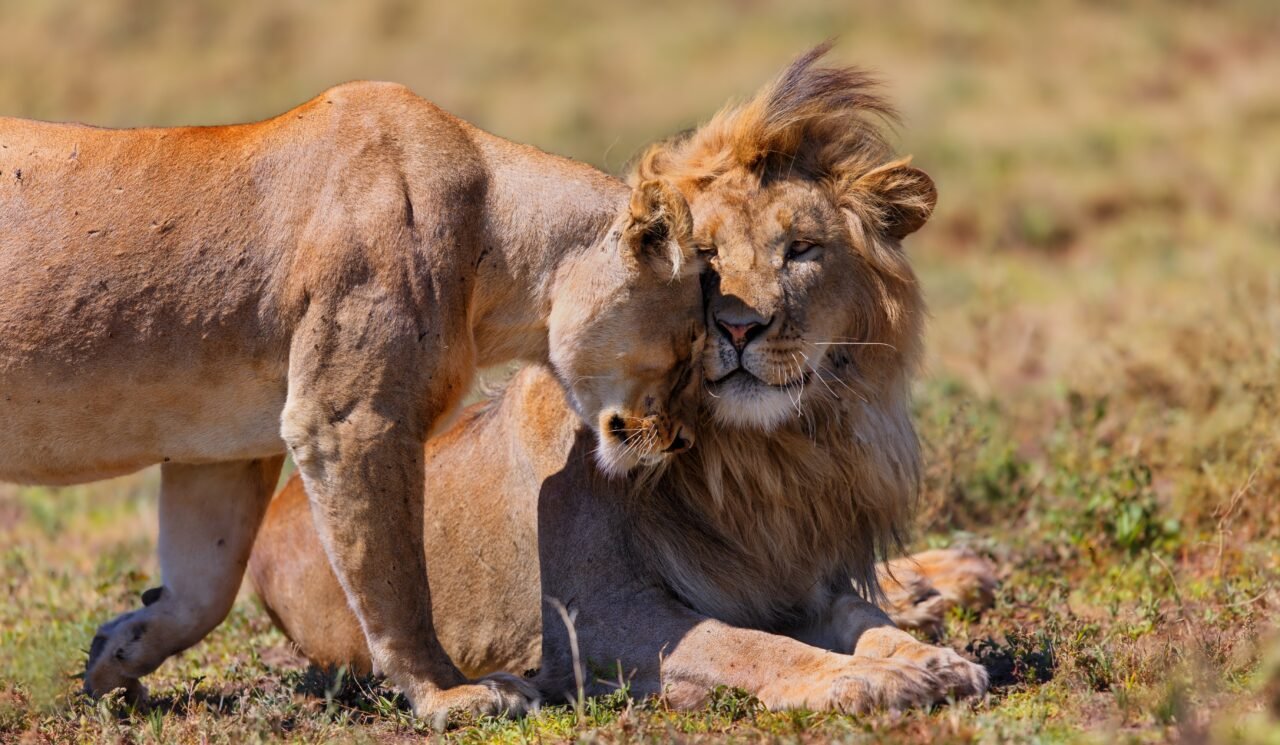
The park itself is part of the larger Selous ecosystem, meaning it is rich in biodiversity. On a typical 2-day group safari, you are likely to encounter the “Big Five” (though rhinos are elusive), but you are almost guaranteed to see large populations of giraffes, zebras, wildebeests, and impalas. The landscape here is characterized by open grasslands, which makes spotting predators like lions and leopards easier than in the denser forests found elsewhere in Tanzania.
For the traveler, this means that even with only 48 hours, you are not just “checking a box.” You are spending the majority of your time in the park, not in transit.
The 2-Day Itinerary: A Practical Breakdown
Our group joining format follows a tried-and-tested structure. While specific wildlife sightings can never be guaranteed, the logistics of the trip are designed to put you in the right place at the right time.
Day 1: The Transit and the First Safari
We typically depart from Dar es Salaam early in the morning—usually around 6:00 AM or 7:00 AM. This early start is non-negotiable; traffic leaving the city can be unpredictable, and you want to arrive at the park entrance by early afternoon to make the most of the daylight hours.
The drive itself is part of the experience. You will pass through the Chalinze junction and witness the landscape changing from the humid, coastal environment of Dar es Salaam to the drier, scrubby bushland of the interior. Upon arriving at the Mikumi park gate, you will complete the registration process, and your game drive begins immediately. This afternoon session is often when the animals are active, heading toward waterholes before the heat of the day fully dissipates. You will spend the late afternoon tracking wildlife before heading to your accommodation for dinner and rest.
Day 2: Morning Magic and the Return Journey
The second day begins before sunrise. This is the most crucial part of your safari. Predators—lions, hyenas, and occasionally leopards—are most active in the cool hours of the early morning. You will head out for a sunrise game drive, watching the savanna wake up. This is the best time for photography, as the light is soft and golden.
After the morning drive, you will head back for breakfast, check out of your accommodation, and begin the drive back to Dar es Salaam. You can expect to reach the city by late afternoon or early evening, depending on road traffic.
Logistics: What You Need to Know Before You Book
A group joining safari is a social and logistical commitment. When you book a seat on our November 22, 2026, departure, you are agreeing to travel with others. This requires a level of flexibility. Your driver-guide will manage the schedule, but you must be ready on time for every departure. Delays in the morning affect the entire group’s time in the park.
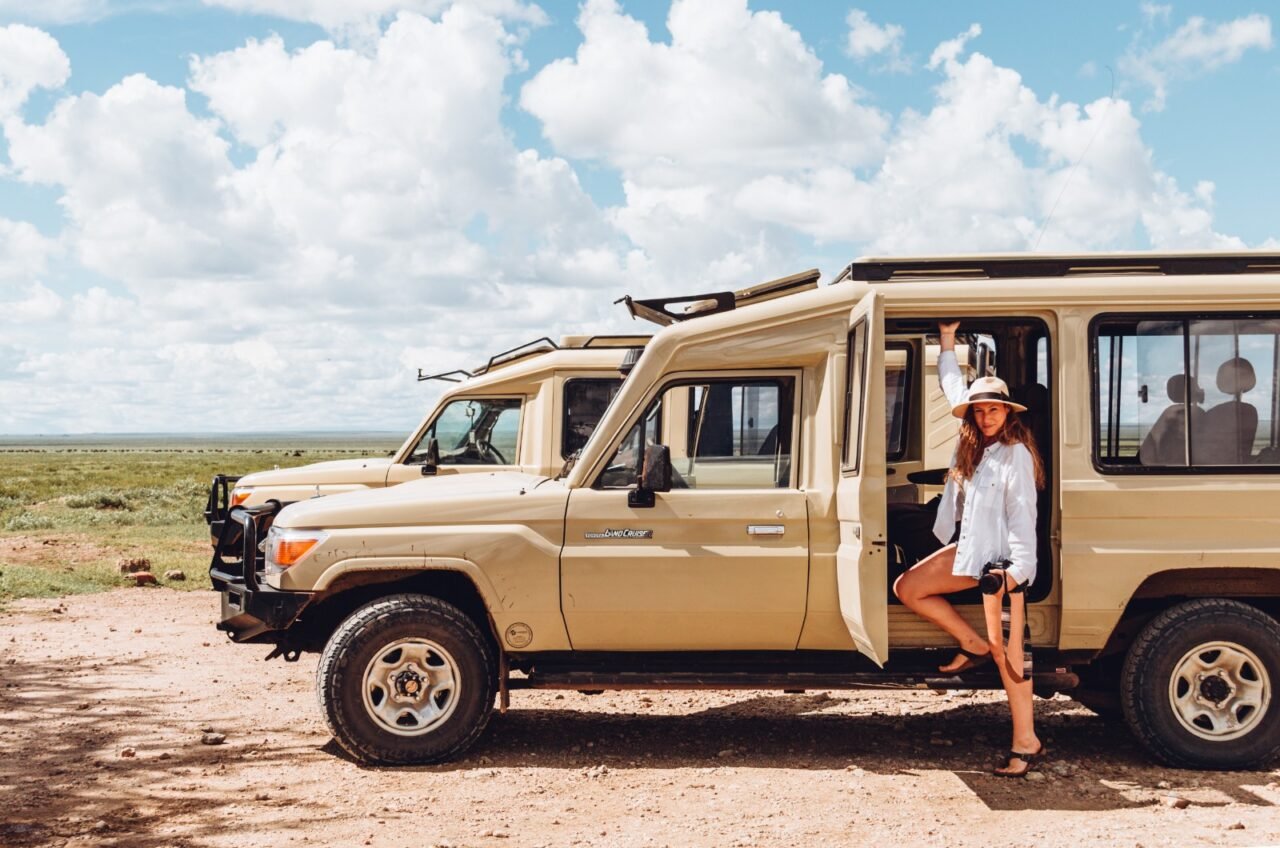
Vehicle Quality: We use 4×4 Land Cruisers or specialized safari vans. These vehicles are equipped with pop-up roofs, which are essential for wildlife viewing. When you are in the park, the roof will be opened, allowing everyone in the group to stand and view animals from an elevated position.
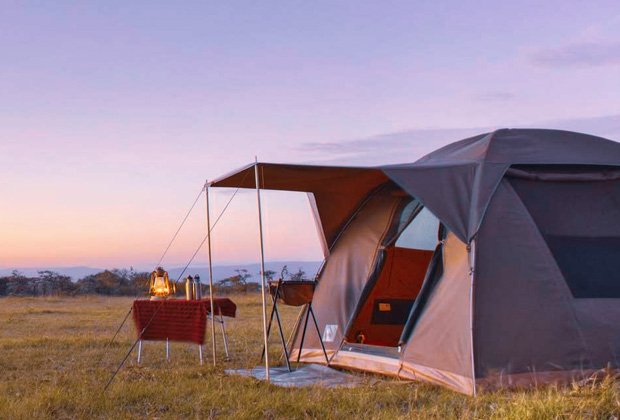
Accommodation: On a group joining tour, accommodation is usually mid-range. We select lodges or tented camps that offer comfort, safety, and hot showers, but they are chosen to keep the overall cost of the trip accessible. If you have specific dietary requirements, you must communicate them well in advance—at least two weeks before the departure date—so we can inform the kitchen staff at the lodge.
Is a Group Joining Safari Right for You?
It is important to weigh the trade-offs. The primary benefit of a group joining safari is cost-efficiency. By sharing the vehicle, you save significantly compared to a private safari. However, you also lose the ability to dictate the pace. If you want to spend three hours watching a single elephant family, you will need to negotiate this with the other members of the group and the driver.
This option is perfect for:
- Solo travelers who want to share the experience (and the cost) with others.
- Budget-conscious travelers who want to see wildlife without the price tag of a private, custom-built tour.
- Short-term visitors in Dar es Salaam who have a tight schedule and cannot afford to spend days planning a complex trip.
If you prefer total control over your schedule, or if you are traveling with a large family and want privacy, you might want to look at our other Tanzania safari options or contact us for a private itinerary.
November in Mikumi: What to Expect
November is a transitional month in Tanzania. It is the beginning of the “short rains” (known locally as the *vuli*). Do not let this deter you. The rains are typically short, sharp showers that clear up quickly, leaving the air fresh and the dust settled. The park transforms from a dry, brown landscape into a lush, green environment. This is also the time when many migratory birds return, making it a fantastic season for birdwatchers. The wildlife is still abundant, and because it is not the peak tourist season, you will often find that you have better sightings without the crowds of vehicles you might encounter in the Northern Circuit.
Frequently Asked Questions
What is included in the price?
Generally, our group joining safaris include transport from Dar es Salaam, park entry fees, accommodation (usually full board: dinner, breakfast, and lunch), and the services of a professional driver-guide. Always check your specific booking confirmation, as inclusions can vary slightly based on the lodge selected.
What should I bring?
Pack light. You will not need a massive suitcase for a 2-day trip. Essential items include a camera with a good zoom lens, binoculars, sunscreen, a hat, and insect repellent. For clothing, neutral colors (khaki, tan, green) are best to avoid startling the animals. Even in November, the mornings can be cool, so bring a light jacket or fleece.
How do I book for November 22, 2026?
Booking is straightforward. Because group departures rely on reaching a minimum number of participants, we recommend securing your spot as early as possible. You can reach out to us via WhatsApp at +255 747 477 898 or email us at climb4africa@gmail.com. We will ask for your travel dates, the number of people in your party, and any dietary requirements. Once the deposit is paid, your spot is confirmed.
Planning Your Next Steps
If the November 22, 2026, date aligns with your travel plans, the next step is simple: reach out to us. At Climb 4 Africa, we specialize in making these logistics smooth. We handle the park permits, the vehicle maintenance, and the driver coordination so you can focus on the wildlife.
If you find that this date does not fit your schedule, or if you are considering other regions, we have a wide range of other departures. You might be interested in our 7-day Serengeti and Ngorongoro group joining safari if you have more time, or perhaps you are looking for a flight-based safari option from Zanzibar. Whatever your preference, we are here to ensure your Tanzanian adventure is safe, well-planned, and memorable.
For inquiries, booking, or to discuss which safari route best fits your interests, please contact us directly:
- WhatsApp: +255 747 477 898
- Email: climb4africa@gmail.com
- Backup Email: info@climb-4-africa.com
We look forward to helping you navigate the beauty of Tanzania.
Navigating the Social Dynamics of a Group Safari
A group joining safari is more than just a shared ride; it is a collaborative experience. When you book for the November 22, 2026, departure, you are entering a temporary community. The success of the trip often hinges on the social synergy between passengers. Because the vehicle is shared, the comfort and enjoyment of the group depend on mutual consideration and a few unwritten rules of safari etiquette.
The Unwritten Rules of the Vehicle
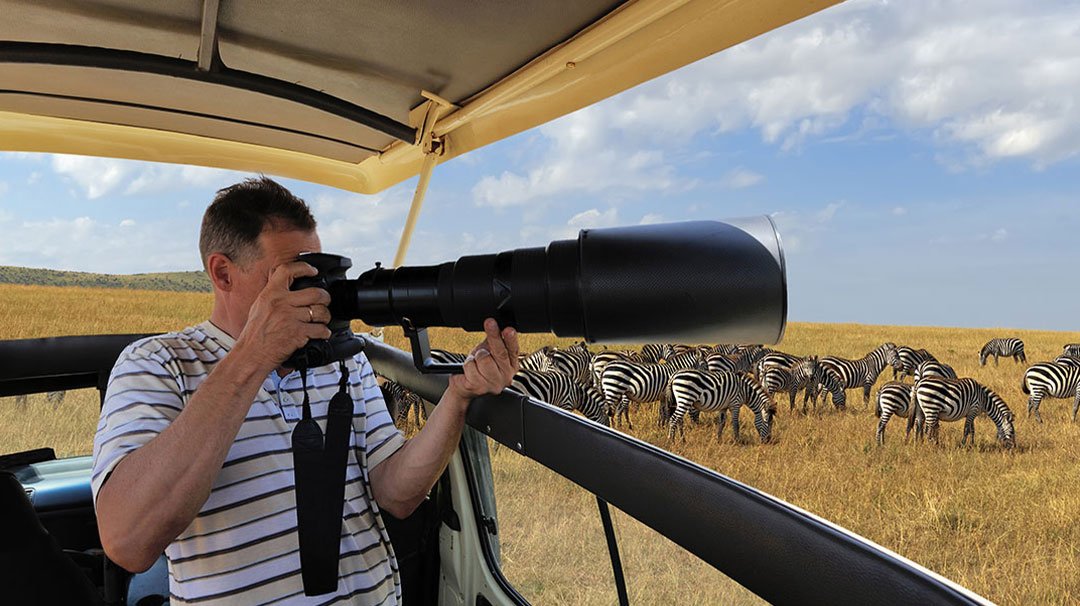
Space in a safari 4×4 is limited. While the vehicles are designed for optimal viewing, you will be sharing that space with others. The most frequent friction point involves photography equipment and movement. If you are using a large telephoto lens, be mindful of your neighbors. Avoid blocking their line of sight, and try to keep your equipment footprint to a minimum. If you see something exciting on the left, but the person next to you is looking to the right, allow them a moment to scan the horizon before you pivot or lean across them.
Noise discipline is equally critical. While excitement is natural—especially when spotting a lion pride or a herd of elephants—sudden shouting can spook wildlife. Keep conversations at a moderate volume. If you are traveling with children or in a larger party, ensure that everyone understands the need for quiet during game drives. This not only preserves the sanctity of the wilderness but also ensures that your driver-guide can hear the radio calls from other guides, which is often how rare sightings like leopards or cheetahs are located.
Managing Expectations and Punctuality
The “group” in “group joining” implies a collective schedule. When one person is late for a morning departure, it creates a ripple effect that cuts into your actual time in the park. In Mikumi, where the game drive hours are precious, fifteen minutes of delay can mean missing the best light or a predator sighting. Approach the trip with a “community first” mindset. If you are the one who is ready early, use the extra time to check your camera batteries or clean your lens, rather than becoming frustrated with others. Being the traveler who is always prepared and on time sets a positive tone for the entire group.
Finally, remember that your driver-guide is the captain of the ship. They are balancing the needs of several different personalities. If you have a specific request—such as a preference for a certain pace or a desire to focus on birding rather than mammals—communicate this respectfully and early. However, understand that the guide must prioritize the wishes of the majority. By remaining flexible and open to the interests of your fellow travelers, you transform a budget-friendly transit into a shared adventure, often resulting in new friendships and a more enriched perspective on the Tanzanian landscape.
Understanding the Mkata Floodplain: The Heart of Your Safari
While the broader Mikumi National Park covers a vast area, the vast majority of your two-day group joining safari will center on the Mkata Floodplain. Understanding this specific ecosystem is key to managing your expectations and maximizing your wildlife viewing experience. The floodplain is effectively the “engine room” of the park—a sprawling, open savanna that mimics the landscapes of the Serengeti, bordered by the Rubeho and Uluguru Mountains. Because it is the primary grazing ground, it is where the density of herbivores is highest, which in turn draws the predators.
In late November, the landscape is in a state of transition. As the vuli (short rains) begin, the floodplain shifts from a dry, golden hue to a vibrant, emerald green. This transformation is not merely aesthetic; it dictates animal movement. You will likely notice that the large herds of buffalo, zebra, and wildebeest are not clustered around the few remaining waterholes as they were in the peak of the dry season. Instead, they disperse across the plains to feed on the fresh, nutrient-rich shoots. For your safari, this means you may spend more time scanning the horizon rather than waiting at a single water point, as the wildlife becomes more mobile and less predictable.
Photography Strategies for the Open Savanna
The Mkata Floodplain is characterized by its openness, which presents a unique challenge for photographers compared to the dense bushveld of other parks. When you are in a shared vehicle, you have limited control over your positioning, so you must maximize the opportunities you do have. Avoid the temptation to only focus on “close-up” shots of animal faces. The beauty of Mikumi lies in its scale. Wide-angle shots that capture the vastness of the plain with a herd of impala or a lone elephant in the distance often convey the “safari feeling” far better than a cropped, pixelated image of a lion sleeping in the shade.
Be prepared for the light. In November, the skies can be dramatic. You may find yourself shooting under heavy, brooding storm clouds one minute and brilliant, high-contrast sunlight the next. If you are using a DSLR or mirrorless camera, keep your settings flexible. A high shutter speed is essential when the vehicle is moving or when animals are active, but do not be afraid to underexpose slightly to capture the dramatic silhouettes of the acacia trees against the stormy late-November sky. If you are using a smartphone, utilize the “burst” mode for action shots, as the delay in shutter response can often mean missing the moment an animal turns its head or moves through the grass.
Respecting the Ecosystem and Wildlife Ethics
Because Mikumi is accessible and popular, the animals here are relatively habituated to the presence of vehicles. However, habituation is not an invitation to intrude. Your driver-guide will be well-versed in the park regulations, which strictly forbid off-roading. This is critical in the floodplain, as the soil can be soft and the vegetation fragile. Even if a lion pride is just a few meters off the track, do not pressure your guide to drive closer. The best sightings are often those where the animals feel comfortable enough to continue their natural behaviors—hunting, nursing, or playing—rather than staring at the vehicle.
By maintaining this distance, you allow the animals to remain wild, ensuring that the group behind you gets the same authentic experience you enjoyed. Furthermore, avoid the “herd mentality” of vehicle crowding. If you see several other safari vehicles already clustered around a sighting, your guide may choose to wait or move on to find a quieter area. Trust their judgment; often, the best wildlife encounters in Mikumi are the ones you have in solitude, away from the dust and engine noise of a crowd.
The Transit Experience: Navigating the Dar es Salaam–Mikumi Corridor
The journey from Dar es Salaam to Mikumi National Park is not merely a transfer; it is a significant, unavoidable portion of your two-day itinerary. Spanning approximately 280 to 300 kilometers, the route follows the A7 highway, the critical artery connecting the Tanzanian coast to the interior. Because you are traveling on November 22, 2026, you should prepare for a drive that typically lasts between five and six hours, depending on the intensity of traffic leaving the city and the pace of the group. Understanding the dynamics of this road trip is essential for maintaining your comfort and morale before you even reach the park gate.
The drive begins in the dense urban sprawl of Dar es Salaam. As you exit the city, the landscape undergoes a dramatic transformation. You will move from the humid, tropical coastal plains into the foothills of the Uluguru Mountains. This transition is one of the most scenic aspects of the trip. The road winds through the Morogoro region, where the lush, jagged peaks of the Uluguru range provide a stunning backdrop that contrasts sharply with the flat, scrubby savanna you will encounter inside the park. For travelers, this transit is an opportunity to witness the rural life of Tanzania, passing through vibrant roadside markets, sisal plantations, and small villages that line the highway.
It is important to recognize that the A7 is a working highway, not a tourist road. You will share the route with heavy freight trucks, long-distance buses, and local commuter vehicles. Your driver-guide’s primary responsibility during these hours is safety and navigation. They are trained to handle the specific challenges of this corridor, which include unexpected stops, livestock crossing the road, and varying road surfaces. While you might be eager to reach the park, viewing the transit as an introduction to the country—rather than just “dead time” between destinations—can significantly improve your experience. It provides a necessary mental buffer, allowing you to decompress from the bustle of Dar es Salaam before immersing yourself in the quiet of the bush.
Most group joining safaris incorporate a scheduled stopover, usually in or near the town of Morogoro. This is not just for the driver to rest; it is your primary opportunity to stretch your legs, access clean restroom facilities, and purchase water or snacks. Do not underestimate the importance of these breaks. Sitting in a 4×4 vehicle for several hours can lead to fatigue, especially in the heat of November. Use these stops to hydrate properly and ensure your camera gear is packed away safely for the remaining leg of the journey. When you re-enter the vehicle, you will find that the final stretch toward Mikumi feels distinct; as you approach the park boundary, the vegetation begins to thin, and the anticipation of seeing your first elephant or giraffe becomes palpable.
Practical Tips for the Road
- Stay Hydrated: November can be quite warm in the lowlands. Keep a reusable water bottle accessible, but be mindful of your intake to minimize the need for unscheduled stops.
- Seating Strategy: If you are prone to motion sickness, try to secure a seat in the front or middle of the vehicle. The A7 highway can be winding as you pass through the mountain regions.
- Power Management: Most safari vehicles are equipped with charging ports, but these are often prioritized for the driver’s GPS and communication equipment. Bring a fully charged power bank to ensure your phone or camera battery is ready for the moment you enter the park.
- Observe, Don’t Just Transit: Keep your camera ready. Even before you reach the park gate, you may spot baboons, monkeys, or local birdlife along the roadside. The safari experience often begins the moment you leave the city limits.
Dining and Dietary Considerations in the Bush
One of the most frequently overlooked aspects of a group joining safari is how meals are managed in the field. When you are on a two-day excursion, your nutrition is as vital as your hydration for maintaining energy levels during long game drives. Because group safaris operate on a set schedule, dietary needs must be communicated clearly and well in advance of your November 22 departure. While most lodges and camps in the Mikumi area are accustomed to international travelers, the remote nature of the park means that last-minute requests for specific dietary accommodations can be challenging to fulfill if the kitchen has not been notified.
During a 2-day trip, your meals will typically be structured around your game drive schedule. Breakfast is often served very early—sometimes before dawn—to ensure you are in the park as the sun rises. Lunch is frequently a packed meal or a quick buffet at a designated picnic site or the lodge, depending on the itinerary’s flow. Dinner is usually a sit-down affair where you will have the chance to interact with other travelers. If you have specific dietary restrictions—such as being vegetarian, vegan, gluten-free, or having severe food allergies—you must inform your tour operator at the time of booking. Do not wait until you are in the vehicle to mention these requirements, as the supply chain for fresh produce in the bush is limited and relies on pre-ordering from Dar es Salaam or local markets.
Navigating Mealtime in a Group Setting
In a group joining safari, dining is often a communal experience. You will likely be sharing tables with fellow travelers from your vehicle or other groups staying at the same lodge. This is an excellent opportunity to share stories from the day’s sightings, but it also requires a degree of social awareness. If you have dietary restrictions, the lodge staff will usually ask you to identify yourself upon arrival. Being proactive and introducing yourself to the head waiter or manager when you check in ensures that your meal requirements are flagged correctly.
It is also important to manage your expectations regarding the variety of food available. While the lodges serving Mikumi provide hearty, nutritious meals—often featuring a mix of Tanzanian and international dishes—they are not fine-dining establishments. The focus is on providing high-calorie, replenishing food that sustains you for long hours in the heat. Expect staples like rice, ugali (a maize-based staple), grilled meats, fresh fruits, and cooked vegetables. If you have very specific preferences or require snacks to bridge the gap between meals, it is highly recommended to bring your own supplies from Dar es Salaam. Non-perishable items like nuts, energy bars, or dried fruit are perfect for keeping in your daypack, as you may find yourself hungry between the early morning game drive and a late lunch.
Water and Hydration Logistics
While food is provided, water management is a shared responsibility. Your tour operator will typically provide bottled water in the vehicle, but it is wise to clarify the quantity provided per person. In the heat of November, consumption rates will be higher than you anticipate. If you have a preference for electrolyte replacements or specific sports drinks, these are rarely included in standard safari packages. Bringing a small supply of electrolyte powder packets is a practical, space-saving solution that can prevent dehydration-related fatigue. Remember, the goal of your 2-day trip is to remain alert and engaged; proper nutrition and hydration are the simplest tools to ensure you don’t miss that leopard sighting simply because you are feeling drained.
The Role and Responsibility of Your Driver-Guide
On a group joining safari, your driver-guide is the single most critical factor in the success of your trip. They are not merely a chauffeur; they are a tracker, a mechanic, an interpreter of the landscape, and the primary mediator of your group’s experience. Understanding their role helps you appreciate the logistical balancing act they perform throughout your two days in Mikumi.
Your guide is responsible for managing the vehicle’s mechanics, navigating the challenging road conditions between Dar es Salaam and the park, and interpreting the behavior of wildlife. When you encounter a pride of lions or a herd of elephants, the guide is simultaneously scanning for other vehicles, ensuring the safety of the passengers, and positioning the 4×4 to provide the best possible viewing angle for everyone in the car. This requires immense focus. While it is tempting to engage your guide in constant conversation, remember that their primary duty is to keep you safe and to spot the wildlife that you might otherwise miss. If the vehicle stops suddenly, it is often because they have detected a subtle movement or a sound in the brush that a novice eye would overlook.
Regarding the social aspect of the trip, the guide also serves as the timekeeper. They are the ones who must enforce the schedule to ensure you reach the park gates before closing or arrive at your accommodation for dinner. When they ask you to return to the vehicle, it is rarely out of a desire to rush you; it is usually because they are calculating the distance to the next point of interest or the lodge against the remaining daylight hours. Tipping is a customary part of the safari industry in Tanzania. While it is entirely at your discretion, it is standard practice to tip your driver-guide at the end of the two-day journey if you are satisfied with their service. A gesture of appreciation acknowledges the long hours and the intense focus required to navigate the Dar es Salaam corridor and the Mikumi savanna safely.
Returning to Dar es Salaam: Managing the Transition
The return leg of your 2-day Mikumi safari is often underestimated. After the adrenaline of the game drives and the immersion in the bush, the reality of returning to the dense, high-energy environment of Dar es Salaam can be jarring. This transition requires some practical planning, especially regarding your onward travel.
The drive back from Mikumi to Dar es Salaam typically takes between five and seven hours, depending heavily on traffic conditions as you approach the city outskirts. The A7 highway, while improved, is a major commercial artery. Heavy trucks and buses are common, and traffic congestion in the evening can significantly delay your arrival. If you have an onward flight, a ferry crossing, or a business meeting scheduled for the evening of your second day, it is strongly advised to build in a substantial buffer. Never schedule a flight that departs within six hours of your expected arrival time in Dar es Salaam. The unpredictability of road travel in this region means that a 30-minute delay on the highway can easily become a two-hour delay once you hit the city’s traffic bottlenecks.
Furthermore, prepare yourself for the physical fatigue that often sets in during the final leg of the journey. You will have spent many hours in an open-roof vehicle, exposed to the sun, wind, and dust of the savanna. By the time you are back in the city, the “safari hangover”—a mix of exhaustion and sensory overload—is common. Plan your evening accordingly; avoid scheduling high-stress activities immediately upon your return. A quiet dinner and an early night are the best ways to process the experiences of the last 48 hours. If you are staying at a hotel in Dar es Salaam, inform the front desk of your approximate arrival time so they can assist with a quick check-in, allowing you to transition smoothly from the wild back to the comforts of the city.
Understanding Safari Vehicle Configurations and Your Seating Position
On a 2-day group joining safari to Mikumi, the vehicle is your lifeline. It serves as your transport from Dar es Salaam, your viewing platform on the Mkata Floodplain, and your mobile base for the duration of the trip. Because you are sharing this space with other travelers, understanding the configuration of these vehicles is essential for managing your expectations regarding comfort and visibility.
Most operators conducting these group tours utilize modified 4×4 vehicles, typically Toyota Land Cruisers or similar ruggedized safari trucks. These are not standard passenger vans; they are purpose-built for the Tanzanian bush. The most common configuration features a pop-up roof hatch, which is the primary feature you will use during game drives. When the vehicle is moving between Dar es Salaam and the park entrance, the roof remains closed. Once you enter the gate, the driver-guide will raise the roof, allowing you to stand up and view wildlife from an elevated position. This is critical for spotting animals in the tall grass of the Mkata Floodplain and for capturing unobstructed photographs.
The Reality of Rotating Seating
In a group joining setting, the vehicle usually accommodates between six and eight passengers. This means that not everyone can sit next to a window or have the “best” seat for the entire duration of the trip. To ensure fairness, it is standard, professional practice for the group to implement a seat rotation policy. This is often initiated by the driver-guide, but if it isn’t, you should feel empowered to suggest it at the very beginning of the trip.
A typical rotation schedule works as follows: you change seats after every major stop or at least once per game drive session. For example, if you are sitting in the middle row on the left side during the morning game drive, you might move to the front passenger seat or the back row for the afternoon session. This ensures that everyone gets a turn at the window and a chance to experience the varying angles of view. While it may seem like a minor logistical detail, adhering to a rotation system prevents friction and ensures that everyone feels they have received equal value for their investment in the safari.
Storage and Personal Space Constraints
One of the most common mistakes travelers make on a 2-day safari is bringing too much luggage into the cabin. Because you are sharing the vehicle with several other people, floor space is extremely limited. The vehicle is designed to maximize seating capacity, not to store large suitcases. If you bring a large, hard-shell suitcase, you will likely be asked to leave it at your hotel in Dar es Salaam or store it in a designated, secure area at the tour operator’s office. You should plan to pack only a soft-sided daypack or a small duffel bag that can fit comfortably at your feet or in the minimal storage space provided.
Be mindful that your personal items—camera bags, water bottles, and jackets—will inevitably encroach on your neighbor’s space. Keeping your gear organized is a form of social courtesy. Use the pockets in the seat backs if available, and keep your floor area clear to avoid tripping hazards when the vehicle is moving or when you are scrambling to stand up for a sudden wildlife sighting. Remember that the vehicle will be dusty; keeping your bags closed and protected is not just about space, but about keeping your belongings clean.
The “Pop-Up” Roof Etiquette
When the roof is popped up, the vehicle becomes a standing space. This changes the center of gravity and the dynamics of movement. When the vehicle is in motion, even at slow speeds, you must hold onto the frame of the roof or the seat back. Do not attempt to stand on the seats themselves; use the floorboards. If you are standing, be aware of the person standing next to you. If you shift your weight to lean out for a photo, you may inadvertently bump into your neighbor. Always communicate your intentions if you need to move across the vehicle to get a better view. A simple, “Excuse me, I’m just going to move to the other side for a better angle,” goes a long way in maintaining a harmonious environment inside the vehicle.
Life After Dark: Understanding Lodge Etiquette in the Bush
When you conclude your afternoon game drive and arrive at your lodge, the nature of your safari experience shifts from active vehicular observation to passive, in-depth observation. It is critical to recognize that a lodge in or near Mikumi National Park operates under entirely different parameters than a standard hotel in Dar es Salaam. Because many lodges are unfenced or only partially fenced to allow for the natural movement of wildlife, your safety depends on strict adherence to camp protocols once the sun sets.
The most important rule in any bush lodge is the prohibition of walking alone after dark. Even if your room is only fifty meters from the dining area, you must wait for a staff escort. In the dark, the environment becomes the domain of nocturnal predators and herbivores that may be grazing near the paths. A staff member, often equipped with a flashlight and, in some cases, a radio or deterrent, is trained to spot potential hazards that you might miss. This is not a suggestion; it is a vital safety requirement. Do not attempt to wander to your room or the parking area unattended, regardless of how well-lit the path may appear.
Furthermore, the auditory environment of the bush at night is profoundly different from the city. You will hear sounds that may be startling: the whooping call of hyenas, the distant roar of lions, or the rustling of small mammals and insects. This is the pulse of the ecosystem. While it can be intimidating for first-time visitors, it is a normal part of the experience. Keep your room doors and windows securely latched at all times, not just to keep insects out, but to ensure that curious wildlife does not enter your living space. If you are staying in a tented camp, ensure the zippers are fully closed from top to bottom.
Managing Expectations for Bush Amenities
As you prepare for your overnight stay, you must calibrate your expectations regarding infrastructure. Most lodges in the Mikumi area operate on off-grid power systems, utilizing solar energy or generators. Consequently, electricity may not be available 24 hours a day. Generators are typically switched off late at night to minimize noise pollution and conserve fuel. If you have specific medical equipment that requires continuous power, you must communicate this to your booking agent or the lodge management well in advance of your arrival on November 22, 2026.
Charging your devices is another logistical consideration. Because power is a precious resource, outlets may be limited, and the voltage may fluctuate. It is highly recommended to bring a portable power bank to charge your camera batteries and phones during the day while you are in the vehicle. Do not rely on the expectation that you will be able to plug in multiple devices simultaneously in your room. Additionally, consider this your opportunity for a digital detox. While some lodges offer Wi-Fi in the main reception area, it is rarely fast or stable enough for streaming, large file uploads, or video calls. Treat connectivity as a luxury rather than a guarantee, and prepare to disconnect from your digital life to fully engage with the environment.
Finally, water conservation is essential. In remote areas, water is often sourced from boreholes and must be pumped and filtered. You will likely notice signs encouraging short showers and the reuse of towels. Adhering to these requests is not just about lodge policy; it is about respecting the limited resources of the ecosystem you are visiting. By minimizing your water usage, you help the lodge maintain its sustainability and reduce the operational strain on the local environment.
Understanding Tipping Culture and Gratuity Guidelines
On a group joining safari, the question of tipping is often the source of significant anxiety for travelers. Because you are part of a shared vehicle, the tipping dynamic differs from a private safari where you alone set the standard. In Tanzania, tipping is not a legal requirement, but it is deeply ingrained in the safari industry as a gesture of appreciation for the services rendered by your driver-guide and, occasionally, the lodge staff. Establishing a clear understanding of these expectations before you depart on November 22, 2026, will save you from awkward moments on the final day of your trip.
Your driver-guide is the primary recipient of gratuities. They are responsible for your safety, the navigation of the A7 highway, the mechanical health of the vehicle, and the tracking of wildlife. A standard industry guideline for a group joining safari is to tip between $10 and $20 USD per person, per day. However, since you are in a group, it is often more practical to pool your tips. Discuss this with your fellow passengers on the first day. If everyone contributes a similar amount, it ensures the guide receives a fair total without placing an undue burden on any single traveler. It is best to present this tip in a sealed envelope at the end of the journey, typically upon arrival back in Dar es Salaam or at the park gate before you disembark for the final time.
When it comes to lodge staff—such as waiters, room stewards, and camp attendants—tipping is usually handled through a central “tip box” located at the reception area. It is rarely necessary or encouraged to tip individual staff members separately, as these funds are generally pooled and distributed among the entire support team, including kitchen staff and groundskeepers who work behind the scenes. If you wish to contribute, a small amount—equivalent to $5 USD per day—is considered generous and greatly appreciated by the staff, who work long hours to ensure your comfort in the remote bush environment.
Managing Currency and Payment Methods in the Bush
While you may have booked your safari online using digital platforms or international bank transfers, handling day-to-day expenses requires a different approach. The rural areas surrounding Mikumi National Park operate on a cash-heavy economy. While some larger lodges may accept credit cards for extras like alcoholic beverages or souvenir shop purchases, relying solely on plastic is a major risk. Connectivity issues can render card machines useless, and power outages can halt electronic transactions entirely.
For your trip on November 22, 2026, ensure you carry sufficient Tanzanian Shillings (TZS) for small purchases, such as snacks at roadside stops, local crafts, or unexpected incidentals. However, for tipping and major service payments, US Dollars are widely accepted and often preferred. A critical rule for using US Dollars in Tanzania is the “new note” policy. Banks and service providers frequently reject any US dollar bills printed before 2009, or those that are torn, marked, or heavily worn. Ensure your bills are crisp, clean, and recent. Attempting to pay with a damaged or old bill will almost certainly lead to rejection, causing unnecessary frustration for both you and the service provider.
Avoid exchanging large amounts of currency at the airport, as rates are often less favorable than those found in the city center of Dar es Salaam. If you need to exchange money, do so at a reputable bank or a licensed bureau de change before you leave the city. Once you are on the road to Mikumi, there are no reliable banking facilities. If you find yourself in a situation where you need extra cash, your driver-guide may be able to advise on the nearest town with an ATM, but do not assume you will have the time or the vehicle access to make such a detour during your tight two-day schedule.
Health, Safety, and Emergency Protocols in the Remote Bush
While a 2-day group joining safari to Mikumi National Park is a well-trodden path, it is essential to remember that you are entering a wild, largely untamed environment. Unlike a city tour, the bush does not offer immediate access to emergency services, pharmacies, or constant cellular connectivity. Safety on a group safari is a dual responsibility: your driver-guide manages the vehicle and wildlife interactions, but you are responsible for your personal health and situational awareness. Understanding the protocols before you depart on November 22, 2026, will ensure you remain a spectator rather than a participant in any emergency.
Medical Preparedness and the “Bush Pharmacy”
Many travelers arrive assuming that a driver-guide’s first-aid kit is a comprehensive medical solution. In reality, safari vehicle kits are designed for minor scrapes, headaches, or basic trauma—they are not stocked with prescription medications, specialized allergy treatments, or diagnostic tools. You must arrive in Mikumi with your own, self-contained “bush pharmacy.” If you require daily medication, ensure you have enough for the two-day duration, plus an extra 48-hour buffer in case of unforeseen transit delays on the A7 highway. Keep these medications in your carry-on bag, not your main luggage, so they remain accessible during the drive from Dar es Salaam.
Furthermore, disclose any severe allergies—particularly to bee stings, specific foods, or environmental triggers—to your tour operator at the time of booking, not upon arrival. While your driver-guide will be trained in basic first aid, they cannot manage complex medical reactions without prior knowledge. If you carry an EpiPen or specific emergency medication, ensure it is clearly labeled and that you have shown your seatmates or the driver where it is located, in the unlikely event you are incapacitated.
Wildlife Proximity: Understanding the “Metal Box” Concept
The safety of a safari vehicle rests on the concept of the “metal box.” Animals in Mikumi, such as elephants and lions, are habituated to the sight of safari 4x4s. They perceive the vehicle as a single, large, non-threatening object. The moment you break the silhouette of that object—by hanging your arms out the window, standing on the seats, or leaning far out of the pop-up roof—you change the animal’s perception. You are no longer a part of the “object”; you become a human, which can trigger curiosity, fear, or aggression.
Even during a sighting of docile animals like giraffes or zebras, never attempt to touch them or feed them. This is not only a violation of park ethics but a significant safety risk. An animal that feels crowded or threatened will defend itself. Always keep your limbs inside the vehicle frame when the vehicle is moving, and only stand in the pop-up roof when the driver has explicitly confirmed the engine is off and it is safe to do so. If an animal approaches the vehicle closely—a common occurrence in Mikumi—the golden rule is silence. Sudden movements or loud exclamations can startle a large mammal, leading to a defensive reaction that could damage the vehicle or injure passengers.
Mitigating Insect-Borne Health Risks
November falls within a transitional period in Tanzania, where humidity can rise and rainfall begins to increase, creating ideal breeding conditions for mosquitoes. While Mikumi is not as high-risk as some swampy regions, malaria is present. Prevention is your primary defense. Do not rely solely on anti-malarial medication; physical barriers are equally critical. Wear long-sleeved shirts and trousers in the early morning and late afternoon when mosquito activity peaks. Choose neutral, light-colored fabrics, as dark colors (especially navy and black) attract tsetse flies, which are particularly prevalent in parts of the Mikumi ecosystem and deliver a painful bite.
Apply high-quality insect repellent containing DEET or Picaridin to all exposed skin before every game drive. During the evening, when you are at your lodge, ensure the mosquito netting provided over your bed is tucked in securely. If you notice a hole in the netting, notify the lodge staff immediately. These small, proactive steps significantly reduce your exposure and ensure that your focus remains on the wildlife rather than on managing itchy bites or potential illness.
Emergency Communication and the Reality of Remote Access
It is a common misconception that because Mikumi is near a major highway, the entire park is covered by high-speed mobile data. In reality, the Mkata Floodplain and the deeper tracks of the park are “dead zones.” Your smartphone may show a signal one moment and drop completely the next. Do not rely on your personal phone for emergency communication or navigation. Your driver-guide is equipped with a radio system that allows them to communicate with the park headquarters and other vehicles. This is the only reliable method for summoning assistance.
If a mechanical issue occurs or if a passenger has a medical emergency, the protocol is to remain with the vehicle. The bush is not a place to wander off. Your driver-guide knows the location of the nearest ranger post and will coordinate with park authorities. Understand that “emergency response” in a national park does not function like an urban 911 service; it may take time for rangers or medical support to reach your location. Patience and strict adherence to the driver’s instructions are the most effective ways to manage any unexpected situation.
Heat Management and Physical Resilience
The heat in November can be deceptive. While the breeze through the open vehicle windows might feel cooling, you are being exposed to intense tropical sun for several hours a day. Dehydration is the silent enemy of the safari traveler. It manifests as headaches, fatigue, and irritability, which can ruin your experience long before you reach the point of medical crisis. Do not wait until you are thirsty to drink water. Establish a routine: drink a small amount of water every time the vehicle stops for a sighting. If you feel dizzy or notice you have stopped sweating, inform your driver-guide immediately. This is a clear warning sign of heat exhaustion, and you will need to prioritize shade and rest for the remainder of the drive.
Navigating the Return to Dar es Salaam: Post-Safari Logistics
While the focus of your trip is undoubtedly the wildlife within Mikumi National Park, the return journey to Dar es Salaam on the second day presents its own set of logistical considerations that are often overlooked until the moment of departure. Once you have completed your final morning game drive and enjoyed a concluding lunch near the park boundaries, the transition back to the urban environment begins. This return leg is not merely a reverse of your arrival; it is a shift in pace that requires mental and physical preparation.
Managing Arrival Times in Dar es Salaam
Traffic patterns in and around Dar es Salaam are notoriously unpredictable. While the drive from Mikumi to the city typically takes five to six hours, this can extend significantly depending on the day of the week and the specific entry point into the city. If your return coincides with the late afternoon or early evening rush hour, you may find yourself in heavy congestion as you approach the outskirts of Dar es Salaam. It is crucial to communicate with your operator or driver-guide regarding your post-safari plans. If you have an onward flight, a ferry to Zanzibar, or a scheduled bus departure, you must ensure your operator is aware of these constraints well before you leave the park. Avoid booking any onward travel that requires strict punctuality within four hours of your expected arrival time in the city to account for road variables.
The Transition from Bush to City
After two days of immersion in the quiet, dusty, and wildlife-focused atmosphere of the Mkata Floodplain, returning to the sensory overload of Dar es Salaam can be jarring. You will move from the open savanna to the dense, high-traffic corridors of the A7 highway. To manage this transition, consider keeping your “city clothes”—clean, comfortable items that you did not wear on the dusty game drives—in an easily accessible part of your luggage. Changing into these during your final lunch stop or just before entering the city can help you feel refreshed and prepared for the urban environment. Additionally, ensure that your mobile devices are charged and that you have verified the location of your next destination, as the transition from the “bush mode” of relying on your guide to the “city mode” of independent navigation can be disorienting.
Finalizing Payments and Feedback
The end of the trip is the appropriate time to settle any remaining balances or discuss gratuities with your driver-guide. While many group joining safaris are paid in full beforehand, some incidentals—such as extra drinks ordered at the lodge or specific park fees that were not included in the initial booking—might need to be settled. If you have any feedback regarding the vehicle, the lodge, or the service, it is often most effective to share this directly with your driver-guide or the tour operator’s office while the experience is fresh. Providing constructive, specific feedback helps operators maintain the quality of their group joining products for future travelers. Before you disembark, double-check your seat storage pockets and the floor area one last time; it is remarkably common for travelers to leave behind sunglasses, cameras, or chargers in the excitement of the final arrival.
Sustainable Tourism and Community Impact: Your Role as a Safari Visitor
While your primary objective on a 2-day Mikumi group joining safari is wildlife observation, your presence as a visitor carries an inherent responsibility toward the human communities that border the park. The transition from the urban sprawl of Dar es Salaam to the rural landscapes surrounding Mikumi involves crossing into regions where the local economy is inextricably linked to the health of the park and the flow of tourism. Recognizing your role in this ecosystem is as vital as understanding the behavior of the wildlife you have come to see.
The economic impact of your trip extends well beyond the tour operator’s office. Every traveler on a group joining safari contributes to a chain of employment that supports drivers, lodge staff, maintenance crews, and local suppliers of produce and fuel. To maximize this positive impact, prioritize supporting established local businesses. When you stop for refreshments or souvenirs, look for community-run cooperatives or established shops rather than encouraging informal, unregulated roadside vendors. Purchasing authentic, locally-made crafts—such as wood carvings or woven textiles—directly from artisan groups ensures that the revenue stays within the community, rather than being siphoned off by intermediaries. Always negotiate prices with respect, keeping in mind that these items represent the livelihood of the artisan.
Cultural sensitivity is paramount when moving through the rural areas surrounding Mikumi. While the park itself is a protected zone, the villages along the A7 highway are living, breathing communities with distinct social norms. Dress modestly when stopping in these transit towns; while your safari gear is appropriate for the bush, covering your shoulders and knees when entering local establishments is a sign of respect for local customs. Furthermore, the practice of photography requires a shift in mindset. While it is natural to want to capture the vibrancy of rural life, always ask for permission before taking photographs of individuals, especially children. Treat these interactions as a social exchange rather than a transactional observation; a simple greeting in Swahili—such as “Jambo” or “Habari”—can open doors and foster a sense of mutual respect that makes the experience more rewarding for both you and the residents.
One of the most critical aspects of responsible tourism in the Mikumi corridor is the “handout dilemma.” It is common for travelers to feel a sense of generosity when seeing children or adults in rural areas, leading to the distribution of candy, money, or pens. However, this practice is strongly discouraged by conservationists and local development experts. Distributing items indiscriminately encourages begging, disrupts local school attendance, and creates a sense of dependency that undermines long-term community development. If you are moved to contribute, the most effective approach is to donate through established NGOs, schools, or the lodge management, who can ensure resources reach those who need them most in a structured, sustainable manner.
Finally, consider your physical footprint. The rural areas surrounding Mikumi often lack the sophisticated waste management infrastructure found in Dar es Salaam. Plastic pollution is a growing concern in these semi-arid zones. Adhere to a strict “carry-in, carry-out” policy for your personal waste, including snack wrappers, plastic bottles, and discarded batteries. If your lodge provides a recycling bin, use it; if not, keep your trash with you until you return to the city. By being a conscious traveler, you ensure that the landscape remains pristine for the animals and that your visit leaves a positive, rather than a negative, legacy for the local population.
Navigating Wildlife Viewing Disappointment: Maintaining Group Morale
In the context of a 2-day group joining safari, the collective mood of the vehicle is heavily influenced by the frequency and quality of wildlife sightings. It is essential to recognize that Mikumi National Park is a wild, unfenced ecosystem, not a controlled zoo. There will be moments—perhaps hours—where the savanna appears deceptively empty. This reality can lead to what is often termed “wildlife fatigue” or disappointment, particularly if one or two members of your group have arrived with rigid expectations of seeing a “Big Five” checklist within the first hour. Managing this potential frustration is vital to preserving the experience for the entire group.
When wildlife sightings are sparse, the dynamic within the vehicle can shift rapidly. A single vocal passenger expressing boredom or frustration can create a negative feedback loop, lowering the energy of the entire group and potentially affecting the driver-guide’s confidence. To mitigate this, practice active observation. Instead of focusing solely on the absence of large predators, train your eyes on the smaller, often overlooked details of the Mkata Floodplain. The behavior of a herd of impala, the intricate social structures of baboon troops, or the vibrant birdlife—such as the lilac-breasted roller or the African fish eagle—are all integral components of the safari experience. By demonstrating genuine interest in these sightings, you can shift the group’s focus from “hunting” for specific animals to appreciating the broader, complex ecosystem.
If you find yourself in a vehicle where the mood is dipping due to a lack of “thrilling” sightings, you have the power to pivot the conversation. Engage your driver-guide with open-ended, technical questions rather than demands. Instead of asking, “Where are the lions?” try asking, “Can you explain how the vegetation changes in this specific part of the floodplain?” or “What are the signs that a leopard might have passed through this area recently?” These questions prompt your guide to share their deep ecological knowledge, turning a quiet drive into an educational masterclass. This approach validates the guide’s expertise and often encourages them to slow down, search more thoroughly, and reveal insights that you would otherwise miss while scanning the horizon for a predator that may not be present.
Ultimately, your role in a group joining safari includes being a “good passenger.” This means maintaining a positive, curious attitude even when the wildlife is elusive. Remember that the other travelers in your vehicle are also there to enjoy their trip; a negative or demanding attitude can alienate your companions and sour the atmosphere of the shared space. By remaining patient and engaged, you contribute to a collective environment that remains enjoyable, regardless of whether the day’s “tally” meets your initial, perhaps overly ambitious, expectations.
Navigating the Departure Point: Logistics of Meeting Your Group in Dar es Salaam
While the focus of your safari is the Mkata Floodplain, the success of a group joining excursion often hinges on the very first hour: the departure from Dar es Salaam. Unlike private safaris where a vehicle may collect you from a specific hotel door, group joining safaris operate on a consolidated pickup model. This is a critical distinction that can lead to confusion if not understood in advance. Most operators will designate a central, easily accessible meeting point in Dar es Salaam, such as a well-known hotel, a specific landmark, or their central office, rather than navigating the city’s complex and often congested residential streets to perform individual pickups. This consolidation is essential for maintaining the departure schedule; if a vehicle were to attempt door-to-door service across a city as sprawling and traffic-heavy as Dar es Salaam, the departure time could easily slip by two or three hours, effectively ruining the first day’s game drive potential.
When you receive your final booking confirmation for the November 22, 2026, departure, pay close attention to the designated meeting point and the required arrival time. Arriving at this location 15 to 20 minutes early is not just a courtesy; it is a strategic move. It allows you to identify your vehicle, stow your luggage in the storage compartment, and introduce yourself to your fellow travelers before the engine starts. If you are staying at a hotel, factor in the unpredictable nature of Dar es Salaam traffic when planning your transit to the meeting point. Utilizing a ride-hailing app or a pre-arranged taxi service is advisable, as these drivers are generally familiar with the major transit hubs used by safari operators. Do not assume that your hotel concierge will have the same level of urgency as your safari operator; take personal responsibility for your transit to the meeting point to ensure you are not the reason for a delayed departure.
Furthermore, understand that the departure morning is when the “group” aspect of your safari truly begins. As you wait for the final passengers to arrive, observe the dynamics. This is your first opportunity to establish rapport with your driver-guide and your fellow travelers. A polite introduction and a calm demeanor during the loading process set a positive tone for the next 48 hours. If you have specific luggage requirements or need to clarify seating arrangements, address these with the driver-guide immediately upon arrival, rather than waiting until the vehicle is halfway to the park. By being prepared, punctual, and communicative at the designated meeting point, you ensure that the group departs on time, maximizing the daylight hours available for your first game drive in Mikumi.
The Temporal Math: Understanding Your Active Safari Hours
When booking a 2-day group joining safari, travelers often conflate the total duration of the trip with the duration of the actual game drives. It is vital to recognize that your ‘2-day’ safari is a logistics-heavy excursion where the time spent observing wildlife is a specific fraction of the total trip duration. Understanding this temporal math is the key to managing your expectations and ensuring you do not feel rushed or disappointed by the pace of the experience.
On Day 1, your departure from Dar es Salaam typically occurs between 6:00 AM and 7:00 AM to avoid the worst of the city’s outbound traffic. Given the 280-to-300-kilometer distance to the Mikumi National Park gates, you should realistically expect an arrival time between 12:30 PM and 1:30 PM, assuming standard road conditions. Once you account for a lunch break and the necessary check-in procedures at the park gates, your afternoon game drive will likely commence around 3:00 PM. With the sun setting in the tropics, game drives must conclude by 6:30 PM to adhere to park regulations. This leaves you with approximately three to three-and-a-half hours of active game viewing on your first day.
Day 2 follows a similarly compressed schedule. To maximize your chances of seeing predators, your driver-guide will aim to have the vehicle at the gate for the early morning opening, usually around 6:00 AM. This provides a golden window of opportunity—roughly three hours of prime wildlife activity—before you must return to your lodge for breakfast and check-out. By 10:00 AM or 11:00 AM, the focus shifts entirely back to the transit leg for the return journey to Dar es Salaam.
When you synthesize these periods, the total ‘active’ game drive time for a 2-day Mikumi safari is approximately six to seven hours. This is not a shortcoming of the itinerary, but rather a reflection of the geography. The value of this trip lies in its efficiency; you are sacrificing the leisurely pace of a week-long safari for the ability to penetrate the bush and return to the city within a 48-hour window. By accepting this compressed timeframe, you can shift your mindset from wanting more hours to making every hour count, ensuring you are ready at the vehicle the moment the ignition turns.
Related Guides and Packages
Check Availability for Nov 22, – 2 Day Mikumi Group Joining Safari From Dar Es Salaam 2026
Ready to compare dates, prices, and the best option for your group? Send the package name and travel month so the team can reply with a clear quote, availability, and what is included.

Nov 26, – 4 Day Nyerere And Mikumi Group Joining Safari 2026
A detailed guide to the November 26, 2026, 4-day group joining safari covering Nyerere National Park and Mikumi National Park, including logistics, wildlife expectations, and booking steps.
View package detailsNov 24, – 3 Day Mikumi And Udzungwa Group Safari: Trip Planning Guide 2026
Join our scheduled group departure on November 24, 2026, for a 3-day safari through Mikumi National Park and the Udzungwa Mountains. This guide covers logistics, park highlights, and what...
View package details
Zanzibar To Mikumi Safari By Flight: Prices & Travel Options 2026-2027
A practical guide to the logistics, costs, and planning steps for flying from Zanzibar to Mikumi National Park.
View package details
Is Mikumi Or Nyerere Better For A Safari From Zanzibar? 2027
Is Mikumi or Nyerere Better for a Safari from Zanzibar? is explained with current 2027 planning, price, itinerary and booking information.
View package detailsOct 26, – 2 Day Tarangire And Ngorongoro Group Joining Safari 2026
Oct 26, 2026 – 2 Day Tarangire and Ngorongoro Group Joining Safari.
View package detailsNov 4, – 2 Day Tarangire And Ngorongoro Group Safari From Arusha 2026
A detailed guide to the November 4, 2026, group joining safari, covering Tarangire National Park and the Ngorongoro Crater, with logistics for travelers starting from Arusha.
View package detailsOct 28, – 3 Day Tarangire, Lake Manyara And Ngorongoro Group Safari 2026
A detailed guide to our 3-day group joining safari departing October 28, 2026. Explore the logistics, wildlife highlights, and why this specific route is ideal for travelers looking to...
View package detailsNov 18, – 7 Day Serengeti And Ngorongoro Group Joining Safari 2026
A detailed guide to the 7-day group joining safari departing November 18, 2026, covering Serengeti, Ngorongoro, and the logistical advantages of shared travel.
View package detailsNov 14, – 5 Day Tanzania Lodge Group Joining Safari 2026
Join our November 14, 2026, 5-day Tanzania lodge safari. This group-joining itinerary offers a balanced, cost-effective way to explore the Northern Circuit.
View package detailsNov 12, – 5 Day Tanzania Budget Camping Group Joining Safari 2026
A detailed guide to the November 12, 2026, 5-day budget camping group joining safari in Tanzania, covering route logistics, group dynamics, and planning essentials.
View package detailsOct 30, – 5 Day Tanzania Northern Circuit Group Joining Safari 2026
Oct 30, 2026 – 5 Day Tanzania Northern Circuit Group Joining Safari.
View package detailsDecember Tanzania Group Joining Safari Dates And Prices: Best Guide 2026
A detailed guide on planning your December 2026 Tanzania safari, covering group joining logistics, cost considerations, and how to prepare for this peak travel window.
View package detailsNo related package matches those filters. Clear one or more filters to see the other topic-matched options.



