
The 6-day Tanzania Northern Circuit group safari departing on November 16, 2026, is a scheduled shared tour designed to provide a comprehensive wildlife experience across Tarangire, Lake Manyara, the Serengeti, and the Ngorongoro Crater. This itinerary balances travel time and game viewing, making it an efficient choice for travelers seeking a structured, cost-effective, and social way to explore Tanzania’s most famous national parks.
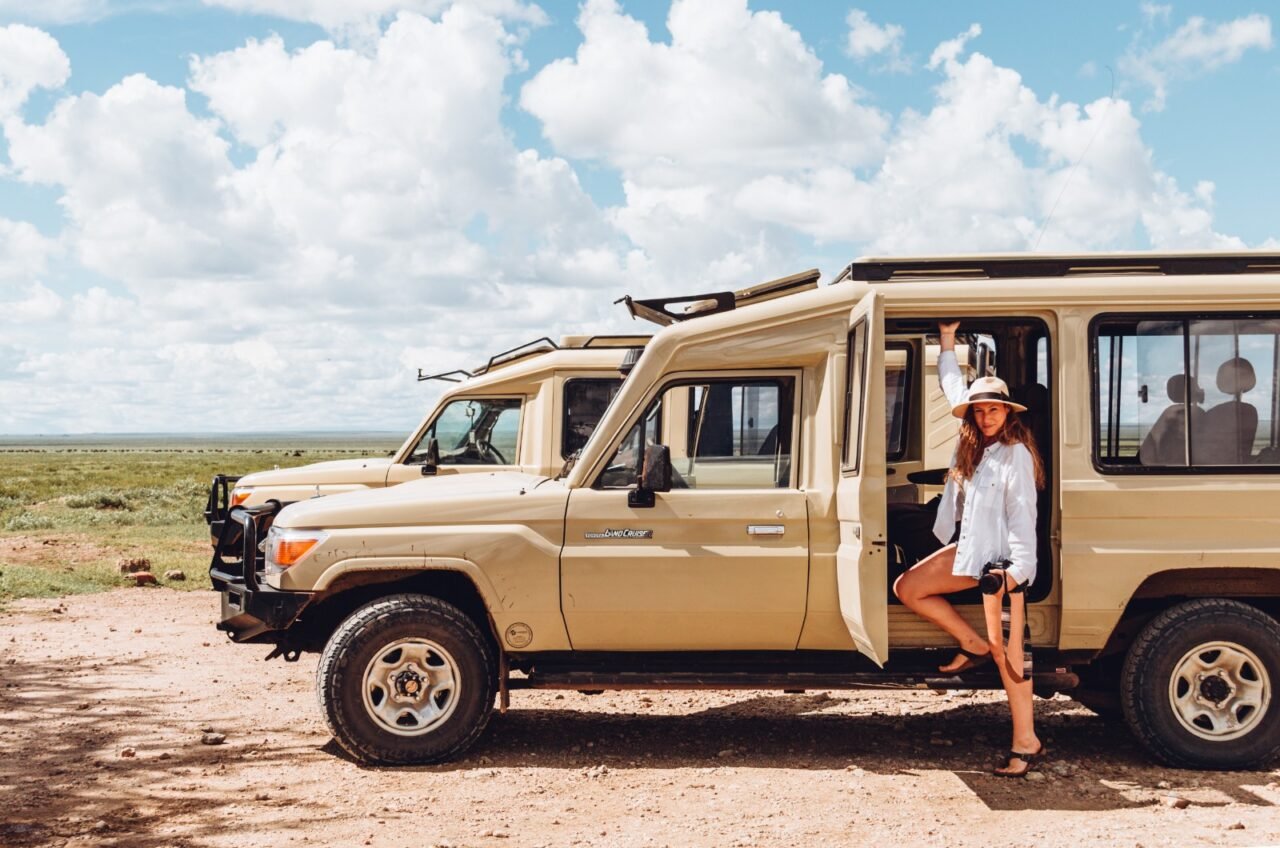
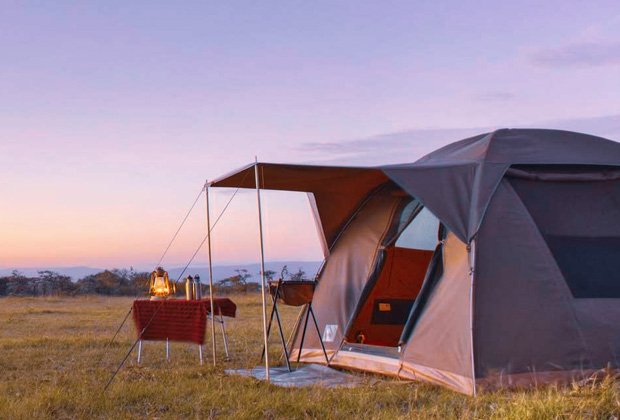
Choosing a group joining safari for your November 2026 trip to Tanzania is a practical decision that blends the social benefits of group travel with the logistical advantages of a pre-planned route. The 6-day Northern Circuit format is widely considered the “sweet spot” for many travelers. It provides enough time to see the major highlights without the rush of a 3 or 4-day tour, yet avoids the extended duration of a 7-day or 8-day private expedition.
By joining a group, you share the costs of the vehicle, fuel, and guide services with other travelers, which significantly lowers your per-person price compared to a private safari. For the November 16 departure, you are traveling during what is locally known as the “short rains” season. While the name suggests constant downpours, the reality is often a series of quick, refreshing afternoon showers that clear the dust, make the landscape lush and green, and attract wildlife to water sources, often making for excellent photography conditions.
Understanding the 6-Day Northern Circuit Itinerary
This 6-day itinerary is structured to minimize backtracking and maximize time spent inside the parks. While the exact sequence can be adjusted based on park conditions and accommodation availability, the core route is built around the classic Northern Circuit loop.
Day 1: Arrival and Briefing
Your journey begins in Arusha or Moshi. We will hold a pre-safari briefing to discuss the itinerary, introduce you to your driver-guide, and check your gear. This is the time to ask final questions about the vehicle, the route, and what to expect regarding wildlife sightings.
Day 2: Tarangire National Park
After breakfast, we depart for Tarangire, famous for its large herds of elephants and iconic baobab trees. November is a transitional period, and you may still find wildlife concentrated near the Tarangire River. We spend the full day exploring the park, utilizing the 4×4 safari vehicle’s pop-up roof for optimal 360-degree viewing.
Day 3: Lake Manyara National Park
We continue to Lake Manyara. This park is geographically distinct, featuring a shallow alkaline lake that attracts thousands of flamingos and other water birds. It is also well-known for its groundwater forests, which provide a different ecosystem than the open savannahs of the Serengeti. Keep an eye out for baboons, giraffes, and the elusive tree-climbing lions.
Day 4: Serengeti National Park (Central)
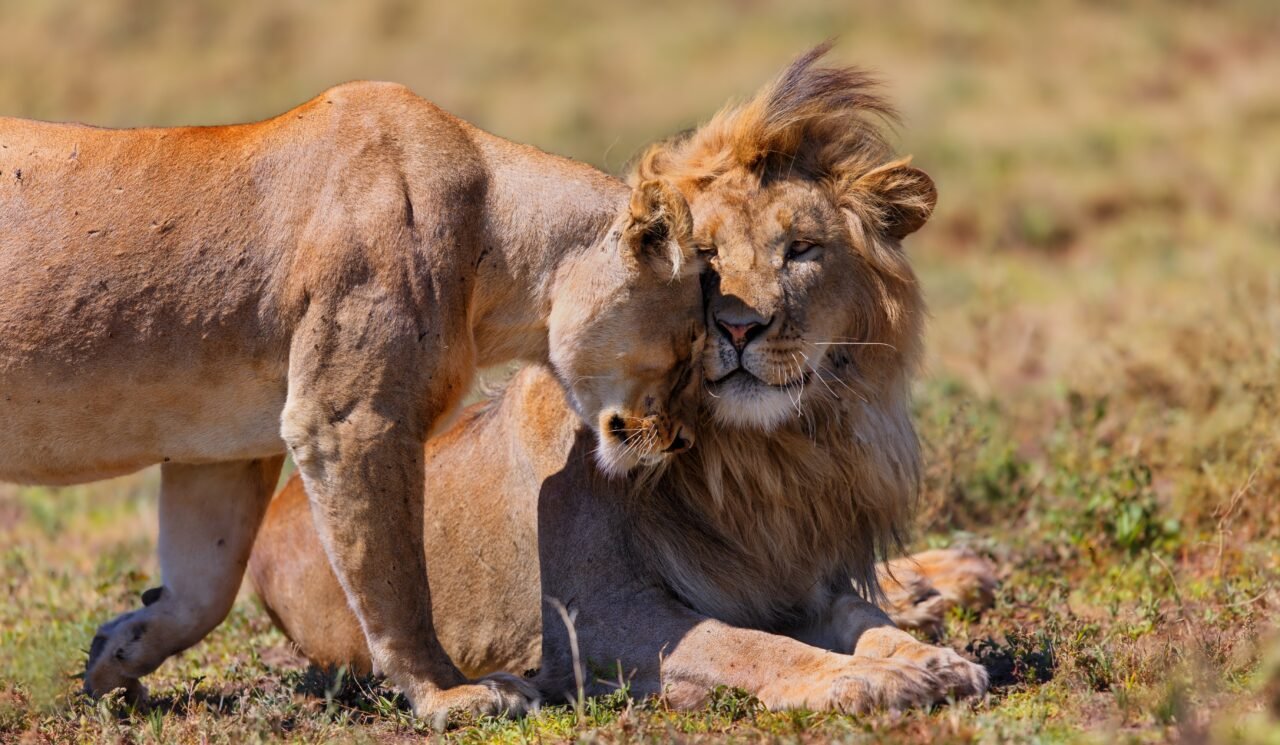
We ascend the Great Rift Valley escarpment and enter the Serengeti. This is the heart of the safari. We will focus our game drives on the Central Serengeti (Seronera area), which is a predator hotspot. Because we are in a group setting, we utilize the guide’s network to share information on where the big cats have been spotted, increasing the likelihood of successful sightings.
Day 5: Serengeti to Ngorongoro
We dedicate the morning to a final game drive in the Serengeti before beginning the drive toward the Ngorongoro Conservation Area. We will stop at the crater rim to take in the views before heading to our accommodation for the night. This timing ensures we are perfectly positioned for an early start into the crater the following morning.
Day 6: Ngorongoro Crater and Return to Arusha
The Ngorongoro Crater is a UNESCO World Heritage site and one of the best places in Africa to see the Big Five in a single day. We descend the crater floor early, before the midday heat. After a picnic lunch, we begin the drive back to Arusha, arriving in the late afternoon. This marks the end of your scheduled group tour.
Why the 6-Day Format Works for Group Travel
The 6-day duration is specifically chosen because it offers a balanced pace. In the world of safari planning, “rushed” is the enemy of a good experience. A 3 or 4-day tour often forces long hours of driving with minimal time for actual game viewing. Conversely, a 7+ day trip can become exhausting for some travelers. The 6-day format allows us to spend two full days in the Serengeti, which is essential given its sheer size. It provides a deeper immersion than shorter trips without requiring the physical and financial commitment of a week-long stay.
If you are comparing this to other options, such as the October 31st 6-day group safari, you will notice that the route remains consistent, but the group dynamics change with every departure. Joining a group means being flexible. You will be sharing the vehicle with fellow travelers who may have different interests—some may want to stop for every bird, while others prefer to hunt for lions. Our guides are trained to mediate these dynamics to ensure everyone gets a fair share of the experience.
Practical Logistics for Your November 2026 Safari
Planning for late 2026 requires understanding the local environment. November is not peak tourist season, which is a major advantage. You will find fewer vehicles at popular sightings, which makes the experience feel more intimate and less like a crowded tourist track. However, it also means that the infrastructure, such as roads, can be affected by the rains. We use robust 4×4 Land Cruisers, which are serviced regularly and equipped for off-road conditions.
What to Pack
Since you are traveling in a shared vehicle, space is limited. We strongly recommend using soft-sided duffel bags rather than hard-shell suitcases. They are much easier to fit into the vehicle’s storage compartments. For clothing, layer up. The Ngorongoro Crater rim can be quite cold, especially in the early morning, while the Serengeti plains can be very hot by midday. Bring a light rain jacket for the potential showers, comfortable walking shoes, and a hat.
Health and Safety
Tanzania requires standard travel precautions. Ensure you are up to date on your routine vaccinations. Many travelers choose to consult their doctors about malaria prophylaxis, as we are visiting malaria-endemic regions. Always drink bottled or treated water, which we provide throughout the safari. If you have specific dietary requirements, please inform us well in advance so we can communicate this to the lodges and camps.
The Climb 4 Africa Difference
At Climb 4 Africa, we specialize in bridging the gap between “tourist” and “traveler.” We aren’t just selling a seat in a jeep; we are providing a local service with professional, Tanzanian-led teams. Our guides are the backbone of our operation—they know the terrain, the animal behavior, and the park regulations inside and out.
When you book a group safari with us, you are getting the same quality of care as our private clients. We handle the park fees, the accommodation bookings, the vehicle maintenance, and the logistics. All you need to do is show up at the meeting point in Arusha or Moshi. If you are looking to extend your trip, we can easily combine this safari with a Kilimanjaro climb or a relaxing beach holiday in Zanzibar. For those flying directly to the coast, we also manage fly-in safari packages if you prefer to skip the long drive back to Arusha.
Booking Your Place for November 16, 2026
Group joining safaris fill up based on interest and vehicle capacity. Because we keep our group sizes small to ensure everyone has a window seat, we recommend booking as soon as your travel dates are firm. You do not need to pay the full amount immediately, but securing your spot requires a deposit.
To start the process, reach out to our team directly. We prefer to speak with you to understand your expectations and ensure this 6-day itinerary is the right fit for your travel style. You can contact us via:
- WhatsApp: +255 747 477 898
- Email: climb4africa@gmail.com
- Backup Email: info@climb-4-africa.com
When you contact us, please provide the following information to speed up the process:
- The number of people in your party.
- Any specific dietary requirements or medical needs.
- Whether you need assistance with pre-safari accommodation in Moshi or Arusha.
- If you are interested in extending your trip to Zanzibar or adding a Kilimanjaro trek.
We will then provide you with the most current cost details, availability, and a clear breakdown of what is included (typically park fees, guide services, meals, and accommodation) and what is excluded (tips, visas, and international flights). We believe in transparency—there are no hidden “surprise” costs. We look forward to helping you plan your 2026 Tanzanian adventure.
Frequently Asked Questions
What is the typical group size for this safari?
We limit our group sizes to ensure comfort and maximize window-seat availability. Typically, our group joining safaris utilize 7-seater 4×4 Land Cruisers, though we often cap the group at 5-6 people to ensure everyone has ample space for camera gear and personal items.
Does the price include park entry fees?
Yes, for our standard group joining packages, the quoted price includes all necessary park entry fees, camping or lodge fees, and government taxes. We handle all the administrative work so you don’t have to worry about the complex fee structures of the Tanzania National Parks Authority (TANAPA).
What if it rains heavily during my November safari?
The “short rains” in November are usually unpredictable but rarely cause extended closures. Our vehicles are equipped for mud and rough terrain. In the unlikely event that a road becomes impassable, our guides are experienced in re-routing the itinerary to ensure you still get the best possible wildlife experience.
Are there age restrictions for this group safari?
While there is no strict upper age limit, the 6-day safari involves significant time spent sitting in a vehicle on bumpy roads. We recommend this for travelers who are comfortable with these conditions. For families with young children, we often recommend a private safari where you have more control over the pace and daily schedule.
Can I request a specific lodge or hotel?
In a group joining safari, the accommodation is pre-selected to keep costs efficient and logistically simple. While we cannot always customize the accommodation for individual group members, we select partner lodges that meet our high standards for cleanliness, safety, and comfort.
Navigating the Safari Experience: Daily Life and Etiquette
Participating in a group joining safari requires a different mindset than traveling solo or with a private party. Because you are sharing a vehicle and, at times, accommodation with fellow travelers, your daily interactions and respect for shared space are as vital to the experience as the wildlife sightings themselves. Understanding the rhythm of a standard safari day helps you prepare for the early starts and the unique pace of the Northern Circuit.
The Daily Rhythm of the Northern Circuit
In the Tanzanian bush, the day begins long before the sun hits its peak. Safaris are scheduled around animal behavior, not human convenience. You should expect wake-up calls as early as 5:30 or 6:00 AM. This is not arbitrary; the goal is to be at the park gates or inside the park boundaries just as the sun rises. This is the golden hour for predator activity—lions, leopards, and cheetahs are most active in the cool temperatures of the early morning before retreating to shade as the heat intensifies. After a quick breakfast, you will head out for a morning game drive, which often lasts until midday. Lunches are frequently served as picnic boxes in designated areas, allowing you to maximize your time inside the parks rather than driving back and forth to a lodge. The afternoon drive continues until the late afternoon, concluding with a return to your accommodation for dinner and rest.
Group Dynamics and Vehicle Etiquette
Because your 4×4 Land Cruiser is a shared environment, simple etiquette goes a long way in ensuring everyone has a positive experience. Most groups implement a seating rotation system to ensure fairness; if you have a window seat in the morning, you might rotate to a middle or opposite window seat in the afternoon or the following day. This ensures that no single traveler monopolizes the best vantage point for photography. Regarding noise, remember that the bush is an auditory environment. Sudden shouts or loud conversations can spook wildlife, particularly sensitive species like leopards or shy ungulates. While laughter and conversation are encouraged during transit, quiet observation is expected once you approach a sighting.
Tipping Etiquette and Cultural Respect
Tipping is a standard and expected practice in Tanzania, serving as a significant component of the income for the hard-working support staff who make your safari possible. While it is entirely discretionary, it is customary to tip your driver-guide, the lodge staff, and any support crew (such as cooks on camping-based itineraries). It is best to carry crisp, clean US Dollar bills (post-2009 series) or Tanzanian Shillings. For a group safari, it is common for the group to pool their tips at the end of the trip to present to the guide, or to tip individually. A helpful rule of thumb is to calculate a modest daily amount per person for the guide, and slightly less for lodge staff. Always place tips in an envelope if possible; handing loose cash can sometimes be perceived as less formal. When in doubt, ask your lead guide on the final day—they are accustomed to these questions and can provide guidance on what is appropriate for the service level you received.
Photography and Gear Management
In a shared vehicle, space is at a premium. While you are encouraged to bring your camera gear, avoid bringing excessive equipment like heavy tripods that cannot be easily stowed. Instead, utilize beanbags—which many safari operators provide or which you can bring empty and fill with beans or rice at your first stop—to stabilize your camera on the vehicle’s roof hatch or window frame. Be mindful of your neighbors’ sightlines; if you have a large telephoto lens, ensure you are not blocking the view of others in the vehicle. Finally, keep a small, dry bag or a simple dust cover for your camera, as the fine dust of the Serengeti and Ngorongoro can easily infiltrate sensitive electronics during the dry spells of November.
Responsible and in-depth Safari Engagement
While the logistics of your November 2026 safari—from the vehicle seating arrangements to the packing list—are essential for a comfortable journey, the quality of your experience is ultimately defined by how you interact with the environment and the wildlife. The Northern Circuit is a fragile ecosystem that relies on the responsible behavior of every visitor. Engaging with the landscape as a steward rather than just an observer transforms a standard tour into a meaningful, ethical, and more rewarding adventure.
Ethical Wildlife Observation
The primary rule of any safari is to prioritize the well-being of the animals over the perfect photograph. In the Serengeti and Ngorongoro, wildlife is accustomed to vehicles, but this familiarity can lead to complacency. When you encounter a sighting, especially of sensitive predators like cheetahs or leopards, it is vital to maintain a respectful distance. If you notice an animal changing its behavior—such as stopping its hunt, moving away, or showing signs of agitation—it is a signal that your vehicle is too close. A professional guide will always respect these boundaries, but as a passenger, you play a role by keeping your voice low and avoiding sudden movements.
Furthermore, the use of flash photography should be strictly avoided. While it may seem harmless, a bright burst of light can startle an animal, potentially disrupting a hunt or causing distress. In the dim light of the early morning or late afternoon, which are prime times for predator activity, rely on your camera’s higher ISO settings or steady support rather than an artificial flash. Respecting these boundaries ensures that you are witnessing natural behavior rather than behavior influenced by human presence.
Environmental Stewardship in the Field
With thousands of visitors traversing the Northern Circuit annually, the impact of human activity is a significant concern for park authorities. As a participant in a group safari, you have a collective responsibility to minimize your footprint. The most immediate step is the management of waste. Tanzania has strict regulations regarding litter, but the most effective approach is to avoid creating waste in the first place. Carry a reusable water bottle that can be refilled at your lodges or from the large, filtered water containers provided in your safari vehicle, rather than relying on disposable plastic bottles that frequently end up in landfills or, worse, scattered in the bush.
Additionally, strictly adhere to the “stay on the track” policy. It is tempting to encourage a driver to drive off-road to get closer to a sighting, but this causes significant damage to the delicate grasses and soil structures of the savanna. Off-roading leads to erosion and the destruction of animal habitats, particularly in the Serengeti. By accepting that the vehicle must remain on designated tracks, you are actively contributing to the long-term conservation of the very wilderness you traveled to see.
The Art of the “Slow” Safari: Beyond the Big Five
Many first-time visitors arrive with a singular focus on the “Big Five”—lions, leopards, elephants, buffalo, and rhinos. While these iconic species are undeniably impressive, limiting your expectations to only these five animals can detract from the richness of the 6-day experience. The Northern Circuit is teeming with life that is easily overlooked if you are constantly scanning the horizon for a predator. Learning to appreciate the “small” wonders of the bush is the secret to a truly satisfying safari.
Take the time to observe the birdlife, such as the vibrant lilac-breasted roller or the intricate nests of the weaver birds. Pay attention to the behavior of the smaller antelope, like the dik-dik or the impala, whose vigilance and social structures are fascinating to watch. Ask your guide about the flora—the different types of acacia trees or the medicinal uses of local plants. When you shift your focus from merely “checking off” animals to understanding the interconnectedness of the ecosystem, the safari becomes a far more in-depth and educational experience. This mindset is particularly valuable in November, when the landscape is lush and green, and the bush comes alive with insects, migratory birds, and the birth of young animals, offering a deeper insight into the cyclical rhythms of the Tanzanian wilderness.
Navigating the Transition from Wilderness to Urban Arusha
While the focus of your 6-day safari is undeniably the wilderness, the conclusion of your journey—the return to Arusha on Day 6—is a significant logistical transition that warrants preparation. Arusha serves as the primary hub for the Northern Circuit, and your return in the late afternoon marks the shift from the “bush rhythm” back to urban life. Understanding how to manage this final transition helps ensure that your departure from Tanzania is as smooth as your arrival.
Most travelers arrive back in Arusha between 4:00 PM and 6:00 PM, depending on traffic conditions on the main road leading from the Ngorongoro Conservation Area. Because this road is a vital artery for both safari vehicles and heavy cargo trucks moving between Tanzania and Kenya, delays can occur. It is highly advisable not to book an international flight departing from Kilimanjaro International Airport (JRO) on the evening of your final day. Even a minor delay in traffic or a lingering wildlife sighting on the drive out of the crater can push your arrival time back, creating unnecessary stress at the end of a relaxing trip.
Managing Post-Safari Logistics
Once you reach Arusha, you will likely need to coordinate your transfer to your next destination. If you are flying out the following day, confirm your airport transfer arrangements with your operator or hotel during your final dinner. Many lodges in Arusha are accustomed to late arrivals from the bush, but clear communication is key. If you have any outstanding tips for your guide or support staff, the final evening in Arusha is the standard time to settle these, as it provides a moment of closure to thank the team for their service.
Another practical consideration is the “re-entry” into connectivity. You will likely have had intermittent or no cellular service while deep in the Serengeti. Upon returning to Arusha, you may find your phone flooded with notifications. Plan to spend your final evening offline if possible; after six days of focusing on the horizon and the sounds of the bush, the sudden influx of digital information can be jarring. Use this final night to process your photos, exchange contact information with your fellow group members, and enjoy a final Tanzanian meal, which often features local specialties like nyama choma (grilled meat) or fresh, locally grown vegetables.
Extending Your Stay: Beyond the 6-Day Circuit
Travelers often ask if they should add a day or two in Arusha before or after the safari. Arusha is more than just a transit point; it is the gateway to the northern highlands. If your schedule permits, consider an extra day to visit the Arusha Cultural Heritage Centre, which houses an extensive collection of African art, jewelry, and carvings. It is an excellent place to purchase high-quality souvenirs that directly support local artisans, avoiding the pressure of roadside stalls. Alternatively, a visit to the Meserani Snake Park or a coffee plantation tour on the slopes of Mount Meru can provide a gentle, low-impact activity that complements the intensity of your safari experience.
If you find yourself with an extra day and a desire for more wildlife, a day trip to Arusha National Park is a viable option. While it does not host the same density of animals as the Serengeti, it offers a distinct “walking safari” experience—a rarity in the Northern Circuit—where you can hike with an armed ranger to see giraffes, colobus monkeys, and buffalo up close. This offers a different perspective on the Tanzanian landscape, focusing on the details of the forest and the mountain slopes rather than the vast plains of the Serengeti.
The Geological and Cultural Context of the Northern Circuit
While the primary objective of your November 2026 safari is wildlife observation, understanding the landscape you are traversing transforms the experience from a simple tour into a profound encounter with one of the planet’s most dynamic geological features: the East African Rift Valley. The Northern Circuit itinerary is not a random collection of parks; it is a route designed to follow the dramatic geological shifts that have shaped this entire region. From the volcanic soils of the Ngorongoro highlands to the alkaline waters of Lake Manyara, the landscape is the architect of the wildlife density you will witness.
The Great Rift Valley, which bisects the Northern Circuit, is a massive tectonic trench that has created unique micro-climates. As you travel from Tarangire toward the Ngorongoro Conservation Area, you are essentially traversing the floor of this ancient rift. The volcanic activity that formed the Crater—a caldera resulting from a massive explosion roughly 2.5 million years ago—is responsible for the nutrient-rich grasses that sustain the vast herds of wildebeest and zebra. When you gaze across the Serengeti plains, you are looking at a landscape defined by this volcanic legacy. Recognizing that these parks are interconnected by deep-seated geological history helps explain why certain animals are found in specific areas; the soil composition determines the vegetation, which in turn dictates the movement of the herbivores and the predators that follow them.
Living Landscapes: The Maasai and the Ngorongoro Conservation Area
A distinctive aspect of your 6-day journey, particularly on Day 5 and Day 6, is your time within the Ngorongoro Conservation Area (NCA). It is vital for the modern traveler to distinguish the NCA from the Serengeti National Park. While the Serengeti is a strictly protected national park where human habitation is prohibited, the NCA operates under a unique “multiple land use” model. This is the ancestral land of the Maasai people, who are permitted to graze their cattle and live within the conservation area boundaries alongside the wildlife.
As you drive through the NCA, you will likely see Maasai herders tending to livestock, a sight that often surprises visitors expecting a pristine wilderness devoid of human presence. This is not a “staged” cultural performance; it is the reality of life in the highlands. Understanding this cohabitation is essential for an in-depth safari experience. The Maasai have historically managed these grasslands, and their traditional pastoral practices are now integrated into the conservation strategy of the region. When you observe these interactions, maintain a respectful distance. If your guide facilitates a stop at a local village—often called a ‘boma’—approach the visit with the understanding that these communities are balancing their traditional way of life with the pressures of a modern, tourism-driven economy. Engage with curiosity rather than judgment, and remember that these interactions are opportunities for mutual learning.
The Economic and Social Impact of Your Visit
Your presence on this November 2026 safari contributes directly to the regional economy. The Northern Circuit is the lifeblood of the Tanzanian tourism sector, supporting thousands of jobs ranging from lodge staff and vehicle mechanics to park rangers and anti-poaching units. Because the Northern Circuit is a high-traffic area, the economic impact of responsible tourism is significant. When you choose to support local businesses—whether by purchasing crafts at the Arusha Cultural Heritage Centre, tipping your support staff, or engaging with local guides—you are helping to ensure that the economic benefits of conservation reach the communities that live on the front lines of wildlife protection.
Furthermore, the “short rains” season in November, while sometimes bringing unpredictable weather, is a critical time for the ecosystem. Your visit during this shoulder season helps distribute the tourism load more evenly throughout the year, reducing the strain on park infrastructure that occurs during the peak months of July and August. By choosing to travel in November, you are participating in a more sustainable model of tourism that allows the parks to recover and the local service providers to maintain consistent employment, rather than relying solely on the high-season spikes.
Navigating the Dietary and Culinary Landscape of the Northern Circuit
One of the most frequent questions from travelers preparing for a group joining safari concerns the reality of dining in the bush. When you are moving between remote camps, lodges, and tented sites over the course of six days, the logistics of food preparation become a vital part of the experience. Understanding how these meals are managed will help you set realistic expectations for your November 2026 trip.
The Mechanics of Safari Catering
In the context of a 6-day Northern Circuit itinerary, your meals are typically a blend of lodge-based dining and field-prepared options. Most lodges and tented camps in the Serengeti and Ngorongoro regions are accustomed to the early-start nature of safari life. Breakfasts are usually substantial, often served buffet-style before sunrise, designed to provide the energy needed for long hours in the vehicle. Lunch, however, is the most variable meal. On days involving significant travel between parks—such as the transit from the Serengeti to the Ngorongoro Conservation Area—you will likely be provided with a “lunch box.” These are pre-packed meals prepared by your accommodation, consisting of cold cuts, fruits, hard-boiled eggs, and sandwiches. These are designed to be eaten at designated picnic sites within the parks, allowing you to maximize your time in the field without returning to a lodge.
Managing Dietary Requirements and Allergies
Because you are traveling as part of a group, communication is the primary tool for managing dietary needs. If you have specific requirements—such as vegetarian, vegan, gluten-free, or halal diets, or if you have severe food allergies—it is imperative that you communicate these to your tour operator at least three weeks before your November 16 departure. While the lodges on the Northern Circuit are well-versed in catering to international travelers, they operate in remote environments where grocery supply chains are limited. Providing advance notice ensures that the kitchen staff can source appropriate ingredients from Arusha before your group departs. Do not assume that dietary requests can be accommodated on the fly once you are in the bush; once the vehicle leaves the city, your access to specialized ingredients is effectively zero.
Hydration and Water Safety
Hydration is critical in the Tanzanian climate, even in the milder temperatures of November. While you might be tempted to bring a reusable water bottle, you must ensure you have a reliable way to fill it. The most standard practice on these safaris is the provision of bottled drinking water by your operator, which is stored in the vehicle. As part of your commitment to environmental stewardship, consider bringing a high-capacity, insulated reusable bottle to decant this water into throughout the day. This reduces the number of single-use plastic bottles you consume during the trip. Never drink tap water at any lodge or campsite, regardless of the apparent quality; always use the provided treated or bottled water for both drinking and brushing your teeth.
The Social Aspect of Dining
In a group joining safari, mealtimes are often the primary social glue. Unlike private safaris where you dine alone, you will be sharing tables with your fellow travelers at lodges. This is an excellent opportunity to share observations from the day, discuss photography tips, and build camaraderie. If you are a solo traveler, these communal dining settings are a natural way to integrate into the group. Embrace these moments as part of the cultural exchange of the trip; the dining room is where the day’s adventures are processed and where the group dynamic truly solidifies.
Connectivity and Digital Etiquette in the Bush
While the Northern Circuit is increasingly modernized, it remains a wilderness environment where connectivity is a luxury rather than a guarantee. As you prepare for your November 16 departure, it is essential to adjust your expectations regarding digital access. The vast majority of the Serengeti National Park and the Ngorongoro Conservation Area operate on limited, satellite-based internet infrastructure. For many travelers, this forced disconnection is a highlight of the experience, but it requires proactive management to ensure you stay comfortable and connected with your essential needs.
The Reality of Off-Grid Connectivity
Most lodges and tented camps in the Serengeti and Ngorongoro regions rely on satellite internet (VSAT), which is often slow, unstable, and prone to weather-related outages. During the “short rains” of November, intermittent cloud cover can further degrade signal strength. Do not plan on streaming video, uploading high-resolution photo backups, or participating in video conference calls during your safari. Connectivity is generally sufficient for basic text messaging or checking emails, but it is rarely robust enough for data-heavy tasks. If you have critical business or family matters that require constant availability, you should consider purchasing a local Tanzanian SIM card with a data package before leaving Arusha, though even then, coverage in the deep bush is inconsistent at best.
Power Management and Charging Logistics
Managing the power needs of your devices is a logistical priority that often catches first-time safari-goers off guard. While most modern safari Land Cruisers are equipped with cigarette-lighter-style charging ports or USB outlets, these are intended for occasional use—such as topping up a phone or a camera battery—rather than charging multiple devices simultaneously. The power supply in the vehicle is tied to the vehicle’s engine and auxiliary battery system; relying on it for high-draw devices can drain the vehicle’s power, which is critical for other functions like the fridge or radio.
To avoid frustration, assume that you will need to charge your primary devices at your lodge or camp. Most accommodations provide electricity during specific hours—often in the evening and early morning—via solar inverters or generators. If you have multiple devices (camera batteries, power banks, phones, tablets), bring a small, compact power strip or a multi-port wall charger. This allows you to maximize the use of a single available power outlet in your room. Additionally, investing in a high-capacity portable power bank is the single best way to ensure your devices remain functional throughout the day, removing the stress of finding an outlet during game drives.
Digital Etiquette in Shared Spaces
Participating in a group joining safari means your relationship with your devices is not just a personal matter; it is a component of your group dynamic. The shared environment of the 4×4 Land Cruiser is intimate. While it is tempting to use your phone to capture quick snapshots or check your GPS location, constant screen usage can be a significant distraction to your fellow travelers and can disrupt the in-depth nature of the safari.
Be mindful of the “digital footprint” you leave in the vehicle. Bright screens in the dim light of dawn or dusk are highly visible and can be disruptive to others trying to observe wildlife. Furthermore, avoid using your phone to play music or loud videos while in the vehicle; the bush is an acoustic environment, and sound carries easily. If you are using your phone for photography, ensure it is set to silent mode. Most importantly, resist the urge to constantly “check in” or post to social media while in the field. The goal of the 6-day Northern Circuit is to engage with the landscape directly. By prioritizing your physical surroundings over your digital ones, you not only improve your own experience but also demonstrate respect for the other group members who have traveled to Tanzania to escape the digital noise of their daily lives.
Seasonal Wildlife Dynamics and the November “Short Rains”
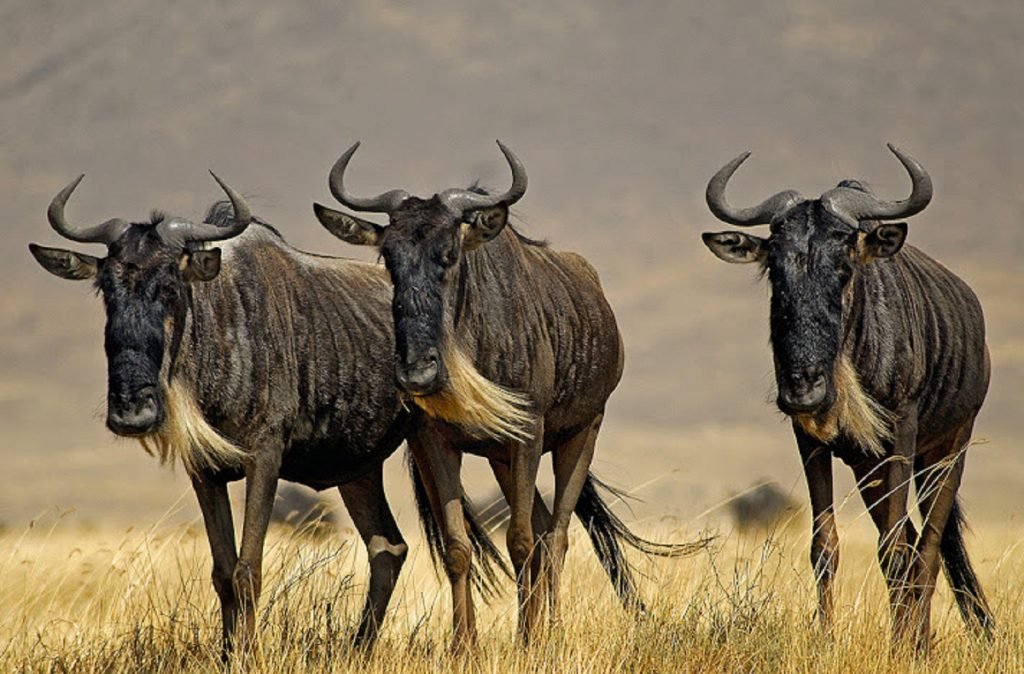
For your November 16 departure, it is essential to adjust your expectations regarding wildlife visibility and behavior, as this period marks the onset of Tanzania’s “short rains,” locally known as the Vuli. Unlike the heavy, persistent downpours of the long rainy season in April and May, the November rains are typically characterized by brief, intense afternoon thunderstorms that clear the air and refresh the landscape. For the wildlife, this shift is a profound ecological turning point. As the dust settles and the grasses begin to turn a vibrant green, the primary challenge for the safari-goer is that wildlife becomes more dispersed. During the peak dry season, animals are forced to congregate around permanent water holes, making them easy to locate. In November, with water becoming more widely available across the plains, herds—particularly zebras and wildebeests—begin to scatter, and predators may move into areas with higher cover.
However, this transition offers unique rewards that the dry season cannot provide. The landscape transforms from a parched, golden expanse into a lush, fertile environment, which is the primary catalyst for the arrival of migratory birds. By mid-November, the Northern Circuit becomes a haven for Palearctic migrants—birds traveling from Europe and Asia to escape the northern winter. Birdwatchers will find the Serengeti and the Ngorongoro Conservation Area particularly rewarding during this time, with the arrival of species like the Steppe Eagle and various swallows. Furthermore, while the grass grows taller, the lack of dust in the air significantly improves clarity for long-range photography. You will find that the animals often appear more active and less lethargic than they do during the heat-stressed peak of the dry season, as they take advantage of the milder temperatures and new grazing opportunities.
Navigating Wildlife Viewing Preferences in a Shared Group
One of the most nuanced aspects of a 6-day group joining safari is managing the competing interests of your fellow travelers during game drives. It is common to find yourself in a vehicle where one passenger is a dedicated photographer who wants to spend an hour waiting for a leopard to emerge from a tree, while another passenger is eager to cover more ground to see a wider variety of species. Because you are in a shared 4×4 Land Cruiser, the guide has the difficult task of balancing these desires while adhering to the strict park schedules and the necessity of reaching your lodge before sunset.
To navigate this effectively, establish a culture of open communication early on. During your first morning briefing, take a moment to discuss the group’s general goals. If you have specific interests—such as a focus on birdlife or a desire to spend extra time at predator sightings—voice these early, but remain flexible. Understand that the guide’s primary responsibility is to ensure the group sees the highlights of the circuit within the allotted timeframe. If a majority of the group wants to move on, the guide will generally prioritize the collective decision. Do not view this as a failure of your experience; instead, treat it as an opportunity to see more of the landscape. If you find yourself in a minority regarding a specific sighting, practice patience. The Northern Circuit is vast, and the next encounter is often just around the corner. By fostering a spirit of compromise, you ensure that the vehicle remains a harmonious environment, which is far more conducive to a successful safari than persistent individual pressure on the guide.
Navigating Park Permit Constraints and Time Management
One of the most common sources of friction during a 6-day group safari is the perceived “rushed” nature of the itinerary, particularly when moving through the Serengeti. It is vital for participants to understand that your guide is not simply driving quickly because they are impatient; they are operating under a strictly regulated system of park entry permits that dictates every hour of your 6-day journey. The Serengeti National Park, in particular, operates on a 24-hour permit system. Once your vehicle enters the park gate, the clock begins ticking. If you enter at 10:00 AM on Day 4, your permit expires at 10:00 AM on Day 5. Exceeding this window results in significant financial penalties for the operator and, in some cases, can lead to the revocation of the vehicle’s operating license. This regulatory framework is the primary reason why your guide may seem to adhere to a rigid schedule, prioritizing reaching your campsite or lodge before the permit expires.
Similarly, the Ngorongoro Conservation Area (NCA) enforces a strict 6-hour entry window for the crater floor. This is not a suggestion; it is a hard limit designed to manage the high volume of traffic within the crater and protect the ecosystem from overcrowding. Because your Day 6 itinerary involves descending into the crater, your time on the floor is finite. Understanding this helps reframe the “rushed” feeling into an appreciation for the logistics involved. Your guide is balancing the need to maximize your wildlife viewing time with the necessity of ensuring the vehicle exits the crater before the 6-hour timer concludes. When you see your guide checking their watch or advising the group to move on from a sighting, they are likely managing these critical permit windows to ensure the rest of your trip remains on schedule.
Understanding Vehicle Mechanics and Contingency Planning
While the goal of every operator is to provide a smooth journey, the Northern Circuit is a rugged environment that places immense stress on mechanical equipment. The combination of “corrugated” dirt roads, heavy loads, and the vast distances covered over six days means that vehicle maintenance is a constant, ongoing process. Occasionally, a 4×4 Land Cruiser may experience a mechanical issue, such as a tire puncture, a cooling system failure, or electrical trouble. It is essential to approach the possibility of a breakdown not as a failure of the tour, but as a realistic, manageable aspect of remote-area travel. Safari operators in Tanzania maintain a sophisticated network of communication and support to mitigate these disruptions.
In the event of a mechanical issue, the first line of defense is the VHF radio network. Guides are in constant communication with each other and their home bases in Arusha. If your vehicle experiences a significant issue that cannot be resolved in the field by the driver—who is also a skilled mechanic—your operator will coordinate a “rescue” or vehicle swap. This often involves another vehicle from the same company or a partner operator intercepting your group to transfer passengers and gear. While this can cause a temporary delay, it is a standard procedure in the bush. When traveling as part of a group, your patience during these moments is invaluable. The guides are trained to prioritize your safety and comfort, and they will work to minimize the disruption to your itinerary. Maintaining a flexible attitude and viewing these logistical adjustments as part of the authentic Tanzanian safari experience will keep morale high, ensuring that a minor mechanical delay does not detract from the overall quality of your 6-day expedition.
Mastering the Language and Realities of the Northern Circuit
As you prepare for your November 16, 2026, departure, moving beyond the logistics of the 6-day itinerary and into the nuances of the safari experience will significantly enhance your journey. Understanding the specific lexicon used by your guide and preparing for the environmental realities of the Tanzanian bush are two often-overlooked aspects of safari preparation that can turn a standard tour into an in-depth, informed adventure.
Decoding Safari Terminology
Your driver-guide will use a specific set of terms that go beyond simple English. Familiarizing yourself with this vocabulary helps you follow the day-to-day decision-making process and allows you to ask more insightful questions during game drives. A common point of confusion is the term “Game Drive.” While often used interchangeably with “safari,” a game drive specifically refers to the active, hours-long process of driving through the bush to locate, track, and observe wildlife. It is not merely transportation; it is a tactical exercise. Your guide is constantly reading the landscape, checking for animal tracks, observing bird alarm calls, and listening to VHF radio updates from other vehicles to pinpoint sightings.
You will frequently hear the word “Kopje” (pronounced ‘copy’), especially in the Serengeti. These are the massive granite rock outcrops that dot the savanna. Understanding what they are transforms your view of the landscape; they are geological anchors that serve as essential lookouts for predators like lions and leopards, who use the elevated position to scan for prey. Recognizing a kopje allows you to anticipate where wildlife might be hiding, making you an active participant in the search rather than a passive observer. Similarly, understanding the historical context of the “Big Five”—lion, leopard, elephant, buffalo, and rhino—adds depth to your trip. These animals were not designated the “Big Five” because they are the most beautiful or the most interesting to watch, but because they were historically the most dangerous and difficult to hunt on foot. Knowing this distinction helps you appreciate why your guide might be just as excited to show you a rare bird species or a complex termite mound as they are to show you a lion.
Finally, terms like “Bush” and “Savanna” are often used loosely. In the context of the Northern Circuit, the “bush” refers to the dense, scrubby woodland areas (common in Tarangire), whereas the “savanna” refers to the open, grassy plains (typical of the central Serengeti). Knowing this distinction helps you understand the visibility constraints you will face; in the bush, you are hunting for movement in thick vegetation, while on the savanna, you are scanning vast horizons for shapes and silhouettes.
Managing Environmental Realities: The Tsetse Fly
While the “short rains” of November are generally pleasant, they bring about specific environmental conditions that every safari-goer should anticipate: the increased activity of the Tsetse fly. These insects are a localized reality in parts of the Tarangire National Park and the Serengeti. Unlike common houseflies or mosquitoes, Tsetse flies are robust, persistent, and their bite is sharp and noticeable. They are attracted to movement, heat, and specific visual cues, particularly the colors blue and black. This is a critical piece of information for your packing strategy.
To minimize your attractiveness to these insects, it is highly recommended to avoid wearing dark blue or black clothing during game drives in these specific zones. Instead, opt for neutral colors like khaki, tan, olive, or light grey, which are less visually stimulating to the flies. While Tsetse flies are most active during the day, their presence is often localized; your guide will likely know exactly which areas to avoid or move through quickly. If you do encounter them, keep your vehicle windows closed when driving through high-density areas, even if it feels warmer. While most Tsetse flies in tourist areas are not carriers of sleeping sickness, their bite is painful enough to be a significant nuisance. Using a high-quality insect repellent containing DEET or Picaridin on your skin and potentially treating your outer clothing with permethrin before your trip can provide an extra layer of protection. By understanding this aspect of the ecosystem, you can prevent what would otherwise be a distracting annoyance from impacting your focus on the wildlife.
The Value of Localized Communication
While English is widely spoken by all safari staff, learning a few basic phrases in Swahili—the lingua franca of Tanzania—can fundamentally shift your interactions with lodge staff, local vendors, and your guide. Tanzanians are incredibly hospitable, and even a rudimentary attempt at the language is met with genuine warmth and appreciation. Simple greetings like “Jambo” (Hello) or “Habari” (How are you?) are excellent starting points. When you arrive at a lodge after a long day of game viewing, greeting the staff with “Asante sana” (Thank you very much) for their service is more than polite; it is a way of acknowledging their role in your experience. This level of cultural engagement is often the difference between being a tourist and being a welcomed guest, and it contributes to the overall positive atmosphere of your 6-day group journey.
Understanding Accommodation Tiers: Lodges vs. Tented Camps
One of the most frequent sources of confusion for participants on a 6-day Northern Circuit group safari involves the terminology used to describe your nightly accommodation. On your November 2026 itinerary, you will likely encounter a mix of “lodges” and “tented camps.” Understanding the distinction between these is vital for setting your expectations, as the experience of each is fundamentally different.
Lodges in the Northern Circuit are traditional, permanent structures built from stone, wood, or brick. They often resemble conventional hotels, featuring solid walls, tiled roofs, and established amenities like swimming pools, large dining halls, and multi-story rooms. Staying in a lodge provides a sense of permanence and insulation, which can be particularly comforting during the cooler evenings of the November “short rains.” These properties are often located on the periphery of parks or within specific conservation areas, offering a high degree of security and infrastructure.
Permanent Tented Camps, by contrast, offer a unique “glamping” experience that is iconic to the East African safari. These are not the small, collapsible tents used for hiking; rather, they are spacious canvas structures built on raised wooden platforms. They feature real beds, en-suite bathrooms with hot-water showers, and proper furniture. The “canvas” aspect means you are separated from the sounds of the African bush by a thin layer of fabric, which provides an in-depth auditory experience—you may hear hyenas calling or elephants trumpeting in the distance as you fall asleep. These camps are often designed to be low-impact and eco-friendly, frequently located in remote, high-traffic wildlife corridors within the Serengeti, bringing you closer to the wilderness than a traditional lodge ever could.
When reviewing your booking for the November 16 departure, check the specific classification of your accommodations. A “luxury tented camp” is often priced similarly to a high-end lodge, but the experience is more intimate and nature-focused. If you are a light sleeper who prefers total silence and thick walls, a lodge may be your preference. If you are seeking the quintessential safari experience where the boundary between your room and the wild is intentionally blurred, a permanent tented camp will likely be the highlight of your 6-day journey.
The Solo Traveler Experience on the Northern Circuit
Joining a 6-day group safari as a solo traveler is a common and highly rewarding way to explore Tanzania, but it requires a slightly different approach to preparation compared to couples or families. Because the Northern Circuit is a highly social environment, solo travelers are rarely isolated; however, the logistics of the trip necessitate proactive communication.
Most group joining safaris operate on a twin-sharing basis, meaning you will be paired with another traveler of the same gender for your accommodation. If you prefer the privacy of your own room, you must request a “single supplement” well in advance. This is an additional cost that covers the room that would otherwise be occupied by a second guest. Given that November is a popular transition month for the Northern Circuit, single room availability can be limited, so securing this early is essential.
From a social perspective, the 6-day format is ideal for solo travelers. Because you are sharing a vehicle and meals for nearly a week, you will quickly move past the “small talk” phase with your group members. The shared nature of the experience—witnessing a lion hunt or navigating a muddy track during the short rains—naturally fosters a sense of camaraderie. As a solo traveler, you are often the most flexible member of the group, which can be an asset when decisions about photo stops or park time management arise. Embrace the opportunity to connect with fellow travelers from around the world; the common bond of the safari experience often leads to lifelong friendships that extend well beyond the 6-day itinerary.
Navigating the Transition from Vehicle to Walking: When and Where You Can Step Out
One of the most profound misconceptions for participants on a 6-day Northern Circuit safari is the assumption that you will be confined entirely to the Land Cruiser for the duration of the trip. While the primary mode of wildlife observation is indeed the vehicle—which serves as both your mobile viewing platform and your safety barrier—there are specific, regulated opportunities to step out and engage with the environment on foot. Understanding these distinctions is critical for your November 2026 safari, as the rules regarding “walking safaris” vary significantly between the national parks and the conservation areas you will visit.
The Strict Rules of National Park Game Drives
Within the borders of Serengeti National Park, Tarangire National Park, and Lake Manyara National Park, the regulations are absolute: you must remain inside your vehicle at all times while in the game viewing areas. This is not merely a suggestion but a strict conservation and safety mandate enforced by TANAPA (Tanzania National Parks Authority). The wildlife in these areas is wild and unhabituated to human presence on foot; the vehicle serves as a neutral object that the animals ignore. If you step out, you break this illusion, potentially provoking a flight response from prey animals or an aggressive reaction from predators. There are no exceptions for photography or stretching your legs mid-drive, regardless of how calm the wildlife may appear.
Designated Walking Zones and Escorted Walks
While game drives are strictly vehicular, your 6-day itinerary often includes opportunities for walking, provided you know where and how to access them. These experiences are distinct from game drives and usually occur in specific “buffer zones” or designated walking areas outside the core national park boundaries, or within the Ngorongoro Conservation Area (NCA), which operates under different land-use regulations than the national parks.
If your itinerary allows for a guided nature walk—often arranged near the Ngorongoro highlands or on the periphery of the Serengeti—you will be accompanied by an armed park ranger. This is a non-negotiable safety requirement. The ranger is there to interpret the smaller details of the ecosystem—tracking spoor, identifying medicinal plants, and understanding the geological history of the landscape—that you would completely miss from the height of a Land Cruiser window. These walks are not about seeing the “Big Five”; they are about understanding the bush at a micro-level.
The Importance of Compliance
The transition from vehicle to walking is a moment where your behavior directly impacts the ecosystem and your safety. If you are participating in a group, you must adhere to the guide’s instructions immediately. Do not attempt to step out of the vehicle for a “better photo” in a restricted area, even if you see other vehicles doing so. Such behavior is not only a violation of park permits—which can result in heavy fines for your operator and the revocation of your guide’s license—but it also fundamentally alters the behavior of the wildlife you are there to observe. By respecting these boundaries, you ensure that the animals remain wild and that the Northern Circuit remains a sustainable destination for future travelers.
Preparing for Your Walking Experience
If you have booked an itinerary that includes a walking segment, your preparation differs from a standard game drive. You will need closed-toe, comfortable walking shoes or light hiking boots, as you may be navigating uneven terrain, tall grass, or rocky outcrops. Because you are in the bush, neutral-colored clothing (khaki, olive, or brown) is essential to remain inconspicuous. Avoid bright colors or white, which stand out against the landscape and can disturb wildlife. Finally, always carry a small daypack for water and sun protection, as these walks can last anywhere from 45 minutes to two hours, and the equatorial sun in November can be intense even during the cooler, rainy season.
Wildlife Behavioral Shifts During the November ‘Vuli’
While the ‘short rains’ of November are primarily understood in terms of weather, they trigger specific behavioral shifts in the wildlife of the Northern Circuit that directly influence your 6-day experience. As the first rains of the Vuli arrive, the landscape undergoes a rapid transformation from the dry, dusty plains of October to a lush, green environment. This transition is not merely aesthetic; it is a primary driver for herbivore movement. During your November 16 departure, you will likely observe the migratory herds—primarily wildebeest and zebras—beginning their southward movement from the northern Serengeti toward the short-grass plains of the south. Unlike the massive, singular column of the Great Migration in the winter, this movement is often more fragmented, with smaller groups grazing their way across the central and eastern corridors.
For the predator populations—lions, leopards, and cheetahs—this is a period of heightened activity. The dispersal of herbivores into the newly greened areas means that predators must be more strategic. You are more likely to witness hunting behavior during this season because the cover provided by taller grass and the scattered nature of the prey herds force predators to work harder and more cooperatively. Furthermore, November is a period where many ungulate species, particularly impala and gazelle, are in the late stages of gestation or early post-parturition. This creates a specific, albeit sometimes somber, dynamic where predator-prey interactions are frequent. Your guide will often prioritize ‘scanning’ the edges of thickets and drainage lines, where predators utilize the cover of the new vegetation to ambush prey that has been drawn to the fresh grazing.
The Reality of Road Conditions and Transit Duration
One of the most significant, yet often under-communicated, realities of the Northern Circuit is the nature of the road network. While the main arteries connecting Arusha to the park gates are paved, the internal park roads—and the transit routes between the Serengeti and Ngorongoro—are predominantly ‘corrugated’ dirt roads. Understanding this is vital for your comfort and physical stamina over the 6-day duration. Corrugation is a specific road phenomenon caused by the weight of heavy vehicles passing over loose soil, creating a rhythmic, ‘washboard’ surface of parallel ridges. When driving over these at speed, the vibration is intense and constant.
This vibration is not merely a nuisance; it affects how you interact with the vehicle and your gear. For the duration of your transit days, you should expect a level of physical fatigue that is distinct from the mental exhaustion of game viewing. It is crucial to ensure that your camera gear is protected in dust-proof, padded bags, as the fine, volcanic dust of the Serengeti can infiltrate even ‘sealed’ equipment. Furthermore, if you suffer from motion sickness or back sensitivity, the transit days—particularly the drive from the Serengeti to the Ngorongoro Conservation Area—require proactive management. Do not hesitate to ask your guide for a ‘comfort break’ if the vibration becomes overwhelming; while the schedule is structured, the guides are professionals who understand that the physical toll of the road is part of the safari experience. Managing your own physical state during these transit hours is as important as your behavior during the game drives themselves.
Financial Logistics: Currency and Payment Realities
While your 6-day Northern Circuit itinerary is largely pre-paid through your booking, the practical realities of managing money on the ground in Tanzania require careful preparation. Travelers often arrive with generic advice about “carrying cash,” but the specific banking and currency environment in Arusha and the surrounding safari zones is highly nuanced. Failure to understand these logistics can lead to significant inconvenience, particularly when trying to settle tips, purchase personal items, or manage last-minute costs before departing into the wilderness.
The “New Bill” Requirement for US Dollars
The most critical financial detail for your November 2026 trip is the strict adherence to the “post-2006” (and often preferred post-2009) rule for US Dollar bills. In Tanzania, banks, currency exchange bureaus, and even some lodges are extremely selective about the condition and age of the USD notes they accept. You must ensure that every dollar bill you bring is crisp, clean, and free of any tears, ink marks, or significant creases. Bills printed before 2006 are almost universally rejected or accepted only at a significantly disadvantageous exchange rate. Do not attempt to bring “older” currency, as you will likely find yourself unable to use it for tips, visa fees, or souvenir purchases. When obtaining your cash before travel, specifically request “new series” bills from your bank.
Balancing Local Currency (TZS) and Foreign Exchange
While US Dollars are the standard for major tourist transactions, tips, and park-related services, you will find it beneficial to carry a small amount of Tanzanian Shillings (TZS). The Shilling is the preferred currency for smaller, local transactions in Arusha, such as purchasing bottled water, snacks, or curios at local markets where the exchange rate applied to USD might be unfavorable. Having local currency prevents the “rounding up” that often occurs when paying in USD for small items. However, do not over-convert; TZS is difficult to exchange back into USD or other major currencies once you leave Tanzania. Aim to have a mix: the bulk of your budget in pristine USD for major expenses and tips, and a smaller, manageable stash of TZS for incidental needs.
The Reality of ATM Access and Credit Card Usage
Relying on ATM access during your 6-day trip is a strategy fraught with risk. While Arusha features numerous ATMs that accept international debit and credit cards, these machines are prone to downtime, connectivity issues, or running out of cash, particularly on weekends or public holidays. Furthermore, the withdrawal limits on many Tanzanian ATMs are relatively low, meaning you may have to perform multiple transactions to get the cash you need, each incurring international withdrawal fees from your home bank. Never assume you can “just hit an ATM” on the morning of your departure. Secure your cash in Arusha upon arrival or before you leave your home country.
Regarding credit cards, while many mid-range and luxury lodges in the Serengeti and Ngorongoro regions accept Visa and Mastercard, you should not treat this as a guarantee. Connectivity issues in the bush can render card terminals useless. Moreover, many establishments impose a surcharge—often between 3% and 5%—for credit card payments to cover processing fees. Always carry enough cash to cover your anticipated tipping and personal expenses to avoid the frustration of a declined card or an unexpected, high-percentage surcharge in a remote location where you have no other payment alternatives.
Navigating the Departure Protocol and Post-Safari Exit
As your 6-day Northern Circuit adventure concludes on the sixth day, the transition from the isolation of the bush back to the urban environment of Arusha requires logistical foresight. Many travelers mistakenly assume that their safari ends the moment they exit the Ngorongoro Conservation Area, but the reality is that the final transit—often lasting three to four hours back to Arusha—is a critical component of your itinerary. This drive back is not merely a transfer; it is a final opportunity to debrief with your guide, settle any outstanding tips, and begin the process of returning to connectivity.
The Final Day Logistics and Flight Scheduling
When booking your onward travel, specifically flights departing from Kilimanjaro International Airport (JRO), it is vital to avoid scheduling departures too early on the evening of your sixth day. Even if your safari concludes at the Ngorongoro Crater by mid-afternoon, the road conditions, potential traffic near the town of Mto wa Mbu, and the distance to the airport necessitate a significant buffer. A safe rule of thumb is to allow for a minimum of five to six hours between your expected arrival in Arusha and your flight departure time. This accounts for the unpredictable nature of road travel in Tanzania, where unforeseen delays—such as vehicle issues or heavy rainfall during the November ‘Vuli’ season—can impact your transit time. If your flight is late at night, many travelers opt to book a ‘day room’ at an Arusha hotel, which provides a space to shower, repack gear, and rest before heading to the airport.
Managing Gear and Souvenirs Before Departure
By the end of your 6-day circuit, your luggage profile will likely have changed. You may have accumulated souvenirs, such as wood carvings or Maasai beadwork, which require careful packing. Furthermore, you will need to organize your gear for the flight home, separating items that need to be checked from those you intend to carry on. It is highly recommended to perform a thorough ‘gear audit’ on the evening of Day 5 or the morning of Day 6. Ensure that your documents, passport, and any high-value electronics are easily accessible for security checks. If you have purchased larger items, confirm with your lodge or the tour operator if they can assist in securely wrapping these for transit. Being organized during this final phase prevents the stress of repacking in the airport terminal, where space and time are limited.
Related Guides and Packages
Check Availability for Nov 16, – 6 Day Tanzania Northern Circuit Group Safari 2026
Ready to compare dates, prices, and the best option for your group? Send the package name and travel month so the team can reply with a clear quote, availability, and what is included.

Oct 30, – 5 Day Tanzania Northern Circuit Group Joining Safari 2026
Oct 30, 2026 – 5 Day Tanzania Northern Circuit Group Joining Safari.
View package detailsNov 14, – 5 Day Tanzania Lodge Group Joining Safari 2026
Join our November 14, 2026, 5-day Tanzania lodge safari. This group-joining itinerary offers a balanced, cost-effective way to explore the Northern Circuit.
View package detailsNov 12, – 5 Day Tanzania Budget Camping Group Joining Safari 2026
A detailed guide to the November 12, 2026, 5-day budget camping group joining safari in Tanzania, covering route logistics, group dynamics, and planning essentials.
View package detailsNov 20, – 8 Day Complete Northern Tanzania Group Safari: Planning Your Trip
A comprehensive guide to the 8-day Northern Tanzania group safari departing November 20, 2026, covering logistics, route advantages, and planning essentials.
View package detailsNov 26, – 4 Day Nyerere And Mikumi Group Joining Safari 2026
A detailed guide to the November 26, 2026, 4-day group joining safari covering Nyerere National Park and Mikumi National Park, including logistics, wildlife expectations, and booking steps.
View package details
Nov 10, – 4 Day Serengeti, Ngorongoro And Tarangire Group Safari 2026
Join our group safari on November 10, 2026, for an intensive 4-day tour of Tanzania's Northern Circuit. Perfect for those with limited time who want to experience the best of the Serengeti...
View package details
Oct 31, – 6 Day Serengeti, Ngorongoro, Tarangire And Manyara Group Safari 2026
A detailed look at the 6-day Northern Circuit group safari departing October 31, 2026, covering Tarangire, Manyara, Serengeti, and Ngorongoro Crater.
View package detailsOct 29, – 4 Day Tarangire, Serengeti And Ngorongoro Group Safari 2026
Plan your October 2026 Tanzania adventure. This 4-day group safari covers Tarangire, Serengeti, and Ngorongoro Crater with reliable local support.
View package detailsNov 27, – Black Friday Tanzania Group Safari Deals 2026
Discover why group joining safaris are the best way to secure value for your 2027 Tanzania adventure, plus expert advice on route planning and booking.
View package detailsConfirmed Tanzania Group Safari Departures From Arusha And Moshi: How To Join
A practical guide to joining confirmed Tanzania safari departures from Arusha and Moshi. Understand the shared-cost model, route options, and how to coordinate your 2026-2027 travel dates.
View package detailsOctober To December Tanzania Group Safari Departure Calendar 2026
A comprehensive guide to planning your Tanzania group safari between October and December 2026, focusing on wildlife migration patterns, weather considerations, and group joining logistics.
View package detailsChristmas And New Year Tanzania Group Joining Safaris –: Planning Guide 2026
A guide for planning your Christmas and New Year Tanzania safari in 2026–2027, focusing on group joining logistics, cost savings, and the best time to book.
View package detailsNo related package matches those filters. Clear one or more filters to see the other topic-matched options.



