
The phrase 24–31 October 2026 Tanzania Group Joining Safari Departures refers to shared travel packages where individual travelers or small parties combine to reduce costs and enjoy a social experience during the shoulder season in Tanzania. For these specific dates in 2026, you are looking at the tail-end of the dry season, offering excellent wildlife viewing opportunities before the short rains begin, making it a prime window for budget-conscious travelers seeking high-quality safari experiences.
Planning a safari for late October requires a specific balance of logistics and timing. As we move toward the end of the year, Tanzania’s landscape shifts, and having a clear understanding of what group-joining departures involve—and why this specific week in October is strategic—will help you make a confident decision. At Climb 4 Africa, we often see travelers choosing this window because it bridges the gap between the peak summer season and the busier holiday rush, often resulting in a more relaxed park experience while still maintaining high animal visibility.
Understanding the Group Joining Model in Tanzania
A group-joining safari is fundamentally different from a private charter. In a private safari, you dictate the itinerary, the pacing, and the choice of accommodation. In a group-joining arrangement, you are essentially purchasing a seat on a pre-planned route. This is often the most efficient way for solo travelers, couples, or small groups of friends to manage costs, as the fixed expenses—such as vehicle hire, fuel, and the guide’s salary—are shared among all participants.
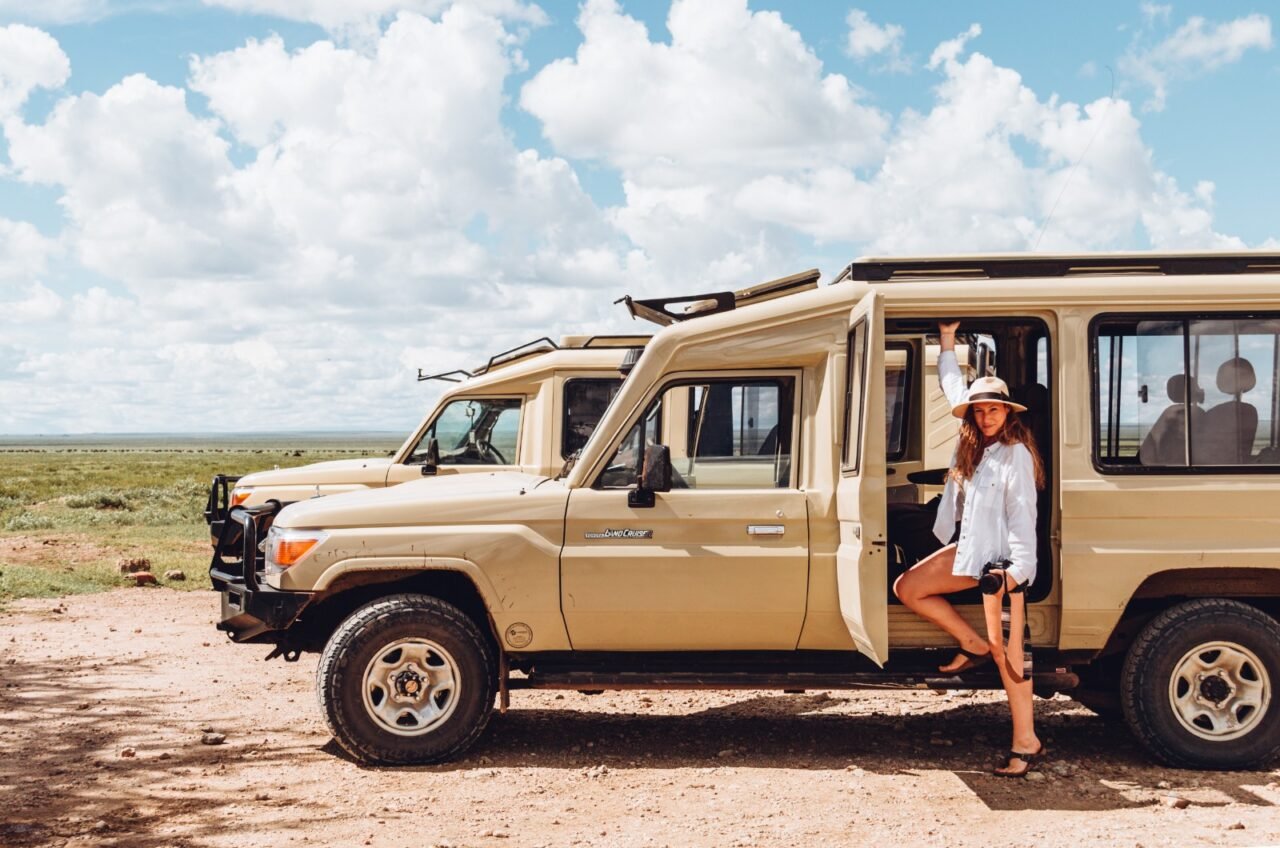
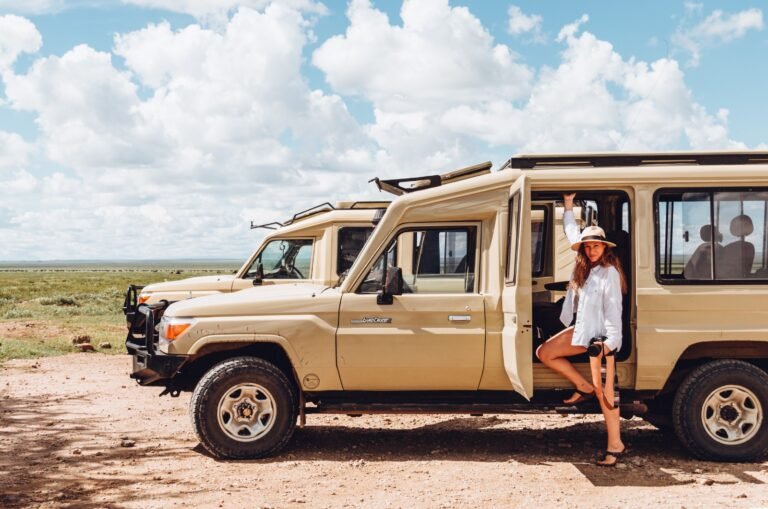
For departures scheduled between 24–31 October 2026, the primary advantage is shared infrastructure. Because Tanzania’s national parks have significant entry fees and vehicle costs, joining a group effectively lowers the per-person price point without compromising the quality of the game drives. You will typically travel in a 4×4 Land Cruiser with a pop-up roof, ensuring everyone has a window seat for photography. The critical factor to verify with any operator is the maximum group size; at Climb 4 Africa, we prioritize smaller group dynamics to ensure that the experience remains intimate and that everyone gets ample time to observe wildlife without the vehicle feeling crowded.
Why Late October is a Strategic Choice
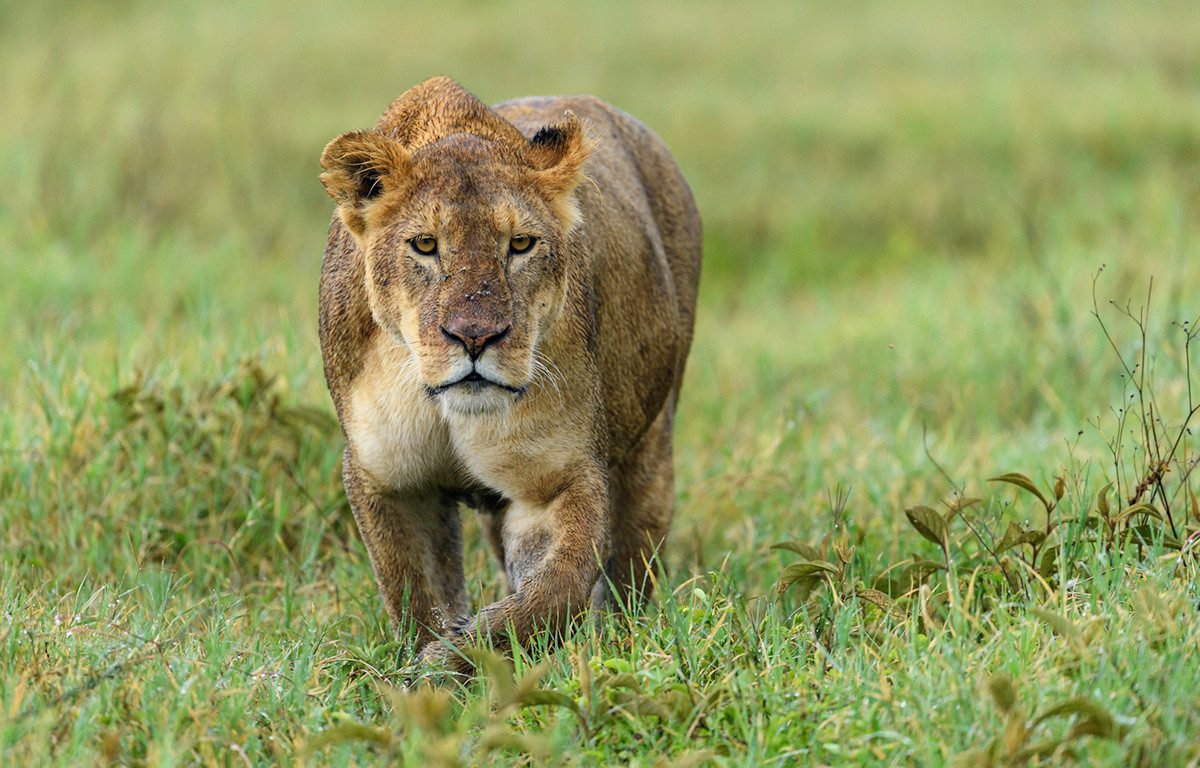
October is widely considered a transition month in Tanzania. By the time you arrive on October 24th, the long, dry months of July, August, and September have typically concentrated wildlife around permanent water sources. This makes game viewing remarkably consistent. The vegetation is still relatively sparse, which makes spotting predators like lions, leopards, and cheetahs much easier compared to the lush, overgrown conditions of the rainy season.
While late October occasionally sees the arrival of the “short rains,” they are often intermittent and localized. This timing offers a unique photographic advantage: the dust begins to settle, the air clears, and the first hints of green appear on the horizon, creating a stark, beautiful contrast against the golden plains. It is a time when the parks are less congested than in mid-summer, allowing for a more authentic, quiet connection with the wilderness.
Key Planning Factors for Your 2026 Dates
If you are aiming for a departure in that final week of October 2026, consider these logistical realities:
- Booking Lead Time: While you don’t necessarily need to book a year in advance, securing your spot at least 6–8 months out is advisable, especially if you have specific preferences for lodge quality or flight connections.
- Itinerary Flexibility: Group departures usually follow a set path (e.g., Tarangire, Ngorongoro, and Serengeti). Ensure you review the itinerary to see if it aligns with your interests—whether you want to focus on birdlife, big cats, or the cultural aspects of the region.
- Accommodation Standards: Confirm whether the group package uses mid-range lodges, tented camps, or a mix of both. Tented camps offer a more in-depth “safari” feel, while lodges provide more traditional amenities.
Navigating the Itinerary: What to Expect
Most group-joining safaris for this time of year are designed to maximize coverage of the Northern Circuit. A typical 6-to-7-day itinerary starting around October 24th generally follows a logical flow to minimize transit time. You will usually start in Arusha, the gateway to the northern parks, and proceed through the following stages:
Day 1: Arrival and Briefing
Most groups congregate in Arusha. This is your chance to meet your guide and fellow travelers. Use this time to perform a final check of your gear and ensure you have all necessary travel documents. If you need any last-minute supplies, Arusha is the place to get them.
Days 2–3: Tarangire and Lake Manyara
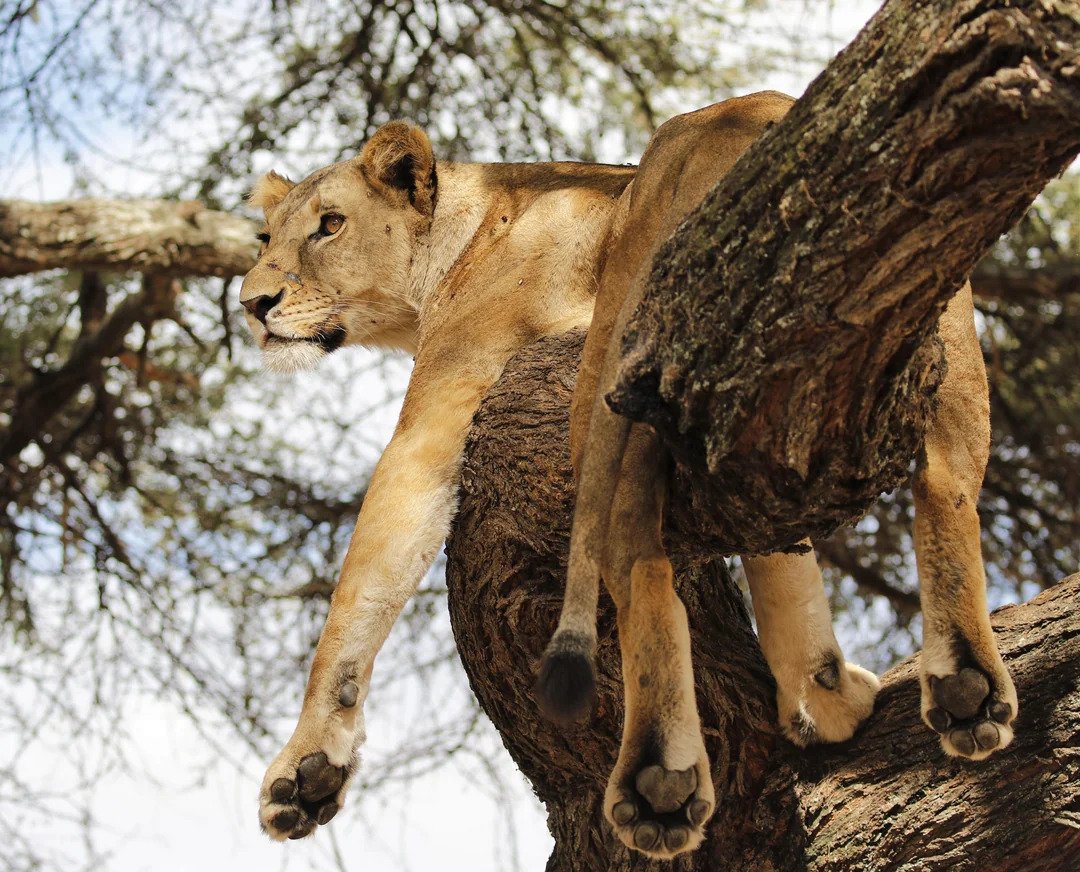
Tarangire is famous for its massive elephant herds and iconic baobab trees. In late October, the Tarangire River is a magnet for wildlife. If your group itinerary includes Lake Manyara, you will likely see the tree-climbing lions and the vast flocks of flamingos that populate the soda lake.
Days 4–6: The Ngorongoro Crater and Central Serengeti
The Crater is an absolute must-visit. Because it is a self-contained ecosystem, you are almost guaranteed to see the Big Five in a single day. Following this, you head into the Serengeti. By late October, the herds are often moving toward the central or eastern regions of the park. Your guide will adjust the daily game drives based on the most recent sightings, which is the primary benefit of traveling with an experienced local operator.
Choosing the Right Group Size
One of the most common questions we receive is, “How many people will be in my vehicle?” This is a valid concern. A crowded vehicle can ruin the experience. When you inquire about group joining departures for October 2026, always ask for the maximum capacity of the vehicle.
We generally recommend a maximum of 6 people per vehicle. This ensures that every person has a dedicated window seat and enough space to move around as they shift from one side of the vehicle to the other to get the best photograph. If you are part of a larger group (such as a tour group of 10 or more), the operator should be using two vehicles rather than squeezing everyone into a larger bus, which is less capable on rough park terrain.
Inclusions and Exclusions: What You Are Really Paying For
When you see a price for a group-joining safari, it is crucial to understand what is covered. A transparent operator will provide a breakdown of costs. Generally, your package should include:
- Park Fees and Concession Fees: These are significant and are usually paid to the government. Ensure they are included in the quote so you don’t face surprise costs at the gate.
- Professional Guide: Your guide is the most important part of your safari. They should be knowledgeable, fluent in your language, and skilled in spotting wildlife.
- Accommodation: Usually based on double occupancy. If you are a solo traveler, clarify if there is a single supplement fee or if the operator can pair you with a roommate.
- All Meals: Breakfast, lunch (often packed), and dinner are standard.
- Transportation: A 4×4 safari vehicle with a pop-up roof.
Items that are typically excluded include international flights, visa fees, travel insurance, tips for the guide and lodge staff, and personal expenses like drinks (specifically alcohol) and laundry services. Always ask for a clear list of what is excluded to avoid confusion later.
Practical Tips for Late October Travel
October in Tanzania is generally pleasant, but it is a time of transition. The temperatures are warm during the day but can drop significantly in the early mornings and at night, especially near the Ngorongoro Crater rim, which sits at a high altitude.
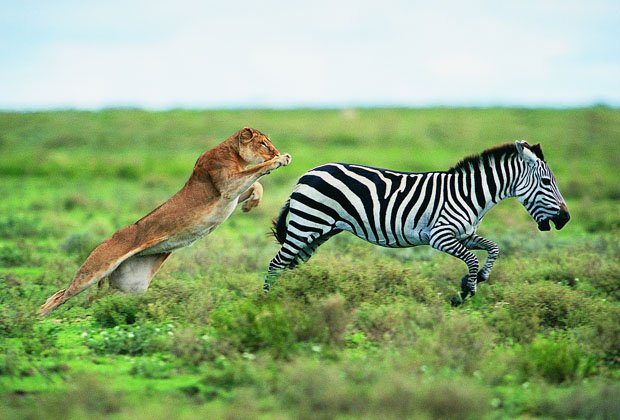
Packing Strategy: Layering is key. Bring a light jacket or fleece for those early morning game drives when the wind chill is high. By midday, you will likely be in a t-shirt. A good pair of binoculars is essential—don’t rely on your neighbor to share theirs. Also, bring a high-capacity power bank; while vehicles often have charging ports, they can be temperamental, and you don’t want to run out of battery just as a lion starts a hunt.
Health and Safety: Always consult your local travel clinic regarding vaccinations and malaria prophylaxis well before your trip. Tanzania is a safe destination, but standard travel precautions apply. Drink bottled water only, and use insect repellent, especially in the evenings.
Why Contact Climb 4 Africa for Your 2026 Plans
When planning a trip for October 2026, you are dealing with a year that is far enough in the future to allow for careful selection, yet close enough that availability for the best lodges can tighten quickly. Contacting a local operator directly, rather than going through a third-party aggregator, ensures that you are getting accurate, up-to-date information about the current state of the roads, the best park areas for that specific month, and the most reliable lodges.
We handle the complexities of park bookings, vehicle maintenance, and guide coordination so you can focus on the experience. If you are interested in a group-joining safari for 24–31 October 2026, reach out to us to discuss the current options. We can help you compare routes, explain the differences between various accommodation levels, and ensure your itinerary fits your travel style.
You can reach our team via WhatsApp at +255 747 477 898 or email us at climb4africa@gmail.com. For backup correspondence, you may also use info@climb-4-africa.com. When you reach out, let us know your travel preferences, whether you are a solo traveler or coming with a partner, and if you have any specific wildlife interests. We look forward to helping you plan your Tanzanian adventure.
Frequently Asked Questions About October Group Safaris
Is late October a good time to visit the Serengeti?
Yes, it is excellent. The dry weather makes it easier to track predators, and the lack of rain means roads are generally in good condition, allowing for smoother travel between parks.
Can I join a group if I am a solo traveler?
Absolutely. Group-joining safaris are designed specifically for individuals and small parties. It is a cost-effective way to enjoy the safari experience without the expense of a private vehicle.
What is the typical age range on these group tours?
Group-joining tours attract a diverse mix of travelers, usually from various countries. It is generally a social and inclusive environment, popular with adventurous travelers of all ages who appreciate a shared experience.
How do I book a spot on a departure for October 2026?
Contacting us directly is the best first step. We can check the latest status of our planned departures for those dates and guide you through the booking process, including deposit requirements and final payment schedules.
Are flights included in the safari package?
Generally, international flights to Tanzania are not included. However, we can assist with advice on regional connections if you are flying into Kilimanjaro International Airport (JRO) or Arusha Airport (ARK).
The Unspoken Rules of Group Safari Etiquette
Joining a group safari for your October 2026 trip is a rewarding experience, but it requires a different mindset than traveling solo or with a private party. When you share a vehicle and, often, a lodge with strangers for a week, the quality of the experience depends on mutual respect and awareness of the group dynamic. Understanding these social and behavioral norms before you depart will ensure that your time in the Serengeti and Tarangire is defined by wildlife sightings rather than friction.
Managing Expectations for Shared Vehicle Life
The safari vehicle is your home for the majority of the day. Most reputable operators, including those managing departures for late October, implement a mandatory seat rotation policy. This ensures that everyone, regardless of when they booked, gets an equal opportunity to sit in the front row, the middle, or the back for a fair portion of the trip. If you find yourself in a seat you dislike one morning, know that it will change by the next session. Accepting this rotation early prevents the common issue of “seat hoarding,” which can quickly sour the mood of the group.
Furthermore, be mindful of the noise level. While excitement is natural when you spot a lion or a leopard, loud conversations can startle wildlife. Your guide is trained to approach animals quietly; your role is to maintain that silence once the engine is cut. Similarly, photography etiquette is paramount. If you have a massive telephoto lens, be conscious of your neighbors. Avoid blocking their view or the guide’s line of sight, and try to keep your camera equipment contained within your designated seating area. If you are not a photographer, be patient with those who are; they are often waiting for the perfect light or action shot, which benefits everyone in the vehicle once the capture is successful.
The Rhythm of the Early Morning
A critical reality of any Tanzanian safari, particularly in the dry season of late October, is the early start. Wildlife is most active in the cool hours of the dawn and the late afternoon. This means your group will likely be departing camp by 6:00 AM or 6:30 AM most mornings. If you are not a morning person, this can be a difficult adjustment. Do not expect the group to delay departure for a late breakfast or a slow wake-up routine. The schedule is dictated by the animals and the park entry regulations, not by personal preference. Being ready five minutes before the agreed-upon time is the most respectful thing you can do for your fellow travelers and your guide.
Social Dynamics at the Safari Lodge
In the evenings, group-joining safaris often share meals at the same table or in the same dining area. This is a unique opportunity to swap stories, share photos, and debrief the day’s sightings. However, it is also a time for social endurance. You will be spending significant time with the same individuals, so bringing a polite, open-minded attitude is essential. If you are an introvert, it is perfectly acceptable to take some quiet time to yourself, but communicate this to your group so they do not feel you are being antisocial. A simple, “I’m going to head to my room to process some photos and get some rest,” is usually sufficient and prevents misunderstandings.
Additionally, tipping etiquette in a group setting is a point of frequent confusion. In Tanzania, it is customary to tip your guide and, if applicable, the camp staff. In a group-joining scenario, it is often best to discuss this as a group toward the end of the trip. Some groups prefer to pool their tips into a single envelope to present to the guide as a collective thank you, while others prefer to tip individually. There is no right answer, but discussing it openly on the final night prevents awkwardness and ensures the guide receives a fair reward for their service.
Cultural Sensitivity and the Guide-Guest Relationship
Your guide is the most important person on the trip. They are not just a driver; they are a naturalist, a mechanic, a translator, and a diplomat. Respecting their authority is non-negotiable. If they advise you to stay in the vehicle, or if they decide to move to a different area because of park traffic or animal behavior, trust their judgment. They are balancing the needs of the group with the safety of the animals and the vehicle. Avoid challenging their decisions in front of the group; if you have a genuine concern about the itinerary or the pace, address it privately with the guide during a break. This preserves the professional dynamic and ensures the guide remains motivated to provide the best possible experience for everyone on board.
Navigating the Final Day: From Wilderness to Departure
The final day of your October 2026 group-joining safari is often the most logistically complex. Unlike the previous days where you were immersed in the rhythm of the bush, this day requires a shift back toward urban and international travel requirements. Most itineraries conclude with a morning game drive in the Serengeti or Ngorongoro area, followed by a significant transit back to Arusha. It is crucial to remember that the drive from the Serengeti gates to Arusha can take anywhere from four to six hours depending on road conditions and traffic. During the dry, dusty conditions of late October, these roads can be bumpy and unpredictable, so factor this transit time into your flight planning.
Many international flights depart from Kilimanjaro International Airport (JRO) late in the evening. A common mistake travelers make is assuming they can simply wait at the airport for several hours after their safari ends. JRO is not an airport designed for long-term comfort; it is functional but lacks extensive lounge facilities for extended stays. The professional standard for this itinerary is to book a “day room” in Arusha. A day room allows you to check in during the afternoon, shower, repack your gear, and enjoy a meal before your transfer to the airport. This transition period is invaluable for sanitizing your equipment and preparing for the flight home, ensuring you do not arrive at the airport exhausted and covered in dust.
When finalizing your 2026 travel arrangements, clarify with your operator whether the airport transfer is included in your group package. While most reputable companies provide a transfer to JRO, it is usually scheduled based on the group’s collective flight times. If your flight is significantly later than the rest of the group, you may need to arrange a private transfer or coordinate a separate departure time. Always communicate your flight details to your operator at least one month before your October departure to avoid any last-minute logistical friction.
Photography and Power: Managing Tech in a Shared Vehicle
In a shared safari vehicle, space is a finite resource, and this becomes particularly apparent when managing camera equipment and charging devices. Late October is the tail-end of the dry season, meaning the environment is exceptionally dusty. This fine, volcanic dust is the enemy of camera sensors and lenses. Before you even set foot in the vehicle, ensure you have a dedicated dry bag or a high-quality, sealable camera case. Do not rely on open camera bags; the vibration of the vehicle will force dust into every crevice of your gear. A simple, effective hack is to bring a large, clean pillowcase or a specialized camera cover to drape over your equipment while moving between sightings. This prevents the fine dust kicked up by the vehicle from settling on your lenses while you are not actively shooting.
Power management is another area where group-joining travelers often find themselves competing for resources. Most safari vehicles are equipped with a single 12V cigarette lighter inverter, which provides a standard power socket. However, with six people in a vehicle, you are likely competing for that single port to charge phone batteries, camera batteries, and power banks. Do not assume you will have unlimited access to power during the drive. The most prepared travelers bring a small, multi-port USB charger or a compact power strip that can plug into the vehicle’s inverter. This allows you to charge multiple devices simultaneously or share the socket with a fellow traveler, which significantly reduces friction within the group.
Finally, consider the ergonomics of photography in a shared vehicle. You will be sharing a row or a specific pop-up roof section with others. If you are using a large telephoto lens, be mindful of your “swing radius.” It is easy to accidentally knock a neighbor’s camera or block their view while tracking a moving animal. In the high-intensity moments of a predator sighting, the excitement can lead to jostling. Establish a “non-verbal signal” with the person next to you—a simple tap on the shoulder or a nod—to indicate when you are shifting position or changing lenses. This level of spatial awareness is part of the unspoken etiquette that makes the shared safari experience enjoyable for everyone, ensuring that you capture the incredible wildlife of late October without compromising the experience of your seatmates.
Health, Safety, and Insurance Considerations for Late October Group Travel
While the focus of your 24–31 October 2026 safari is on wildlife and logistics, the reality of traveling in a group environment during the shoulder season requires specific attention to health and safety. Unlike private travel, where you control your exposure, a group-joining safari involves shared spaces, shared meals, and shared transport. Maintaining your physical well-being is essential to ensuring you do not disrupt the group’s itinerary or your own experience.
Tanzania is a malarial zone, and while October is the dry season—meaning mosquito populations are generally lower than during the wet months—malaria remains a year-round risk. Because you will be in close proximity to others, it is highly recommended to consult a travel clinic or your primary care physician well in advance of your October departure. Start your prophylaxis regimen according to their instructions, ensuring you have enough medication to cover the entire duration of your trip plus the necessary buffer days before and after. Pack a personal medical kit that includes high-DEET insect repellent, antiseptic wipes, and basic over-the-counter remedies for stomach upsets, which can sometimes occur due to changes in diet or water sources, even in reputable lodges.
Regarding insurance, standard travel policies often fail to cover the specific risks associated with safari travel. When searching for coverage for your October 2026 trip, prioritize policies that explicitly include “medical evacuation” and “adventure sports” or “safari activities.” In the remote regions of the Serengeti or the Ngorongoro Conservation Area, medical facilities are limited. Evacuation insurance is not just a luxury; it is a critical safety net. If you are injured or become acutely ill, you need a policy that covers the cost of a chartered flight from a bush airstrip to a hospital in Arusha or Nairobi. Verify that your chosen insurer has experience with Tanzanian operators and understands the logistical challenges of remote rescue.
Finally, consider the reality of shared vehicle safety. During the dry, dusty conditions of late October, respiratory irritation is a common, if minor, complaint. The fine dust stirred up by vehicles on unpaved roads can affect those with asthma or sensitive sinuses. Bringing a lightweight buff or a reusable face mask can be a lifesaver during long drives between parks. It serves a dual purpose: it acts as a barrier against dust inhalation and can also provide a level of personal comfort if a fellow traveler happens to be dealing with a common cold or seasonal allergy, helping to keep the group healthy and mobile throughout the week.
Managing Dietary Requirements and Allergies in Group Settings
One of the most frequent friction points in group-joining safaris involves dietary needs. Because these safaris rely on pre-arranged lodge bookings and communal meal planning, your dietary requirements must be communicated long before you arrive in Arusha. Do not wait until you are in the vehicle on October 24th to mention a severe nut allergy or a strict vegan requirement. Lodges in the Northern Circuit are accustomed to catering to various diets, but they require lead time to procure fresh ingredients, which can be scarce in remote bush locations.
When you register for your 2026 departure, provide a clear, concise list of your dietary restrictions. If you have a life-threatening allergy, carry an EpiPen and ensure your guide is aware of its location and how to use it. While lodges will do their best to accommodate you, remember that you are in a shared environment. If you have highly specific needs—such as a requirement for gluten-free snacks or specific protein supplements—it is your responsibility to bring these items with you from home. Relying on the lodge kitchen to stock specialized gluten-free bread or dairy alternatives in the middle of the Serengeti is a recipe for disappointment. Pack enough non-perishable snacks to sustain you if the lodge’s menu options are limited, ensuring you stay energized for the long days of game viewing.
The Art of the ‘Safari Go-Bag’: Optimizing Your Shared Vehicle Space
In a group-joining safari, your relationship with your luggage changes entirely. Because your primary suitcase will likely be stored in the back of the Land Cruiser or transferred directly to your lodge, the bag you keep at your feet—your ‘Go-Bag’—becomes your survival kit for the 8-to-10 hours you spend on the road each day. For departures between 24–31 October 2026, when the environment is at its driest and dustiest, the contents and organization of this bag can significantly impact your comfort and your standing within the group.
Why Your Day-Bag Matters More Than Your Suitcase
Many travelers arrive with large, overstuffed backpacks that they attempt to wedge into the footwell of the safari vehicle. This is a common error. In a shared vehicle, space is a finite, communal resource. If your bag is too large, it encroaches on your neighbor’s legroom, creating immediate, albeit unspoken, tension. Your Go-Bag should be a soft-sided, structured daypack—ideally no larger than 20–25 liters—that fits comfortably between your feet or underneath your seat. It must be accessible without you needing to stand up or ask others to move.
For the specific conditions of late October, your Go-Bag should be a curated selection of essentials rather than a junk drawer of ‘just-in-case’ items. By keeping this bag organized, you avoid the ‘rummage factor’—that frustrating experience of digging through a chaotic bag while the vehicle is moving, which not only disrupts your own experience but can also block the view or distract your fellow passengers.
The Late-October ‘Dust Mitigation’ Kit
The transition period of late October in Tanzania is characterized by dry, fine, volcanic dust. As your vehicle navigates the Serengeti plains or the approaches to the Ngorongoro Crater, this dust will inevitably find its way into the cabin. A well-prepared traveler integrates dust management into their daily kit. Essential items include a high-quality, reusable buff or neck gaiter, which serves as a versatile barrier against dust inhalation during long drives on unpaved roads. Unlike a bulky scarf, a buff is easy to deploy and stow, making it perfect for the fluctuating conditions of the Northern Circuit.
Additionally, pack a small, airline-compliant bottle of hydrating eye drops and a high-quality moisturizer. The combination of wind, sun, and dust can be surprisingly dehydrating for your skin and eyes. Having these items instantly available in your seat-side kit means you can refresh yourself during a brief stop without needing to access your main luggage. It also prevents you from needing to borrow these items from others, which maintains a sense of self-sufficiency within the group.
Temperature Regulation and Personal Comfort
The weather profile for 24–31 October 2026 involves significant temperature swings. You will start your mornings in the crisp, cool air of the highlands or the pre-dawn darkness of the Serengeti, requiring a fleece or light jacket. By 11:00 AM, the sun will be intense, and you will need to shed layers. Your Go-Bag must be the ‘staging area’ for these transitions. If you have to unzip your main suitcase every time you need to remove a layer, you will quickly become the traveler who holds up the group’s departure from the lodge or the game drive.
Pack your bag with a ‘layering logic’: keep your fleece or windbreaker at the top, easily reachable. Beneath that, keep your sunglasses, sunscreen, and a spare memory card. By maintaining this vertical organization, you minimize the time spent fumbling with your belongings. This level of preparation is a form of social etiquette; it signals to your guide and your group that you are a seasoned traveler who respects the collective time and space of the expedition.
The Psychology of Shared Space
Finally, recognize that a shared vehicle is a social environment where clutter can quickly escalate into collective anxiety. If one person allows their gear—jackets, water bottles, guidebooks, and snacks—to spill over into the seats of others, it creates a sense of chaos that detracts from the serenity of the wilderness. Adopt a ‘zero-footprint’ approach to your seat. Everything you bring into the vehicle should be able to fit within your designated footprint. If you have a large camera bag, discuss with your guide during the Day 1 briefing whether it is better to store it in a central, secure area of the vehicle rather than at your feet. Being mindful of your physical footprint is one of the most effective ways to ensure a harmonious dynamic with your fellow travelers throughout your October 2026 safari.
Navigating the Tipping Culture and Financial Etiquette in Shared Groups
One of the most frequent sources of anxiety for travelers joining a group safari in late October is the ambiguity surrounding tipping. Unlike a private safari where you are solely responsible for the guide’s gratuity, a group-joining arrangement introduces a collective financial dynamic. Because you are sharing the vehicle and the guide’s expertise with others, the tipping protocol requires a coordinated approach to ensure fairness to the staff while respecting individual budget comfort levels.
In the Tanzanian safari industry, tipping is not mandatory but is deeply ingrained as a gesture of appreciation for the service provided by your guide, cook (if applicable), and lodge staff. For a 24–31 October 2026 departure, you should anticipate that your guide will be with you for the duration of the trip. The industry standard is typically calculated on a per-day basis per vehicle, rather than per person. It is advisable to have a conversation with your fellow group members early in the trip—ideally during the Day 1 briefing or the first dinner—to establish a consensus. Discussing this openly prevents the awkward situation where one traveler feels pressured to contribute more than they can afford, or conversely, where the group inadvertently under-tips, which can affect the guide’s morale.
When calculating your contribution, factor in the entire team that supports your journey. While your guide is the face of the operation, remember the behind-the-scenes staff at your lodges and tented camps. Many lodges have central ‘tip boxes’ for the entire staff, which is the most equitable way to ensure that the housekeepers, kitchen crew, and maintenance staff—who rarely interact with guests directly—are recognized for their hard work. For the guide, it is standard practice to provide their tip directly at the end of the safari, typically upon your return to Arusha or your final drop-off point. Ensure you have sufficient US Dollars in small, crisp denominations, preferably printed after 2009, as older bills are often rejected by local banks and currency exchanges in Tanzania.
The Role of Digital Connectivity and ‘Offline’ Expectations
As you prepare for your late October 2026 departure, it is vital to manage your expectations regarding digital connectivity. While many lodges and tented camps in the Northern Circuit have introduced satellite-based internet services, these are rarely designed for high-bandwidth tasks like streaming video or uploading large batches of high-resolution photos. In a group-joining setting, your connectivity needs can inadvertently impact the group’s social dynamic. If you find yourself constantly tethered to your phone or laptop attempting to download emails, you are effectively opting out of the shared experience that defines the group-joining model.
The Serengeti and the Ngorongoro Crater are vast, often remote environments. Signal strength is intermittent at best and non-existent at worst. View your late October safari as a deliberate ‘digital detox.’ Inform your family, colleagues, and friends that you will be largely unreachable for the week of October 24th. This manages external expectations and allows you to be fully present for the wildlife sightings and the camaraderie of your group. If you absolutely must remain reachable for emergencies, purchase a local Tanzanian SIM card at the airport upon arrival in Arusha; local networks like Vodacom or Airtel generally offer better coverage in the parks than international roaming plans, though coverage remains subject to the topography of the bush.
Furthermore, consider the impact of your device usage on your fellow travelers. Using a bright screen in a darkened safari vehicle or a quiet dining area is disruptive. If you need to review your photos, do so in the privacy of your room. By minimizing your digital footprint, you not only preserve your own immersion in the Tanzanian wilderness but also contribute to the collective tranquility of your group, fostering a more genuine connection with the people you are traveling alongside.
The ‘Day Room’ Strategy for Late-Departure Travelers
For travelers whose October 31st departure involves a late-night international flight from Kilimanjaro International Airport (JRO), the transition from the bush to the airport is often the most overlooked logistical hurdle. Group-joining safaris typically conclude in Arusha between 3:00 PM and 5:00 PM. If your flight departs late in the evening or in the early hours of the following morning, you face a significant gap of several hours with no dedicated base of operations. Without a plan, you risk spending these final hours in a crowded hotel lobby or an airport terminal with limited facilities.
This is where the ‘Day Room’ concept becomes essential. Many hotels in and around Arusha offer specific day-use rates, allowing you to check in for a few hours—typically between 12:00 PM and 6:00 PM or 8:00 PM—at a fraction of the cost of a full night’s stay. This is not merely a luxury; it is a vital functional necessity. After six or seven days of traversing the Serengeti and Ngorongoro, you will inevitably be covered in the fine, red volcanic dust characteristic of the late-October dry season. A day room provides a secure, private location to store your luggage while you grab a final meal in Arusha, a space to shower and change into clean clothes before your long-haul flight, and a quiet environment to repack your bags without the pressure of a communal area.
Do not assume these rooms are always available upon arrival. Because late October is a popular time for safari departures, hotels in Arusha can reach capacity quickly. You must communicate your need for a day room to your tour operator during the planning phase, well before your October 24th start date. If your operator cannot secure a day room at your preferred location, ask for recommendations on secure luggage storage facilities or hotel lounges that cater specifically to international travelers. Booking this in advance ensures that your final hours in Tanzania are spent in comfort, allowing you to leave the wilderness refreshed rather than exhausted.
Navigating Room-Sharing Logistics and Privacy
For many solo travelers considering a 24–31 October 2026 group-joining safari, the most significant logistical hurdle is not the game drives, but the sleeping arrangements. Unlike private safaris where you have total control over your accommodation, group-joining itineraries are built on the assumption of double occupancy to keep costs viable. Understanding how operators handle room-sharing is critical to ensuring your trip remains enjoyable rather than a source of stress.
Most group-joining packages operate on a ‘same-sex roommate’ policy. If you are traveling alone, your tour operator will typically pair you with another solo traveler of the same gender within the group. This is standard industry practice, but it is rarely discussed in detail until you arrive. To avoid surprises, you should clarify your operator’s specific policy on this during the booking process for your 2026 departure. Ask directly: ‘How are roommates assigned, and what happens if there is no other solo traveler of my gender?’ In some cases, if the group is unevenly split, you may be provided with a single room at no extra cost, but you should never rely on this as a guarantee.
The Reality of the ‘Single Supplement’
If the idea of sharing a room with a stranger is a dealbreaker, you must inquire about a ‘Single Supplement’—an additional fee that covers the cost of the empty bed in your room. However, for late October, which is a popular shoulder-season window, many lodges in the Northern Circuit operate at high occupancy. This means that even if you are willing to pay the supplement, the lodges may simply not have single rooms available. If you require a private room, this must be requested and confirmed at the time of booking, often 12 to 18 months in advance. Do not wait until you are in Arusha to request this change; by that point, the room inventory is fixed, and your options will be non-existent.
The ‘Safari Room-Sharing’ Etiquette
If you proceed with a shared room, recognize that you are entering a high-intensity social environment. Safari days are exhausting, and your room is your only sanctuary. Establishing ‘roommate ground rules’ on the first evening in Arusha can prevent friction. Discuss sleep schedules early: if one of you is an early riser eager for the sunrise, and the other prefers a slower start, agree on how to handle alarm clocks and lighting without disrupting the other person. Because many safari accommodations in the Serengeti or Ngorongoro are tented camps or eco-lodges with thin walls or canvas partitions, sound travels easily. Using headphones for your devices and being mindful of how you repack your gear in the early morning darkness are small gestures that significantly improve the shared living experience.
Managing Gear and Sanitation in Shared Quarters
Space in safari lodges and tented camps is often more limited than in city hotels. When sharing a room, your gear can quickly clutter the floor, creating a chaotic environment. A practical strategy is to keep your ‘Safari Go-Bag’ (your day-bag) organized and consolidated. Avoid spreading your clothing and camera equipment across the floor or common surfaces. If you are sharing a bathroom, establish a quick rotation schedule. In the dry conditions of late October, water conservation is often a priority at remote camps; keep showers short and be mindful of your water usage. By maintaining a tidy, respectful personal space, you ensure that your room remains a place of rest, allowing you to recharge for the next day’s game drives.
Communicating Preferences Early
If you have specific needs—such as a preference for twin beds versus a double bed, or if you have a medical condition that requires a specific room location—communicate this to your operator well before the October 24th start date. While operators cannot always guarantee specific room placements, they can often flag your file for the lodges, which helps in the logistics of room allocation. Remember, the lodge staff is managing dozens of guests, and clear, advance communication is the only way to ensure your specific requirements are met.
Navigating the ‘Shoulder Season’ Wildlife Behavior
While much of the logistical advice for a 24–31 October 2026 departure focuses on vehicle dynamics and social etiquette, travelers often overlook the specific biological and behavioral shifts occurring in the Tanzanian bush during this exact week. Late October represents a critical biological ‘bridge.’ The long dry season is reaching its absolute zenith, and the landscape is parched, but the anticipation of the short rains (which typically begin in November) creates a unique wildlife viewing environment that differs significantly from the peak July–August period.
Understanding these shifts allows you to adjust your expectations for game drives. During this week, the vegetation is at its thinnest. Because the grasses have been grazed down or dried out by months of sun, visibility is often at its highest. Predator-prey dynamics are also intensified. As water sources dwindle to just a few permanent pools or boreholes in the Central Serengeti and Tarangire, prey species become predictable. You will notice that your guide will spend less time ‘searching’ aimlessly and more time ‘positioning’ the vehicle near known water points. This is not a lack of effort; it is a strategic response to the season. Recognizing this shift helps you appreciate the patience required during these drives.
The ‘Concentration Effect’ in Late October
One of the most profound benefits of traveling during this specific October window is the ‘Concentration Effect.’ As the dry season reaches its peak, wildlife is forced to congregate around the few remaining reliable water sources. In Tarangire National Park, this is particularly dramatic. The Tarangire River, which may be reduced to a series of muddy pools, becomes the lifeline for massive herds of elephants. For your group, this means you are less likely to spend hours driving long distances to find animals. Instead, your game drive becomes an exercise in observational patience. You might spend two hours parked in one spot watching a sequence of elephant families come to drink, interact, and dust-bathe. This is a deliberate, slow-paced style of safari that rewards those who can sit quietly in the vehicle without the urge to constantly ‘move on’ to the next sighting.
Predator Activity and the ‘Hunger Gap’
October is also a time of high tension for predators. With the herds concentrated around water, lions and leopards are often highly active, but they are also conserving energy. You may observe lions resting for the vast majority of the day, waiting for the cover of dusk or dawn to hunt. It is a common misconception among first-time safari-goers that wildlife should be in constant motion. In the heat of an October afternoon, the most ‘successful’ animal is the one doing the least amount of work. If you find yourself in a group that is frustrated by a pride of lions sleeping under an acacia tree, use this as an opportunity to observe their social behavior—the grooming, the ear-flicking, and the subtle communication between pride members. This is the authentic reality of the African bush, far removed from the high-octane action often portrayed in documentaries.
Managing the ‘Wait-Time’ in Your Vehicle
Because the wildlife is concentrated, your safari vehicle will often spend significant periods stationary. In a group setting, this can be a test of personality. Some travelers want to drive until they find something ‘new,’ while others are content to watch a single leopard for an hour. Discussing this with your guide during the morning briefing is essential. Let them know your preference, but remain flexible. If the group dynamics lean toward ‘fast-paced’ but you prefer ‘slow-observation,’ try to negotiate a compromise. Perhaps suggest that the group spends 30 minutes at a major sighting to satisfy the ‘action’ seekers, and then see if the group is willing to stay longer for those interested in photography or observation. Being the person who vocalizes these options respectfully can often save the group from unspoken frustration.
The Subtle Signs of the Impending Rains
By the end of your trip on October 31st, you may begin to notice the subtle, early signs of the short rains. The air might feel slightly more humid, and you might see the first distant cumulonimbus clouds building on the horizon. This is an exciting time in the bush. The dust that has characterized your trip begins to settle, and the environment feels as though it is holding its breath. If you are lucky enough to witness the first rain shower of the season, you will see a transformation. The dry, dusty plains can turn a faint shade of green within days. While this is unlikely to affect your travel logistics, it is a privilege to witness the cycle of the ecosystem reset. When you see these signs, ask your guide about the ‘short rains’—it is an excellent way to engage them in a conversation about the ecology of the Serengeti and Ngorongoro, moving the dialogue beyond just ‘what animal are we looking for?’ to ‘how does this landscape survive?’
The Financial and Contractual Mechanics of Group-Joining Departures
When booking a group-joining safari for the 24–31 October 2026 window, the contractual nature of your agreement differs significantly from a private charter. Because you are essentially purchasing a seat within a pre-determined vehicle, the financial viability of that departure often rests on a ‘minimum number’ clause. It is essential to understand how your operator manages these logistics to ensure your trip is not cancelled due to low participation.
Understanding the ‘Guaranteed Departure’ Clause
Before finalizing your booking, verify if your selected 24–31 October departure is a ‘guaranteed departure.’ In the group-joining model, some operators require a minimum of four participants to cover the fixed costs of the vehicle, fuel, and guide salary. If you book a trip that is not guaranteed, you face the risk of the operator cancelling the departure if they fail to fill the vehicle by a specific date, usually 30 to 60 days before travel. Always ask in writing: ‘Is this specific departure date guaranteed to run regardless of the final group size?’ If the answer is no, inquire about the ‘cancellation threshold’—the date by which they will confirm the trip is proceeding.
The Financial Impact of ‘Last-Minute’ Withdrawals
A common point of friction in group-joining safaris occurs when a participant cancels shortly before the start date. In some budget-tier models, the cost of the vehicle is split equally among the confirmed passengers. If a traveler drops out, the remaining group members may be asked to cover the difference to keep the vehicle viable. Review your booking contract for a ‘price guarantee’ clause. A reputable operator will absorb the risk of a last-minute cancellation, ensuring your per-person price remains fixed at the time of booking. Avoid operators who include clauses allowing them to raise the price if the group size falls below a certain threshold after you have already paid your deposit.
Deposit Structures and Refundability in Shoulder Season
Late October occupies a unique space in the Tanzanian tourism calendar. It is not the peak season (July–September) nor the deep low season. Consequently, deposit structures can be more flexible, but cancellation policies remain strict due to the limited inventory of lodges in the Northern Circuit. When paying your deposit, clarify the ‘non-refundable’ components. Many lodges in the Serengeti and Ngorongoro regions have stringent cancellation windows. Even if your tour operator is willing to be flexible, they are often beholden to the payment terms of the accommodations they have booked for your group. Ensure your travel insurance policy specifically covers ‘trip cancellation’ for any reason, particularly if you are joining a group where your departure depends on the participation of others.
The ‘Single Supplement’ vs. ‘Room-Share’ Contractual Obligations
If you have opted for a ‘room-share’ arrangement to avoid the single supplement, your contract should explicitly state the operator’s policy if the other party cancels their trip. Will you be forced to pay the single supplement, or will the operator bear the cost? A professional operator will have a clear, written policy stating that you will not be penalized financially if your assigned roommate cancels their booking. If your contract is silent on this, it is a red flag. Always request written confirmation that your price is locked in, regardless of changes to the group composition, before you transfer your final payment.
The ‘Transitionary’ Equipment Check: Preparing for Variable Terrain
While much of the logistical focus for a 24–31 October 2026 departure rests on the social dynamics of the shared vehicle, there is a specific, often overlooked category of preparation: the adaptation of your gear to the shifting terrain of the Northern Circuit. As you move from the dusty, volcanic-soil plains of the Serengeti to the more verdant, high-altitude ecosystem of the Ngorongoro Crater, your equipment needs will fluctuate. Failing to account for this transition can result in a disorganized ‘Go-Bag’ that hinders your ability to react to wildlife sightings.
Optimizing Lens and Binocular Accessibility
In a shared vehicle, you do not have the luxury of spreading your camera gear across the entire bench seat. Because you are navigating the tail-end of the dry season, the dust is pervasive. Your primary camera body and lens—ideally a 100-400mm or similar zoom—should be kept in a dust-proof, padded wrap rather than a bulky bag. This allows you to keep the camera ready on your lap or in a small, accessible floor-space area without occupying a seat. For shared vehicles, avoid large camera backpacks that require you to unzip multiple compartments; instead, utilize a ‘top-loader’ style bag that can be secured between your feet. This prevents your equipment from becoming a tripping hazard for your seatmates and protects your glass from the fine, abrasive dust that defines the late-October environment.
The ‘Layered’ Clothing Strategy for Micro-Climates
The 24–31 October window presents a unique meteorological challenge: the morning chill of the Ngorongoro highlands versus the intense, dry heat of the Serengeti plains. Because your vehicle is shared, you cannot store large amounts of extra clothing in the cabin. The most effective strategy is to wear your ‘base’ layer—a light, breathable safari shirt—and keep a single, high-quality fleece or windbreaker tied around your waist or tucked into your day-bag. Avoid bringing heavy jackets that you will have to hold on your lap once the sun rises at 8:00 AM. In a group setting, managing your own temperature regulation without cluttering the vehicle is a subtle but essential component of safari etiquette.
Managing Charging Priorities in Shared Power Systems
Most safari vehicles utilized for group-joining departures are equipped with inverter systems or USB ports, but these are shared resources. Do not assume you will have constant access to a power source for your phone, camera, and tablet simultaneously. In late October, when long game drives are the norm, your devices will drain quickly due to high screen brightness and constant use. Carry a high-capacity power bank that is fully charged before you leave your lodge each morning. This allows you to charge your devices ‘on the go’ without needing to plug into the vehicle’s limited outlets, reducing the need to negotiate with fellow passengers for access to charging ports.
The Ethics of ‘Wildlife Positioning’ in Shared Vehicles
One of the most delicate aspects of a group-joining safari is the unspoken agreement regarding viewing positions. When you encounter a major sighting—such as a leopard in a tree or a lion pride on a kill—the vehicle will stop. In a shared vehicle, it is common practice to rotate viewing positions if the sighting is long-term, but this must be done with extreme care to avoid disturbing the wildlife. If you are sitting on the ‘wrong’ side of the vehicle, wait for a natural lull in the activity before asking to switch seats. Avoid sudden movements or loud exclamations that might startle the animal. Respecting your seatmates’ viewing time is crucial; if you have spent ten minutes with a clear view of a cheetah, offer to switch with a neighbor who has been blocked by the vehicle frame. This cooperative approach not only fosters a better group dynamic but also ensures that everyone returns from the 24–31 October trip with high-quality observations, regardless of their specific seat assignment.
The ‘Lost and Found’ Protocol in Group-Joining Safaris
One of the most overlooked realities of the group-joining safari model is the high turnover rate of the vehicles themselves. As your 24–31 October 2026 safari concludes, your vehicle is not typically heading into long-term storage; it is often being cleaned, restocked with water and snacks, and prepared for the next group of travelers arriving the following morning or even later that same day. This rapid turnaround cycle creates a significant logistical challenge for any traveler who inadvertently leaves behind personal items—be it a camera battery, a pair of sunglasses, or a journal.
In a private safari, the guide is often dedicated to you for several days, and the vehicle is your ‘home base,’ making it easier to track down lost property. In a group-joining context, however, the guide is immediately transitioning to a new set of personalities and needs. If you realize you have left an item in the seat-back pocket or under your bench seat after you have reached the airport or your hotel, the window for recovery is incredibly narrow. Operators often struggle to locate items once the vehicle has left the drop-off point, as the next group may have already claimed the seat or the item may have been moved during the cleaning process.
To mitigate this risk, implement a ‘Final Sweep’ protocol. Do not rely on the guide to check for you, as they are managing the transition to the next group. Before you step out of the vehicle for the final time on October 31st, perform a physical check of your immediate area. Look under your seat, check the side pockets of the door, and verify that all power cables have been disconnected from the shared charging points. If you are traveling with a group, encourage your fellow passengers to do the same. A collective ‘all-clear’ ensures that no one departs with the lingering anxiety of a lost passport or memory card.
The Logistical Handover: Transitioning from ‘Group’ to ‘Individual’ Travel
The transition on October 31st represents a significant shift in your autonomy. For seven days, you have been part of a managed ecosystem where the operator handled every logistical detail, from park entry gates to lodge check-ins. Suddenly, you are an independent traveler again. This ‘logistical hand-off’ is where many travelers experience friction, particularly if they are heading to a secondary destination like Zanzibar or connecting to a late-night international flight from Kilimanjaro International Airport (JRO).
When the safari ends, clarify exactly where the operator’s responsibility terminates. In most group-joining arrangements, the drop-off point is a specific central location in Arusha or the airport terminal. If you have an onward connection, ensure you have communicated your departure time to the operator at least 48 hours in advance. Do not assume that your guide is aware of your specific flight schedule, especially if you joined the group later than others or are departing at a different time. If you are staying in Arusha for an extra night, ensure you have the contact details for your hotel’s reception and a verified transfer service, as the safari operator’s vehicle may not be available to take you to your next accommodation once the tour is officially concluded.
Furthermore, if your onward travel involves domestic flights from Arusha Airport (ARK) rather than JRO, be aware that these are two different airports located on opposite sides of the city. A common mistake for travelers ending their safari on October 31st is assuming these airports are interchangeable. Confirm your departure airport in your documents before the final day of the safari. If you are navigating this transition alone, keep your ‘Safari Go-Bag’ organized—this is the bag you will carry onto your next flight, and it should contain your passport, travel documents, and high-value electronics, keeping them separate from the luggage that may be transferred or stored.
The ‘End-of-Trip’ Debrief: Why Your Feedback Shapes Future Departures
The final element of your 24–31 October 2026 experience is the debrief. Operators of group-joining safaris are highly sensitive to the dynamics of their groups because the success of the product relies on the compatibility of the participants. While you may be tempted to simply head to your next destination, taking ten minutes to provide structured, constructive feedback is immensely valuable for both the operator and future travelers.
When providing feedback, distinguish between ‘logistical failures’ and ‘group dynamics.’ A logistical failure—such as a vehicle breakdown, a missed meal, or a guide who was unprepared—is objective and critical for the operator to address. However, feedback regarding group dynamics—such as the seating arrangement or the noise level in the vehicle—is subjective. If you felt the group size was too large for the vehicle type, or if you felt the ‘wildlife positioning’ etiquette was not enforced, communicate this clearly. Operators use this data to refine their group-joining models, adjust vehicle assignments, and train their guides on how to better manage the social complexities of a shared vehicle.
Avoid vague complaints. Instead, provide specific examples. For instance, rather than saying ‘the group was difficult,’ explain that ‘the lack of a clear rotation policy for the window seats caused unnecessary tension during game drives.’ This level of detail allows the operator to implement concrete changes, such as introducing a mandatory, guide-enforced rotation schedule for the next season. By participating in this feedback loop, you are not just closing the chapter on your own trip; you are helping to refine the experience for the next wave of travelers who will start their own Tanzanian adventure.
The Myth of Itinerary Flexibility in Group-Joining Departures
One of the most persistent misconceptions among travelers booking a 24–31 October 2026 group-joining safari is the belief that the itinerary remains fluid once the journey begins. Because you are traveling in a shared vehicle with a pre-determined route, it is vital to understand that your itinerary is not merely a suggestion; it is a rigid logistical chain. In the context of the Northern Circuit, where park permits, lodge reservations, and vehicle routing are finalized weeks in advance, the ability to ‘change your mind’ on the ground is effectively zero.
The primary constraint is the Tanzanian National Park Authority (TANAPA) permit system. For every day of your 24–31 October departure, the operator has purchased specific entry permits for the vehicle and the passengers. These permits are non-transferable, time-sensitive, and park-specific. If you decide on day three that you would prefer to spend an extra day in the Serengeti rather than heading to the Ngorongoro Crater, the operator cannot simply ‘swap’ the permits. The administrative cost of canceling and rebooking these permits, combined with the lack of availability in lodges during this popular shoulder-season window, makes ad-hoc itinerary changes impossible.
Furthermore, lodge bookings operate on a strict, pre-paid basis. When you join a group, your bed at each tented camp or lodge is booked as part of a block reservation. These properties often operate at near-capacity during late October. If a group member requests a change of accommodation or a shift in the route that requires a new lodge, the operator would not only have to secure a room that is likely already booked but would also lose the non-refundable deposit paid for your original spot. Consequently, your guide does not have the authority to alter the route based on individual requests.
There is also a significant ‘Vehicle Routing’ factor. Your guide is operating on a specific fuel budget and a maintenance schedule designed for the route. Diverting from the planned path to visit a location not on the itinerary—even if it is ‘only a few hours away’—can throw the entire logistical chain into disarray. This includes potential delays in reaching the next lodge before the park gates close, which is a major safety violation in Tanzanian national parks. For the 24–31 October window, when the days are warm and the terrain is dusty, vehicle strain is a real consideration; unnecessary deviations increase the risk of mechanical issues.
If you find yourself experiencing ‘itinerary anxiety’—the fear that you are missing out on a specific sight or park—the best strategy is to communicate this with your operator *before* you arrive in Arusha. If you have specific, non-negotiable interests, such as a desire for more time in Tarangire to see the elephants, ensure that your chosen 24–31 October package aligns with those priorities from the start. Once the vehicle leaves the Arusha office on October 24th, the itinerary is fixed. Accepting this reality allows you to stop ‘managing’ the schedule and start focusing on the wildlife, which is the true purpose of your safari.
Related Guides and Packages
Check Availability for 24–31 October Tanzania Group Joining Safari Departures: Planning Your Trip
Ready to compare dates, prices, and the best option for your group? Send the package name and travel month so the team can reply with a clear quote, availability, and what is included.
October To December Tanzania Group Safari Departure Calendar 2026
A comprehensive guide to planning your Tanzania group safari between October and December 2026, focusing on wildlife migration patterns, weather considerations, and group joining logistics.
View package detailsNov 14, – 5 Day Tanzania Lodge Group Joining Safari 2026
Join our November 14, 2026, 5-day Tanzania lodge safari. This group-joining itinerary offers a balanced, cost-effective way to explore the Northern Circuit.
View package details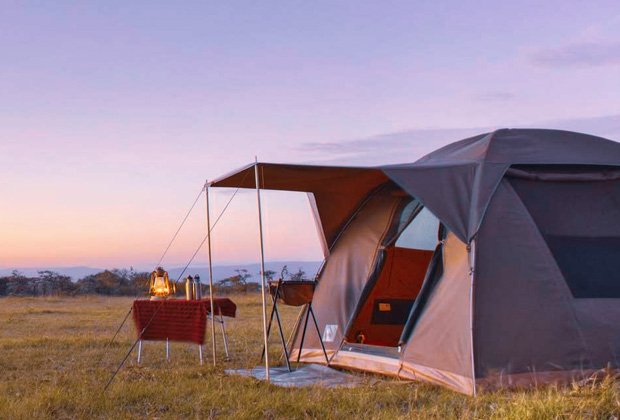
Nov 12, – 5 Day Tanzania Budget Camping Group Joining Safari 2026
A detailed guide to the November 12, 2026, 5-day budget camping group joining safari in Tanzania, covering route logistics, group dynamics, and planning essentials.
View package detailsOct 30, – 5 Day Tanzania Northern Circuit Group Joining Safari 2026
Oct 30, 2026 – 5 Day Tanzania Northern Circuit Group Joining Safari.
View package detailsDecember Tanzania Group Joining Safari Dates And Prices: Best Guide 2026
A detailed guide on planning your December 2026 Tanzania safari, covering group joining logistics, cost considerations, and how to prepare for this peak travel window.
View package detailsNovember Tanzania Group Joining Safari Dates And Prices: Expert Planning Guide
A practical guide to planning a shared safari in November 2026, covering seasonality, cost-saving benefits, and how to coordinate your trip dates with Climb 4 Africa.
View package detailsConfirmed Tanzania Group Safari Departures From Arusha And Moshi: How To Join
A practical guide to joining confirmed Tanzania safari departures from Arusha and Moshi. Understand the shared-cost model, route options, and how to coordinate your 2026-2027 travel dates.
View package detailsChristmas And New Year Tanzania Group Joining Safaris –: Planning Guide 2026
A guide for planning your Christmas and New Year Tanzania safari in 2026–2027, focusing on group joining logistics, cost savings, and the best time to book.
View package detailsNov 26, – 4 Day Nyerere And Mikumi Group Joining Safari 2026
A detailed guide to the November 26, 2026, 4-day group joining safari covering Nyerere National Park and Mikumi National Park, including logistics, wildlife expectations, and booking steps.
View package detailsNov 22, – 2 Day Mikumi Group Joining Safari From Dar Es Salaam 2026
A practical guide to our November 22, 2026, group joining safari to Mikumi National Park, covering logistics, expectations, and booking details for travelers starting from Dar es Salaam.
View package detailsNov 18, – 7 Day Serengeti And Ngorongoro Group Joining Safari 2026
A detailed guide to the 7-day group joining safari departing November 18, 2026, covering Serengeti, Ngorongoro, and the logistical advantages of shared travel.
View package detailsOct 28, – 3 Day Tarangire, Lake Manyara And Ngorongoro Group Safari 2026
A detailed guide to our 3-day group joining safari departing October 28, 2026. Explore the logistics, wildlife highlights, and why this specific route is ideal for travelers looking to...
View package detailsNo related package matches those filters. Clear one or more filters to see the other topic-matched options.



