
Climbing Kilimanjaro in March 2027, specifically during the early weeks, offers a transitional window between the dry season and the start of the long rains, presenting a unique set of advantages for trekkers seeking fewer crowds and potentially drier conditions than later in the month. To maximize your chances of a successful summit, consider joining an early March group departure, which typically enjoys better visibility and manageable trails before the heavier precipitation arrives, while still benefiting from the general influx of trekkers from the peak dry season. The best approach is to book an established group departure, ideally on a longer route like Lemosho or Northern Circuit for better acclimatization, to make the most of this shoulder season.
Understanding March Weather on Kilimanjaro
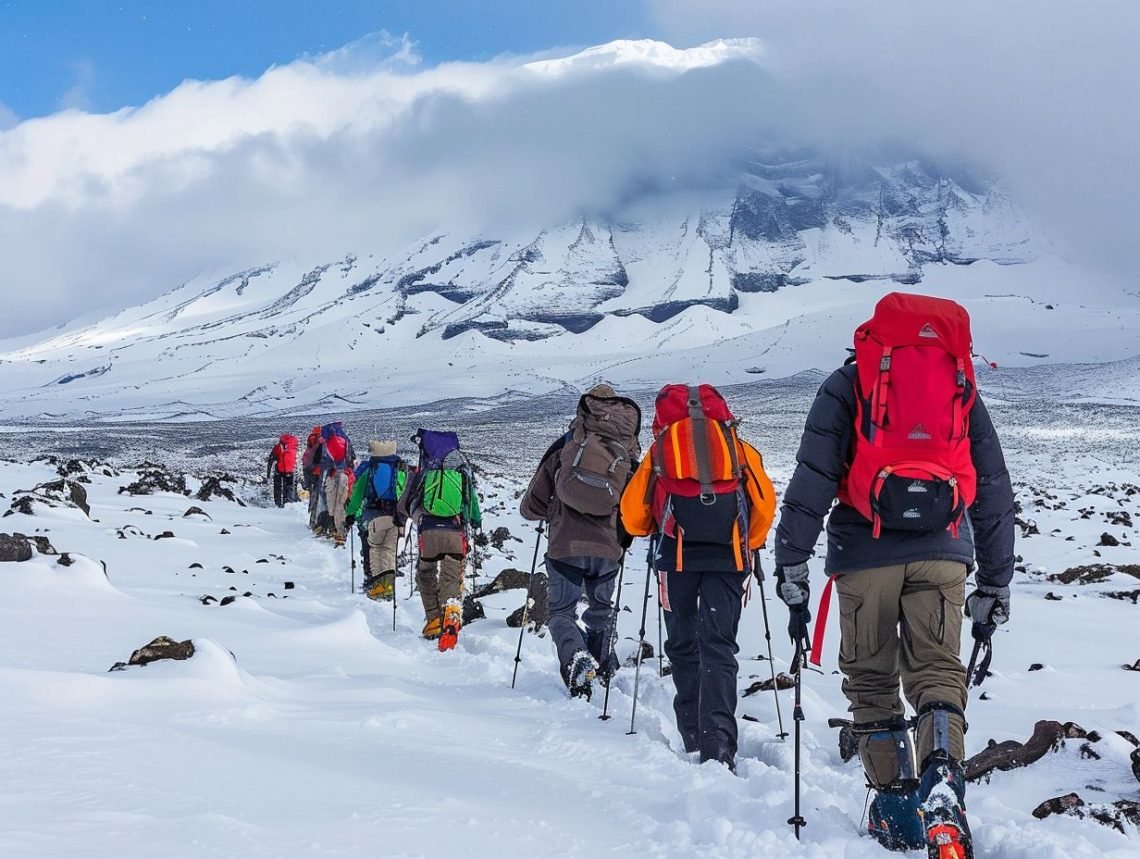
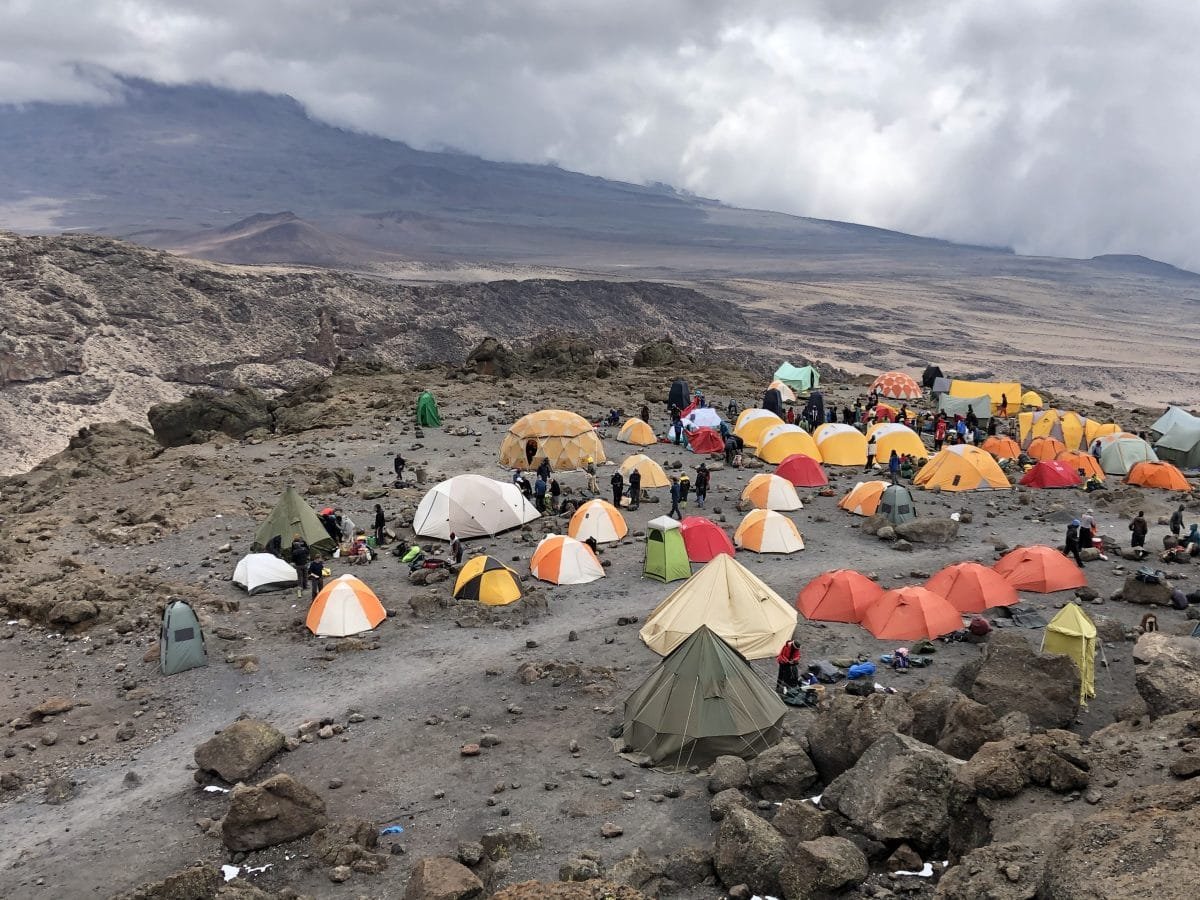
March sits at a fascinating crossroads on Kilimanjaro. It marks the tail end of the warmer, drier season and the very beginning of the long rains, which typically dominate April and May. This means that while you might not get the consistently clear skies and dry trails of January or February, you also avoid the most intense downpours. The weather in early March 2027 can be quite variable. Expect daytime temperatures to be pleasant in the lower regions, perhaps in the low 20s Celsius (70s Fahrenheit), but as you ascend, temperatures will plummet, especially at night and on summit day, easily dropping to -10°C (14°F) or colder. Precipitation is the key factor; early March often sees scattered showers, particularly in the afternoons, rather than continuous rain. These can be short-lived, clearing up to reveal stunning mountain vistas. Higher up, precipitation will manifest as snow or sleet. Visibility can be a mixed bag – some days offer crystal-clear panoramas, while others might be shrouded in clouds, especially in the afternoon. Understanding this variability is crucial for setting realistic expectations and preparing adequately for your Kilimanjaro climb in March 2027.
The long rains are characterized by persistent, heavy rainfall that can make trails muddy and slippery, increase the risk of landslides in certain areas, and significantly reduce visibility. By choosing an early March departure, you’re strategically positioning yourself to benefit from the tail end of the favorable weather patterns before the mountain truly enters its wettest period. This makes early March a prime time for those who want to avoid the peak season crowds of January and February but are still keen on experiencing relatively good trekking conditions. The transition period can sometimes offer dramatic cloud formations and a unique atmospheric beauty to the landscape, adding another layer to the trekking experience.
Why Choose Early March 2027 for Your Climb?
The primary allure of an early March 2027 Kilimanjaro climb lies in its balance of favorable conditions and reduced crowds. The peak dry season, typically from January to February, sees the highest number of trekkers. As the season transitions into March, the crowds begin to thin out considerably. This means more personal space on the trails, quieter campsites, and a more intimate experience with the mountain’s diverse ecosystems. You’ll encounter fewer fellow climbers, which can enhance the sense of adventure and tranquility.
Furthermore, early March often retains much of the dry season’s good weather. While the risk of rain increases as the month progresses, the initial weeks can still offer excellent trekking. You might experience sunny mornings with clearer views, followed by afternoon cloud build-up and occasional showers. This is a significant advantage over the full rainy season, where persistent downpours can make trekking arduous and visibility poor. For those sensitive to extreme cold, early March can be slightly milder than the colder, drier months of June, July, and August, though adequate warm gear is always essential.
Another benefit is the potential for slightly more flexible booking options. As it’s not the absolute peak season, you might find more availability for your preferred routes and departure dates. This is particularly relevant if you’re planning a trip for Kilimanjaro climb March 2027 and want to secure a spot on a specific group departure or require a more tailor-made itinerary. The landscape, transitioning from dry to wet, can also offer a unique visual appeal, with vibrant green hues starting to emerge in the lower montane forests.
Pros and Cons of an Early March Kilimanjaro Trek
To help you decide, here’s a breakdown:
- Pros:
- Fewer Crowds: Experience a more serene climb compared to peak dry season.
- Transitional Weather: Generally drier than mid-to-late March, with manageable showers.
- Good Visibility: Mornings often offer clear views before afternoon clouds gather.
- Potentially Milder Temperatures: Slightly warmer than the coldest months, though still requires warm gear.
- Landscape Transition: Enjoy the mountain’s changing scenery as it moves towards the wet season.
- Booking Flexibility: May offer more options for group departures or private climbs.
- Cons:
- Increased Rain Chance: Higher probability of rain and mist compared to Jan/Feb.
- Variable Visibility: Afternoon clouds can obscure summit views.
- Muddy Trails: Lower sections can become slippery and muddy with precipitation.
- Summit Conditions: Summit night can still be extremely cold and windy, with potential for ice and snow.
Route Recommendations for the Shoulder Season
When planning a Kilimanjaro climb March 2027, especially during this transitional shoulder season, route selection becomes even more critical for acclimatization and enjoyment. Longer routes offer a significant advantage by allowing your body more time to adapt to the increasing altitude, which is crucial when weather conditions can be less predictable.
The Lemosho Route is consistently a top recommendation. Its 7-day, 8-day, or even 9-day itineraries provide excellent acclimatization profiles. The route begins on the western side of the mountain, offering stunning scenery and a gradual ascent through diverse ecological zones. The longer duration means more time spent above 3,000 meters, allowing for better physiological adaptation. Its popularity also means there are usually established group departures available, even in shoulder seasons.
Similarly, the Northern Circuit is ideal for those prioritizing acclimatization. As Kilimanjaro’s longest route, typically taking 9 or 10 days, it circles the mountain, offering a comprehensive and unhurried journey. This extended duration significantly increases success rates and provides a more in-depth experience. Early March departures on the Northern Circuit would offer a peaceful trek with ample time to appreciate the vastness of Kilimanjaro.
The Machame Route, often referred to as the “Whiskey Route,” is another popular choice, typically offered over 6, 7, or 8 days. The 7-day or 8-day versions are highly recommended for March climbs to ensure adequate acclimatization. It’s known for its scenic beauty and challenging terrain, offering a good balance of difficulty and success rates. While the 6-day option is possible, it might feel rushed during a transitional weather period.
The Marangu Route, the only route with hut accommodation, is the shortest and often the least recommended for acclimatization. However, if booked as a 6-day trek, it can be a viable option for those with previous high-altitude experience or who are very fit, though success rates are lower, especially when weather is less predictable. The 5-day Marangu is strongly discouraged for any time of year.
For those considering a Kilimanjaro climb March 2027, especially if aiming for the summit around the middle of the month, it’s wise to look at departures in the first two weeks of March. This allows you to benefit from the lingering dry season conditions as much as possible. Routes like Lemosho or Northern Circuit, with their extended itineraries, offer the best chance of navigating the variable weather with greater comfort and higher success rates. You can find more details on specific route options and departure dates, including those around January and February 2027, which lead into March, on pages like Kilimanjaro Climb January 2027 or 8 Day Lemosho Kilimanjaro – 6 February 2027 Group Departure.
Group Dynamics and Solo Travelers
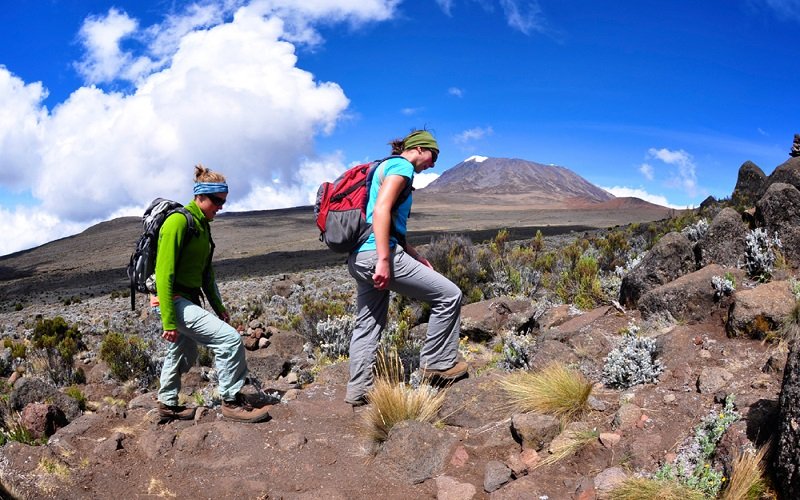
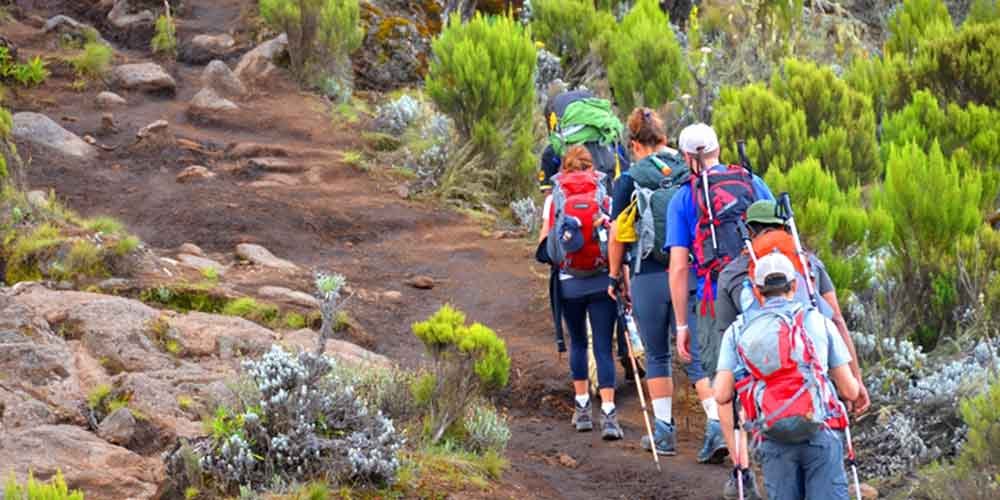
Planning a Kilimanjaro climb March 2027 often involves deciding whether to join an existing group or arrange a private climb. For solo travelers, joining a group is usually the most economical and social option. Climb 4 Africa frequently organizes departures where solo trekkers can join international groups, offering a fantastic opportunity to share the experience with like-minded adventurers. This is particularly beneficial in shoulder seasons like early March when dedicated solo traveler departures might be less frequent than in peak times.
Joining a group provides camaraderie, shared motivation, and the safety of numbers. The dynamics are usually very positive, with trekkers supporting each other. For solo travelers looking to join others, it’s wise to check for confirmed group departures well in advance. Pages like Solo Traveller Kilimanjaro January 2027 – Confirmed Groups to Join, while referencing January, illustrate the type of group options available that can extend into early March.
If you prefer more flexibility or are traveling with a specific group of friends or family, a private climb is an excellent choice. This allows you to set your own pace and departure date, though it comes at a higher cost. Climb 4 Africa can arrange private departures for any route, tailored to your preferences, even for an early March 2027 climb. The key is to communicate your needs clearly when booking.
Consider the route length when joining a group. Longer routes like the Northern Circuit or 8-day Lemosho are great for acclimatization and often attract trekkers who are serious about reaching the summit safely. Shorter routes might attract a broader range of trekkers, but it’s always worth confirming the general fitness level and experience of fellow group members if this is a concern.
Packing Essentials for a March Kilimanjaro Trek
Packing for Kilimanjaro is about layering and being prepared for extreme temperature fluctuations and varied weather. For an early March 2027 climb, this is especially true. You’ll need gear that can handle everything from warm trekking days to freezing summit nights, with the added consideration of potential rain and mud.
- Base Layers: Moisture-wicking thermal tops and bottoms (merino wool or synthetic).
- Mid Layers: Fleece jacket or down vest for insulation.
- Outer Layer: Waterproof and windproof jacket (Gore-Tex or similar) and trousers.
- Insulation Layer: A warm down or synthetic insulated jacket for extreme cold.
- Headwear: Warm, insulated hat that covers the ears; a sun hat or cap for lower altitudes; a balaclava or neck gaiter for summit night.
- Handwear: Liner gloves and warm, waterproof outer gloves or mittens.
- Footwear: Sturdy, broken-in hiking boots (waterproof recommended); comfortable camp shoes or sandals.
- Socks: Several pairs of warm, moisture-wicking hiking socks (wool or synthetic).
- Trekking Poles: Essential for stability on ascents and descents, especially on muddy or slippery trails.
- Headlamp: With extra batteries for summit night and early mornings.
- Sunglasses: High UV protection.
- Sunscreen and Lip Balm: High SPF.
- Water Bottles/Hydration Reservoir: Insulated covers are recommended to prevent freezing. Carry at least 3 liters capacity.
- Duffel Bag: Waterproof, large (80-100 liters) for your main gear, carried by porters.
- Daypack: 30-40 liters for essentials you need during the day’s trek.
- Personal Items: Toiletries, personal medications, basic first-aid kit, camera, power bank.
Given the possibility of rain in early March 2027, ensuring your outer layers are fully waterproof and windproof is paramount. Consider bringing waterproof gaiters to keep mud and water out of your boots. A good quality sleeping bag rated to at least -15°C (5°F) is also advisable, as temperatures at higher camps can drop significantly, even if the daytime feels milder.
Planning Your Kilimanjaro Climb with Climb 4 Africa in 2027
Embarking on your Kilimanjaro climb March 2027 is an exciting prospect, and partnering with an experienced operator like Climb 4 Africa ensures a well-managed and memorable expedition. As a local Tanzanian company, we have intimate knowledge of the mountain, its weather patterns, and the logistics required for a safe and successful climb. Our team is dedicated to providing practical support and expert guidance throughout your planning process.
When you’re ready to plan your early March 2027 Kilimanjaro adventure, consider the following steps. First, identify which route best suits your fitness level, desired acclimatization profile, and budget. Longer routes like the Northern Circuit or an 8-day Lemosho offer the best acclimatization for this transitional season. Second, check our schedule for confirmed group departures in late February and early March 2027. We also have many options for January and February 2027, such as the Kilimanjaro Late February 2027 departures, which can transition nicely into early March.
For those looking for specific dates or themes, we have options like the Lemosho Valentine’s Kilimanjaro Climb – 14 February 2027, or the Kilimanjaro Full Moon Climb January 2027, which demonstrate our range of specialized climbs that might be bookended by general March departures. Remember, booking in advance is highly recommended, especially for 2027, to secure your preferred dates and group. We are experienced in handling solo travelers, couples, and private groups, ensuring everyone receives the best possible experience.
To start planning your Kilimanjaro climb in March 2027, or to inquire about any of our other Tanzania adventures, please don’t hesitate to reach out. We are here to help you select the perfect route, understand the logistics, and prepare for an unforgettable journey to the Roof of Africa.
You can contact us directly via WhatsApp at +255 747 477 898 or send an email to climb4africa@gmail.com. Let Climb 4 Africa guide you to the summit safely and successfully in 2027.
Related Guides and Packages
Check Availability for Kilimanjaro Climb March 2027 – Early-Month Groups Before The Long Rains…
Ready to compare dates, prices, and the best option for your group? Send the package name and travel month so the team can reply with a clear quote, availability, and what is included.
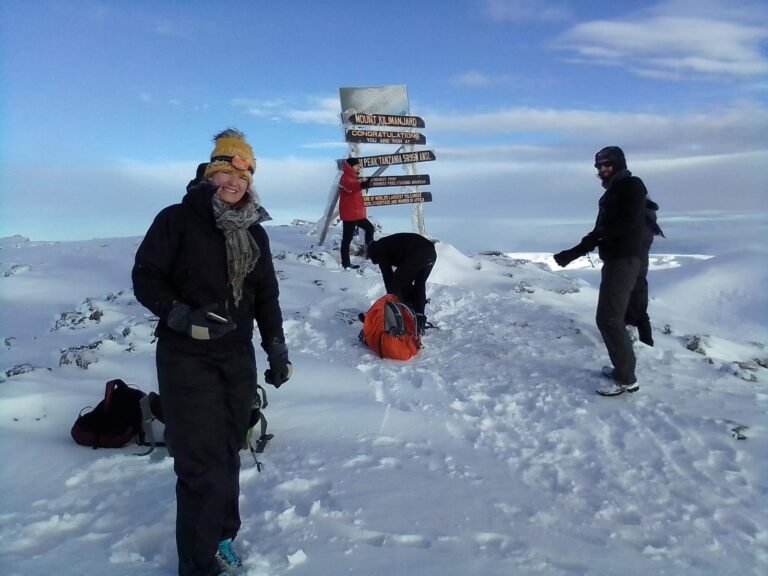
Kilimanjaro Late February : Last Dry-Season Groups Before March Rains 2027
Discover the unique opportunity to climb Kilimanjaro in late February 2027, capturing the last dry weather window before the arrival of the March rains. Plan your ascent during this...
View package details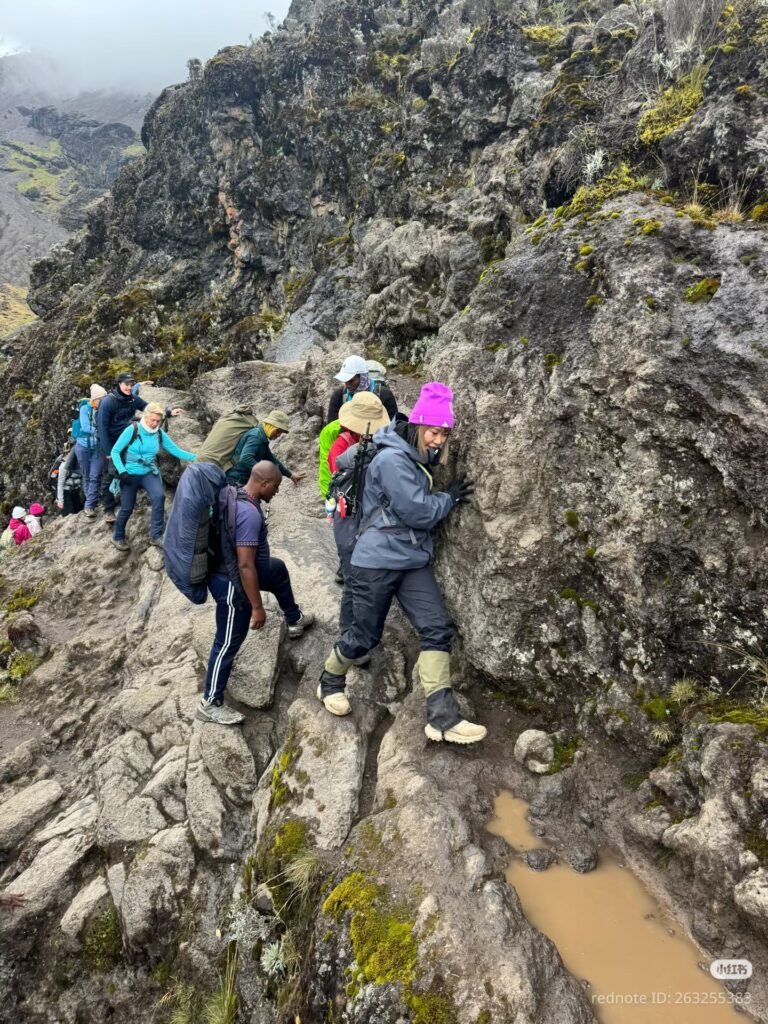
Kilimanjaro Early December : Quieter Climbs Before The Christmas Rush
Considering a Kilimanjaro climb in early December 2026? This period offers a unique window of opportunity for a less crowded experience on the mountain before the festive Christmas rush. It...
View package details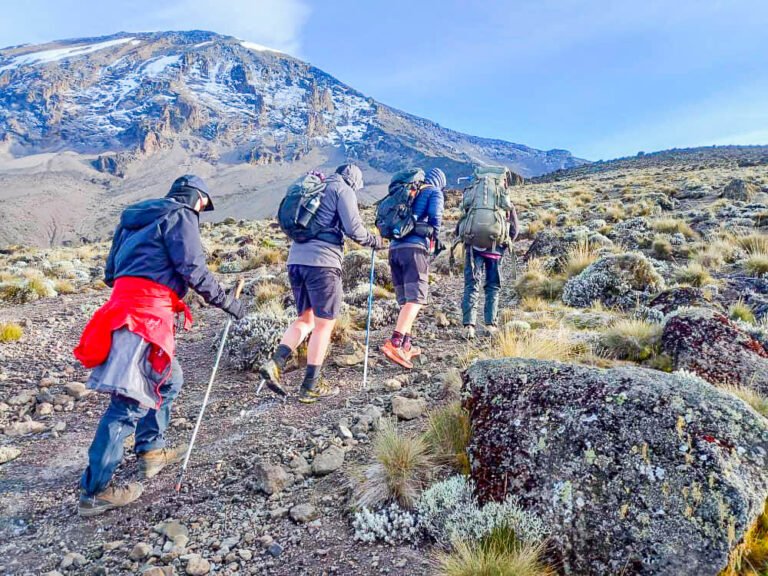
Kilimanjaro Easter Climb – Trek Around 26-29 March With 4 Africa 2027
start a Kilimanjaro Easter Climb in 2027, with prime trekking dates around March 26-29. This guide explores the benefits of climbing during this transitional period, key route...
View package details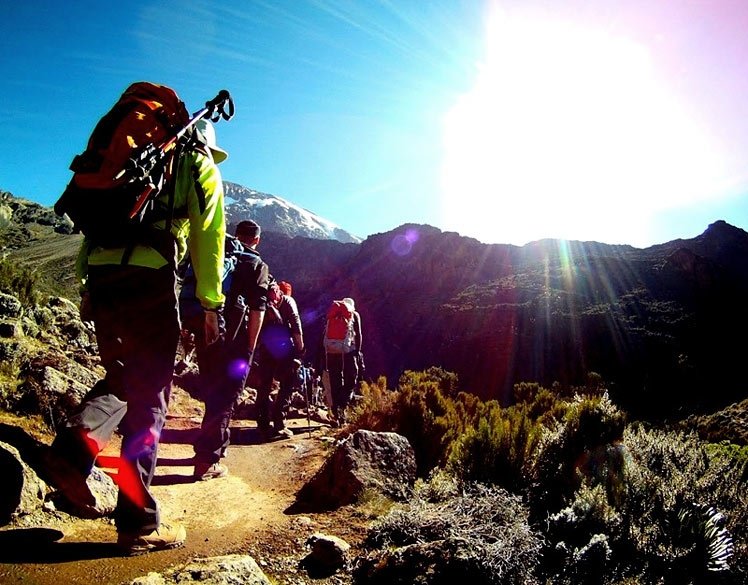
Kilimanjaro Full Moon Climb March – Summit Around 22 2027
Kilimanjaro Full Moon Climb March 2027 – Summit Around 22 March is explained with current 2027 planning, price, itinerary and booking information.
View package details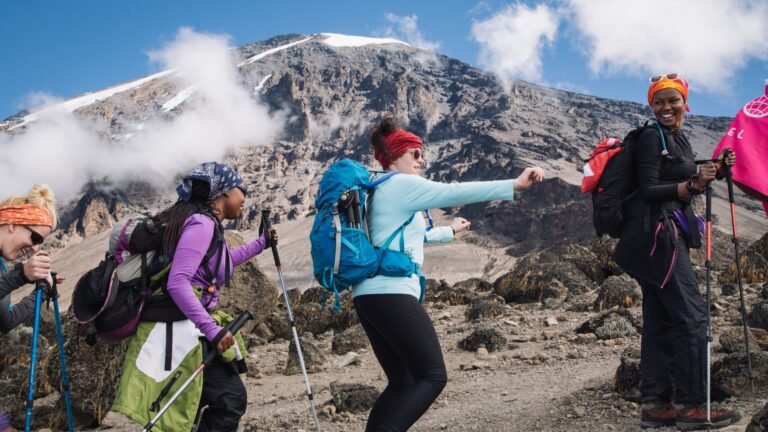
International Womens Day Kilimanjaro Climb – 8 March 2027
International Women's Day Kilimanjaro Climb – 8 March 2027 is explained with current 2027 planning, price, itinerary and booking information.
View package details
8 Day Lemosho Route – 6 March Kilimanjaro Climb 2027
8 Day Lemosho Route – 6 March 2027 Kilimanjaro Climb is explained with current 2027 planning, price, itinerary and booking information.
View package details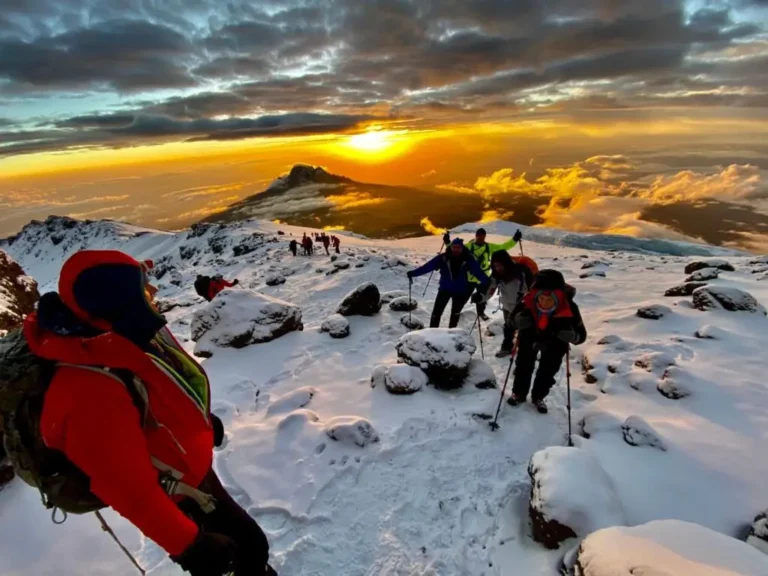
Kilimanjaro 1 March – Early Group Trek 2027
Kilimanjaro 1 March 2027 – Early March Group Trek is explained with current 2027 planning, price, itinerary and booking information.
View package detailsKilimanjaro Climb February – Dry Season Groups And Availability 2027
Kilimanjaro Climb February 2027 – Dry Season Groups and Availability is explained with current 2027 planning, price, itinerary and booking information.
View package details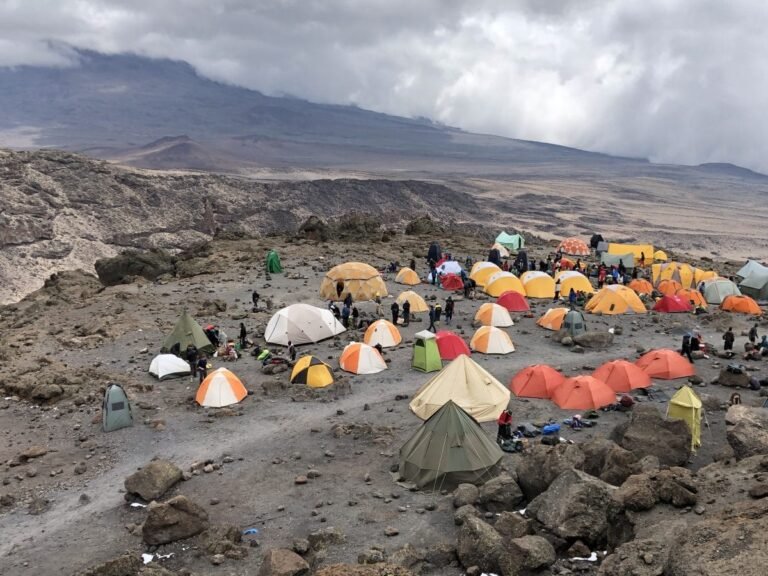
Kilimanjaro May Private Climb: Flexible Low-Season Dates For Your Adventure
start a private Kilimanjaro climb in May 2027. This guide details the advantages of low-season dates, route options, and essential planning for your unique adventure.
View package details
Late May Kilimanjaro – Is It Better Than Early May? 2027
Deciding between late May and early May for your 2027 Kilimanjaro climb involves understanding subtle shifts in weather, crowd dynamics, and the mountain's overall feel. While both periods...
View package details
Kilimanjaro Full Moon Climb May – Summit Around 20 2027
start a magical Kilimanjaro Full Moon Climb in May 2027, aiming for the summit around May 20th. This guide details the unique experience, optimal planning for the Green Season, and how...
View package detailsClimbing Kilimanjaro In May : Your Green Season Trekking Guide 2027
Discover the unique advantages and challenges of climbing Kilimanjaro in May 2027. This guide details everything you need to know for a successful trek during the shoulder season.
View package detailsNo related package matches those filters. Clear one or more filters to see the other topic-matched options.



